

Overview of Marine Photo Production
Marine photo production encompasses a specialized segment of the visual media industry dedicated to capturing the dynamic and diverse environments of the world’s oceans, seas, and waterways. This discipline involves the careful documentation of maritime elements such as ships, boats, marine wildlife, underwater habitats, and coastal landscapes. It plays a vital role in creating compelling visual narratives for a broad spectrum of media purposes, including commercial advertising, documentary films, scientific research, and digital content creation. Marine photography not only showcases the aesthetic beauty of aquatic ecosystems but also supports marine conservation efforts by highlighting ecological concerns and undersea phenomena.
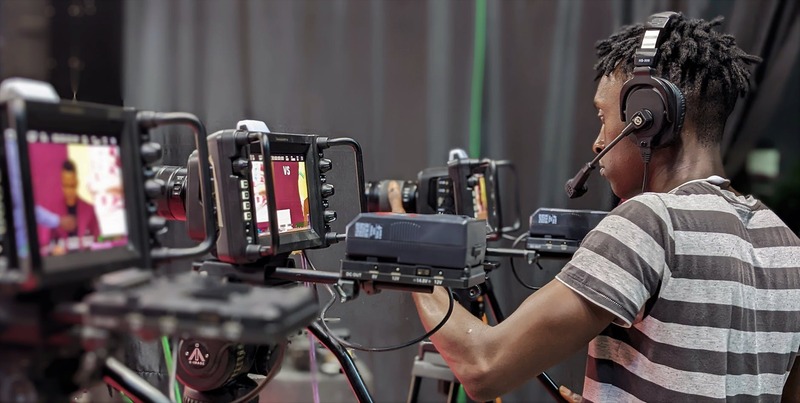
In essence, marine photo production serves as a bridge between the natural world and technological innovation, allowing stakeholders to communicate complex marine stories through high-quality, impactful imagery. The scope of this field extends beyond surface-level pictures to include underwater photography, aerial drone shots, and time-lapse sequences that depict changing marine conditions. This multi-faceted approach requires a comprehensive understanding of marine ecosystems, photographic craftsmanship, and the deployment of suitable technical equipment to achieve authentic and compelling visuals.
Types of Marine Photography
- Underwater Photography: Capturing marine life and underwater landscapes using waterproof cameras and lighting systems.
- Aerial Marine Photography: Utilizing drones and aircraft to document coastal areas, ports, and vessel movements from above.
- Vessel and Fleet Photography: Photographing ships, boats, and maritime equipment for promotional, documentary, or operational needs.
- Wildlife Marine Photography: Documenting marine mammals, fish, and other aquatic fauna in their natural habitats.
- Underwater Videography: Producing dynamic moving images for documentary storytelling and promotional content.
Equipment and Techniques for Marine Photo Production
The distinct challenges of marine environments demand specific equipment to ensure high-quality results. Photographers often rely on waterproof housings, stabilizing rigs, and specialized lighting solutions to manage variable conditions such as water clarity, light penetration, and motion. Advanced camera systems with high resolution and low-light sensitivity enhance image clarity in deep or murky waters. Drones equipped with waterproof casings enable aerial shots that offer overarching views of marine landscapes and vessel operations. Additionally, employing techniques such as macro photography for underwater close-ups or time-lapse sequences of tidal changes adds depth to marine storytelling.
Post-Production and Editing in Marine Photography
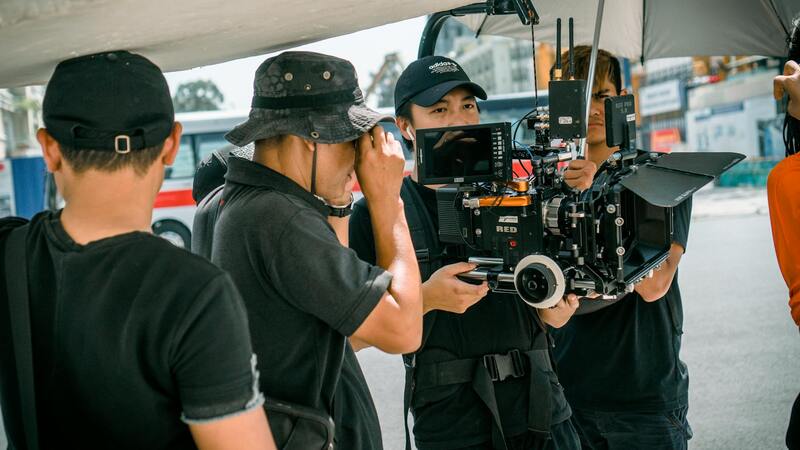
The post-production phase is critical in refining marine images to meet client specifications and to highlight key storytelling elements. Professional editing includes color correction to balance underwater hues, removal of visual noise, and enhancement of details through sharpening. For videos, editing sequences are stitched together to create seamless narratives, incorporating soundscapes and visual effects. Advanced software tools facilitate precise adjustments, ensuring that the final output accurately reflects the vibrant and intricate marine world while adhering to industry standards for media dissemination.
Equipment and Techniques for Marine Photo Production
Effective marine photo production hinges on the specialized equipment and refined techniques tailored to the unique challenges of aquatic environments. Photographers utilize waterproof housings to safeguard sensitive camera gear against water intrusion, ensuring crisp and clear images even in adverse conditions. Stabilizing rigs, such as buoyancy-adjusted tripods or handheld stabilizers, mitigate motion blur caused by water currents or vessel movement, enabling sharp focus and steady shots.
Lighting plays a crucial role in marine photography. Underwater illumination systems with adjustable color temperatures help compensate for light absorption at various depths, revealing vibrant colors of marine life and underwater structures. For aerial photography, drones equipped with waterproof casings and stabilized gimbals expand the scope of capture, providing expansive overhead views of marine environments and vessel operations.
Techniques such as macro photography for capturing intricate details of marine creatures, or time-lapse sequences illustrating tidal movements, add rich storytelling layers. Underwater housings with integrated lighting facilitate close-up shots of coral reefs, marine flora, and fauna, while high-resolution sensors ensure fine details are retained despite challenging lighting conditions. For aerial imaging, deploying drones with GPS stabilization and high-resolution sensors provides comprehensive vistas of sprawling marine landscapes, ideal for navigation or environmental monitoring.
Utilization of polarized filters and selective focus methods further enhances image quality by reducing surface reflections and isolating subject details. These technologies, combined with precise framing and exposure adjustments, produce captivating visuals that can serve educational, commercial, or research purposes within the marine sector.
Post-Production and Editing in Marine Photography
Refinement after capturing marine images and video content involves meticulous post-production work. Color correction is fundamental to restore the natural vibrancy lost through water absorption, especially in underwater shots where greens and blues tend to dominate. Visual noise reduction techniques help eliminate graininess caused by low-light conditions, while sharpening enhances subtle textures and details.
For videos, editing sequences are carefully stitched to produce fluid narratives, integrating soundscapes that reflect the marine environment’s ambiance. Advanced editing software allows for precise adjustments—adjusting contrast, saturation, and exposure—that ensure the final media presentation faithfully depicts the scene’s dynamic qualities. When required, visual effects can be added to highlight specific marine features or to illustrate underwater phenomena, providing a more engaging viewer experience.
In all cases, adherence to high standards of image integrity is maintained through rigorous editing processes, ensuring the imagery is suitable for a range of applications—from scientific documentation to commercial marketing campaigns.
Official Methods for Conducting Marine Photo Production
Engaging in marine photo production requires a strategic approach that prioritizes safety, precision, and adherence to industry standards. The process begins with thorough planning, including scouting the marine environment to identify optimal locations and times for capturing images. This involves understanding tidal patterns, lighting conditions, and marine activity to ensure the highest quality visuals. Utilizing official, authorized equipment and techniques not only safeguards the integrity of the media but also aligns with professional best practices.
Standard procedures involve the use of specialized gear such as waterproof cameras that can withstand harsh maritime conditions, drones equipped with stabilization features for aerial shots, and underwater lighting systems to illuminate submerged subjects. Ensuring equipment complies with regulatory guidelines and manufacturer specifications is essential for achieving stable, high-resolution imagery. When capturing **marine wildlife or protected areas**, obtaining necessary permits through appropriate authorities guarantees that the production respects environmental safeguards and marine conservation efforts.
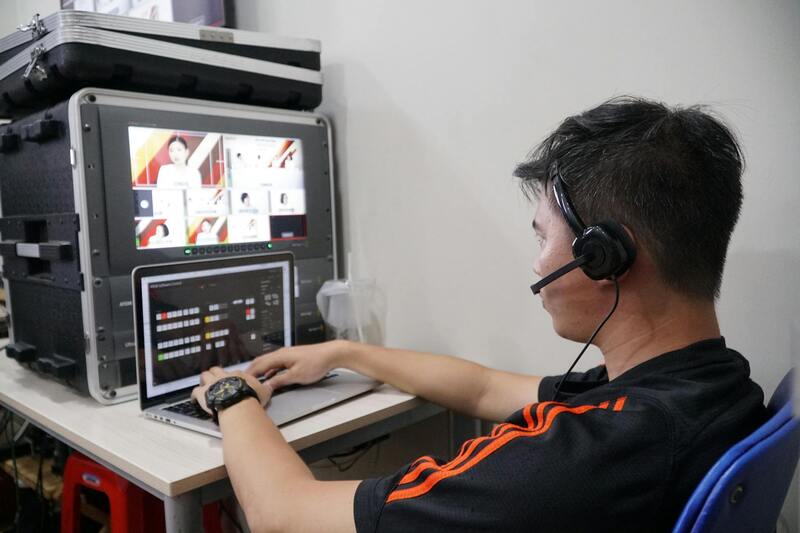
Best practices also include implementing precise framing and exposure settings tailored to the dynamic water conditions. Techniques such as using polarized filters help reduce glare and surface reflections, while ISO settings are optimized to minimize noise in low-light underwater scenes. When employing drones or remotely operated vehicles (ROVs), operators must follow established safety protocols to prevent environmental disturbance or damage to the equipment. These detailed methods form the backbone of legitimate marine photo production, emphasizing quality, safety, and respect for maritime environments.
Utilizing Authorized and Certified Techniques
Operational legitimacy in marine photo production hinges on the adherence to certified procedures authorized by relevant maritime and environmental agencies. This includes the use of certified equipment that has passed safety and functional tests for maritime conditions. Officiating the process also involves aligning with international standards for drone operation and underwater photography, such as those outlined by maritime and aviation authorities. These guidelines help mitigate risks associated with equipment failure or marine ecosystem disruption, ensuring that the production process remains compliant with official regulations.
Implementing comprehensive risk assessments prior to shooting sessions is a critical step. These assessments evaluate potential hazards posed by the water environment, such as strong currents, marine life interactions, and weather variations. By leveraging validated methodologies for risk management, operators can secure necessary clearances and operate within authorized zones, thus maintaining the integrity of the production process without compromising safety or ecological balance.
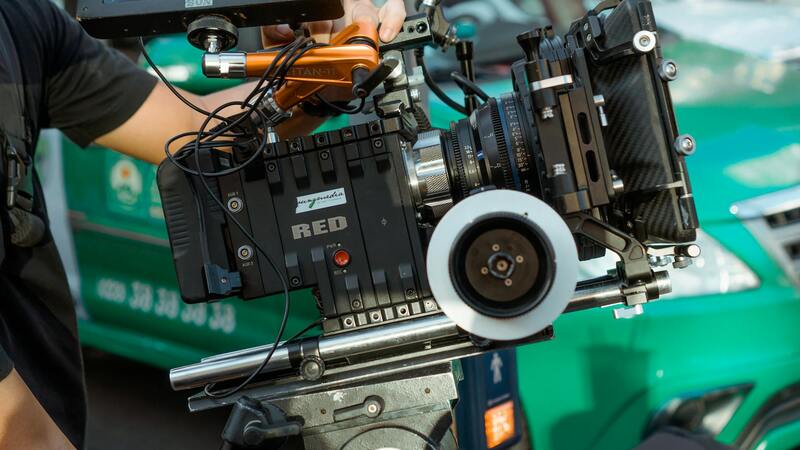
Furthermore, documenting all procedures, permits, and equipment certifications enhances transparency and accountability in marine photo production projects. This documentation supports future reference, audits, or inspections and solidifies the legitimacy of the approach. Maintaining high standards in operational practice not only aligns with official protocols but also elevates the credibility and quality of the final visual assets, making them suitable for authoritative use in scientific publications, commercial campaigns, or governmental reports.
Equipment and Techniques for Marine Photo Production
Achieving high-quality marine photography involves the strategic use of specialized equipment and advanced techniques tailored to the unique challenges of photographing in aquatic environments. The choice of gear and methods directly influences the clarity, detail, and overall impact of the visual assets produced.
Specialized Camera Equipment
Marine photo production necessitates the use of durable, waterproof, and often buoyant camera systems. Underwater cameras are engineered to withstand high pressure and corrosive saltwater conditions, ensuring longevity and consistent performance. Popular choices include waterproof DSLRs and mirrorless cameras housed within high-grade underwater enclosures, equipped with ports optimized for various lenses.
For aerial and surface shots, drone technology has become indispensable. These drones are outfitted with stabilized gimbal systems and high-resolution sensors, allowing for capturing expansive marine landscapes and dynamic vessel movements. They must be equipped with GPS and obstacle avoidance sensors to navigate safely over water surfaces and near marine structures.
Lighting Solutions for Marine Environments
Lighting plays a critical role in marine photography, especially underwater where natural light diminishes rapidly with depth. Underwater lighting systems such as LED strobes and continuous light sources enhance visibility, color accuracy, and contrast in submerged scenes. For surface shots, diffused natural light or portable LED panels are used to maintain even illumination, reducing shadows and highlighting marine life and features.
Techniques and Best Practices
Effective marine photo production relies on a mix of technique and environmental understanding:
- Stability and Composition: Using stabilization tools like gimbals and tripods ensures sharp images amidst water currents and vessel movement. Rule of thirds and leading lines guide composition to create engaging imagery.
- Focus Management: Autofocus systems with tracking capabilities help maintain sharp focus on moving marine subjects, such as fish or marine mammals.
- Color Correction and Filtration: Employing filters like red or magenta enhances color accuracy under water where blue and green hues dominate. Post-capture color correction further refines the imagery.
- Timing and Conditions: Shooting during optimal conditions, such as early mornings or late afternoons, when light is softer, reduces glare and enhances image quality.
Safety and Environmental Considerations
Maintaining safety protocols and environmental awareness is integral to marine photo production. This includes adhering to navigation regulations, avoiding disturbance to marine life, and ensuring the integrity of sensitive ecosystems. Regular equipment maintenance prevents malfunctions that could pose risks during shoots at sea or underwater.
Investing in high-quality waterproof housings, calibration tools, and stable platforms is crucial for achieving professional-grade visuals while safeguarding crew and equipment. Proper planning, including risk assessments and obtaining necessary permits, ensures compliance with official protocols and supports sustainable practices.
Overview of Marine Photo Production
Marine photo production encompasses a comprehensive array of professional imaging practices tailored to capture the intricate beauty and dynamic environment of the maritime realm. This specialized field involves a combination of strategic planning, technical expertise, and innovative equipment to produce high-quality still and moving images that serve numerous purposes across industries such as marketing, research, conservation, and media publishing. The process begins with meticulous planning to identify the desired visual elements, location scouting, and assessing meteorological and oceanographic conditions to ensure optimal shooting environments. Once in the field, operators deploy advanced photography tools—including waterproof housings, stabilized platforms, and underwater lighting—to achieve clear, vivid visuals amid challenging marine conditions. The goal is to produce compelling visual content that accurately reflects marine ecosystems, vessels, navigation, and related maritime activities, all while maintaining safety protocols and environmental considerations. Post-production techniques, such as color correction, image sharpening, and compositional enhancements, further refine these visuals to meet professional standards and project specifications.
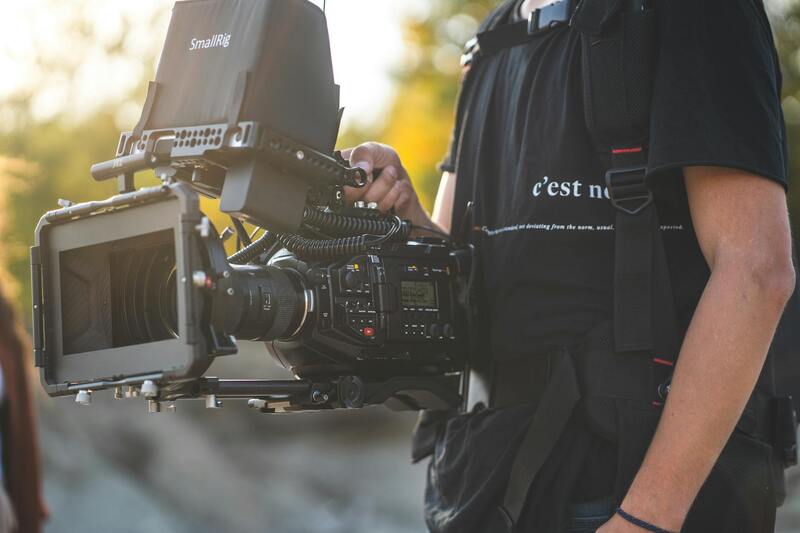
Types of Marine Photography
Marine photo production spans a variety of photographic styles, each tailored to specific objectives and settings. Among the most prominent are underwater photography, which excels in capturing marine life, coral reefs, and submerged landscapes; vessel photography that highlights maritime vessels, ports, and offshore infrastructures; aerial photography taken from drones or aircraft providing expansive views of the coastline, shipping lanes, and marine habitats; and macro photography focusing on minute marine organisms and intricate underwater details. These categories often overlap, with professionals blending techniques to create comprehensive visual narratives. Special attention is given to lighting and color management, particularly in underwater contexts where natural light diminishes and blue-green hues dominate, requiring the use of filters, strobes, and post-processing to restore true color fidelity. Each style demands unique equipment setups and operational strategies to overcome environmental challenges such as water clarity, currents, and limited visibility, ensuring high-quality results in diverse marine conditions.
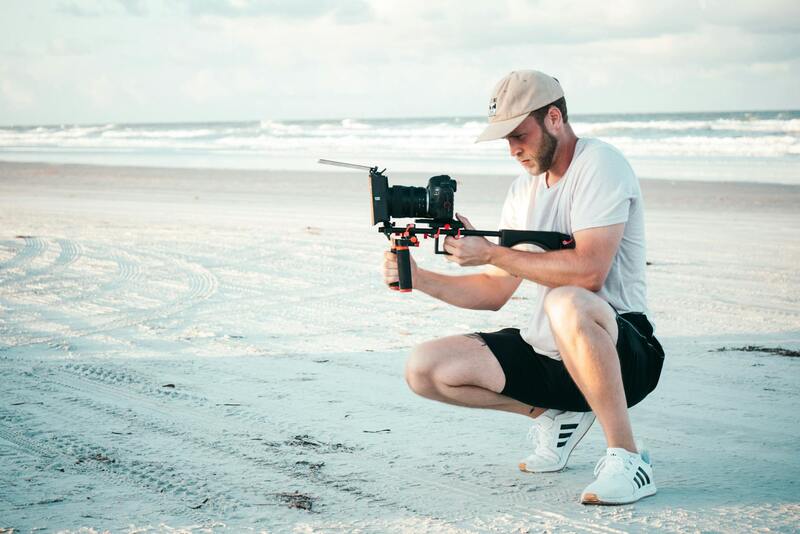
Equipment and Techniques for Marine Photo Production
The success of marine photo production hinges on utilizing robust, specialized equipment capable of withstanding harsh elements while delivering exceptional imagery. Essential tools include waterproof housings, which safeguard cameras against moisture and pressure during underwater shoots, and stabilization systems such as gimbals and rigs that help maintain clarity amidst currents and movement. High-powered lighting, including underwater strobes and LED arrays, compensates for low-light conditions, ensuring accurate color reproduction. Aerial photography benefits from drones equipped with high-resolution cameras, offering perspectives that are otherwise difficult to achieve. Techniques such as focus stacking, high dynamic range imaging, and slow shutter speeds are employed to capture maximum detail, especially in low-visibility environments. Furthermore, pre-shoot planning such as tide chart analysis, environmental assessments, and site reconnaissance minimizes disruptions and enhances the quality of captured images. Rigorous calibration and regular maintenance of equipment delay malfunctions and ensure consistent output, a critical factor for delivering professional-grade visual content.
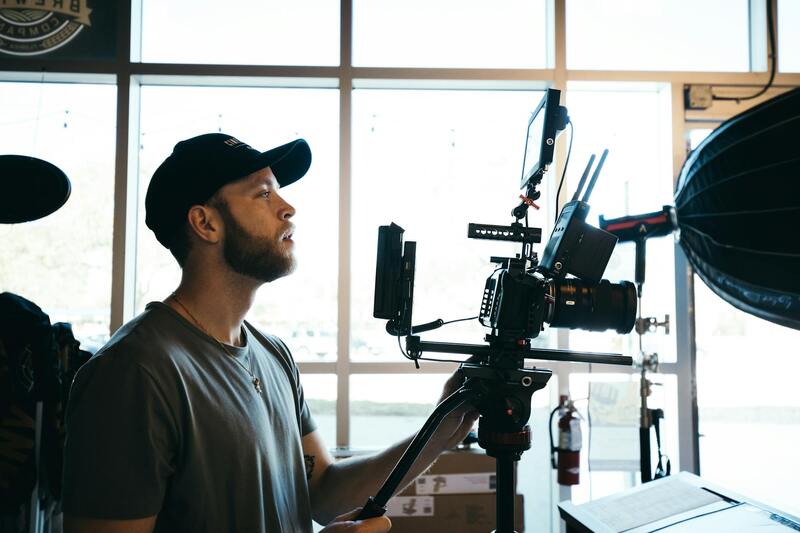
Post-Production and Editing in Marine Photography
Post-production is a vital phase in marine photo production that transforms raw captures into polished, publishable images. This stage involves color correction techniques to counteract underwater color absorption and enhance vibrancy, utilizing software tools for adjusting brightness, contrast, and balance. Noise reduction algorithms help improve clarity in images affected by particulate matter or low-light conditions. Sharpness and detail enhancement emphasize textures, marine life features, and water movement, while cropping and compositional adjustments improve framing and focus. For videos, editing includes stabilization, color grading, and sound synchronization to produce immersive visual narratives. Advanced editing processes may incorporate compositing and layering to combine multiple exposures, creating high-dynamic-range (HDR) imagery that captures the full scope of a scene. Saving and exporting high-resolution files in appropriate formats ensures that visuals meet specific project requirements, whether for digital media, print, or broadcast purposes. Consistent quality control during post-production guarantees that the final output aligns with industry standards and client expectations.
Deep Dive into Marine Photo Production Methods
Marine photo production encompasses a diverse array of official, methodical techniques designed to capture the dynamic and often unpredictable maritime environment. Ensuring the highest quality visuals involves a structured approach that begins with meticulous planning and progresses through specialized equipment utilization and precise scene management. These methods focus on maintaining image integrity in challenging conditions, such as fluctuating light, motion, and water interference, while adhering to professional standards suited for varied industry applications.
Precise Planning and Site Assessment
Effective marine photo production commences with comprehensive site assessment, which includes evaluating water conditions, lighting situations, and marine traffic patterns. This pre-shoot analysis enables photographers and videographers to develop an optimal shooting plan that accounts for natural lighting windows, high traffic periods for marine vessels, and potential safety considerations. Securing necessary permissions and adhering to maritime regulations ensure that all activities are conducted within established guidelines, facilitating smooth workflows without disruptions.
Utilization of Waterproof and Specialized Equipment
To achieve consistently high-quality imagery in marine settings, professionals employ a range of certified, purpose-built equipment. Waterproof cameras with appropriate depth ratings are fundamental, often complemented by underwater housings that provide additional protection against water intrusion and pressure. Stabilization tools, such as marine-grade gimbals and waterproof drone stabilizers, are employed to counteract vessel movement, ensuring sharp, stable visuals. Underwater lighting systems, strategically placed to mitigate color absorption and enhance underwater visibility, are integral for capturing vibrant marine life and submerged landscapes.
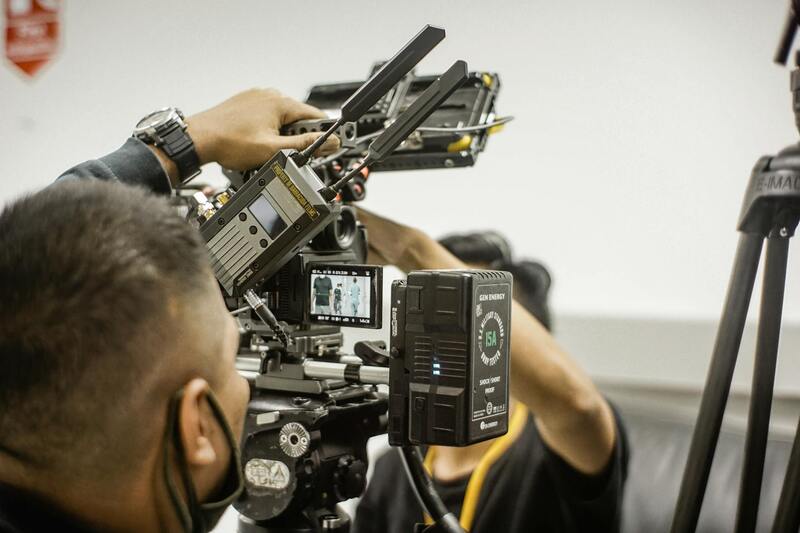
Techniques for Capturing Marine Imagery
Official marine photo production relies on specific techniques that maximize clarity and detail, despite the inherent challenges of water interference and variable lighting. Techniques include the use of polarized filters to reduce glare and reflections on the water surface, as well as high-dynamic-range (HDR) imaging to adequately capture scenes with extreme contrast between sunlight and shadow. Employing multispectral filters enables the differentiation of marine features, aiding in scientific research or inspection projects.
Timing is critical; photos are generally scheduled during optimal conditions such as early morning or late afternoon when natural light is softer and less prone to overexposure. Additionally, planning around tide schedules ensures images include relevant marine features and environmental conditions, providing authentic and contextually accurate visual documentation.
Ensuring Consistency in Image Quality
To meet industry standards, disciplined approaches to camera calibration and color management are adopted. Camera systems are calibrated regularly using professional-grade color charts, ensuring reproducibility and color accuracy across shoots. For videos, frame rates and shutter speeds are configured to produce natural motion portrayal, especially in scenes involving water movement or marine life activity. Each captured scene undergoes immediate review using onboard monitors to verify focus, exposure, and composition, minimizing the requirement for reshoots and optimizing production schedules.
Post-Shoot Data Handling and Validation
Immediately following the capture phase, images are carefully archived using industry-standard protocols that include multiple data backups and metadata tagging for easy retrieval. Validation processes involve quality checks to identify anomalies such as distortions, artifacts, or color inconsistencies. This validation guarantees that subsequent editing stages can proceed smoothly, preserving the technical quality of the original files.
Incorporation of Official Data Collection Procedures
Marine photo production also adheres to official data collection standards such as geotagging to document exact locations, environmental data recording for contextual reference, and adherence to standardized formats for data export. These protocols facilitate accurate mapping, scientific research, or commercial applications by ensuring the integrity and traceability of visual data throughout the production lifecycle.
Comprehensive Approach to Marine Photo Production
Marine photo production demands a meticulous blend of technical expertise and environmental awareness to capture authentic visuals of marine environments. Achieving high-quality imagery involves a strategic combination of advanced equipment, precise techniques, and rigorous procedures that respect the unique challenges posed by water-based settings. This process begins with comprehensive planning, including scouting locations, assessing lighting conditions, understanding marine life behavior, and coordinating safety measures for the crew and equipment.
Once on site, photographers employ specialized waterproof and buoyant gear—such as ruggedized cameras, waterproof housings, and stabilized mounts—to ensure durability and optimal image quality. The use of remote triggers and drone technology expands the creative possibilities, allowing for dynamic shots from various angles without disturbing marine ecosystems. Precise calibration and color management are critical to maintain consistency and accuracy, especially when capturing images intended for scientific documentation, commercial marketing, or artistic purposes.
Environmental considerations underpin every phase of marine photo production. Photographers adhere to strict protocols that avoid disrupting marine habitats, ensuring that their presence and equipment do not disturb wildlife or water quality. This includes maximizing shot efficiency to minimize time on location and utilizing non-intrusive methods for close-range captures. Additionally, adhering to official data collection standards, such as geotagging and environmental metadata recording, enhances the scientific value and reproducibility of the imagery.
Effective Post-Production Strategies
Post-shoot, an extensive editing process refines raw images to meet specific project needs. Color correction adjusts for water distortion and lighting variances, while cropping and compositing enhance composition and storytelling. Advanced photo editing software enables cleaning up minor imperfections, enhancing details, and balancing exposure levels. For videos, stabilization and color grading ensure fluid motion portrayal and consistent visual tone across sequences. Employing color management and calibration tools guarantees fidelity across different display platforms, which is crucial for clients requiring precise visual representations.
Metadata and Data Management
- Structured metadata tagging facilitates quick retrieval and cataloging.
- Geo-referencing aligns images with precise location data for mapping or research purposes.
- Environmental data documentation adds contextual richness to the visual records.
This disciplined approach ensures the integrity of the visual data and supports subsequent analysis, whether for environmental monitoring, marketing campaigns, or archival purposes.
Advantages for Industry Development
The high caliber of marine photography provides tangible benefits across diverse sectors. Marine research programs utilize detailed imagery to monitor ecosystem changes, track species populations, and document environmental shifts. Marine construction firms employ visual documentation for project planning, progress tracking, and compliance verification. Marketing agencies leverage compelling images to promote maritime tourism, luxury yachts, or innovative watercraft, capturing prospective clients’ interest with authentic visuals. Furthermore, the film and media industry depends on authentic marine footage for documentaries, commercials, and educational content, elevating audience engagement through genuine representations of water-based environments.
Precision and professionalism in marine photo production foster credibility, enhance the impact of visual storytelling, and support sustainable industry practices by providing accurate, high-resolution documentation needed for informed decision-making.
Advanced Methods in Marine Photo Production
In the realm of marine photo production, employing advanced and official methodologies is crucial for capturing authentic and high-quality visuals that meet industry standards. Specialized techniques such as remote sensing, aerial drone photography, and high-resolution underwater imaging are fundamental to acquiring comprehensive visual data in marine environments. These methods enable professionals to document vast oceanic landscapes, submerged ecosystems, and maritime activities with precision and clarity. Utilizing state-of-the-art technology ensures that every shot aligns with rigorous quality benchmarks while preserving the natural essence of the marine setting.
Implementing consistent protocols during photo capture, such as pre-flight equipment checks for aerial drones and meticulous calibration of underwater cameras, enhances the reliability and consistency of the visual outcomes. These procedures are vital for creating a dependable archive of marine visuals used in research, marketing, and documentation. Moreover, integrating environmental data collection during photo sessions, including water temperature, depth, and current information, adds valuable context that enriches the interpretative quality of the images.
Data Management and Ethical Considerations
- Structured tagging and cataloging to facilitate efficient retrieval of visual records.
- Adherence to environmental protection guidelines to minimize ecological disturbance during filming or photography.
- Documentation of metadata, including location, date, and environmental conditions, to support research and transparency.
Adopting these practices not only enhances the professionalism of marine photo production but also ensures the integrity of the visual data. Proper management protocols enable subsequent analysis, sharing, and archival, underpinning the credibility of the visuals created. When industry stakeholders employ such official methods, they derive maximum value from their visual assets, whether used for scientific studies, promotional campaigns, or official reports.
Integration with Industry Standards
Marine photo production that's aligned with established standards ensures compatibility and interoperability across various platforms and applications. This consistency supports comprehensive project workflows—from initial capture to post-production editing and final dissemination. Collaboration with certified marine photographers, production agencies, and environmental specialists guarantees that each phase adheres to best practices, fostering trust and excellence in visual storytelling.
Ultimately, the employment of official, proven techniques in marine photo production elevates the overall quality and impact of marine imagery. It underscores a commitment to authenticity, environmental stewardship, and industry excellence, providing stakeholders with reliable, high-fidelity visual records that support research, marketing, and operational objectives effectively.