
Overview of Yacht Photography and Its Role in Market Success
In the competitive world of luxury yachting, high-quality imagery serves as a vital tool for positioning vessels effectively within the marketplace. Expert yacht photography offers more than just visual appeal; it elevates a yacht’s profile by highlighting its unique features, luxurious details, and impressive design elements. In Miami, where the yachting industry thrives amidst a vibrant coastal landscape, professional yacht photography has become an essential component of sales and marketing strategies.
The impact of professional imagery extends to various aspects of yacht management. From attracting prospective buyers and charter clients to boosting the vessel’s perceived value, well-crafted photographs significantly influence decision-making processes. Authentic, striking images showcase a yacht’s opulence, craftsmanship, and innovative design, creating an emotional connection with viewers and compelling them to take further action.
The Influence of Yacht Photography on Market Performance
- Enhances Online Listings and Marketing Campaigns: High-resolution images capture the yacht’s essence, making listings more attractive on digital platforms and social media.
- Builds Brand Prestige: Consistent, professional imagery helps yacht owners and brokerage firms establish a reputation for quality and sophistication.
- Facilitates Faster Sales and Charters: Attractive visuals directly influence prospects’ interest, accelerating decision-making processes.
- Increases Vessel Value Perception: Premium images highlight the yacht’s features, justifying higher price points and investment appeal.
For yacht owners and brokers in Miami, understanding the significance of expert yacht photography is key to gaining a competitive edge. It acts as a digital handshake that introduces the vessel to potential clients in a compelling and memorable way. This creates a tangible impact on market success, fostering trust and encouraging inquiries.
Ultimately, high-quality yacht photography embodies the luxury, craftsmanship, and exclusivity that define the yachting experience. It transforms static images into powerful marketing assets that resonate deeply with discerning clients, driving sales, bookings, and brand recognition within Miami’s dynamic maritime industry.
Advanced Techniques and Equipment in Yacht Photography
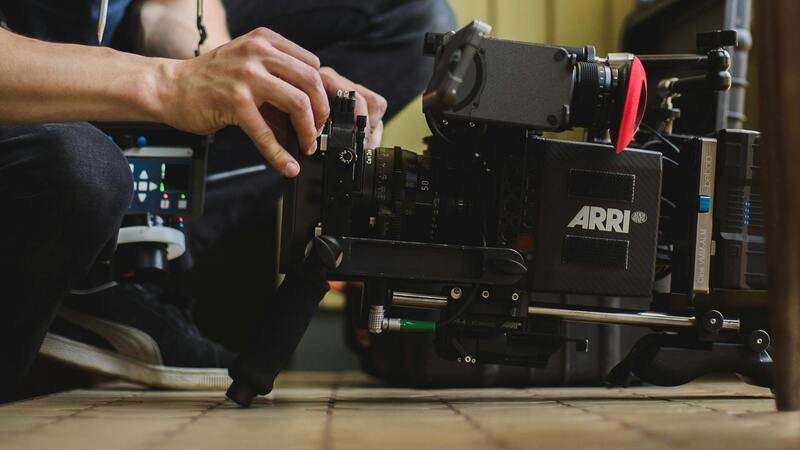
Achieving exceptional yacht imagery necessitates the use of specialized equipment and refined techniques that capture the vessel's grandeur with clarity and elegance. High-end cameras equipped with full-frame sensors provide the resolution needed for large-format prints and detailed online displays. Additionally, wide-angle lenses are essential for showcasing expansive exteriors and interiors, offering viewers a comprehensive view that emphasizes space and luxury. Tripods stabilize the camera for sharp images in various lighting conditions, while remote triggers reduce vibrations, especially during long exposures.
Lighting techniques also play a crucial role. Natural light, particularly during the golden hours of dawn and dusk, enhances the yacht's features and creates a warm, inviting atmosphere. Supplementary lighting, such as portable flashes or LED panels, can be employed to highlight specific details or fill shadows, ensuring every aspect of the yacht is rendered with precision. When photographing interiors, wide aperture settings allow for shallow depth of field, bringing focus to key elements and conveying a sense of intimacy and comfort. Post-processing techniques further elevate yacht images. Color correction ensures true-to-life tones, while enhancements in contrast and clarity add depth. Minor retouching can remove distracting elements or imperfections, presenting a pristine and alluring vessel. Advanced compositing methods, including panoramic stitching, enable the creation of wide, seamless images that capture the yacht in its full splendor, especially when photographing expansive decks or panoramic views from the vessel.
Techniques for Capturing the Yacht’s Finest Details
Meticulous attention to detail distinguishes exceptional yacht photography. Macro photography allows for close-ups of intricate design elements, such as hardware, woodwork, and upholstery, emphasizing craftsmanship and luxury. These images are integral in marketing materials, as they highlight the yacht’s bespoke features and quality craftsmanship.
Low-angle shots create a commanding perspective of the vessel, showcasing its size and elegance while also capturing striking reflections on the water. Conversely, aerial photography furnishes a comprehensive overview of the yacht’s layout, location, and surrounding environment, often utilizing drone technology. These vantage points provide prospective clients with a sense of scale and contextual placement that static images cannot achieve.
Optimizing Equipment Settings for Different Conditions
Adjusting camera settings based on environmental factors is critical for capturing optimal images. During bright daylight, a lower ISO setting minimizes noise and maximizes image clarity. A narrower aperture (higher f-stop) extends depth of field, ensuring both the foreground and background are sharply rendered—ideal for exterior shots.
In low-light conditions, such as dawn, dusk, or shaded areas, increasing ISO and opening the aperture (lower f-stop) allows more light to reach the sensor without sacrificing quality. Using ND filters can manage excessive brightness while maintaining proper exposure, especially during midday. For dynamic scenes involving movement, such as waves or watercraft, faster shutter speeds freeze motion to produce crisp images.
Methods for Capturing Authentic and Attention-Grabbing Yacht Images
Producing high-quality yacht photographs that resonate with prospective buyers involves utilizing a range of proven, legitimate techniques tailored to highlight the vessel’s grandeur and unique features. Photographers often employ a combination of natural lighting, strategic angles, and advanced equipment to create compelling imagery. For instance, capturing yachts during the golden hour—shortly after sunrise or before sunset—leverages the warm, diffuse light that accentuates the vessel’s lines and surfaces without harsh shadows, resulting in images that evoke luxury and tranquility.
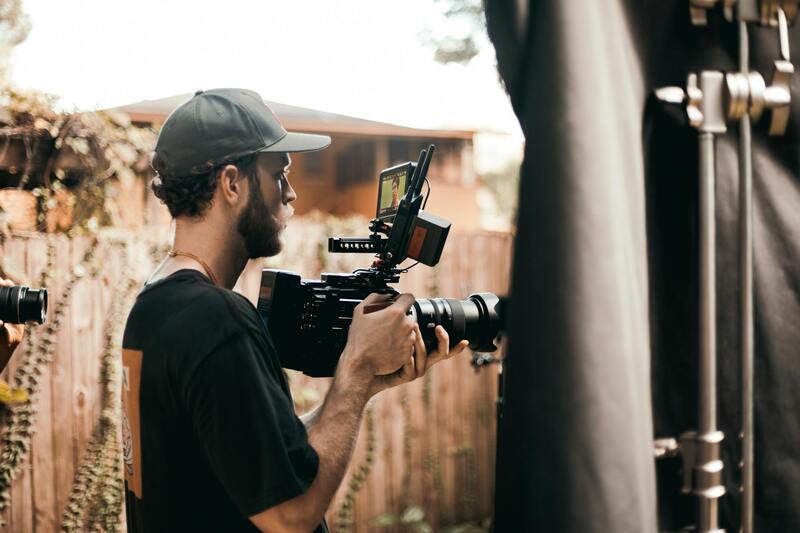
Utilizing professional-grade wide-angle lenses allows photographers to emphasize the yacht's impressive scale while maintaining crisp details, especially during interior shoots. Aerial photographs obtained through licensed drone technology provide an unmatched perspective of the yacht's exterior and its surroundings, offering potential clients a comprehensive view. Proper drone operation, adhering to established safety protocols and flight regulations, ensures that these shots are both captivating and conform to official standards.
Another critical element involves meticulous attention to staging and lighting. For interior shots, employing portable lighting equipment ensures spaces are well-illuminated, showcasing the yacht’s craftsmanship and comfort without overexposing reflective surfaces. During exterior photography, neutral filters help manage natural light extremes, especially when shooting in bright conditions, maintaining consistent exposure across the sequence.
Practical Considerations for Achieving Exceptional Yacht Photos
Choosing the optimal times and weather conditions plays a substantial role in producing captivating imagery. Clear, calm days with minimal wind reduce water movement, resulting in mirror-like reflections that enhance aesthetic appeal. Photographers often plan shoots around tidal and weather forecasts, ensuring the vessel appears at its best, free from distracting elements like shadows, glare, or weather-related issues.
- Timing: Morning or late afternoon sessions provide softer, more flattering light, avoiding the harsh midday sun.
- Weather: Overcast days can offer even lighting and mitigate unwanted reflections and glare.
- Preparation: Cleanliness and organization of the yacht’s exterior and interior contribute significantly to visual excellence, emphasizing attention to detail that clients value.
Legitimate Shooting Practices for Consistent Results
Adhering to established and recognized methods in yacht photography ensures high-quality outcomes that serve marketing and sales purposes effectively. This includes using calibrated camera settings appropriate for varying lighting environments, leveraging professional gear like stabilized rigs for smooth panning and stability, and employing post-processing techniques that preserve natural colors and details without over-editing. Such practices foster trust and reliability, demonstrating technical expertise and dedication to excellence.
Staying informed about local aviation and drone regulations is essential. By complying with official guidelines and obtaining any necessary permits or licenses, photographers can capture dynamic aerial views that enhance the overall presentation of the yacht portfolio. This diligence not only maintains safety standards but also affirms the genuine and professional nature of the photographic services provided.
Overview of Yacht Photography and Its Role in Market Success
Yacht photography has become an essential component in the luxury vessel sector, serving as a powerful tool to showcase the yacht's unique features, craftsmanship, and elegance. High-quality images act as visual ambassadors, capturing the attention of prospective buyers and charter clients by emphasizing the yacht’s design, interior details, and overall aesthetic appeal. These images not only bolster marketing efforts but also facilitate sales by providing an authentic representation that resonates with discerning clientele seeking exclusivity and excellence.
In a competitive market, the accuracy and clarity of yacht images promote trust and confidence, making them a crucial aspect of sales strategies. The strategic use of professional photography techniques ensures that every photograph highlights the yacht’s best attributes, from panoramic views that display space and layout to close-up shots that reveal fine detailing and craftsmanship. Well-executed yacht photography builds a compelling visual narrative, fostering emotional connections and encouraging potential buyers to envision ownership or charter experiences.
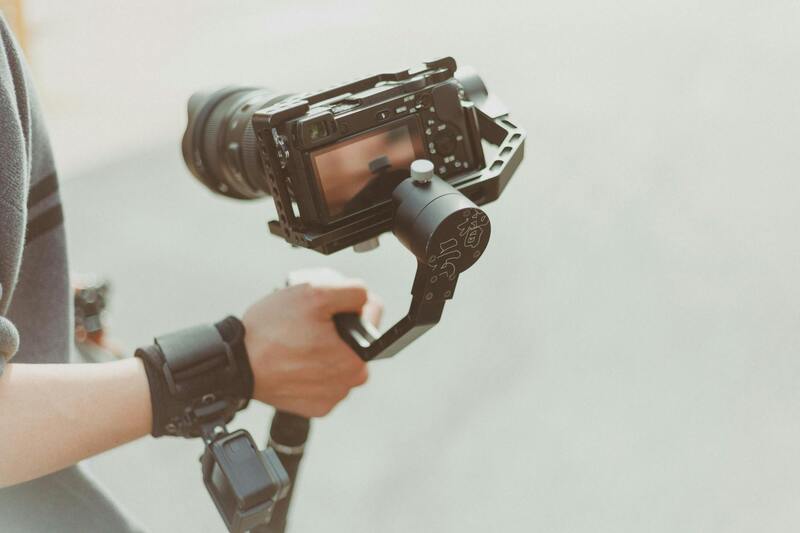
The Impact of Professional Yacht Photography on Market Engagement
Modern yacht buyers and charter clients often initiate their journey online, making digital imagery their first impression of a vessel. Professionally captured photographs can significantly increase the visibility of yacht listings across digital platforms, attracting a larger pool of prospective clients. Authentic, vibrant images demonstrate transparency and quality, which are vital in establishing credibility within the luxury market.
Furthermore, these images serve as foundational content for comprehensive marketing campaigns, including online advertisements, social media promotions, and printed brochures. Consistent, high-standard visuals reinforce a brand’s reputation for excellence and meticulous attention to detail—elements that elevate a yacht’s market position and facilitate quicker transactions.
Official and Proven Methods for Capturing Yacht Photography
Achieving the kinds of results that resonate with prospective clients hinges on adhering to established practices backed by industry standards. Utilizing calibrated camera settings tailored to each shooting environment ensures optimal exposure, color accuracy, and sharpness. Professional-grade equipment, including stabilized rigs and wide-angle lenses, enables precise framing, clarity, and stability—all critical for showcasing both interior and exterior spaces convincingly.
Post-processing techniques also play a vital role in enhancing images without compromising authenticity. Skilled editors balance color grading, contrast, and clarity to produce images that reflect the yacht's true appearance, ensuring the visual content remains appealing yet genuine. Combining these technical elements with thorough preparation—such as cleaning and staging the yacht—results in a portfolio that embodies sophistication and reliability.
In addition, securing necessary permits and understanding drone operations are integral to safe and compliant aerial photography. By strictly following official guidelines and securing proper authorization, photographers can capture striking bird’s-eye views that accentuate yacht dimensions and seascape surroundings, adding impactful perspectives to the visual presentation.
Additional Considerations for Maintaining Professional Standards
- Calibration of camera settings to match lighting conditions.
- Utilization of stabilized rigs and tripods for steady shots.
- Consistent staging and cleaning of the yacht to eliminate distractions.
- Employment of natural lighting to enhance scene ambiance.
- Adherence to official drone regulations for aerial shots.
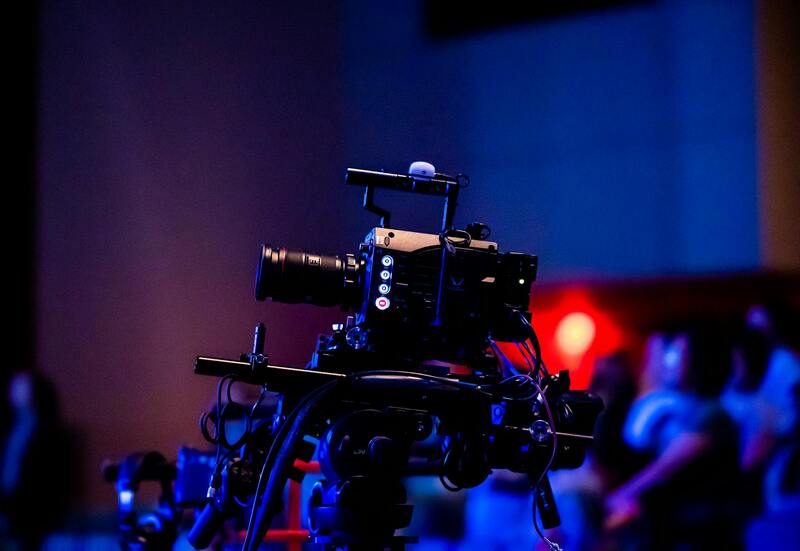
Detaching from unreliable methods and focusing on proven, legitimate practices ensures that each photographic product provides a dependable promotional asset, reinforcing a vessel’s allure and market value. The result is a compelling visual dossier that convincingly differentiates a yacht in a crowded marketplace, ultimately translating into increased client interest and smoother transactions.
Advanced Techniques for Authentic Yacht Photography in Miami
Executing premium yacht photography in Miami requires more than just high-end equipment; it demands a meticulous approach that emphasizes authenticity and technical precision. To achieve images that resonate with clients and reflect the true allure of each vessel, photographers must employ a combination of advanced techniques and strategic planning. This ensures that every shot is both visually appealing and adheres to official standards, fostering trust and confidence among prospective buyers and charter clients.
Optimal Timing and Lighting Conditions
Strategic planning begins with selecting the appropriate time of day. Shooting during the golden hours—shortly after sunrise or before sunset—leverages natural light to enhance the yacht's features without creating harsh shadows. These periods provide a softer, warmer glow that emphasizes the yacht’s lines and finishes, delivering images that are both vibrant and true to life. Photographers also consider local weather patterns, aiming for clear skies and calm seas to produce reflective, crisp images that accentuate the vessel’s design and environment.
Utilization of Professional Equipment and Stabilization
High-resolution cameras paired with stabilized rigs or gimbals are essential for capturing steady, sharp images, especially when dealing with moving platforms or aerial perspectives. Lens selection plays a critical role: wide-angle lenses enable capturing the yacht in its entirety, showcasing its dimensions and surroundings, while telephoto lenses allow for detailed close-ups that highlight craftsmanship. Proper calibration of camera settings—aperture, shutter speed, ISO—is vital to adapt to varying lighting conditions, ensuring consistent, high-quality imagery across different shoots.
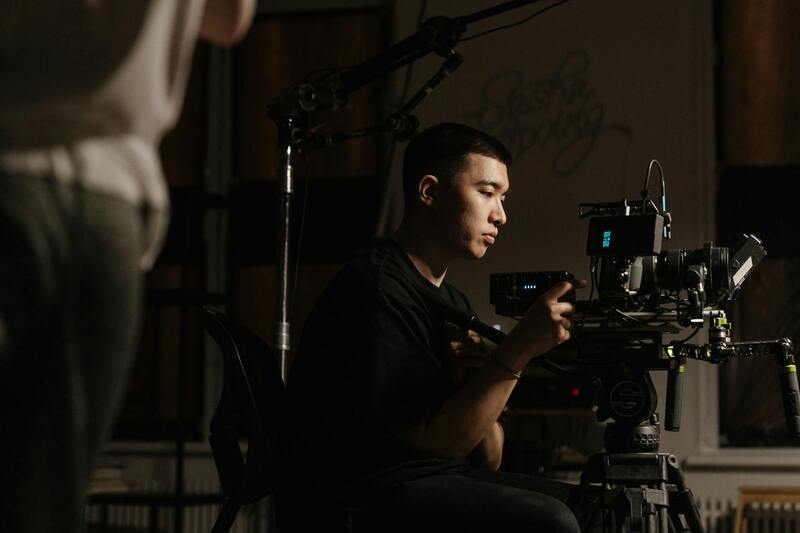
Maintaining Authenticity Through Composition and Styling
Authentic yacht photography involves careful attention to composition. Photographers align shots to showcase the yacht's best features naturally, avoiding overly staged or exaggerated angles. This includes cleaning and staging the yacht to remove distractions, such as personal items or weather-related debris, ensuring that the vessel’s pristine condition is evident. Moreover, employing natural lighting techniques enhances the yacht’s genuine appeal, avoiding overly manipulated images that could mislead prospective clients.
Aerial Photography and Drone Use Compliance
Utilizing aerial perspectives can significantly augment a yacht’s visual presentation, offering a comprehensive view of the vessel in its environment. However, aerial photography must be conducted following official drone operation protocols and altitude restrictions. By securing necessary permits and operating within established guidelines, photographers can capture commanding bird’s-eye images that demonstrate the yacht’s size and elegance while maintaining safety and professionalism. Proper drone handling contributes to vibrant, distortion-free imagery that makes a compelling impact in marketing materials.
Legal and Safety Protocols for Responsible Photography
Adherence to official guidelines ensures both safety and image integrity. This involves verifying that all drone operations are performed with authorized permissions, especially in marina zones, private properties, or protected airspaces. Safety measures include maintaining adequate distances from other vessels and infrastructure, avoiding interference with maritime navigation, and respecting privacy concerns. consistency in following these practices upholds a high standard of professionalism, fostering trust with clients and authorities alike.
Post-Processing and Compositing for Yacht Photography
Once the initial capturing phase concludes, meticulous post-processing is essential to elevate yacht images to their highest potential. Skilled editors utilize advanced software tools to fine-tune color accuracy, contrast, and exposure, ensuring each photograph showcases the vessel's elegance and condition without exaggeration. This process involves correcting any distortions or blemishes, enhancing key features such as the yacht’s polished decks, sleek hulls, and luxurious interiors, while maintaining a natural appearance that appeals to prospective clients.
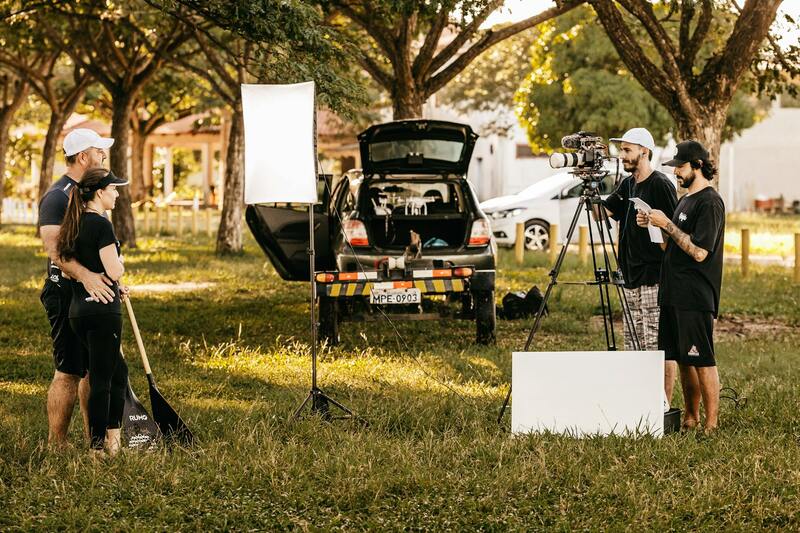
Incorporating compositing techniques allows photographers to combine multiple exposures or images to create comprehensive views that would otherwise be difficult to capture in a single shot. For example, a composite image might seamlessly blend a sharp foreground shot with a dramatic background of Miami’s skyline at sunset, creating a compelling visual narrative. Such images serve to highlight the yacht’s size, design, and integration within the vibrant marina environment, making them particularly effective for marketing and promotional campaigns.
Attention to detail during post-processing is critical to ensure consistency across a series of images. Consistent lighting, color palette, and perspective help develop a cohesive visual story that presents the yacht in its best light. This continuity enhances the overall aesthetic and professionalism of the promotional material, which is crucial when engaging high-net-worth individuals or corporate clients.
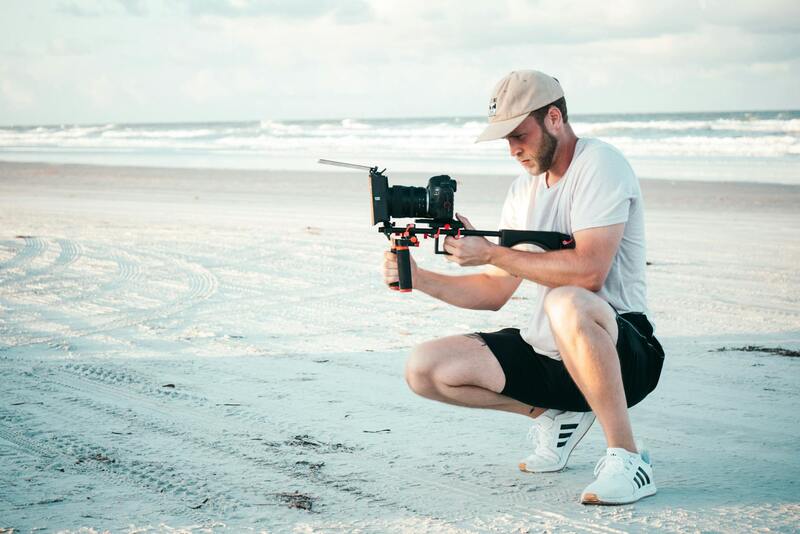
Moreover, editing can involve removing distracting elements such as debris, reflections, or unwanted reflections, which helps maintain focus on the vessel itself. Advanced retouching techniques are also employed to ensure the yacht’s reflective surfaces and textures appear authentic and inviting, avoiding over-manipulation that might mislead viewers. This integrity in presentation fosters trust with prospective clients, reinforcing the quality and professionalism of the yacht’s promotional imagery.
Professional yacht photography extends beyond just capturing stunning images; it hinges on the strategic use of post-processing to craft a compelling visual story that combines technical precision with artistic finesse. These images are then optimized for various delivery channels, including high-resolution prints, digital advertisements, social media, and virtual tour platforms. Thus, investing in expert post-processing ensures the yacht’s visual assets resonate with target audiences, effectively supporting sales and marketing efforts while safeguarding the vessel’s prestigious image.
Strategies for Securing Official Yacht Photography Permissions
Securing appropriate permissions for yacht photography is a fundamental aspect of producing legitimate and high-quality imagery. This process involves engaging with the vessel owner, managing contractual agreements, and adhering to maritime regulations that govern photography practices on private and commercial yachts. Establishing clear communication channels with yacht owners or the management team ensures that all parties are aligned on the scope of the shoot, usage rights, and safety protocols.
It is essential to draft comprehensive agreements that specify permission parameters, including the duration of the shoot, the areas accessible for photography, and the intended use of the images. Such agreements also cover liability waivers and indemnity clauses, which safeguard both the photographer and the vessel owner from unforeseen incidents. Moreover, obtaining written consent from the yacht owner provides a verifiable record that the photography session is conducted with proper authorization, reinforcing the legitimacy of the visuals captured.
When operating in Miami, understanding local maritime laws and regulations is vital. Photographers should coordinate with harbor authorities and maritime agencies to secure any requisite permits or clearances, particularly when drone photography or aerial shots are involved. This diligence not only ensures compliance but also helps prevent interruptions during scheduled shoots, maintaining professional standards and fostering trust within the industry.
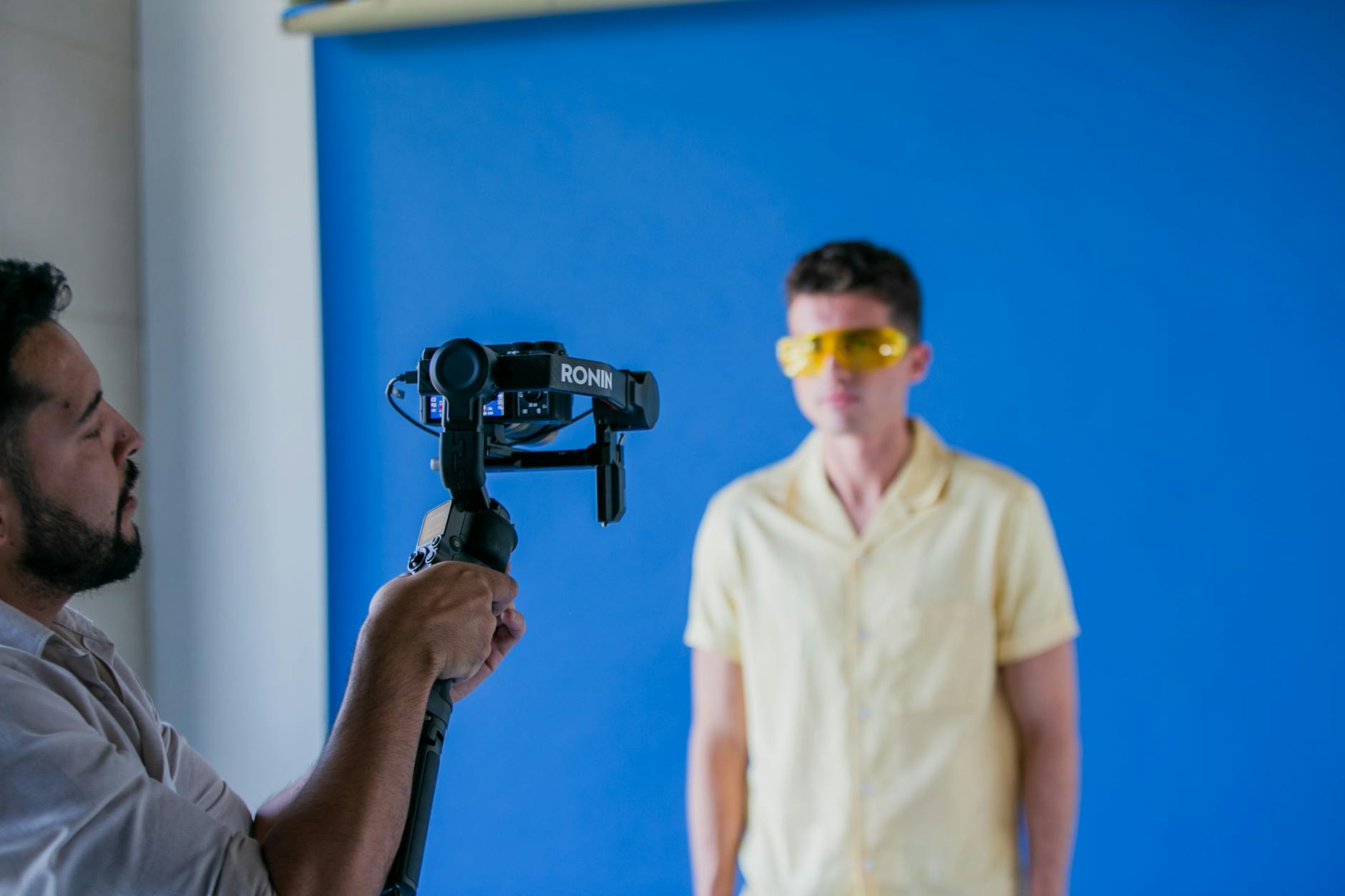
Furthermore, collaborating with accredited maritime professionals can facilitate access to the vessel and streamline the permission process. These experts often possess insight into the necessary protocols, making the coordination smoother and more efficient. Maintaining transparent and professional relationships with all stakeholders involved underpins a compliant and reputable approach to yacht photography, ultimately contributing to its effectiveness in marketing and sales strategies.
Leveraging Official Channels for Yacht Photography Authentication in Miami
Securing authentic and high-quality images of luxury yachts in Miami requires accessing recognized and authorized avenues. Authorized maritime and nautical photography organizations offer certified services that adhere to industry standards, ensuring the images captured meet both aesthetic and procedural benchmarks. Such services often have established credentials, with experienced professionals familiar with the nuances of yacht photography, including optimal lighting, angles, and legal considerations pertinent to this specialized field.
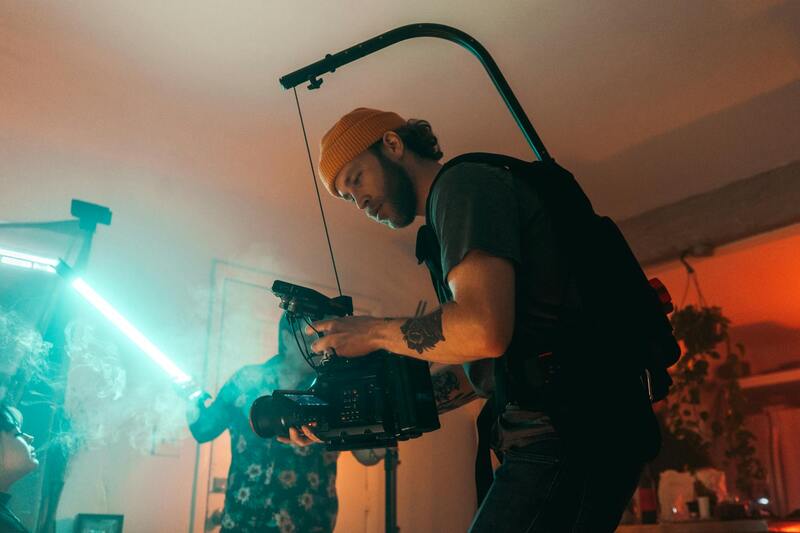
Engaging with reputable agencies or photographers who are members of recognized professional associations enhances the credibility of the imagery. These entities often participate in continuous training, stay updated with the latest industry standards, and possess the necessary licensing and insurance, demonstrating their commitment to legitimacy and professionalism.
Official Permits and Documentation
For comprehensive yacht photography sessions, acquiring the appropriate permits from Miami’s maritime authorities guarantees that all activities are conducted within established frameworks. Such official permits verify that the photography process occurs in designated areas under stipulated conditions, minimizing risks of disruptions while aligning with regulatory requirements. Presenting these permits during client consultations or in marketing materials underscores the integrity of the service provider.
Utilizing Certified Equipment and Techniques
Legitimate yacht photography employs equipment that complies with safety and quality standards. This includes professionally maintained camera gear, aerial systems, drone technologies, and stabilization tools. Certified techniques involve adherence to best practices for image composition, lighting, and post-processing, all executed by trained professionals equipped with the right certifications and credentials.
Established Industry Protocols for Image Usage
Adhering to documented protocols for image licensing and rights management ensures that the images used for marketing or sales purposes are legally obtained and properly credited. These protocols often involve explicit agreements with yacht owners and stakeholders, detailing permissible usage rights, restrictions, and an understanding of image dissemination norms. Employing such established procedures boosts confidence among clients and partners, exemplifying a responsible approach to yacht photography.
Partnering with Recognized Miami Production Agencies
Collaborating with well-known regional agencies specializing in maritime and luxury asset imaging provides access to vetted professionals with established track records. Such partnerships facilitate not only the execution of high-caliber visual content but also ensure compliance with industry standards. These agencies typically maintain robust networks within the local maritime community, enabling seamless coordination with yacht owners and harbor authorities, which further affirms the legitimacy of the photographic initiatives.
The importance of official channels extends beyond mere compliance; it profoundly impacts the perception of reliability and authenticity for clients and prospective buyers. When investment in premium yacht visuals is backed by certified practices and authorized processes, it fortifies the overall marketing strategy, enhances brand reputation, and streamlines the pathway toward successful yacht sales in Miami’s dynamic market.