

Introduction to Marine Video Production in Miami
Miami’s vibrant nautical industry benefits immensely from high-quality marine video production, a powerful tool that elevates marketing strategies and accelerates sales processes within this competitive market. The region’s expansive waterfront and flourishing boating culture create an ideal environment for the integration of compelling visual media that captures the unique allure of vessels, marinas, and marine services. Leveraging professional marine video production capabilities ensures that businesses communicate their value propositions clearly and engagingly, appealing to both local and international clients.
In an era where visual content dominates digital engagement, high-caliber marine videos serve as a definitive method to showcase the elegance, performance, and features of boats and yachts. Whether for promotional campaigns, online listings, or corporate branding, professionally produced videos resonate deeply with audiences, facilitating emotional connections and trust. The Miami market, renowned for luxury yachts, commercial vessels, and vibrant marine events, demands expert-level visuals that can accurately depict the quality and sophistication of marine assets.
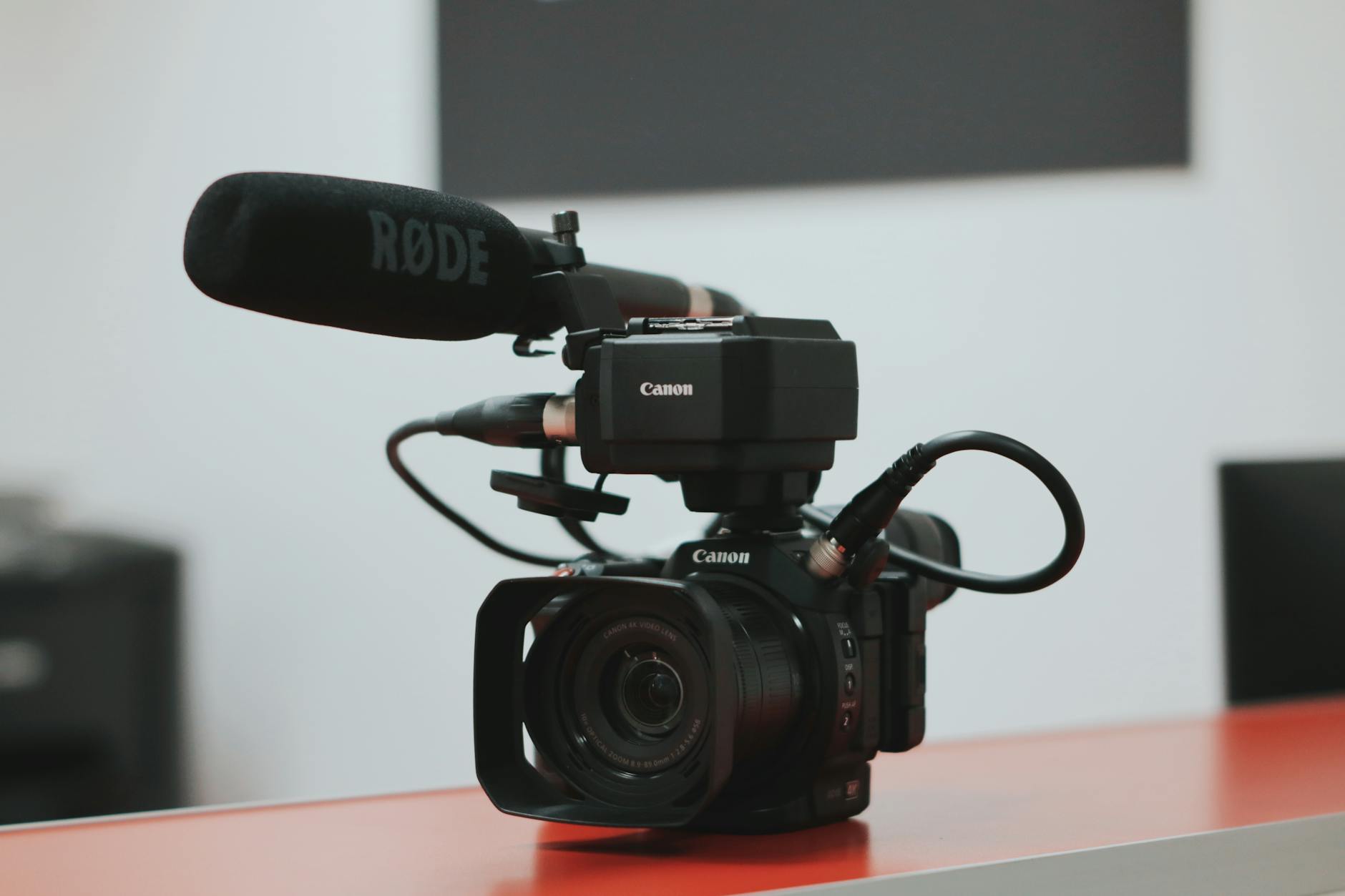
Understanding the significance of immersive, authentic representations of marine products and services, numerous Miami-based companies have invested in specialized video production teams. These professionals employ advanced techniques and equipment to produce dynamic footage that encapsulates the essence of vessels on the water, marine lifestyles, and marina amenities. Whether capturing the sleek lines of a sport yacht slicing through waves or detailing the luxurious interiors of a superyacht, marine video production turns static images into powerful storytelling assets.
Moreover, Miami’s marine video production services extend beyond simple filming to encompass strategic planning, content optimization, and targeted distribution. This comprehensive approach ensures that each video not only looks exceptional but also performs effectively across various channels such as social media, websites, and auction listings. As a result, marine businesses can significantly improve engagement metrics, generate more leads, and close sales faster.
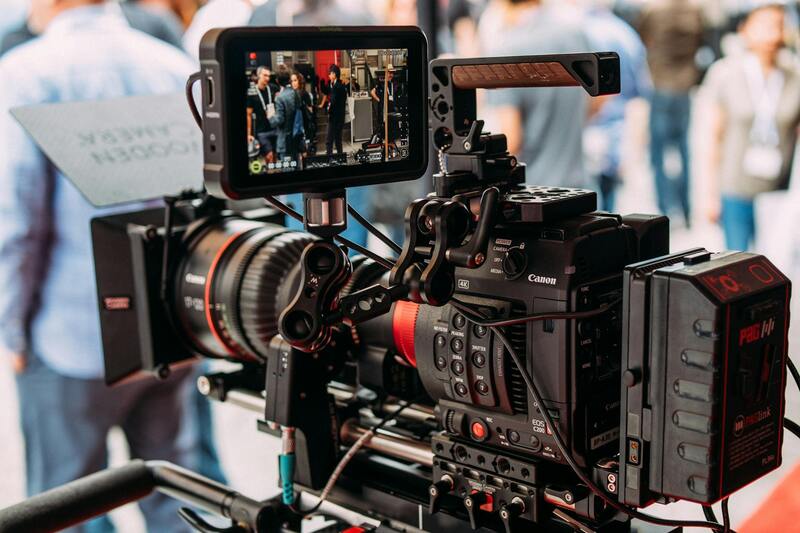
Choosing Miami as the epicenter for marine video production aligns businesses with a hub of industry excellence, experienced crews, and cutting-edge technology. These attributes are crucial for producing content that accurately reflects the high standards and exclusivity associated with the Miami nautical scene. It ensures that each production is tailored to meet the specific goals of the client, whether highlighting the dynamic performance of a racing boat or capturing the grandeur of a luxury yacht on a sunset cruise.
In summary, professional marine video production in Miami is an essential investment for any marine enterprise seeking to stand out in a saturated marketplace. It combines artistry, technical skill, and strategic insight to deliver visuals that not only captivate but also convert viewers into customers, solidifying Miami’s reputation as a premier destination for marine-related marketing and sales practices.
Legal and Compliance Considerations
In the realm of marine video production within Miami, adherence to official procedures ensures the legitimacy and success of each project. Obtaining the proper permissions for drone usage is paramount, especially when capturing footage over private or protected waters. Drone operators must comply with federal and state aviation guidelines, which encompass flight restrictions, altitude limits, and designated no-fly zones. This adherence guarantees seamless aerial shots without encroaching on restricted areas or infringing on privacy rights.
Similarly, securing filming permits is a vital step when recording on commercial or private vessels and facilities. Many marinas and yacht clubs require official authorization to avoid disruptions and legal complications. These permits often involve presenting a detailed filming plan, proof of insurance, and in some cases, proof of pilot certification for drone footage. Following these procedures not only aligns with official standards but also reflects professionalism and respect for property rights.
Underwater videography, another core aspect of marine content creation, demands careful coordination with marine authorities and environmental agencies. Ensuring that filming activities do not disturb protected marine habitats or species is essential. This often involves consulting with environmental experts and adhering to guidelines that safeguard ecological integrity while capturing immersive underwater visuals.
Furthermore, compliance with maritime safety standards during production is critical. Crew members handling vessels or equipment must possess appropriate certifications, and safety protocols should be strictly followed to prevent accidents. Proper documentation and adherence to these standards provide a foundation for credible and trustworthy marine video projects.
In addition to logistical considerations, abiding by copyright laws for music, stock footage, and other media elements used in video production is necessary. Licensing agreements must be obtained to use such materials legally, avoiding future disputes and demonstrating an authoritative approach to content creation.

Overall, the official procedures and methodical approach in marine video production foster credibility, streamline operations, and enhance the quality of the final product. By integrating these practices into every stage of the project, producers can deliver visually stunning, compliant, and impactful content that resonates with audiences and adheres to the highest standards of professionalism in Miami's vibrant maritime industry.
Implementing Proper Filming Techniques and Equipment
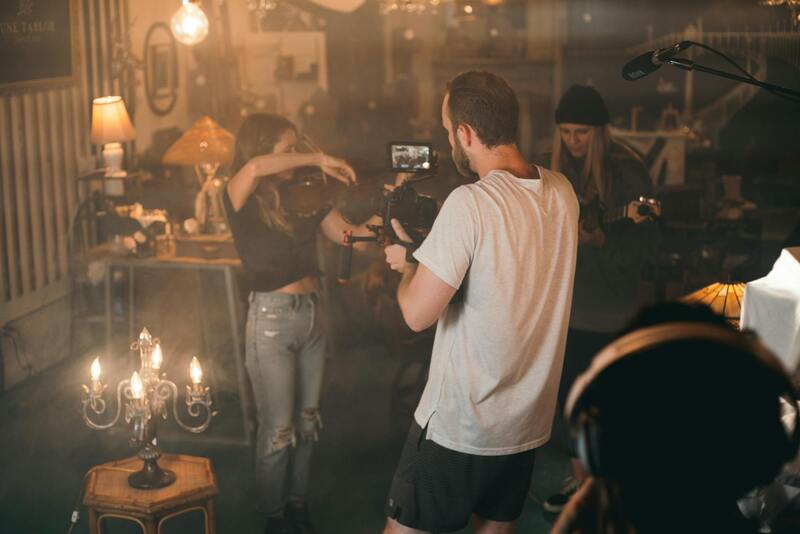
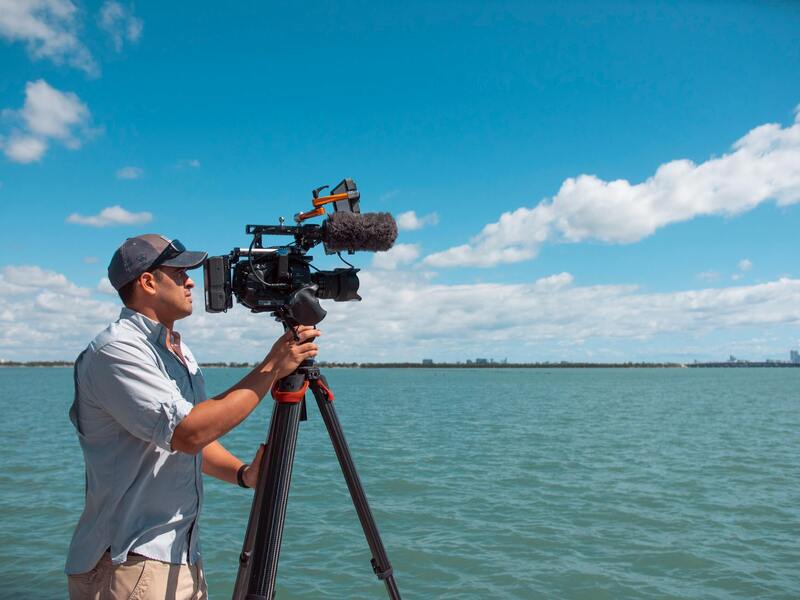
Effective marine video production relies heavily on the careful selection and utilization of specialized equipment. High-definition cameras are essential for capturing sharp, detailed visuals that bring marine environments to life. These cameras should be weatherproof and capable of operating in challenging maritime conditions, including saltwater exposure and varying lighting situations. Additionally, stabilizing rigs, such as gimbals and tripods, are vital for ensuring smooth footage, especially when filming on moving vessels or ocean surfaces.
Drone technology has revolutionized marine videography by providing aerial perspectives that showcase vessels, marinas, and coastal landscapes from angles otherwise difficult to access. These unmanned aerial vehicles (UAVs) should be equipped with high-resolution cameras and should operate within regulated safety parameters to produce cinematic-quality shots.
Underwater filming equipment plays a crucial role in capturing vibrant marine life and underwater landscapes. Durable waterproof housings, underwater drones, and specialized lighting systems are used to ensure clear visuals beneath the surface. The choice of underwater gear depends on the depth and scope of the project, with professional-grade options providing the best clarity and stability.
Adopting Best Practices During Filming
Beyond equipment, applying industry-standard techniques enhances the quality and professionalism of marine videos. Maintaining proper framing and composition is fundamental. This involves strategic shot planning to highlight the vessel’s features, aquatic surroundings, or specific marine activities.
- Lighting control: Utilizing natural light effectively or supplementing with portable lighting to improve visibility and color accuracy.
- Sound recording: Capturing onboard audio with waterproof microphones ensures clear communication and authenticity.
- Safety protocols: Implementing maritime safety measures, including crew training and equipment checks, mitigates risk during dynamic filming scenarios.
- Environmental respect: Ensuring filming activities do not disturb protected marine habitats or species, which involves environmental assessments and adherence to established guidelines.
Success in marine video production also depends on meticulous planning stages— scouting locations, coordinating permits if necessary, and scheduling shoots to optimize lighting and marine activity conditions. Collaborating with professionals experienced in maritime environments guarantees adherence to safety and environmental standards while achieving high-quality results.
Balancing Technology and Technique for Optimal Results
Combining cutting-edge equipment with proven filming practices creates compelling marine videos that are both visually stunning and professionally credible. Skilled operators, thorough planning, and a focus on ecological and safety considerations ensure the final product resonates with audiences, showcases maritime assets effectively, and upholds the integrity of the marine environment.
Official Methods for Marine Video Production in Miami
In Miami, dedicated marine video production adheres to a set of established and recognized procedures that ensure the production process is both efficient and compliant with regional maritime standards. The process begins with comprehensive planning, which involves detailed scouting of locations and assessments of environmental conditions to identify optimal shooting schedules that respect marine life and habitat preservation. Permitting is a critical component; obtaining the necessary approvals from maritime authorities and relevant agencies ensures that all filming activities are authorized and officially documented, avoiding interruptions or additional scrutiny during production.
Once permits are secured, production teams conduct thorough site surveys to evaluate logistical factors such as vessel accessibility, safety zones, and protected areas. This step guarantees the crew’s adherence to safety protocols and minimizes ecological disturbance. At this stage, maritime safety measures are strictly implemented, including crew safety training, safety equipment checks, and emergency preparedness plans tailored to the specific filming environment.
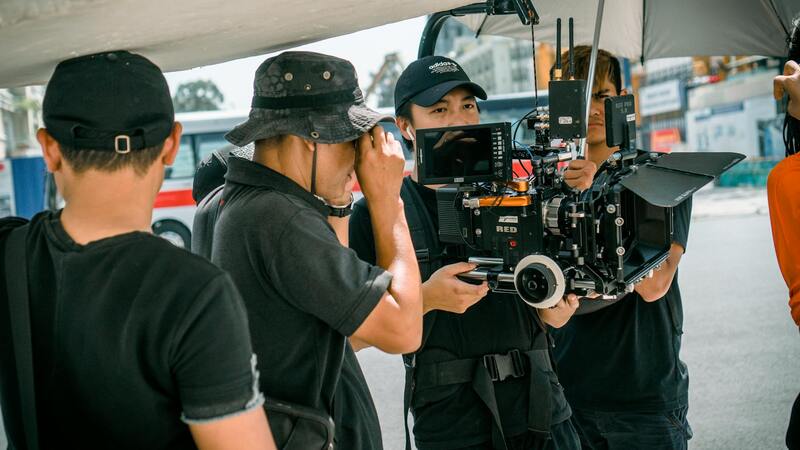
During filming, professional-grade equipment is used in accordance with best practices. Waterproof and vibration-resistant cameras are deployed to capture high-quality visuals while withstanding the challenging marine environment. Stabilization tools such as gimbals and drones are used to ensure steady footage, especially when navigating moving vessels or watercraft. Audio recording equipment includes waterproof microphones that capture clear onboard sounds and environmental ambiance, adding authenticity to the videos.
Environmental and Regulatory Compliance
Maintaining environmental integrity is a top priority in marine video production. Production teams conduct pre-shoot environmental assessments to confirm that filming activities do not interfere with protected marine organisms or sensitive habitats. Regular briefings ensure that crew members are updated on environmental guidelines and regional restrictions.
Filming in Miami, a hub with diverse marine ecosystems, requires adherence to established maritime and environmental regulations. This involves respecting maritime boundaries, avoiding exclusive economic zones where restricted activities are mandated, and ensuring no waste or pollutants are discharged into the water. Compliance with these standards not only preserves marine ecosystems but also upholds the reputation of the production company as responsible stewards of the environment.
Post-Production and Delivery
The adherence to official methods continues into the post-production phase. Edited videos are reviewed to ensure accuracy and compliance with all regulatory guidelines, particularly when showcasing commercial vessels or marine activities. The final deliverables typically include high-resolution footage, photographic stills, and supporting materials that meet the client's specifications and regional standards.
Overall, official marine video production methods in Miami emphasize meticulous planning, detailed safety and environmental protocols, and adherence to regulatory requirements. This structured approach guarantees high-quality output that accurately portrays marine assets while respecting the ecological and regulatory framework that protects the region’s vibrant underwater environments.
Comprehensive Methods in Marine Video Production in Miami
Marine video production in Miami demands adherence to an array of meticulously established procedures designed to guarantee both the quality and compliance of the final footage. These methods encompass strategic planning, precise equipment deployment, careful operational execution, and rigorous post-production processes, all conducted in conformance with regional standards and environmental considerations.
Strategic Planning and Pre-Production Protocols
Prior to filming, comprehensive research and planning are paramount. This involves evaluating the geographic area, understanding marine-specific regulations, and coordinating with local authorities when necessary. Making detailed shot lists, storyboards, and obtaining requisite permissions or permits ensures that the production respects maritime boundaries and environmental zones. Pre-visualization sessions help identify optimal times for filming, considering tide schedules, lighting conditions, and marine traffic patterns. This level of planning minimizes disruptions and enhances safety during the shoot.
Utilization of Advanced Equipment and Techniques
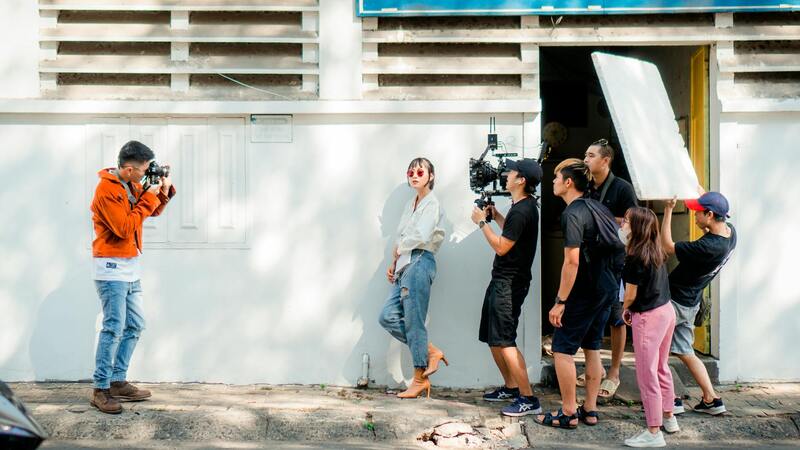
Delivering high-caliber marine videos relies on deploying specialized equipment, including stabilized camera rigs, drone technology, underwater imaging devices, and waterproof housings. These tools enable capturing dynamic, vivid footage while respecting marine ecosystems. Techniques such as multi-angle shooting, 4K resolution recording, and time-lapse sequences contribute to a rich visual narrative. Precision control over camera movements, combined with real-time data on environmental parameters, ensures footage is both compelling and regionally compliant.
Operational Procedures During Filming
Execution during the shoot is conducted with strict adherence to safety and environmental protocols. Crew members are trained to operate within environmentally sensitive zones, avoiding disturbance to marine fauna and flora. Filming in proximity to marine mammals, corals, or protected habitats necessitates specific distance guidelines and noise minimization strategies. Operators utilize GPS-enabled tracking and pre-surveyed routes to ensure adherence to maritime corridors, avoiding restricted zones such as exclusive economic zones or protected sanctuaries.
Post-Production and Quality Assurance
Post-filming, meticulous review and editing processes are implemented to produce polished video content. Color grading, stabilization, and sound editing are performed to enhance visual appeal without compromising the authenticity or infringing regulatory standards. Final deliverables include high-resolution master files and auxiliary materials such as still images and audio descriptions, tailored to meet client specifications and regional regional standards.
Ensuring Compliance and Quality in Delivery
Before final release, all videos undergo rigorous quality control checks to verify that they reflect accurate vessel representations, comply with environmental standards, and follow regional guidelines. Incorporating regional metadata, timestamps, and contextual annotations ensures clarity and regulatory compliance. This disciplined approach guarantees that every frame adheres to accepted practices, providing clients with trustworthy, professional marine visuals that uphold the integrity of Miami’s vibrant maritime environments.
Legal and Compliance Considerations in Marine Video Production
Producing compelling and compliant marine videos in Miami requires adherence to a set of official and reputable methods that safeguard the interests of clients and the environment alike. These methods include obtaining proper permissions from maritime authorities, adhering to regional and national regulations, and utilizing authorized equipment and techniques. By following these established procedures, producers can ensure their content is both legally sound and respectful of marine ecosystems.
Securing Permits and Approvals
Prior to filming, it is essential to secure the correct permits from various agencies overseeing Miami’s maritime spaces. This often involves applying through local maritime authorities, port authorities, or protected environmental zones managers. The permit process generally requires detailed project descriptions, including the scope of filming, locations, vessel movements, and environmental impact assessments. Engaging with these authorities early ensures clearance and minimizes the risk of disruptions during production. It is also advisable to coordinate with local law enforcement and Coast Guard agencies when filming in navigable waters to maintain safety and lawful operations.
Respecting Maritime Boundaries and Protected Areas
Miami’s diverse marine environment includes numerous protected zones, such as coral reefs, sanctuaries, and environmentally sensitive areas. Officially sanctioned marine video productions strictly observe boundaries defined by regional maritime maps and protected zone demarcations. Techniques such as GPS tracking and pre-surveyed routes help maintain operational compliance, ensuring filming activities do not encroach upon restricted areas. Failure to follow these guidelines could compromise environmental preservation efforts and lead to regulatory issues, emphasizing the importance of producer professionalism and adherence to regional standards.
Use of Authorized Equipment and Techniques
To produce high-quality marine videos within regulatory parameters, utilizing permitted equipment is crucial. This includes certified drone operators, stabilized camera systems, and non-intrusive sound recording devices. Employing official, registered technology guarantees that footage is captured ethically and in alignment with existing maritime safety standards. Moreover, employing environmentally conscious practices, such as noise reduction protocols and non-disruptive vessel approaches, further strengthens compliance and demonstrates responsibility.
Adherence to Environmental and Regional Guidelines
Official marine video production in Miami mandates strict compliance with regional environmental guidelines. This involves respecting local wildlife and habitats, avoiding disturbance to marine mammals, and refraining from filming in areas where vessel noise could affect marine life. Additionally, producers should familiarize themselves with detailed regional protocols, such as maintaining certain distances from sensitive species or habitats, and implementing noise reduction techniques to prevent disturbance.
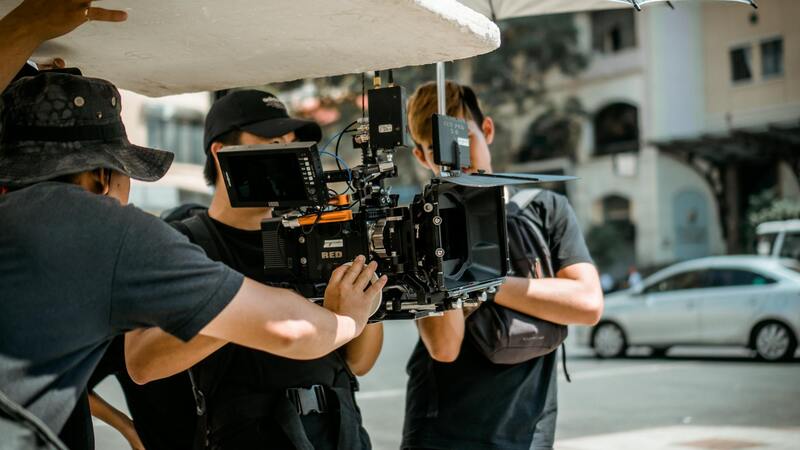
Documentation and Record-Keeping
Maintaining comprehensive records of permits, correspondence with authorities, and operational procedures forms an integral part of official marine video production. This documentation provides validation of compliance should any questions or inspections arise. Filmmakers should also keep detailed logs of locations, times, vessel movements, and environmental conditions encountered during shoots. Such practices not only demonstrate professionalism but also facilitate future projects and inspections, reinforcing transparency and adherence to established methods.
Implementing Quality Control and Final Delivery Standards
All content must be curated carefully to ensure it meets both production standards and regulatory expectations. This involves post-production quality checks that verify all footage aligns with authorized parameters, and meets regional content guidelines. Incorporating metadata, timestamps, and contextual annotations helps maintain transparency and correctness. According to official standards, final deliverables should include comprehensive documentation, high-resolution media files, and auxiliary materials substantiating compliance, thus delivering trustworthy and regulation-conscious marine video content in Miami.
Legal and Compliance Considerations in Marine Video Production in Miami
Engaging in marine video production within the vibrant waterways of Miami involves a careful adherence to various official procedures and standards designed to ensure safety, respect for the environment, and operational transparency. Filmmakers and production teams must navigate a range of formalities to align their projects with established practices, thereby safeguarding their work and maintaining professional integrity in this highly regulated sector.
Navigation Permits and Marine Access Authorization
Securing navigation permits is fundamental for filming in Miami’s busy marine zones. These permits authorize vessels and crews to operate within specific areas and periods, thereby avoiding conflicts with other maritime traffic, commercial ships, or security zones. Applications typically require detailed location data, intended filming activities, and safety protocols. This official approval process ensures that production activities do not interfere with ongoing maritime operations or compromise public safety.
Drone and Aerial Filming Regulations
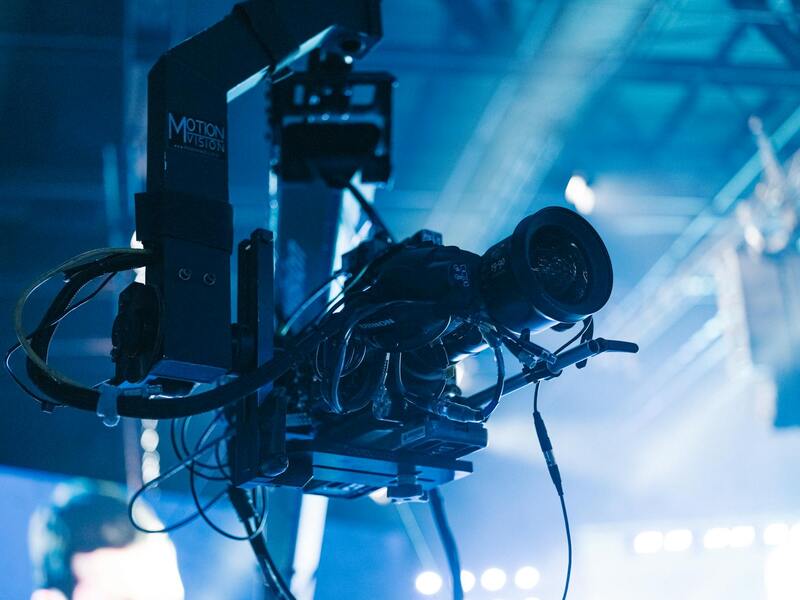
Utilizing aerial videography via drones introduces additional considerations. Drone operators must obtain specific authorizations that comply with local aviation and airspace regulations. These permissions include flight restrictions over certain areas, altitude limits, and safety buffers around populated or sensitive sites. Adherence to these rules helps prevent navigation hazards and ensures that aerial footage meets official standards for quality and safety.
Environmental and Habitat Preservation Standards
Florida’s diverse marine ecosystems are protected under stringent environmental guidelines. Filmmaking activities should avoid disturbing wildlife, habitats, and nesting sites. This involves complying with buffer zones, implementing noise reduction procedures, and avoiding sensitive spawning areas. Visibility and duration of activity may be limited during certain seasonal periods to prevent ecological disruption. Proper planning and environmental awareness demonstrate a commitment to conservation while affording filmmakers the opportunity to produce authentic and responsible marine content.
Privacy Rights and Property Expectations
Respect for private property and individuals' privacy rights is paramount in marine videography. Production teams should obtain consent when filming on private vessels or waterfront properties. Public access areas might require permissions, and all recorded content must respect personal privacy boundaries. Meeting these standards involves clear communication with property owners and stakeholders, along with adherence to established codes of conduct during filming sessions.
Official Documentation and Record-Keeping Practices
Documentation plays a critical role in validating compliance for marine video projects. Filmmakers should maintain detailed records of all permits, applications, correspondence, and approvals obtained before filming begins. Additionally, logs of vessel movements, environmental conditions, and filming locations are essential for accountability and potential review. These records facilitate transparency in operations and support the verification of adherence to official protocols, which is particularly important in the regulated marine environment of Miami.
Adhering to Marine Navigation and Safety Standards
Operational safety measures include adherence to maritime navigation rules, proper vessel handling procedures, and emergency response planning. Utilizing certified equipment and qualified personnel helps reduce risks and ensures all activities comply with maritime safety standards. Regular safety briefings, equipment checks, and contingency plans further reinforce the safety and professionalism of marine video production efforts.
Overall, official procedures and documented standards serve as a framework for conducting marine video production responsibly within Miami’s dynamic aquatic environment. By following these established methods, production teams can create compelling marine footage while respecting the region’s ecological, social, and safety considerations, maintaining their reputation as credible and professional content creators in this specialized industry.
Legal and Compliance Considerations in Marine Video Production in Miami
Ensuring that marine video projects adhere to official procedures and safety standards is fundamental to maintaining professionalism and operational integrity. In Miami's vibrant aquatic environment, meticulous attention to documentation and safety protocols not only facilitates smooth project execution but also upholds the trust and confidence of clients and stakeholders.
Permits and Certifications
Acquiring the necessary permits before filming on water is a primary step. This involves engaging with local maritime authorities and agencies responsible for marine operations in Miami. Each project may require specific authorizations depending on the scope, location, and nature of the content being produced. For example, drone operations near dense maritime traffic or sensitive ecological zones often necessitate special clearances. Certified operators, vessels, and equipment should meet regional standards to ensure compliance with operational mandates.
Vessel Handling and Environmental Protocols
Safe vessel handling during filming is equally critical. This involves training crew in maritime navigation and safety regulations, including navigation rules, emergency response procedures, and environmental stewardship. Filming crews should be familiar with environmentally sensitive areas to prevent ecological disturbance, especially in protected marine habitats around Miami.
Operational Safety and Risk Management
Incorporating comprehensive safety measures reduces risks associated with marine filming. Regular safety briefings, equipment checks, and contingency plans are integral components. Use of certified safety gear, life jackets, and emergency communication devices enhances safety standards. Additionally, pre-planning vessel routes and establishing clear communication channels among crew members facilitate efficient operations and quick responses in case of emergencies.
Record-Keeping and Documentation
Maintaining detailed records of all permits, vessel logs, environmental assessments, and safety procedures ensures transparency and accountability. Such documentation aids in verifying adherence to regulatory requirements and can serve as valuable reference material for future projects. Proper record-keeping demonstrates professionalism and readiness, ultimately safeguarding the project against unforeseen complications.
Environmental and Community Engagement
Respecting Miami’s marine environment and the local community enhances the reputation of production teams. This includes minimizing noise pollution, avoiding protected areas, and respecting local maritime activities. Collaboration with marine authorities and local stakeholders fosters community goodwill and ensures that filming activities align with regional conservation and safety goals.
Coordination with Maritime Authorities
Engaging proactively with Miami’s maritime authorities and port officials allows for seamless integration of filming activities within the existing marine management framework. Clear communication about filming schedules, vessel movements, and safety measures minimizes disruptions and builds cooperative relationships. This proactive approach ensures that all activities proceed efficiently while respecting the operational environment.
Summary of Official Procedures for Marine Video Production
- Secure appropriate permits and certifications prior to filming.
- Ensure vessel and crew are trained in maritime navigation and safety protocols.
- Implement environmental stewardship practices to protect sensitive habitats.
- Maintain detailed records of all permits, vessel logs, and safety procedures.
- Engage with local authorities and community stakeholders responsibly.
- Adhere to safety standards, emergency procedures, and operational guidelines throughout the project.
Adhering to these official methods fosters a safe, compliant, and professional environment for marine video production in Miami. It demonstrates a commitment to quality and responsibility, essential traits in the dynamic and regulated marine sector. Meticulous planning and diligent documentation are cornerstones that support the creation of high-quality, impactful marine videos that respect the region's ecological and social fabric.