
Role and Importance of a Yacht Photographer
In the luxury marine industry, exceptional visual presentation can make the difference between a vessel's sale or continued listing. A yacht photographer specializes in capturing the essence, beauty, and grandeur of these maritime marvels through expertly composed images. Their work serves as a vital tool for brokers, private owners, and yacht dealers to attract targeted audiences, showcase the vessel's unique features, and elevate marketing strategies.
Professional yacht photography emphasizes clarity, detail, and perspective, which not only highlight the vessel's aesthetic appeal but also communicate its condition, design quality, and luxury elements. The use of high-resolution images provides potential buyers and clients with a realistic virtual experience, which is especially important in the digital age where mostYacht transactions begin online.
Strategically curated photographs can significantly reduce the time a yacht spends on the market by attracting serious inquiries and generating interest from qualified buyers. High-quality images also enhance marketing platforms, including online listings, social media, and print catalogs, ultimately leading to increased visibility and credibility in a competitive marketplace.
Types of Yacht Photography Services
Yacht photography encompasses a variety of services tailored to specific client needs and vessel types. These services include exterior dock photography, underway shots, interior photography, drone aerial imaging, and video tours. Exterior photos generally focus on the vessel’s design, craftsmanship, and overall size, often taken with wide-angle lenses to emphasize proportions. Interior shots showcase luxury amenities, living spaces, and craftsmanship details, requiring skilled lighting and staging.
Drone photography has become increasingly popular, providing stunning aerial views that capture the yacht’s relationship with its surroundings. These dynamic images are particularly effective in showcasing the vessel's position relative to scenic locations, marinas, or event settings.
Services also extend to walkthrough videos and virtual tours, offering a comprehensive visual experience that appeals to remote clients or international buyers. This holistic approach ensures that all aspects of the yacht are presented professionally, boosting viewer engagement.
Key Skills and Equipment for Yacht Photography
Success in yacht photography demands a blend of technical proficiency and artistic vision. A professional photographer must possess advanced knowledge of camera operations, lighting techniques, and post-processing software. The ability to adapt to changing lighting conditions, weather, and vessel configurations is critical for capturing high-quality images.
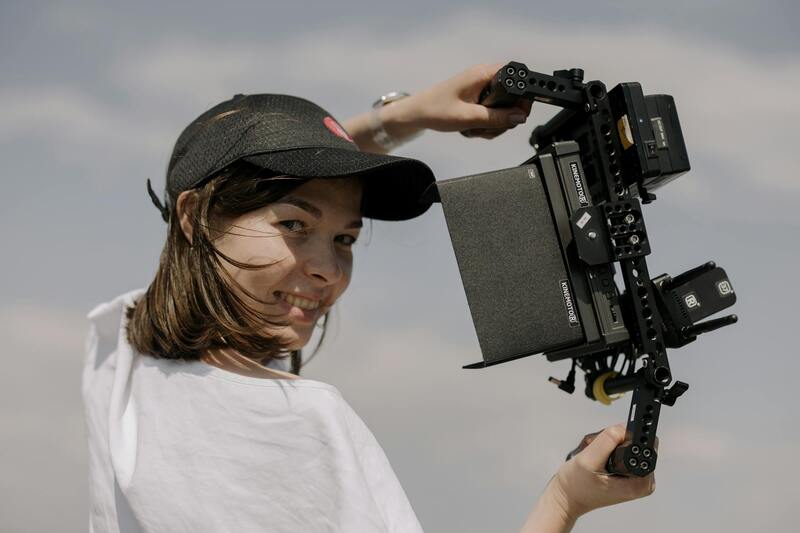
Equipment plays a vital role in ensuring images are sharp, vibrant, and versatile. This includes high-resolution digital cameras with wide-angle lenses, drone systems for aerial shots, stabilizers for smooth handheld shots, and professional lighting gear. The right equipment allows a photographer to highlight the yacht's features, combat low-light scenarios, and create compelling compositions.
Additionally, understanding maritime safety protocols while operating drones and handling equipment on or near the water is paramount. An experienced yacht photographer combines technical skills with an artistic eye to produce images that accurately reflect the vessel's luxury and craftsmanship.
Locations and Conditions for Shooting Yachts
The optimal setting for yacht photography involves locations with scenic backdrops and stable conditions. Marina docks, open waterways, and popular cruising destinations in regions like South Florida, including Miami, Fort Lauderdale, and Palm Beach, offer excellent venues. The proximity to natural light and picturesque landscapes plays a crucial role in creating captivating images.
Weather conditions significantly influence the quality of photos. Clear, sunny days produce vibrant images with sharp contrasts, while overcast conditions can lend a softer, more refined look. Shooting during golden hour—shortly after sunrise or before sunset—provides warm, diffuse light that enhances details and colors.
Understanding tide levels, weather forecasts, and vessel availability ensures a smooth shoot. Proper planning and adaptability are essential to account for unforeseen circumstances, such as sudden weather changes or technical challenges.
Workflow and Project Management
Effective workflow management is integral to delivering high-quality outputs within set timelines. The process begins with detailed planning, including client consultations to determine goals, vessel details, preferred shots, and scheduling. Pre-shoot preparations involve vessel staging, lighting arrangements, and securing necessary permits.
During the shoot, photographers systematically capture exterior and interior images, ensuring consistent lighting and angles. Post-production involves editing to enhance colors, correct exposures, and remove distractions, resulting in polished images ready for marketing purposes.
Clients appreciate transparent communication regarding progress and deliverables. Utilizing project management tools allows photographers to coordinate schedules, track edits, and ensure timely delivery. This structured approach optimizes efficiency and maintains high professional standards.
Standout Techniques in Yacht Photography
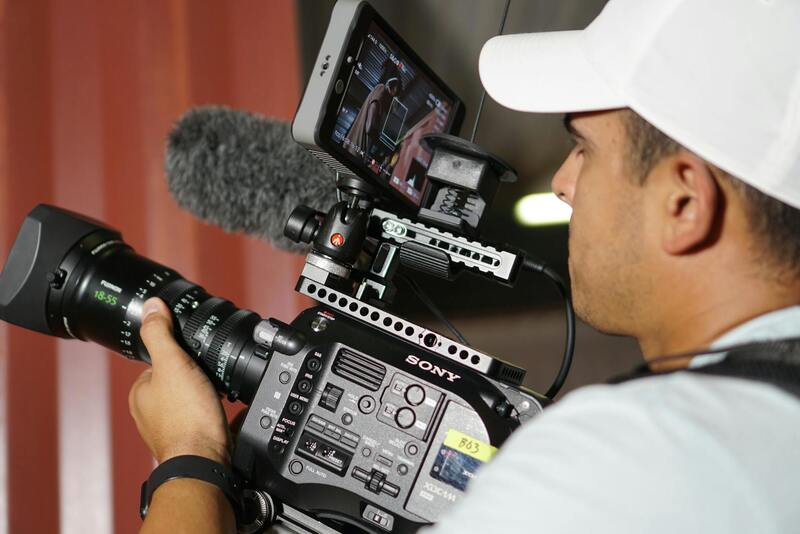
Capturing the luxury and grandeur of yachts requires creative techniques that emphasize their scale and elegance. Wide-angle lenses are frequently used to encompass the vessel’s full scope, especially in limited space environments such as docks or marinas.
Strategic lighting, including natural sunlight and artificial enhancements, accentuates interior spaces and exterior features. HDR (High Dynamic Range) imaging balances light and shadow, producing detailed images in challenging lighting conditions.
Perspective control, such as low-angle shots or elevated drone views, provides dynamic compositions that distinguish professional imagery from amateur snapshots. Post-processing techniques like color grading, sharpness enhancement, and sky replacements further elevate visual appeal.
Pricing and Booking Considerations
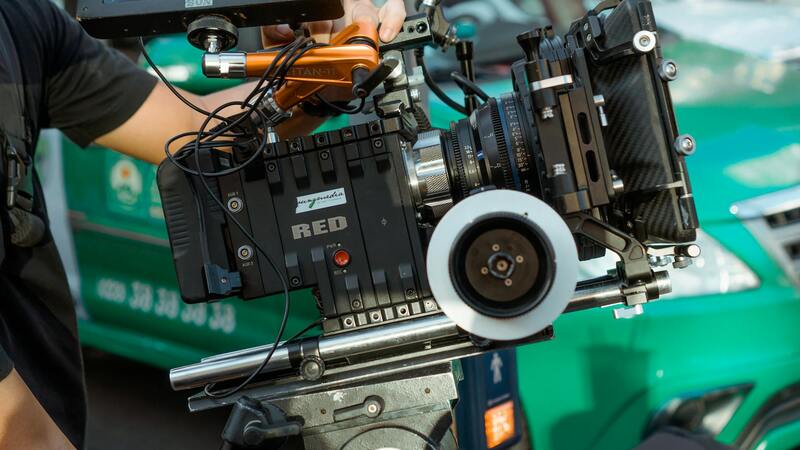
Yacht photography pricing varies based on the vessel size, scope of services, and location. Many providers offer tiered packages that include a set number of high-resolution images, drone footage, and optional video tours. Transparency in pricing ensures clients understand what is included and helps manage expectations.
Booking a yacht photographer often involves consultation to clarify project goals, schedule availability, and specific requirements. Flexible scheduling accommodates vessel owners and brokers, ensuring minimal disruption to operations.
Clients are advised to confirm deliverables, turnaround times, and any additional costs associated with travel or special requests during the initial engagement. A professional approach to pricing and booking facilitates smooth project execution and satisfactory outcomes.
Trends and Future of Yacht Photography
The yacht photography landscape continues to evolve with technological advancements and shifting client preferences. Drone photography remains prominent, capturing unique aerial perspectives that were once difficult to obtain. Virtual reality and 360-degree tours are gaining popularity, providing immersive experiences for prospective buyers.
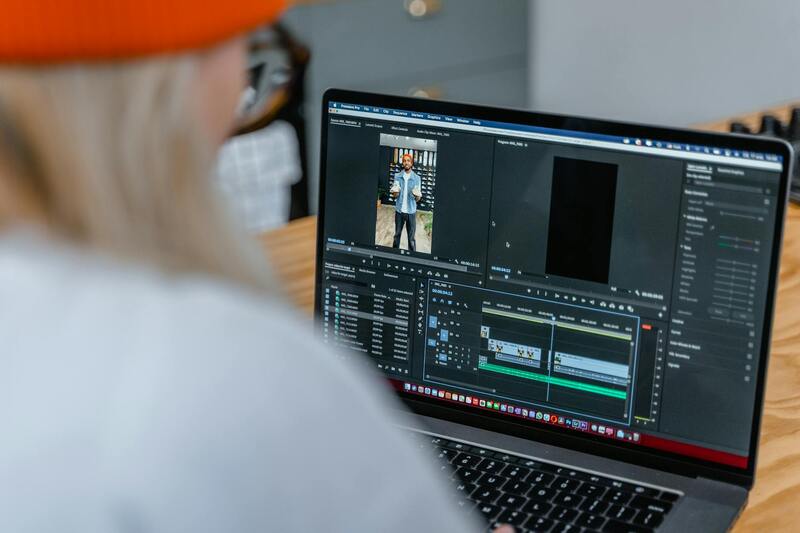
Enhanced editing techniques, including AI-powered image enhancement and augmented reality, are set to influence the industry further. These innovations enable more vibrant, realistic, and engaging presentations of luxury vessels.
Growing emphasis on eco-friendly and sustainable practices also shapes content creation, with photographers adopting methods compatible with environmental considerations. As the industry adapts to these trends, yacht photography will continue to be a pivotal component of high-end vessel marketing.
Official Approaches to Hiring a Yacht Photographer
Securing the services of a yacht photographer entails navigating through a range of reputable methods designed to ensure reliability and quality. Recognized channels include industry-standard platforms, verified directories, and direct referrals from trusted industry contacts. These avenues emphasize professionalism, transparency, and accountability, giving vessel owners and brokers confidence in the selection process.
- Industry-specific directories: These curate lists of accredited yacht photographers who specialize in marine and luxury vessel photography, ensuring clients access experienced professionals familiar with the nuances of yacht imaging.
- Referrals from industry peers: Recommendations from yacht brokers, marina managers, or previous clients often serve as trustworthy sources, providing firsthand accounts of the photographer's expertise and work ethic.
- Official photography associations: Memberships in recognized industry groups attest to a photographer's commitment to maintaining high standards, adherence to ethical practices, and ongoing professional development.
- Company websites and portfolios: Direct evaluation of a photographer's website offers insights into their style, range of services, equipment, and client testimonials, enabling informed decision-making.
- Contract-based engagements: Formal agreements outlining scope, deliverables, timelines, and costs formalize the relationship, ensuring clarity and mutual understanding from the outset.
Assessing a Photographer's Credentials and Experience
Clients should prioritize photographers with demonstrable experience in marine environments, particularly those who routinely photograph luxury yachts for marketing and promotional purposes. Verified portfolios and client references serve as key indicators of a photographer's capability to produce compelling imagery that highlights the vessel’s unique features.
- Specialized experience: Familiarity with yacht layouts, lighting conditions, and water-related challenges ensures effective capture of both interior and exterior shots.
- Equipment proficiency: Use of high-resolution cameras, drone technology, and supplementary lighting equipment enhances image quality under varying conditions.
- Creative vision: A portfolio showcasing diverse styles—from sleek commercial imagery to lifestyle and virtual tour content—reflects versatility and aesthetic sensibility.
- Client testimonials: Feedback on previous projects provides insights into the photographer’s professionalism, punctuality, and adaptability during shoots.
Ensuring Transparency and Reliability through Official Methods
Engaging with reputable sources and verified methods not only guarantees access to qualified yacht photographers but also minimizes risks associated with miscommunication or unmet expectations. Industry-standard procedures include detailed proposals, clear scope definitions, and comprehensive contracts, which serve as frameworks for a seamless photography project.
- Detailed proposals: Clients receive comprehensive descriptions of services, timelines, and pricing, enabling informed choices tailored to specific vessel types and client preferences.
- Transparent pricing models: Cost structures based on vessel size, location, and shoot complexity help manage budgets without surprises.
- Photographic rights and deliverables: Clear agreements on image usage rights, archives, and delivery formats ensure all parties are aligned.
- Timeliness and accountability: Defined turnaround times and checkpoints facilitate progress tracking and uphold project schedules.
Ensuring Transparency and Reliability through Official Methods
For clients seeking the expertise of a yacht photographer, employing trusted and verifiable methods is essential to guarantee a smooth, successful project. Starting with comprehensive proposals, vetted through industry-standard practices, ensures that all aspects of the shoot—ranging from the scope of work to timelines and pricing—are clearly outlined. These detailed documents help manage expectations and serve as a roadmap for both parties, reducing the risks of misunderstandings.
Transparent pricing models are a cornerstone of reputable yacht photography services. Costs are typically calculated based on vessel size, location, and the complexity of the shoot, providing clarity for clients and inspiration for budget planning. By avoiding hidden fees, clients can make informed decisions aligned with their financial parameters.
Defined deliverables include the rights to images, preferences for formats, and archival policies, which are detailed before the project begins. Such transparency guarantees that clients receive the agreed-upon images in the desired quality and format, and allocate permitted use rights accordingly.
Timeliness is another vital aspect, with clearly set checkpoints and turnaround times. These milestones ensure projects stay on schedule, allowing clients to plan marketing or sales activities effectively. Additionally, reputable yacht photographers uphold professionalism by providing consistent communication, punctuality, and flexibility to adjust to unforeseen conditions.
Relying on established industry procedures, such as official contracts and verified credentials, provides peace of mind for clients. It confirms the photographer’s adherence to best practices, ensuring the final product meets high standards of quality and professionalism. Adopting such validated methods not only enhances collaboration efficiency but also reinforces confidence in the results delivered.
Key Skills and Equipment for Yacht Photography
Successfully capturing the allure of a yacht requires a blend of technical expertise and specialized equipment. A proficient yacht photographer must possess a keen eye for composition, lighting, and detail, ensuring each shot highlights the vessel’s unique features and luxury appeal. Mastery of camera settings is vital, particularly in dynamic conditions where lighting can change rapidly. This includes understanding ISO, aperture, and shutter speed to produce sharp, well-exposed images irrespective of ambient light variations.
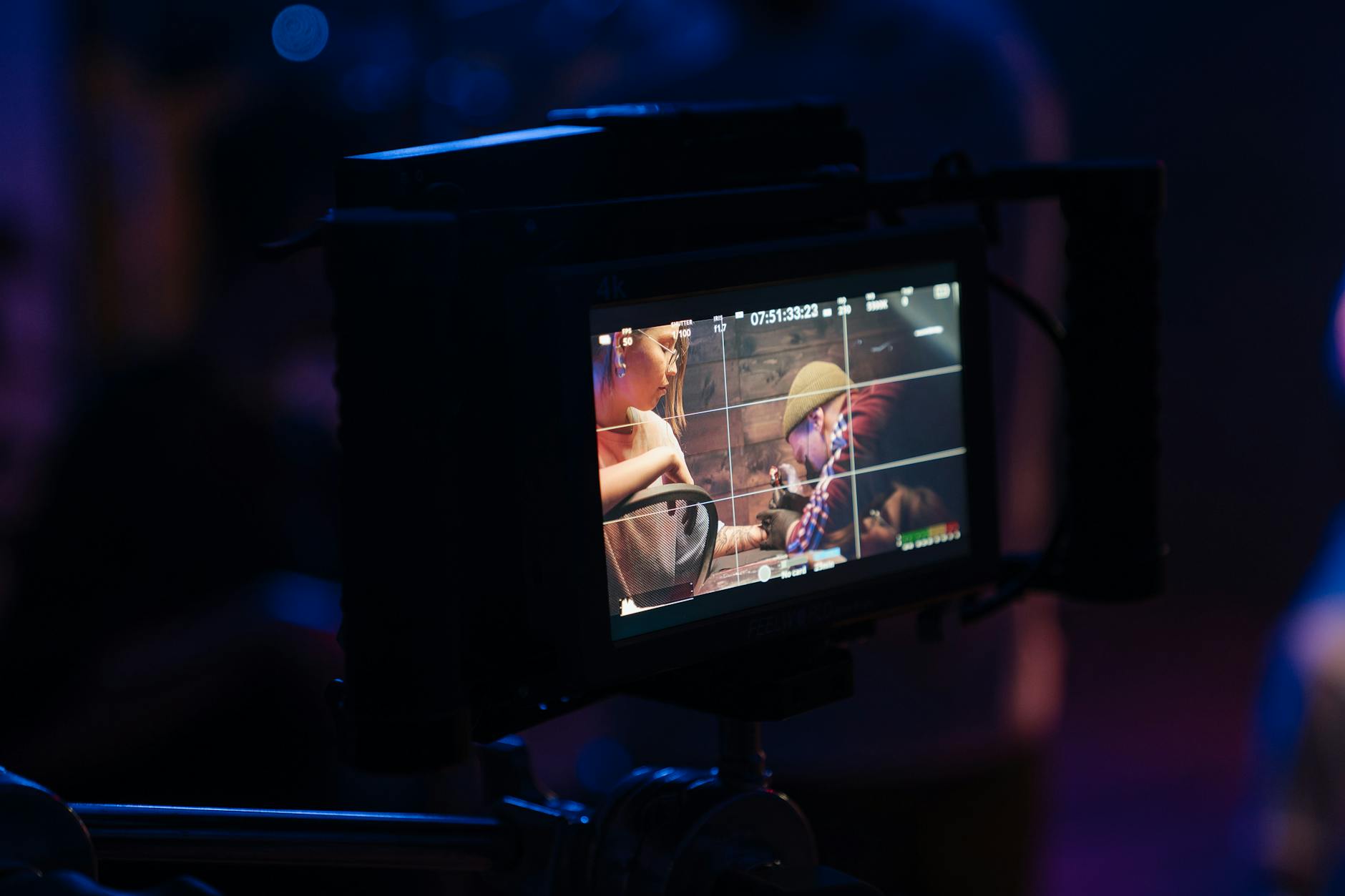
Regarding equipment, professional-grade DSLR or mirrorless cameras equipped with wide-angle and telephoto lenses are standard. Wide-angle lenses capture the vessel's grandeur, while telephoto lenses excel at detailed shots from a distance, especially during dynamic shoots on the water. A sturdy, waterproof monopod or stabilizer aids in maintaining image clarity during movement, while drone technology allows for dramatic aerial perspectives that showcase the yacht’s scale within its surroundings. High-resolution drone cameras with advanced stabilization systems provide battery efficiency and adaptability for various shooting angles.
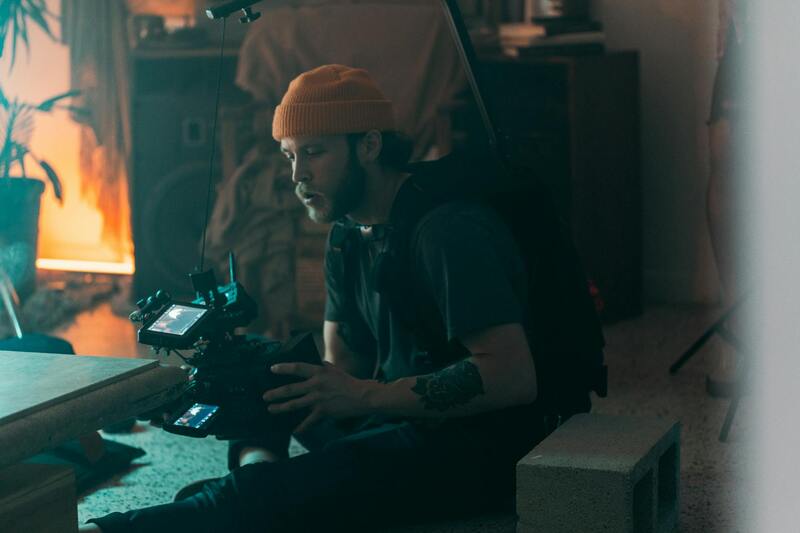
Additional essential equipment includes polarized filters to reduce glare off the water, external flashes or lighting rigs for interior shots, and portable reflectors to manage natural light. Post-processing software such as Adobe Photoshop and Lightroom is equally critical for fine-tuning images, correcting color balance, and enhancing details without compromising authenticity. Combining these tools and skills ensures the final images meet high standards of clarity, color accuracy, and visual impact.
Working with Clients and Managing Projects Efficiently
Effective communication and project planning are core to a seamless yacht photography experience. Initial consultations help clarify client objectives, preferred shot angles, and specific vessel details. Developing a clear shot list and timeline ensures both parties have aligned expectations. Pre-shoot site inspections assess accessibility, lighting conditions, and any logistical challenges that could influence the shoot schedule.
During the project, maintaining professionalism entails punctuality and proactive updates. Flexible scheduling accounts for weather changes or unforeseen circumstances, while on-site coordination with crew and vessel staff minimizes disruptions. Post-shoot, timely delivery of high-resolution images and web-optimized files is essential, often accompanied by walkthrough videos or drone footage, which can further enhance marketing efforts. Transparent invoicing based on vessel size, location, and scope of work fosters a trustworthy relationship and lays the foundation for ongoing collaborations.
Workflow and Project Management
Effective yacht photography demands a structured approach to ensure consistency, quality, and timeliness. The process begins with meticulous planning, which involves understanding the client's objectives, vessel specifications, and preferred imagery style. This pre-shoot phase includes detailed site reconnaissance, assessing vessel accessibility, lighting conditions, and logistical parameters to optimize the shooting schedule. Developing a comprehensive shot list aligned with marketing goals guides the shoot, ensuring all critical angles and features are captured.
On the day of the shoot, professional yacht photographers coordinate seamlessly with crew members and vessel staff, managing time efficiently while adapting to dynamic conditions. Utilizing high-end camera gear, drones, and lighting equipment, they capture both interior and exterior views that highlight the yacht’s luxury, design, and unique features. During shooting, real-time assessment of images allows for immediate adjustments, preventing missed opportunities.
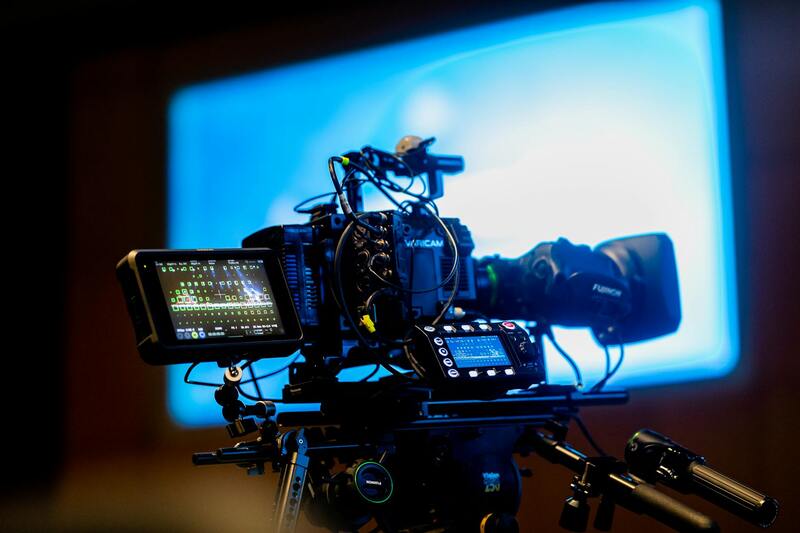
Post-shoot, the focus shifts to editing and processing the images. Advanced post-production software ensures color accuracy, clarity, and the removal of minor imperfections while maintaining the authentic appearance of the yacht. Delivering these images alongside supplementary content such as walkthrough videos or drone footage enriches the marketing package. Timely delivery, typically within stipulated deadlines, is vital to meet client expectations and enable swift listing updates.
Throughout the project, transparent communication fosters trust and clarifies adjustments. Regular updates and prompt responses to client inquiries contribute to a smooth workflow. A well-managed project culminates with client review sessions, allowing for feedback and final revisions before the images are finalized and delivered, securing satisfaction and laying a foundation for future collaborations.
Standout Techniques in Yacht Photography
- Utilization of drone technology to capture aerial perspectives that showcase the yacht's layout and surroundings.
- Use of wide-angle lenses for interior shots that emphasize space and design.
- Strategic lighting setups for interior shots, especially in low-light conditions, to highlight craftsmanship and detailing.
- HDR imaging techniques to balance interior lighting contrasts and exterior brightness.
- Timing shoots during optimal lighting conditions, such as golden hour, to enhance natural beauty.
- Incorporation of reflections and water dynamics to add a dramatic effect to exterior images.
Leveraging these techniques, combined with professional workflow management, ensures high-quality visual content that effectively markets luxury vessels, whether for brokerage listings, promotional materials, or private collections.
Role and Importance of a Yacht Photographer
In the luxury yacht industry, captivating imagery is pivotal for showcasing vessels to prospective buyers, brokers, and enthusiasts. A professional yacht photographer possesses the expertise to capture the vessel’s intricate details, opulent interiors, and stunning exterior views, enhancing its appeal in listings and promotional materials. Their skill extends beyond mere photography; they understand the nuances of vessel design, lighting, and environment, allowing them to present each yacht at its finest. Employing high-quality visuals not only attracts a broader audience but also accelerates sales processes, contributing significantly to a vessel’s market visibility and competitiveness.
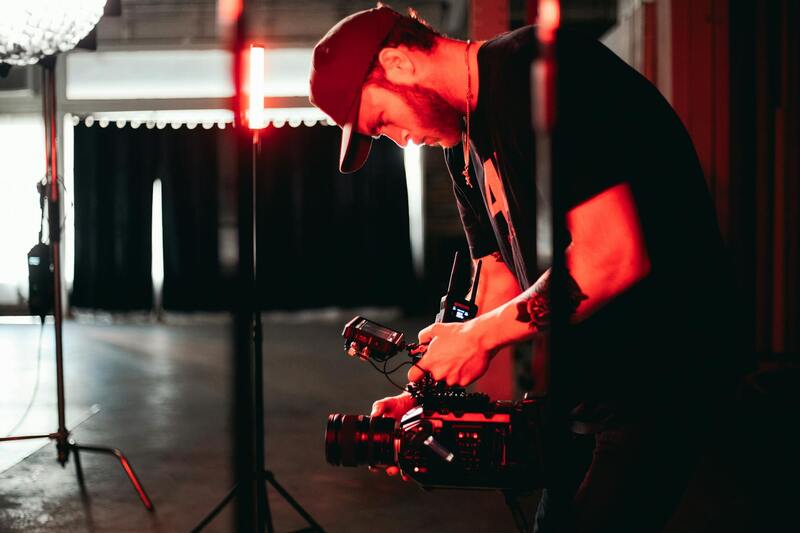
Essential Attributes of a Yacht Photographer
- Deep understanding of yacht design, both interior and exterior elements.
- Expertise in utilizing lighting to emphasize craftsmanship and luxury finishes.
- Ability to shoot in various environmental conditions, from bright sunlight to low light settings.
- Proficiency with advanced photographic equipment, including high-resolution cameras and drone technology.
- Strong post-production skills for editing images that accurately represent the vessel’s grandeur.
Ultimately, a yacht photographer’s role is to craft visually compelling stories of these vessels, making them irresistible to potential clients and collectors. Their work helps establish the vessel’s presence in competitive markets, ensuring it stands out for its aesthetic appeal and luxurious features.
Types of Yacht Photography Services
Yacht photography services encompass a broad spectrum, tailored to meet diverse promotional, sales, and private use needs. Common types include:
- Exterior vessel shots: Focused on capturing the yacht’s profile, layout, and surroundings, often utilizing drone photography for aerial perspectives.
- Interior photography: Highlighting the craftsmanship, spaciousness, and design details of the yacht’s interior spaces.
- Aerial photography: Drone-based images that provide sweeping views of the yacht in its environment, ideal for showcasing size, layout, and scenic locale.
- Waterline and dockside shots: Emphasizing the vessel’s connection to water and its dockside presentation.
- Specialized shot packages: Including underwater imaging, twilight shoots, and creative angles to add distinctive visual elements.
These services might also extend into video packages, walk-through tours, and 360-degree virtual showcases, offering comprehensive media options to meet client objectives.
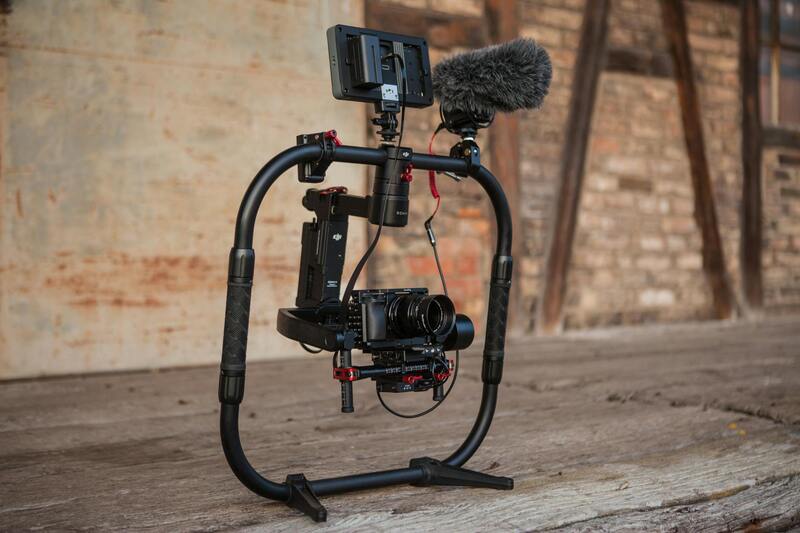
Key Skills and Equipment for Yacht Photography
Achieving high-impact yacht imagery demands a combination of technical skills and specialized equipment. Key skills include mastery of lighting, composition, and post-production editing to ensure images accurately convey luxury and detail. Photographers must adapt to changing environmental conditions, making quick adjustments to lighting and angles for optimal results.
Regarding equipment, essential gear includes:
- High-resolution DSLR or mirrorless cameras: Capable of capturing fine details with clarity and precision.
- Wide-angle and telephoto lenses: To highlight interior spaces and capture distant or aerial views.
- Drone technology: For aerial shots that reveal the yacht's layout and scenic surroundings.
- Stabilizers and gimbals: To ensure sharp images during movement, especially in drone filming.
- Lighting equipment: Portable flash units and LED panels for interior shoots in low-light conditions.
Combining these technical tools with an understanding of yacht aesthetics results in imagery that elevates marketing presentations, sales pitches, and private collections.
Role and Importance of a Yacht Photographer
In the competitive field of luxury yacht sales, charter operations, and marketing, a yacht photographer plays a pivotal role in capturing the vessel’s essence and conveying its exclusivity. Through expertly composed images, they highlight the yacht’s aesthetic appeal, interior details, and scenic surroundings, establishing an emotional connection with prospective clients. High-quality imagery serves as a vital tool in digital listings, brochures, and promotional materials, where first impressions significantly influence decision-making. Skilled yacht photographers understand the nuances of maritime environments, weather conditions, and lighting scenarios, ensuring each shot accurately reflects the vessel’s grandeur and craftsmanship.
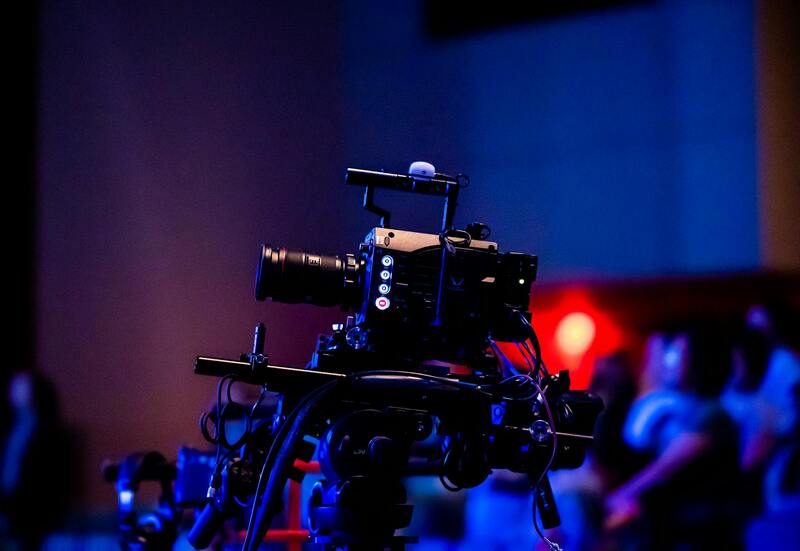
Enhancing Market Visibility and Client Engagement
Effective yacht photography boosts visibility across online platforms and enhances engagement with potential buyers or charter clients. In a digital age where visuals determine online traffic, professional images are instrumental in producing compelling listings that stand out amidst competitors. Furthermore, a marine photographer’s ability to portray the yacht in various lighting conditions and angles helps clients visualize ownership, fostering stronger emotional ties and accelerating sales or bookings.
Technical Expertise and Artistic Vision
A yacht photographer’s expertise lies not only in technical skills but also in artistic vision. Mastery over lighting, composition, and post-production editing ensures images convey the luxurious atmosphere and superior craftsmanship of each vessel. Their understanding of color balance, reflections, and framing techniques captures the vessel’s personality and unique features. Technical proficiency extends to working with specialized equipment such as drones, stabilizers, and lighting gear to produce high-impact visuals regardless of environmental variables.
Types of Yacht Photography Services
The scope of yacht photography encompasses a variety of specialized services designed to meet diverse client needs. Each service type focuses on highlighting specific aspects of the vessel or achieving unique visual effects that appeal to target audiences.
- Interior Photography: Showcases the yacht’s living spaces, luxurious furnishings, and innovative design details, often requiring intricate lighting setups and attention to spatial layout.
- Exterior Photography: Emphasizes the vessel’s hull, deck areas, and overall silhouette, utilizing natural lighting or drone captures to present the yacht’s scale and elegance.
- Aerial Photography: Employs drone technology to produce breathtaking overhead shots that reveal the yacht’s positioning within scenic environments, port layouts, or open waters.
- Virtual Tours and 360-Degree Shoots: Creates immersive experiences that allow viewers to explore the yacht remotely, an invaluable resource for remote listings or private viewings.
- Event and Lifestyle Shoots: Captures yachts in action during events or leisure activities, highlighting the vessel's functionality and setting a desirable lifestyle.
Key Skills and Equipment for Yacht Photography
Achieving exceptional visual results in yacht photography demands a blend of technical prowess and the right gear. Photographers specializing in this niche must be adept at manipulating lighting conditions, angles, and post-processing techniques to craft images that evoke luxury and precision.
Primary skills include:
- Proficiency in camera settings, including aperture, shutter speed, and ISO adjustments, to optimize image clarity and detail under varying lighting conditions.
- A keen sense of composition to demonstrate the yacht’s scale, design features, and spatial flow effectively.
- Post-production editing skills for color correction, retouching, and enhancement to elevate visual appeal.
Essential equipment used by yacht photographers encompasses:
- High-resolution DSLR or mirrorless cameras capable of capturing minute details with clarity.
- Wide-angle lenses for interior shots and capturing expansive exterior views.
- Telephoto and zoom lenses to focus on distant features or scenic backgrounds.
- Drone technology equipped with stabilized gimbals for aerial image acquisition.
- Lighting gear, including portable LEDs and flash units, for interior shoots in low-light conditions.
- Stabilizers and gimbals to ensure image sharpness during movement, especially in drone and handheld videography.
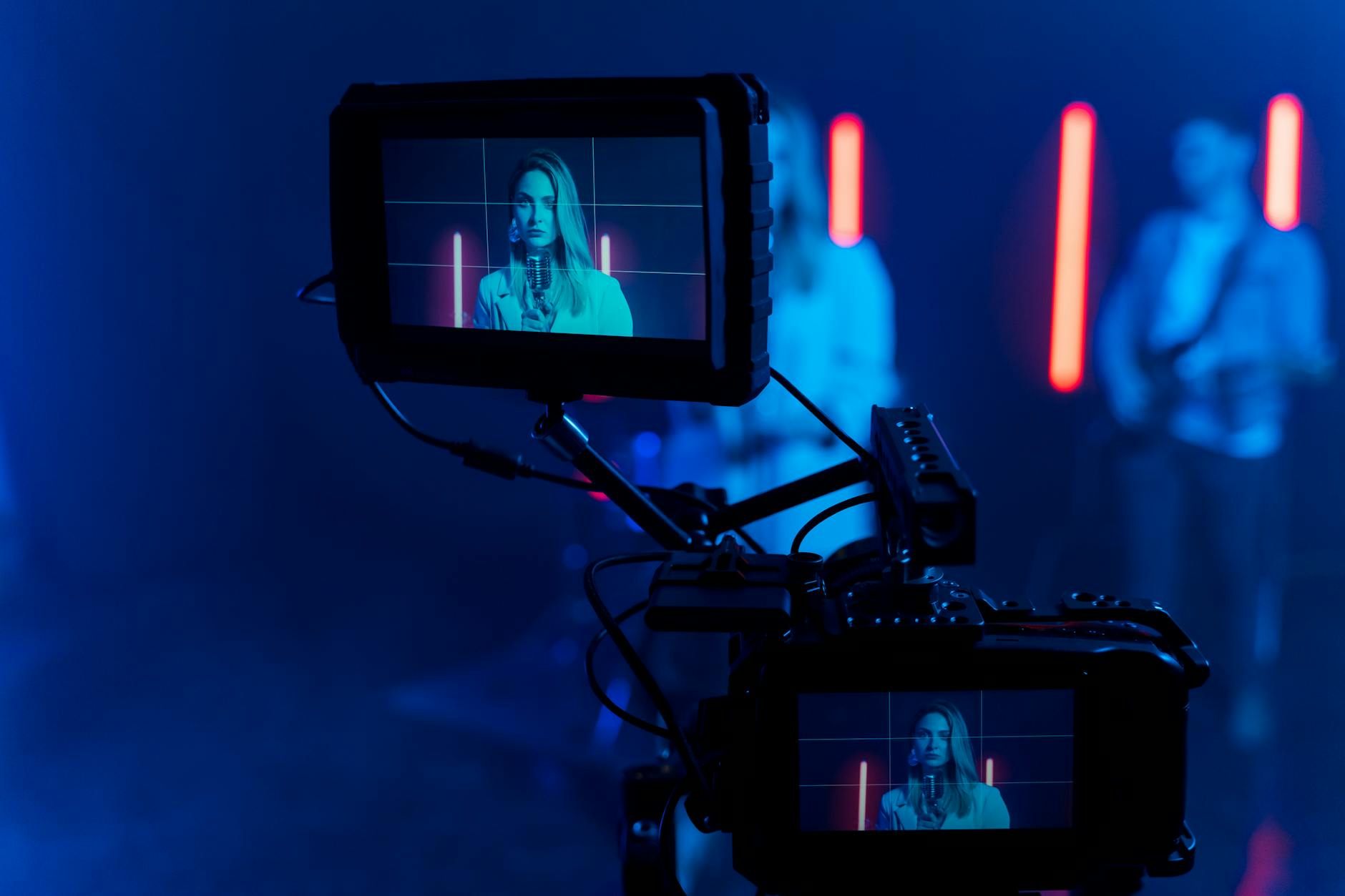
Locations and Conditions for Shooting Yachts
The choice of shooting locations and environmental conditions significantly influences the quality of yacht imagery. Prime shooting sites include scenic marinas, open waters, and designated yacht harbors where natural light and picturesque backgrounds complement the vessel's features.
Adverse weather conditions, such as overcast skies or wind, can pose challenges but also opportunities for creative lighting and mood. Photographers must be adaptable, leveraging cloud cover for diffused lighting or scheduling shoots during optimal times like dawn or dusk for dramatic twilight effects.
Indoor shoots require controlling ambient light with portable lighting solutions, whereas outdoor images benefit from strategic timing to harness the golden hour’s warm, flattering light. Additionally, drone shots are best conducted in calm conditions to capture steady, high-quality images and videos without turbulence or interference.
Workflow and Project Management
Efficient workflow management is crucial for delivering high-quality yacht images within client deadlines. The process begins with thorough site assessments and understanding the vessel’s unique features to plan shot lists accordingly. Coordination with clients, port authorities, and crew ensures smooth access and optimal lighting conditions.
During the shoot, photographers systematically capture exterior and interior shots, leveraging the best angles and environmental conditions. Post-shoot, the images undergo meticulous editing, ensuring color accuracy, sharpness, and visual consistency. Clear communication regarding revisions, licensing, and delivery timelines guarantees client satisfaction and smooth project completion.
Adopting a structured approach enhances productivity and maintains high standards across all assignments, regardless of vessel size or location.
Standout Techniques in Yacht Photography
To distinguish their work, exceptional yacht photographers incorporate innovative techniques and creative perspectives. Some notable methods include:
- Underwater Imaging: Utilizing waterproof housings to capture submerged details, adding depth and context to the vessel’s operation and environment.
- Twilight and Sunset Shoots: Capitalizing on the soft, warm lighting during the twilight hour to evoke exclusivity and serenity.
- Creative Angles and Perspectives: Shooting from low or high vantage points, or through reflections, to emphasize design lines and yacht grandeur.
- Aerial Video and 360-Degree Virtual Tours: Combining static images with dynamic content to present an immersive visual narrative.
These advanced techniques, when executed with technical mastery, produce compelling visuals that resonate with high-net-worth clients and industry stakeholders alike.
Comprehensive Methods for Securing a Yacht Photographer
Securing the services of a professional yacht photographer necessitates a strategic approach rooted in industry-standard practices. The primary method involves leveraging established networks within the marine and luxury lifestyle sectors. Reputable yacht brokerages, luxury charter companies, and yacht management firms often maintain partnerships with experienced photographers, streamlining the referral process.
Another credible avenue is participation in specialized trade shows and yacht expos. Events like the Fort Lauderdale International Boat Show or the Miami Yacht Show serve as platforms where prospective clients can meet top-tier yacht photographers, review portfolios, and discuss project specifics in person. Engaging through these events ensures direct interaction with professionals who possess proven expertise in marine photography.
Online portfolios hosted on reputable platforms and industry directories offer another reliable method for client engagement. These websites showcase a photographer’s versatility and technical proficiency, facilitating informed decisions. When reviewing such portfolios, clients should look for consistency in image quality, diversity of vessel types captured, and a portfolio that demonstrates proficiency in both exterior and interior yacht photography.
Additionally, Direct inquiry through industry-specific websites like miamieventvideography.net enables clients to communicate needs clearly, receive tailored proposals, and establish professional rapport. This personalized approach often results in more precise alignment with project expectations and ensures collaboration with photographers experienced in navigating the unique challenges of marine environments.
Networking and Industry Collaborations
Building relationships within the yachting community enhances access to premier yacht photographers. Regular interaction with brokers, charter operators, and yacht builders fosters trust and familiarity, paving the way for future collaborations. Many photographers also participate in marine industry associations and clubs, which serve as informal networks for sourcing trusted professionals.
It is equally important to evaluate a photographer’s prior work in similar settings. Requesting references or testimonials from previous clients provides insight into their professionalism, reliability, and ability to deliver high-quality results under varying conditions. By selecting a photographer with a solid track record and appropriate industry connections, clients are assured of a seamless project execution.
Legal and Contractual Considerations
When engaging a yacht photographer, clients should establish clear contractual terms. These agreements typically specify usage rights, image delivery timelines, and payment terms. Ensuring these elements are explicitly outlined helps maintain transparency and aligns expectations between parties, reducing potential conflicts.
Furthermore, detailed contracts should specify provisions for sensitive vessel details, privacy considerations, and confidentiality, especially when dealing with exclusive or high-profile yachts. This due diligence safeguards both the client's interests and the integrity of the photographic process.
Final Selection Process
The process culminates in selecting a photographer whose expertise, style, and professional approach best meet the project's requirements. Factors such as responsiveness during initial communication, clarity in proposals, and alignment with budget considerations contribute to this decision. An effective selection process ensures the sourcing of a skilled yacht photographer capable of capturing the vessel's essence while adhering to specified standards.