
Role and Significance of Miami Photojournalists
Miami photojournalists serve as vital storytellers within the fabric of South Florida’s diverse and vibrant community. Their work extends beyond mere documentation, encompassing the critical task of visually communicating narratives that shape public perceptions and inform societal discourse. These professionals are entrusted with capturing compelling images during breaking news, cultural events, social movements, and community issues, thereby providing an authentic and immediate portrayal of life in Miami.
The importance of Miami photojournalists is rooted in their ability to translate complex, often urgent stories into visual formats that resonate with a broad audience. Their photographs can influence public opinion, highlight societal disparities, and foster a deeper understanding of local challenges and triumphs. Whether documenting the aftermath of natural disasters like hurricanes, covering political rallies, or capturing the vibrancy of Miami’s multicultural festivals, photojournalists act as visual witnesses who uphold the integrity and transparency of the media landscape.
In essence, their role extends into being defenders of truth, chroniclers of history, and amplifiers of voices within the community. Their images not only inform but also inspire action and reflection, making Miami photojournalists indispensable in shaping an informed and engaged society.
Historical Evolution of Photojournalism in Miami
The history of photojournalism in Miami reflects a dynamic progression from early documentary efforts to the modern digital era. In the mid-20th century, pioneers captured the city’s rapid growth and cultural shifts with film cameras, focusing on iconic events like Miami’s burgeoning nightlife, urban development, and social issues. As technology advanced, so did the scope and impact of photojournalism, enabling more vivid, immediate, and accessible imagery.
The advent of digital cameras and online media transformed the field profoundly, allowing Miami photojournalists to upload and distribute images instantaneously. This shift increased the immediacy of news coverage but also posed new challenges related to image authenticity and the speed of information dissemination. The evolution has seen a move from traditional print-based storytelling to a multi-platform approach, leveraging social media, online news outlets, and citizen journalism to expand reach and influence.
This transformation underscores the adaptive nature of Miami’s photojournalists, who continuously refine their skills to meet modern standards of visual storytelling while maintaining journalistic integrity. The rich history of Miami's photojournalism underpins its reputation as a hub for journalistic excellence and innovation in visual media.
Notable Miami Photojournalists and Their Contributions
Miami’s photojournalism landscape has been shaped by influential figures whose work has left indelible marks on the community and the industry. Patrick Farrell, a Pulitzer Prize winner, gained recognition for his powerful coverage of natural disasters in Haiti, exemplifying the impact of dedicated storytelling. Al Diaz and Carl Juste, renowned for their longstanding contributions to The Miami Herald, have documented Florida’s complex social, environmental, and political issues with honesty and depth.
Their portfolios demonstrate a commitment to truthful representation, showcasing both the human condition and the resilience of Miami’s diverse populations. Their images serve as cultural archives, capturing moments that inform public debate and foster empathy among viewers.
These individuals set standards for aspiring photojournalists, emphasizing the importance of ethical storytelling, technical excellence, and a keen eye for compelling narratives. Their legacies continue to inspire new generations committed to upholding journalistic integrity in Miami’s evolving media environment.
Skills and Techniques Employed by Miami Photojournalists
Effective Miami photojournalists combine technical proficiency with a keen sense of storytelling. Mastery of camera settings, lighting, composition, and rapid decision-making is essential for capturing fleeting moments during unfolding events. Many employ a range of techniques, including high-speed photography to freeze motion during fast-paced incidents, and low-light shooting for nighttime coverage of cultural events and social unrest.
Additionally, photojournalists utilize editing tools to enhance their images without compromising authenticity. The ability to adapt visually to varied situations — from intimate portraits to large-scale protests — is critical for conveying the essence of each story compellingly.
Beyond technical skills, successful photojournalists develop strong investigative instincts and cultural awareness. Understanding the socio-political context of Miami enhances their capacity to tell stories sensitively and accurately, ensuring that their images resonate authentically with viewers.
Challenges Faced by Miami Photojournalists in the Digital Age
The digital era presents unique challenges for Miami photojournalists, notably in maintaining ethical standards amid a rapidly changing media landscape. The proliferation of social media demands quick turnaround times, which can pressure journalists to prioritize speed over accuracy. This environment increases the risk of misrepresentation, even with the best intentions.
Financial constraints also impact the profession significantly. Many photojournalists now bear the burden of purchasing their own equipment and covering travel expenses, which can be prohibitively costly. Furloughs and changing employment structures—such as freelance and independent assignments—further complicate their financial stability.
Moreover, the evolving nature of news consumption—favoring instant, bite-sized content—requires photojournalists to adapt their storytelling techniques. They must balance the need for eye-catching visuals with responsible journalism, ensuring their images uphold the values of accuracy and fairness in a crowded digital space.
Role of Photojournalists in Covering Miami’s Local News and Events
Miami photojournalists play a central role in documenting the city’s most important events, from political demonstrations to cultural festivals and everyday life. Their images shape how residents and the wider audience perceive local issues, putting faces and moments to stories that might otherwise remain abstract.
During crises such as hurricanes or social upheaval, these professionals provide immediate visual accounts that inform decision-making and mobilize aid efforts. Their work captures the resilience and complexity of Miami’s communities, offering nuanced perspectives often absent from written journalism alone.
Through coverage of community events, they contribute to building a collective identity and fostering civic engagement. Their photographs serve as historical records, preserving the spirit and struggles of Miami’s people for future generations.
Opportunities and Future Trends for Miami Photojournalists
The future of Miami photojournalism holds promising opportunities amid technological advancements. Augmented reality, 360-degree imaging, and drone photography are expanding the toolkit available to storytellers, allowing for immersive reporting experiences. As virtual and augmented environments become more prevalent, photojournalists can craft interactive narratives that deepen engagement and understanding.
Emerging social media platforms and independent publishing channels offer avenues for creators to reach niche audiences directly, bypassing traditional gatekeepers. This democratization of media enables photojournalists in Miami to cultivate personal brands and pursue diverse projects with greater autonomy.
However, these developments also necessitate ongoing education and adaptation. The demand for ethical, accurate, and compelling visual content remains paramount in ensuring that Miami’s photojournalists continue to serve as trusted chroniclers of their city’s ongoing story.
Resources and Institutions Supporting Miami Photojournalists
Various organizations and institutions provide vital support for Miami’s photojournalists. Professional associations, educational programs, and local media outlets foster skill development, offer networking opportunities, and uphold industry standards. Notable among these are regional journalism schools, photojournalism workshops, and seminars dedicated to ethical storytelling and technical mastery.
Support networks also include online platforms that serve as repositories for visual content, mentorship programs, and grants aimed at fostering innovation in photojournalism. Local media houses, including Miami’s prominent newspapers and online outlets, often collaborate with photographers to document stories that matter to the community.
Engaging with these resources ensures that Miami photojournalists stay at the forefront of industry trends while maintaining the integrity and quality of their work across evolving media landscapes.
Role and Significance of Miami Photojournalists
Miami photojournalists serve as vital storytellers who capture the spirit, struggles, and triumphs of the city. Their work extends beyond mere documentation; it shapes public perception, influences societal discourse, and preserves the historical fabric of Miami. These professionals employ a blend of technical mastery, ethical consideration, and cultural awareness to produce images that resonate on a profound level. In an environment characterized by rapid change and diverse communities, Miami photojournalists are tasked with portraying a comprehensive narrative that respects all perspectives and accurately reflects the complexities of the urban landscape.
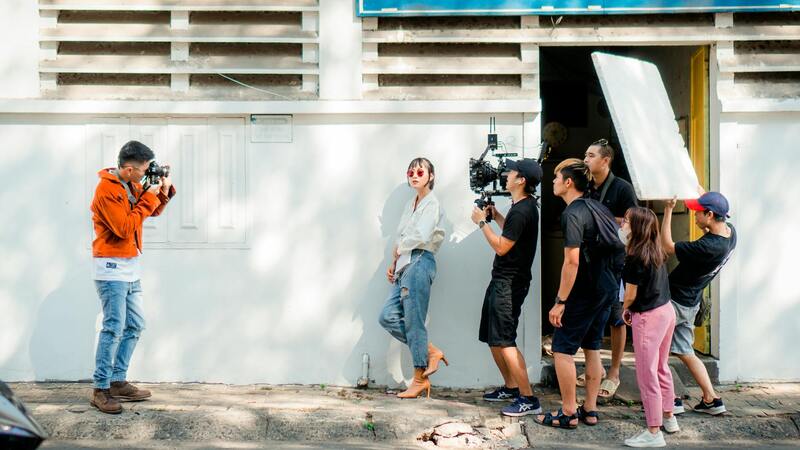
Their role encompasses covering a wide array of topics—from political protests and natural disasters to cultural festivals and daily life. This breadth requires adaptability, quick decision-making, and a nuanced understanding of the local context. Moreover, Miami's unique geographic location and demographic diversity necessitate specialized approaches in visual storytelling, ensuring that images engage and inform both local residents and the broader global audience.
Essential Skills and Attributes of Miami Photojournalists
- Technical Proficiency: Mastery of camera equipment, lighting techniques, and post-processing tools to produce clear, compelling images.
- Ethical Sensitivity: Commitment to honest representation, respecting subjects' dignity, and avoiding sensationalism.
- Cultural Awareness: Understanding the cultural and socio-economic nuances of Miami’s communities to capture authentic moments.
- Rapid Response Capability: Ability to operate effectively under pressure and adapt to unpredictable situations, such as emergencies or spontaneous events.
- Strong Narrative Skills: Crafting images that tell a story, often complemented by captions or accompanying reports for enhanced context.
Impact on Community and Journalism Landscape
Miami photojournalists influence community awareness by providing visual insights into social issues, advocating for causes, and celebrating local achievements. Their work often appears in prominent media outlets, including newspapers, online platforms, and exhibitions, reaching audiences both within and outside Miami. As digital platforms grow in prominence, these professionals increasingly leverage social media to disseminate their images rapidly, engaging a wider audience and fostering a sense of immediacy and connection.
In addition, the evolving media landscape challenges photojournalists to innovate continuously. They adapt to new technologies like drone photography and 360-degree imaging, expanding the ways stories are told visually. This innovation enables Miami photojournalists to stay relevant and maintain their crucial role in documenting the city’s dynamic narrative with integrity and artistic vision.
Key Techniques and Methodologies of Miami Photojournalists in Action
Miami photojournalists employ a diverse array of skills and techniques to faithfully capture the essence of the city’s vibrant stories. Their approach combines technical proficiency with a deep understanding of narrative construction, ensuring each image is powerful and meaningful. Mastery of camera settings, including aperture, shutter speed, and ISO, allows for optimal image quality across varied lighting conditions, from the sunlit streets of Coral Gables to the dimly lit interiors of local events.
Moreover, Miami photographers are adept at rapid scene analysis, quickly determining the best angles and moments to enhance storytelling. They often utilize high-speed continuous shooting modes to seize fleeting expressions and pivotal moments, especially during dynamic events like parades, protests, or sports matches. Engaging with subjects compassionately and ethically fosters trust, enabling photojournalists to access intimate or sensitive moments while respecting personal boundaries.

In addition to foundational skills, modern Miami photojournalists are increasingly incorporating innovative tools to diversify their visual storytelling palette. Drone photography provides aerial perspectives that unveil the grandeur of Miami’s skyline and sprawling communities, adding a new dimension to urban reporting. Immersive 360-degree imaging positions viewers directly into the scene, fostering an immediate sense of presence and engagement. These technological advancements expand the capacity to document Miami’s landscapes and social issues creatively and comprehensively.
Editing and post-processing are equally vital components, enabling photographers to enhance clarity, correct color balance, and compose images that draw viewers into the narrative. Nevertheless, the emphasis remains on authenticity—the images must serve as honest representations that inform and impact audiences without distortion. This balance of technique, ethics, and storytelling defines the professional standard of Miami's photojournalists, who continuously adapt their methods to depict the city’s evolving social and cultural fabric authentically.
Role and Significance of Miami Photojournalists
Miami photojournalists play a pivotal role in shaping public understanding of the city's diverse social, political, and cultural landscape. They serve as visual storytellers who capture the essence of Miami’s dynamic environment, from vibrant festivals to critical social issues. Their work not only informs audiences but also influences public discourse and awareness, making them indispensable in maintaining an informed citizenry. Through their images, Miami photojournalists document moments that reflect the city’s evolution, resilience, and identity, providing a visual archive that preserves historic and contemporary narratives.
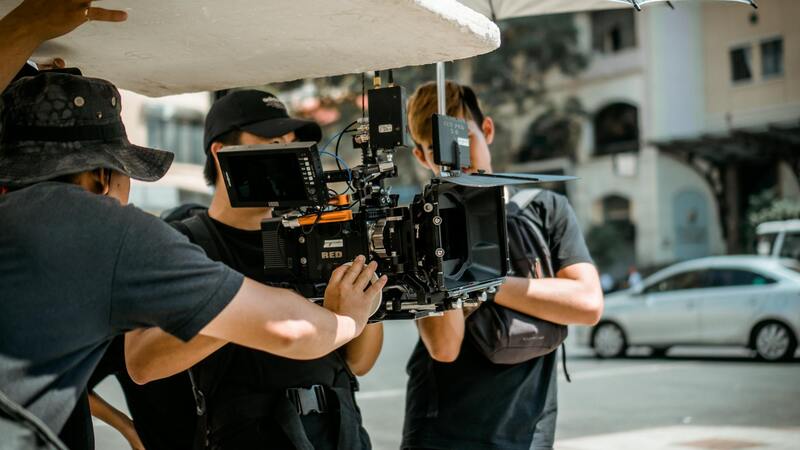
Engaging with communities ethically and compassionately allows these professionals to gain access to intimate moments and perspectives that might otherwise remain unseen. Their ability to blend technical skill with narrative insight ensures that each image conveys not just a visual fact but a compelling story. As Miami continues to grow and change, the significance of photojournalists in chronicling its story remains profound, ensuring that the city's narrative is told with authenticity and impact.
Historical Evolution of Photojournalism in Miami
The history of photojournalism in Miami reflects a trajectory marked by technological advancement and a commitment to truthful storytelling. From the early days of film cameras capturing the city’s burgeoning communities to the digital revolution, Miami photojournalists have adapted their methods to ensure immediate and impactful visual reporting. During the mid-20th century, iconic images of Miami’s social scene and urban development shaped national perceptions of the city. As media transitioned from traditional newspapers to digital platforms, photojournalists expanded their toolkit by incorporating aerial drone photography, 360-degree imagery, and real-time coverage methods.
The evolution has also seen a shift toward greater immediacy and accessibility, enabling photojournalists to reach broader audiences swiftly. Digital platforms facilitate instant sharing of images, allowing stories to be told as events unfold. This change has heightened the responsibility of Miami’s photojournalists to maintain high standards of accuracy and ethical representation, especially amidst the rapid flow of information in the modern age.
Notable Miami Photojournalists and Their Contributions
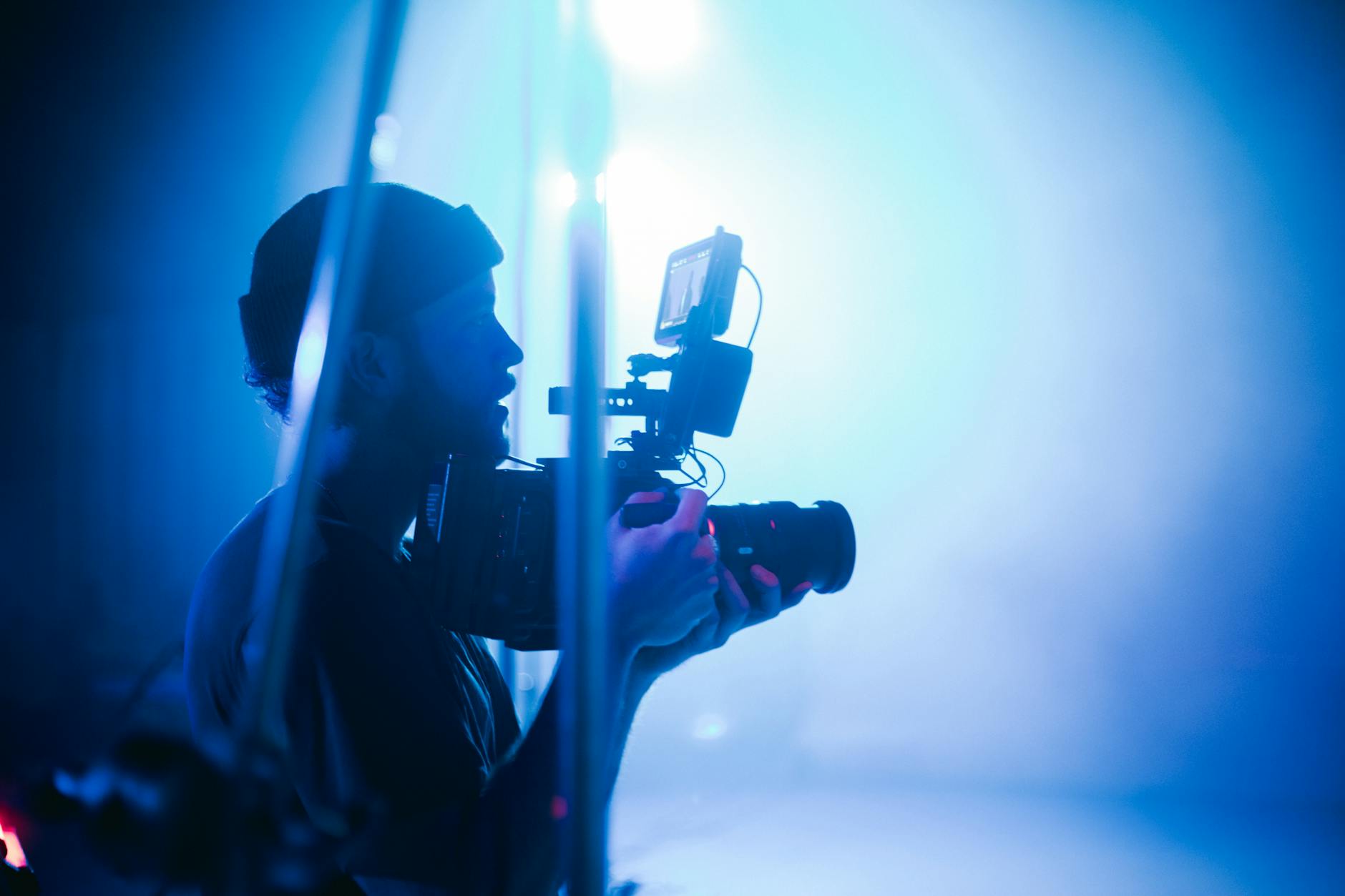
Among Miami’s renowned photojournalists, figures like Patrick Farrell, Al Diaz, and Carl Juste have made significant contributions through their powerful imagery and storytelling. Patrick Farrell's Pulitzer-winning photographs of disaster aftermath exemplify the capacity of photojournalism to evoke empathy and bring awareness to global issues. Al Diaz is celebrated for capturing Miami's vibrant street life and cultural festivities, providing a visual chronicle of community resilience and diversity. Carl Juste’s work emphasizes social justice themes, often delving into the complexities of Miami’s social fabric.
Their collective contributions have helped shape Miami's reputation as a city rich in stories worth telling. By maintaining high standards of integrity and professionalism, these photojournalists set a benchmark for their peers and inspire new generations of visual storytellers. Their work demonstrates how dedication to craft, coupled with a deep understanding of the community, can produce images that transcend mere documentation, fostering understanding and empathy across diverse audiences.
Skills and Techniques Employed by Miami Photojournalists
Miami photojournalists utilize a diverse set of skills and technical expertise to capture compelling images that accurately reflect the stories they cover. Mastery of camera operation, including understanding different lenses, shutter speeds, apertures, and ISO settings, allows them to adapt swiftly to varying lighting conditions and dynamic environments common in Miami’s bustling urban landscape and vibrant cultural scenes. Additionally, proficiency in digital editing tools is essential for refining images without compromising their integrity, preserving authenticity while enhancing visual clarity.
In the arena of photojournalism, the ability to anticipate moments is crucial. Miami’s diverse events, from street festivals to natural disasters, require photographers to possess an acute sense of timing and situational awareness. This skill ensures they can act swiftly to document fleeting expressions, impactful gestures, or unpredictable incidents that best convey the gravity or emotion of a story. Moreover, technical skills extend beyond photography; effective communication with subjects and understanding the story context allow for more nuanced and respectful captures.
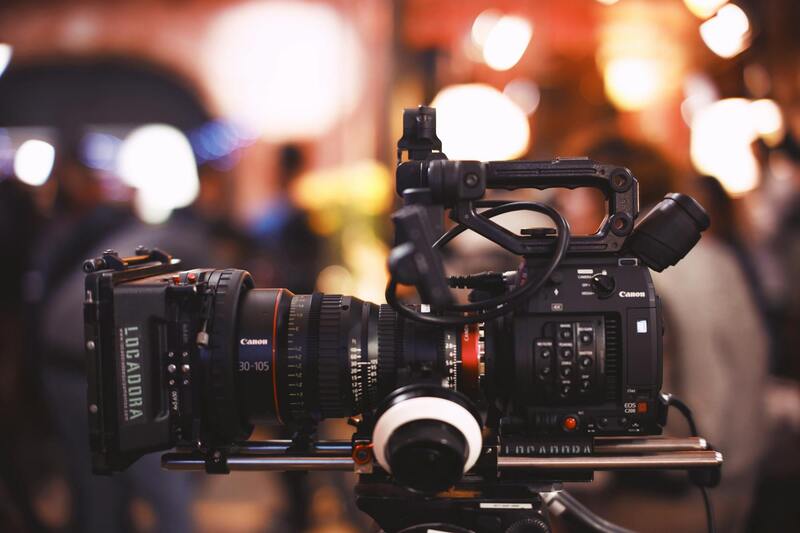
Photojournalists assigned to covering Miami’s complex social issues employ a strategic approach to their craft. They often utilize high-speed photography to freeze rapid movements during protests or events, while wide-angle lenses help contextualize scenes within their environment. Low-light photography techniques come into play during evening coverage or indoor events, requiring steady hands or stabilization equipment to produce sharp images in challenging lighting conditions. The use of raw image formats allows for greater flexibility in post-production adjustments, ensuring the final photographs retain their intended impact.
Furthermore, ethical considerations guiding image capture and representation are integral to the work of Miami photojournalists. Upholding standards of accuracy and fairness involves diligent verification processes and sensitivity toward subjects. This conscientious approach fosters trust with viewers and maintains the credibility of the visual content, which in a diverse city like Miami, with its varied communities and stories, is of paramount importance.
Role and Significance of Miami Photojournalists
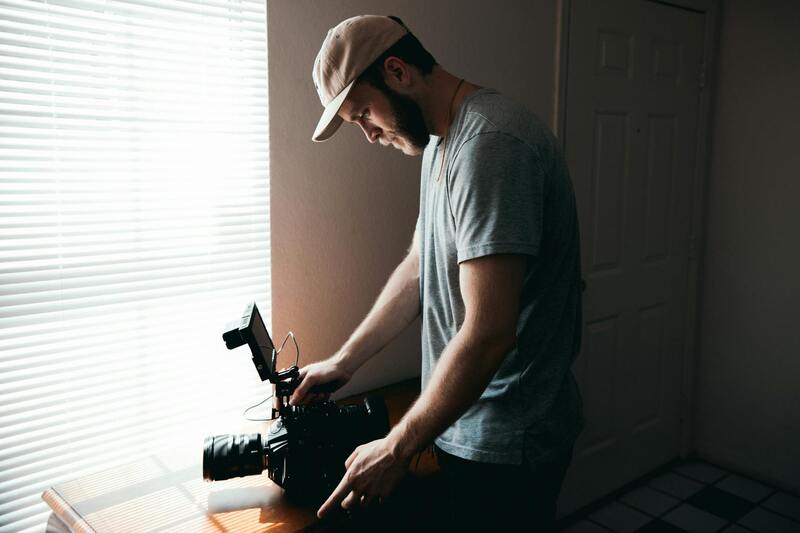
Miami photojournalists play an integral role in capturing and conveying the diverse stories that define South Florida. Their work extends far beyond simple documentation; they serve as visual storytellers, preserving the city’s vibrant culture, social struggles, political shifts, and environmental changes. Their images bring immediacy and authenticity to news stories, helping local communities and global audiences understand complex issues through powerful imagery. Effective photojournalism in Miami requires an acute understanding of the city’s multifaceted nature—its multicultural demographics, dynamic urban landscapes, and socio-economic disparities—allowing photojournalists to craft narratives that are both compelling and accurate.
Historical Evolution of Photojournalism in Miami
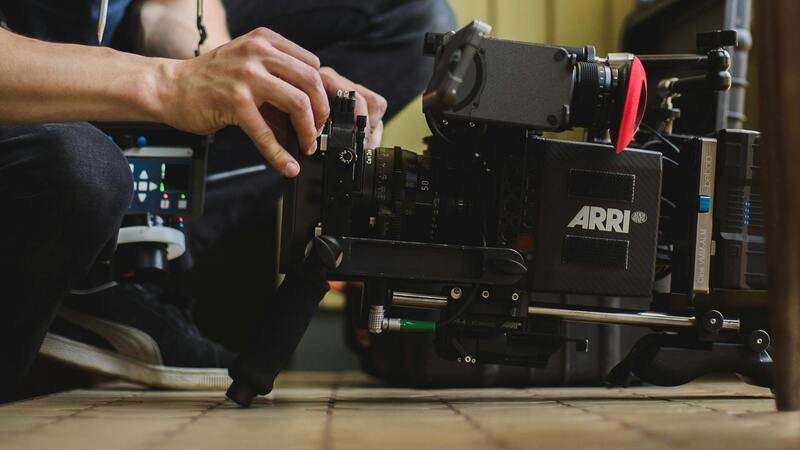
The evolution of photojournalism in Miami reflects broader technological and societal shifts over the decades. During the mid-20th century, film was the primary medium for capturing and developing images, demanding a high level of technical skill and immediacy in the field. As the city grew in prominence, so did its coverage, with photojournalists documenting significant events such as the Miami Cuban Missile Crisis, Hurricanes Andrew and Irma, and the burgeoning multicultural festivals. The advent of digital technology transformed the profession, making it faster and more accessible. Photographers gained the ability to shoot, edit, and transmit images instantaneously, significantly influencing how news was reported and consumed. Today, the digital landscape has expanded the scope of Miami photojournalists, integrating social media platforms as vital channels for sharing images and engaging with audiences instantaneously.
Notable Miami Photojournalists and Their Contributions
Among Miami’s distinguished photojournalists, some have left indelible marks through their dedication and impactful work. Patrick Farrell, a Pulitzer Prize winner, is renowned for his poignant coverage of disasters and social issues in Miami, focusing on the human dimension behind each event. Al Diaz has captured Miami’s cultural ethos, from its street art to local festivals, showcasing the city’s artistic spirit. Carl Juste’s work emphasizes social justice and community resilience, often focusing on marginalized groups. These professionals exemplify the dedication to authenticity and storytelling excellence that elevates Miami’s visual journalism landscape. Their contributions not only document history but also foster social awareness and dialogue, reinforcing the importance of local journalism in shaping collective memory.
Skills and Techniques Employed by Miami Photojournalists
Miami photojournalists employ an array of skills and techniques tailored to the unique demands of their environment. High-speed photography enables capturing rapid movements during civic protests or sporting events, ensuring that fleeting moments are not missed. Low-light and night photography are essential for covering evening events, indoor gatherings, or environmental phenomena like hurricanes, demanding steady hands or stabilization equipment to maintain image clarity. Wide-angle lenses facilitate contextual storytelling by capturing expansive scenes, providing viewers with a sense of place and atmosphere. Post-processing in raw formats allows for nuanced adjustments that enhance storytelling while maintaining authenticity. Equally critical are soft skills such as cultural sensitivity and ethical judgment, which help in portraying subjects with dignity and respect, especially within Miami’s diverse communities.
Challenges Faced by Miami Photojournalists in the Digital Age
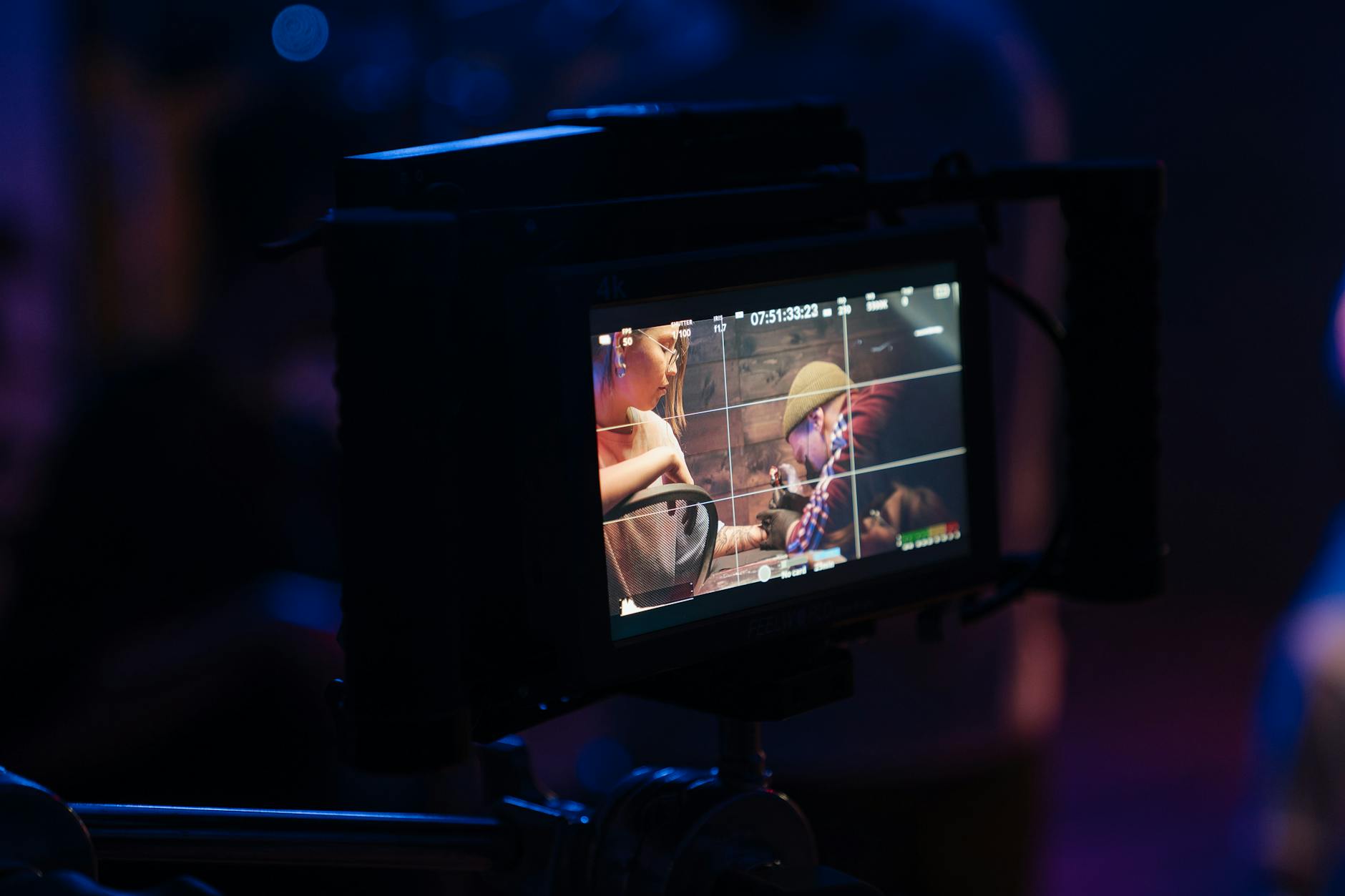
Photojournalists operating in Miami face numerous challenges that are amplified in the digital era. The rapid spread of information and images via social media demands real-time responsiveness but also raises concerns about the accuracy and verification of visuals shared. The proliferation of smartphones and user-generated content complicates traditional gatekeeping roles, often blurring the lines between professional and amateur imagery. Financial constraints remain a significant concern, as many journalists contend with reduced staffing and shifting revenue models in media organizations, requiring them to purchase their own equipment and work with limited resources. Additionally, working conditions often involve safety risks, particularly during protests, natural disasters, or socially tense situations, necessitating resilience and quick judgment. Technological advancements demand continuous adaptation, while maintaining ethical standards and storytelling integrity remains a core part of their professional responsibilities.
Role and Significance of Miami Photojournalists
Miami photojournalists serve as vital storytellers who document the dynamic fabric of one of America's most vibrant cities. Their role extends beyond mere image capturing; they act as visual narrators, capturing the essence of Miami’s diverse communities, cultural events, political movements, and social challenges. Their work often influences public perception, raises awareness about critical issues, and archives the city’s historical moments. Through compelling imagery, Miami photojournalists foster community engagement and promote transparency, holding power to account while offering authentic insights into local life.
Core Responsibilities and Impact
- Documenting local news, emergencies, and social issues with immediacy and accuracy.
- Providing a visual record that contributes to historical archives and future research.
- Shaping public opinion through impactful storytelling that resonates emotionally and intellectually.
- Collaborating with news outlets, non-profit organizations, and cultural institutions to highlight community stories.
Compelling Nature of Miami’s Unique Environment
Miami’s geographical makeup and cultural diversity present distinctive opportunities and challenges for photojournalists. The city’s multicultural environment, with thriving Latin American influences and a vibrant arts scene, offers a rich tapestry for visual storytelling. Natural elements such as hurricanes, floods, and the ongoing impact of climate change also provide urgent, high-stakes scenarios that demand expert skill and quick reflexes from professionals. Moreover, Miami’s bustling events, from international festivals to political demonstrations, require photojournalists to adapt rapidly to varying settings and conditions, emphasizing the importance of professionalism and versatility in their craft.
Historical Evolution of Photojournalism in Miami
The history of photojournalism in Miami has evolved in tandem with technological advancements and societal changes. In the early days, film cameras and manual processing defined the field, with photo stories often taking days to develop and publish. With the advent of digital photography, Miami’s photojournalists embraced real-time dissemination of images, significantly expanding their reach and immediacy. Iconic moments captured over the decades include the Miami Race Riots of the 1980s, major hurricanes, and political upheavals, each shaping the city’s visual documentary record. The transition from traditional darkroom techniques to high-speed digital workflows has enabled a broader scope for storytelling, making Miami a hub for innovative visual journalism.
Technological Shifts and Influences
- The transition from film to digital cameras increased efficiency and accessibility.
- Social media platforms transformed the distribution and audience engagement landscape.
- High-definition imaging and drone photography introduced new perspectives and detailed coverage.
Notable Miami Photojournalists and Their Contributions
Several prominent figures have shaped Miami’s visual reportage landscape. Patrick Farrell, a Pulitzer Prize-winning photojournalist, is renowned for powerful images of hurricanes and natural disaster aftermaths, encapsulating human resilience amid chaos. Al Diaz’s work spans critical social issues, capturing the vibrancy and struggles of Miami’s diverse communities. Carl Juste’s evocative photography has documented pivotal moments in Miami’s political and social history, emphasizing integrity and detailed storytelling. These professionals exemplify dedication to truthfulness, artistic expression, and societal service, inspiring future generations of visual journalists.
Impact of Their Work
- Documented pivotal historical moments that define Miami’s collective memory.
- Set high standards for technical excellence and ethical storytelling.
- Influenced policy, public discourse, and artistic expression within Miami’s media culture.
Skills and Techniques Employed by Miami Photojournalists
Mastery of technical skills remains central to the craft of Miami’s photojournalists. They utilize advanced camera settings, lighting techniques, and composition principles to ensure clarity and emotional impact. In high-pressure situations, quick decision-making and adaptability are crucial. Increasingly, they incorporate multimedia elements, such as video and drone footage, to enrich storytelling. Soft skills like cultural sensitivity and perceptive judgment enable respectful and nuanced portrayals, especially when covering sensitive topics involving Miami’s diverse populations. Post-processing proficiency, including color correction and image refining, enhances visual narratives while preserving authenticity.
Critical Techniques
- Rapid response to unfolding news events.
- Use of high-quality equipment suited for various environments, including low-light conditions.
- Integration of multimedia tools for comprehensive story coverage.
- Ethical considerations to portray subjects with dignity and accuracy.
Role and Significance of Miami Photojournalists
Miami photojournalists serve as vital storytellers who capture the essence of the city’s vibrant culture, complex social issues, and pivotal events. Their work provides visual narratives that foster public understanding and engagement, acting as a bridge between the community and the wider world. These professionals are tasked with documenting everything from urban development to social movements, ensuring that significant moments in Miami’s history are preserved visually for future generations.
They hold a crucial role in delivering real-time updates during crises, such as natural disasters or social upheavals, enabling the public to stay informed through compelling imagery. Their contributions extend beyond mere documentation; photojournalists influence policy dialogues and foster cultural acknowledgment by showcasing stories that might otherwise remain unheard. The trust placed in them requires rigorous adherence to standards of ethical storytelling, ensuring that each image respects the dignity of its subjects while effectively conveying the message.
Historical Evolution of Photojournalism in Miami
The history of photojournalism in Miami reflects the city’s dynamic transformation, from its early days as a burgeoning coastal port to a modern metropolis. The evolution has been marked by technological advancements, shifting media landscapes, and changing societal narratives. Initially reliant on print media, Miami’s photojournalists adapted quickly to the advent of digital photography, enabling faster dissemination of images and broader audience reach.
Throughout the decades, Miami’s photojournalists have documented pivotal moments such as the Cuban Migration Wave, major hurricanes, and the development of Miami’s skyline. Notable figures have contributed to the city’s visual history by capturing the cultural diversity and social struggles that define Miami’s identity. As the media landscape progressed, the integration of multimedia elements such as video, drone footage, and social media platforms transformed traditional photojournalism practices into more immersive storytelling methodologies.
Notable Miami Photojournalists and Their Contributions
Among Miami’s distinguished photojournalists, figures like Patrick Farrell, Al Diaz, and Carl Juste have significantly shaped the city’s visual journalism landscape. Patrick Farrell, honored with a Pulitzer Prize, is renowned for his powerful coverage of natural disasters and their aftermath, providing impactful images that evoke both empathy and urgency. Al Diaz’s work often highlights Miami’s cultural mosaic, capturing everyday life and community resilience. Carl Juste’s photography offers nuanced portrayals of Miami’s social issues, emphasizing dignity and authenticity in challenging environments.
These professionals exemplify dedication, innovation, and a deep understanding of the socio-political fabric of Miami. Their contributions have elevated the standards of visual storytelling and served as inspiration for upcoming generations of photojournalists in the region.
Skills and Techniques Employed by Miami Photojournalists
Mastery of technical skills remains foundational in the craft of Miami photojournalists. They utilize high-end cameras, adaptable lighting setups, and advanced composition techniques to produce compelling images under varied conditions. Rapid response capabilities allow them to capture fleeting moments that define newsworthy events, whether during natural calamities or urban confrontations.
In addition to technical prowess, they employ multimedia tools such as video recordings, drone photography, and digital editing software to craft comprehensive narratives. The integration of these elements enhances storytelling depth while ensuring visual authenticity. Sensitivity and perceptive judgment are paramount when photographing vulnerable or marginalized populations, helping to portray subjects with dignity and integrity. Post-processing skills contribute to reinforcing the emotional impact of images without compromising their authenticity.
Challenges Faced by Miami Photojournalists in the Digital Age
The digital revolution has revolutionized the field but also introduced unique challenges. The proliferation of instant online sharing increases the pressure for immediate publication, often demanding quick decision-making and rapid technical adjustments. Photographers face competition from amateurs and social media users, competing for audience attention and professional recognition.
Financial sustainability poses another concern, as traditional media outlets often reduce staffing and budgets, leaving photojournalists to shoulder equipment costs and self-fund some projects. The rise of misinformation and manipulated images further complicates trust, emphasizing the necessity for transparency and ethical rigor. Maintaining access to critical events while navigating restrictions and safety concerns also requires adaptability and resilience.
Role of Photojournalists in Covering Miami’s Local News and Events
Photojournalists are indispensable in capturing Miami’s local news landscape—from civic demonstrations and sporting events to cultural festivals and social issues. Their imagery helps to contextualize headlines, amplifying the impact of stories by providing visual evidence and emotional depth. During emergencies, they provide on-the-ground coverage that is crucial for public awareness and response coordination.
In covering local events, photojournalists develop relationships within communities, fostering trust and ensuring coverage that reflects diverse perspectives. They must navigate sensitive situations tactfully, balancing the urgency of storytelling with respect for the people and issues involved. Their work often shapes public perceptions and influences community dialogues, reinforcing the vital role they play within Miami’s media ecosystem.
Opportunities and Future Trends for Miami Photojournalists
The future of Miami photojournalism is poised for innovation amid technological advances. Emerging tools such as 360-degree cameras, augmented reality (AR), and artificial intelligence (AI) promise to augment storytelling capabilities, offering immersive experiences for audiences. The growth of digital platforms presents opportunities for independent photojournalists to reach global audiences without traditional media gatekeeping.
Training programs and professional associations dedicated to visual journalists are critical in fostering skill development and ethical standards amidst evolving technology. As Miami continues to grow as an international hub, photojournalists have the chance to chronicle its ongoing transformation through diverse and inclusive storytelling, ensuring that local narratives resonate broadly. Embracing a multidisciplinary approach that combines traditional photography, multimedia, and emerging digital tools will be essential to adapt and thrive in this dynamic environment.