

The Importance of Professional Real Estate Photography
In the competitive real estate market of Miami, the impact of high-quality imagery on property listings cannot be overstated. Professional real estate photography serves as the visual cornerstone that captures the essence of a property, drawing potential buyers’ attention and igniting their interest in person. Well-crafted images provide a realistic and inviting view of a home, highlighting its best features and showcasing its unique character.
Buyers increasingly rely on visual cues to make initial decisions, often preferring listings with crisp, well-composed photos over those with generic or low-quality images. This level of presentation influences their perception of the property's value and appeal. High-resolution photographs that accurately depict interior and exterior spaces can significantly reduce the number of days a property remains on the market, accelerating the sale process and improving the final sale price.
In Miami, where real estate development and luxury homes are prevalent, the importance of standout visuals becomes even more vital. The vibrant and diverse property market demands images that not only reflect the actual features but also evoke the lifestyle associated with the area. Professional photography ensures that listings attract the right audience, generating more inquiries, scheduled viewings, and ultimately, quicker transactions.
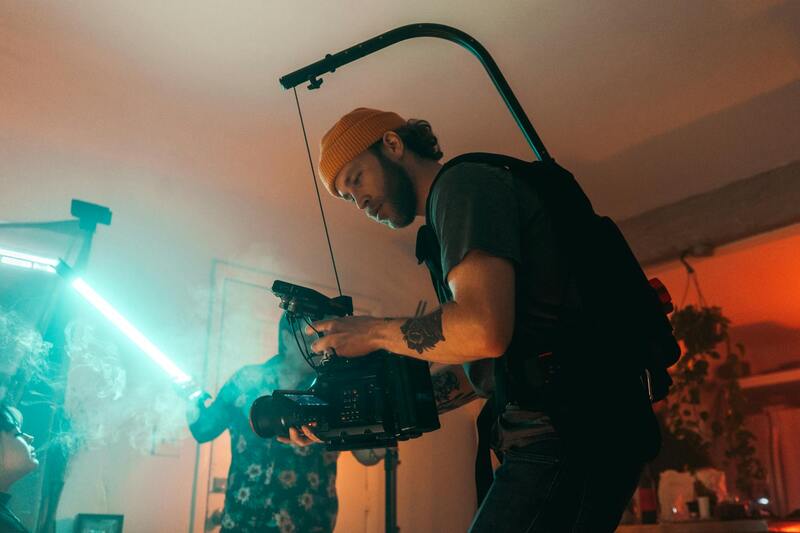
Moreover, the visual quality of a listing contributes to an agent’s reputation for professionalism and attention to detail. Professional photographers understand how to utilize lighting, angles, and composition to produce images that are both accurate and appealing. As a result, properties are presented in their best light, making a memorable impression on potential buyers from the initial online browsing stage.
In a city where luxury homes and modern condos often feature expansive windows, unique architectural details, and premium landscaping, capturing these elements with finesse elevates a property’s marketability. By investing in professional real estate photography, Miami's real estate agents and property owners enhance their listings' visibility and attractiveness, ultimately leading to more successful sales outcomes.
In summary, professional real estate photography is an essential component of modern property marketing. It influences perception, accelerates transactions, and reinforces the credibility of listings. For Miami’s vibrant property market, where visual excellence meets competitive advantage, leveraging expert imagery transforms listings from standard to exceptional, driving interest and closing deals more efficiently.
The Significance of Using Authentic and Established Methods in Real Estate Photography
When it comes to showcasing properties effectively, employing proven and reputable techniques ensures that images genuinely represent the space and appeal to potential buyers. The foundation of high-quality real estate photography rests on methods that have been tested across diverse environments, guaranteeing consistency and reliability in the results. Utilizing established practices, such as precise lighting, optimal camera angles, and proper staging, helps capture a property's true essence without distortions or misleading representations.
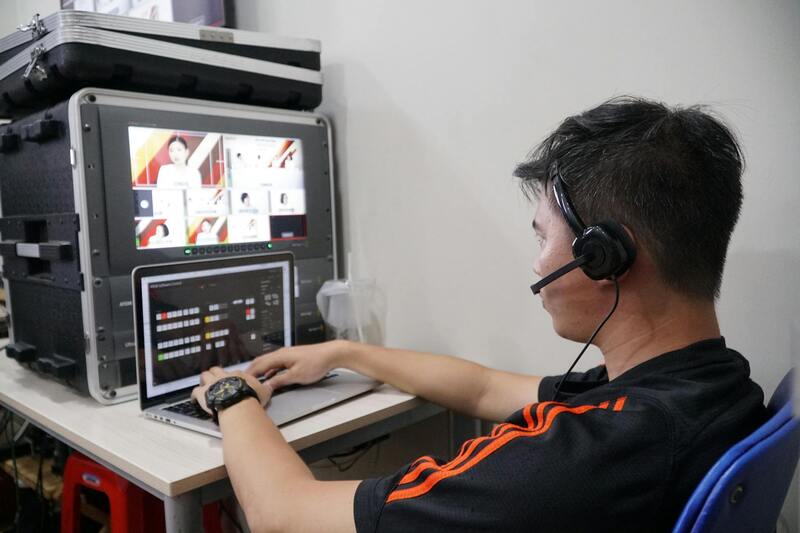
Legitimate methods include the use of professional-grade equipment, which offers superior image quality and detail. This involves selecting the appropriate lenses, setting correct ISO levels to minimize noise, and adjusting aperture for clarity. These procedures not only produce stunning visuals but also maintain the integrity of the property's appearance. For exterior shots, techniques such as balancing natural light and using polarizing filters help reduce reflections and glare, ensuring clear and vibrant images.
Furthermore, following a consistent workflow—such as shooting during optimal lighting conditions, employing the right composition rules, and adhering to safety standards—promotes efficiency and high standards in every shoot. This disciplined approach reflects a commitment to quality that clients and audiences can trust, ultimately influencing their perception of professionalism and competence in the real estate market.
Adherence to Industry Best Practices and Ethical Marketing
Implementing official techniques also involves respecting the property's true features, avoiding digital enhancements that could mislead buyers. Accurate depiction through honest photography sustains transparency and builds credibility. For example, capturing true colors, correct dimensions, and realistic lighting conditions aligns with ethical standards expected in real estate advertising.
Professional real estate photographers often stay updated with industry developments, continually refining their skills and methods. This commitment to ongoing education involves participating in certified training programs and consulting authoritative resources. Such initiatives ensure photographers remain aligned with current standards, employing the most effective and reputable techniques available.
Utilizing Reputable Equipment and Software Solutions
High-caliber imagery necessitates the use of officially supported equipment, such as calibrated cameras and lighting systems, alongside trusted editing software. Techniques like HDR (High Dynamic Range) imaging are employed to balance exposure in challenging lighting conditions, ensuring both shadows and highlights retain detail. Post-processing tools are used responsibly to enhance visuals without altering the property's authentic look, maintaining trustworthiness and professionalism in the finished images.
This adherence to proven equipment and methods encourages consistency across listings, making a brand or agency's portfolio more recognizable and dependable. Quality visuals foster confidence among clients and prospective buyers, reinforcing the importance of sticking with legitimate and tested procedures in every aspect of real estate photography.
Legal and Ethical Considerations in Real Estate Photography
Maintaining integrity and transparency in real estate photography is essential to uphold trust between agents, clients, and prospective buyers. Legitimate methods involve adhering strictly to documented procedures and using approved equipment that has been calibrated and tested for accuracy. This practice ensures that images accurately represent the property’s features without exaggeration or manipulation that could mislead viewers.
Photographers must also respect privacy regulations when capturing images, especially in occupied homes or private properties. Obtaining explicit consent from homeowners before photographing interiors or exteriors is a necessary step. This includes being mindful of any sensitive areas or belongings that should not be displayed publicly, ensuring compliance with local privacy guidelines and best practices for responsible photography.
In addition, consistent documentation of the procedures used during the shoot can serve as a safeguard to demonstrate adherence to accepted standards. This encompasses maintaining records of equipment calibration, image editing protocols, and any lighting or staging arrangements. Such diligence ensures the authenticity and trustworthiness of the visuals presented to potential buyers.
The ethical responsibility extends to providing a balanced view of the property’s attributes. While enhancing photos through suitable editing is commonplace, it must be done responsibly to highlight key features without deception. Overly processed images that distort proportions or misrepresent room sizes undermine the credibility of the listing and can cause disappointment during viewings, leading to dissatisfaction and reduced trust in the listing agent.
Professionals involved in real estate photography benefit from staying informed about evolving industry standards through reputable courses and authoritative resources. Participating in certified training programs not only strengthens technical skills, such as lighting techniques and post-processing ethics but also reassures clients of their commitment to quality, accuracy, and ethical standards. This ongoing education is vital in ensuring that all photography activities are aligned with the highest professionalism and legitimate practices.
The Significance of Authenticity and Transparency in Real Estate Photography
Maintaining transparency and authenticity in real estate photography forms the cornerstone of a trustworthy property listing. High-quality images serve not just to capture the visual appeal but also to accurately represent the property's true condition and features. Ensuring that photos are an honest depiction minimizes misunderstandings and fosters confidence among prospective buyers. This involves capturing images in optimal lighting conditions, showcasing both the strengths and realistic features of the property, and avoiding deceptive practices such as excessive photo editing or misrepresentation of space and scale.
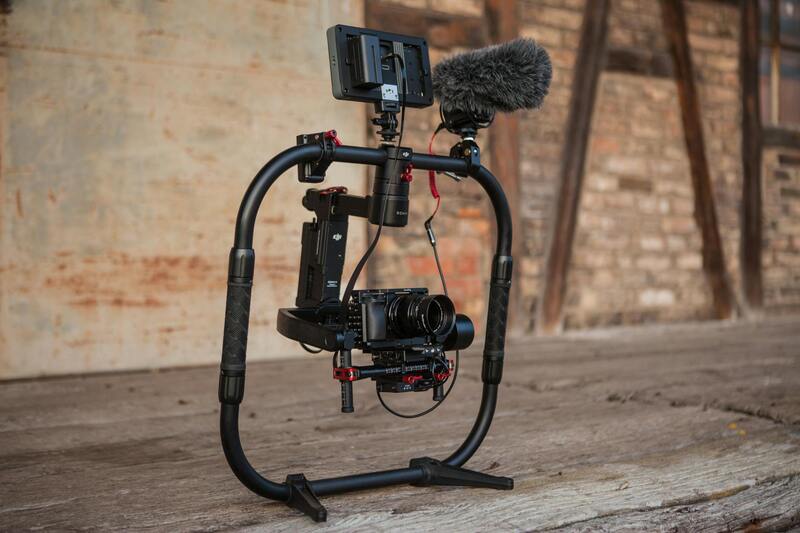
To uphold these standards, photography professionals should adhere to systematic protocols during the shoot. For instance, utilizing calibrated equipment guarantees imaging consistency, while documenting camera settings and lighting setups provides a verifiable record of the process. This documentation acts as evidence of responsible guidelines being followed, thus strengthening credibility. Additionally, responsible post-processing practices involve adjustments to brightness, contrast, and colors to enhance clarity without distorting the property’s actual features.
Implementing Ethical Editing Practices
Editing should enhance the visual appeal without altering the integrity of the property. For example, removing distracting elements or correcting lens distortions can improve image quality, but they should not misrepresent the size or layout of rooms. Overediting can lead to unrealistic expectations, resulting in disappointment during property viewings and a potential loss of trust in the listing.
Furthermore, a comprehensive approach includes training and certification in reputable courses focused on photography ethics and industry standards. Engaging in continuous education ensures that practitioners stay informed about evolving practices and maintain a high level of professionalism. Demonstrating commitment to these ethical standards can elevate a photographer’s reputation and provide reassurance to clients and stakeholders alike.
Strategies for Precise and Consistent Image Capture
Achieving consistency and accuracy begins with a clear understanding of best practices for shooting interior and exterior scenes. For interior shots, capturing from multiple angles at appropriate height levels helps to showcase the space effectively. Utilizing a tripod ensures stability and uniformity across images, contributing to a cohesive visual presentation. When photographing exteriors, emphasis should be placed on capturing the home’s curb appeal, while preserving architectural lines and proportions creates a realistic sense of scale.
Effective use of wide-angle lenses can help to encompass more of the space in a single shot, but caution must be exercised to prevent distortion. Strategic lighting – both natural and supplemental – plays a crucial role in highlighting key features and creating inviting atmospheres. Properly balancing light and shadow enhances depth and makes spaces appear more appealing and true to life.
Summary
By focusing on authenticity, responsible editing, and technical precision, real estate photography professionals uphold the integrity of property representations. Thorough documentation, continuous education, and adherence to ethical standards reinforce their credibility and contribute to successful listings in the competitive Miami market. Skilled photographers who prioritize transparent and accurate visuals foster greater buyer confidence and facilitate smoother transactions, establishing themselves as trustworthy stewards of property marketing.
Legal and Ethical Considerations in Real Estate Photography
Capturing authentic and honest representations of properties is paramount in real estate photography. Professionals adhere to strict standards that emphasize transparency, integrity, and respect for all parties involved. This includes obtaining necessary permissions for interior access, ensuring that images do not distort the property's features, and refraining from any form of alteration that could mislead potential buyers. The use of advanced editing techniques is balanced with maintaining the true appearance of the property, protecting the credibility of the listing.
Photographers must also be vigilant about privacy concerns, especially when photographing homes that involve tenants or private spaces. Clear communication with clients regarding the scope of the shoot, the intended use of images, and any contractual obligations fosters trust and upholds ethical standards. Certifications or memberships in professional associations serve as additional markers of commitment to responsible practices and industry best practices.
Working with Miami Real Estate Market and Clients
Understanding the dynamics of Miami's thriving real estate market allows photographers to tailor their services effectively. Clients often seek visually compelling images that highlight unique architectural features, luxurious interiors, and enticing outdoor spaces that resonate with Miami's vibrant lifestyle. Building strong relationships with real estate agents, brokers, and developers ensures clear communication about expectations, style preferences, and turnaround times.
Familiarity with local neighborhoods, property types, and market trends enables photographers to provide imagery that not only catches attention but also aligns with current buyer interests. Offering additional services such as drone photography, virtual tours, and twilight shots can further enhance listings, making them stand out in a competitive environment.
Methods of Ensuring Authentic and Responsible Photography
Upholding high standards in real estate photography involves relying solely on established and reputable methods that support accurate and honest presentation of properties. These practices focus on transparency, technical proficiency, and adherence to industry best practices, which collectively foster trust among clients and prospective buyers.
One foundational approach is the meticulous management of equipment and settings. Professional-grade cameras, coupled with appropriate lenses and lighting tools, allow photographers to capture spaces accurately and compellingly. Setting the correct aperture, shutter speed, and ISO ensures well-exposed images that accurately reflect the property's true appearance. Utilizing a tripod minimizes camera shake and maintains consistent framing across images, especially vital for interior shots where clarity and point-of-view consistency are paramount.
Consistency in lighting, especially in interior photography, can be achieved through the use of professional flash or strobe lighting techniques. This avoids overexposure or underexposure, both of which can distort the visual truth of a property. Similarly, natural light should be harnessed effectively—utilizing time-of-day considerations for exterior shots and diffusing harsh sunlight to avoid unflattering shadows.
Another essential element is adherence to a defined shooting protocol that emphasizes the representation of the space's actual dimensions and features. Photographers should avoid digital manipulation that exaggerates or diminishes certain areas, instead focusing on capturing images that provide an accurate portrayal of the property's size, layout, and condition.
When considering exterior shots, including drone images or aerial views, it remains crucial to operate within established airspace regulations. Securing necessary permissions and demonstrating respect for private property boundaries ensures that images are acquired responsibly and ethically, avoiding inadvertent privacy violations or safety issues.
Furthermore, maintaining a transparent communication line with clients about the scope and limits of the photography sessions is vital. Clearly articulating that images aim to accurately depict the property without enhancement or deception upholds integrity and fosters ongoing trust. This openness discourages practices that could mislead potential buyers or misrepresent the true condition of the property.
Implementing Standardized Workflow and Ethical Guidelines
To effectively support authentic presentation, photographers should develop a consistent workflow that includes pre-shoot consultations to understand client expectations, comprehensive planning regarding lighting and composition, and post-shoot reviews to verify image accuracy. Staying updated on industry standards and participating in professional associations help reinforce commitment to responsible practices.
Moreover, utilizing metadata embedding within images—such as timestamps, geolocation, and equipment details—provides a traceable record of how and when images were captured, supporting transparency across the marketing process. By adhering to these proven methods, real estate photographers establish credibility, serve client interests responsibly, and contribute to a trustworthy real estate market.
Legal and Ethical Considerations in Real Estate Photography
Adhering to professional standards in real estate photography necessitates a thorough understanding of prescribed practices that uphold integrity and transparency. While capturing images of properties, photographers must obtain proper permissions prior to any shoot. This involves ensuring that all necessary approvals from property owners or managers are secured, especially in cases where access might be limited or restricted. Respect for privacy rights and property boundaries is fundamental; infringing upon these can compromise the reputation of the photographer and the overall trustworthiness of the listing.
Clarity in communication with clients about the scope and nature of the photography session is also essential. It is important to specify that images will be representative of the property’s current condition, with no misleading enhancements unless explicitly agreed upon. Detailed agreements should outline the extent of editing, such as adjustments to lighting or minor corrections, without altering the true appearance of the property.
Embedding metadata within images—such as timestamps, GPS coordinates, and camera details—serves as an additional layer of transparency. This information can verify when and where an image was taken, which is particularly valuable in ensuring authenticity and accountability in listings. Furthermore, maintaining a standardized workflow that incorporates pre-shoot planning, on-site checks, and post-shoot review fosters consistency and reliability in the images produced.
Professional associations and ongoing education can reinforce commitment to best practices. Staying updated on evolving industry standards and participating in workshops or certifications demonstrates a dedication to responsible photography. Additionally, providing clients with truthful, well-executed images helps preserve the credibility of the real estate market and supports informed decision-making by potential buyers.
The Importance of Professional Real Estate Photography
In the competitive Miami real estate market, high-quality photography serves as the cornerstone of effective property marketing. Professional images not only capture the essence and unique features of a property but also influence the perception of potential buyers. In an era where digital browsing dominates, compelling visuals can significantly increase listings' visibility and engagement, leading to faster sales and better offers. Real estate photography that adheres to industry standards helps establish trustworthiness and credibility, ensuring that listings attract serious inquiries from qualified buyers. It’s more than just pointing a camera at a property; it involves carefully crafted images that highlight space, lighting, and details, ultimately making a property stand out amidst a sea of listings.
Key Elements of Effective Real Estate Photography
- Lighting: Proper lighting plays a crucial role in showcasing a property's true color and ambiance. Utilizing natural light during the day or supplementary lighting ensures spaces appear inviting and spacious.
- Composition: Framing shots to emphasize the best features of each room or exterior element involves strategic positioning and understanding of aesthetic balance.
- Angle and Perspective: Shooting from optimal angles maximizes space perception and highlights architectural details, making rooms appear larger and more appealing.
- Consistency: Uniform editing and shooting styles help maintain professionalism across listings, creating a recognizable brand for the photographer or agency.
Essential Equipment and Camera Settings
To achieve outstanding real estate images, a photographer should invest in quality equipment and understand key camera settings. A wide-angle lens (typically 14-24mm) captures more of a room, providing a sense of space. A sturdy tripod ensures stability for sharp images, especially in low-light situations. Settings should generally involve a low ISO to produce noise-free images, a narrow aperture (f/8 to f/11) for sharpness throughout the scene, and a proper shutter speed to balance exposure. Additionally, using a camera with high dynamic range capability helps preserve details in both bright and shadowed areas, ensuring balanced exposures that accurately depict the space.
Best Practices for Shooting Interior and Exterior Shots
- Interior Photography: Prioritize lighting the space adequately, shoot from doorway or corner perspectives to capture entire rooms, and avoid clutter to maintain cleanliness and openness.
- Exterior Photography: Shoot during the golden hour when natural light is warmest and shadows are longer, providing an inviting look. Use a drone for aerial shots to showcase property size and landscape features where appropriate.
- Staging: Ensure rooms are well-styled with minimal personal items to appeal to a wide audience while highlighting each space’s functionality.
- Weather Considerations: Choose days with clear or partly cloudy skies to prevent overexposure or dull images, particularly for outdoor shots.
Post-Processing and Editing Tips
Editing is essential to refine images and ensure they accurately represent the property. Adjustments should enhance brightness, contrast, and color balance without overdoing saturation. Straightening lines and correcting perspective distortions from wide-angle lenses produce more natural-looking images. Minor retouching of walls, floors, and exterior elements can remove distractions, such as clutter or shadows. Embedding metadata, like timestamps and geotags, adds a layer of transparency and helps validate the authenticity of each image. Consistency in editing style across a portfolio reinforces professionalism and customer confidence, making it easier for clients to recognize quality work.
Legal and Ethical Considerations
Maintaining integrity in real estate photography involves transparent communication with clients regarding the extent of image adjustments. It’s essential to obtain proper permissions for shooting in private or restricted areas and avoid misleading representations. Detailed documentation outlining agreed-upon editing procedures ensures clarity and prevents misinterpretations. Embedding metadata within image files contributes to accountability, allowing verification of when and where images were captured. Staying current with evolving industry practices and participating in ongoing education fosters responsible and trustworthy practices that uphold the standards of the real estate market.
Working with Miami Real Estate Market and Clients
Successfully navigating the vibrant Miami market requires an understanding of local property types, neighborhoods, and client expectations. Building strong relationships with real estate agents and developers involves delivering consistent, high-quality images that meet their marketing needs. Tailoring photography services to highlight Miami’s distinctive features—such as waterfront views, luxury amenities, and unique architectural styles—can set a photographer apart. Effective communication during pre-shoot planning ensures that clients’ visions align with the final images. Emphasizing professionalism and reliability fosters trust, leading to repeat business and referrals that are vital in a dynamic real estate environment.