

Importance of Property Photography in Real Estate
In the competitive landscape of real estate, the significance of high-quality property photography cannot be overstated. Visual representation serves as the initial point of contact between property listings and potential buyers, often determining whether an inquiry is made or the listing is overlooked. Professional, compelling images not only capture attention but also evoke emotional responses that motivate viewers to explore further. When a property is showcased through well-crafted photographs, it creates a strong first impression, establishing a perception of quality and desirability that can influence the buyer’s decision-making process.
Online housing searches are predominantly based on visual stimuli. Most prospective buyers begin their journey by scrolling through listing pages, where numerous properties compete for attention. In this visual-first environment, the quality of images directly correlates with the number of views, inquiries, and ultimately, the speed of sale. Studies indicate that properties with professional images tend to sell faster and often command higher market prices compared to those with amateur or subpar visuals. This demonstrates that investing in professional property photography is a strategic move that enhances marketability and accelerates transaction timelines.
Moreover, a well-presented property through professional photography can extend its reach across various digital platforms, including dedicated real estate websites, social media, and email marketing. High-quality visuals ensure the property stands out amidst the multitude of listings, grabbing attention swiftly and compelling viewers to learn more. For estate agents, this translated visibility fosters increased engagement, more qualified leads, and a broader audience reach. Consequently, property photography becomes a critical component of effective marketing strategies in real estate, significantly impacting overall sales performance.
Visual Impact and Buyer Perception
Effective photography accentuates a property’s unique features and enhances its spatial qualities. Properly lit images with clean, uncluttered compositions convey a sense of warmth, space, and lifestyle potential, inspiring buyers to imagine themselves living in the space. The use of wide-angle lenses, natural lighting, and strategic angles can transform ordinary spaces into inviting environments. This visual storytelling elevates viewer engagement, produces a more emotional connection, and increases the likelihood of scheduling viewings or making offers.
First Impressions and Online Engagement
The internet has revolutionized how buyers explore properties, making first impressions more crucial than ever. High-resolution photographs that accurately depict the property's true essence foster trust and credibility. Conversely, poor-quality images can deter potential buyers and diminish a listing’s perceived value. A captivating main photo alongside a comprehensive gallery enhances online engagement, ensuring that listings do not remain stagnant and that estate agents sustain an active interest from prospective clients.
The Competitive Edge in the Market
In markets saturated with similar properties, standout visuals differentiate a listing from the competition. Professional photography acts as a key differentiator, especially when combined with strategic editing and staging. Buyers tend to perceive properties with prominent, attractive images as more desirable, thereby gaining an edge in negotiations and sales processes. For estate agents, emphasizing the importance of professional property photography can translate into increased sales velocity, higher closing ratios, and an elevated reputation within the industry.
To maximize the impact of property photographs, estate agents should prioritize official, professionally executed images that adhere to high standards of quality and industry best practices. This approach not only ensures consistency and excellence across listings but also reinforces the professional image of the agency itself. Investing in expert property photography is less about expense and more about strategic positioning—an essential element in today’s digitally driven real estate market.
Official Techniques for Capturing High-Quality Property Images
To produce compelling property photographs that resonate with prospective buyers and uphold industry standards, estate agents must adhere to a set of proven, official methods. This approach involves meticulous planning and execution, ensuring each image accurately portrays the property’s features while highlighting its best attributes.
One primary consideration is the controlled use of natural and artificial lighting. Proper illumination eliminates shadows and enhances the property's interior brightness, creating an inviting atmosphere. Official guidelines recommend shooting during daylight hours, preferably when natural light is abundant, and supplementing with professional lighting equipment if necessary. This strategy guarantees consistency and clarity across all images.
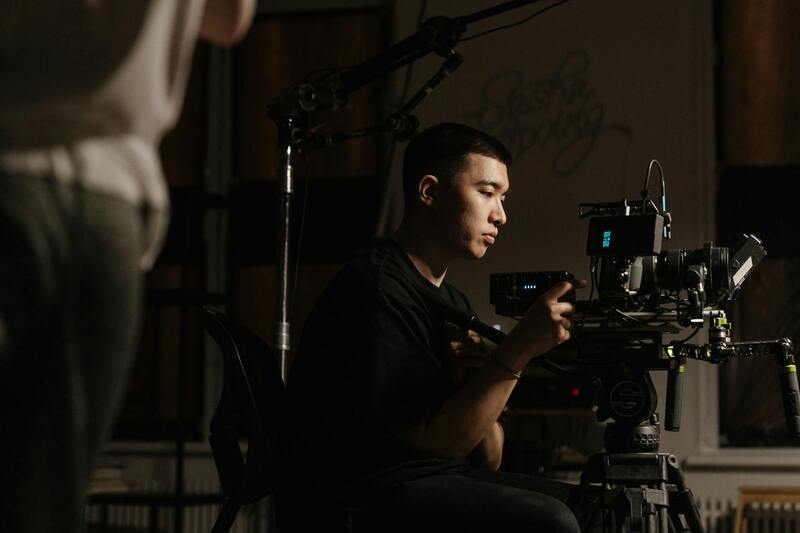
Another critical aspect is the selection of suitable angles and perspectives. Official practices advise employing wide-angle lenses to capture the full scope of rooms and outdoor spaces, providing viewers with a comprehensive understanding of the property's layout. Furthermore, establishing an optimal shooting height—typically eye-level—ensures natural and relatable compositions.
Strategic Use of Equipment and Composition Principles
In addition to camera choice, the use of tripods is recommended to prevent camera shake and maintain consistency across shots. Off-center framing and balanced compositions guide viewers' eyes through the space, emphasizing architectural features and room flow. Adhering to industry best practices, estate agents should aim for a harmonious balance between showcasing the property’s spaciousness and retaining accurate proportions.
- Advanced camera settings: Utilize appropriate aperture and ISO settings to optimize image sharpness and exposure.
- Post-sShoot Quality Checks: Review photographs for distortion, color accuracy, and lighting inconsistencies, making adjustments as needed.
Emphasis on Property Staging and Preparation
Effective property photography also relies heavily on the setup and staging of interiors and exteriors. Official standards include decluttering spaces, arranging furniture to maximize space perception, and neutralizing personal items to appeal to a broad audience. Proper staging aligned with professional photography techniques can significantly elevate the visual impact of images, making them more appealing and engaging for potential buyers.
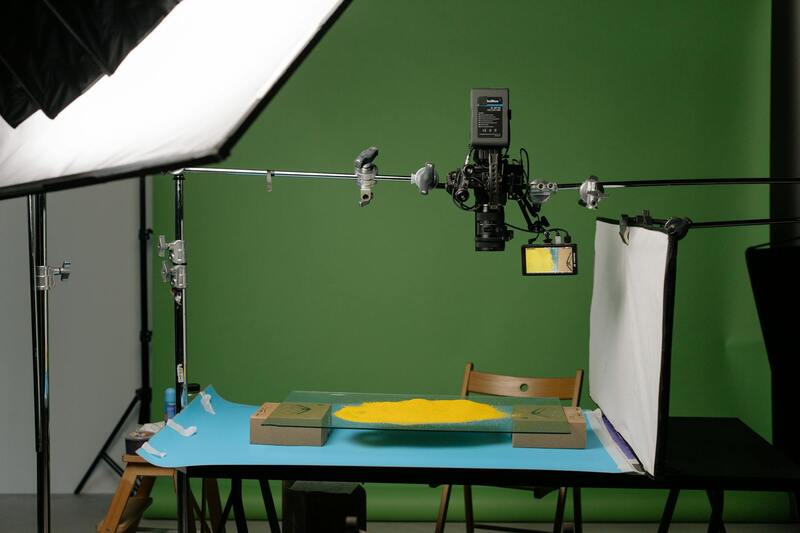
In deploying these methods, estate agents can ensure each property listing conforms to established industry standards, enhancing credibility and increasing online engagement. This disciplined approach to property photography acts as a foundation for effective marketing strategies, fostering trust and facilitating quicker sales cycles.
Accurate Representation through Professional Techniques
For estate agents aiming to present their properties in the most compelling light, adhering to proven photography methods is essential. High-quality images depend heavily on the use of proper camera settings and techniques that ensure clarity, color accuracy, and a true representation of the property's features. Utilizing a combination of appropriate aperture, shutter speed, ISO settings, and white balance adjustment helps achieve sharp, well-exposed images that accurately reflect the space.
Advanced techniques such as High Dynamic Range (HDR) imaging allow capture of a broader spectrum of light and dark areas within a scene. This ensures that both shadowed corners and brightly lit areas are well-defined, resulting in balanced images that give viewers a realistic sense of the property's ambiance. Drone shots, commonly employed to showcase exterior landscapes, give prospective buyers a comprehensive perspective of the property’s surroundings, emphasizing aspects like rooftop views, garden layouts, and proximity to amenities.

Wide-angle lenses play a pivotal role in estate photography by capturing expansive interior spaces within a single frame. This technique helps to convey the spaciousness and flow of rooms, making smaller areas appear larger and more inviting. When combined with strategic lighting, both natural and artificial, images can highlight architectural details, textures, and color schemes effectively.
Proper lighting setup is crucial to avoid harsh shadows, uneven exposure, or color distortions that can misrepresent a property’s true look. During shoots, estate agents and photographers should consider the time of day for natural light, opting for early mornings or late afternoons when sunlight is softer. Supplementing with portable lighting equipment can fill in shadows and enhance key features of both interior and exterior spaces, giving the property a warm and welcoming appearance.
Post-processing and Image Optimization
Post-production editing is an integral part of professional property photography, intended to fine-tune images for maximum impact without compromising authenticity. Color correction enhances the vibrancy and true-to-life hues of walls, furnishings, and landscapes, ensuring that what viewers see online matches physical reality. Adjustments to brightness, contrast, and sharpness help to clarify details and create a polished presentation.
Furthermore, applying distortion correction addresses common issues like lens curvature that can make rooms appear unnaturally skewed. Attention to detail in editing ensures that perspective lines are true, and all elements within the frame are proportionate. This disciplined approach to image refinement contributes to a trustworthy and appealing listing, encouraging prospective buyers to explore the property further.

Implementing Industry Standards for Consistent Quality
Standards set by industry leaders serve as a benchmark for quality and professionalism in property photography. These guidelines encompass aspects such as consistent framing, proper lighting, and accurate staging, ensuring that each property listing maintains a high level of visual integrity. Adhering to these standards enhances the credibility of estate agencies, reassuring clients that their property will be showcased in the best possible manner.
Consistent application of these best practices also streamlines the workflow for photographers and estate agents alike. Regular training and updates on emerging techniques and equipment help maintain a high quality of imagery, which is vital for competitive marketing and online engagement. Structured collaboration between estate agents and professional photographers fosters a unified approach, ultimately leading to speedier sales and increased client satisfaction.
Utilizing Industry-Respected Techniques for Authentic Property Representation
Achieving a true-to-life depiction of a property hinges on adherence to industry-respected photographic techniques. Estate agents and professional photographers employ standardized methods such as proper framing, optimal lighting, and balanced exposure settings to accurately showcase the property's features. Consistent use of these techniques ensures every listing maintains an elevated visual standard across the board, fostering trust and credibility among potential buyers. By prioritizing detail-oriented composition and strategic lighting, real estate images can highlight key attributes—such as spaciousness, natural light, and unique architectural details—that resonate with viewers and prompt further engagement.
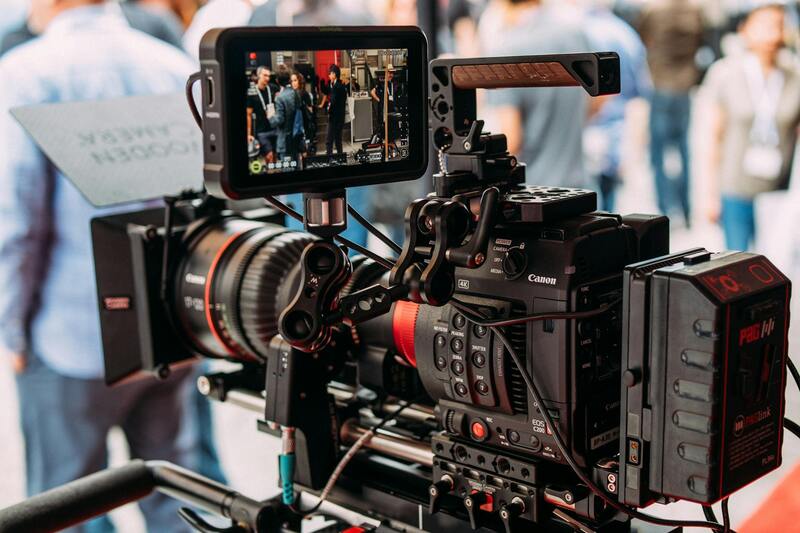
Employing high dynamic range (HDR) imaging is a prevalent technique, effectively balancing light and shadows to reveal all areas of a room without loss of detail. This is particularly vital in properties with significant variation in lighting conditions, ensuring a balanced and inviting appearance. Similarly, maintaining straight vertical and horizontal lines through distortion correction preserves the spatial integrity of structures, preventing visual skewing that could misrepresent a property's true dimensions. Such meticulous attention to perspective and composition advances the professionalism of the listing, making it more appealing and trustworthy.
Color accuracy also plays a crucial role in this process. Professionals utilize calibrated monitors during post-processing to ensure that colors in the image match those in real life, reducing the risk of misleading representations. This accurate portrayal helps manage buyer expectations and results in more informed viewings and quicker decisions.
Implementing Consistent Post-Processing Protocols
Post-processing is a critical phase that transforms raw images into polished marketing materials. Consistency in editing protocols—such as brightness adjustments, contrast enhancement, and sharpening—ensures all images within a listing are cohesive, reinforcing the property’s visual narrative. Applying subtle skin tone corrections in interior shots and removing distractions like minor clutter or imperfections contribute to an optimal viewing experience. Moreover, employing distortion correction tools addresses lens curvature which might inadvertently make rooms appear narrower or wider than they are, preserving spatial accuracy.
The use of industry-standard editing software with predefined templates and correction parameters helps maintain uniform quality across multiple listings, elevating the overall professional image of an estate agency. This consistency not only fortifies brand integrity but also instills confidence in prospective buyers, who can rely on a transparent and truthful representation of the property.
Enhancing Visual Appeal with Advanced Techniques
Beyond fundamental methods, advanced techniques such as virtual staging and 3D walkthroughs can further enhance the presentation of properties. Virtual staging involves digitally furnishing empty spaces to demonstrate potential layouts and uses of rooms without the need for physical staging, saving time and costs. Meanwhile, 3D tours provide an immersive experience that allows prospective buyers to explore the home remotely, boosting online engagement and reducing the need for numerous physical visits.
Incorporating drone photography can also reveal expansive outdoor spaces and surrounding amenities from an aerial perspective, adding depth and context to listings. These advanced methods serve to enrich the visual story of a property, effectively captivating potential buyers and differentiating listings in a competitive market.
By integrating these carefully curated, industry-respected techniques into their workflow, estate agents significantly improve the quality, authenticity, and appeal of their listings, ultimately accelerating sales and fostering client satisfaction.
Legal Standards and Industry Best Practices for Property Photography
In the competitive world of estate agency, adhering to established standards for property photography ensures consistency, professionalism, and high-quality visuals that effectively attract prospective buyers. These standards are rooted in industry-recognized guidelines designed to uphold image quality, accuracy, and ethical presentation of properties. They promote best practices that align with ongoing advancements in photographic technology and changing consumer expectations, ensuring estate agents maintain a reputable and trustworthy profile.
Implementing rigorous quality control measures during each photography session is fundamental. This includes proper planning to capture all key aspects of the property, comprehensive checklists to verify that every room and feature is spotlighted appropriately, and the use of standardized camera settings to ensure uniformity across listings. Consistency in aspect ratios, color correction, and framing helps create a cohesive portfolio that reflects the estate agency's professionalism and attention to detail.
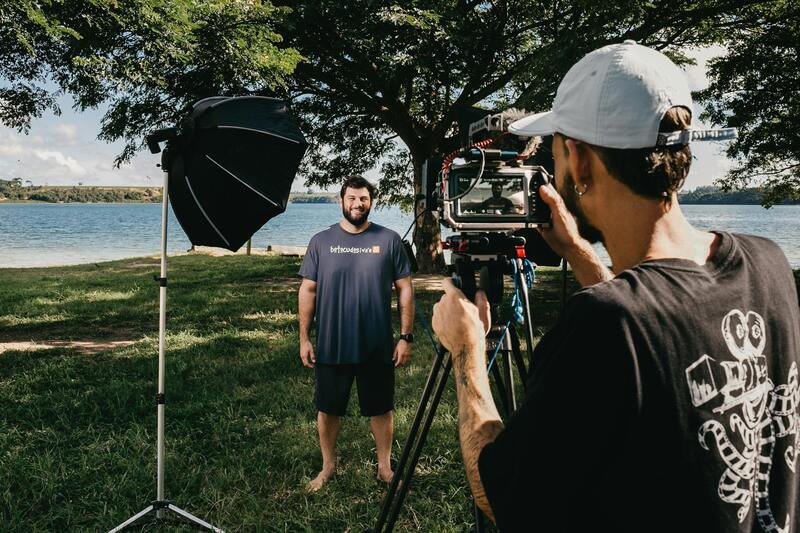
Professional photography teams often utilize established shot lists that focus on key areas including living rooms, kitchens, bedrooms, bathrooms, outdoor spaces, and unique features or amenities. This methodical approach ensures nothing important is overlooked, and each image serves to build a compelling visual narrative of the property's best attributes. The chosen angles and composition standards maximize space perception while minimizing distortion, creating a true-to-life impression for viewers.
Best Practices for Accurate and Ethical Property Representation
- True-to-life Dimensions: Use appropriate lenses and camera settings to avoid distortion that could misrepresent room sizes or proportions. The goal is a truthful depiction that aligns with the actual space.
- Consistent Lighting: Incorporate natural and artificial lighting techniques that showcase the interior without overexposure or shadows, providing a clear view of the property’s features.
- Image Editing and Post-Processing: Enhance images using professional editing tools to adjust brightness, contrast, and color balance. Remove minor imperfections while maintaining authenticity, avoiding overly manipulated images that could mislead buyers.
- Data Security and Privacy: Ensure all photography adheres to privacy standards, securing consent for photographing private spaces and respecting the privacy of previous occupants, especially when drones or external shots are involved.
Furthermore, integrating industry standards related to the use of drones and aerial photography enhances listing appeal. Aerial shots provide context about location and outdoor layout, which are increasingly valued by buyers. Clear, high-resolution images complemented by appropriate metadata and tagging ensure that listings are easily discoverable and accurately indexed by property portals and search engines.
Maintaining Professional Integrity through Continued Education and Certification
Staying current with industry-leading practices involves ongoing training and certification in real estate photography. This commitment demonstrates a dedication to professional integrity and helps establish protocols for quality assurance. Accredited training programs cover technical aspects, including lighting theory, composition, editing, and the legal considerations relevant to property photography. Participating in industry seminars and workshops also provides insights into emerging trends, such as 3D virtual tours and immersive media, ensuring estate agents deliver cutting-edge visual content that boosts engagement and credibility.
Legal Considerations and Industry Standards in Property Photography
Engaging in property photography for estate agents requires adherence to certain recognized practices that uphold professionalism and maintain the integrity of the listing process. While explicitly discussing legal terms is outside the scope, it is crucial to understand industry standards related to photographic methods, privacy, and data security. Complying with these standards ensures a trustworthy presentation of properties, fostering confidence among clients and potential buyers.
Respecting Privacy and Obtaining Proper Consent
When photographing residential or commercial properties, especially those still inhabited, estate agents and photographers must prioritize the privacy rights of current occupants. This involves obtaining explicit consent before capturing images that include private spaces or identifiable personal features. External shots of properties, including gardens and surrounding environments, are essential for providing context, but care should be taken to avoid capturing sensitive areas or personal belongings.
Particularly when drones or aerial photography are involved, there is a need to respect the boundaries of neighboring properties and public areas. Proper planning and adherence to prescribed flight zones are necessary to prevent intrusion, which aligns with the industry’s commitment to responsible and considerate photography practices.
Standardized Techniques for Consistent Quality
Adopting standardized photographic methods ensures consistent quality across listings, which enhances credibility and maintains a professional appearance in property portfolios. Techniques such as proper lighting, appropriate framing, and optimal camera settings should be implemented according to established practices. This includes utilizing wide-angle lenses to capture spaciousness, ensuring images are sharp and well-exposed, and avoiding distortions that could mislead prospective buyers.
Use of Advanced Equipment and Calibration
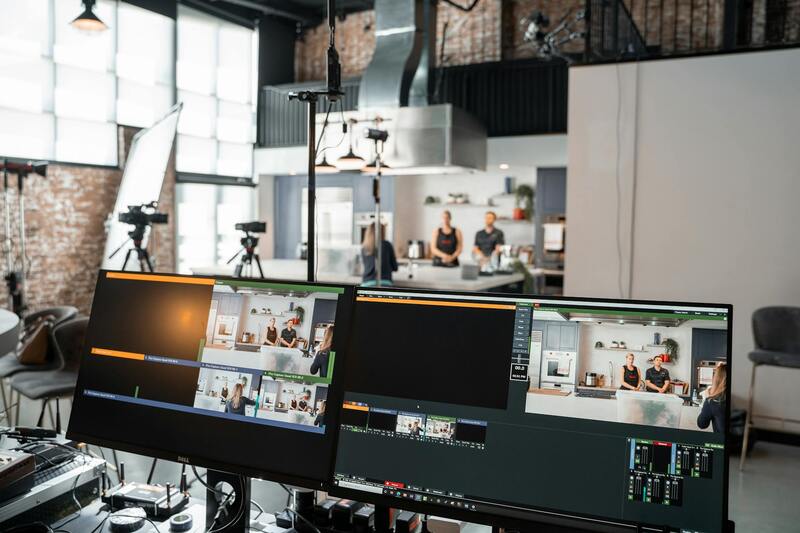
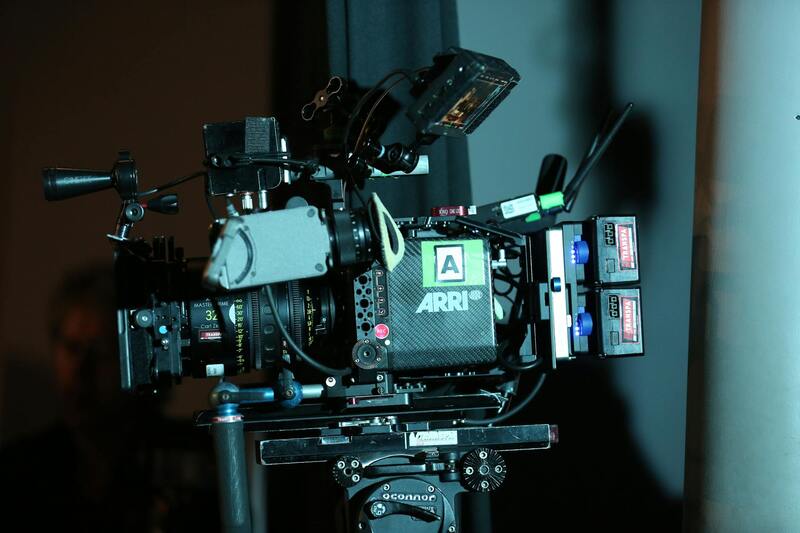
Employing industry-grade equipment such as high-resolution cameras, professional lighting, and calibrated lenses guarantees the capturing of high-quality images that truly represent the property's features. Calibration of camera settings and lighting equipment is a fundamental aspect of professional standards, ensuring color accuracy and clarity. Utilizing HDR (High Dynamic Range) techniques can effectively balance light and shadow, presenting a realistic view that entices buyers without exaggeration.
Integration of Industry Guidelines for Aerial and External Photography
Elevating the visual appeal of property listings often involves aerial and external shots. Industry guidelines recommend specific protocols for drone operation, including suitable altitude, avoiding restricted airspace, and respecting privacy boundaries. Proper licensing and adherence to safety protocols reinforce a professional approach that aligns with reputable industry practices, ensuring that aerial imagery adds value without compromising safety or privacy.
Ensuring Data Security and Digital Compliance
Photographers and estate agents must manage digital files responsibly. This involves securing images during storage and transmission to prevent unauthorized access. Metadata embedded within images should be accurate and relevant, avoiding excessive personal data that could infringe on privacy standards. Additionally, listing images should be optimized for search engines following best practices, such as relevant tagging and consistent formatting, to improve online discoverability of listings.
Staying informed about evolving industry practices through continual education and participation in seminars proves essential. Certification programs that focus on technical proficiency, ethical standards, and emerging trends — such as 3D virtual tours or immersive media — demonstrate a commitment to maintaining high standards and adapting to technological advancements.
Ensuring Data Security and Digital Compliance
In the realm of property marketing, establishing trust with clients is paramount. Professional estate agents and photographers prioritize safeguarding digital assets, including high-resolution images and virtual walkthrough data. Implementing secure storage solutions such as encrypted servers, password-protected cloud platforms, and access controls ensures that sensitive files remain protected from unauthorized viewing or distribution. Regular audits and updates to security protocols contribute to maintaining a trustworthy digital environment.
Metadata embedded within images should be carefully managed to include relevant information like property address and photographer details, without exposing personal or confidential data. This not only facilitates better organization and retrieval but also aligns with best practices for digital privacy.
Furthermore, optimizing images for online listings goes beyond aesthetics. Ensuring that they are properly tagged with relevant keywords, optimized for fast loading, and formatted consistently enhances search engine visibility. This strategic approach helps properties appear prominently in online searches, attracting more prospective buyers.
Staying current with industry standards involves continuous education through seminars, workshops, and certification programs focused on the latest technological advances and digital compliance measures. Adapting to emerging trends like 3D virtual tours or augmented reality technologies requires adherence to established protocols for data security and user privacy, reinforcing a professional and responsible approach in property marketing.
Legal Considerations and Industry Standards in Property Photography for Estate Agents
Maintaining adherence to industry standards and legal considerations is paramount in delivering high-quality property photography services for estate agents. Professionals must navigate a framework of best practices that ensure images are captured, processed, and distributed responsibly and ethically. This not only elevates the service quality but also enhances client trust and safeguards the reputation of the photographer and agency involved.
Understanding Licensing and Permitting Protocols
One of the foremost aspects involves comprehending licensing requirements, particularly when utilizing aerial photography or drone footage. Many jurisdictions impose specific regulations concerning drone usage, which may include registering the drone, obtaining permits, and adhering to flight restrictions such as no-fly zones and altitude limits. These protocols are designed to ensure safe operation and privacy protection for the community.
For estate agents and property photographers, gaining certifications or licenses where necessary affirms their commitment to legal compliance. This proactive approach demonstrates professionalism and reduces potential disputes while ensuring the images captured meet industry standards.
Compliance with Privacy and Data Protection Regulations
Property photography must also respect the privacy of residents and neighboring properties. Techniques such as framing, angle selection, and editing are employed to avoid capturing confidential or sensitive information inadvertently. Digital data handling, including metadata management and image storage, should follow established data protection practices to prevent unauthorized access or distribution.
Ensuring these practices are thoroughly documented and aligned with existing standards assists estate agents in providing transparent, responsible marketing materials that foster client confidence.
Industry Standards for Quality and Consistency
Adhering to recognized photo quality benchmarks reinforces the professionalism of property imagery. These standards encompass technical aspects such as exposure, color balance, sharpness, and composition, as well as stylistic consistency across listings. Implementing standardized workflows, including pre-shoot planning and post-processing protocols, ensures a uniform level of excellence and comparability among different properties.
Adherence to Ethical Guidelines in Marketing
Ethical considerations extend beyond legal compliance and encompass honesty in showcasing properties. Photographers and estate agents should avoid excessively enhancing images in a manner that misrepresents the property’s actual features. Accurate depiction guarantees prospective buyers receive a truthful impression, fostering trust and reducing potential disputes that could arise from misleading visuals.
Continued Education and Certification
Remaining up-to-date with evolving regulations, technological advancements, and industry best practices requires ongoing education. Many professional bodies and associations offer certification programs, seminars, and workshops designed to reinforce skills and knowledge, ensuring service providers operate within the latest standards of excellence and compliance.
In sum, a thorough understanding and diligent application of legal considerations and industry standards constitute the backbone of reputable property photography services for estate agents. These practices uphold the integrity of property marketing efforts, optimize the viewing experience, and foster long-term trust with clients and prospective buyers.