

Overview of 3D House Photography in Real Estate
3D house photography has revolutionized the way properties are showcased in the modern real estate market. This innovative imaging technique creates highly detailed, interactive digital representations of residential spaces, allowing potential buyers to explore a property virtually from any location. Utilizing advanced scanning and rendering technologies, 3D house photography captures comprehensive spatial data, providing an immersive experience that traditional photos cannot match. This approach enhances the presentation of homes by offering a realistic, detailed view of interior layouts, room proportions, and design features.
In today’s competitive real estate landscape, high-quality visual content plays a crucial role in attracting interest and generating leads. 3D house photography serves as a powerful marketing tool by enabling listings to stand out across digital platforms. Buyers can walk through a property at their convenience, easing the decision-making process and reducing unnecessary physical visits. The incorporation of interactive 3D tours fosters engagement and provides a clear understanding of a property's spatial dynamics, which can often be challenging to interpret through static images alone.
The process involves capturing multiple angles and depth information using specialized cameras and scanning equipment. These data points are then compiled into a virtual environment that users can navigate with ease. The sophistication of this technology supports detailed floor plans, virtual staging, and customization options, making it an integral aspect of contemporary real estate marketing strategies.
For real estate professionals, adopting 3D house photography means providing clients with a transparent and engaging property viewing experience. It also opens avenues for marketing innovations, such as virtual open houses and targeted online advertising. As the industry evolves, it is evident that 3D imaging will continue to expand its influence, driven by technological advancements and increasing consumer demand for interactive content.
In summary, 3D house photography offers a precise, engaging, and efficient method of property presentation. Its role in modern real estate marketing, particularly in the vibrant Miami market, cannot be overstated. This technology not only enhances visual appeal but also streamlines the property viewing process, fostering faster sales cycles and broader reach for real estate professionals and property owners alike.
Overview of 3D House Photography in Real Estate
3D house photography has revolutionized the way properties are presented within the real estate market, especially in competitive regions such as Miami. This technology captures comprehensive visual data of a residential space, allowing potential buyers to explore properties virtually with a high degree of realism and depth. Unlike traditional photographs, which present a static view, 3D imaging constructs an interactive and immersive environment that mimics the experience of a physical tour.
The process begins with the use of specialized scanning equipment, including laser sensors and high-resolution cameras. These devices systematically gather spatial data from multiple viewpoints, ensuring every corner and detail of the property is accurately documented. The collected data is then processed using advanced software that compiles it into a seamless digital model. This model can be navigated freely, providing a realistic sense of volume, layout, and interior design.
The benefits of this approach extend beyond mere visualization. Interactive 3D models support enhanced floor plans and virtual staging, offering potential buyers the ability to customize spaces with different furniture styles or paint colors. Such features significantly improve user engagement, as they allow clients to get a true sense of how a property can suit their lifestyle and preferences. Moreover, the digital nature of 3D assets means that they can be integrated seamlessly into online listings, social media campaigns, and email marketing strategies, broadening the reach and impact of property marketing efforts.
Importance in Modern Miami Real Estate
Miami's real estate market thrives on rapid sales cycles and extensive market reach. The incorporation of 3D house photography directly addresses these needs. By providing online virtual tours, real estate agents can attract out-of-town or international clients, who may not be able to visit the property in person. This technology also shortens the decision-making process by allowing buyers to virtually walk through homes multiple times and at their convenience.
Furthermore, the high-quality visual presentation differentiates listings in a crowded market. Properties featuring advanced 3D imagery and virtual tours stand out more prominently in online searches and promotional channels, capturing potential buyers' attention immediately. For Miami-based realtors and property owners, these digital tools enhance credibility and showcase a commitment to innovative, customer-centric marketing.
As technology continues to evolve, the depth and realism of 3D house photography will only improve, further bridging the gap between digital exploration and traditional property viewing. The ongoing integration of augmented reality (AR) and virtual reality (VR) capabilities promises even more immersive experiences, making the virtual presentation of properties increasingly indistinguishable from physical visits. This technological trend aligns perfectly with the fast-paced, highly competitive nature of Miami’s real estate landscape, where the ability to effectively showcase a home can significantly influence sale timelines and outcomes.
Understanding the Technical Foundations of 3D House Photography
Effective 3D house photography relies on sophisticated technology that captures detailed spatial data and combines it into seamless digital representations. Central to this process are advanced imaging systems such as laser scanners, structured light sensors, and high-resolution cameras, which work collaboratively to record every nook and cranny within a property. These devices generate precise point clouds and spatial measurements, enabling the creation of immersive virtual environments that mirror the physical layout of the home.
The core of 3D house photography involves the integration of multiple images and spatial data to produce comprehensive models. Techniques such as photogrammetry—where overlapping images are processed to reconstruct three-dimensional surfaces—complement laser-based methods to enhance detail and accuracy. These combined approaches ensure that every element, from architectural features to interior furnishings, is accurately represented, providing potential buyers or tenants with a realistic virtual walkthrough which closely resembles an in-person visit.
Ensuring Data Accuracy and Quality in 3D Imaging
High-quality 3D modeling depends on meticulous data capture and robust processing algorithms. During the imaging process, specialized software aligns multiple scans and photographs, correcting distortions and sealing gaps in data collection. The resulting models are optimized for smooth navigation, with attention to lighting, textures, and spatial fidelity ensuring that the virtual experience is both engaging and trustworthy. For Miami properties, where aesthetics and spatial harmony are crucial, leveraging top-tier equipment and skilled technicians guarantees the production of compelling, precise visual content.
The Role of Software in Processing and Publishing 3D Content
State-of-the-art software platforms are pivotal in transforming raw data into usable visual formats. These tools facilitate the stitching of images, refinement of models, and integration of interactive elements such as hotspots or labeled features. Once processed, the 3D models can be embedded into websites, shared via cloud services, or exported to virtual reality platforms. For Miami real estate marketing, employing advanced software ensures that virtual tours load quickly, respond seamlessly to user commands, and display crisp visuals across devices, thereby enhancing the viewing experience.
Legal and Ethical Considerations in 3D House Photography
Maintaining a high standard of ethical practices is vital in 3D real estate imaging. This includes securing permissions for property access, safeguarding client privacy by avoiding sensitive or personal items in shots, and adhering to intellectual property laws when using proprietary software or data. Clear documentation and transparent practices bolster trust between imaging providers, clients, and viewers. For property owners in Miami, relying on reputable service providers ensures that content is produced with integrity and professionalism, supporting a trustworthy online representation of their homes.
Advancements Driving Future Capabilities
Continuous innovation in sensor technology, data processing speeds, and visualization techniques promises to elevate 3D house photography further. Emerging trends include real-time rendering of virtual environments, integration with augmented reality (AR) for interactive viewing experiences, and enhanced photorealism through artificial intelligence-powered enhancements. These advancements will allow Miami real estate professionals to showcase properties more vividly and intuitively, making virtual tours indistinguishable from physical visits and revolutionizing the way homes are marketed and experienced.
Overview of 3D House Photography in Real Estate
3D house photography has revolutionized how real estate is showcased, offering immersive virtual experiences that allow potential buyers to explore properties remotely. This innovative approach employs advanced imaging technology to create detailed, spatially accurate representations of interior and exterior spaces. Unlike traditional photography, which provides static images, 3D house photography captures the full dimensionality of a property, enabling viewers to navigate through rooms, assess layouts, and appreciate architectural details seamlessly. Such virtual tours are especially beneficial in high-demand markets like Miami, where affluent buyers and remote investors seek comprehensive and interactive property representations. By integrating 3D imaging into their marketing strategies, Miami real estate agents and property owners can enhance visibility, attract a broader audience, and provide an engaging experience that facilitates informed purchasing decisions.
The process of capturing 3D house images involves specialized equipment and techniques designed to produce consistent and high-quality visual data. This includes the use of laser scanners or structured light systems that precisely map the interior and exterior spaces. Software then processes this data to generate accurate 3D models, which can be accessed through web-based platforms or virtual reality devices. These models not only offer a realistic view of the property but also incorporate features such as interactive hotspots, measurements, and virtual staging options. As a result, buyers can experience a comprehensive and intuitive property walkthrough, regardless of their physical location, making 3D house photography an essential tool for modern real estate marketing.
Benefits of 3D House Photography for Miami Properties
- Enhanced Online Engagement: Properties showcased through 3D visualizations attract more clicks, longer viewing times, and increased shares on digital platforms, leading to greater market exposure.
- Broader Reach for Remote Buyers: Miami's diverse and international clientele benefits from virtual tours that reduce the need for physical visits, accelerating the decision-making process.
- Higher Conversion Rates: Detailed 3D representations help buyers visualize space more accurately, reducing uncertainties and increasing the likelihood of offers.
- Competitive Advantage: Agents and property owners utilizing 3D imagery stand out in a crowded market by providing innovative and professional marketing content.
- Cost and Time Savings: Virtual tours decrease unnecessary property visits and streamline the sales process, saving resources for all parties involved.
Additional Marketing Opportunities
By integrating 3D house photography into listings, real estate professionals can unlock additional marketing avenues such as virtual open houses, targeted social media campaigns, and augmented reality applications. These tools enhance the overall presentation and provide potential buyers with an experience that closely resembles an in-person visit. Moreover, 3D models can be tailored with customizable virtual staging, allowing viewers to envision different design options and furniture layouts, further elevating the property's appeal. For Miami's vibrant real estate scene, leveraging these technologies translates into a strategic advantage for agents seeking to attract discerning clients both locally and internationally.
Steps to Capture High-Quality 3D House Images
Achieving exceptional 3D house photography requires meticulous planning and execution, involving a sequence of precise steps that ensure the final virtual tour is both accurate and engaging. The process begins with careful site preparation, which includes decluttering interior spaces, optimizing lighting conditions, and ensuring all rooms are accessible and tidy. Proper staging enhances the visual appeal, allowing potential buyers to imagine themselves within the property.
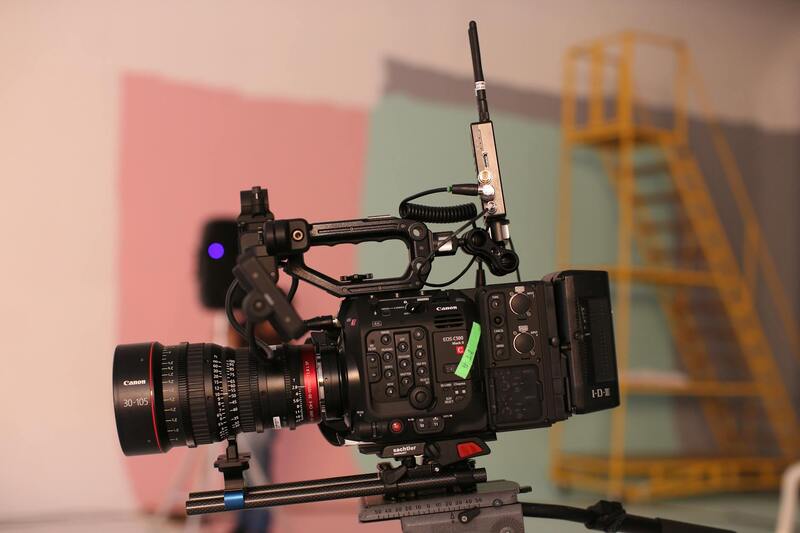
Next, the selection of the right equipment is critical. High-resolution 3D cameras, often combined with specialized scanning devices such as Matterport scanners, are employed to capture detailed spatial data. These devices systematically record the dimensions and features of each space, producing comprehensive point clouds that form the foundation of the virtual model.
During the shooting phase, the technician or photographer moves methodically through the property, capturing multiple scans from various positions within each room. Overlap between scans is crucial to ensure seamless stitching and accurate spatial relationships. Proper camera settings, such as exposure and focus, are maintained throughout to guarantee clarity and consistency across all images.
Post-processing is the subsequent stage, where the raw data undergoes rigorous editing. Proprietary software assembles the scans into an interactive 3D model, accurately representing the property’s layout and features. During this phase, potential errors such as misalignments or distortions are corrected to ensure a realistic virtual experience.
The integration of additional elements, such as virtual staging or informational hotspots, enhances the tour's value. These augmentations allow viewers to see different furniture arrangements or access details about specific features within the property, thereby deepening their connection with the space.
Final quality assurance entails thorough review of the virtual tour to identify and rectify any visual inconsistencies or technical issues. Only after this comprehensive scrutiny is the 3D model rendered ready for deployment across multiple channels, including property listings, websites, and social media platforms.
Throughout this process, adherence to legitimate imaging standards and protocols ensures that the virtual representations are precise and professional. Utilizing reputable equipment, software, and skilled operators guarantees that the outcome aligns with industry best practices, providing real estate professionals with a powerful marketing asset that elevates property presentation and accelerates sales cycles.
Overview of 3D House Photography in Real Estate
3D house photography has revolutionized the way real estate professionals showcase properties, especially in competitive markets like Miami. This technique involves capturing comprehensive, high-density spatial data that creates an interactive, immersive experience for prospective buyers. Unlike traditional photographs, 3D imaging allows viewers to navigate through a virtual replica of a property, exploring every room, corridor, and feature at their own pace. The process begins with meticulously scanning the entire interior using specialized equipment, followed by sophisticated software processing to assemble these scans into a seamless digital model.
Benefits of 3D House Photography for Miami Properties
Miami's vibrant real estate market benefits greatly from high-quality 3D house photography due to its emphasis on showcasing luxury residences, waterfront properties, and high-rise apartments. These visual tools enhance online listings by offering an engaging, detailed view of each property, bridging the gap between remote viewing and physical tours. For sellers, utilizing 3D imaging can significantly increase the visibility of their listings, attract out-of-town or international buyers, and expedite transactions. Additionally, such visuals foster trust by presenting a transparent and accurate portrayal of the property, which helps manage buyer expectations and reduces the likelihood of dissatisfaction or surprises during in-person visits.
Types of 3D House Photography Technologies
Several legitimate methods underpin professional 3D house photography, each tailored to specific property needs:
- Laser Scanning: Utilizes high-precision LiDAR or time-of-flight laser scanners to generate dense point clouds, delivering meticulous spatial data for detailed virtual reconstructions.
- Spherical Camera Systems: Employs 360-degree cameras to capture panoramic images that can be stitched into immersive virtual tours, ideal for quick, cost-effective imaging.
- Photogrammetry: Uses detailed photographs taken from multiple angles processed through software to produce accurate 3D models, often applied for exterior or landscape visualization.
- Hybrid Approaches: Combines laser scanning and photogrammetry to optimize detail and efficiency, particularly useful in complex interiors or high-end properties.

Steps to Capture High-Quality 3D House Images
Achieving exemplary 3D images involves a structured approach, emphasizing precision and thoroughness:
- Preparation: The property should be staged appropriately, clutter minimized, and lighting optimized to ensure clarity and detail capture. Access should be arranged to allow comprehensive scanning of all relevant areas.
- Equipment Calibration: The 3D scanning devices are calibrated for accuracy. This involves verifying sensor settings, ensuring proper placement, and confirming connectivity with processing software.
- Data Acquisition: The scanner systematically traverses the property, capturing spatial data from multiple vantage points. Overlapping scans are crucial for accurate alignment and model integrity.
- Processing and Stitching: Raw data is imported into specialized software. The process includes aligning scans, filling gaps, and correcting distortions to produce a cohesive 3D model.
- Quality Checks and Refinement: The digital model undergoes thorough review to identify inconsistencies or artifacts. Adjustments and refinements are made to ensure the virtual tour accurately reflects the physical space.
- Integration and Export: The finalized 3D model is optimized for various platforms, including listing websites, social media, and virtual tour interfaces. Additional features such as virtual staging or informational hotspots can be embedded during this stage.
Integrating 3D Photography into Real Estate Listings
Seamless incorporation of 3D house visuals into property listings enhances the overall marketing strategy. These virtual tours can be embedded directly into MLS platforms or hosted on dedicated websites, allowing potential buyers to explore remotely with ease. Interactive elements like hotspots provide access to detailed information about specific property features, upgrades, or nearby amenities, enriching the viewer's experience.
Furthermore, 3D models can be shared across multiple channels such as social media campaigns, email marketing, and virtual open houses, broadening reach and engagement. The ability to virtually walk through a property has proven to reduce the number of in-person visits needed, saving time for both agents and buyers while increasing the perceived value of the listing. Consistent, high-quality 3D imagery elevates the professionalism of a real estate portfolio, establishing a competitive edge in Miami’s bustling market.
Overview of 3D House Photography in Real Estate
3D house photography has revolutionized the way properties are marketed and experienced in the real estate industry. This technology involves creating detailed, interactive 3D representations of homes that enable potential buyers to explore properties remotely. Utilizing advanced scanning and rendering techniques, 3D house photography captures every aspect of a property's interior and exterior, providing a comprehensive virtual experience.
Unlike traditional 2D images, 3D virtual tours allow viewers to navigate through spaces freely, offering a realistic sense of scale, layout, and design. This approach enhances online listings by transforming static images into dynamic, engaging visualizations that showcase a property’s unique features with precision.
The process begins with high-resolution scanning devices, such as Matterport cameras or similar imaging systems, which systematically capture the spatial dimensions and details of each room. These scans are then stitched together using specialized software to produce immersive, navigable models. The result is a seamless virtual walk-through that mimics physically touring the home, accessible from any device with an internet connection.
3D house photography serves as a powerful tool for real estate professionals seeking to increase listing visibility and attract qualified buyers. It effectively bridges the gap between remote viewing and physical inspection, facilitating quicker decision-making and broader outreach to potential clients beyond local markets. As the Miami real estate landscape continues to grow increasingly competitive, leveraging this cutting-edge technology ensures agents and sellers stay ahead in their marketing efforts.

In addition to enhancing online presence, 3D house photography supports various marketing strategies such as virtual open houses, social media campaigns, and targeted advertising. The ability to showcase a property with rich, interactive visuals attracts more interest and engagement, ultimately leading to faster sales cycles and higher conversion rates. This technology also helps filter serious buyers from casual viewers, saving time and resources for both agents and clients.
- Enhanced Property Showcasing: 3D images highlight the flow and spatial relationships within a home, giving a comprehensive view that surpasses conventional photography.
- Broader Market Reach: Virtual tours can be shared globally, expanding the property's exposure to a wider audience.
- Reduced In-Person Visits: Virtual walkthroughs decrease the number of physical showings needed, streamlining the sales process.
- Increased Perceived Value: High-quality virtual representations elevate the professionalism of property listings, reinforcing credibility and appeal.
As Miami's real estate sector continues to evolve, adopting reliable and sophisticated 3D photography methods becomes essential for maintaining competitive advantages. Proper execution of the process—from accurate scanning to detailed post-production—ensures that virtual models accurately reflect the physical space, offering potential buyers a realistic and engaging property exploration experience. This innovative approach is no longer optional but a vital component of comprehensive real estate marketing strategies in today’s digital-first environment.
Advanced Techniques for 3D House Photography in Miami
To ensure the highest quality in 3D house photography, mastering advanced capturing techniques is essential. This includes meticulous scanning procedures, optimal camera setups, and precise lighting configurations, all tailored to highlight the unique features of Miami properties. High-resolution 3D scanners, such as those utilizing laser technology, produce detailed, accurate representations of interior spaces, capturing spatial information with excellent fidelity. When operating these devices, maintaining consistency in scan overlaps and ensuring complete coverage minimizes data gaps, resulting in seamless virtual models.
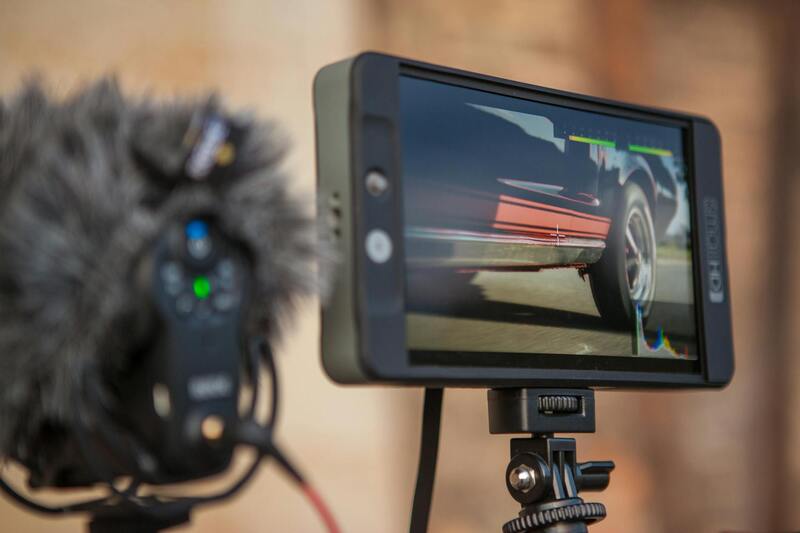
Lighting plays a pivotal role in 3D imaging. Proper illumination reduces shadows and enhances clarity, which is crucial for creating immersive virtual tours. Utilizing diffuse lighting setups can eliminate harsh shadows, ensuring all details are visible. Additionally, maintaining consistent lighting conditions across different areas of a property guarantees uniform quality throughout the virtual model. Post-scan processing techniques, including mesh refinement and texture application, further enhance the realism of the virtual environment, offering viewers an authentic sense of space and ambiance.
Ensuring Data Integrity and Accuracy
- Calibration of equipment: Regularly calibrate scanners and cameras to maintain measurement accuracy.
- Controlled environment: Minimize movement and external disturbances during scanning sessions to prevent data distortion.
- Comprehensive coverage: Plan scan locations thoughtfully to cover all critical areas, including hard-to-reach spots and exterior facades.
- Data verification: Conduct quality checks post-capture to identify and correct potential discrepancies or missing data.
Advanced software solutions allow for the integration of multiple scans into a cohesive virtual environment. Techniques like registering and aligning scans accurately ensure a fluid user experience. Executing these steps with precision guarantees that the 3D models delivered to clients are both reliable and visually compelling, reinforcing Miami's reputation for luxury and sophistication in real estate marketing.
Addressing Challenges Specific to Miami Properties
Miami’s unique architectural styles and vibrant interiors demand specialized approaches in 3D house photography. For properties with expansive windows, managing glare and reflections is critical; utilizing polarizing filters during shooting can mitigate these issues. High-temperature environments and humid conditions can interfere with electronic equipment functionality, necessitating careful equipment maintenance and protection during shoots. Furthermore, capturing outdoor spaces such as lush gardens and pool areas requires additional calibration and strategic planning to accurately represent the property's exterior allure.
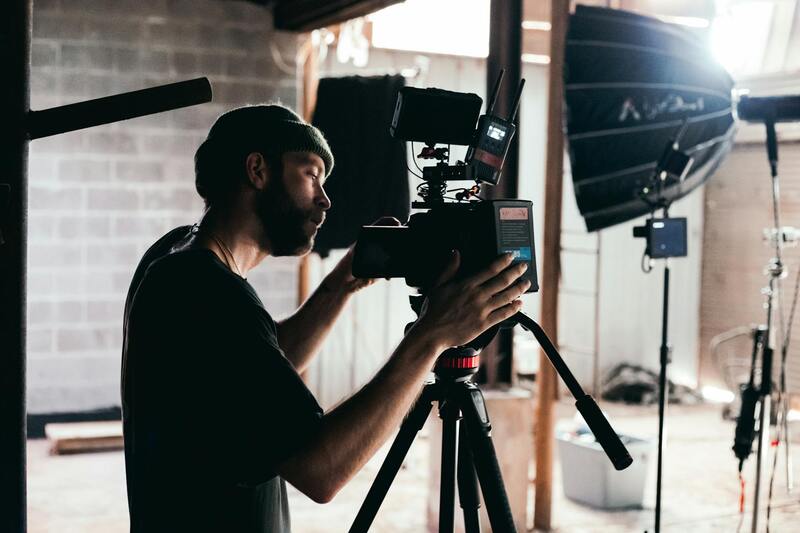
To optimize the process, pre-scan planning involves detailed site assessments and establishing proper entry points, lighting schedules, and environmental controls. Skilled operators are essential to handle complex geometries and intricate details, such as decorative moldings or custom finishes prevalent in Miami homes. Utilizing the latest hardware and refining post-processing workflows contribute to delivering virtual tours that excite prospective buyers and elevate the property's market presentation.