
Importance of Video Marketing in Real Estate
In the evolving landscape of real estate, traditional marketing methods are increasingly complemented and often surpassed by dynamic video marketing strategies. The power of video content lies in its ability to engage prospective buyers and investors with immersive, visually appealing presentations of properties. High-quality videos provide a comprehensive view of a property's features, layout, and atmosphere, which static images and written descriptions struggle to achieve.
For real estate agents, harnessing video marketing translates into heightened visibility within crowded markets. Videos can effectively showcase property highlights, neighborhood amenities, and architectural details, enabling viewers to develop a deeper understanding and connection with the property before making inquiries. As a result, engagement rates soar, inquiries increase, and the sales cycle can experience notable acceleration.
The disciplined use of videos also enhances an agent’s credibility and professionalism. Well-produced videos with clear shots, smooth camera movements, and informative narration demonstrate a commitment to quality and attention to detail. This professionalism can differentiate an agent in a competitive industry, fostering trust and confidence among potential clients.
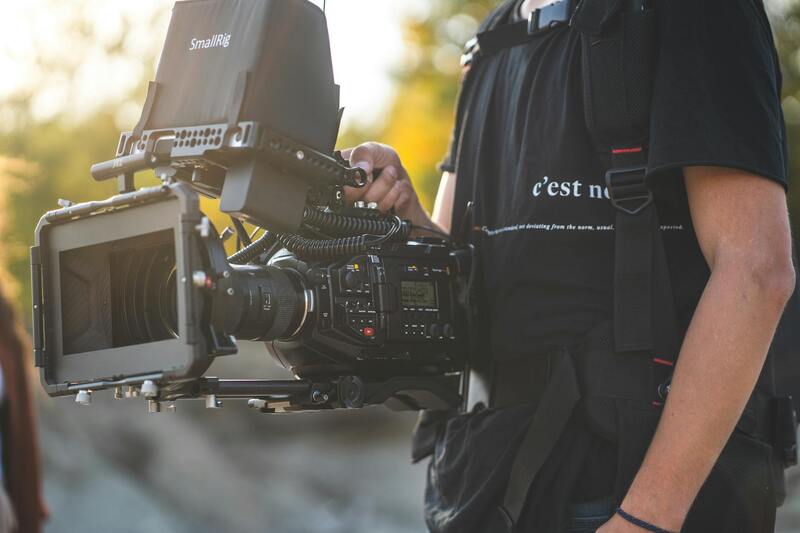
Understanding the impact of video marketing goes beyond mere visuals; it encompasses strategic deployment across digital platforms. Embedding videos on websites, sharing via social media, and utilizing email marketing campaigns ensure broader reach and engagement. With the rise of mobile device usage, videos offer the advantage of portability and quick consumption, enabling potential clients to explore listings at their convenience.
Furthermore, videos contribute significantly to SEO efforts. Search engine algorithms favor multimedia content, and video embedding can improve search rankings, increasing the likelihood of property listings appearing at the top of search results. Enhanced visibility directly correlates with higher traffic and more qualified leads for real estate professionals.
In addition to promotional benefits, videos serve as educational tools that can help demystify the buying and selling process for clients. Virtual walkthroughs, client testimonials, and explanatory videos about market trends foster transparency and build trust. These elements reaffirm a real estate agent’s authority and reliability in their respective markets.
As the demand for digital content continues to grow, integrating professional video production into real estate marketing strategies becomes both a practical necessity and an advantageous investment. By leveraging the visual power of video, agents can significantly extend their reach, improve engagement, and ultimately, close deals more effectively in competitive markets such as Miami, Fort Lauderdale, and Palm Beach.
Implementing a Robust Video Strategy
For real estate agents aiming to leverage the full potential of video, establishing a well-structured strategy is essential. This involves selecting the appropriate content types aligned with specific marketing objectives, target audiences, and property features. Consistency in content creation and integration across various digital channels ensures sustained engagement and brand recognition.
Effective implementation begins with producing high-quality videos that highlight property details, neighborhood amenities, and lifestyle benefits. Virtual tours, when shot professionally, provide an immersive experience, allowing potential buyers to explore properties remotely with clarity and confidence. Complementing these tours with drone footage offers a unique perspective of the property’s surroundings, giving viewers a comprehensive understanding of location advantages.
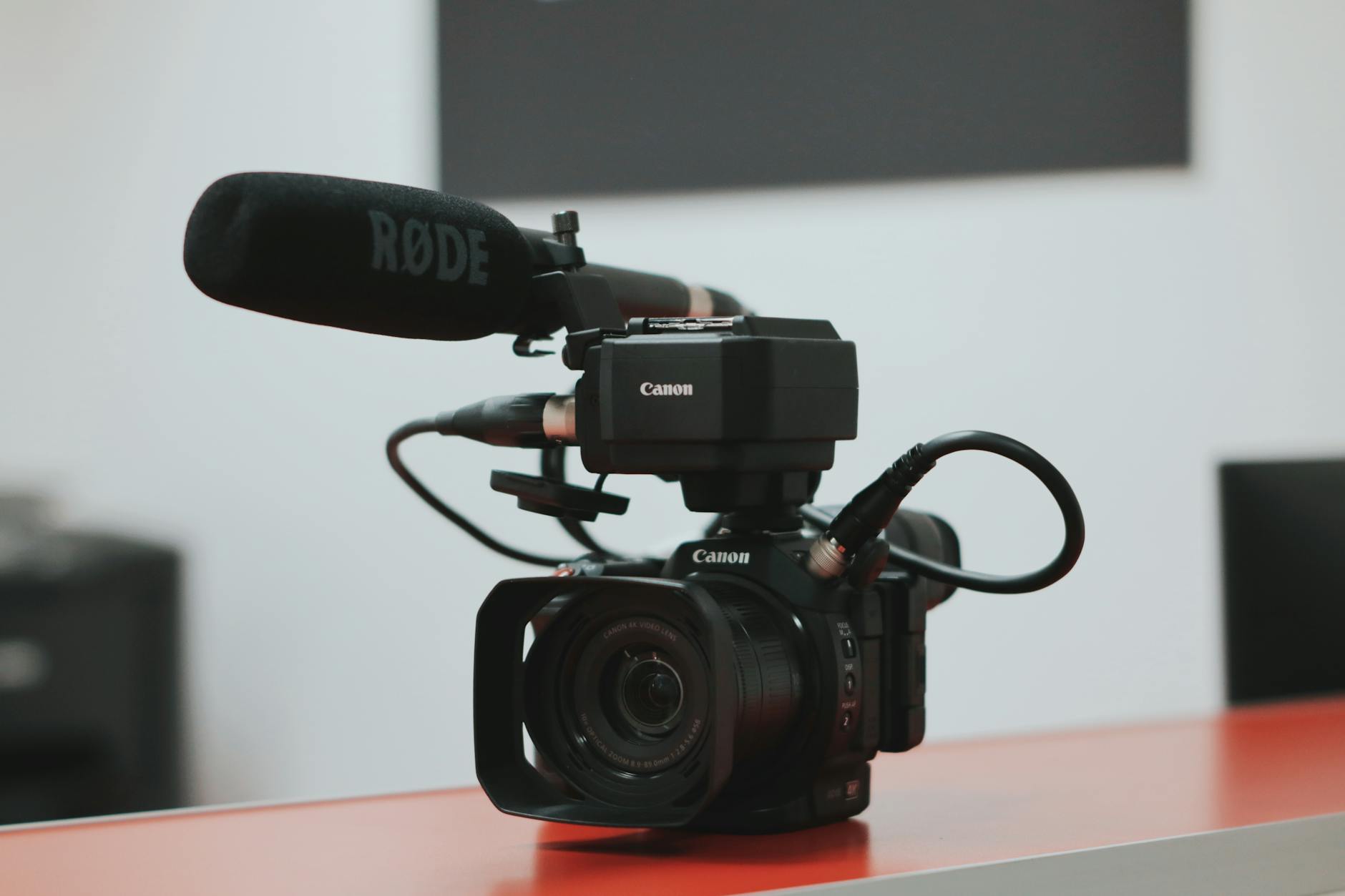
Strategic scheduling of video releases, coupled with targeted distribution, maximizes visibility. Sharing videos on social media platforms, embedding them within property listings on websites, and including links in email campaigns cultivate a seamless and effective marketing funnel. This multi-channel approach not only broadens reach but also ensures that potential clients can access videos conveniently, regardless of their device or browsing preferences.
Monitoring performance metrics such as engagement rates, view counts, and viewer feedback allows agents to refine their approach continually. Understanding which content resonates most, be it detailed property walkthroughs or lifestyle videos, helps in tailoring future productions to meet evolving client interests and behaviors.
Optimizing for Search and Engagement
Embedding videos with optimized titles, descriptions, and relevant keywords improves visibility in search engine results, attracting organic traffic. Additionally, creating compelling thumbnails and clear call-to-action prompts encourages viewers to take the next step, whether scheduling a viewing or contacting the agent directly.
Furthermore, integrating interactive elements, like clickable annotations or virtual consultation requests within videos, enhances engagement. For agents targeting competitive markets such as Miami, Fort Lauderdale, and Palm Beach, a strategic approach to video deployment significantly elevates their online presence and accelerates transaction cycles.

Choosing the Right Equipment and Techniques for High-Quality Real Estate Videos
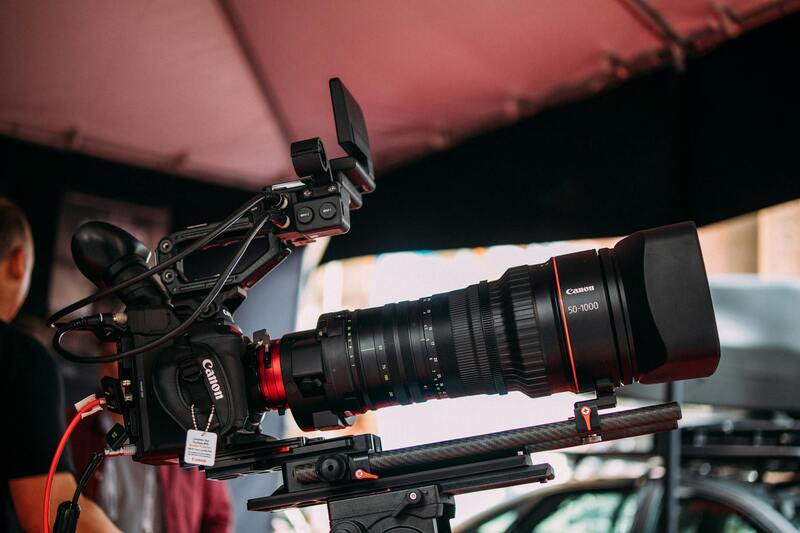
Achieving professional-grade real estate videos requires meticulous attention to equipment selection and filming methodologies. High-resolution cameras equipped with wide-angle lenses enhance spatial perception, making property interiors appear more expansive and inviting. Drones further expand visual storytelling by capturing stunning aerial shots that showcase property size, surrounding landscapes, and neighborhood amenities from unique vantage points.
Lighting is critical in portraying properties authentically. Leveraging natural light during daytime shoots minimizes shadows and highlights interior features, while supplementary lighting ensures consistency when natural light is insufficient. Employing stabilized camera rigs and gimbals ensures smooth, cinematic movement, elevating the overall production quality and viewer experience.
Furthermore, mastering filming techniques such as establishing optimal shot composition, maintaining balanced framing, and utilizing dynamic camera movements can differentiate a standard listing video from a compelling visual tour. Consistent mise-en-scène and attention to detail in shot transitions contribute to a polished final product that captures viewers' attention and encourages engagement.
Post-Production: Enhancing Videos with Editing and Effects
Post-production processing is vital in transforming raw footage into captivating promotional material. Color correction ensures consistency across scenes, emphasizing the property's warmth and vibrancy. For interior shots, subtle corrections enhance natural light and highlight architectural details without over-saturation.
Adding graphics, on-screen text, and branding elements reinforces professionalism and brand recognition. Incorporating background music that complements the property’s ambiance can evoke emotional responses, making listings memorable. Virtual staging and photo overlays further illustrate potential modifications, helping buyers envision living in the space.
Transitions, zoom effects, and animated overlays should be used judiciously to maintain viewer interest without overwhelming the content. High-definition encoding and optimized formats ensure videos load swiftly across platforms, maintaining clarity and avoiding frustration from slow playback. Consistent editing standards across all listings preserve brand consistency and reinforce a professional image.
Finally, the integration of interactive elements within videos—such as clickable hotspots, virtual tour links, or contact prompts—can significantly boost viewer engagement and lead conversion. These features enable prospective buyers to seamlessly proceed to the next step of their journey, streamlining the process from viewing to inquiry.
Implementing Authentic and Persuasive Video Content
Creating impactful real estate videos goes beyond just capturing the property; it involves strategic storytelling and adherence to transparent production methods that resonate with prospective buyers. Agents committed to providing credible and engaging content focus on showcasing the property’s true attributes, emphasizing both its strengths and realities.
One key approach is the use of actual footage shot with professional-grade equipment. High-definition cameras ensure crisp visuals that accurately represent the property's condition and details. While drone footage offers impressive aerial perspectives, it is vital that these shots are conducted by certified operators following strict safety protocols, ensuring the footage is both legitimate and reliably captured. This not only enhances visual appeal but also builds trust through authenticity.
Furthermore, editing should preserve the integrity of the property’s appearance. Color grading and lighting adjustments are used to highlight interior and exterior features without misrepresenting the property's actual look. This honesty fosters customer confidence and reduces potential misunderstandings or disappointments later in the buying process.
Comprehensive Audio and Visual Quality Assurance
To enhance the viewer's experience, clear audio recordings are combined with high-quality video footage. Voiceovers, if utilized, should be performed by professionals with a thorough understanding of the property’s features, ensuring that the narration aligns with the visual presentation. Ambient sounds should be clean and free of distracting noise to maintain a professional standard.
Legitimate virtual tours integrated into the video provide a seamless, real-time walkthrough experience. These tours often include clickable elements or detailed voice guides that help prospective buyers navigate through the property while maintaining a realistic portrayal. Such features must be implemented with proven technology and tested to ensure functionality across devices, reinforcing transparency and accessibility.
Adherence to Advertising Standards in Real Estate Videos
All marketing videos should accurately reflect the property to meet industry standards and consumer expectations. Avoiding exaggerated claims or deceptive visuals is crucial in maintaining credibility. When highlighting features, focus on factual representations supplemented by visual data, such as floor plans or virtual staging that accurately depict potential modifications without fabricating existing conditions.
Moreover, transparency with aspects like recent renovations, property age, or unique features helps set correct expectations. Including verified data about the neighborhood, amenities, and local infrastructures enhances the authenticity of the promotional content and aligns with best practices for professional real estate marketing.
Potential Challenges and How to Overcome Them
One common challenge is ensuring that all visual content remains honest while still engaging viewers. It's tempting to use selective shots or post-production techniques to emphasize appealing features, but this can lead to misperceptions. Employing a balanced approach that highlights key selling points without overpromising is essential for sustainable client relationships.
Another issue involves maintaining consistency across multiple listings. Establishing standardized protocols for video production—including equipment, editing processes, and presentation style—ensures uniform quality and reinforces brand integrity. This consistent identity promotes trust and makes it easier for clients to recognize and prefer your services.
Using Certified Equipment and Documented Processes
Utilizing certified equipment and thoroughly documented production procedures further guarantees that videos are produced legitimately. This involves maintaining records of camera specifications, drone certifications, and editing software licenses. Such documentation reassures clients and stakeholders that the videos are created to recognized professional standards, fostering a perception of reliability and quality.
If virtual staging or overlays are involved, they should be clearly identified as enhancements, ensuring viewers are aware that these images are illustrative rather than actual. This transparency accommodates legal and ethical expectations, fostering an environment of trust and authenticity in real estate marketing.
Ensuring Video Content Meets Industry Standards
To uphold professionalism and credibility in real estate videography, it is crucial to adhere to established industry standards throughout the production process. This includes utilizing certified equipment, maintaining thorough documentation of all production procedures, and ensuring compliance with regional guidelines for aerial and drone footage. Certified equipment guarantees the reliability and quality of visual content, while well-documented workflows demonstrate a commitment to consistency, transparency, and accountability.
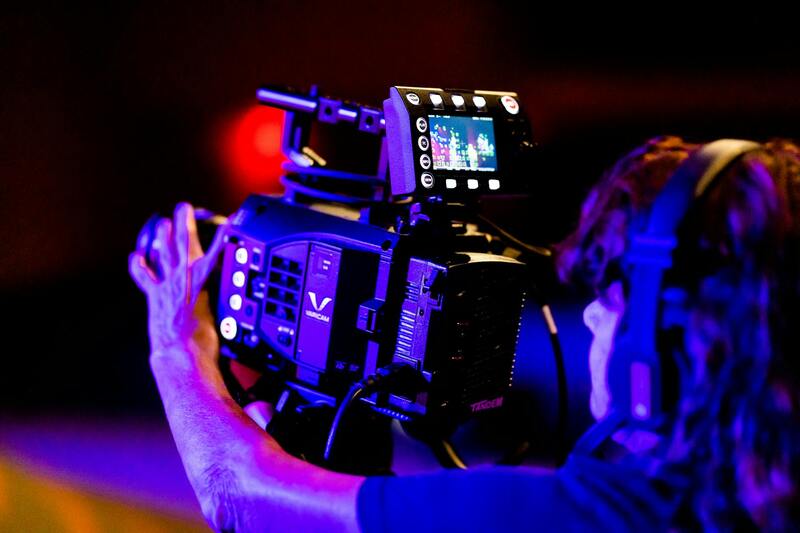
Professional-grade cameras, stabilizers, and lighting ensure high-resolution image capture, essential for showcasing properties in the best light. Documenting drone certifications, operator licenses, and editing software licenses not only supports quality assurance but also reassures clients that the content is created following recognized protocols.
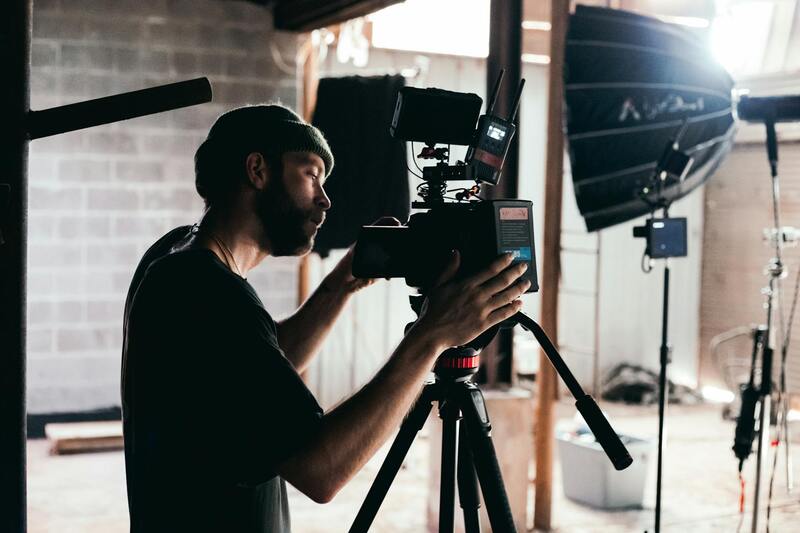
When incorporating virtual staging, overlays, or annotations, these enhancements should be clearly labeled to maintain transparency. Viewers need to understand what aspects of the imagery are real versus added for illustrative purposes, ensuring honest representation that fosters trust with prospective clients.
Standardized Workflow and Quality Control
Implementing a standardized workflow across production phases helps deliver consistent, high-quality results. For example, establishing protocols for shot selection, editing styles, and final output formats ensures uniformity across listings and strengthens brand recognition. Quality control measures, such as review checklists and peer assessments, help identify and correct any discrepancies or errors before the content reaches the client.
This approach minimizes the risk of misrepresentations and maintains a professional image, which is vital for attracting and retaining clients. Regular training sessions for production teams also ensure adherence to evolving industry best practices and technological advancements, thereby safeguarding the integrity of the content produced.
Legal and Ethical Considerations
While focusing on legitimate production methods, it’s important to remain aware of applicable regulations concerning aerial filming and privacy. Gaining appropriate permits, respecting property rights, and obtaining client consent prior to filming are key components of responsible videography. Transparent communication about the use of certain techniques prevents misunderstandings and liabilities down the line.
By investing in certified equipment, following documented procedures, and maintaining ethical practices, real estate agents can produce compelling videos that not only attract buyers but also strengthen their reputation as trustworthy professionals within the industry.
Legitimate Methods for Enhancing Video Content in Real Estate
Real estate professionals seeking to maximize the impact of their video marketing strategies should focus on established and reputable techniques that prioritize authenticity, quality, and compliance with industry standards. High-quality footage captured through professional-grade equipment ensures that property features are accurately represented, thereby building trust with prospective buyers. Additionally, employing certified drone operators for aerial footage guarantees adherence to local regulations and safety protocols, providing impressive visuals without risk or controversy.
Prioritizing professional editing and post-production processes is essential for creating polished content that highlights a property’s most compelling aspects. Skilled editors utilize color grading, stabilization, and seamless transitions carefully crafted to maintain viewer engagement. To further enhance credibility, incorporating detailed narration or text overlays that accurately describe the property ensures viewers receive correct information, thereby supporting transparency and informed decision-making.
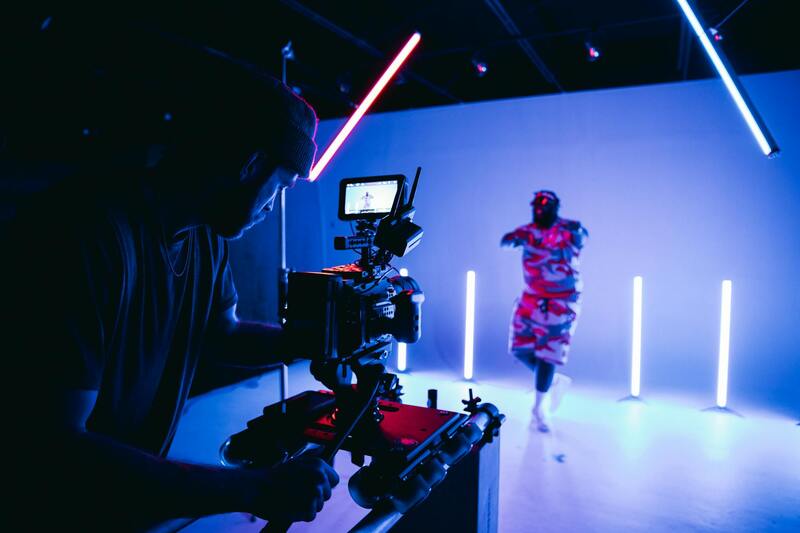
Employing closed captioning and accessible formats also broadens the reach of the content, catering to diverse audiences, including those with hearing impairments. Consistency in branding elements, such as logos and contact information, reinforces the professional image and aids in lead generation. Ultimately, integrating these legitimate methods not only enhances the property's presentation but also upholds the integrity of the real estate agent’s marketing approach.
Investing in certified, industry-standard equipment and collaborating with vetted production specialists ensures that all content aligns with best practices. This strategic approach involves detailed planning, clear communication with clients, and adherence to regional guidelines governing media production. The goal remains to deliver content that accurately showcases properties while safeguarding the reputation and professionalism of the agents involved.
Legal Considerations and Compliance in Real Estate Video Production
When producing videos for real estate properties, adherence to regional standards and guidelines is crucial. This includes obtaining necessary permissions for shooting on private properties and respecting the privacy rights of individuals present during filming. Clear communication with property owners and clients ensures that all parties are aware of the usage and distribution plans for the footage, minimizing potential misunderstandings.
Another important aspect involves complying with regional broadcast and advertising regulations. These may specify standards for accurate property representation, including restrictions on digital editing that could mislead viewers about the actual features or condition of the property. It is essential for production teams to stay informed about these regulations to create compliant content that maintains integrity and trustworthiness.
To support transparency, real estate agents often incorporate disclaimers or disclosures within or alongside their videos. For example, specifying that the video showcases a particular unit or has been digitally enhanced to improve visual appeal can help manage viewer expectations and promote honesty in marketing efforts.
Securing Proper Licensing and Intellectual Property Rights
Utilizing copyrighted images, music, or other media elements without proper licensing can lead to legal complications. It is advisable for real estate professionals to work with production teams that source or create licensed content to avoid infringements. Proper licensing also supports the quality and professionalism of the final product, as it ensures high standards and compliance with industry best practices.
Furthermore, contracts should clearly specify the ownership rights of the final video content. Clarifying whether the client will have full usage rights or if the production company retains certain rights helps prevent future disputes and ensures all legal aspects are accounted for before distribution.

Utilizing Authentic and Transparent Content
Authenticity in property videos supports genuine engagement with prospective buyers. Avoiding misleading enhancements or misrepresentations fosters trust and positions agents as honest professionals. Incorporating truthful narratives, accurate measurements, and honest showcasing of features ensures viewers receive a clear understanding of the property, leading to more qualified inquiries and serious interest.
Legitimate methods such as showcasing real-time footage, including walkthroughs, and accurately highlighting key features carry significant weight in establishing credibility. Such practices not only comply with regional guidelines but also enhance the reputation of the agent or agency amid a competitive market.
Implementing Legal and Authentic Content Strategies in Real Estate Video Production
For real estate professionals aiming to maximize the effectiveness of their video marketing efforts, adhering to officially sanctioned methods for creating and sharing video content is essential. This approach not only enhances compliance with regional standards but also fortifies the credibility of the property listings presented. Utilizing licensed footage, official images, and verified property data ensures that the content remains trustworthy and representative of the actual property. Such diligence reduces risks associated with misrepresentation and maintains the professional integrity of the real estate brand.
Official methods of content sourcing include working with certified content providers, ensuring all images, videos, and music used in productions are properly licensed. These practices not only guarantee legal compliance but also support the creation of high-quality visuals, which are integral to attracting serious buyers. Equally important is establishing clear ownership rights through contractual agreements, which specify usage permissions and distribution scope, thereby preventing future disputes.
Developing Transparent and Accurate Property Showcase Strategies
Transparency in video content fosters trust and reveals an honest portrayal of the property. Employing real-time footage, comprehensive walkthroughs, and accurate feature highlights allows prospective buyers to make informed decisions. Avoiding exaggerated edits or misleading visuals sustains the integrity of the listing and aligns with regional advertising standards. Authentic content delivery positions agents as reliable professionals capable of providing factual representations, thereby building long-term client relationships.
- Verify all media sources to ensure they meet licensing and quality standards.
- Incorporate comprehensive property walk-throughs with honest narration.
- Highlight key features accurately, including measurements and unique selling points.
- Keep footage up-to-date to reflect current property conditions.
- Use consistent branding to reinforce professionalism across visual content.
Ensuring Compliance Through Documentation and Standardized Procedures
Implementing standardized workflows for video production — including detailed checklists for licensing, content approval, and data verification — ensures adherence to established best practices. Keeping thorough records of all content sources, licensing agreements, and contractual rights safeguards against potential disputes and promotes transparency. In addition, regularly updating team knowledge on regional advertising laws and digital content standards helps maintain compliance as industry regulations evolve.
Measuring Success with Ethically Produced Video Content
Performance analytics should focus on engagement metrics and lead quality, which are enhanced by honest and professional visual representation. High-quality, legitimate videos attract serious prospects and lead to greater conversion rates. Continuous feedback from viewers can guide adjustments in content strategy, ensuring that promotional material remains aligned with ethical standards and audience expectations. This cycle of improvement consolidates reputation and sustains long-term marketing effectiveness.