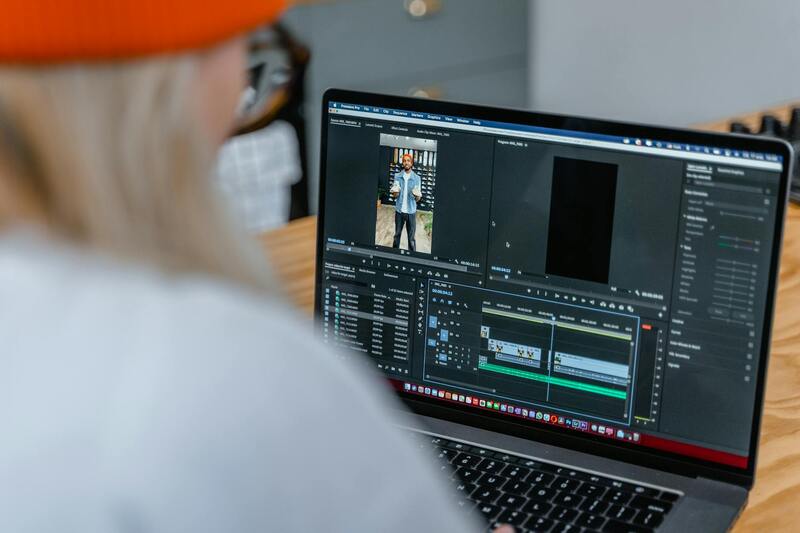
Importance of Professional Photography in Residential Real Estate
In Miami’s bustling real estate market, the visual presentation of a property can significantly influence its marketability. High-quality photography serves as a primary tool in capturing the essence of a home and showcasing its best features to potential buyers. The impact of professional photography extends beyond mere aesthetics; it directly correlates with increased online visibility, engagement, and faster sale times. In a competitive environment where clients often browse dozens of listings daily, compelling images can make a listing stand out and attract qualified buyers. Effective real estate photos should evoke emotion, highlight unique architectural features, and accurately represent the property’s size and layout. For residential properties, especially in Miami’s diverse market, professional photographers understand how to compose shots that maximize natural light, enhance space perception, and portray the home in its best light. Such images not only draw more attention but also build buyer trust and confidence, essential factors in closing deals promptly. Moreover, the advent of digital marketing and virtual tours has elevated the importance of high-resolution photography. Many prospective buyers base their initial interest solely on visual content accessed through listing websites and social media platforms. As a result, properties with professionally captured images tend to receive more clicks, inquiries, and ultimately, more showings. Investing in quality photography also increases the perceived value of the property. Well-documented listings reinforce the idea that the home is valuable, well-maintained, and worth exploring further. In densely populated areas like Miami, where competition is fierce, compelling visuals serve as a decisive factor in attracting serious buyers and facilitating quicker transactions. Furthermore, professional photography supports an effective marketing strategy, including print advertisements, brochures, and online ads. It ensures that the property’s best angles and features are consistently represented across all marketing materials. This consistency enhances brand credibility for real estate agents and builds trust with potential clients. Ultimately, for sellers and real estate professionals aiming to maximize property exposure, investing in high-quality residential real estate photography provides a tangible advantage. It transforms ordinary listings into visually appealing narratives that resonate emotionally with buyers, accelerating the path to a successful sale.
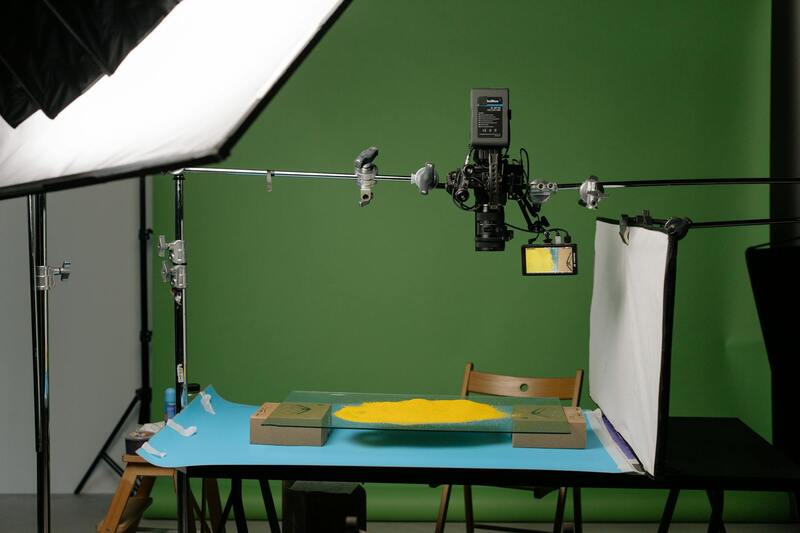
Services Offered by Residential Real Estate Photographers
Professional residential real estate photographers provide a comprehensive suite of services tailored to showcase properties effectively. Their offerings typically include high-resolution interior and exterior photography, drone aerial shots, twilight photography to highlight properties during sunset, and 3D virtual tours that allow prospective buyers to explore homes remotely with immersive accuracy. Additionally, some photographers extend their services to virtual staging, which digitally enhances empty rooms by adding furniture and decor, creating a warm and inviting atmosphere without physical staging costs.
Each service is designed to attract potential buyers by accentuating the property’s best features, conveying spaciousness, and capturing the overall ambiance of the home. Photographers utilize advanced equipment such as wide-angle lenses, professional lighting setups, and drone technology to produce images that are clear, bright, and compelling. Post-processing and editing also play a vital role in refining images, removing minor imperfections, and ensuring color consistency that accurately represents the property.
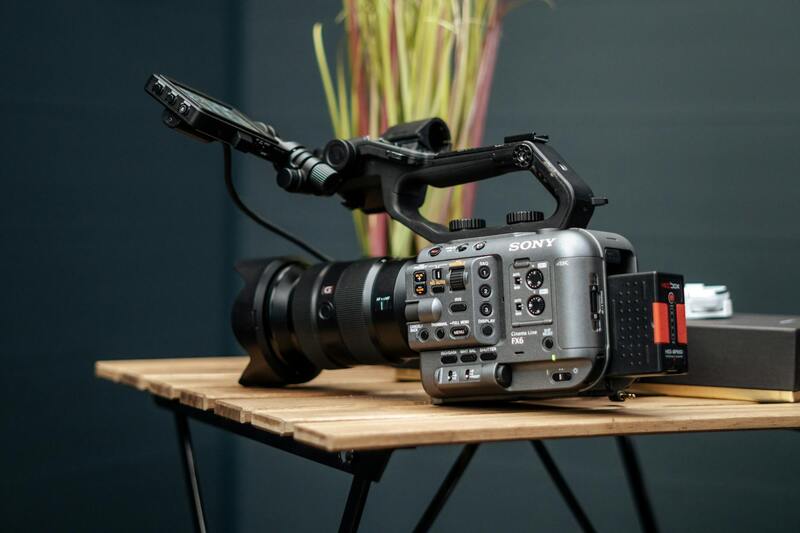
When choosing a photographer, clients should look for a portfolio demonstrating versatility and high standards in image quality. Experience in real estate photography means understanding how to highlight a property’s unique features and work efficiently within fast-paced listing schedules. Photographers often offer customizable packages, enabling homeowners and agents to select services based on specific property features and marketing goals.
Services Offered by Residential Real Estate Photographers
Residential real estate photographers provide an array of specialized services to ensure properties are showcased in the most appealing manner. Standard offerings include high-quality interior and exterior photography, which captures the property's space, layout, and curb appeal. These images serve as the primary visual component on online listings, brochures, and marketing campaigns. To accentuate a property’s features during specific times of day, photographers often utilize twilight photography, creating warm, inviting images that highlight lighting and ambiance after sunset.
Beyond static images, many photographers incorporate dynamic content such as professionally produced video tours. These videos give potential buyers a comprehensive view of the property, often including walkthroughs that emphasize flow and spatial relationships, helping viewers imagine living in the home. Drone aerial shots are also increasingly popular, providing an impressive perspective of the property in relation to its surroundings, especially for larger estates or homes with notable exterior features.
Another valuable service is virtual staging, where digital enhancements transform empty or sparsely furnished rooms into fully furnished, inviting spaces. This method allows prospective buyers to envision the home's potential without the costs and logistics of physical staging. High-resolution images and videos are typically complemented by 3D virtual tours, which offer an interactive experience, enabling potential buyers to navigate the property remotely with immersive accuracy.
To achieve truly compelling visuals, residential real estate photographers rely on state-of-the-art equipment. Wide-angle lenses capture broader views within confined spaces, making rooms appear more spacious. Professional lighting setups ensure even, shadow-free illumination, enhancing the property’s best features. Drone technology provides aerial perspectives, showcasing the property's exterior, landscaping, and nearby amenities. Post-processing and editing are integral steps, refining images for clarity, accurate color rendering, and minor corrections to remove distractions or imperfections.

When selecting a residential real estate photographer, it’s crucial to review their portfolio for consistency, style, and quality. An experienced photographer understands how to emphasize a property’s unique characteristics to attract serious buyers. Additionally, versatility in service offerings and the ability to work efficiently within tight listing schedules contribute to a successful collaboration. Many professionals offer customizable packages tailored to different property types and marketing objectives, ensuring that clients get the right combination of images and content to meet their specific needs.
Legal and Contract Considerations
When engaging a residential real estate photographer, establishing clear legal and contractual agreements is essential to streamline the process and protect the interests of all parties involved. A comprehensive contract should outline the scope of work, including the number of images, specific services like drone footage or virtual tours, and any post-processing requirements. Clarifying the usage rights of the images ensures that the client understands how the photographs can be distributed and displayed across various marketing platforms.
Additionally, it’s important to specify the timeline for delivery, so both parties are aligned on expectations. This includes deadlines for initial proofs, revisions, and final images. Payment terms should be explicitly detailed, indicating deposit requirements, payment schedules, and conditions for additional charges if scope changes occur. Including clauses for cancellation, rescheduling, and unforeseen circumstances safeguards the arrangement from potential disputes.
For the photographer, acquiring the necessary permissions for photographing and including any proprietary or copyrighted features in the property is crucial. This ensures compliance with local regulations and property policies. Furthermore, a clear understanding about liability and insurance coverage can prevent potential legal issues—covering damages that might occur during the photoshoot or due to the use of drones.
Using a professionally drafted contract not only clarifies responsibilities but also fosters trust and professionalism, enabling a smooth collaboration that focuses on achieving the best visual presentation of the property.
Legal and Contract Considerations
Securing a clear, detailed agreement with a residential real estate photographer forms the foundation for a successful collaboration. This agreement should specify the scope of work, including the number of images, types of shots (interior, exterior, drone footage), and any post-processing steps required to meet marketing standards. Defining these parameters ensures both parties have aligned expectations from the outset.
A well-structured contract also addresses rights related to the use of images. It clarifies whether the client has exclusive rights, the duration of usage rights, and the permitted distribution channels—such as online listings, social media, or print advertisements. Such clarity is paramount in maintaining control over how the property images are utilized, avoiding misunderstandings or unauthorized use.
Moreover, detailed timelines for delivery are essential. They specify deadlines for proofs, revisions, and final images, enabling timely marketing efforts. Payment terms, including deposit requirements, installment schedules, and procedures for additional charges in case of scope adjustments, should be outlined explicitly. This transparency facilitates mutual trust and prevents potential conflicts.
The agreement should also include provisions for cancellation, rescheduling, and unforeseen circumstances. These clauses offer protection to both the client and the photographer, providing flexibility and clarity when unexpected issues arise.
Liability and insurance coverage are critical components to consider. A photographer should hold appropriate insurance to cover potential damages or accidents during the shoot. Having these protections in place assures clients that any unforeseen damages or issues will be managed properly.
Utilizing a detailed legal framework strengthens the professional relationship, fosters trust, and ensures that both parties are protected and focused on achieving optimal visual presentation. This clarity ultimately contributes to a seamless process, allowing real estate professionals to confidently market their properties with high-quality images that maximize appeal and visibility.
Legal and Contract Considerations
Establishing clear agreements between property owners and residential real estate photographers is essential to ensure a smooth collaboration. These contracts should specify usage rights for the images, addressing whether the photographs will be exclusive or non-exclusive, and outlining the permitted channels for distribution. Defining image resolution, editing rights, and branding options helps prevent misunderstandings and guarantees that both parties have aligned expectations.
In addition, detailed terms regarding project scope, timelines, and deliverables are fundamental. Including provisions for revisions, additional edits, or retakes ensures flexibility while maintaining efficiency. Payment schedules must be articulated explicitly, covering deposits, installment payments, and what circumstances might trigger additional charges.
Insurance coverage is another vital aspect. Photographers should carry appropriate professional liability insurance to protect against accidental damages or injuries during the shooting process. For property owners, verifying that the photographer is adequately insured reassures that any unforeseen incidents are addressed without complications.
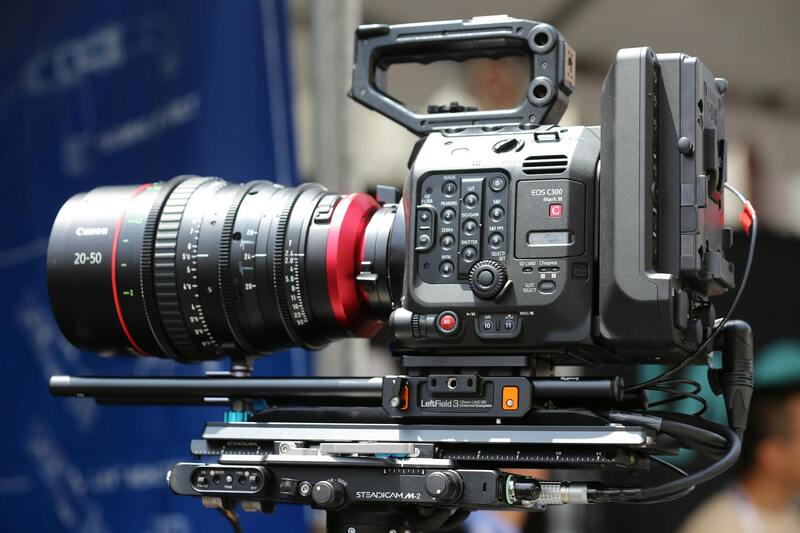
Including cancellation and rescheduling policies within the contract acknowledges the realities of property availability and client schedules. Flexibility clauses accommodate unforeseen circumstances, allowing adjustments without friction. Additionally, clear clauses on intellectual property rights help define how the images may be used post-shoot, avoiding potential disputes.
It is crucial for both parties to review and sign the contract once all terms are agreed upon. This formalizes the relationship and provides a clear record of obligations, protecting the interests of homeowners, real estate agents, and photographers alike. Such legal and contractual diligence contributes to a professional environment where high-quality images are produced efficiently and with mutual confidence.
Legal and Contract Considerations
Establishing clear contractual agreements is essential when engaging a residential real estate photographer. These agreements typically outline specific usage rights, licensing terms, and the scope of work, ensuring all parties have a shared understanding of expectations. A well-defined contract helps prevent misunderstandings related to the distribution and reuse of images, whether for online listings, print advertising, or promotional materials.
Usage rights specify how the photographs can be employed after the shoot, including restrictions on third-party sharing or commercial use. Licensing details clarify whether the rights are exclusive or non-exclusive, and the duration for which the images can be utilized. These parameters are crucial in protecting both the photographer’s intellectual property and the property owner’s marketing interests.
In addition, contractual terms should cover delivery timelines, payment schedules, and provisions for revisions or retakes if necessary. Clear delineation of responsibilities helps streamline the process, ensuring timely completion of projects and minimizing conflicts. Having a written agreement also arms clients and photographers with legal assurance, facilitating a professional and mutually respectful working relationship.
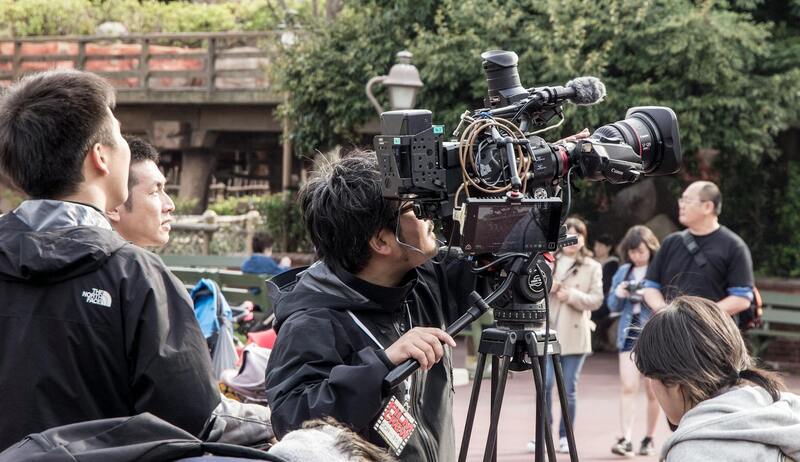
Impact of Excellent Photography on Real Estate Marketing
Exceptional photography can significantly influence the success of a property’s marketing campaign. Professionally captured images highlight the property's best features, create an emotional connection with potential buyers, and generate increased interest online and through print media. High-quality visuals can lead to faster sales and often command higher market prices by showcasing a property in the most appealing light.
In a competitive real estate environment like Miami, where the market is vibrant yet saturated, standout images serve as an essential differentiator. They attract more viewers, encourage virtual tours, and increase the likelihood of in-person visits. Well-composed and professionally edited photographs also enhance brand credibility for real estate agencies, establishing trust and demonstrating a commitment to quality.

Legal and Contract Considerations
When engaging a residential real estate photographer, establishing clear legal and contractual frameworks is essential for ensuring a smooth working relationship and securing the interests of both parties. An explicit contract detailing the scope of work, delivery timelines, usage rights, and revision policies helps prevent misunderstandings and sets clear expectations from the outset. This document should specify the rights granted to the client concerning the photographs, including their use for online listings, print materials, or promotional campaigns, which are typical in real estate marketing.
Additionally, contractual clauses should address issues such as image ownership, confidentiality, and non-compete agreements if applicable. A thorough agreement also covers payment terms, including deposit requirements, final payments, and conditions for additional services or retakes. These provisions protect both the photographer’s creative and intellectual property rights while allowing the client to utilize the images optimally.
Understanding the process for revisions or retakes is crucial. A professional photographer typically includes a set number of revisions within the initial fee, with any additional adjustments billed separately. This setup ensures that the final results meet the client’s expectations without causing miscommunication or delays. Having a well-drafted contract minimizes potential disputes and fosters a professional environment where both parties can collaborate effectively.
For property owners and real estate agencies, safeguarding their investments involves detailed agreements that outline the photographer’s responsibilities, rights, and liabilities. A comprehensive contract provides legal clarity and peace of mind, ensuring that all parties uphold their obligations and that the assets involved are protected.