

Understanding Residential Drone Photography
Residential drone photography has emerged as a transformative approach in the real estate industry, offering a comprehensive view of properties through the lens of aerial imaging technology. This method involves deploying unmanned aerial vehicles (UAVs) equipped with high-resolution cameras to capture expansive and detailed images and videos of residential properties from various heights and angles. The primary application of this technique is to enhance property marketing efforts, enabling real estate professionals, homeowners, and developers to present homes in an engaging and visually compelling manner.
By utilizing drone technology, real estate listings gain a unique vantage point that traditional ground-level photography cannot provide. These aerial perspectives highlight key features of properties such as expansive yards, landscaped gardens, pool areas, and architectural details that might otherwise be obscured or underappreciated. Moreover, residents and agents can demonstrate the property’s proximity to local amenities, scenic views, and neighborhood features, making the listing more attractive to prospective buyers.
In contemporary real estate marketing, the strategic use of drone imagery facilitates better property visualization, especially in competitive markets. It not only allows viewers to experience the property in a more immersive way but also provides a sense of spatial relationships and property scale that traditional photos can seldom achieve. For homebuyers, these visuals contribute to a more informed decision-making process, reducing the need for multiple physical viewings and increasing the efficiency of property transactions.
Furthermore, residential drone photography is instrumental in creating virtual tours and promotional videos that can be shared across online platforms, social media, and real estate websites. As a result, listings equipped with aerial visuals tend to attract higher levels of interest, generating more inquiries and faster sales. This approach has become an integral part of modern real estate marketing strategies, supported by the continuous advancement of drone technology and the increasing demand for high-quality visual content.
Understanding Residential Drone Photography
Residential drone photography involves the use of unmanned aerial vehicles to capture high-quality images and videos of residential properties. This innovative approach transforms traditional property marketing by providing detailed aerial perspectives that showcase the property's full scope, including expansive yards, intricate landscaping, and architectural features. Unlike standard ground-level shots, drone imagery offers a comprehensive view, allowing potential buyers to appreciate spatial relationships and property scale effortlessly.
Practitioners employ advanced drone technology equipped with high-resolution cameras that can capture stunning visuals from various angles and altitudes. These images not only help highlight the property's exterior aesthetics but also emphasize unique features such as rooftop designs, outdoor amenities, and surrounding landscape elements. When integrated with marketing strategies, these visuals make property listings more engaging and visually appealing, ultimately attracting a broader audience.
Beyond visual appeal, residential drone photography facilitates an immersive viewing experience for prospective buyers. It provides a better understanding of property dimensions, outdoor spaces, and nearby neighborhood features, which are often challenging to convey through traditional photographs alone. This comprehensive perspective aids buyers in making more informed decisions, reducing the need for multiple in-person visits and streamlining the overall buying process.
For real estate agents and property owners, the ability to produce virtual tours and promotional videos using drone footage adds significant value to listings. These dynamic visuals can be shared across various digital platforms, social media channels, and websites, expanding the property's reach and visibility. Consequently, properties with compelling aerial visuals tend to garner more interest, generate more inquiries, and sell more quickly in competitive markets such as Miami.
Advantages of Using Drone Photography in Residential Listings
- Enhanced Visual Appeal: Eye-catching aerial images set listings apart, capturing attention quickly and creating a memorable impression.
- Extended Property Visualization: Clear depiction of property boundaries, outdoor features, and neighborhood context helps buyers envision living there.
- Time and Cost Efficiency: Virtual tours and high-quality images reduce unnecessary physical viewings, saving time for both buyers and sellers.
- Market Differentiation: Innovative marketing techniques using drone visuals provide a competitive advantage in Miami's bustling real estate scene.
- Increased Engagement: Listings with drone content typically experience higher interaction rates, leading to more inquiries and faster sales.
Employing residential drone photography within real estate marketing not only elevates the aesthetic quality of listings but also supports a strategic depiction of property value and location advantages. As technology advances and consumer expectations grow, integrating aerial visuals remains an essential component of effective property promotion in vibrant markets like Miami.
Understanding Residential Drone Photography
Residential drone photography has transformed the way real estate professionals showcase properties. This innovative approach involves capturing high-quality aerial images and videos that provide potential buyers with a comprehensive view of a property's exterior, its surrounding landscape, and neighborhood context. Using drone technology, real estate agents and homeowners can illustrate the full scope of a property’s features, including backyard amenities, landscaping, outdoor living spaces, and proximity to local attractions. The elevated perspective adds depth and dimension to marketing materials, making listings more appealing and informative.
Implementing residential drone photography involves synchronizing the right equipment with professional expertise. Drones equipped with high-resolution cameras are essential for capturing crisp, vivid images. These devices come with stabilizers that ensure smooth footage, even in windy conditions. The skill set required extends beyond just flying the drone; it encompasses understanding lighting conditions, optimal angles, and shot composition to deliver visually compelling content. This mastery ensures that every visual element emphasizes the property’s best features, creating a persuasive aesthetic that captures both the property's dimensions and its unique charm.
Technical Aspects of Residential Drone Photography
Selecting the appropriate drone model is critical to achieving high-quality results. Factors such as camera resolution, flight stability, battery life, and ease of operation influence the quality and efficiency of the shoot. Professional-grade drones are capable of capturing 4K and higher resolution footage, ensuring clarity for marketing platforms ranging from property websites to social media channels. Additionally, drones with obstacle avoidance sensors enhance safety and precision, allowing operators to maneuver confidently around complex property layouts and delicate outdoor structures.
Proper flight planning is also essential. This includes assessing the site for hazards, establishing safe flight paths, and determining optimal times for capturing natural lighting—typically during golden hour—to produce warm, visually appealing images. Precision flying techniques help avoid distortion and ensure consistent framing across multiple shots, resulting in cohesive media packages that elevate the property's market presence.
After capturing the aerial content, post-production editing refines raw footage. Enhancements include color correction, stabilization adjustments, and the addition of overlays or text annotations to highlight property's features or neighborhood benefits. Advanced editing ensures each visual asset aligns with branding strategies and marketing goals, ultimately delivering a polished presentation that resonates with prospective buyers.
Legal Considerations and Regulatory Compliance
When utilizing drones for residential photography in Miami, it is paramount to adhere to established regulations governing aerial operations. Operators must obtain appropriate certifications, such as an FAA Part 107 remote pilot certification, which affirms their understanding of safety protocols and operational standards. Registration of drone equipment with regulatory authorities might also be required, depending on the drone's weight and capabilities.
Smart planning and understanding of local airspace restrictions help avoid interference with manned aircraft or private property. These measures not only streamline the shoot process but also foster trust with clients and community members by demonstrating commitment to responsible drone operation. Skilled operators use pre-mission site assessments, no-fly zone awareness, and dynamic flight planning to ensure all images and videos are captured compliant with regional guidelines.
For homeowners and real estate professionals, working with certified drone service providers positions projects within best practice standards and guarantees a smooth, efficient experience. By prioritizing safety and regulatory adherence, drone operators can confidently deliver aerial content that captures the essence of a property while respecting community and airspace regulations.
Understanding Residential Drone Photography
Residential drone photography involves capturing aerial images and videos of residential properties using specialized unmanned aerial vehicles (UAVs). This innovative approach allows real estate professionals and homeowners to showcase properties from unique vantage points, highlighting features like roof conditions, landscaping, and neighborhood surroundings that traditional ground-level photography may not effectively convey. By utilizing advanced drone technology, high-resolution cameras, and precise flight planning, these images provide a comprehensive perspective that appeals to prospective buyers, emphasizing the property's spatial layout, outdoor amenities, and overall aesthetic appeal.
Incorporating drone photography into property listings elevates the marketing strategy, making listings stand out in a competitive real estate market. The unique angles and dynamic footage delivered by drones offer potential buyers a virtual walkthrough experience, fostering a deeper connection with the property before scheduling a visit. Moreover, professional drone photography ensures the images are captured with clarity and precision, meeting the highest standards expected in upscale real estate marketing.
Advantages of Using Drone Photography in Residential Listings
- Enhanced Visual Appeal: Aerial images provide sweeping views and context that ground-level photos cannot achieve, making property listings more attractive.
- Showcase Property Size and Layout: Drones can capture the full footprint of larger homes, yards, and outdoor spaces, giving prospective buyers a comprehensive understanding of the property.
- Highlight Neighborhood Features: Aerial shots can include nearby amenities, parks, school zones, and other relevant community features, adding value to the listing.
- Time Efficiency: High-quality drone footage can quickly generate engaging content, reducing the need for multiple ground-based shots and reducing overall marketing time.
- Market Differentiation: Listings that include professional drone photography tend to attract more attention online and can command higher sale prices due to the enhanced presentation.
Utilizing Official and Certified Methods for Drone Operations
For residential drone photography in Miami, adhering to authorized operational protocols is essential. Only certified pilots with documented expertise should conduct aerial shooting. These professionals typically hold the FAA Part 107 remote pilot certification, ensuring they are knowledgeable about airspace regulations, safety procedures, and operational guidelines. Leveraging industry-approved equipment that meets regulatory standards guarantees image quality and operational safety, aligning with best practices in aerial data collection.
Operator proficiency is demonstrated through pre-flight planning, which includes assessing site conditions, identifying no-fly zones, and establishing flight paths that avoid interference with manned aircraft and private properties. Utilizing official mapping tools and airspace awareness platforms assists in planning compliant flights, ensuring smooth operations. Additionally, proper drone registration and documentation of flights contribute to transparency and accountability.
Best Practices for Capturing Residential Drone Shots
Achieving professional results requires a combination of technical skill and strategic planning. Essential best practices include:
- Optimal Timing: Scheduling shoots during optimal lighting conditions, such as early morning or late afternoon, provides softer, more appealing illumination that enhances the property's features.
- Proper Equipment Settings: Utilizing high-resolution cameras with appropriate stabilization ensures crisp, clear images. Adjusting ISO and shutter speed according to lighting conditions further improves quality.
- Flight Path Planning: Planning flight trajectories that encompass all key angles and reveal property features ensures comprehensive coverage.
- Maintaining Safety and Privacy: Respectting privacy boundaries and ensuring safe distances from structures and people maintains community trust and adherence to operational standards.
Skilled pilots often perform multiple passes to capture different perspectives, including front, rear, and aerial roof views, delivering content that can be seamlessly integrated into marketing materials. Post-flight, images should be reviewed for clarity, exposure, and compositional balance before proceeding to editing and presentation.
Understanding Residential Drone Photography
Residential drone photography has revolutionized the way real estate professionals showcase properties. By utilizing unmanned aerial vehicles equipped with high-resolution cameras, agents and homeowners can capture expansive views of the property and its surrounding environment. These images and videos offer potential buyers an immersive perspective that traditional ground-level photography cannot provide. This innovative approach enables the highlighting of elevation, landscaping, and neighboring amenities, making listings more appealing and informative.
Professional residential drone photography entails strategic planning and technical expertise. The process involves assessing the property layout, determining optimal flight paths, and selecting appropriate camera settings to ensure each shot accentuates key property features. Drones can access hard-to-reach areas and provide unique perspectives, such as aerial roof inspections and boundary overviews, which are invaluable for buyers conducting virtual tours or for property marketing campaigns.
Equipment and Technology in Residential Drone Photography
The foundation of effective residential drone photography lies in the quality of equipment used. Modern drones are equipped with high-definition cameras capable of capturing crisp images and smooth, stabilized videos. These drones often feature GPS-guided flight systems that allow for precise control and repeatable flight paths — essential for capturing consistent shots across different properties.
- High-Resolution Cameras: Capable of recording 4K or higher video and still images, providing clarity and detail.
- Gimbal Stabilization: Ensures smooth footage by compensating for drone movements and vibrations.
- GPS and Flight Planning Software: Allows for pre-programmed flight routes, ensuring comprehensive and safe coverage of the property.
- Obstacle Avoidance Systems: Enhances safety by detecting and avoiding structures, trees, and other potential hazards during flight.
Additionally, regulations specific to Miami, FL, support the use of certified drones operated by trained pilots. Utilizing the latest technology ensures high-quality outputs, efficient workflows, and compliance with operational standards.
Maximizing Aesthetic and Functional Value
Effective residential drone photography is not just about capturing images from above. It also involves optimizing lighting conditions by scheduling shoots during early morning or late afternoon for warm, soft illumination. Strategic positioning of the drone to capture angles that showcase the property's best features, such as landscaped gardens, pools, or architectural details, enhances visual appeal. Combining multiple shots into cohesive marketing materials, including virtual tours and promotional videos, increases engagement and facilitates faster sales.
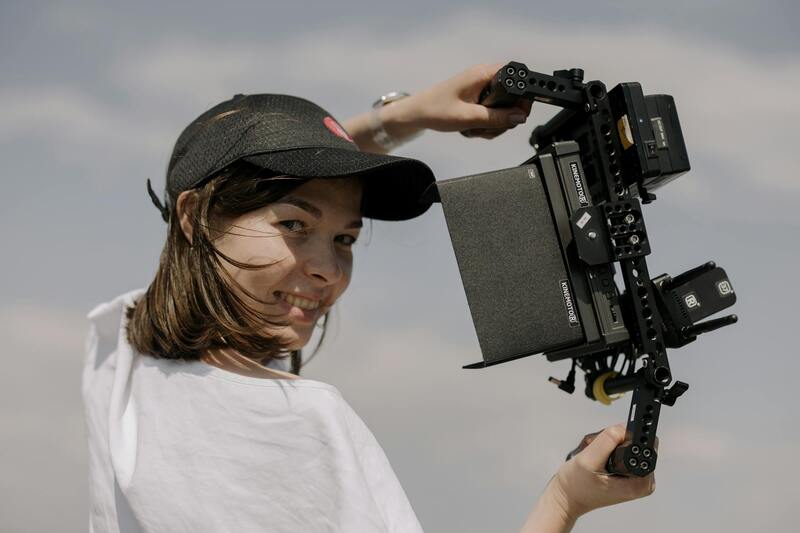
In summary, investing in high-quality drone equipment and employing proper planning practices are essential for producing professional-level residential drone photography. The result is a compelling visual narrative that elevates property listings, attracts motivated buyers, and ultimately accelerates the sale process.
Understanding Residential Drone Photography
Residential drone photography involves capturing high-quality aerial images and videos of homes and properties using specialized unmanned aerial vehicles (UAVs). This innovative approach provides prospective buyers and investors with a comprehensive perspective of a property's exterior, landscaping, and surrounding features. Unlike traditional ground-level photography, drone footage offers dynamic vantage points that highlight the property's unique architectural details, outdoor spaces, and overall curb appeal. Employing advanced stabilization technology and high-resolution cameras, professional drone operators ensure each shot emphasizes the property's best attributes, making listings more engaging and informative.

The Role of Technology in Capturing Optimal Shots
Modern residential drone photography leverages cutting-edge equipment such as 4K cameras, GPS stabilization systems, and automated flight paths to facilitate precision imaging. These technologies allow operators to execute complex flight plans that cover every corner of a property while maintaining safety standards. The use of intelligent obstacle avoidance systems reduces risks during flight by detecting potential hazards like trees, power lines, and structures. Additionally, drone operators carefully plan flight paths to ensure optimal lighting conditions, often scheduling shoots during golden hours—early mornings or late afternoons—to achieve warm, soft illumination that enhances the property's visual appeal.
Safety and Privacy Considerations
Ensuring safety during drone operations is critical when capturing residential properties. Certified pilots adhere to established flight protocols, maintaining safe distances from structures and bystanders. Navigating urban and suburban environments requires precise control and situational awareness to prevent accidents or unintended intrusions into private spaces. Respect for privacy is paramount; drone operators avoid capturing images that infringe on neighboring properties or personal privacy, focusing solely on the targeted property in accordance with best practices.
Composition and Shooting Techniques
Effective residential drone photography involves strategic composition to showcase the property’s most attractive features. This includes capturing multiple angles—front, back, aerial perspectives—and highlighting elements such as landscaped gardens, pools, patios, and architectural details. Utilizing a combination of wide shots and close-up shots allows for versatile marketing materials, including virtual tours and promotional videos. Proper framing, maintaining the rule of thirds, and adjusting camera settings for clarity and color accuracy contribute to creating compelling visuals that attract motivated buyers.
Equipment Selection for Residential Photography
Choosing the right drone equipment is vital for producing professional-grade property visuals. High-end drones equipped with stabilized gimbals, 4K or higher resolution cameras, and intelligent flight modes ensure optimal image quality and ease of operation. Some models include features like HDR imaging, panoramic capture, and LTE connectivity for live streaming. The selection process should consider factors such as flight time, ease of control, and compatibility with various lenses to adapt to different property sizes and complexity levels. Investing in reliable equipment also facilitates faster turnaround times and consistent results across multiple listings.
Environmental and Local Condition Factors
Weather conditions significantly influence the quality and safety of residential drone flights. Clear, windless days during early mornings or late afternoons are ideal to prevent turbulence and ensure sharp images. Overcast conditions can also be advantageous, providing uniform lighting that minimizes shadows and glare. Furthermore, property location aspects—including proximity to overhead obstructions like trees or power lines—must be assessed before deploying drones. Proper planning and condition monitoring optimize outcomes and minimize the need for reshoots, thereby ensuring a seamless workflow that enhances the property's marketability.
Understanding Residential Drone Photography
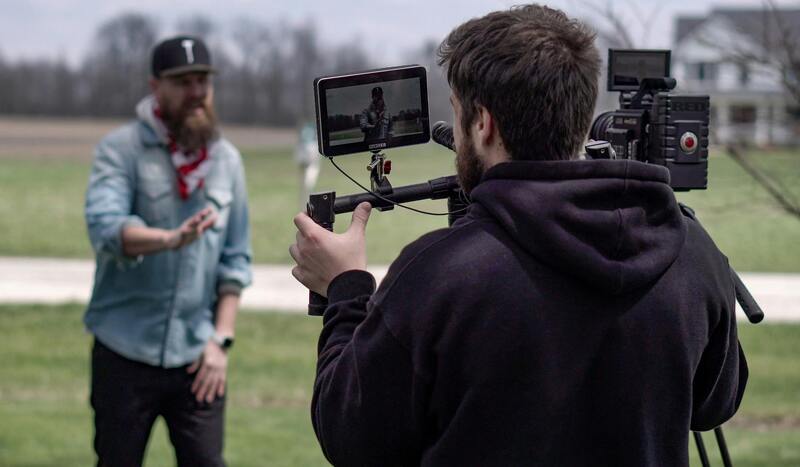
Residential drone photography has revolutionized the way real estate professionals and homeowners showcase properties. By utilizing sophisticated unmanned aerial vehicles equipped with high-quality cameras, this technique captures expansive views of a property’s exterior and surrounding environment from angles previously difficult to achieve. The aerial perspectives reveal the full scope of the property, including lawn layouts, roof conditions, swimming pools, landscaping details, and neighborhood characteristics. These images and videos create a comprehensive visual story, allowing potential buyers to assess property features remotely and efficiently. The precision of drone technology enables the creation of vivid, high-resolution visuals that stand out in competitive listings, highlighting attributes that traditional ground-based photography might overlook. For homeowners seeking to maximize their property's market appeal, integrating engaging drone visuals can significantly influence buyer interest and build trust through transparency about the property's surroundings.
Advantages of Using Drone Photography in Residential Listings
Deploying drone photography for residential properties offers numerous marketing benefits. First, it provides a striking visual advantage by delivering dynamic, panoramic images that capture the property's grandeur and unique features from the sky. This perspective not only attracts viewer attention but also establishes a sense of scale and context, especially when showcasing large estates or properties with extensive land areas. Additionally, drone footage can illustrate the proximity to local amenities, schools, parks, and transportation routes, empowering prospective buyers with a full understanding of the neighborhood's appeal.
- Enhanced visual storytelling: Aerial views complement traditional photos, offering a comprehensive property narrative.
- Faster engagement: Eye-catching visuals increase click-through rates on listings and social media platforms.
- Greater trust: Providing a full property view reassures buyers and helps set accurate expectations.
- Versatility: Drone footage can be easily integrated into virtual tours, online galleries, and marketing materials.
- Cost-effectiveness: Investing in high-quality drone visuals can reduce marketing costs over time by streamlining the listing process.

Legal Requirements and Regulations in Miami, FL
For conducting residential drone photography in Miami, FL, it is essential to adhere to established operational standards and safety protocols. The Federal Aviation Administration (FAA) oversees unmanned aerial vehicle flights, setting guidelines that include pilot certification, airspace restrictions, and operational limitations. In Miami, local ordinances may further specify restrictions around private property, especially concerning privacy and safety zones around urban and residential areas. Flight planning should involve thorough site assessments, considering nearby structures, power lines, and controlled airspace, to ensure compliance. It is advisable for drone operators to obtain necessary certifications and permits that validate their expertise and adherence to regulatory frameworks. Implementing pre-flight risk assessments and maintaining updated insurance coverage contribute to a seamless and professional aerial photography process. Engaging certified operators familiar with the Miami region's specific airspace rules guarantees that drone activities conform to all official guidelines, thereby safeguarding the integrity of the project and reputation of the service provider.
Choosing the Right Drone Equipment for Residential Photography
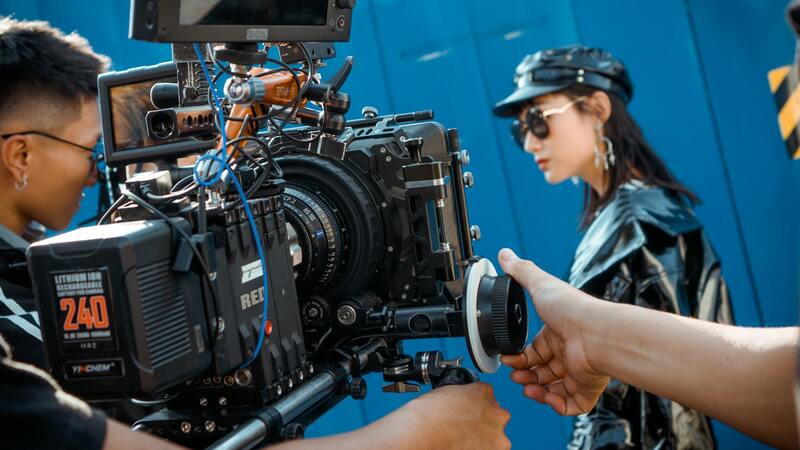
Selecting suitable drone hardware is pivotal in producing exceptional residential real estate visuals. High-performance drones equipped with stabilized gimbals ensure smooth and steady footage, even in moderate wind conditions. Cameras capable of capturing 4K resolution or higher provide detailed, crystal-clear images that highlight property features effectively. Features like HDR imaging allow for balanced exposure across challenging lighting conditions, enhancing visual quality. Panorama capabilities enable expansive views, ideal for showcasing large properties or scenic surroundings. Battery life considerations are equally important, as longer flight times reduce the need for frequent recharges and facilitate thorough coverage. Compatibility with various lenses and payload attachments can further enhance image versatility, whether for wide-angle shots or detailed close-ups. The drone's control system should offer intuitive operation, with intelligent flight modes like waypoint navigation and automated orbit paths simplifying complex shots. Prioritizing reliable, user-friendly equipment ensures consistent production quality and operational safety on every shoot.
Best Practices for Capturing Residential Drone Shots
Effective residential drone photography begins with meticulous planning and execution. Conduct a detailed site survey to identify optimal flight paths that avoid obstructions and respect privacy boundaries. Establish a clear shot list, including aerial angles that accentuate property features such as the roofline, yard, driveway, fencing, and nearby scenic elements. Optimal lighting conditions typically occur during early mornings or late afternoons when natural light is softer and shadows are less pronounced. Using a tripod or flight stabilization system minimizes camera shake, delivering sharp images. Consider elevating your drone to achieve a bird’s-eye view, incorporating foreground and background for aesthetic depth. Smooth, controlled movements during flight animation or video capture create professional, cinematic effects. Utilizing automated flight modes can enhance consistency across shots, while manual controls offer greater creative flexibility. Post-flight, review footage promptly to select the best takes and verify that all desired angles are covered prior to editing.
Post-Production and Editing of Drone Footage
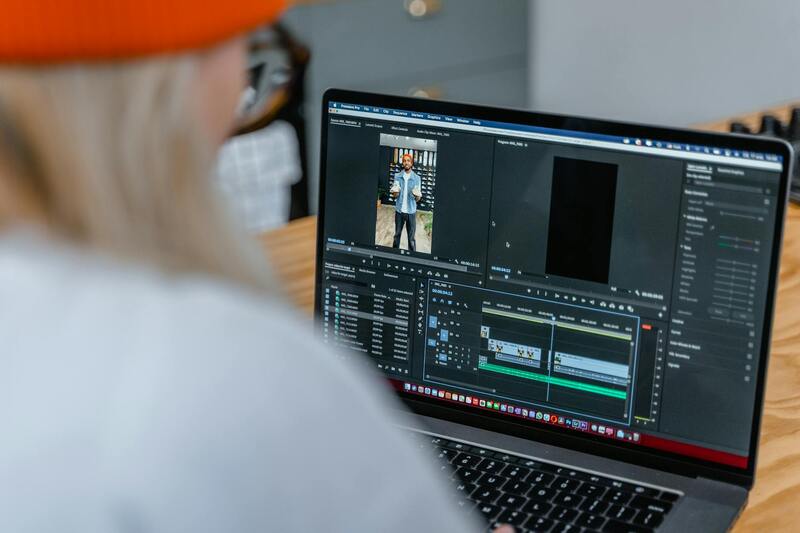
High-quality drone footage requires careful post-processing to maximize visual impact. Initial steps involve organizing and reviewing raw files, selecting images and clips that best convey the property’s unique features. Color grading enhances the overall aesthetic, balancing exposure, contrast, and saturation to produce vibrant, realistic visuals. Correcting lens distortions and stabilizing footage further refines the final output. Incorporating motion stabilization and cinematic transition effects can create engaging virtual tours that hold viewers’ attention. Adding informative overlays or annotations can also highlight key property details, guiding potential buyers through the visual narrative. Sound editing is crucial if audio accompanies the footage; clear, ambient background sounds or narration add professionalism. Export settings should match final distribution channels, whether for online listings, social media, or high-resolution presentations. Consistent editing standards ensure visual coherence across multiple listings, strengthening branding efforts and attracting motivated buyers efficiently.
Ensuring Proper Methodologies in Residential Drone Photography in Miami, FL
To achieve exceptional residential drone photographs that effectively showcase property features and attract potential buyers, employing official and compliant imaging methods is essential. These practices not only enhance the visual quality of your listings but also align with industry standards that respect safety and operational guidelines. When capturing aerial imagery of residences in Miami, FL, professionals utilize high-grade equipment paired with well-established techniques to produce compelling visual narratives.
Utilizing Certified Equipment and Techniques
Professional drone operators select state-of-the-art UAVs equipped with high-resolution cameras capable of capturing detailed images and smooth video footage. These devices are often certified and maintained according to manufacturer specifications, ensuring reliable performance and safety during operation. The strategic use of various lenses—wide-angle for expansive property views and zoom lenses for detailed shots—allows photographers to highlight key areas of the residence with clarity and depth.
Operational methods include pre-flight planning, where specific flight paths are mapped to cover all critical angles of the property while avoiding restricted airspace. This planning involves considering local topography, property layout, and potential obstacles. Flight controls focus on stable, controlled movements, with manual adjustments made for optimal framing and composition. Stability is maintained through sophisticated stabilization gimbals that deliver sharp, shake-free images.
Post-flight procedures include reviewing all footage and photographs to verify quality, consistency, and coverage. This step ensures that every image submitted for editing accurately reflects the property’s unique features and meets industry excellence standards.
Implementing Quality Control Measures
Quality assurance in residential drone photography involves multiple layers of verification. Before any footage is finalized, it undergoes a rigorous review process to detect distortions, lighting inconsistencies, or motion blurs. Color calibration ensures that images portray true-to-life colors, which is critical for helping clients visualize the property's true appeal.
Moreover, operators employ editing techniques such as lens correction to eliminate distortion and stabilization tools to smooth out any minor camera motions. When incorporated into virtual tours or promotional materials, these images benefit from enhancements in contrast, saturation, and exposure, further elevating visual impact.
Respecting Airspace and Property Boundaries
Adhering to designated airspace boundaries and property lines is crucial when conducting residential drone photography in Miami. Operators coordinate with local authorities and property owners to secure any necessary permissions beforehand. This approach fosters a professional and transparent process, building trust with clients and communities alike.
By following regulated airspace protocols through proper planning, operators prevent interference with other aerial activities and ensure safe operations. In doing so, they maintain the integrity of aerial work, supporting broader industry standards and promoting consistent, reputable service delivery.
Conclusion
Employing official methods in residential drone photography in Miami, FL, combines advanced equipment, precise planning, and strict adherence to operational standards. These practices ensure that the visuals captured are not only high-quality but also compliant and respectful of airspace and property constraints. Utilizing such reliable techniques guarantees that property listings are presented in the most compelling way, leading to increased engagement and faster sales outcomes.