

Importance of Quality Property Photos in Real Estate Marketing
In the fast-paced Miami real estate market, captivating visual content is a cornerstone of effective property marketing. High-quality property photos serve not only to attract immediate attention but also to communicate the unique features and ambiance of a property with clarity. Potential buyers often form their initial impression from online listings, making the visual presentation crucial to standing out amidst numerous competitors.
Exceptional images can significantly increase the visibility of a listing, leading to higher engagement and faster sales cycles. They facilitate remote viewing, allowing prospective buyers to explore properties virtually, which broadens the reach of marketing efforts. For real estate professionals and property owners alike, investing in professional photography is a strategic move to ensure listings are compelling, trustworthy, and aligned with the high standards expected in Miami’s vibrant real estate scene.
The importance of quality property photography extends beyond mere aesthetic appeal; it influences buyer confidence and decision-making. Clear, well-composed images can highlight the spaciousness of interiors, the appeal of outdoor spaces, and the flow of a property’s layout, all integral factors in buyer interest. With the proliferation of digital platforms and social media, the impact of visual content is unmatched, making professional photography an essential component of a successful marketing strategy.
Moreover, the competitive nature of Miami’s real estate market means that a well-executed visual presentation can be the decisive factor that propels a property to the top of interest lists. Real estate agents and property owners committed to excellence recognize that investing in high-quality property photos is an investment in a faster, more profitable sale.
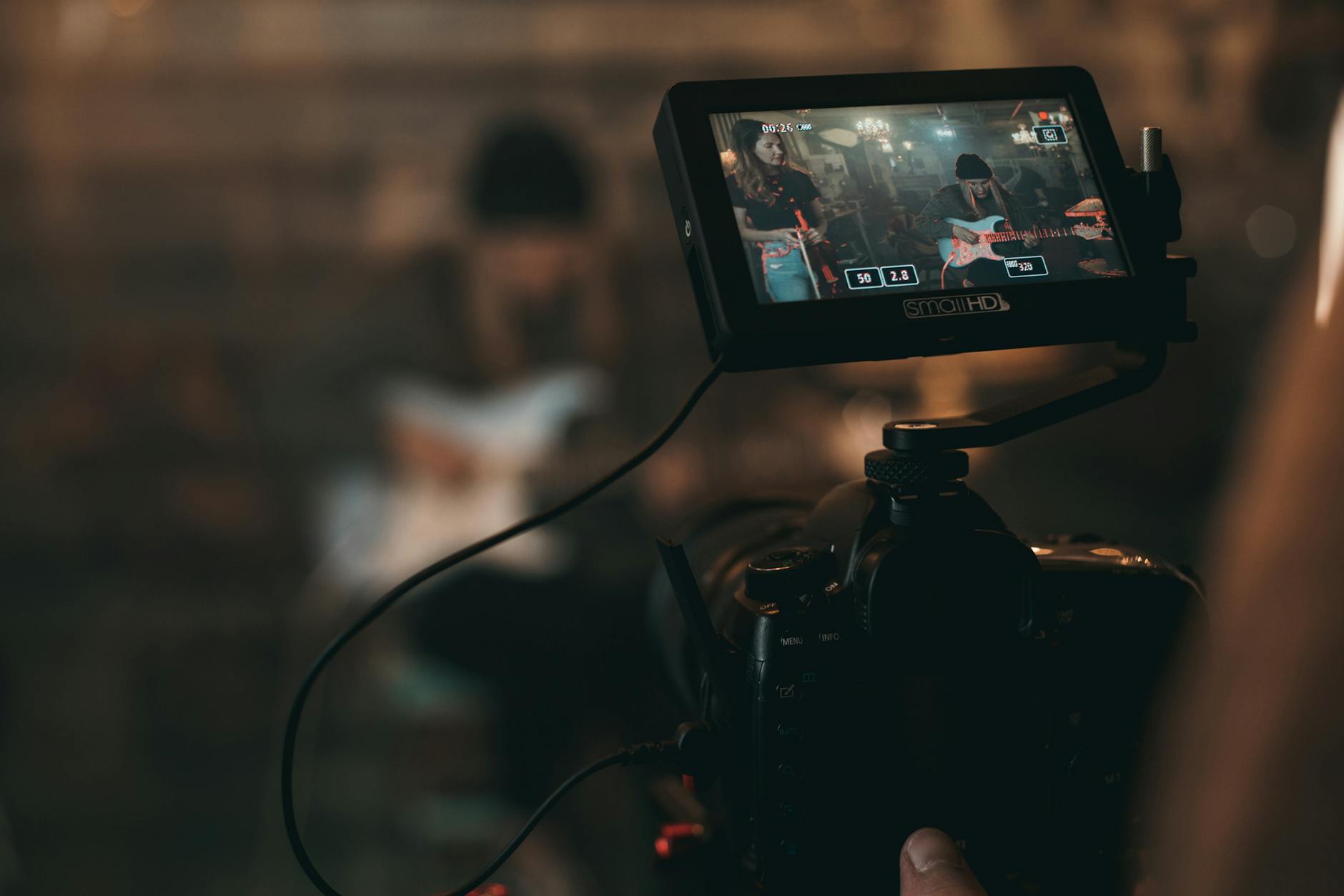
Choosing the Right Photography Equipment and Techniques
In professional real estate photography, selecting the appropriate equipment is fundamental for capturing high-quality property images that accurately represent the space and allure potential buyers. The use of high-resolution digital cameras equipped with wide-angle lenses allows photographers to capture expansive interior and exterior shots, emphasizing the openness and scale of a property. Wide-angle lenses are particularly advantageous in making rooms appear more spacious and inviting, which is a crucial aspect in real estate marketing.
Furthermore, stability is critical when photographing interiors. Tripods and stabilizing equipment prevent camera shake, ensuring sharp, clear images. In low-light conditions or indoor settings with limited natural light, professional photographers often utilize external lighting sources or advanced camera settings like increased ISO to maintain brightness and clarity without graininess.
Techniques such as HDR (High Dynamic Range) imaging enable the blending of multiple exposures to balance highlights and shadows, resulting in images that accurately depict the property's true colors and lighting conditions. Proper use of aperture and shutter speed settings further enhances image quality, allowing particular focus on key features such as custom kitchens, luxurious bathrooms, or scenic outdoor views.
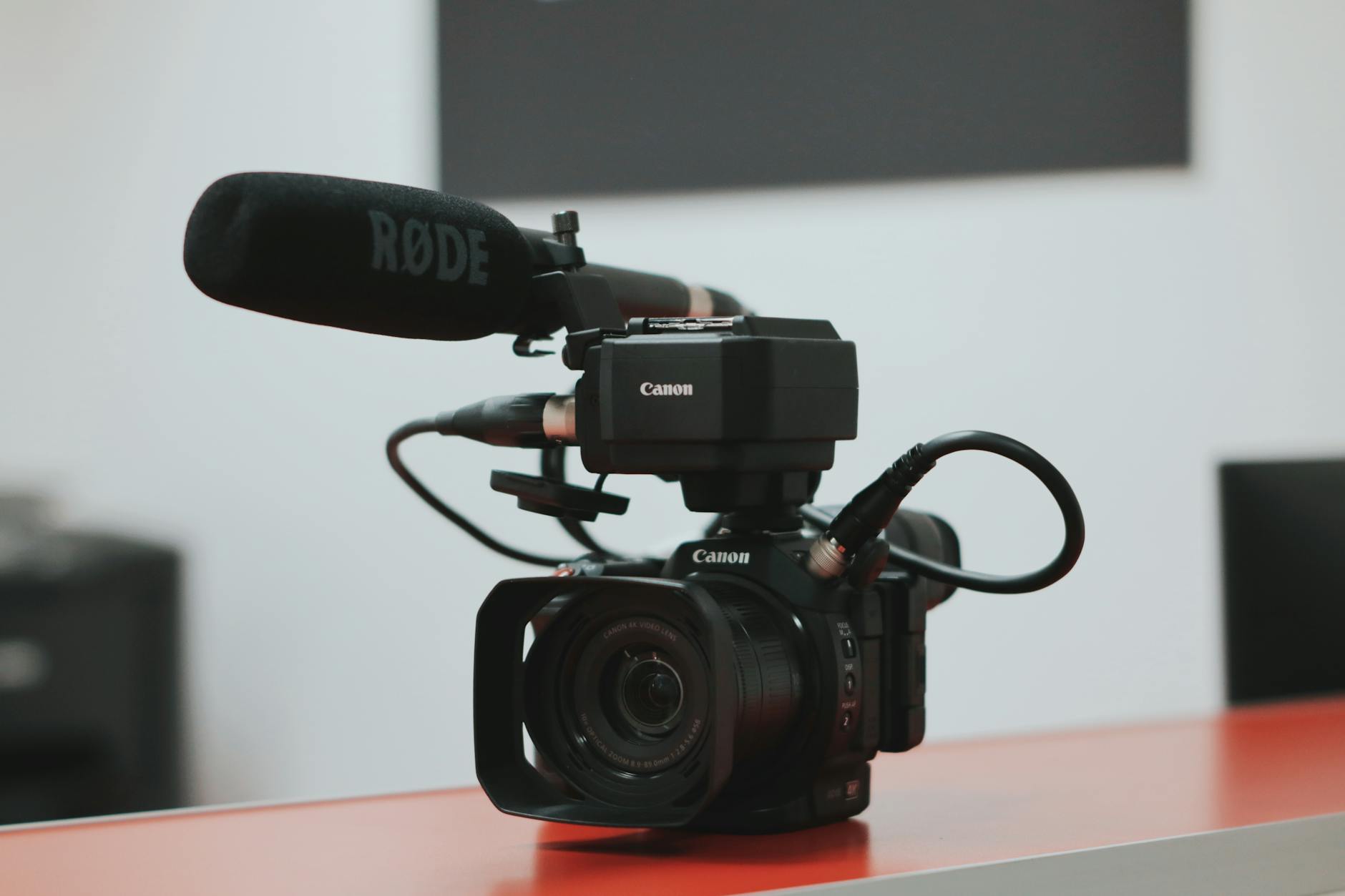
In addition to equipment, mastery of photographic techniques—such as strategic framing, appropriate focus points, and natural lighting utilization—is essential for creating compelling property images. For instance, photographing during the golden hour can maximize natural light and produce warm, inviting photographs that resonate with prospective buyers.
Importance of Staging and Preparing the Property
Effective staging and thorough property preparation significantly influence the outcome of visual marketing efforts. Before a photography session, decluttering spaces is paramount to ensure that rooms appear neat and inviting. Removing personal items, excess furniture, and distracting elements helps to create a clean canvas that allows the property’s best features to stand out. Well-maintained areas, including freshly cleaned carpets, manicured lawns, and spotless surfaces, convey a sense of care and quality to viewers.
Staging can also involve arranging furniture to highlight a room's functionality and space. Strategically placing decor enhances the visual appeal, guiding viewers' attention to focal points like fireplaces, panoramic windows, or modern kitchen islands. Properly prepared properties translate to images that evoke emotional connections, encouraging potential buyers to envision themselves living in the space.
In addition, ensuring the property is well-lit, with natural light maximized during the shoot, helps create bright and attractive images. Opening curtains, turning on lights, and choosing optimal times of day for exterior shots all contribute to compelling visuals that draw interest and positively influence online engagement.
Discussion of Camera Settings, Lenses, and Drone Photography to Ensure Clear, Wide, and Engaging Images of Properties
Achieving high-quality real estate photos begins with employing the right photographic tools and techniques. A professional photographer will typically utilize advanced camera settings optimized for interior and exterior shots. Aperture settings are carefully adjusted to maintain clarity across multiple focal points, ensuring that both foreground and background elements are sharp. A smaller aperture (higher f-stop) is often preferred to increase depth of field, especially in interior shots where multiple planes need to be in focus.
ISO settings are calibrated to minimize noise, particularly when working in low-light conditions or indoor environments with challenging lighting. A lower ISO results in cleaner images with less grain, which is essential for showcasing the property's finer details. Shutter speed is also manageable to effectively balance exposure and minimize motion blur, especially when capturing exterior shots in windy conditions or during twilight hours.
Lens selection significantly impacts the composition and perspective of property photos. Wide-angle lenses, typically between 14mm and 24mm, are favored for interior shots because they can encompass more of a room’s dimensions, making spaces appear larger and more inviting. However, it is important to avoid excessive distortion that can misrepresent the property, which might mislead potential buyers or distort proportions.

For outdoor photography and aerial shots, drone technology provides a unique perspective, displaying the property's size, surrounding landscape, and accessibility. Advanced drone photography allows for capturing sweeping views from above, offering potential buyers a comprehensive understanding of the property's location and environment. These images often stand out in online listings, attracting more views and engagement.

In addition to camera and lens selection, post-processing techniques further enhance the quality of property photos. Professionals use editing software to correct exposure, balance color, and correct distortions. However, it’s crucial to maintain authenticity; over-editing can lead to misrepresentation, which can impact the credibility of the listings. Tailoring the editing process ensures images retain realistic colors and proportions, providing an accurate view of the property.
Legal and Ethical Considerations in Property Photography
Maintaining transparency and respect for property owners' privacy is fundamental when capturing real estate images. Ensuring that all necessary permissions are obtained before photographing a property helps prevent misunderstandings and fosters trust with clients and sellers. It is essential to clearly communicate the scope of the photography, including the areas to be shot and the intended usage of the images, to align expectations and avoid potential disputes.
Accuracy in representation is a critical aspect of credible real estate photography. Photos should reflect the actual condition, size, and features of the property without exaggeration or misleading enhancements. This includes avoiding the use of over-the-top filters or editing techniques that could distort perceptions of space, color, and detail. Honest portrayal supports informed decision-making for prospective buyers and helps sustain reputation within the local market.
Additionally, compliance with local regulations concerning drone photography and aerial shots is necessary. This involves respecting airspace restrictions and privacy rights of neighboring properties. Properly trained operators and the use of certified equipment ensure that aerial images are captured safely and responsibly, further supporting a trustworthy imaging portfolio.

Professional photographers also adhere to intellectual property rights by only using licensed or properly acquired images, avoiding infringement issues. When property staging or digital enhancements are used, transparency about these modifications helps prevent misleading the audience. Clear and honest communication about what buyers can expect ensures that the visual content reinforces a positive reputation for all involved parties.
Optimizing Photos for Online Listings and Marketing
To effectively reach prospective buyers and maximize property exposure, it is essential to optimize real estate photos for various online platforms. Properly formatted images enhance the visual appeal of listings, significantly increasing engagement and clicks. This process involves selecting appropriate cover images, photo formats, and resizing images to meet platform specifications.
When choosing cover images, prioritize photos that showcase the property’s best features—bright, wide-angle shots of the living room or exterior often serve as compelling lead images. These images should be crisp, well-lit, and accurately represent the property's ambiance to attract viewers' attention immediately.
Considering social media and online listings, orient images in formats compatible with each platform’s requirements, typically JPEG or PNG. High-resolution images without excessive compression maintain clarity when viewed on different devices. Ensuring images are optimized for fast loading times is also crucial, as slow-loading images can lead to higher bounce rates and missed opportunities.
In terms of sizing, adhere strictly to the platform guidelines. For example, listing services like MLS often specify pixel dimensions for main images and thumbnails. Consistently applying these standards prevents automatic cropping or distortion that could compromise visual quality. Additionally, multiple photo angles should be curated to provide a comprehensive view without overwhelming viewers. Usually, between 20 and 30 carefully selected images strike a balance between thoroughness and viewer engagement.

Beyond image specifications, it is equally important to include detailed captions and descriptions that complement the visual content. Descriptive text enhances search engine optimization (SEO), making listings more discoverable by prospective buyers searching for specific features or locations. Incorporating relevant keywords naturally into descriptions improves the listing’s organic search ranking, drawing more targeted traffic.
Utilizing strategic hashtags and optimized titles on social media platforms further enhances reach. Consistent branding and professional presentation across all marketing channels reinforce credibility and help distinguish your listings in a competitive market.
Legal and Ethical Considerations in Property Photography
When capturing real estate property photos, adherence to established standards of permission and representation is essential. Securing proper authorization from property owners or authorized representatives ensures that all imagery used in marketing campaigns is appropriate and compliant with regulations. This process not only safeguards the integrity of the listing but also helps in fostering trust with potential buyers and clients.
It is crucial to provide an accurate representation of the property’s condition and features without exaggeration. Photographers and marketers should avoid utilizing techniques or edits that could mislead viewers regarding the size, layout, or condition of the property. Misleading images can lead to disappointment or distrust when prospective buyers visit the property, ultimately affecting reputation and sales outcomes.
Respect for privacy is another pivotal aspect in real estate photography. This involves obtaining consent before photographing personal spaces or residents and ensuring that any identifiable individuals are informed and have approved the imagery’s use. Careful consideration should be given to photographing private areas that contain personal belongings or sensitive spaces, and where necessary, such as in shared accommodations, consent from all involved parties should be documented.
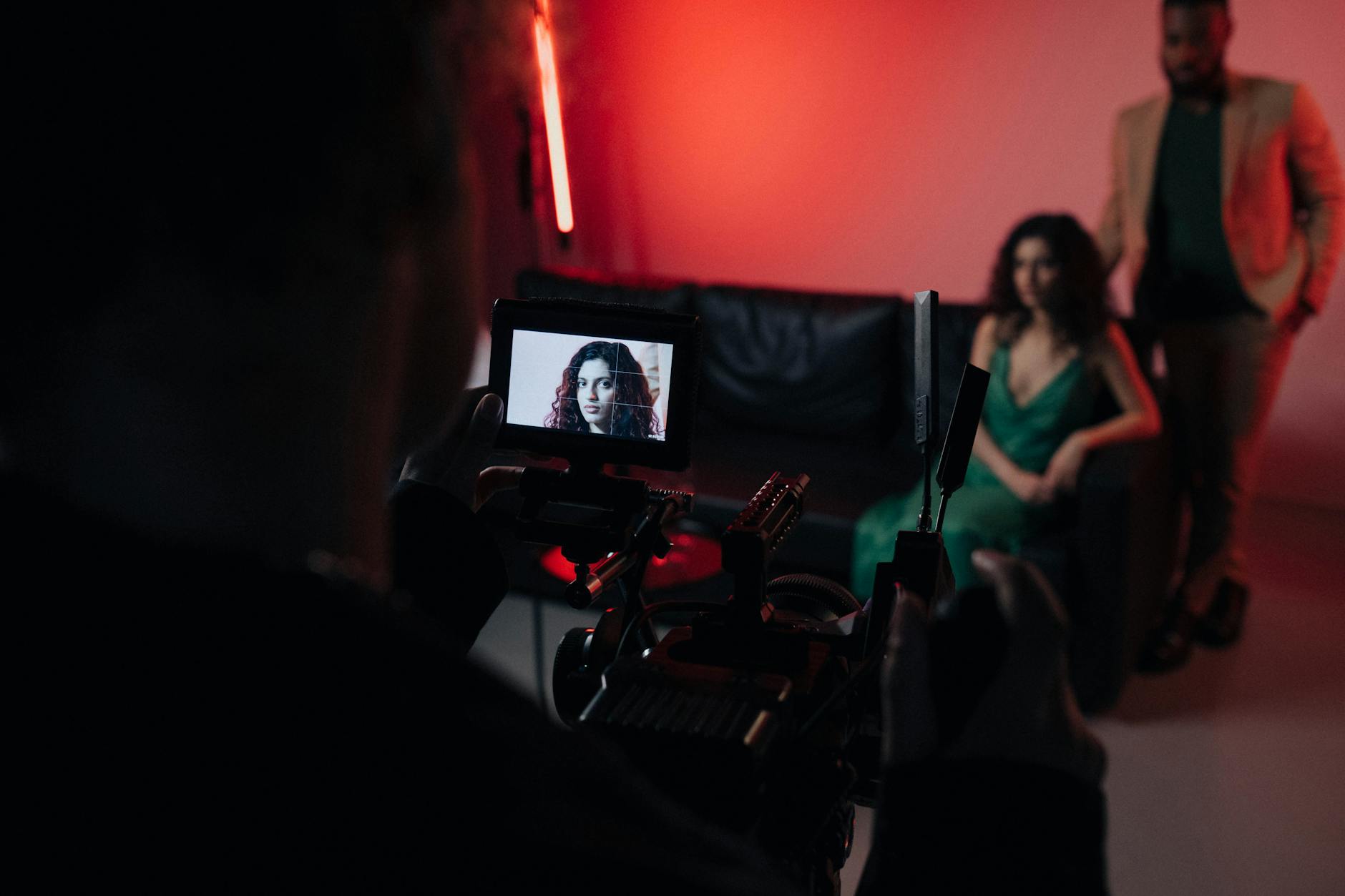
Maintaining transparency and honesty in visual content is vital for compliance with industry standards. This approach not only protects reputation but also ensures that marketing efforts align with ethical practices, fostering long-term relationships with clients and customers. As the real estate market continues to evolve, so too does the importance of maintaining high standards for visual communication, which ultimately supports healthier transactions and a more trustworthy marketplace.
Using Editing and Post-Production to Enhance Photos
High-quality editing and post-production techniques play a crucial role in presenting real estate images that are visually compelling yet truthful. When executed professionally, editing can correct common issues such as uneven lighting, color imbalance, or perspective distortions, ensuring that each photograph accurately reflects the property's features. These adjustments help to create a balanced, inviting visual experience that appeals to potential buyers without misleading them about the property's condition or appearance.
One of the primary objectives of photo editing is to ensure clarity and vibrancy. Adjusting brightness and contrast can eliminate dullness or overly dark areas, revealing the property's true ambiance. Color correction is vital for showing the authentic hues of walls, flooring, and outdoor elements, preventing misinterpretation of space or materials. Straightening skewed images and aligning horizons help maintain a professional aesthetic, avoiding visuals that appear unbalanced or amateurish.
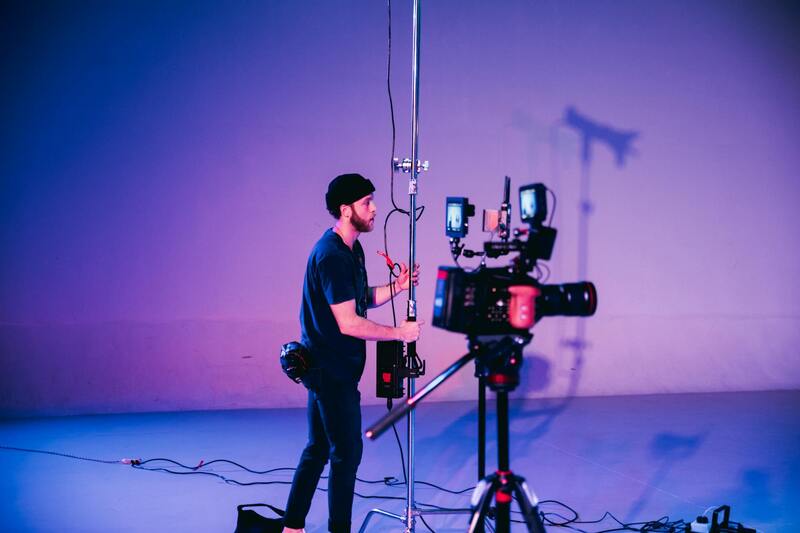
It is essential that editing practices do not alter the substantive aspects of a property’s appearance. Overuse of advanced editing, such as object removal or significant alterations, can inadvertently create false impressions, which might erode trust when prospective buyers visit the property. Therefore, an emphasis on subtle rather than drastic adjustments ensures the integrity of the visuals remains intact, fostering transparency and reliable marketing efforts.
Proficient post-production also involves maintaining consistency across multiple images. Cohesive color schemes, lighting, and perspectives across a series of photos give potential buyers a clear and reliable virtual tour of the property. This uniformity enhances user experience and boosts confidence in the listing, ultimately attracting serious inquiries and interest.
Employing these refined editing techniques requires a skilled approach, preferably handled by experienced photographers or retouchers familiar with real estate standards. When done correctly, post-production transforms raw images into polished, engaging visuals that optimize a property’s market potential without compromising authenticity or misleading viewers.
Using Editing and Post-Production to Enhance Photos
In the realm of real estate marketing, post-production editing plays a vital role in ensuring property photos are visually compelling and professional. Effective editing enhances the natural beauty of the property, ensuring that the images accurately reflect the space’s true appearance. Subtle adjustments in color correction, lighting, and sharpness can significantly improve the overall aesthetic, making photos more appealing to potential buyers.
However, it is crucial that editing maintains the authenticity of the property. Overly aggressive manipulations—such as enlarging rooms artificially, removing fixtures, or altering colors extensively—can create misleading impressions. Such practices may lead to customer distrust or disappointment during physical visits, undermining the credibility of the listing. Emphasizing meticulous, restrained editing preserves a realistic portrayal while highlighting key features effectively.

Consistency across image series enhances user experience, as it provides a seamless virtual tour. Uniform lighting, color schemes, and perspective adjustments give a cohesive visual narrative, boosting confidence for prospective buyers browsing online. This attention to detail in post-production fosters a sense of professionalism and trustworthiness, crucial elements in competitive markets like Miami.
The process often involves advanced techniques such as lens correction, perspective correction, and minor retouching. Skilled editors work closely with photographers to ensure that these adjustments do not distort the original structure or features of the property. When executed with expertise, editing transforms basic raw images into engaging visual tools that highlight the property's best aspects without compromising integrity.
Furthermore, maintaining a high standard of post-production quality aligns with modern digital marketing expectations. Buyers increasingly rely on visually captivating listings, and well-edited images can significantly influence their interest. Consequently, investing in professional editing serves as a strategic step toward creating compelling marketing materials that resonate with the target audience.