

Understanding the Importance of Real Estate Photography Marketing
In the competitive landscape of Miami real estate, the role of high-quality photography cannot be overstated. Visual appeal is often the first interaction potential buyers have with a property, making it imperative to present each listing through compelling imagery that captures its best features. Effective real estate photography marketing not only attracts more interest but also significantly accelerates the sales process by standing out amid countless listings.

In Miami, where the real estate market is vibrant and diverse, presenting property images with clarity, professional composition, and strategic lighting can make a distinctive difference. Listings with vibrant, well-lit photographs tend to generate increased click-through rates, leading to better engagement from potential buyers. High-quality imagery ensures that every property’s unique allure is showcased, from luxury condos overlooking the ocean to spacious suburban homes.
The shift towards digital platforms highlights the importance of visual content in real estate marketing strategies. As most buyers begin their property searches online, the quality of images becomes a crucial factor influencing their decision to explore further. Professional photography provides a competitive edge by accurately representing the property’s interior and exterior, including key features, layouts, and views that resonate with target audiences.

Moreover, visually appealing images contribute to building credibility and trust with prospective clients. High-quality photographs convey professionalism and a commitment to quality service, fostering confidence in the listing agent and the properties they represent. This level of presentation is particularly vital in Miami’s fast-paced market, where buyers often make quick judgments based on initial visual impressions.
Investing in exceptional real estate photography marketing strategies results in a measurable increase in listing visibility and buyer interest. As a cornerstone of comprehensive property promotion, compelling visuals serve as a powerful tool to differentiate listings, facilitate quicker sales, and ultimately lead to successful transactions. In essence, the visual storytelling enabled by excellent photography forms the foundation for effective real estate marketing campaigns in Miami's dynamic property market.
Implementing Consistent Quality Control for Your Property Imagery
Maintaining high standards across all visual content is essential for building a trustworthy and professional real estate marketing campaign. To achieve this, establishing strict quality control protocols ensures that every photo aligns with the desired standards, effectively capturing the property's best features. This process involves detailed checklists that cover image clarity, color accuracy, proper lighting, and proper framing, ensuring that no critical details are overlooked before publishing.
Consistent post-production editing also plays a vital role. Uniform color grading, sharpening, and retouching facilitate a cohesive visual narrative across all listings. It prevents visual inconsistencies which could distract or diminish a potential buyer’s impression. Regular training sessions for your photography team can help maintain technical proficiency, providing updates on the latest editing software and techniques.
Furthermore, integrating feedback mechanisms allows continuous improvement. By analyzing engagement metrics and soliciting client or buyer feedback on images, you can identify areas for enhancement. This iterative process helps refine your approach, ensuring that your visual content remains compelling and relevant.
Ultimately, quality assurance leverages meticulous attention to detail at every stage—from initial shoot through final editing—preserving a high standard of presentation. This dedication to excellence elevates your property listings, supporting a stronger brand reputation and attracting more serious inquiries from qualified buyers.
Harnessing the Power of Visual Data Analytics
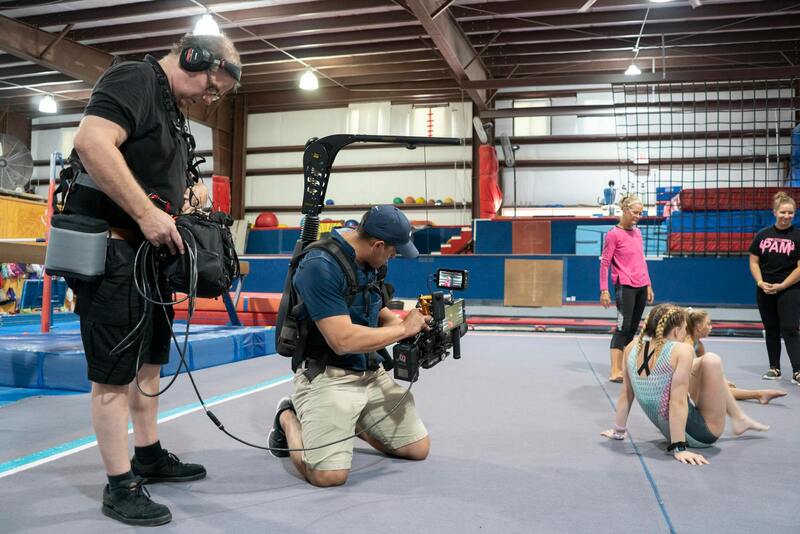
Advanced data analytics offer invaluable insights into how your property visuals perform across different platforms. By tracking engagement metrics such as click-through rates, time spent viewing images, and conversion rates, you can gauge the effectiveness of specific visual content. These data points facilitate strategic adjustments, allowing you to optimize your photography for better audience response.
Employing analytical tools enables segmentation of your target market, revealing preferences for certain property styles, angles, or lighting conditions. This targeted insight helps tailor visual content to resonate more effectively with specific buyer demographics, enhancing overall marketing impact.
Moreover, A/B testing different photography styles or image sequences can identify which visual strategies attract the most interest and engagement. Recording these insights over time guides more informed decisions about investment in photography techniques and styles.
Integrating data-driven approaches into your real estate photography marketing efforts creates a feedback loop that continuously refines your visual presentation. Over time, this leads to improved listing visibility, higher buyer engagement, and faster sales cycles, making data analytics an indispensable component of modern property marketing strategies.

Effective Use of Official Real Estate Photography Resources
Integrating legitimate photography techniques into your real estate marketing strategy requires a focus on utilizing accredited services and adhering to industry standards. Professional photography companies with proven track records offer extensive portfolios that demonstrate their capacity to showcase properties at their best. These firms employ high-end cameras, lighting equipment, and editing software to produce images that highlight not only the property’s features but also its potential appeal to prospective buyers.
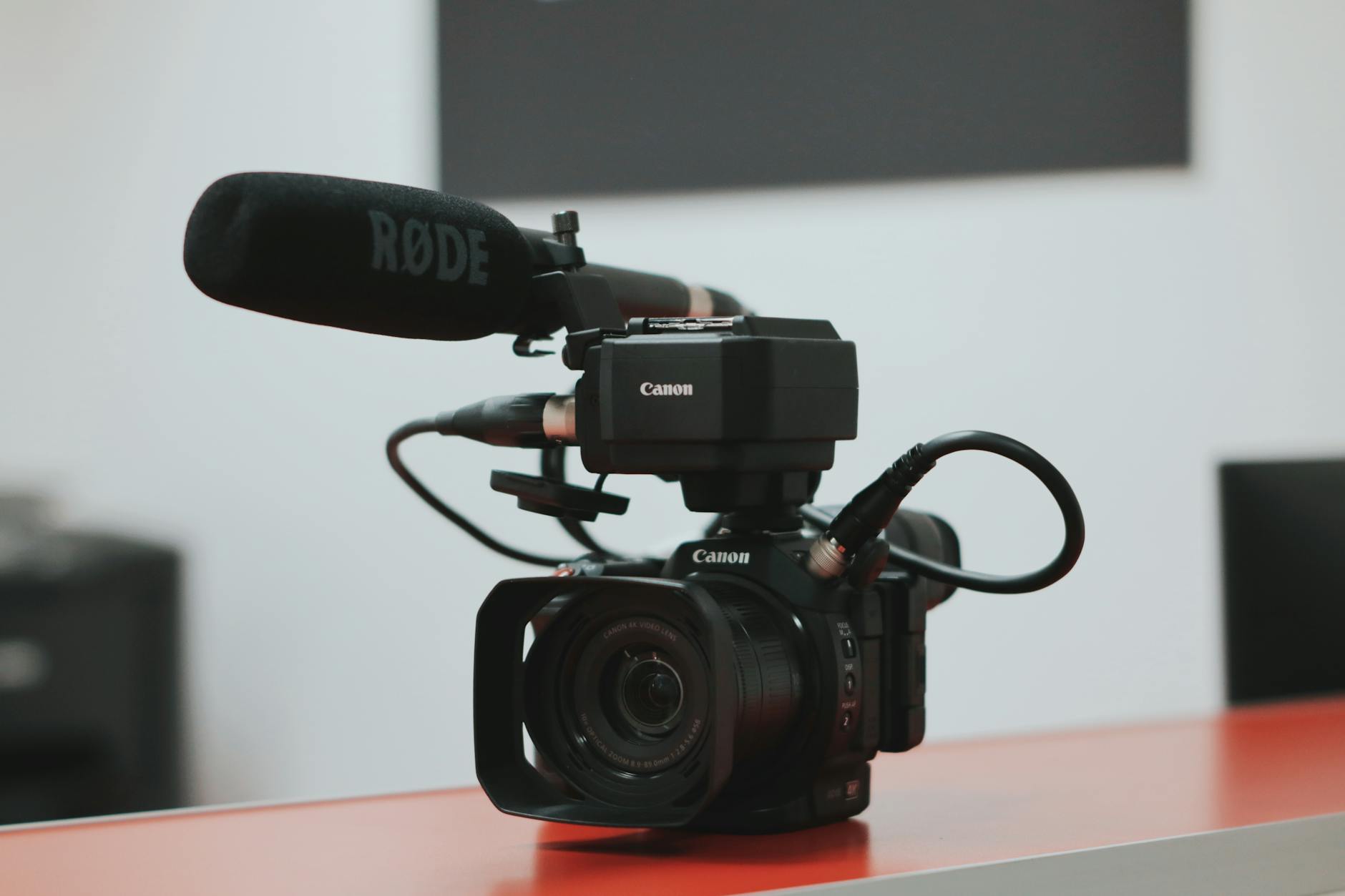
Collaborating with experienced photographers who understand real estate marketing can significantly elevate your property’s presentation. These professionals are adept at choosing optimal angles, lighting, and staging techniques to create compelling visuals that resonate with buyers. Additionally, they are trained in capturing both interior and exterior shots that reveal the property’s best features, from spacious rooms to meticulously maintained landscapes.
Incorporating professionally shot images into your online listings not only enhances visual appeal but also fosters trust with potential clients. High-resolution, well-composed photographs suggest a commitment to quality and attention to detail, which can influence viewers’ perceptions positively. Furthermore, working with established photography services often means receiving consistent results, making it easier to maintain a cohesive and polished marketing presence across multiple properties.
Protocols for Legitimacy and Best Practices in Photography Selection
To ensure quality and consistency, opt for photography services that follow industry-approved standards and utilize state-of-the-art equipment. For example, employing 4K or higher resolution cameras ensures crisp, detailed images, while professional lighting systems eliminate harsh shadows or overexposure. Post-production editing should be performed with care to enhance, not distort, the property's actual appearance—preserving authenticity while maximizing appeal.
Beyond the photography itself, quantity and diversity of shots are crucial. A legitimate marketing approach includes a variety of perspectives: wide-angle shots of living rooms, detailed images of unique architectural features, and exterior shots captured at optimal times of day such as during golden hour. These comprehensive visuals equip potential buyers with a realistic yet attractive view of the property, aiding their decision-making process.
Compliance and Ethical Considerations
Meticulous adherence to honest representation is essential in real estate photography. All images should accurately depict the property's condition without misleading alterations or digital enhancements that could distort scale or spatial relationships. Using licensed editing tools and respecting copyright laws when sourcing images or stock photographs maintains transparency and integrity within your marketing campaigns.
Documenting your collaboration with licensed photography providers and maintaining records of service agreements can serve as verification of your commitment to legitimate practices. This transparency not only fortifies your branding but also builds confidence among clients and partners who value authenticity and professionalism in property marketing.
Enhancing Property Image Quality Through Strategic Editing
For real estate marketing to be truly effective, the quality of property images must be optimized for maximum visual impact while maintaining authenticity. Post-production editing plays a critical role in highlighting a property's best features. Using professional editing tools ensures adjustments such as brightness, contrast, and color balance enhance the image without altering the true appearance of the property. This careful approach aids prospective buyers in forming an accurate perception, fostering trust and engagement.

Image sizing and compression are also vital to improve loading times on online platforms, preventing potential visitors from abandoning listings due to slow load speeds. Optimizing images ensures they are appropriately scaled for different devices, from desktops to smartphones, without compromising resolution. Compressing images without significant quality loss minimizes data usage, facilitating quicker access and a better user experience. These practices contribute to higher engagement rates, more views, and ultimately, increased inquiries.
Effective Formatting and Presentation of Property Visuals
Presenting images in a clean and organized manner enhances overall listing appeal. Implementing a logical sequence—such as starting with an external shot, followed by interior views, and culminating with special features—guides potential buyers through a comprehensive visual narrative. Consistent framing, lighting, and perspective across images foster a professional appearance and elevate the perceived value of the property.
Utilizing Visual Elements to Guide Viewer Attention
- Highlight key features: Focus on spacious living areas, updated kitchens, or unique architectural details with close-up shots.
- Showcase scale: Use wide-angle lenses to portray room sizes accurately, aiding buyers in visualizing living spaces.
- Incorporate natural light: Capture images during optimal times of day to enhance the property's ambiance.
Additionally, integrating complementary visual cues such as floor plans, virtual tours, and 360-degree images can significantly improve the overall marketing effort. These resources provide a comprehensive view that caters to diverse buyer preferences and enhances engagement.
Maximizing Online Reach With Polished Visual Content
High-quality images significantly influence online listing performance. When listing images meet best practices—sharpness, proper lighting, and professional editing—they generate higher click-through rates and attract more prospective buyers. This, in turn, increases the chances of a quick sale or rental.
Effective real estate photography marketing extends beyond the images themselves. It encompasses having a strategic approach for image presentation, ensuring consistency, and applying technical optimizations. In this way, property visuals serve as compelling advocates, truly representing the property's potential and encouraging valuable inquiries.
Effective Utilization of Visual Content Across Digital Platforms
In today's competitive real estate market, the strategic deployment of high-quality property images is crucial for maximizing online visibility. Listings on property portals are often the first touchpoint for potential buyers, making compelling visuals essential for capturing their interest. To achieve this, real estate professionals must ensure that images are not only visually appealing but also formatted consistently across all digital channels.
Website integration plays a pivotal role in this process. Well-optimized images load quickly and adapt seamlessly to various screen sizes, providing an optimal viewing experience. This involves compressing images without sacrificing clarity, employing appropriate file formats, and utilizing responsive design principles. Such technical considerations guarantee that prospective buyers can browse listings effortlessly, regardless of the device used.
Social media platforms further amplify the reach of property visuals. Platforms like Instagram, Facebook, and LinkedIn serve as dynamic venues where authentic and eye-catching images can generate organic engagement. Content tailored for these channels—such as carousel posts, stories, and reels—maximizes exposure, encouraging shares and interactions. Regularly updating posts with fresh imagery maintains audience interest and helps build a cohesive brand image.

Email marketing campaigns benefit significantly from professional photos as well. Including crisp, well-lit images in newsletters and targeted emails ensures the property stands out in crowded inboxes. Coupled with compelling descriptions, these visuals motivate recipients to explore listings further or arrange viewings.
Integrating Virtual Tours and Interactive Visuals
Beyond static images, incorporating virtual tours, 360-degree panoramas, and interactive floor plans creates an immersive experience for potential buyers. These features allow viewers to navigate the property at their own pace, gaining a comprehensive understanding of spatial layouts and design elements. Embedding such content within emails, websites, or social media posts enhances engagement metrics and increases the likelihood of inquiries.
Consistent branding across all visual content is essential for reinforcing brand identity. Using cohesive color schemes, watermarks, and logo placements ensures that every visual asset aligns with your agency’s branding strategy. This uniformity not only establishes credibility but also makes your listings instantly recognizable to potential clients.
Conclusion
To effectively utilize real estate photography marketing, optimizing images for each digital channel—websites, social media, emails, and virtual tours—is vital. Employing best practices in image quality, technical optimization, and brand consistency results in greater visibility, increased engagement, and ultimately, a higher rate of successful transactions. With careful planning and execution, visual content becomes a powerful tool in showcasing property potential and attracting discerning buyers at every stage of their journey.
Strategies for Establishing Credibility and Building Trust
In the realm of real estate photography marketing, fostering trust is essential for converting inquiries into successful transactions. To achieve this, real estate professionals and photographers should prioritize consistency in image quality and presentation across all marketing channels. Reliable, high-quality visuals serve as a testament to the property's value and the agent's professionalism, helping to establish a strong reputation within the target market.
Implementing verified client testimonials and case studies can significantly enhance credibility. Showcasing satisfied clients and successful sales that were facilitated through professional photography demonstrates proven results, encouraging new prospects to engage. Additionally, showcasing behind-the-scenes content, such as the meticulous preparation of photoshoots or the use of advanced photographic equipment, illustrates transparency and a commitment to excellence.
Maintaining open communication channels with clients and potential buyers further promotes trust. Providing clear information about the photography process, expected outcomes, and timelines alleviates uncertainties. Offering educational content, such as guides on preparing a property for photoshoots, establishes authority and position your brand as a knowledgeable leader in real estate marketing.

Consistent branding extends beyond visuals to include cohesive messaging and professional presentation. Utilizing branded templates for digital advertisements, virtual tours, and listing descriptions ensures that every touchpoint reinforces your agency’s identity. Establishing a recognizably professional aesthetic helps potential clients and buyers quickly associate visuals with your trusted services.
Finally, adherence to best practices for privacy and data security demonstrates respect for client confidentiality, which is a cornerstone of trustworthiness. Ensuring that client information, property details, and multimedia content are handled responsibly not only complies with industry standards but also builds confidence among stakeholders.
Effective Strategies for Real Estate Photography Marketing
Implementing legitimate and proven methods to showcase property visuals is fundamental to attracting qualified buyers and enhancing brand reputation within the real estate industry. Utilizing official channels and techniques ensures that your marketing efforts align with industry standards, providing transparency and fostering trust among clients and prospects. The strategic deployment of photography across multiple platforms, combined with targeted advertising campaigns, enhances the visibility and appeal of property listings, translating ultimately into faster sales cycles and increased market share.
Consistent and Professional Use of Visual Content
Maintaining high-quality visuals across all marketing touchpoints is critical. This includes using professionally captured images that meet industry standards for resolution, lighting, and composition. When these visuals are integrated seamlessly into online listings, virtual tours, and print materials, they create a cohesive experience that reinforces your brand image. Consistent styling and branding within visual content strengthen recognition and establish your agency as a leader in quality and reliability.

Distribution Through Official Digital Channels
Maximizing the impact of property images relies heavily on their strategic placement within authorized digital platforms. These include well-maintained websites, verified property listing portals, and industry-approved social media channels. Ensuring images are optimized for each platform improves load times and display quality, providing a seamless viewing experience for potential buyers. Additionally, incorporating consistent branding and professional descriptions alongside each image reinforces your authority and enhances the overall engagement rate.
This approach not only increases property visibility but also helps in tracking engagement metrics, thereby enabling data-driven decision-making for future campaigns.
Leveraging Data and Metrics for Campaign Optimization
Tracking the performance of visual content through reliable analytics tools helps assess the effectiveness of your real estate photography marketing efforts. Key performance indicators such as website traffic, engagement duration, inquiry rates, and conversion ratios provide valuable insights. Regular analysis of these metrics ensures that marketing strategies are aligned with market response, allowing for adjustments that improve campaign effectiveness over time. By focusing on legitimate data sources, your firm can refine its tactics and more efficiently allocate resources toward initiatives that yield measurable results.
Sample Visuals for Enhanced Property Presentation
Careful visual curation, including the use of aerial shots, detailed interior views, and virtual staging, supports a comprehensive storytelling approach. These visuals serve as compelling assets to attract serious buyers and heighten the perceived value of each property. Professional editing and adherence to best practices in lighting and framing are essential to produce images that resonate with prospective clients, ultimately leading to more inquiries and faster sales.

Integrating Photography Efforts Within Broader Marketing Campaigns
Authentic visual content should be seamlessly incorporated into comprehensive marketing strategies that include email campaigns, print advertisements, and virtual tours. Consistency in image quality and branding across channels ensures a cohesive narrative that supports overall marketing objectives. Effective integration enhances audience engagement, facilitates lead nurturing, and fosters trust by providing transparent, high-quality property information through legitimate platforms.
This unified approach maximizes outreach impact and elevates your agency’s reputation for professionalism and integrity.
Implementing High-Quality Imagery into Authentic Marketing Strategies
High-resolution images should be carefully integrated across various official marketing platforms to foster a consistent and professional brand image. Incorporating these visuals seamlessly within email campaigns, printed brochures, and virtual property tours enhances the storytelling aspect and provides a compelling narrative for potential buyers. Ensuring that image quality and branding elements are uniform across all channels reinforces trust and demonstrates a commitment to excellence, which directly impacts the perception of the listed properties.
Utilization of high-quality images in online property listings increases engagement metrics and attracts more qualified inquiries. Virtual staging, aerial shots, and detailed interior images serve as indispensable tools that enable prospective buyers to visualize themselves within the space. When these visuals are crafted and curated with precision—maintaining optimal lighting, proper framing, and minimal distortion—they significantly improve the chances of actual inquiries converting into scheduled viewings and eventual sales.
Strategic Use of Photography in Digital Advertising
Targeted advertising campaigns that focus on high-impact visuals are essential for maximizing reach and engagement. Deploying paid social media ads, search engine display ads, and property-specific apps using compelling imagery can showcase property features to precise demographic groups. This approach allows for honing in on prospective clients actively seeking properties in specific areas or price ranges, thus using official advertising channels effectively without overspending or diluting messaging.
Data-driven ad management tools enable real estate professionals to analyze the performance of visual assets in advertising campaigns. Metrics such as click-through rates, engagement times, and conversion rates provide clear insights into how imagery influences user behavior. Adjusting visual content based on these legitimate data points helps refine marketing strategies, ensuring that each property gains maximum exposure through properly optimized visuals.
Measuring and Refining Visual Marketing Impact
Accurate measurement of photography efforts is vital for assessing their contribution to overall marketing success. Tracking website analytics, inquiry volumes, and property viewing metrics—all through verifiable data—provides a comprehensive picture of how visuals influence buyer interest. Regularly reviewing these performance indicators facilitates strategic adjustments, emphasizing images and presentation styles that resonate most effectively with target audiences.
This ongoing evaluation cycle supports an evidence-based approach to photography marketing, yielding more efficient resource allocation and enhancing return on investment. Employing high-quality, strategically managed visuals by legitimate means leads to a stronger reputation for professionalism and integrity within the real estate sector.