

Importance of High-Quality Real Estate Photo and Video
In the dynamic Miami real estate market, the quality of visual content plays a pivotal role in attracting potential buyers and closing deals efficiently. High-quality real estate photography and videography are essential tools that not only showcase a property’s best features but also generate greater engagement among prospective clients. With Miami’s competitive landscape, where listings are numerous and buyer attention spans are short, professional visuals help a property stand out from the crowd.
When meticulously crafted, real estate photos provide clear, detailed representations of a property’s interior and exterior spaces, highlighting unique architectural features, spacious layouts, and attractive landscaping. These images serve as the initial point of contact that draws prospective buyers into considering a property, often determining whether they will explore further or move on to other listings. High-resolution images also facilitate virtual tours, allowing remote buyers to evaluate properties safely and conveniently, making the decision-making process faster and more informed.
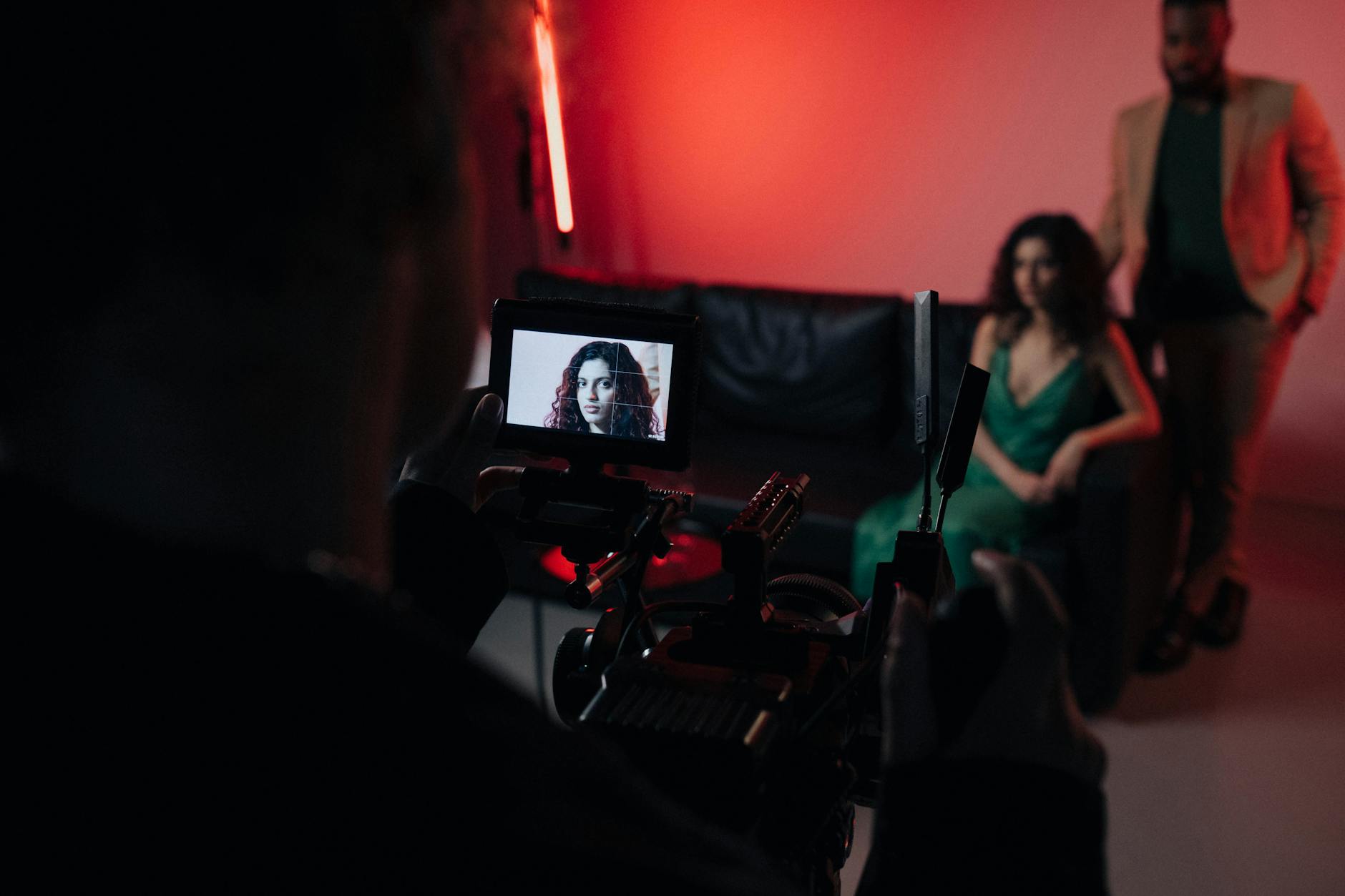
Meanwhile, professional videos add a dynamic element to property marketing. They offer immersive walkthroughs that give viewers a real sense of space and flow within a property. A well-produced video captures the lifestyle a property offers, from spacious living areas to scenic outdoor spaces, creating emotional connections that static images may not fully evoke. For prospective buyers in Miami, where waterfront properties, luxury condos, and sprawling estates are common, professionally shot videos provide an engaging experience that helps translate online interest into in-person visits or inquiries.
Investing in high-grade visual content is also crucial for online listing performance. Search algorithms favor listings with compelling photos and videos, increasing visibility across major real estate platforms. Moreover, clear, attractive visuals help establish credibility and trustworthiness, assuring potential clients that the listing is managed by a professional team committed to quality and detail.
Furthermore, the importance of exceptional visual content extends beyond listings. For marketing campaigns, open house events, and social media promotion, professionally captured photos and videos maximize reach and engagement. They create a cohesive and polished presentation, reinforcing the property’s value proposition and attracting a broader audience.
In Miami, where real estate transactions often involve high-value assets, the impact of expertly produced images and videos cannot be overstated. They are a strategic investment that enhances a property’s market profile, accelerates sales processes, and ultimately helps brokers and sellers realize their goals more effectively. Given the high stakes in Miami’s real estate industry, leveraging the best visual content available is a prudent choice that delivers measurable results.
Advanced Equipment and Cutting-Edge Technologies for Optimal Real Estate Visuals
In the competitive Miami real estate market, the quality of visual content can significantly influence a property's appeal and perception. To achieve this, professional-grade equipment and modern technological solutions are essential. High-resolution DSLR or mirrorless cameras form the foundation for capturing sharp, vibrant images that highlight a property's best features. These cameras enable the use of various lenses to emphasize specific aspects, from wide-angle shots that showcase spacious interiors to macro lenses that focus on intricate details.
Drone technology further elevates property marketing by providing stunning aerial views and comprehensive site overviews. With high-end drones equipped with 4K cameras and stabilization features, aerial footage captures the property's scale, surrounding environment, and unique architectural elements from angles unattainable through traditional photography.
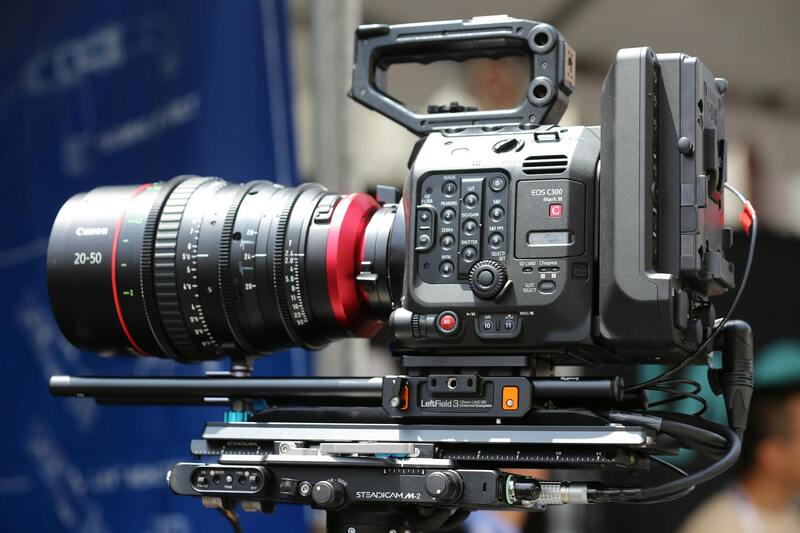
In addition to still images and aerial shots, virtual tour technology utilizing 3D scanning and Matterport systems offers immersive property walkthroughs. These virtual tours allow prospective buyers to explore the space remotely, providing a sense of spatial flow and layout without physical visits. Such technology necessitates specialized 3D cameras and software capable of creating accurate, engaging digital representations.
Lighting equipment, including portable LED panels and reflectors, ensures that interiors are evenly lit and visually appealing regardless of natural light conditions. This control over lighting is vital for highlighting architectural details, decorative features, and the overall ambiance of the property.
The integration of high-quality audio equipment and professional editing software rounds out the toolkit. Clear, crisp audio—possibly with professional voiceovers—complements visual content, making videos more engaging and informative. Advanced editing software ensures that photos and videos are refined to meet professional standards, correcting color balance, exposure, and minimizing distortions.
By leveraging these advanced tools and technologies, real estate professionals can produce compelling visual content that captures the essence of properties with precision and artistry. The investment in such equipment translates to more visually striking listings that stand out on digital platforms and attract serious buyers.
Creating Engaging Property Photos and Videos
Achieving compelling visual content that captures the unique appeal of each property requires a combination of skilled technique and specialized equipment. Professional real estate photography begins with understanding how to utilize natural lighting effectively. Timing shoots during the golden hours—shortly after sunrise or before sunset—can significantly enhance the warmth and depth of interior and exterior images. When natural light is insufficient, high-quality lighting equipment, such as portable LED panels, ensures consistent illumination, highlighting architectural details and minimizing shadows.
For maximum visual impact, wide-angle lenses are almost essential, offering a broader perspective that makes rooms appear more spacious and inviting. High-resolution cameras are employed to capture sharp, detailed images that can be enlarged without losing clarity, providing prospective buyers with a genuine sense of the property's scale and features. When photographing exteriors, optimal weather conditions and proper framing accentuate the property's curb appeal, showcasing landscaping, architectural elements, and accessibility.
Integrating Aerial Footage for a Comprehensive View
Drone technology has revolutionized real estate marketing by providing stunning aerial footage that captures the property within its neighborhood context. Aerial shots can showcase expansive acreage, proximity to amenities, and scenic surroundings, offering a perspective impossible with ground-level photography alone. Equipped with stabilized drone cameras, operators can perform smooth, sweeping movements, creating cinematic-quality videos that engage viewers. Additionally, drone videos serve as valuable tools for highlighting features like large backyards, swimming pools, or waterfront access, making listings stand out in a competitive market.
Incorporating drone footage requires compliance with regulations governing drone flights, particularly in densely populated areas like Miami. Skilled operators ensure safety and legality while capturing high-definition visuals that elevate the overall presentation of the property. When integrated seamlessly with traditional photos and interior videos, aerial content provides a comprehensive, compelling narrative that resonates with prospective buyers.
The Role of 3D Virtual Tours and Interactive Media
Beyond static images and videos, immersive virtual tours have become a vital component of modern real estate marketing. Systems like Matterport utilize 3D scanning technology to create detailed digital replicas of properties, allowing prospective buyers to navigate through spaces remotely. Virtual tours enable users to explore each room at their own pace, examine layout configurations, and get a realistic sense of size and flow, which enhances engagement and reduces unnecessary in-person visits.
This technology involves specialized 3D cameras that capture comprehensive spatial data, which is then processed into interactive, clickable virtual environments. These digital walkthroughs often include hot spots where viewers can access additional information, such as appliance details or architectural features. The result is a highly engaging, convenient, and informative experience that effectively showcases the property's value.
Professional Editing and Post-Production
Once the raw footage and images are captured, professional editing enhances their aesthetic quality and consistency. Color correction ensures that images accurately represent the property's true appearance, while exposure adjustments highlight details that may otherwise be lost. For videos, seamless transitions, stabilizations, and synchronized audio contribute to a polished, compelling presentation.
Adding background music or professional voiceovers can further elevate the content, making it more engaging and informative. Audio clarity is crucial when communicating key features or providing contextual narration. Moreover, professional editing software enables the removal of imperfections, such as lens distortions or unwanted reflections, ensuring the visuals meet high standards that attract serious buyers.
Conclusion
Mastering storytelling through high-quality images and videos in real estate marketing involves more than just capturing visuals; it requires strategic planning, technical expertise, and adherence to best practices. By leveraging advanced equipment, innovative drone technology, immersive virtual tour systems, and professional editing, real estate professionals can craft engaging visual narratives that truly showcase the distinct features of each property. This comprehensive approach enhances listing attractiveness, accelerates sales, and ultimately supports a successful marketing strategy tailored to the dynamic Miami real estate market.
Key Technologies and Equipment for Real Estate Visuals
In the competitive sphere of real estate marketing, deploying cutting-edge technology and equipment is crucial for capturing compelling visuals that resonate with potential buyers. High-quality imagery and videos not only enhance a property's appeal but also bolster the credibility of listings, demonstrating professionalism and attention to detail. To achieve this level of excellence, professionals utilize a range of advanced tools tailored for different aspects of real estate presentation.
High-Resolution Cameras and Lenses
The foundation of effective real estate visuals starts with professional-grade cameras capable of capturing high-resolution images. These cameras, often DSLRs or mirrorless models, are equipped with wide-angle lenses that maximize the scope of each shot, allowing viewers to see the full breadth of interior spaces and exteriors. The use of prime lenses with fast apertures enhances low-light performance and depth of field, ensuring crisp, vibrant photos even in challenging lighting conditions.
Drone Technology
Drone cameras have revolutionized property showcasing by providing breathtaking aerial views. These unmanned aerial vehicles (UAVs) capture panoramic shots of property exteriors, landscapes, and surrounding amenities, offering prospective buyers a comprehensive perspective that ground-level shots cannot provide. Stabilized gimbal systems on drones ensure smooth footage, while high-resolution sensors deliver sharp images even in complex lighting scenarios.
Lighting Equipment
Proper lighting setup is essential for producing clear, inviting images. Professional photographers often use portable lighting kits, including softboxes, LED panels, and reflectors, to eliminate shadows and enhance natural light. For interior shots, diffused lighting minimizes glare and highlights architectural features effectively. On-site lighting control, combined with post-processing adjustments, ensures each space appears warm, spacious, and true to reality.
Virtual Tour and 3D Imaging Systems
Immersive virtual tours and 3D imaging technology have become indispensable tools in modern real estate marketing. These systems create detailed, interactive walkthroughs that enable prospective buyers to explore properties remotely. Matterport cameras, for instance, employ specialized sensors to produce highly accurate 3D models, allowing viewers to navigate through spaces virtually, gaining a sense of scale and layout without physically visiting the property. Such visualizations significantly increase engagement and lead to higher conversion rates.
Video Equipment and Stabilization Tools
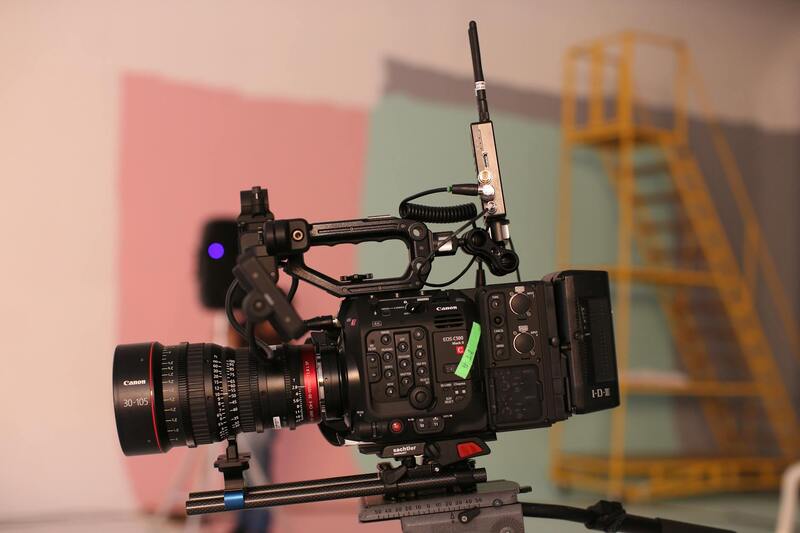
For creating dynamic, engaging property videos, professionals rely on high-definition camcorders and mirrorless cameras capable of 4K or higher resolutions. Stabilization equipment such as gimbal stabilizers and steadicams ensures smooth, cinematic footage while moving through spaces. Additionally, professional audio recording devices are used to capture clear narration or ambient sounds, enhancing the overall production quality.
Post-Processing Software
After capturing visuals, editing software plays a pivotal role in refining images and videos. Programs like Adobe Photoshop and Lightroom are used for color correction, exposure balancing, and removing imperfections, ensuring each shot accurately reflects the property's true appearance. Video editing software like Adobe Premiere Pro and Final Cut Pro enables seamless transitions, color grading, and sound synchronization, culminating in polished, professional-grade content that commands attention.
Integration of Equipment for Best Results
The effectiveness of real estate visual content depends on integrating these technological tools into a cohesive workflow. From initial shooting with high-end cameras and drones to post-production editing, each phase requires precision and technical know-how. Using the latest equipment ensures that the visuals are not only aesthetically pleasing but also serve as reliable representations of the property, thus instilling confidence in prospective buyers and fostering faster sales.
Innovative Equipment and Techniques for Captivating Real Estate Visuals
In the highly visual domain of property marketing, leveraging advanced technologies and quality equipment is essential to produce compelling real estate photo and video content. High-resolution digital cameras, including full-frame mirrorless and DSLR models, are standard for capturing crisp, detailed images that showcase every feature of a property. Such clarity helps potential buyers scrutinize spaces closely, creating a visual connection that fosters interest and trust.
Beyond traditional photography, drone technology has revolutionized property showcase methods. Aerial footage provides a unique perspective of the property's surroundings, emphasizing proximity to amenities, landscape features, and overall property grandeur. Drones equipped with stabilization technology ensure steady, cinematic footage that enhances the viewer’s experience.
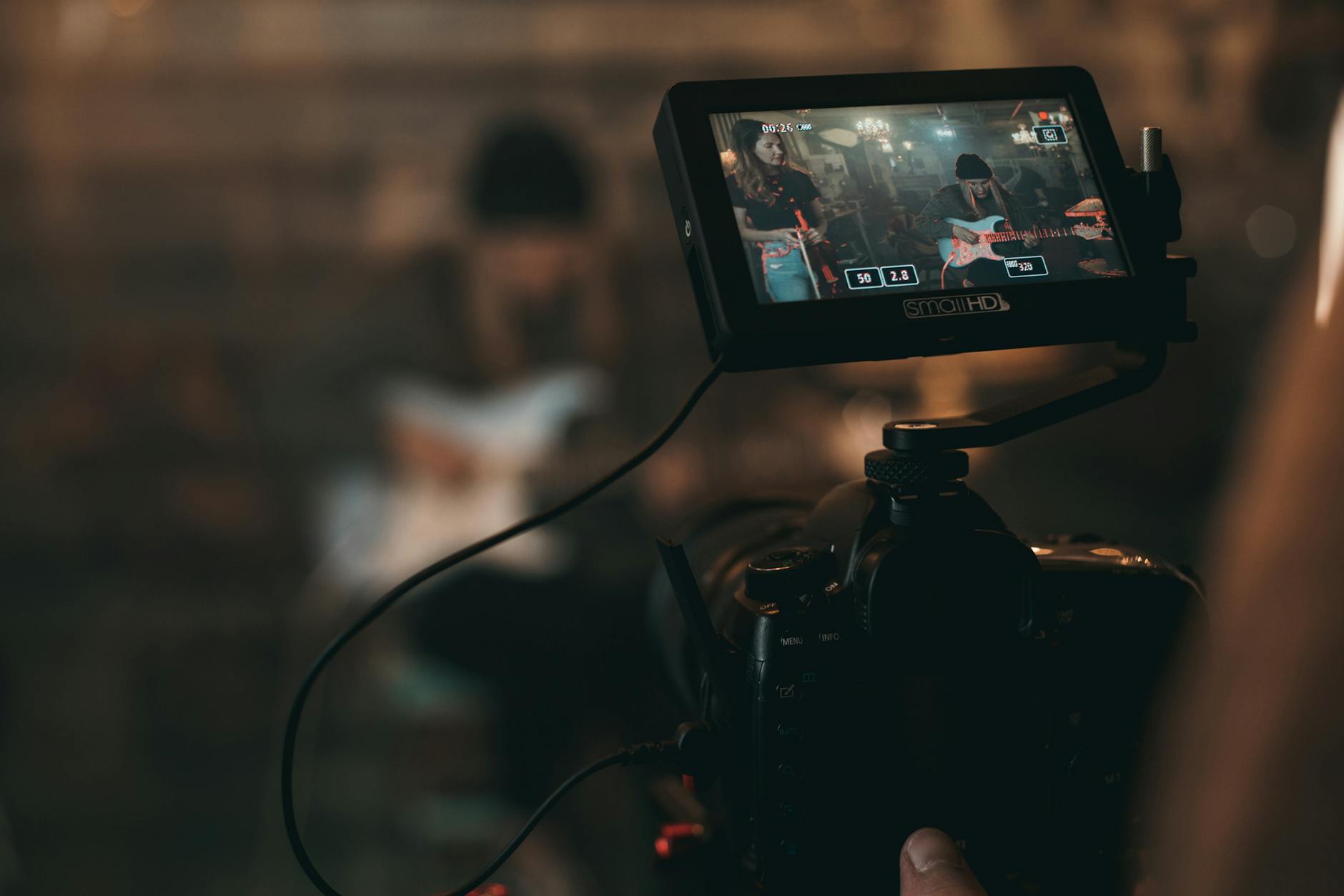
Camera stabilization gear such as gimbals and steadycams ensures smooth, professional movement during walking tours or while capturing dynamic shots. For interior shots, wide-angle lenses enable a broader view of spaces, making rooms feel more spacious and inviting. Professional lighting, including portable LED panels, ensures well-lit images that highlight architectural details without harsh shadows or uneven illumination.
Audio equipment, such as directional microphones and portable recorders, are also integral for creating engaging video content. Clear narration, background music, or ambient sounds captured with high-quality microphones add layers of professionalism and emotional appeal.
Post-production software like Adobe Photoshop and Lightroom facilitate fine-tuning images, correcting color balances, and removing imperfections, guaranteeing that photos reflect the property’s true appearance. Video editing platforms, including Adobe Premiere Pro and Final Cut Pro, allow for seamless transitions, refined color grading, and synchronized audio, transforming raw footage into polished visual narratives.
Integrating these technological tools within a streamlined workflow maximizes efficiency and ensures rapid delivery of marketing materials. From initial capture to post-processing, professionalism and attention to detail in each phase directly influence the final visual quality, which can significantly impact a property's marketability.
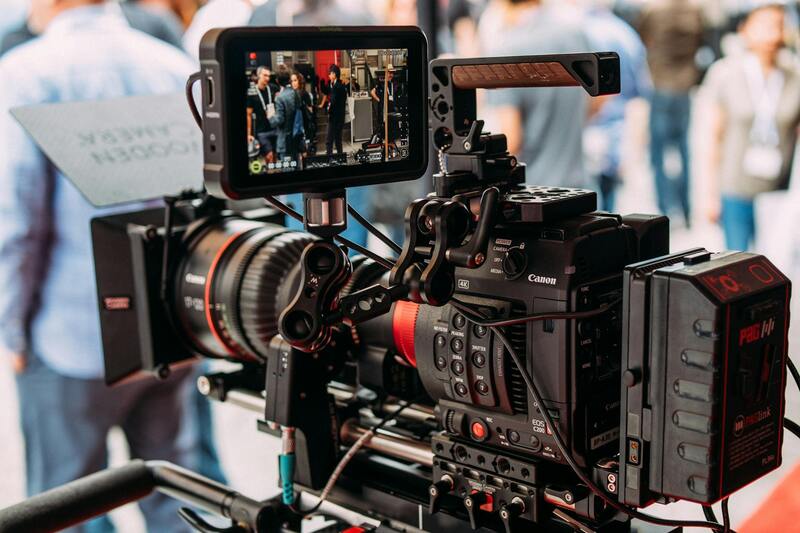
In the competitive Miami real estate scene, adopting the latest visual technologies and highly capable equipment is not just an option but a necessity for creating impactful listings. This approach delivers content that not only captures attention but also builds confidence among prospective buyers, leading to faster and more successful property transactions.
Essential Techniques for Professional Property Photography and Videography
Crafting compelling visual content for real estate listings requires a strategic combination of technical skill and artistic sensibility. A skillful photographer or videographer leverages a range of techniques to highlight a property’s best features and create an immersive experience for prospective buyers. Ensuring that each shot is well-composed and properly lit is paramount. Natural light is often the most flattering, requiring shoot scheduling during optimal times of the day, such as early mornings or late afternoons when sunlight is softer and warmer. For interiors, supplementing with professional lighting equipment helps eliminate shadows and evenly illuminate the space, making rooms appear larger and more inviting.
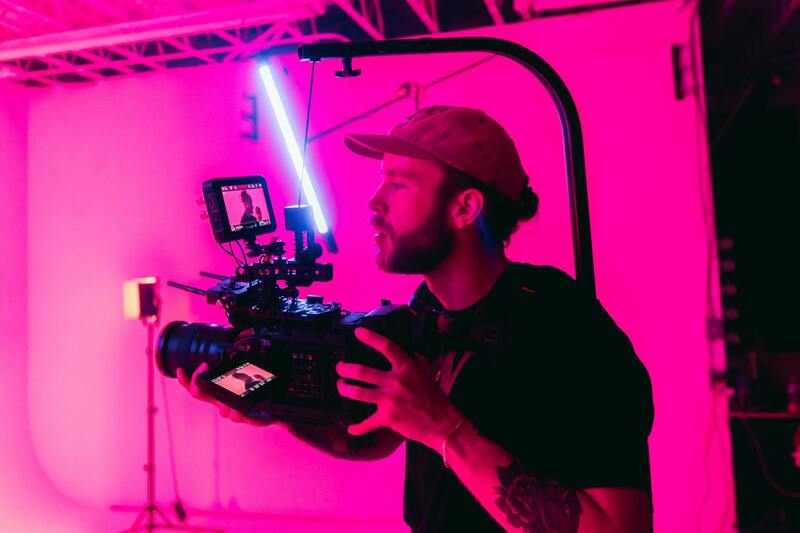
In addition to lighting, the use of wide-angle lenses is crucial for conveying the scale and layout of a property accurately. These lenses allow photographers to capture expansive views in a single shot, reducing the need for multiple images and providing a seamless visual narrative. Drones play an increasingly significant role in real estate marketing by offering breathtaking aerial perspectives that showcase a property’s surroundings, lot size, and proximity to nearby amenities. When operated with precision, drone footage adds a dynamic element to listings, providing prospective buyers with a comprehensive understanding of the property’s context within its environment.
Maximizing Visual Impact Through Post-Processing
Post-processing is an essential step in elevating real estate visuals from good to outstanding. Editing software such as Adobe Lightroom and Photoshop enables professionals to fine-tune color balances, correct perspective distortions, and enhance details that might be less apparent in raw images. Proper color correction helps ensure the appearance of rooms and exteriors is both true to life and visually appealing. Removing minor imperfections like blemishes or distracting objects can streamline the visual narrative without misrepresenting the property.
For video content, editing software like Adobe Premiere Pro or Final Cut Pro allows for smooth transitions, engaging motion effects, and synchronized audio that complements the visuals. Incorporating background music or voiceover narration can significantly increase the emotional appeal of the content, guiding viewers through the property’s highlights with clarity and professionalism. Color grading, in particular, helps establish a consistent mood throughout the video, emphasizing the property’s ambiance and character.
Ensuring Consistency and Quality Control
Consistent quality control processes are vital for maintaining high standards across all visual content. This involves establishing protocols such as standardized shoot checklists, regular equipment calibration, and thorough review sessions before final delivery. High-resolution outputs are necessary to ensure images and videos appear crisp and professional across various platforms, from listing websites to social media channels. An organized workflow that incorporates multiple review stages minimizes errors and ensures each piece of content aligns with branding and marketing strategies.
Effective timeline management is also critical. Coordinating shoot schedules to optimize natural lighting conditions and allow sufficient post-processing time ensures deadlines are met without compromising quality. Employing collaborative project management tools can facilitate clear communication among team members, streamlining the entire production process from initial concept to final delivery.
Strategic Use of Visual Content in Market Positioning
High-quality property visuals serve as a cornerstone of effective marketing campaigns. They not only capture attention but also build trust and credibility with prospective buyers. Outstanding imagery and videos are more likely to be shared across digital platforms, expanding reach and increasing the chances of a faster sale. Complementing visual content with well-crafted descriptions enhances the overall impact, providing context and highlighting key features that resonate with target audiences.
Investing in state-of-the-art equipment and adhering to best practices in photography and videography ensure that each listing stands out in a competitive market. This precision and professionalism communicate a sense of value and attention to detail, translating into increased engagement and ultimately, quicker transactions.
Importance of High-Quality Real Estate Photo and Video
Stunning visual content is a decisive factor in attracting potential buyers and tenants in today’s competitive real estate market. High-quality images and videos do more than just showcase a property; they tell a compelling story that highlights the property’s unique features and lifestyle appeal. Well-executed visuals evoke emotion, build trust, and encourage inquiries, ultimately accelerating the sales process. In an arena where first impressions are critical, crisper, well-lit photos and engaging videos ensure listings stand out on digital platforms, from MLS databases to social media channels. These visuals serve as virtual open houses, providing viewers with a detailed and immersive experience that motivates them to schedule an in-person visit. Moreover, professional visuals reflect a sense of professionalism and attention to detail, reinforcing the perceived value of the property. This perception often translates into higher asking prices and faster transactions because buyers feel confident they are making well-informed decisions based on authentic and captivating visuals.
Types of Visual Content in Real Estate Marketing
- Standard Photography: High-resolution photos capturing the property's interior and exterior, emphasizing key features and overall curb appeal.
- 3D Virtual Tours: Interactive walkthroughs giving viewers a realistic sense of space and layout, ideal for remote prospects.
- Drone Footage: Aerial videos and photos showcasing the property’s surroundings and offering a broader perspective.
- Video Walkthroughs: Engaging narrations and seamless shots that provide a real-time感觉 of the property's ambiance.
- Floor Plans and Architectural Renderings: Visual schematics that complement photos and videos, aiding in spatial understanding.
Key Technologies and Equipment for Real Estate Visuals
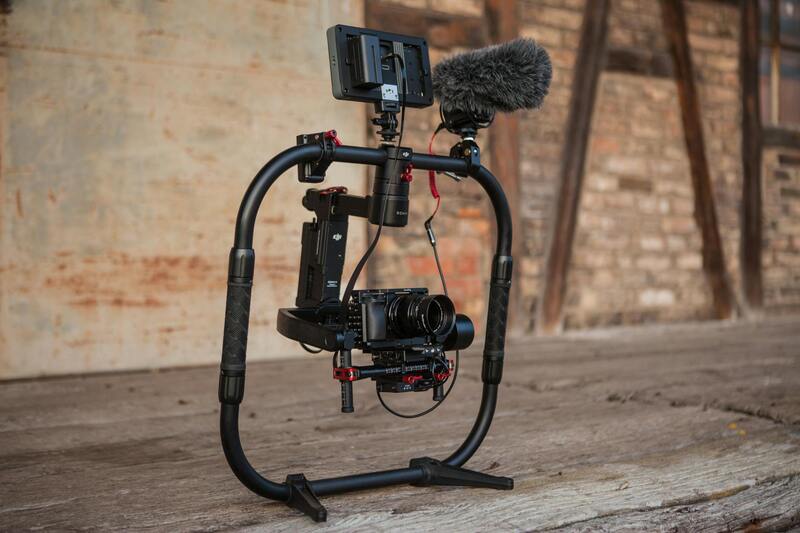
Creating visually appealing real estate content depends on advanced equipment and techniques. Professional-grade DSLR or mirrorless cameras ensure sharp, vibrant images with accurate color reproduction. Wide-angle lenses are essential for capturing entire rooms and exterior landscapes, making spaces appear larger and more inviting. Drones equipped with high-resolution cameras expand the scope, providing breathtaking aerial views that highlight the property's location and surroundings. Gimbal-stabilized cameras and rigs ensure smooth, cinematic video footage free of jitters, enhancing viewer engagement. In post-production, high-quality editing software improves the aesthetics by adjusting lighting, correcting colors, and stabilizing footage. Furthermore, virtual staging tools can be employed to digitally furnish spaces, presenting potential arrangements without physical staging costs.
Creating Engaging Property Videos and Photos
To produce content that captures attention, it’s vital to plan each shoot meticulously. Lighting plays a pivotal role—using natural light during optimal times of day can dramatically improve image quality. For interior shots, professional lighting setups help eliminate shadows and evenly illuminate spaces. When filming videos, employing smooth camera movements and varied angles creates a dynamic and immersive experience. Narration or background music can add emotional depth, but highlights the property’s features and flow. Editing is equally crucial; color correction, removing inconsistencies, and adding captions or call-to-actions guide viewers towards the next step, whether it’s scheduling a viewing or contacting an agent. Consistency in branding and style across all visuals strengthens recognition and credibility. A strategic approach involves balancing detailed close-ups with wider shots to showcase spaciousness and finishes. Seasonal considerations, such as capturing properties in prime weather conditions, further enhance visual appeal.
Turnaround Time and Workflow Efficiency
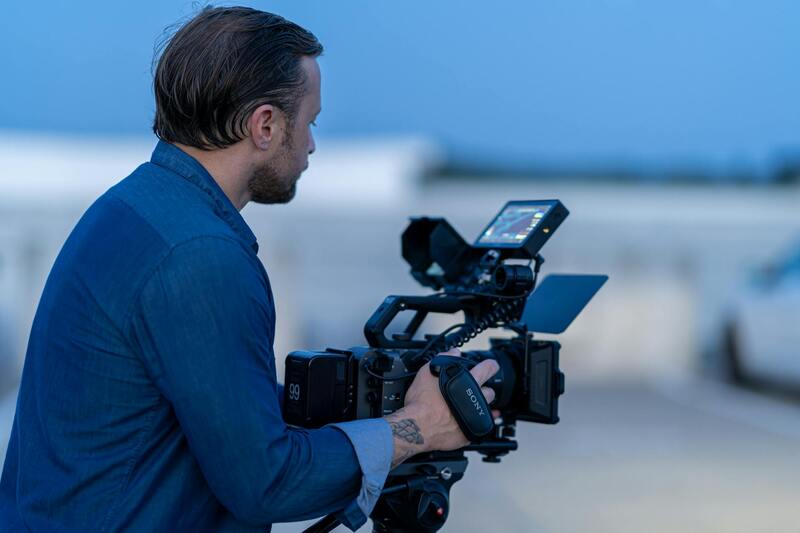
Efficiency in delivering high-quality visual content hinges on a streamlined workflow. Pre-production planning involves scheduling shoots during periods of optimal natural light and ensuring all equipment is prepared beforehand. This preliminary stage sets clear expectations about the desired outcomes. During the shoot, rapid and systematic coverage of all key areas maximizes productivity. Post-production involves editing, color grading, and rendering, which can be expedited using advanced software tools. Clear communication channels between the production team and clients ensure necessary revisions are incorporated promptly. Utilizing project management tools facilitates task tracking and deadline adherence, allowing for quick turnarounds without sacrificing quality. Transparent timelines and regular updates keep clients informed, ensuring that the final content aligns with marketing goals. On-site organizational strategies—such as staging, decluttering, and lighting optimization—also contribute to faster shoots and editing processes. An efficient workflow allows real estate professionals to refresh listings quickly and adapt marketing efforts based on market demand.
Maximizing Impact with Professional Real Estate Photo and Video
High-quality imagery and videos serve as the cornerstone of effective real estate marketing strategies. When potential buyers browse online listings, their first impressions are often shaped by visual content. Crisp, well-composed photographs and engaging videos can significantly reduce the time a property spends on the market by capturing its unique features and ambience. meticulous attention to lighting, staging, and camera angles ensures each property’s best qualities are highlighted, fostering emotional connections that drive inquiries and offers.
The Power of Visual Storytelling in Real Estate
Visual content extends beyond simple representations; it tells a story about the property and its lifestyle potential. For instance, a video tour can guide viewers through the flow of the space, emphasizing functionality and spatial relationships, while high-quality photos can showcase architectural details and design elements. By crafting a compelling narrative through images and videos, agents and property owners can differentiate listings in a competitive marketplace, appealing directly to the desires and needs of prospective buyers.
Strategic Content Types for Market Success
- Wide-Angle and Drone Photography: Capture expansive views of exteriors and surrounding landscapes, emphasizing curb appeal and neighborhood context.
- Interior Shots with Professional Staging: Showcase space utilization and interior details, highlighting upgrades and finishes that appeal to discerning buyers.
- Virtual Tours and 3D Modeling: Offer immersive experiences that allow prospective buyers to explore properties remotely, increasing engagement and reducing unnecessary physical visits.
- Video Walkthroughs: Create dynamic tours that include narration or background music, guiding viewers through the property and highlighting key features seamlessly.
Advanced Technologies Enhancing Visual Content
Modern real estate visuals leverage cutting-edge tools such as drone technology, 3D virtual tours, and hyper-realistic editing software. Drones provide breathtaking aerial footage that captures entire property layouts, nearby amenities, and neighborhood vistas, adding depth and context to listings. 3D virtual tours construct a virtual walkthrough that mimics physical visits, enabling remote audiences to experience the property intimately. Additionally, professional editing algorithms enhance color accuracy, image sharpness, and overall aesthetic quality, ensuring visuals align with the high standards expected in today’s market.

Optimizing Workflow for Consistent Delivery
An efficient production workflow encompasses pre-shoot preparations such as detailed planning, scheduling during optimal natural lighting hours, and ensuring all equipment is properly calibrated. During the shoot, systematic coverage guarantees that all key areas are documented without unnecessary delays. Post-production processes, including editing, color correction, and rendering, benefit from automation tools and dedicated software, streamlining the path from raw footage to polished content. Clear communication between the production team and clients ensures revisions are integrated swiftly, maintaining high standards while adhering to tight deadlines.
Safeguarding Content Quality and Safety Protocols
Adhering to industry best practices in safety and content integrity is crucial. Professional crews follow established safety guidelines during aerial shoots, especially when deploying drones or heavy equipment. Furthermore, a strict review process is essential to prevent visual misrepresentations, ensuring images and videos accurately depict the property's condition and features. Respecting privacy and access boundaries, obtaining necessary permissions, and maintaining transparency with clients reinforce the trustworthiness of the marketing efforts and uphold professional standards across the board.
Seamless Integration of Visual Content into Listings
Incorporating high-quality photographs and videos into real estate listings enhances visibility across multiple platforms. Strategically placed images act as visual anchors that draw viewers into the property, while embedded videos foster deeper engagement. Optimized image sizes and formats ensure fast loading times, preserving user experience on various devices. When integrated thoughtfully, visual content amplifies each listing’s appeal, encouraging more inquiries and facilitating quicker sales. Additionally, consistent branding and stylistic cohesion across visuals reinforce the professional image of the agent or agency, fostering trust and credibility among prospective buyers.