

Importance of Professional Real Estate Photography
In the competitive realm of real estate marketing, visual presentation plays a pivotal role in attracting potential buyers and closing deals efficiently. High-resolution images, often referred to as real estate HD pictures, are essential tools for showcasing properties at their best. Such images not only highlight the unique features and layout of a home but also provide an immersive experience for viewers, allowing them to virtually walk through the space from afar. When prospective buyers browse online listings, the quality of photographs can be the decisive factor that prompts a viewing appointment or negates an interest altogether.
Quality visuals serve as a reflection of the property's value and the professionalism of the seller or agent. Blurry, poorly lit, or unprofessional images can diminish a property's appeal, regardless of how beautiful or unique the property is in reality. On the other hand, crisp, well-composed HD pictures emphasize the interior design, spaciousness, and distinctive architectural elements, creating an emotional connection that can increase desirability and perceived worth.
Furthermore, in digital marketing, visual content is king. Search engines and property listing platforms prioritize listings with high-quality images, boosting visibility and engagement. With more prospective buyers starting their home search online, the importance of professional-grade photography cannot be overstated. It is an investment that enhances credibility, fosters trust, and ultimately accelerates the sales process by attracting more qualified leads.

Real estate professionals recognize that the cornerstone of effective property marketing lies in capturing the property’s essence through professional photography. Investing in quality HD pictures ensures that listings stand out in cluttered digital marketplaces, reinforcing the image of a credible, serious seller. This heightened presentation can significantly influence prospective buyers' perception and decision-making, leading to faster sales and often higher closing prices.
Impact of HD Pictures on Online Listings
Online listings are the primary touchpoint for most property searches conducted today. The visual component of these listings can dramatically impact viewer engagement and interest levels. Listings featuring high-definition images tend to receive more clicks and longer viewing times. This increased attention results in higher inquiries, scheduled visits, and ultimately, quicker transactions.
Furthermore, HD images facilitate a more accurate perception of the property’s dimensions, layout, and condition, reducing surprises during in-person visits. As a result, potential buyers arrive pre-informed and more prepared, streamlining the decision process. Companies that prioritize professional real estate HD pictures also benefit from a stronger online reputation and higher credibility within the local market.
Choosing the Right Equipment for HD Real Estate Photos
Capturing high-quality real estate images begins with selecting the appropriate equipment that can deliver professional-grade HD pictures. While the quality of the camera and accessories plays a crucial role, the primary goal is to produce images that accurately showcase the property’s best features, appeal to prospective buyers, and stand out in a crowded online marketplace.

Investing in a DSLR or mirrorless camera equipped with a wide-angle lens is highly recommended. These setups facilitate capturing expansive interior spaces without distortion, offering viewers a clear perspective of room dimensions and layout. The wide-angle lens, in particular, helps make rooms appear larger and more inviting, an essential aspect of effective real estate photography.
For those just starting in professional real estate photography or looking for a cost-effective solution, high-resolution compact cameras with manual controls can also produce excellent images. It’s important to prioritize features like image stabilization, low-light performance, and autofocus speed to ensure consistent results across various shooting conditions.
Lighting equipment also plays a vital role in achieving HD quality images. Using external flashes, softboxes, or continuous lighting sources helps illuminate spaces evenly and eliminates shadows, creating a balanced and natural appearance. Proper lighting can significantly enhance the overall clarity, vibrancy, and appeal of property photos.
Furthermore, a sturdy tripod is fundamental for stability, especially in low-light environments or when taking HDR images. Stability prevents blurring and ensures sharp details, which are critical when emphasizing architectural features and interior details.
Additional Accessories and Software
- Remote shutters: Minimize camera shake and allow for precise framing, especially when shooting high ceilings or large rooms.
- Wide-angle lens adapters: For smartphones or compact cameras, these can expand field of view and improve the overall aesthetic of the images.
- Post-processing software: Advanced editing tools like Adobe Lightroom or Photoshop enable fine-tuning of exposure, color balance, and sharpness to achieve the desired HD quality and consistency across images.
- Drone technology: For aerial shots, investing in a drone equipped with a high-resolution camera can provide unique perspectives that elevate property marketing. Positioned strategically, aerial imagery highlights property size, landscaping, and surrounding amenities, offering prospective buyers a comprehensive view.
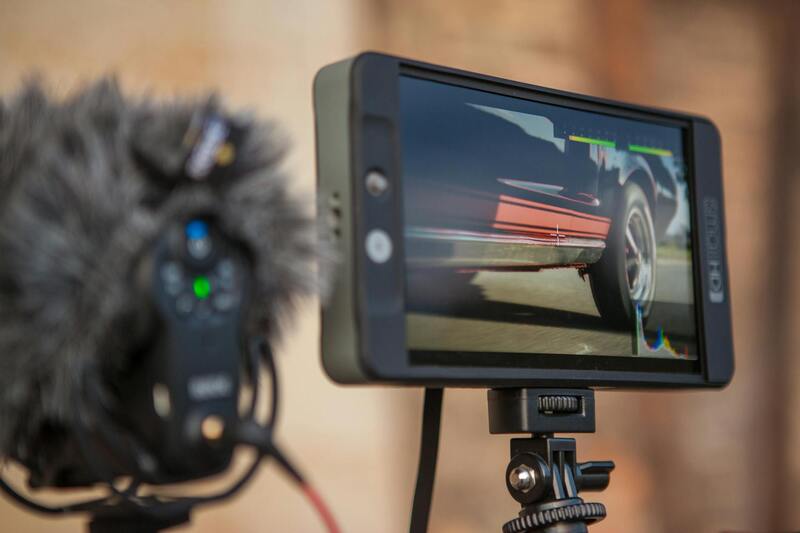
Summary of Equipment Essentials
- High-resolution DSLR or mirrorless camera
- Wide-angle lens suited for interiors
- External lighting sources
- Sturdy tripod
- Optional drone for aerial views
- Post-processing software for image enhancement
By carefully choosing high-quality equipment and accessories tailored for real estate photography, professionals can produce HD images that authentically represent the property’s appeal, attract discerning buyers, and ultimately facilitate faster transactions.
Importance of Professional Real Estate Photography
High-quality imagery has become an indispensable component in the marketing of real estate properties. When prospective buyers browse online listings, they rely heavily on visual cues to evaluate the potential of a property. Professional real estate photography ensures that each space is presented in the best possible light, capturing its true essence through the use of optimal lighting, composition, and equipment. High-definition (HD) pictures highlight the distinct architectural features, interior design details, and spaciousness that make a property appealing, ultimately fostering quicker engagement and increased interest.
Investing in professional photography not only enhances the visual attractiveness of listings but also reflects positively on the credibility of the real estate agent or agency. Clear, well-composed images demonstrate attention to detail and a commitment to quality, which are crucial factors that influence buyer perceptions. Moreover, HD pictures enable potential buyers to explore the property as if they were physically there, providing an immersive experience that can significantly increase the likelihood of a viewing appointment or inquiry.
Impact of HD Pictures on Online Listings
In today’s digital real estate marketplace, the first interaction between a buyer and a property often occurs online. The quality of images directly influences whether a listing catches attention amidst a sea of competitors. HD pictures serve as a visual hook, drawing in the viewer and compelling them to learn more about the property. Listings with high-quality photos typically experience higher click-through rates and longer engagement times, which can lead to more inquiries and faster sales.
Furthermore, HD images ensure that the property’s features are conveyed accurately, minimizing misunderstandings that might arise from poor point-and-shoot photos. Clear visuals bridge the gap between online representation and actual experience, instilling confidence that the property matches its depiction. Whether showcasing a luxurious kitchen, a spacious living room, or meticulously landscaped gardens, professional-grade HD pictures make these features stand out, creating an emotional connection that motivates prospective buyers to take the next step.
Role of Drone and Aerial Photography in Property Marketing
Incorporating drone and aerial photography into real estate marketing strategies has become increasingly vital for showcasing properties from a compelling perspective. High-definition aerial images provide prospective buyers with a comprehensive view of the property’s surroundings, landscape, and architectural details that are often difficult to capture with traditional ground photography. These images can highlight nearby amenities, proximity to parks or water bodies, and the overall neighborhood atmosphere, helping buyers visualize the lifestyle that accompanies the property.
Professionally captured drone footage offers a dynamic way to present large estates, commercial properties, or homes with extensive outdoor spaces. Aerial shots emphasize the scale of the property, landscape features, and unique architectural elements that may be obscured in standard photos. This not only enhances the listing’s visual appeal but also provides a truthful representation of the property’s size and layout, reducing uncertainty for potential buyers.
Employing drones equipped with HD cameras requires specialized skills to ensure the images are sharp, well-framed, and properly lit. Professional drone operators use stabilization technology and precise flight planning to avoid blurry or poorly composed shots. These images should be integrated seamlessly with ground-level photos to create a comprehensive virtual tour of the property, providing viewers with an immersive experience that enhances their emotional connection and interest.
Another critical aspect is adherence to safety guidelines and regulations governing drone flight. Collaborative efforts with licensed drone pilots ensure that aerial images are captured legally and ethically, safeguarding the reputation of the real estate agent or agency. Well-executed aerial photography can be a game-changer in competitive markets like Miami, helping listings stand out and attract serious inquiries more rapidly.
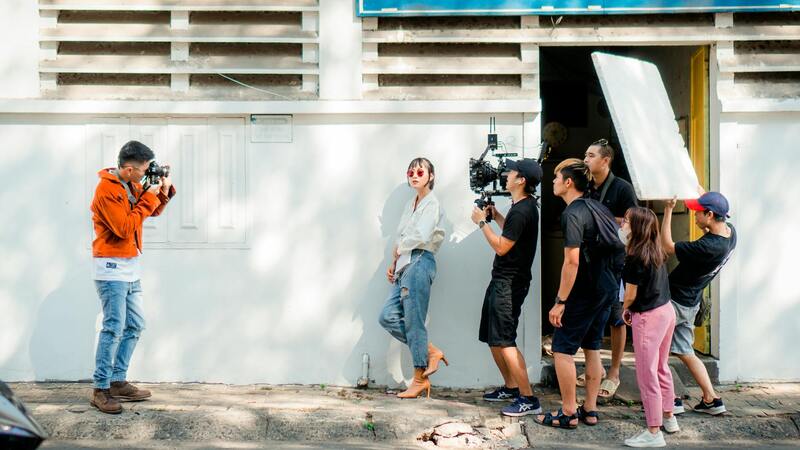
Investing in professional drone photography supports a strategic marketing approach, especially for high-value and luxury properties. When combined with high-definition ground images, virtual tours, and 3D walkthroughs, aerial photography creates a robust visual narrative that appeals to today’s tech-savvy buyers. These compelling visuals not only elevate online listings but also foster higher engagement and faster sales cycles, maximizing the property's market potential in Miami's vibrant real estate landscape.
Maximizing Property Appeal with High-Definition Real Estate Pictures
In the competitive landscape of Miami's real estate market, the visual presentation of a property plays a pivotal role in attracting potential buyers. High-definition (HD) images serve as the visual cornerstone of effective property marketing, providing crisp, vibrant, and detailed representations of homes and commercial spaces. The clarity and quality of HD pictures enable viewers to assess property features accurately, highlighting architectural details, finishes, and spatial layouts that often get lost in lower-resolution images. This immediacy and fidelity not only elevate the perceived value of a property but also facilitate faster decision-making among prospective buyers.
When implementing HD photography, it’s essential to capture images under optimal lighting conditions—preferably during natural daylight hours—to prevent shadows or uneven illumination that can obscure important features. Properly calibrated professional cameras ensure accurate color reproduction, making interiors appear warm and inviting while showcasing exterior landscaping and surrounding views with precision. Additionally, high-resolution images allow for larger display formats without loss of quality, making them ideal for use across various online and print marketing channels, from MLS listings to promotional brochures.

Another critical consideration is image consistency. Employing a standardized approach to angles, composition, and lighting ensures a cohesive visual narrative that enhances the property's appeal. Wide-angle lenses are particularly popular in real estate photography as they provide expansive views of rooms and exteriors, giving the illusion of more space and openness. For high-value listings, such as luxury condos or waterfront estates in Miami, utilizing high-definition images with minimal distortion accentuates the unique features that set these properties apart.
Beyond presentation, HD pictures contribute significantly to a property’s search engine visibility. Search algorithms favor high-quality visual content, boosting online rankings and increasing the likelihood of attracting serious inquiries. When strategically paired with compelling descriptions and optimized metadata, HD images improve the overall credibility and professionalism of the listing, reinforcing trust and confidence among prospective buyers.
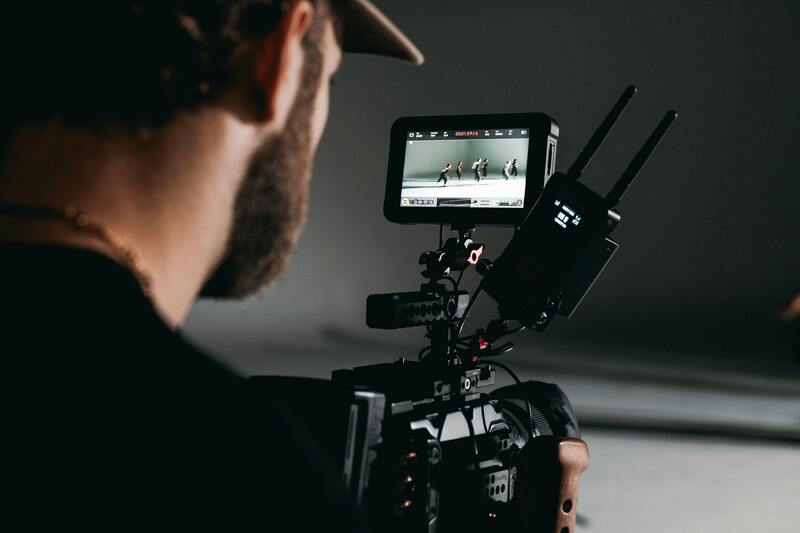
In summary, investing in high-definition photography enhances the visual storytelling of property listings, creating a magnetic first impression. It enables real estate professionals to showcase properties in their best light, facilitating quicker sales and more robust market presence in Miami's vibrant environment. Ensuring image quality through proper equipment, lighting, and post-processing techniques is an effective strategy for elevating a property's marketability and ultimately achieving successful sales outcomes.
Optimal Methods for Capturing High-Quality Real Estate HD Pictures
Utilizing Proper Camera Equipment
Achieving exceptional real estate HD images begins with selecting the right equipment. Professionals prefer digital single-lens reflex (DSLR) or mirrorless cameras equipped with wide-angle lenses, typically ranging from 14mm to 24mm. These lenses are vital for capturing expansive room interiors and property exteriors with minimal distortion, delivering a realistic perspective that appeals to potential buyers. High-resolution sensors, generally 20 megapixels or more, ensure every image is sharp and detailed, making the property alluring in online listings.
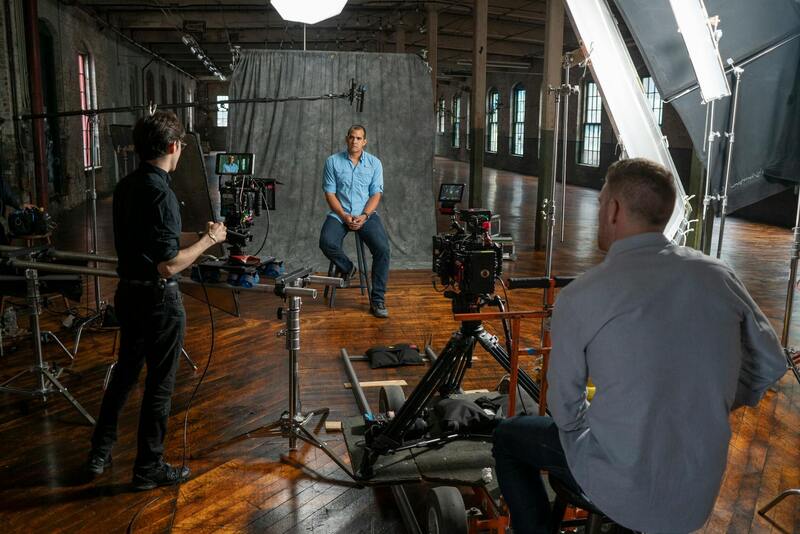
It’s equally important to operate with a tripod to maintain stability and prevent blurring, especially in low-light situations. External flashes or softboxes help balance lighting conditions, which can otherwise lead to poorly lit spaces that undermine the appeal of a property. Investing in a reliable camera rig, along with quality lenses, guarantees consistent results across different property types and lighting scenarios, reflecting the true essence of each space.
Mastering Lighting Techniques
Lighting is arguably the most critical aspect of high-quality real estate photography. Natural light should be maximized by shooting during daylight hours, ideally when the sun is at its peak, to illuminate interiors evenly. Opening curtains and blinds before the shoot allows sunlight to fill the rooms, reducing the need for extensive editing later.
In darker spaces or rooms with mixed lighting, supplementing with professional-grade strobes or continuous lighting can enhance clarity and color accuracy. Using diffusers and reflectors helps soften shadows and achieve uniform brightness, ensuring every detail of the property is clearly visible. Properly lit images evoke a welcoming atmosphere and reflect the space’s true potential, crucial for engaging prospective buyers online.
Implementing Post-Processing for Superior Results
Post-processing techniques elevate raw images to their full potential. Adjustments in brightness, contrast, and white balance correct inconsistencies and highlight the space's best features. Skilled retouching can also minimize minor imperfections, such as lens flare or distracting items, without compromising authenticity.
Advanced editing software, like Adobe Lightroom or Photoshop, allows for precise control over color saturation and sharpness, ensuring the images accurately represent the property. Additionally, straightening lines, cropping for better composition, and removing clutter help create aesthetically pleasing visuals that stand out in online listings. Carefully curated edits foster trust and professionalism, enticing buyers to take the next step.
The Role of Proper Composition
Composition plays a pivotal part in crafting compelling HD images. Framing shots to include key features, such as architectural details, spaciousness, and natural light sources, presents the property in its best light. Employing the rule of thirds and strategic vantage points guides viewers' eyes through the space naturally, inducing a desire to explore further.
Vertical and horizontal lines should be kept straight to avoid disorienting perspectives. Heightened attention to angles and perspectives showcases the fluidity of the space, making rooms appear larger and more inviting. These deliberate choices in framing and perspective ensure that each shot maximizes the property's visual impact and market appeal.
Maintaining Consistency and Professionalism
Consistency across all images in a listing sets a professional standard and reinforces the property’s prestige. Using standardized camera settings, lighting techniques, and editing styles throughout the shoot helps maintain a cohesive visual narrative. This uniformity assures viewers of the quality and authenticity of the listing, ultimately building confidence in the property and the agency representing it.
Investing in continuous education and staying updated with emerging photography trends and equipment tips ensures that each shoot remains at the forefront of industry standards. Partnering with experienced real estate photographers familiar with Miami’s vibrant property market further guarantees images that not only showcase the property but elevate its perceived value in a competitive landscape.
Refinement of Visual Presentation through Professional Editing and Post-Processing
Achieving impeccable quality in real estate images significantly depends on advanced editing and post-processing techniques. These steps ensure that each photograph accurately portrays the property’s best features while maintaining a natural appearance that appeals to potential buyers. The editing process begins with enhancing clarity — sharpening details such as textures, architectural features, and interior finishes. This step helps to create crisp, eye-catching images that stand out in online listings.
Light adjustment is another critical aspect. Properly calibrated contrast, brightness, and color correction rectify any inconsistencies caused by varied lighting conditions during shoots. This results in images that reflect the true ambiance of the space, whether it's the inviting warmth of a living room or the crispness of a modern kitchen. Correcting distortions, such as keystone effects caused by wide-angle lenses, ensures straight lines and proportional relationships within rooms and exteriors, preventing disorienting visuals that could deter potential buyers.
Color grading can subtly enhance the aesthetic appeal without overdoing it, emphasizing warm tones to highlight the coziness of a home or cooler hues to evoke serenity. When executed with precision, these adjustments create a cohesive visual narrative that aligns with the property’s branding and marketing strategy.
Effective Use of Post-Processing Software and Techniques
- Utilize professional photo editing software to refine images—Adobe Lightroom, Photoshop, or specialized real estate editing tools are industry standards.
- Implement HDR (High Dynamic Range) processing to balance exposures within a shot, capturing both shadows and highlights to deliver balanced visuals across diverse lighting conditions.
- Remove minor imperfections such as dust spots, unwanted objects, or occasional blemishes to ensure a spotless presentation of the property.
- Maintain authenticity by avoiding excessive alteration, which could mislead viewers or distort the actual appearance of the property.
By applying meticulous editing standards, real estate professionals can significantly elevate their imagery. High-quality visuals foster greater engagement online, generate more inquiries, and ultimately assist in closing sales faster. The investment in skilled post-processing pays dividends by transforming good photos into compelling visual stories that effectively showcase the property’s unique qualities.

Ensuring Authenticity and Accuracy in HD Real Estate Pictures
High-definition imagery can significantly enhance a property’s allure, but maintaining authenticity is pivotal for a successful real estate listing. Accurate representations build trust with potential buyers and reduce the risk of misunderstandings or dissatisfaction later in the buying process. When capturing HD photos, real estate professionals must prioritize precise lighting, correct color balance, and faithful depictions of the property’s actual features.
Utilizing calibrated equipment, such as color correction tools and professional-grade cameras, helps achieve true-to-life images. Proper lighting setup, whether natural or supplemental, ensures that the property’s space is depicted without distortions or misleading shadows. It's essential to avoid over-embellishing or manipulating images beyond basic enhancements, as this can create a disconnect between the listing and reality, ultimately damaging credibility.
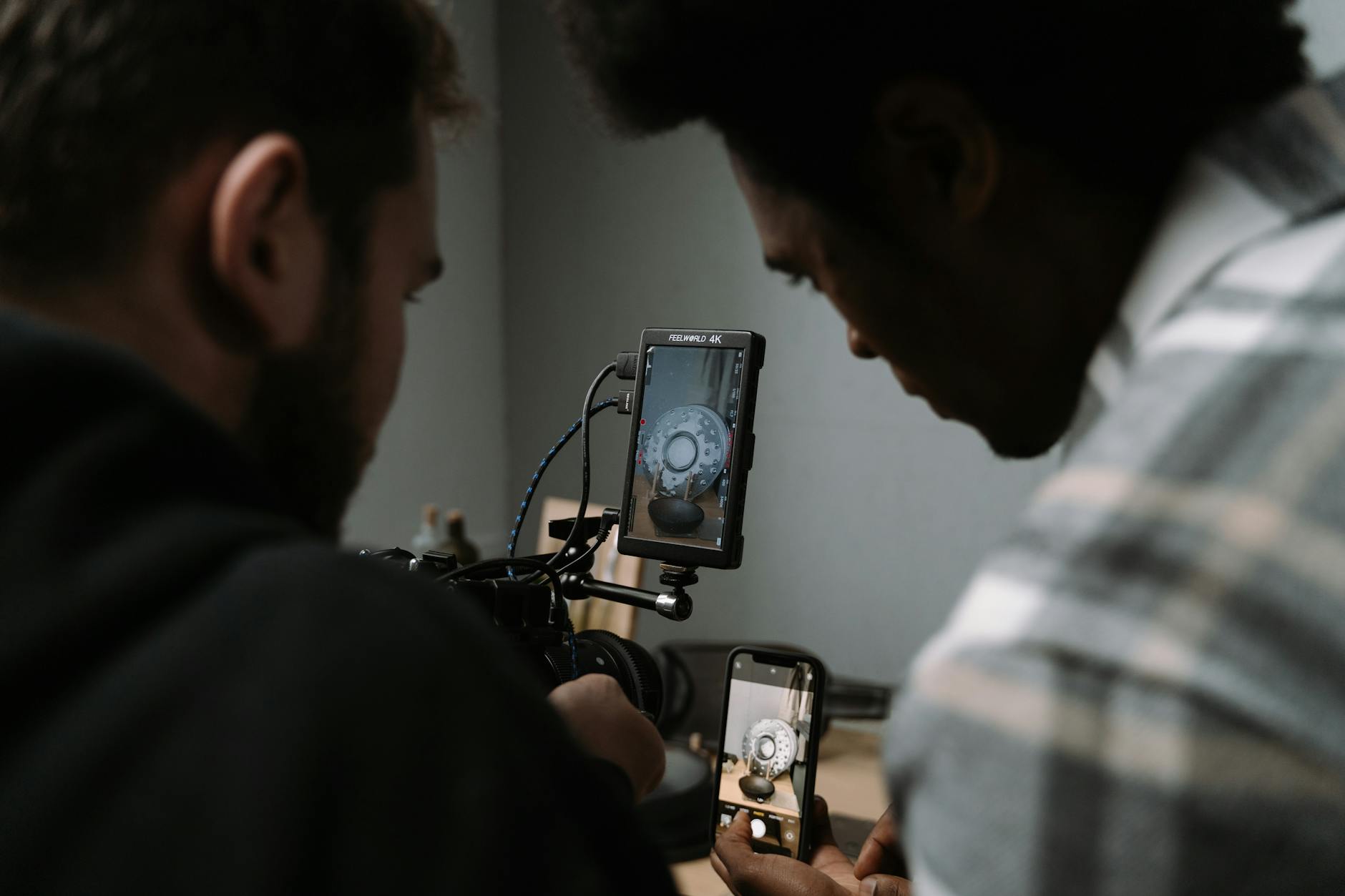
Quality control during the post-processing phase is equally important. Adjustments should focus on minor corrections—such as brightness, contrast, and sharpness—without altering the core appearance of the property. Techniques like High Dynamic Range (HDR) processing can blend multiple exposures to capture all details, from shadowed corners to brightly lit areas, without misrepresenting the space.
Additionally, images should be free from extraneous objects, clutter, or minor imperfections. Employing professional editing software allows for subtle enhancements that highlight the property’s best features while preserving its real essence. When done responsibly, these images can be more compelling without risking the credibility of the listing.
Furthermore, consistency across all photos ensures a cohesive visual experience. This entails standardized camera settings and a uniform editing approach that aligns with the aesthetic and branding of the listing. Such consistency reinforces professionalism and attracts serious buyers who value transparency and detailed visuals.
Achieving expertise in capturing and editing HD property images elevates your marketing strategy. Accurate, high-quality visuals not only draw in more online viewers but also facilitate faster sales by reducing the ambiguity often associated with listing photos. As the digital marketplace continues to evolve, the demand for reliable, vivid imagery shows no signs of diminishing, making precision and authenticity the cornerstones of successful real estate marketing.