

Importance of Property Photography in Real Estate Marketing
High-quality property photography serves as a cornerstone in effective real estate marketing strategies. In a digital landscape flooded with countless listings, images are often the first point of contact between a property and potential buyers. The impression created by professional, clear, and inviting photographs can determine whether a viewer moves forward with interest or scrolls past. Exceptional property images foster an immediate emotional connection, allowing viewers to envision themselves in the space, which significantly increases engagement and inquiries.
In the competitive real estate environment, captivating visuals cut through the noise, creating a memorable narrative that sets a property apart. They amplify the property's unique features, from spacious interiors to scenic exterior surroundings, ensuring that the listing attracts qualified and serious buyers. Furthermore, high-quality photos enhance online visibility by optimizing the listing’s appeal across various digital platforms, leading to increased click-through rates and higher chances of a quick sale.
Effective property photography also reduces the need for multiple showings, saving valuable time and resources for sellers and agents alike. When a property’s images accurately represent the space, buyers are more likely to be genuinely interested, decreasing the likelihood of disappointment or unqualified visits. In this way, professional property photography acts as a powerful tool that combines visual storytelling with strategic marketing, ultimately elevating the property's perceived value and market appeal.
A well-curated image portfolio not only highlights the architectural and design strengths but also subtly addresses potential concerns by showcasing the space in optimal lighting and angles. This comprehensive visual presentation creates a cohesive and enticing narrative that resonates with viewers, fostering trust and confidence in the property. Digital marketing strategies that incorporate high-quality photographs tend to outperform those with amateur visuals, proving that investment in professional photography yields measurable benefits in property sales and marketing effectiveness.

Enhancing Property Listings with Strategic Photography Techniques
In the realm of property marketing, employing advanced photography strategies is critical for capturing the unique ambiance and architectural details of a residence. A well-executed photography session employs various techniques tailored to highlight each space's strengths, thereby creating compelling visual narratives that resonate with potential buyers. Technique selection is contingent upon factors such as lighting conditions, room size, and the property's architectural style. For instance, utilizing wide-angle lenses allows for the expansive portrayal of interior spaces, giving viewers a sense of openness and flow. Proper lighting setup, combining natural and artificial sources, ensures that each image accurately reflects the property's true appearance under optimal illumination.
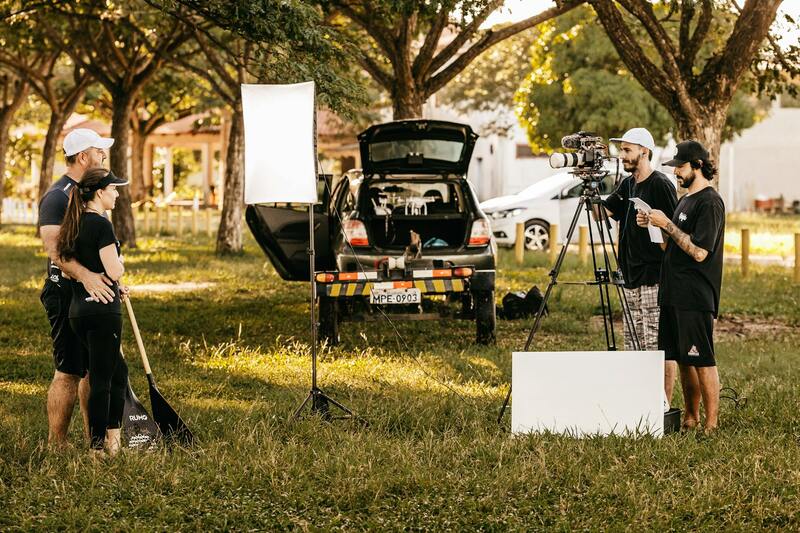
Additionally, strategic camera angles contribute to a more engaging presentation. Shooting from corners or at slightly elevated perspectives can accentuate room dimensions and architectural details. Maintaining image consistency through standardized settings across different rooms fosters a cohesive visual story. Post-processing enhancements such as color correction, brightness adjustments, and minor retouches are equally essential in refining images to meet professional standards, ensuring they appeal to discerning online viewers.
Specialized Equipment and Techniques
- Wide-Angle Lenses: Capture more of the space in a single shot, making rooms appear larger and more inviting.
- HDR Photography: Combine multiple exposures to balance highlights and shadows, producing images with crisp details regardless of lighting conditions.
- Tripods and Stabilizers: Ensure sharp images by minimizing camera shake, especially in low-light scenarios.
- Artificial Lighting: Use professional lighting to illuminate darker areas and highlight key features without creating harsh shadows.
Incorporating these techniques requires skill and experience, emphasizing the importance of professionals who understand how to manipulate technical elements for optimal visual output. The goal remains to produce images that not only showcase the property's physical attributes but also evoke an emotional response, encouraging prospective buyers to imagine themselves residing within these spaces.
Innovative Approaches to Property Photography
Modern property marketing extends beyond traditional still images, integrating innovative methods that further enhance listing appeal. Techniques such as twilight photography—capturing properties during evening hours with carefully managed lighting—add a warm, inviting ambiance. Implementing vertical and horizontal panoramas allows viewers to explore spaces interactively, offering a more comprehensive understanding of the property layout. High dynamic range (HDR) imaging and strategic use of lighting create vibrant images that stand out in crowded online platforms.

Furthermore, combining traditional photography with drone shots provides a holistic view of the property, showcasing both indoor elegance and outdoor surroundings. This layered approach to property photography not only elevates the visual story but also aligns with the preferences of today’s digital-savvy buyers, who seek authentic, immersive property representations. Top-tier property marketing photography thus involves a blend of technical mastery and innovative thinking, turning ordinary listings into captivating visual experiences that can drive faster sales and higher market value.
Effective Techniques and Best Practices for Capturing High-Quality Property Photos
Achieving superior property marketing photography hinges on employing precise techniques and adhering to best practices that highlight the property's most appealing features while maintaining a natural and inviting aesthetic. Proper planning begins with understanding the target audience and the unique selling points of each property, which informs decisions about angles, lighting, and equipment. Using high-end DSLR or mirrorless cameras with wide-angle lenses is standard to encompass more of the interior and exterior spaces within a single shot, providing a comprehensive view that attracts prospective buyers.
Lighting plays a crucial role in elevating image quality. Natural light is preferred during daylight hours, especially during the 'golden hour,' which occurs shortly after sunrise and before sunset. This time provides soft, warm illumination that lends a welcoming glow to rooms and outdoor areas. When natural light is insufficient or inconsistent, supplemental lighting such as portable strobes or continuous LED lights is employed to evenly illuminate spaces, reduce shadows, and highlight architectural features effectively.

Composition techniques focus on creating balanced, clutter-free shots that direct the viewer's eye toward the property's strengths. Utilizing the rule of thirds, leading lines, and symmetry enhances visual interest and guides potential buyers through the photos naturally. The importance of decluttering cannot be overstated; removing personal items and excessive furniture creates a sense of space and allows prospective buyers to envision their own belongings in the environment.
Post-processing also forms an integral component of producing professional-grade property images. Minimal editing enhances colors, corrects distortions, and ensures the photos accurately represent the property's true appearance. Over-editing, however, can mislead viewers and diminish trust; therefore, maintaining authenticity is essential to foster credibility and facilitate genuine interest.
Incorporating innovative formats such as HDR (High Dynamic Range) imaging allows capturing details in both bright and shadowed areas simultaneously, producing images that closely resemble what the human eye perceives. This technique is particularly beneficial for spaces with windows or complex lighting conditions, ensuring interior rooms appear vibrant and well-exposed regardless of exterior lighting variations.
Utilizing Advanced Equipment and Techniques for Captivating Property Shots
Modern property marketing photography benefits from integrating advanced techniques and equipment to elevate listing appeal. Drone photography and videography provide expansive aerial views of the property and its surroundings, offering prospective buyers a unique perspective of outdoor amenities and neighborhood context. These shots can showcase property size, landscaping, proximity to local attractions, and other outdoor features that are difficult to capture from the ground level.
Twilight photography captures a property during evening hours, presenting a warm, inviting glow that evokes a welcoming atmosphere and highlights exterior lighting and landscaping. Combining twilight images with daytime shots creates a dynamic visual story that emphasizes the property's versatility and charm at different times of day.
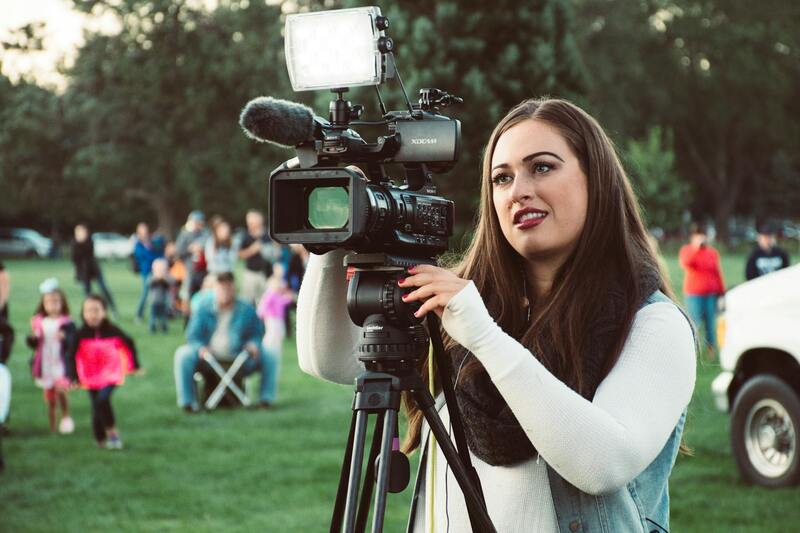
Implementing 360-degree virtual tours and panoramic images enhances online listings by offering immersive experiences. These formats enable viewers to explore the property's interior interactively, gaining a deeper understanding of space flow and layout without physical presence. For designers and real estate professionals aiming for comprehensive presentations, virtual tours complemented by detailed floor plans foster transparency and build confidence among prospective buyers.
In conclusion, high-quality property marketing photography combines technical mastery with creative vision. From optimal lighting and composition to innovative imaging techniques, each aspect is geared toward producing compelling visuals that resonate with potential buyers, accelerate the sales process, and elevate the property's market value.
Role of Virtual Tours and 3D Showcases in Property Marketing
As the real estate landscape evolves, the integration of virtual tours and 3D showcases has become a pivotal element of modern property marketing strategies. These immersive experiences enable potential buyers to navigate through a property remotely, offering a comprehensive understanding of space, layout, and design without the need for physical visits. This technology not only broadens the reach of marketing efforts but also enhances engagement by providing an interactive exploration of the property’s features.
Implementing virtual tours involves creating a seamless, 360-degree walkthrough that users can control—zooming in on specific areas, viewing rooms from different angles, and gaining a sense of depth and scale. These features replicate the in-person experience with remarkable accuracy, fostering a more emotional and realistic connection to the property. Additionally, integrating 3D models allows prospective buyers to visualize interior arrangements and potential modifications, inspiring confidence and facilitating decision-making.

From a marketing perspective, these digital tools significantly boost online listing efficacy. They attract more viewers to the property, encourage longer viewing times, and often lead to higher conversion rates. Utilizing high-quality virtual tours and 3D showcases also demonstrates a commitment to transparency and professionalism, crucial qualities appreciated by discerning buyers and investors alike.
Moreover, these immersive presentations are compatible with various online platforms, including real estate websites, social media channels, and email campaigns. This versatility ensures that marketing efforts reach diversified audiences, bridging geographical barriers and expanding market exposure.
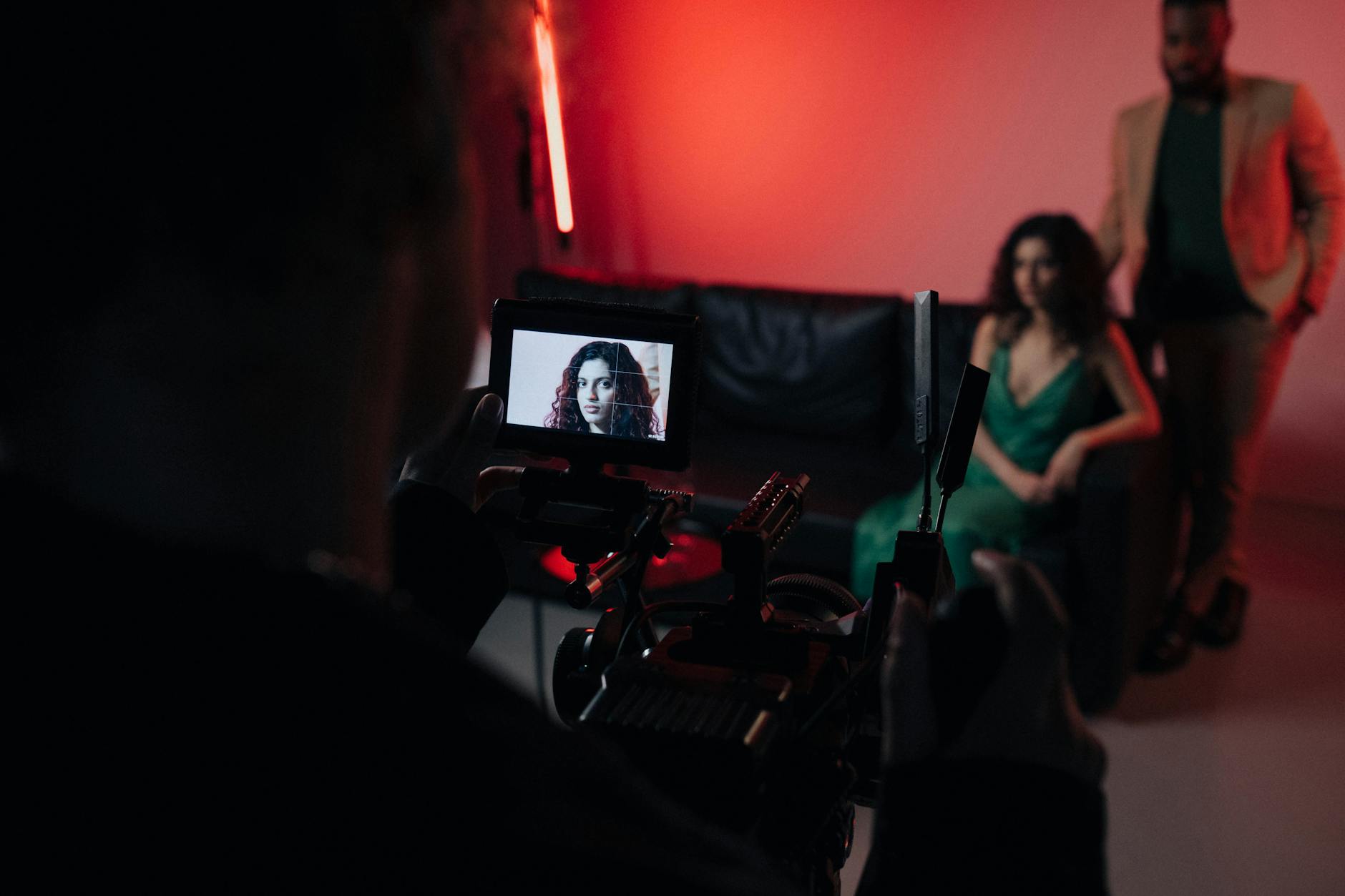
To maximize impact, virtual tours should be crafted with precision and high resolution, emphasizing clarity, lighting quality, and smooth navigation. Pairing virtual experiences with detailed floor plans and professional property photography creates a cohesive visual story that supports swift, informed purchasing decisions. As digital property marketing continues to advance, harnessing the power of virtual tours and 3D showcases remains essential for maintaining competitive visibility and attracting serious buyers.
Techniques and Best Practices for Capturing High-Quality Shots
Achieving exceptional property photography requires a deliberate approach that emphasizes clarity, lighting, composition, and consistency. Photographers specializing in property marketing adopt specific techniques to showcase spaces in their best light, ensuring each image resonates with potential buyers. This process begins with thorough planning, including scouting the property beforehand to identify the best angles and natural lighting conditions. Early mornings or late afternoons often provide optimal sunlight, which can enhance interior and exterior images with warm, inviting tones.
Lighting plays a pivotal role in property photography. Utilizing natural light minimizes the need for extensive editing and provides a true-to-life representation of the space. When natural light is insufficient, professional-grade lighting setups are employed to eliminate shadows and highlight architectural features. Proper lighting enhances the perception of space and makes rooms appear larger and more welcoming.

Composition and camera settings are equally important. Widely accepted principles, such as the rule of thirds and leading lines, guide the framing of each shot to create visual interest. A high-resolution DSLR or mirrorless camera with a wide-angle lens is typically used to capture expansive views and ensure crisp detail across all images. Maintaining a consistent style across all photographs—such as uniform exposure, color balance, and perspective—helps in constructing a cohesive visual narrative that appeals to prospective buyers.
Post-editing is minimized with skillful initial photography, but subtle enhancements like adjusting brightness, contrast, and sharpness can further elevate image quality. Professional photographers often utilize editing software to correct minor imperfections, correct color temperature, and ensure that each photo aligns with the property's true appearance. This meticulous attention to detail ensures the images stand out on online listings and marketing materials.
In addition to standard shots, capturing a variety of angles and perspectives, including wide shots, close-ups of unique features, and exterior panoramas, provides a comprehensive view of the property. Such diversity in imagery allows buyers to develop a stronger emotional connection and a clearer understanding of the space, ultimately encouraging more inquiries and viewings.
Furthermore, incorporating high dynamic range (HDR) imaging techniques can improve the visual balance in scenes with challenging lighting contrasts, such as sunlit windows and shaded interior areas. This approach ensures every detail is visible and accurately represented, delivering a polished and professional appearance for all property marketing efforts.
Finally, consistent calibration of camera equipment and continuous training on the latest photography techniques are essential. This ensures that every shot meets the high standards required in today’s competitive property market, making the visual storytelling both compelling and trustworthy for discerning buyers and investors.
Advanced Techniques and Equipment for Superior Property Photography
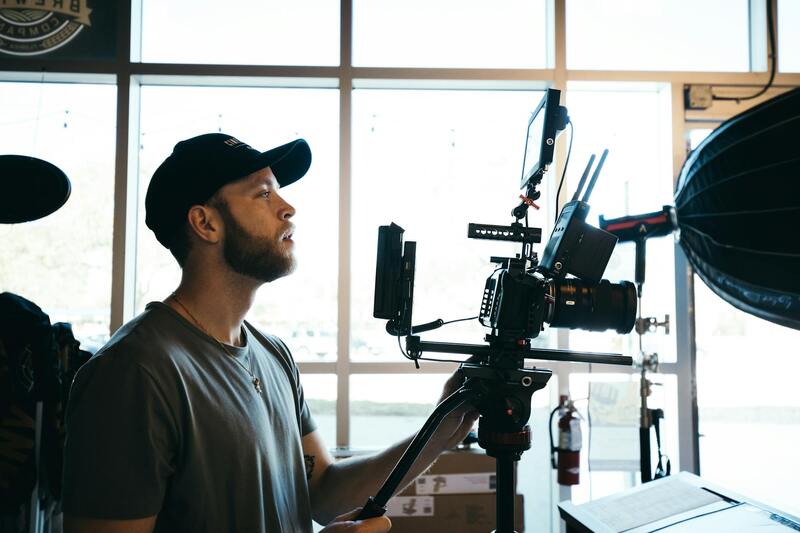
Achieving high-caliber property marketing photography necessitates the use of advanced techniques combined with state-of-the-art equipment. Professional photographers utilize specialized tools and methods to ensure each shot accentuates the property's best features while maintaining accuracy and clarity. Equipment such as full-frame DSLR or mirrorless cameras equipped with wide-angle lenses are fundamental for capturing expansive interior and exterior views, allowing potential buyers to appreciate space and layout effectively. Additionally, employing stabilizers or tripods guarantees sharp, blur-free images, especially during longer exposures in low-light settings.
Another crucial element involves utilizing techniques such as accurate HDR imaging, which balances light and dark areas within a scene to reveal every detail. This approach is particularly useful for handling spaces with challenging lighting conditions, like bright windows or shaded corners. Photographers also often use panoramic stitching to produce wide-angle shots that capture entire rooms or exterior landscapes in a single frame, providing viewers with an immersive experience. Post-processing is equally vital, with professional editing software used to enhance color vibrancy, correct minor imperfections, and fine-tune brightness and contrast to produce visually appealing images that are true to the property's appearance.
Lighting Strategies to Maximize Image Impact
Lighting can significantly influence the quality and perception of property images. Optimal lighting conditions ensure the spaces appear warm, inviting, and true to life. Photographers often combine natural light with supplemental artificial lighting. During shoots, strategic use of softboxes, reflectors, and diffusers helps eliminate shadows and evenly distribute light, accentuating architectural details and interior features. For exterior shots, shooting during the golden hour—shortly after sunrise or before sunset—can lend a natural glow that enhances curb appeal without the harshness of midday sun.

In settings with mixed lighting sources or difficult conditions, photographers skillfully balance light levels to avoid overexposure or underexposure. This meticulous control over lighting ensures that each image accurately reflects the property's true ambiance, which appeals to discerning buyers seeking authenticity and quality.
Positioning and Composition for Maximized Visual Impact
Composition plays a pivotal role in property marketing photography. Professional photographers carefully plan camera angles, focal points, and framing to showcase the property's most attractive features. Typically, shots are taken from eye level to create relatable perspectives, emphasizing floor plans' flow and spatial relationships. Wide-angle lenses are employed to capture entire rooms or exteriors in a single shot, but with careful attention to avoid distortion. Highlighting unique architectural elements, such as bespoke moldings or impressive fixtures, adds character to the images.
Strategic positioning includes capturing multiple angles of each room, utilizing leading lines to direct the viewer's gaze, and incorporating elements like furniture or décor to provide context and scale. Exterior shots often involve positioning the camera to showcase appealing landscaping, outdoor living areas, and the property's overall curb appeal. Consistent framing and perspective across images ensure a cohesive visual story that entices potential buyers.
Continuous Training and Calibration for Consistent Excellence
Maintaining a high standard of property marketing photography requires ongoing education and equipment calibration. Photographers regularly update their skills through workshops and training to stay proficient with the latest techniques and software updates. Calibration of cameras and lenses ensures color accuracy, proper exposure, and sharpness, preserving true-to-life visuals. Regular maintenance of equipment also reduces the risk of technical issues during shoots, ensuring consistent image quality across different properties and lighting situations.
Investing in continuous improvement not only enhances image quality but also reinforces a photographer’s reputation for reliability and excellence in property marketing. This diligence results in images that command attention on online listings, print materials, and virtual showcases, ultimately elevating the property's perceived value and appeal to prospective buyers.
Advanced Techniques and Post-Processing for Property Photography
Achieving exceptional property marketing photography goes beyond mere camera operation; it encompasses sophisticated techniques and meticulous post-processing that enhance the visual appeal and accuracy of images. A crucial aspect involves managing lighting conditions effectively. Photographers often employ HDR (High Dynamic Range) imaging to balance exposure in scenes with contrasting light levels, such as bright windows and darker interior spaces. This technique ensures that details are visible throughout the image, providing a realistic and inviting presentation of the property.
Composition also plays a pivotal role in producing compelling photos. Effective use of symmetry, leading lines, and framing draws viewers' eyes towards focal points within each room or exterior feature. Maintaining consistent perspectives across a series of images creates a cohesive visual narrative that guides potential buyers seamlessly through the property’s features.
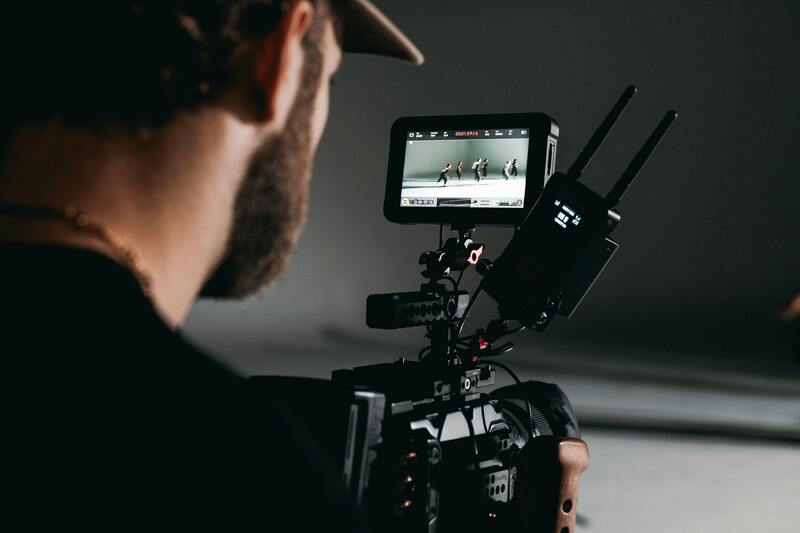
Post-processing software serves as an extension of the photographer’s skill set, allowing for color correction, sharpening, and minor retouching to eliminate imperfections. Adjustments to white balance and contrast can significantly enhance the true-to-life reproduction of a property’s appearance. Blind spots or distracting elements, such as clutter, can be subtly minimized or removed, creating a clean and professional presentation that aligns with the property’s aesthetic.
Color accuracy is vital in property marketing photography. Proper calibration of camera equipment and adherence to standardized workflows ensure that the hues in photographs reflect real-world colors. This accuracy builds trust with prospective buyers, as they can comfortably rely on the visual impressions provided by the images.
When combined with panoramic views and wide-angle lenses, these advanced techniques allow photographers to capture expansive and detailed perspectives, emphasizing the spatial dimensions and flow of interior spaces. This comprehensive approach enhances online listings and marketing materials, making each property stand out amid a competitive market landscape.

Investing in ongoing training is essential for maintaining excellence in property photography. Workshops focused on the latest software updates, lighting techniques, and composition trends help professionals stay at the forefront of industry standards. Regular calibration of equipment, including lenses and monitors, ensures color fidelity and exposure consistency, which directly impact the quality of final images. This commitment to professional growth and technical precision translates into images that consistently meet high standards and effectively support compelling property marketing campaigns.
High-caliber property photography, characterized by adept technique and diligent post-processing, results in visual content that commands attention across digital platforms, attracts serious buyers, and accelerates the sales process. Working with experienced professionals ensures that each aspect, from shot to presentation, aligns with strategic marketing goals, ultimately elevating the property's perceived value.
Leveraging Official Methods to Promote Property Photography Effectively
In the competitive arena of property marketing, employing verified and reputable strategies to showcase high-quality imagery plays a pivotal role in attracting potential buyers and ensuring the smooth transaction process. Authentic avenues such as established listing platforms, regional real estate portals, and industry-approved social media channels serve as primary mediums for disseminating property photography. These channels not only boost visibility but also uphold the professionalism associated with credible marketing efforts.
Partnering with recognized real estate agencies and certified photographers ensures that the imagery aligns with industry standards, thereby reinforcing the property's appeal through consistent quality and accurate representation. These partnerships facilitate access to official tools such as compliant virtual tour technology and high-resolution imaging that adhere to industry norms, which ultimately build trust with prospective clients.
Integration of Industry-Standard Marketing Channels
- Official Real Estate Portals: Listings on reputable property websites and MLS (Multiple Listing Service) databases guarantee maximum exposure to targeted audiences actively seeking property information.
- Certification and Accreditation: Utilizing certified photography services and accredited virtual tour providers assures clients of professionalism, technical expertise, and adherence to best practices.
- Social Media Advertising: Promoting property images via verified social media accounts and sponsored advertisements increases reach while maintaining image integrity and compliance with platform policies.
- Print and Digital Brochures: Creating high-quality, professionally designed marketing collateral that features trusted photography methods to reach audiences preferring traditional media.
Importance of Proper Licensing and Use Rights
By relying on official channels and licensed media, real estate marketers can confidently utilize professional property photography without risking infringement issues. Proper licensing not only safeguards your marketing materials but also affirms your commitment to ethical and legitimate promotional practices, which fosters greater trust among clients and stakeholders.
Utilizing Data-Driven and Certified Editing Software
Employing certified editing software approved by industry governing bodies ensures consistency, accuracy, and quality in image post-processing. This adherence to recognized editing standards guarantees that photographs remain true to the property’s actual appearance, avoiding deceptive techniques while highlighting key features effectively.
Ensuring Visibility through Search Engine Optimization (SEO)
Implementing SEO best practices on official property listing websites and digital platforms enhances search rankings, making property photography more accessible to prospective buyers. Optimized file names, alt-text, and descriptive metadata contribute to higher online discoverability, aligning with reputable digital marketing practices.
Submission of high-resolution images that meet industry specs to authorized listing services ensures compliance with platform requirements while maximizing visual appeal. Consistency across official marketing channels helps create a cohesive and professional presentation, reinforcing the property's desirability.
By combining these legitimate and verified methods—leveraging official listing services, adhering to licensing standards, utilizing industry-approved editing tools, and implementing SEO—property marketers can maximize the impact of their property photography. These strategies foster credibility, expand reach, and ultimately accelerate the sales process, providing measurable benefits for property owners and agents alike.