Benefits of Drone Videography in Real Estate Marketing
Integrating drone videography into real estate marketing strategies offers a transformative way to present properties. High-quality aerial footage provides a comprehensive perspective that traditional ground-level photography often cannot deliver. Prospective buyers gain a clearer understanding of the property’s layout, surrounding neighborhood, and scenic features, which enhances their overall perception and interest. The dynamic nature of drone footage allows for captivating walkthroughs, emphasizing both the property’s scale and unique architectural attributes. Such visual storytelling creates a compelling narrative that can significantly elevate a listing’s appeal.
Moreover, drone videos improve listing visibility across various platforms. With engaging, high-definition aerial shots, properties stand out in a crowded market, generating more online views and interactions. This increased exposure often correlates with faster sales cycles and higher sale prices, as potential buyers can evaluate the property more effectively before scheduling a visit. For real estate agents and sellers, using drone videography is a strategic investment that enhances marketing efforts, helping properties reach a broader audience with compelling, immersive content.
Beyond aesthetics and visibility, drone footage can highlight key selling points such as expansive land, waterfront access, and outdoor amenities like pools, gardens, or terraces. The ability to capture the entire property in a single shot or create cinematic tours offers a comprehensive showcase that static images cannot replicate. Additionally, aerial shots can reveal features of the neighborhood, nearby parks, schools, and other attractions, positioning the property within its desirable context.
By emphasizing these benefits, real estate professionals can create marketing materials that stand out, attract more prospective buyers, and accelerate the sales process. The strategic use of drone technology ensures that each property is presented in the most engaging and informative manner possible, ultimately driving better results and client satisfaction.
Types of Aerial Shots and Videography Styles
Choosing the appropriate drone shot and videography style is crucial for creating compelling real estate marketing content. Diverse aerial shot types serve different purposes, enhancing the property's visual narrative. For example, wide-angle shots provide an overall view of the property’s footprint, highlighting the size of land and the layout of outdoor features. This style is especially effective for large estates, farms, or properties with extensive gardens. By capturing the entire estate in a single frame, potential buyers gain a immediate sense of scale and spatial relationships.
Next, elevation or top-down shots focus directly downward, emphasizing specific features such as swimming pools, patios, or landscaped gardens. These shots are ideal for showcasing the property's amenities and design details from a bird’s-eye perspective, offering viewers a unique overview that static images cannot match.
Strategic camera movements, such as swooping or orbit shots, add cinematic quality to videos. For instance, a smooth circular orbit around the property or descending shots from the sky can build a narrative, guiding viewers through various features and creating an immersive experience. These dynamic movements attract attention and help differentiate listings in competitive markets.
In addition to traditional steady shots, innovative videography styles like hyper-lapses or time-lapse aerial footage can highlight neighborhood development, landscaping changes, or long-term property features, providing viewers with a deeper understanding of the environment.
Choosing the Right Droning Style for Your Property
- Panoramic and Wide-Angle Shots: Showcase overall property layout and surrounding landscape.
- Point-of-Interest Shots: Focus on key features such as pools, gardens, or outdoor entertainment areas.
- Orbit and Circular Shots: Create cinematic tours around the property, emphasizing its architecture and outdoor spaces.
- Descending or Ascending Shots: Provide dramatic perspective shifts from the sky or ground level, highlighting elevation differences and views.
- Neighborhood and Context Shots: Capture the property's surrounding community, nearby parks, schools, or amenities for contextual relevance.
Matching the appropriate style with the property’s unique features ensures the video resonates with potential buyers, emphasizing the property’s best attributes while delivering engaging content that stands out across digital platforms.
Legal and Regulatory Considerations for Drone Use in Miami
Utilizing drone technology to capture real estate properties in Miami requires adherence to specific operational standards that ensure safe and effective filming practices. These protocols encompass various aspects, including flight permissions, altitude restrictions, airspace management, and flight planning, all designed to harmonize drone activities with the local airspace and urban environment.
Before initiating any aerial shooting, a comprehensive flight plan should be developed. This plan involves assessing the property's location, considering nearby air traffic, and identifying potential obstacles such as tall structures or power lines. Such preparation mitigates risks and promotes a smooth filming process.
Operators must be trained to handle their equipment responsibly and to maintain a professional level of operation. This includes understanding wind conditions, battery management, and maintaining line-of-sight with the drone at all times. Proper maintenance of the drone equipment also ensures safety and longevity of the devices used for property video shoots.
Additionally, members of the drone team should keep detailed records of all flights, including times, locations, and flight paths. These records serve as documentation showcasing adherence to regulations, which can be essential for scheduling future shoots and verifying compliance if necessary.
The use of geofencing technology can help restrict drone flight within designated areas, preventing accidental intrusions into restricted zones. This feature supports compliance by alerting pilots when they approach sensitive or banned airspace segments, thereby fostering responsible drone operation.
In Miami, drone operators are encouraged to collaborate with local authorities and aviation agencies to stay informed about any temporary flight restrictions or special event considerations that may impact aerial filming schedules. This proactive communication ensures that property videography activities proceed smoothly without unforeseen interruptions.
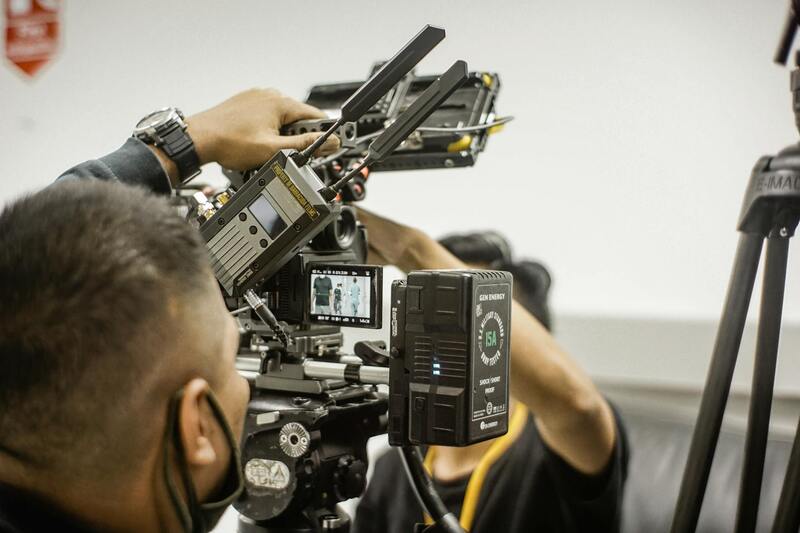
By observing these official procedures and guidelines, real estate professionals can produce high-quality aerial footage that not only captures the essence and appeal of properties but also aligns with best practices for safe drone operation within the Miami area. Such diligence demonstrates a commitment to professionalism and ensures that your visual marketing efforts effectively showcase listings while respecting the operational frameworks that govern drone use.
Types of Aerial Shots and Videography Styles
Effective drone videography for real estate hinges on selecting the appropriate shot types and stylistic approaches that best showcase each property’s unique features and surrounding environment. Different shot styles can be employed to evoke specific emotions, highlight property amenities, or demonstrate spatial relationships. Here, focusing on official, technically sound methods for capturing these visuals ensures both compliance and high-quality results.
Standard aerial shots include wide-angle exterior views that establish the property's prominence within its neighborhood. These shots demonstrate proximity to local amenities, natural features, and the broader landscape, providing potential buyers with contextual understanding. In addition, height-adjusted shots, which can range from eye-level perspectives to bird’s-eye views from higher altitudes, help illustrate the layout and size of the property effectively.
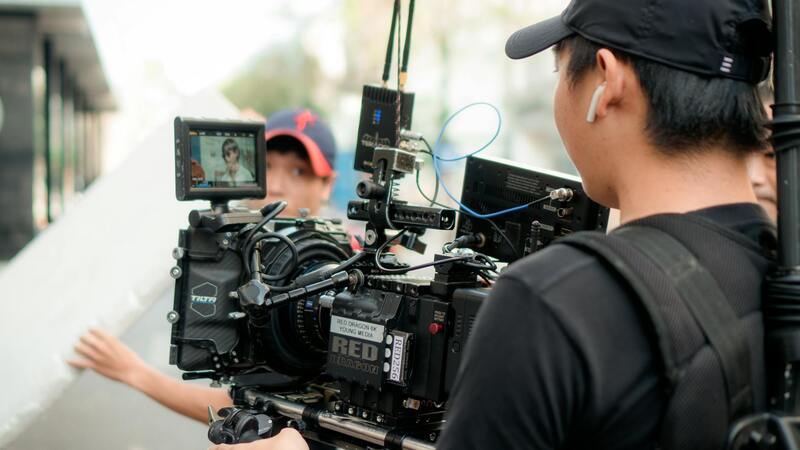
Moreover, dynamic videography styles such as orbit shots—where the drone circles around the property—capture the residence from multiple angles, revealing architectural details and landscaping artistry. Vertical shots, which ascend vertically above a building or outdoor features, offer comprehensive views that emphasize spatial dimensions and property boundaries. Transition techniques like smooth pans or tilts can be integrated into video footage to guide viewers' attention seamlessly from one feature to another, creating a cinematic presentation that aligns with professional standards.
Implementing these styles with precision involves careful planning of flight paths and adherence to pre-established safety protocols. This includes determining optimal altitudes, avoiding sensitive areas, and maintaining stabilized footage to ensure clarity and professionalism. Skilled operators utilize specialized software to map out these routes, ensuring consistency across shoots and adherence to operational best practices.
In terms of videography styles, the focus should be on capturing the property’s essence through various angles—both static and motion-based—while respecting established aerial operation guidelines. Combining these shot types with high-resolution cameras and advanced stabilization systems results in visuals that are compelling, accurate, and fully compliant with local operational standards.
Types of Aerial Shots and Videography Styles
In the realm of drone videography for real estate, employing a variety of shot types enhances the appeal and comprehensiveness of property visuals, providing prospective buyers with a thorough understanding of the property's features and surroundings. Different shot styles serve distinct purposes and, when combined thoughtfully, create an engaging and informative visual narrative that highlights the property's best attributes.
Key Aerial Shot Types
- Establishing Shots: These wide-angle visuals set the scene, showcasing the property's location within the neighborhood or cityscape. They provide context, illustrating proximity to amenities, scenic views, and the overall environment.
- Orbit Shots: Also known as circling shots, these involve the drone smoothly circling around the property at a consistent altitude, capturing a 360-degree perspective. Orbit shots reveal architectural details, landscaping, and external features from multiple angles, offering a dynamic view that enhances appeal.
- Vertical or Top-Down Shots: Ascending vertically above the property provides a bird's-eye perspective, emphasizing spatial relationships, property boundaries, and outdoor features like gardens, pools, or driveways. These shots are particularly effective for showcasing large estates or commercial properties.
- Tracking Shots: Following a moving subject, such as a vehicle entering the property or a person walking through the yard, adds a sense of movement and scale, making the visuals more immersive.
- Fly-Throughs: Smooth, cinematic flights through open doorways or windows give viewers an inside-outside connection, provided those areas are accessible and well-arranged for filming.
Videography Styles for Real Estate
Incorporating different videography techniques allows for storytelling that appeals to potential buyers. These include:
- Static Shots with Pans and Tilts: These maintain focus on a specific feature, such as a grand staircase or landscaped garden, while slowly adjusting the camera to reveal additional details.
- Motion-Based Shots: Continuous, moving shots like orbiting or tracking create dynamic visuals that mimic professional cinematic productions—drawing viewers into the property experience.
- Time-Lapse Sequences: Showcasing changes in lighting or activity over time adds a dramatic effect and can highlight the property's potential for outdoor entertaining or scenic beauty across different times of day.
- Hyperlapse & HDR Shots: Advanced techniques like hyperlapse (accelerated motion) and high-dynamic-range imaging improve visual richness, demonstrating professionalism and attention to detail in presentation.

Strategic Considerations
Effective drone videography hinges on thoughtful shot planning, which involves selecting angles that best showcase a property’s unique features and complete layout. Combining various shot types and editing transitions ensures a polished, cinematic flow that maximizes viewer engagement. High-definition footage with stabilized motion is essential to convey professionalism and credibility—attributes that resonate with discerning clients.
Choosing the Right Drone Equipment and Technology
Selecting the appropriate drone equipment for real estate videography necessitates careful evaluation of features tailored to high-quality property presentations. The equipment must provide stable flight capabilities, high-resolution camera standards, and advanced stabilization systems to ensure crisp, cinematic footage. Professionals often opt for drones with 4K or higher camera resolutions, combined with gimbal stabilization, to capture smooth, detailed visuals of the property and surrounding environments.
Additionally, the flight time capability is crucial for comprehensive shooting sessions, typically requiring drones that can operate for at least 20-30 minutes on a single charge. These aircraft often incorporate obstacle avoidance sensors, which enhance safety during complex flight paths around buildings and landscape features, reducing risk and liability for operators.
It’s also beneficial to consider drones with intelligent flight modes, such as automated orbiting, waypoint mapping, and follow-me capabilities. These features streamline the filming process, allowing for consistent shot composition and reducing the need for manual piloting, which is especially advantageous for complex or expansive property listings.
When choosing technology, compatibility with editing software and post-production workflows should be assessed. Many high-end drones allow direct integration with editing suites, facilitating efficient post-processing. Such integration ensures that footage can be quickly refined, color-graded, and formatted for various marketing platforms, maintaining professional standards across all visuals.
Investing in the appropriate equipment not only elevates the quality of the final product but also enhances operational efficiency and safety. This approach ensures that every property is showcased with compelling visuals that meet the expectations of discerning clients and support strategic marketing objectives.
Implementing Official Methods for Drone Videography in Miami
For real estate professionals aiming to leverage drone videography effectively, adopting official procedures ensures compliance with established standards and maximizes the quality of the final output. This includes thorough pre-flight planning, which involves consulting with certified drone operators who adhere to industry best practices. Detailed flight plans should be developed to account for property layout, surrounding obstructions, and ideal filming angles, ensuring comprehensive coverage without risking safety or property damage.
Operational protocols must emphasize proper authorization, which involves verifying that all drone flights are conducted within authorized zones and adhere to specified altitude limits. Utilizing official airspace maps provided by regulatory bodies allows operators to identify safe corridors and avoid sensitive areas. Maintaining precise documentation of flight plans and permissions serves as a record of responsible operation and can facilitate smoother workflows when coordinated with property owners and stakeholders.
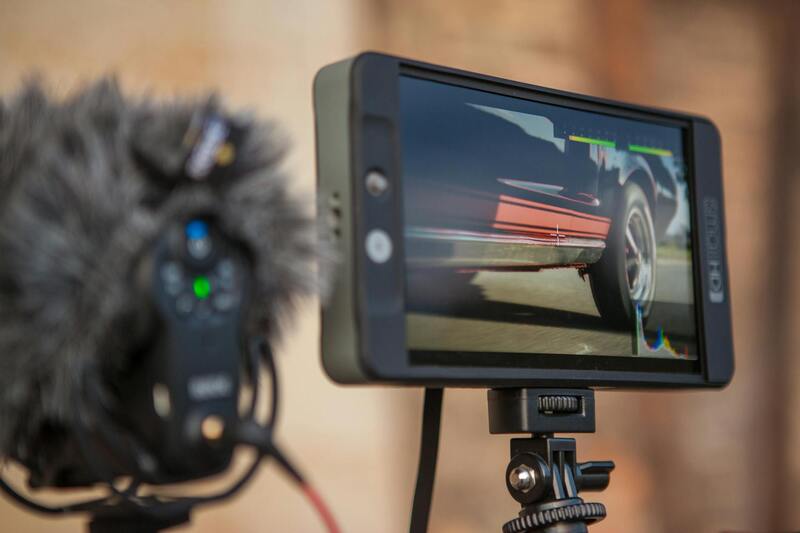
Additionally, employing certified pilots familiar with the local environment ensures that drone operations are conducted safely and efficiently. Certifications from recognized organizations demonstrate a pilot’s expertise in handling diverse conditions and complex landscapes, which is particularly important in scenic or densely built neighborhoods.
Post-flight procedures should include quality control measures such as reviewing footage to confirm all desired shots are captured with optimal clarity and stability. Proper editing and formatting—using professional-grade tools—are crucial to produce visuals that highlight the property’s features attractively. These steps, grounded in official methods, provide a reliable foundation for creating compelling marketing content that aligns with industry standards and client expectations.
Maintaining Safety and Ethical Standards
Safety and ethical considerations should be integrated into all stages of drone operations. This involves ensuring that flight paths do not encroach on private property or protected zones, respecting the privacy of individuals nearby. Clear communication with property owners and neighbors about the purpose and scope of drone flights fosters trust and cooperation.
It is equally important to keep up-to-date with any changes in local regulations and technology advancements. Regular training and certification for drone operators not only enhance skills but also demonstrate a commitment to responsible management of aerial videography projects. By adhering to these officially sanctioned methods, real estate professionals can effectively incorporate drone technology into their marketing strategies while respecting the legal framework and community standards.
Step 8: Implementing Official and Verified Methods for Drone Videography in Real Estate
Achieving the highest standards in drone videography for real estate involves meticulous planning, execution, and adherence to established procedures that emphasize accuracy and safety. Executing drone flights under official guidelines ensures consistency, professionalism, and the production of compelling visual content that truly highlights a property’s unique features. These methods encompass several instrumental practices that are considered industry best practices when it comes to aerial property videography.
Preparation and Site Evaluation
Before deploying any drone operations, a comprehensive site assessment is essential. This involves reviewing property boundaries, understanding airspace restrictions, and analyzing potential obstacles that could affect flight paths. Utilizing official maps and authorized airspace data ensures the drone's operation remains within permitted zones, avoiding inadvertent encroachments on restricted areas. Proper planning includes establishing safe takeoff and landing zones, maintaining clear communication with property owners and stakeholders, and confirming weather conditions are suitable for flight. Conducting a risk assessment reduces the likelihood of unforeseen issues during shooting sessions.
Operator Certification and Training
All drone pilots involved in real estate videography should possess verified certifications from recognized authorities, demonstrating proficiency in safe operation and regulatory compliance. Continued education through official training programs keeps operators up-to-date with evolving technology, procedural standards, and safety practices. Certified operators are better equipped to handle complex scenarios, ensure safety protocols are followed, and deliver high-quality footage aligned with industry standards.
Use of Approved Equipment and Technological Tools
The selection of drone hardware and software must be based on verified specifications that meet professional standards. This includes using aircraft equipped with stabilized gimbals, high-resolution cameras, and obstacle-avoidance sensors. Only equipment approved by reputable manufacturers and compliant with relevant operational guidelines should be utilized. Additionally, employing authorized editing software and post-production tools ensures footage is processed in accordance with professional standards, maintaining the integrity and quality of the visuals produced.
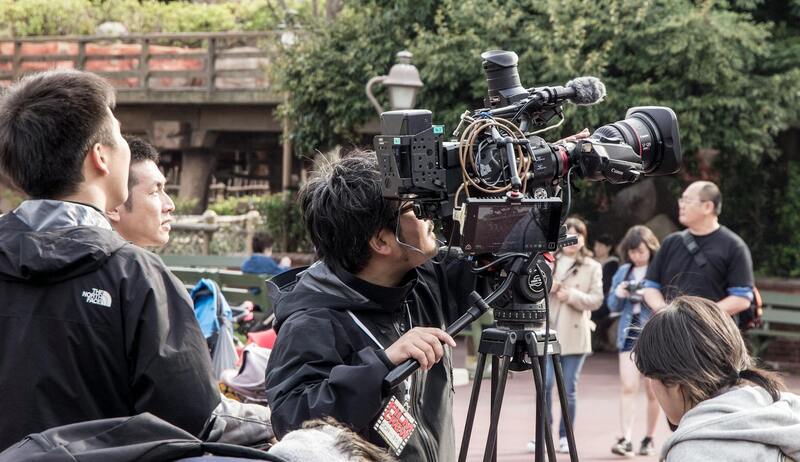
Flight Operations and Monitoring
During drone flights, continuous monitoring of the aircraft’s status and environment is critical. This involves real-time tracking of altitude, speed, and location, alongside vigilant observation for obstacles, birds, or other aerial activity. Utilizing verified flight planning software and pre-approved flight paths minimizes the risk of violations or accidents. Conducting pre-flight safety checks, adhering to prescribed altitude limits, and maintaining communication with team members uphold safety standards mandated by official protocols. Post-flight procedures include detailed data review to confirm all desired shots are captured with clarity and stability.
Quality Control and Post-Production
Upon completion of aerial capture, footage must undergo thorough quality assurance using professional-grade editing tools. Color grading, stabilization, and resolution enhancement should be performed adhering to industry best practices. The editing process should respect the original data's integrity and accurately highlight the property’s key features. Proper formatting and exporting ensure compatibility across various marketing channels, providing a professional presentation to prospective buyers and clients.
Documentation and Reporting
Maintaining detailed records of each flight, including flight plans, operator certifications, and compliance checks, exemplifies transparency and accountability. These documents are vital for audits, client reports, and future planning. Employing official documentation tools and adhering to reporting standards ensures that all drone operations are traceable and verifiable, reinforcing trustworthiness and professionalism in the real estate videography process.