
The Role of Commercial Real Estate Photography in Miami's Market
Miami's commercial real estate landscape is renowned for its vibrancy, diversity, and competitive nature. In such an environment, high-quality visual representation plays an essential role in attracting investors, tenants, and buyers. Professional commercial real estate photography serves as a vital marketing tool, enabling property owners and brokers to showcase the unique features and potential of each asset with clarity and impact.
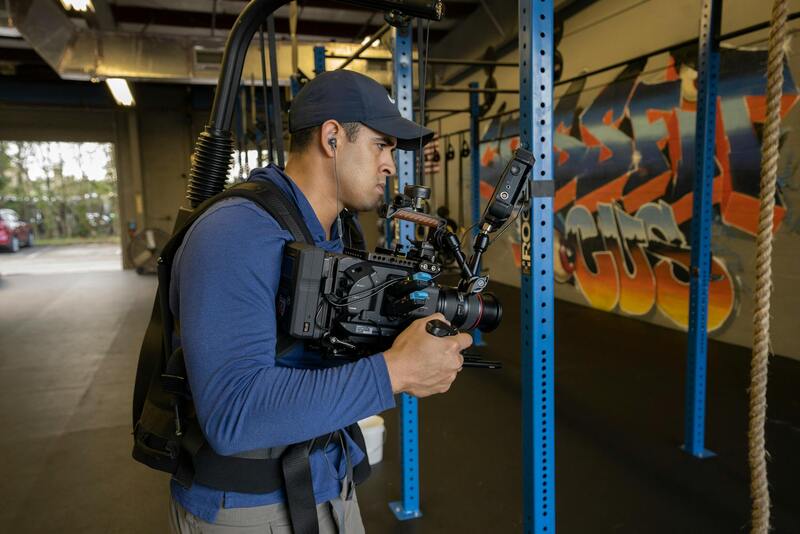
In Miami’s bustling market, where properties vie for attention on digital platforms, a compelling visual presentation can be the difference between a listing that sells quickly and one that languishes. A professional photographer with expertise in commercial real estate understands lighting, composition, and the nuances required to portray a space's full potential. This skill ensures images are not only visually appealing but also informative, providing potential clients with an accurate sense of space, scale, and ambiance.
Impact on Marketing, Leasing, and Sales
- Enhanced Visibility: High-quality images attract more online views and engagement, increasing the property's exposure to targeted audiences across various listing platforms and social media channels.
- Faster Leasing and Sales: Professionally captured visuals can expedite decision-making processes for prospective tenants and buyers, leading to quicker transaction cycles.
- Brand Credibility: Using exceptional imagery elevates the reputation of the property owner or broker, establishing trust and professionalism in a competitive market.
- Diversified Marketing Assets: Content generated through professional photography can be repurposed across print media, virtual tours, and promotional videos, broadening outreach efforts.
The strategic deployment of professional visuals in Miami's commercial real estate sector directly correlates with increased interest, streamlined leasing processes, and successful sales transactions. As a nexus for innovation and investment, Miami demands nothing less than imagery that captures the potential and prestige of each property.
The Importance of Official Methods for Commercial Property Marketing in Miami
In Miami’s highly competitive commercial real estate landscape, leveraging official and reputable methods to showcase properties is crucial for achieving optimal visibility and credibility. Professional photography stands at the forefront of these strategies, serving as a cornerstone for successful marketing, leasing, and sales efforts. Utilizing high-quality, professionally produced images not only attracts targeted audiences but also demonstrates a commitment to excellence and transparency, which can significantly influence decision-making processes for prospective clients.
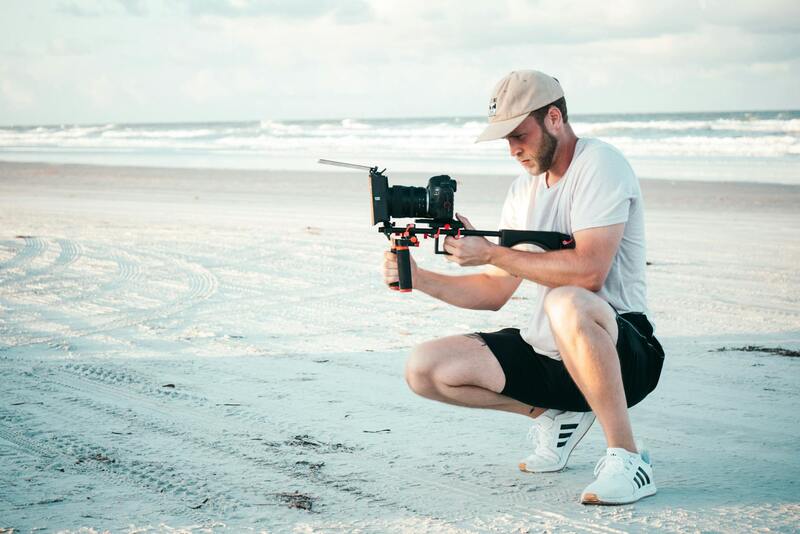
Effective marketing begins with the selection of qualified commercial real estate photographers who employ recognized best practices and legitimate techniques. These professionals utilize advanced equipment and stay current with industry standards to produce images that resonate with both online and offline viewers. Accurate representation relies on proper lighting, perspective, and post-processing, which are all executed through validated methods that maintain consistency and authenticity in visual content.
Adhering to Established Protocols During the Shooting Process
To ensure the highest quality results, certified photographers follow structured planning and execution processes. This includes detailed site assessments beforehand to identify the best angles and lighting conditions. During the shoot, professional photographers strictly adhere to established guidelines for framing, exposure, and depth of field to capture interior and exterior features accurately. Such rigor guarantees the images truly reflect the space’s scale, ambiance, and unique characteristics, facilitating more effective virtual presentations and printed materials.
Utilizing Certified Equipment and Technologies
Legitimate commercial real estate photographers invest in industry-standard tools, such as high-resolution cameras, professional lighting setups, and drone technology where permitted. These tools help produce crisp, vibrant images with minimal distortion or metadata discrepancies. Additionally, they ensure compliance with property and safety regulations, maintaining transparency about the origin and handling of visual assets. High-quality equipment combined with experienced operation techniques results in trustworthy visuals that represent the property honestly and attractively.
Post-Processing Techniques Guided by Industry Standards
Post-production plays a vital role in refining photos without over-enhancement, which is essential for authenticity. Certified editing tools and methods—including color correction, perspective adjustment, and noise reduction—are employed following industry best practices, avoiding manipulations that could mislead viewers. Such processes are documented and verifiable, which fosters trust and supports transparent property marketing efforts.
Legal and Ethical Considerations in Commercial Photography
Compliant professionals stay informed about legal requirements and ethical standards relevant to commercial real estate imagery. This includes securing permissions for drone use, ensuring property access rights, and correctly attributing any third-party content. These practices protect all parties involved and uphold the integrity of marketing campaigns. Proper documentation and adherence to these established protocols create a foundation of trustworthiness essential for long-term success in Miami’s dynamic market.
Effective Techniques for Capturing Commercial Real Estate in Miami
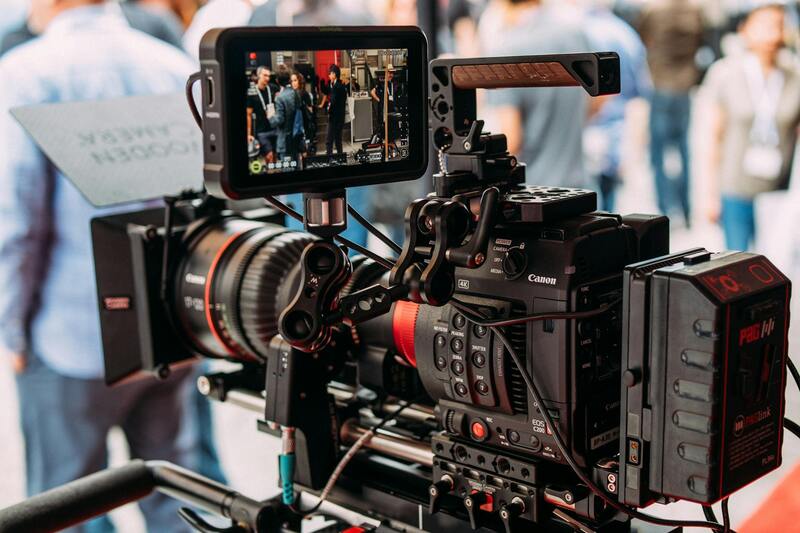
To accurately represent the unique features and appeal of Miami's commercial properties, professional photographers employ a range of specialized techniques. Optimal lighting setup is essential, whether utilizing natural light during daylight hours or employing studio lighting for interiors. By controlling shadows and highlights, photographers ensure the property's details are clearly visible, enhancing visual clarity.
Strategic composition, including the rule of thirds and framing, guides viewers’ attention to key property aspects. Emphasizing architectural details and spatial dimensions helps convey the scale and functionality of the space, which is crucial for prospective investors and tenants.
Advanced camera settings, such as appropriate aperture and shutter speed, enable sharp images that withstand scrutiny. For dynamic scenes or properties with complex lighting conditions, high-dynamic-range (HDR) photography combines multiple exposures to produce balanced images with rich detail both in shadows and highlights.
Incorporating aerial imagery through drone photography adds a comprehensive perspective of the property’s surroundings. These shots help illustrate accessibility, proximity to key Miami landmarks, and the overall context within the neighborhood, which are significant selling points in a competitive market.
Furthermore, twilight shots capturing the property illuminated against Miami’s vibrant skyline can evoke a sense of prestige and allure. Virtual tours, integrating interactive 3D models, provide an immersive experience that fosters engagement and allows viewers to explore the property remotely in detail.
Equipment and Technology for Effective Commercial Photography
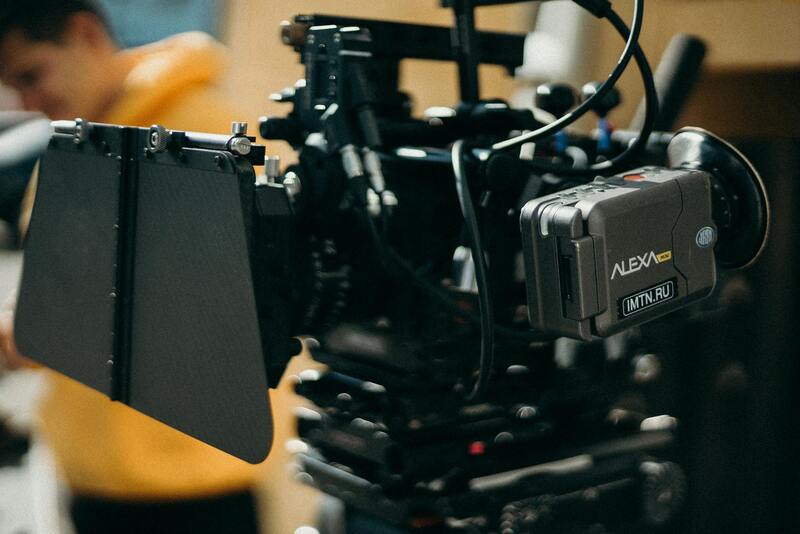
Achieving compelling visuals in commercial real estate photography in Miami demands the utilization of advanced equipment and cutting-edge technology. High-quality professional-grade cameras with full-frame sensors provide the resolution and detail necessary to showcase property features accurately. These cameras often support high dynamic range (HDR) imaging, enabling photographers to balance exposure in scenes with challenging lighting conditions commonly found in commercial spaces.
Wide-angle lenses are indispensable in capturing expansive interior shots and architecture, allowing viewers to experience the full scale and layout of the property in a single frame. These lenses reduce distortion, providing a truthful representation that appeals to prospective tenants and investors.
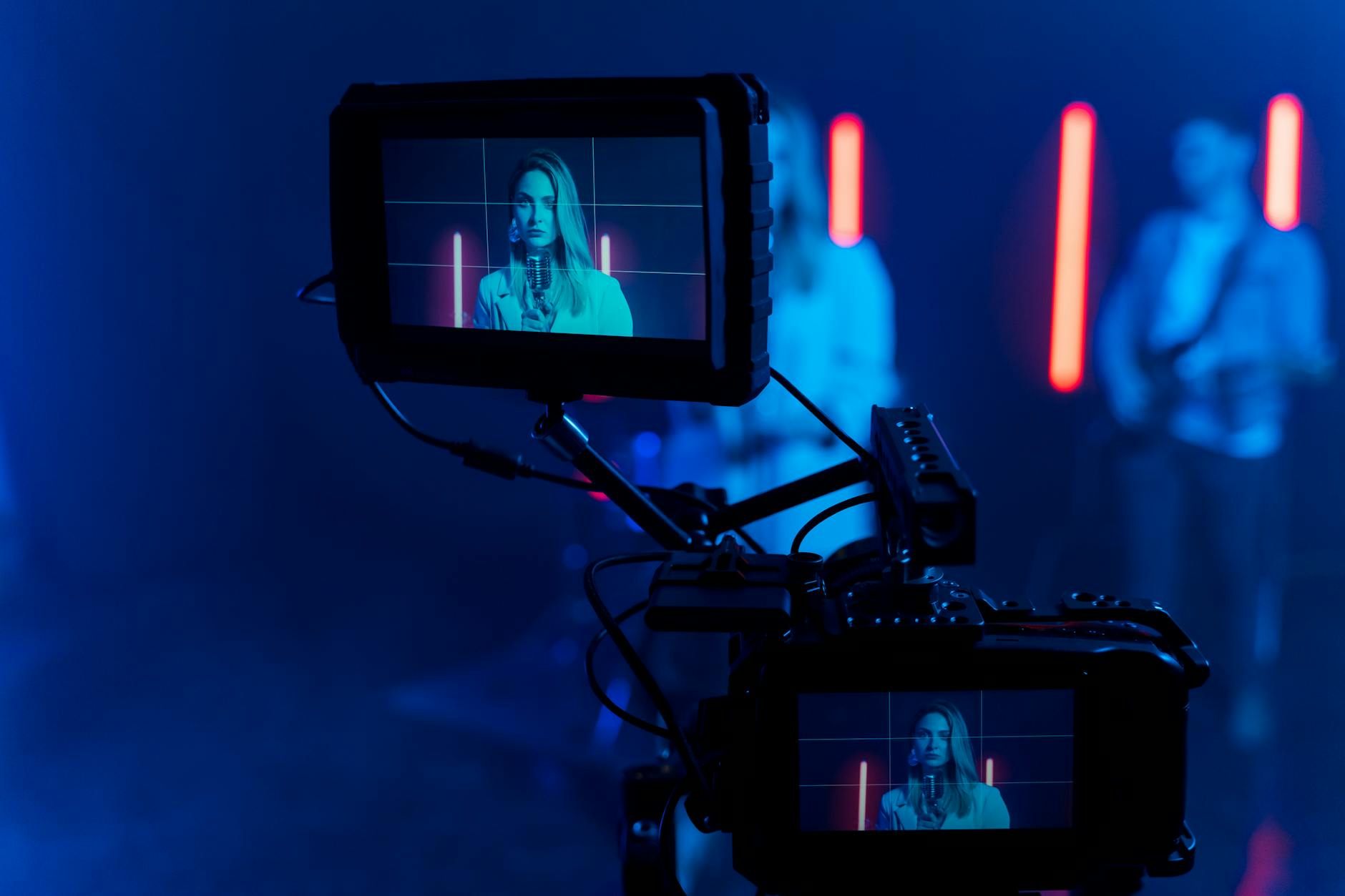
Lighting equipment plays a critical role in presenting properties in their best light. Portable LED panels, softboxes, and strobe lights help to illuminate spaces evenly, eliminating shadows and highlighting architectural details. Proper lighting not only enhances the clarity of photographs but also contributes to the mood and perceived value of the property.
Drone technology, particularly high-resolution unmanned aerial vehicles (UAVs), provides comprehensive aerial perspectives that elevate marketing efforts. Drones equipped with stabilization gimbals and high-quality cameras can capture sweeping views of property exteriors, surrounding neighborhoods, and accessibility routes. These images generate a sense of scale and context, vital in competitive Miami real estate markets.
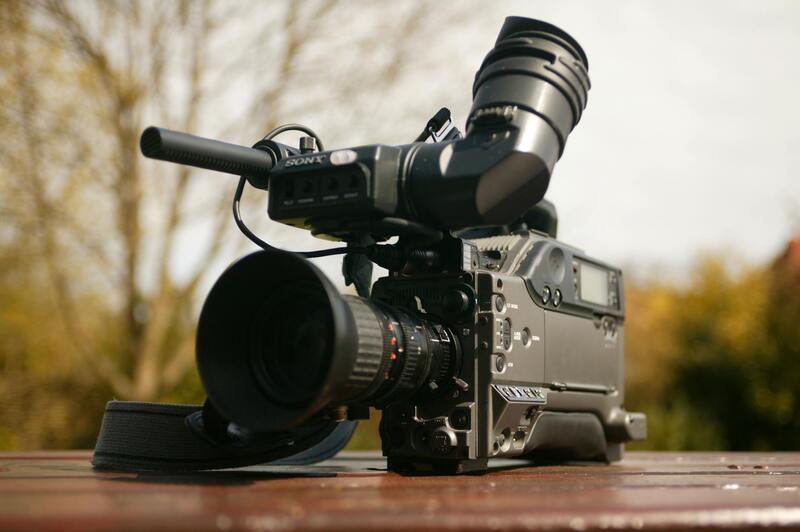
To supplement photography, 3D virtual tour technology has become increasingly popular. These virtual walkthroughs, integrating high-definition images and interactive elements, allow potential clients to explore interiors remotely with immersive experience. This technology not only attracts more interested parties but also reduces the time and resources spent on physical showings.
In essence, the combination of high-end cameras, specialized lenses, lighting setup, drone equipment, and virtual tour technology forms the backbone of effective commercial real estate photography in Miami. These tools enable photographers to produce sharp, vibrant, and comprehensive visuals that accurately reflect property value, appeal to targeted audiences, and support strategic marketing initiatives.
The Role of Commercial Real Estate Photography in Miami's Market
Miami's vibrant and competitive commercial real estate scene demands visuals that capture the essence and potential of each property. Effective commercial real estate photography serves not only as a tool to showcase the physical attributes of a space but also as a strategic asset to attract investors, tenants, and buyers. High-quality images elevate the perceived value of a property by highlighting architectural details, spatial configurations, and unique design elements that resonate with clients' expectations. In Miami's diverse markets, from bustling downtown office towers to sprawling retail centers, captivating imagery creates an emotional connection, fostering increased interest and faster transaction cycles.
Utilizing professional photography is an investment in credibility and brand positioning. Prospective clients are more likely to engage with listings that feature crisp, comprehensive visuals. Furthermore, these images support digital marketing campaigns, from website listings to social media promotions, ensuring maximum reach across targeted audiences. Visual storytelling through expertly captured photos can differentiate a property in a crowded marketplace, ultimately driving more foot traffic and lease inquiries.
Fundamentals of Commercial Real Estate Photography
Successful commercial photography hinges on a blend of technical skill and artistic vision. It starts with optimal equipment—using professional-grade cameras with high-resolution sensors, wide-angle lenses to encompass expansive interiors, and lighting setups that mimic natural illumination or enhance key features. Proper lighting is essential to highlight architectural nuances and create inviting, balanced visuals that accurately represent the space. For exterior shots, lighting conditions must be carefully planned to avoid harsh shadows or overexposure, particularly during sunrise or sunset.
Angle and composition are critical components, with a focus on achieving perspectives that emphasize scale, depth, and spatial relationships. Strategic framing ensures that the property's most appealing facets are front and center, while also providing contextual cues about location and accessibility. When shooting interiors, attention to detail in room arrangement, cleanliness, and staging can dramatically enhance the visual appeal. A good photographer considers the flow of spaces and how to best convey the property's potential to prospective clients.
Types of Shots and Visual Content for Commercial Properties
To effectively market a commercial property, a range of shot types should be incorporated into the visual content portfolio:
- Aerial Views: Drone photography provides sweeping perspectives of the property, allowing viewers to grasp the scale and surrounding environment, which is particularly beneficial for large sites or properties with notable landscape features.
- Exterior Shots: Capturing the building's façade, entry points, parking, and exterior amenities helps communicate curb appeal and accessibility.
- Interior Photography: Highlighting key areas such as lobbies, conference rooms, and office spaces with wide shots and detailed close-ups.
- Close-ups of architectural elements enhance the sense of quality and craftsmanship.
- Lighted renderings or virtual staging can further boost appeal where physical staging isn't feasible.
- Details and Features: Focused shots of high-end finishes, signage, or technological integrations add value.
- Virtual Tours: Interactive 3D walkthroughs enable remote exploration, expanding reach and reducing in-person viewings.
Equipment and Technology for Effective Commercial Photography
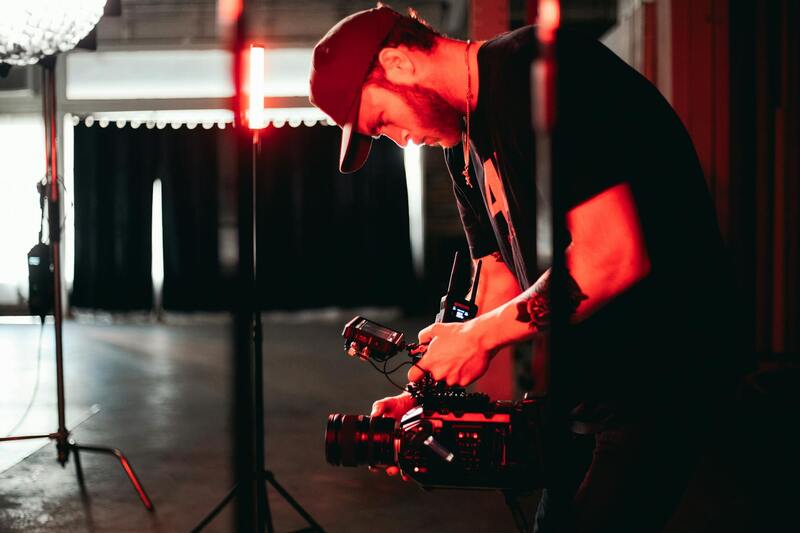
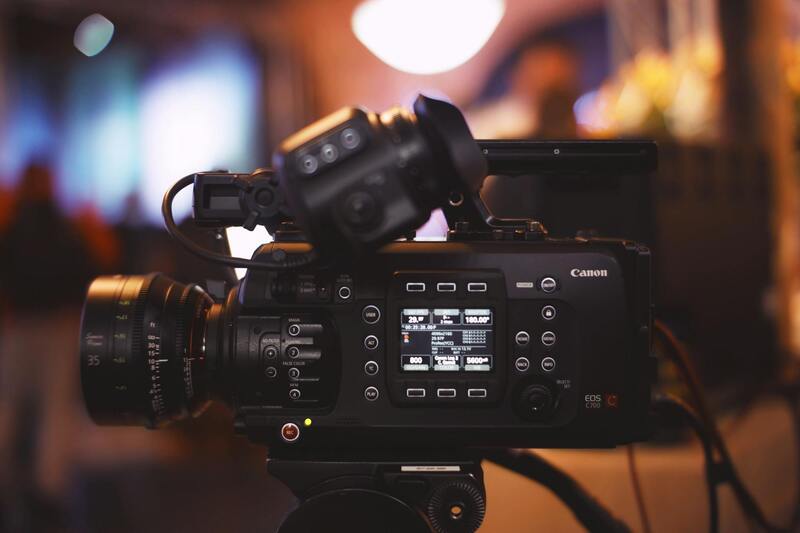
Achieving visually compelling images in commercial real estate hinges on the right tools and technology. High-resolution cameras equipped with full-frame sensors are standard, ensuring sharpness and clarity even in low-light conditions. Wide-angle lenses (typically 16-35mm) facilitate capturing expansive interiors and exteriors in a single shot, minimizing distortion and maintaining perspective accuracy.
Lighting equipment, including diffusers, reflectors, and strobes, is essential for controlling light quality and shadows, especially in indoor settings. Drones equipped with stabilization gimbals and high-quality sensors are indispensable for aerial imaging, offering expansive views that ground-based photography cannot achieve. Additionally, software for post-processing—such as Adobe Lightroom or Photoshop—is vital for enhancing color accuracy, correcting distortions, and fine-tuning images to meet marketing standards.
Emerging technologies like 3D virtual tour software, augmented reality (AR), and virtual staging tools further expand the creative possibilities and marketing effectiveness of commercial real estate visuals in Miami. These strategies enable precise, immersive experiences that resonate with today's digital-savvy clients, allowing them to interact with the property remotely and with greater confidence.
Planning and Scheduling for a Successful Shoot
Effective planning and scheduling are pivotal to capturing high-quality images for commercial real estate in Miami. This process begins with a thorough understanding of the property’s unique features and the client’s marketing goals. Establishing a comprehensive shot list helps ensure that every critical aspect of the property is documented, from expansive interiors to exterior amenities. Coordination with property managers and stakeholders enables access to all areas and minimizes disruptions during the shoot.
Timing also plays a crucial role in the success of commercial real estate photography. The choice of lighting conditions can significantly influence image quality. Typically, shooting during the golden hour—shortly after sunrise or before sunset—provides warm, diffuse natural light that enhances the property's aesthetics. In Miami’s vibrant and often unpredictable weather, early morning shoots can help avoid shadows and harsh midday sunlight, resulting in more consistent and appealing images.
To organize an efficient schedule, consideration should be given to the property’s usage and the time of day that best complements its features. Coordinating with tenants or owners ensures that their routines are minimally affected. Additionally, it’s essential to account for potential delays or weather conditions that could impact the shoot. Flexibility in scheduling allows for rescheduling if unforeseen circumstances arise, maintaining the quality and professionalism of the final images.
Preparation extends beyond timing. A detailed checklist of equipment, props, and backup gear guarantees that the team is ready to address various scenarios. For example, having portable lighting and reflectors on hand allows for quick adjustments to indoor lighting challenges. Ensuring all batteries are charged and memory cards formatted prevents technical setbacks during the session.
Furthermore, collaboration with experienced commercial real estate photographers who understand the nuances of Miami’s market can facilitate seamless execution. They bring valuable insights into optimal shoot times, necessary permits, and site-specific considerations such as restrictions on drone use or access issues with certain properties. Strategic planning combined with proactive communication ultimately yields images that meet or exceed marketing expectations.
Post-Processing and Image Optimization
In the competitive Miami commercial real estate market, the importance of post-processing cannot be overstated. High-quality images must not only capture the intrinsic features of a property but also present them in the most appealing and accurate manner possible. Effective post-processing begins immediately after the shoot, with a keen eye for details that enhance the visual storytelling of each property. Adjustments to exposure, contrast, and color balance ensure that the images reflect the property's true ambiance, while techniques such as HDR (High Dynamic Range) blending can bring out details in both shadows and highlights, particularly in properties with complex lighting conditions.
Color correction plays a vital role in ensuring consistency across all images, making them visually cohesive when used in marketing materials. This consistency helps create a professional impression and builds trust with prospective tenants or buyers. Additionally, perspective correction and image straightening eliminate distortions common in wide-angle shots, resulting in a clean, professional appearance that accurately represents the property’s dimensions. Another crucial aspect of post-processing involves removing distractions or imperfections that could divert attention from the property's strengths. This can include minor blemishes, reflections, or unwanted reflections that appear in glass surfaces or shiny floors. When performed judiciously, these edits enhance the overall aesthetic without compromising authenticity. Optimizing images for various digital platforms involves resizing and compressing files without sacrificing quality. High-resolution images are essential for print materials, while smaller, web-optimized versions ensure fast loading times for online listings. Proper metadata tagging, including relevant keywords such as "commercial real estate photographer" and location-specific tags like "Miami," improves search engine visibility and increases the likelihood of reaching prospective clients actively seeking commercial property visuals. Advanced editing software, such as Adobe Lightroom and Photoshop, provides precise control over image adjustments, ensuring consistent quality across multiple projects. Establishing a standardized editing workflow accelerates delivery times and maintains a high level of professional integrity in every image produced. Finally, integrating virtual staging or aerial perspectives into post-processing further adds value, giving potential investors or tenants a comprehensive view of the property’s potential. These enhancements, when executed with expertise, elevate the property’s market presentation, aligning with high standards set by top-tier commercial real estate marketing agents in Miami.
Ensuring Proper Documentation for Commercial Real Estate Photography in Miami
In Miami's competitive commercial real estate market, maintaining accurate and comprehensive documentation of photography rights, usage agreements, and property access permissions is essential. Secure written agreements with property owners or management companies that explicitly outline the scope and duration of photography rights, ensuring clarity for all parties involved. These documents should specify whether images can be used across digital listings, print marketing materials, or multimedia presentations, thereby protecting the interests of the photographer and client alike.
Additionally, obtaining formal permissions for aerial photography and drone operations is integral, particularly given Miami's regulatory environment. Such authorizations help streamline workflows, prevent potential legal complications, and facilitate smooth execution of shoots. It is advisable to keep detailed records of all permits, approvals, and correspondence related to property access and drone usage, which can be invaluable in addressing any inquiries or disputes that may arise.
Developing a comprehensive marketing portfolio that showcases verified rights and permissions provides credibility and builds trust with clients, lenders, and property owners. These records also support the efficient management of multiple projects, enabling photographers to demonstrate their commitment to adhering to industry standards and local regulations. Staying organized with this documentation, including timestamped agreements and verified permits, can significantly reduce delays and ensure that every project complies with the legal expectations of Miami's bustling real estate scene.
Adherence to Industry Standards and Ethical Practices in Miami
Following established industry standards and ethical practices underpins professional commercial real estate photography. This includes obtaining necessary clearances, respecting property confidentiality, and accurately representing the property’s features without embellishment or misrepresentation. By aligning with recognized codes of conduct and best practices, photographers foster long-term relationships with clients and property stakeholders based on trust and transparency.
Investing in ongoing education and staying current with evolving regulations, technological advancements, and marketing trends proves integral to maintaining high standards. For instance, understanding Miami’s specific regional zoning rules or drone flight regulations ensures that all photographic activities are compliant with local ordinances, thereby preserving professionalism and reputation.
Networking and Building Professional Relationships in Miami’s Commercial Real Estate Market
Creating and nurturing professional networks within Miami's commercial real estate sector enhances opportunities for collaboration and referrals. Establishing relationships with real estate agents, brokers, property managers, and other stakeholders fosters mutual trust and enables the exchange of insights about upcoming projects and market trends.
Participation in local industry events, expos, and seminars provides valuable opportunities to showcase work, learn from peers, and forge strategic alliances. Demonstrating expertise through portfolio presentations and case studies can further establish credibility and attract repeat business, positioning the photographer as a go-to resource for high-quality commercial real estate visuals in Miami.