

Understanding 3D Property Photography
3D property photography has revolutionized the way real estate is showcased, offering a comprehensive and immersive viewing experience that surpasses traditional photography methods. This technology captures spaces in a way that allows potential buyers, renters, and investors to virtually walk through properties from anywhere in the world, making it an invaluable tool in today’s competitive real estate environment. The core technology behind 3D property photography involves the use of high-end cameras, laser scanning devices, and sophisticated software to create highly detailed, accurate, and interactive virtual representations of physical spaces.
Unlike conventional real estate photography, which provides static images of a property’s interior and exterior, 3D property photography generates interactive models known as virtual tours. These tours give viewers the ability to explore every room and corner as if they were physically present, enabling a more thorough analysis of the property’s layout and features. This heightened level of engagement helps reduce uncertainties and increases the likelihood of attracting serious inquiries. The immersive nature of 3D visuals captures attention quickly, offering a panoramic perspective that traditional photos often lack.
The technology employs 3D scanners and panoramic cameras that rapidly capture detailed spatial data. Software then processes this data to develop a seamless, navigable virtual environment. The result is a highly realistic, interactive model that users can explore with a simple click or swipe on their devices. The capabilities extend further with features like dollhouse views, floor plans, and measurements, which offer additional layers of information about the property and facilitate easier decision-making for prospective buyers.
In essence, 3D property photography bridges the gap between traditional listing photos and in-person visits, making property marketing more accessible, engaging, and effective. It ensures that the digitally savvy audience experiences properties at a depth that static images cannot provide, thereby elevating the standards of real estate presentation and potentially accelerating sales processes.
Ensuring Legal Compliance in 3D Property Photography
While pursuing top-tier visuals for property listings, it is crucial to adhere to official guidelines and established practices that govern the use of 3D property photography. This approach not only reflects professionalism but also maintains consistency across marketing efforts and respects the rights associated with the property and its contents.
One fundamental element is obtaining appropriate permissions before conducting any imaging or scanning. Property owners or authorized representatives should provide explicit consent, ensuring that all parties are aware of how the visual data will be used and distributed. This step helps establish a clear understanding and prevents misunderstandings related to privacy and usage rights.
Utilizing certified and reputable technology is another essential aspect of legitimate 3D property photography. Devices such as high-precision 3D scanners and panoramic cameras, which are approved by industry standards, generate reliable spatial data and produce accurate virtual representations. This ensures the virtual tours are faithful to the actual property, fostering trust with prospective buyers and stakeholders.
Maintaining accurate property data is vital for aligning online visuals with real-world features. Precise measurements, detailed floor plans, and visual authenticity help prevent misrepresentation, which could lead to potential disputes or misunderstandings. Certified professionals often follow standardized procedures for data collection and processing, further reinforcing the integrity of the visuals.
Documenting and Archiving Visual Data
Proper documentation of the 3D imagery, including dates of capture, detailed descriptions, and permissions, is a best practice that complements legitimacy. Such records serve as proof of compliance and can be essential in resolving any queries or disputes.
Adhering to data protection policies is equally crucial, especially when capturing interior spaces and personal information. Implementing secure data handling practices ensures images and spatial data are stored responsibly, with access limited to authorized personnel.
In the dynamic landscape of real estate marketing, leveraging licensed and compliant 3D property photography methods ensures a professional image while safeguarding the interests of all involved parties. Consistently following these official processes affirms a commitment to quality, transparency, and trustworthiness in property presentation.
Ensuring Accuracy Through Verified Data Collection and Processing
When creating 3D property visuals, adherence to standardized data collection and processing procedures is fundamental to maintaining accuracy and consistency. Certified professionals employ specialized equipment to conduct detailed scans of interior and exterior spaces, capturing precise measurements and spatial relationships. This meticulous approach ensures that virtual representations reflect the actual layout and dimensions of the property, enabling prospective buyers to make informed decisions based on reliable visuals.
Moreover, proper documentation of the data collection process, including timestamps, descriptive notes, and permission records, is integral to transparency and quality assurance. This documentation serves as visual proof of adherence to established procedures and supports the verification of data integrity during any review process. Implementing structured protocols minimizes discrepancies and enhances trustworthiness, making the virtual tours a legitimate and dependable resource for stakeholders.
Secure Data Handling and Privacy Preservation
Handling visual and spatial data responsibly is crucial for both compliance and reputation. Professionals involved in 3D property photography implement secure storage solutions that restrict access to authorized personnel only. This involves utilizing encrypted servers and secure transfer protocols to prevent unauthorized viewing or data breaches.
Furthermore, attention is given to safeguarding interior spaces, especially where personal or sensitive information may be visible. Consent and permissions are obtained beforehand, and images are processed and stored in accordance with data protection best practices. These measures ensure that client privacy is respected while providing high-quality visual assets that support transparent marketing efforts.

Compliance and Industry Standards in 3D Property Photography
Adopting structured, professional methods for capturing and presenting 3D property data promotes consistency and aligns with industry expectations. Accredited firms follow recognized standards for data accuracy, image quality, and ethical representation, reinforcing the integrity of their visual content.
Regular training and updates to protocols ensure technicians stay current with evolving best practices and technological advancements. By focusing on compliant processes, real estate professionals demonstrate a commitment to providing authentic, reliable virtual tours that meet the highest standards of quality. These practices not only elevate the perceived professionalism but also provide reassurance to clients that their property is represented honestly and responsibly.
Ensuring Accurate and Authentic Visuals
Maintaining authenticity in 3D property photography is paramount for building trust and credibility with prospective buyers. Professional photographers utilize calibrated equipment to capture precise spatial data, ensuring that the virtual renderings and tours accurately reflect the property's actual layout and dimensions. This meticulous approach involves the use of high-quality scanners and cameras designed to record detailed interior and exterior features with minimal distortion.
Furthermore, achieving consistency across various visual assets enhances the integrity of the marketing materials. Standardized protocols for image capture, processing, and presentation are employed to avoid misleading representations. This includes consistent lighting, color profiles, and measurement scales, which collectively uphold the precise depiction of spaces without exaggeration or omission. Adhering to these methods fosters transparency and allows potential buyers to make confident, informed decisions based on trustworthy visuals.
Compliance with Industry Standards and Best Practices
Implementing structured, professional standards for 3D property imaging is essential in delivering high-quality visual content that meets industry expectations. Accredited providers follow established guidelines related to data accuracy, image quality, and ethical representation. Regular training and technological updates are integral to maintaining these standards, ensuring that professionals stay current with ongoing advancements in 3D visualization techniques.
Adhering to recognized practices not only guarantees the consistency of visual outputs but also reinforces the credibility of the service providers. Clear documentation, quality assurance checks, and adherence to data privacy protocols are incorporated into every project, promoting confidence among clients and stakeholders. This commitment to excellence ensures virtual tours are a reliable medium for property marketing, reflecting a true and comprehensive view of the spaces showcased.
Optional Verification and Quality Assurance Measures
To further enhance the reliability of 3D property visuals, implementing verification procedures can be beneficial. These measures include cross-checking spatial data against architectural plans or previous surveys, confirming measurements and layout accuracy. Quality control processes such as peer reviews and client walkthroughs prior to final delivery help identify and rectify any inconsistencies or discrepancies.
Advanced software solutions are often integrated into the workflow that automatically detects potential errors or anomalies in the captured data. This systematic approach ensures that every virtual tour or 3D image set upholds the highest standards of precision, offering real estate professionals and clients peace of mind that the digital representation is an accurate reflection of the physical property.
Implementing 3D Tours in Miami Real Estate Market
Integrating 3D property photography into Miami real estate listings has become a strategic move for agents seeking to enhance their digital marketing efforts. The process begins with a comprehensive evaluation of the property to determine the optimal approach for capturing its unique features. Once scheduled, professional 3D virtual photography employs advanced scanning equipment, such as Matterport cameras or similar devices, to generate highly detailed and accurate digital representations of interior spaces. These scans are then processed through sophisticated software platforms that assemble the data into interactive virtual tours.
Effective implementation involves optimizing virtual tours for various online platforms, including real estate websites, MLS listings, and social media channels. Embedding these immersive visuals allows prospective buyers to navigate the property with ease, gaining a true sense of space and layout without physically visiting the site. Virtual staging tools further enhance this experience by digitally furnishing empty rooms, helping potential buyers visualize the property's potential and aesthetic appeal.
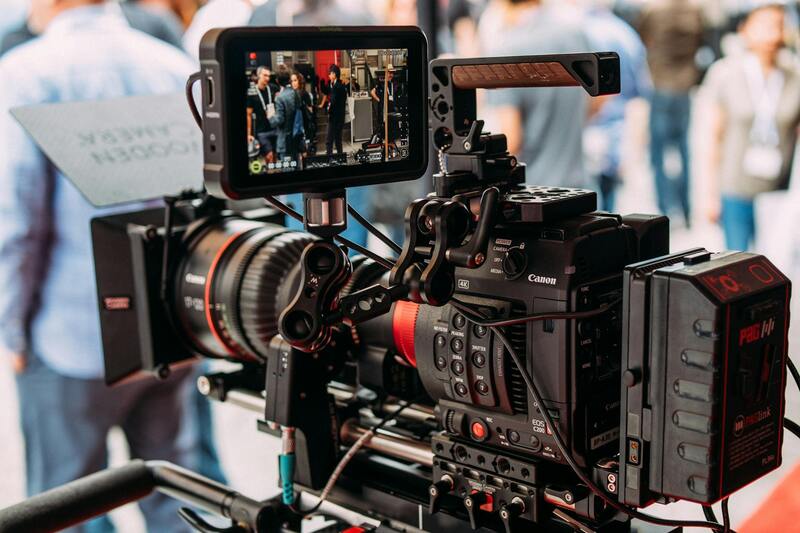
In the competitive Miami real estate market, showcasing properties with 3D virtual tours can significantly increase engagement metrics, such as time spent on listings and the number of inquiries received. It also facilitates remote viewing, which is especially valuable during periods where in-person visits may be limited or impractical. Agents should consider integrating these tours into their existing marketing strategies, emphasizing their ability to attract a broader audience, including international buyers and investors.
Furthermore, virtual tours can be linked to targeted advertising campaigns to amplify visibility among specific demographic groups or geographic locations. Coupled with detailed property descriptions and high-resolution imagery, 3D virtual photography forms an essential component of a comprehensive marketing toolkit. By providing an accurate, interactive, and engaging digital property presentation, real estate professionals can expedite the sales process and enhance client satisfaction.
To maximize the benefits of 3D property photography, consistent post-production quality checks are necessary to ensure seamless navigation and visual clarity. Data accuracy should be validated against architectural plans, and any discrepancies corrected prior to publication. Ensuring a smooth, error-free experience not only boosts user confidence but also reinforces the professional reputation of the listing agent or agency.
Choosing a Miami 3D Property Photography Provider
Selecting the right provider for 3D property photography in Miami involves evaluating several key factors. It’s essential to prioritize companies that utilize advanced, reputable technology such as Matterport or similar 3D capture systems, which ensure high accuracy and immersive virtual experiences. A professional provider should offer comprehensive services, including detailed 3D walkthroughs, floor plans, dollhouse views, and virtual staging options, allowing real estate professionals to showcase properties dynamically and effectively.
Experience within the Miami real estate market can significantly influence the quality and relevance of the visuals produced. Providers with a proven track record in commercial and residential sectors will better understand local architectural styles and market expectations. Additionally, consider the provider’s ability to deliver high-resolution images and smooth navigational interfaces, both critical for creating viewer confidence and engagement.
Furthermore, efficient turnaround times and flexible scheduling are vital attributes. Real estate transactions often operate within tight deadlines, and a reliable provider should accommodate urgent requests without compromising on quality. Transparent pricing structures and customizable package options are also advantageous, allowing agents to select services that fit both their marketing strategies and budget constraints.
Evaluating customer reviews and seeking referrals can offer insights into a provider’s professionalism, technical expertise, and customer support. A dedicated team that offers ongoing support, updates, and ongoing training ensures that agents can leverage the full potential of 3D technology as part of their marketing arsenal.
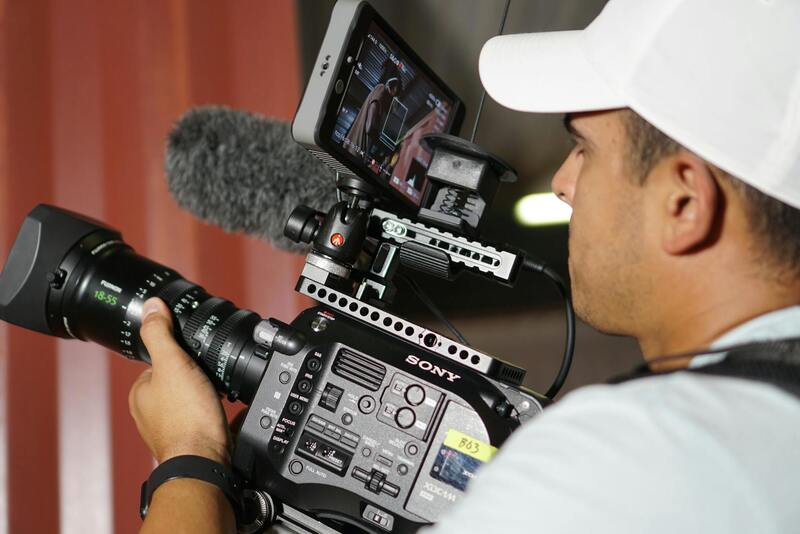
Ultimately, the decision should hinge on a provider’s ability to deliver visually compelling, technologically advanced, and user-friendly virtual tours. When a provider combines cutting-edge equipment, local market expertise, and supportive service, real estate professionals can significantly enhance their property presentation, attract more inquiries, and accelerate sales timelines. Carefully researching and choosing a provider that aligns with these standards will foster long-term success in Miami’s competitive real estate landscape.
Implementing Accurate and Consistent 3D Scanning Techniques
Achieving consistent and precise results in 3D property photography requires the application of meticulous scanning techniques and adherence to established best practices. The quality of the virtual tour is heavily dependent on how effectively the scanning process is executed, emphasizing the importance of understanding spatial details and capturing every significant feature of the property.
Professionals utilize handheld or tripod-mounted 3D scanners, custom-configured for residential or commercial spaces, to ensure optimal accuracy. Properly calibrated equipment ensures that dimensions are true to scale, which is crucial for creating reliable virtual experiences. When scanning, it is vital to follow a systematic approach:
- Planning the Scan Path: Establish a logical path to cover all rooms and spaces uniformly, preventing missed areas or overlapping data that could cause inconsistencies.
- Controlling Environmental Conditions: Ensure adequate lighting and minimal movement during the scan to reduce data noise and improve clarity.
- Capturing Multiple Angles: Scan from different vantage points to obtain comprehensive coverage, particularly in areas with complex layouts or architectural details.
- Using High-Resolution Settings: Adjust equipment settings for higher resolution scans, capturing finer details that can enhance the virtual tour’s realism.
Post-scan, meticulous data processing is essential to align and stitch together the captured images seamlessly. Accurate 3D models not only elevate the visual appeal but also improve user confidence in the property’s spatial layout.
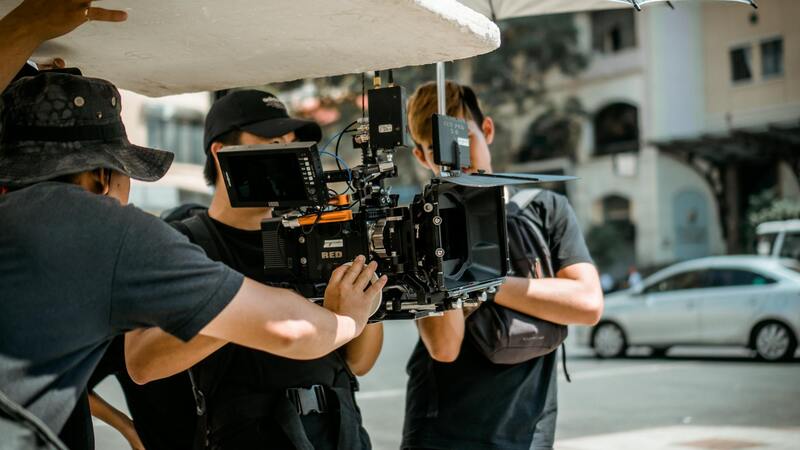
Moreover, consistent updates and maintenance of equipment, alongside ongoing training, bolster the technical proficiency needed to deliver high-quality outputs. By employing reliable hardware, adhering to disciplined scanning procedures, and conducting thorough quality control checks, real estate professionals can maximize the effectiveness of their 3D property visualizations.
Integrating 3D Property Visuals with Traditional Marketing Strategies
To maximize reach and engagement, supplement 3D virtual tours with traditional marketing efforts such as professional photography, detailed floor plans, and targeted advertising. The integration of high-quality visuals from multiple formats provides a comprehensive presentation that appeals to a broad audience, including local buyers and international investors.
Educating clients and potential buyers about how to navigate and interact with the virtual tour is also beneficial. Providing clear instructions and highlighting key features of the property can significantly enhance user experience and influence decision-making positively.
Furthermore, leveraging analytics tools to monitor visitor interactions within these virtual tours can yield insights into buyer preferences and behavior patterns. This data-driven approach allows real estate agents to refine their marketing strategies and tailor their communication to meet specific client needs more effectively.
Ensuring Quality and Accuracy in 3D Property Visuals
Maintaining the highest standards in 3D property photography involves meticulous attention to detail at every stage of the production process. When capturing a property through advanced scanning techniques, professionals utilize high-precision hardware and software to ensure that every spatial detail, boundary, and feature is accurately represented. This precision fosters trust among potential buyers by providing an authentic visualization of the property’s layout, size, and condition.
Rigorous quality control measures are integral to delivering consistent high-quality results. These include thorough post-processing reviews, color correction, and resolution adjustments to enhance clarity and realism. Consistency in lighting, camera settings, and scanning procedures also plays a vital role in producing uniform visuals that consistently reflect the actual property's features.
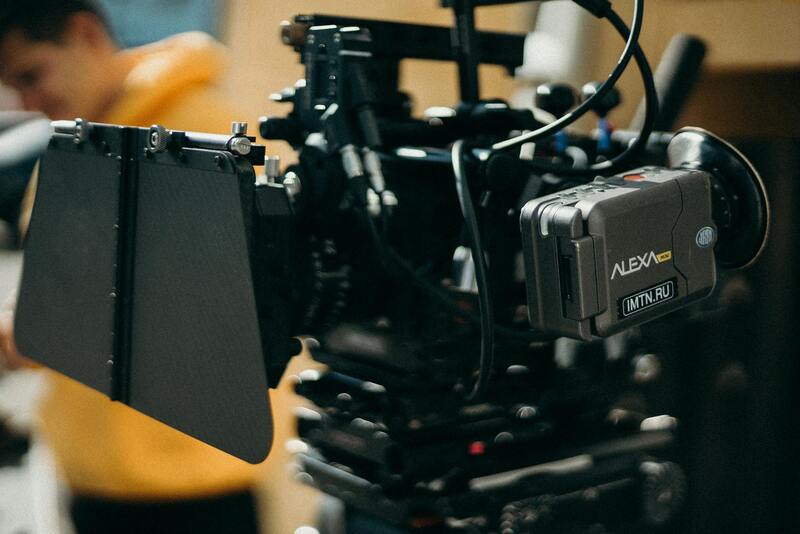
Technical accuracy extends beyond the visuals to include seamless integration with other marketing assets. Professionals often combine 3D virtual tours with detailed floor plans and high-resolution images to create a comprehensive marketing package. This approach offers prospective buyers multiple perspectives and detailed information, facilitating informed decision-making and reducing uncertainties associated with virtual inspections.
Best Practices for Leveraging 3D Property Visualization
- Pre-visit preparation: Before conducting a scan, ensure the property is clean, well-lit, and free of clutter. Proper staging enhances the visual appeal and ensures that the space appears welcoming and spacious in the virtual tour.
- Lighting: Consistent, even lighting helps in capturing accurate colors and details. Avoiding harsh shadows and overly bright spots facilitates a natural and inviting appearance.
- Equipment calibration: Regularly calibrate scanning devices and cameras to maintain precision and consistency across projects. Updated hardware and software also contribute to better data accuracy and visual quality.
- Thorough scanning: Cover all interior and exterior areas, including hidden or overlooked spaces, to produce a comprehensive virtual experience. Multiple scan positions ensure smooth navigation and avoid distortions.
- Post-processing: Employ professional editing to optimize clarity, correct color discrepancies, and remove any artifacts or imperfections. Such attention to detail enhances the overall realism of the virtual tour.
- Integration with marketing strategies: Link the virtual tour with other promotional tools such as professional photography, detailed floor plans, and targeted advertising campaigns. This integration maximizes exposure and engagement.
Adapting to Market Demands in Miami
Miami’s vibrant real estate scene demands innovative marketing methods that can stand out. High-quality 3D property visuals facilitate immersive experiences that attract both local and international buyers. Tailoring the virtual presentation to highlight unique property features—such as waterfront views, modern amenities, or distinctive architectural details—can significantly influence buyer interest. Consistent updates and maintenance of the visual content are essential to keep pace with market trends, seasonal changes, and property modifications.