
Understanding Residential Photography
Residential photography stands as a cornerstone in the real estate industry, especially within dynamic markets like Miami. This specialized branch of photography focuses on capturing the essence, layout, and unique features of residential properties to showcase their full potential to prospective buyers. In essence, it combines technical skill with an artistic eye to produce images that highlight a home’s best attributes, creating a compelling visual story that resonates with viewers. The significance of residential photography in Miami's competitive real estate landscape cannot be overstated, as high-quality images are often the primary influence behind a buyer’s decision to inquire further or schedule a viewing.
Effective residential photography goes beyond mere snapshots; it involves a strategic approach to image composition, lighting, and perspective that accentuates a property's space and ambiance. In Miami, where properties frequently feature luxurious finishes, expansive views, or distinctive architectural elements, the role of professional photography becomes even more critical. High-caliber visual content can significantly expedite the selling process, reduce time on the market, and enhance overall listing appeal. Real estate professionals recognize that investing in professional residential photography translates into tangible advantages—such as increased interest, higher asking prices, and more successful marketing campaigns.
For homeowners and real estate agents alike, understanding the importance of authentic, high-quality visuals helps foster trust and confidence in the property's presentation. In Miami's vibrant market, where properties are often showcased through digital platforms, captivating imagery acts as the critical first impression. As trends evolve, professional residential photography continually adapts, incorporating innovative techniques and equipment to deliver images that truly make a property stand out. This emphasis on visual storytelling not only enhances the property's desirability but also optimizes marketing spend, ensuring maximum exposure and engagement with target audiences.
Ultimately, residential photography functions as a strategic asset in the real estate toolkit, bridging the gap between a property's physical space and the emotional response it elicits in potential buyers. By capturing compelling images that evoke lifestyle aspirations and highlight unique features, the photographs become an integral part of a successful sale in Miami's competitive housing market.
Optimal Techniques for Residential Photography in Miami
Achieving exceptional images of Miami residences requires a methodical approach to technique and execution. Prior to photographing a property, it’s crucial to understand the unique architectural features and the property's lighting conditions. Natural light plays a significant role in creating inviting and vibrant images; therefore, timing the shoot during optimal daylight hours often yields the best results. For interior shots, using a wide-angle lens helps to capture more of a room, making spaces appear larger and more open. When shooting exterior facades, considering the angle of sunlight can accentuate textures and details, emphasizing the property's curb appeal.
Utilizing a tripod ensures stability, preventing blurriness, especially in low-light situations such as twilight or indoors. Advanced photographers often employ HDR (High Dynamic Range) techniques to balance the exposure between bright windows and darker interior spaces. This process involves capturing multiple images at different exposures and merging them during post-processing to achieve balanced, true-to-life visuals. Proper staging and tidying up the property before the shoot are indispensable—clutter should be minimized, and furniture arrangement optimized to showcase the property's best features.
For outdoor shots, the use of polarizing filters can reduce reflections and glare from surfaces like windows and water features, adding clarity and vibrancy to the images. When photographing in Miami's distinctive environment, incorporating aerial shots captured via drone technology offers a compelling perspective that highlights large properties, landscape design, and surrounding scenery. These panoramic views can significantly elevate the marketing presentation. Additionally, understanding composition principles—such as the rule of thirds, leading lines, and framing—guides the viewer’s eye through the image, creating a balanced and engaging photograph.
Technical Equipment Essential for High-Quality Residential Shots
- Wide-angle lenses (typically 10-24mm or similar for full-frame cameras)
- Stable tripod
- Drone with high-resolution camera capabilities for aerial photography
- Circular polarizing filters
- External flash or studio lighting for indoor shoots
- Remote shutter release to prevent camera shake
Mastering the technical aspects of camera settings, including aperture, ISO, and shutter speed, allows for optimal exposure and sharpness. A smaller aperture (higher f-number) increases depth of field, ensuring that multiple elements within a room or scene remain in focus. Lower ISO settings help maintain image quality with minimal noise, whereas appropriate shutter speeds prevent motion blur, especially useful when capturing exterior images during different times of day. Familiarity with these parameters, combined with the proper equipment, creates a solid foundation for producing striking residential photographs.
Proper Lighting Techniques
Effective lighting plays a crucial role in residential photography, directly influencing the ambiance and perceived spaciousness of a property. Natural light is often preferred for its ability to produce soft, evenly distributed illumination that highlights the home's features without harsh shadows. To optimize natural lighting, schedule shoots during the golden hours—shortly after sunrise or before sunset—when sunlight offers a warm, gentle glow that enhances colors and textures.
Indoor lighting, when natural light is insufficient, should be carefully managed to prevent overexposure or unflattering shadows. Using external flashes or portable studio lights can fill in darker areas, ensuring consistent exposure throughout the space. Position lighting sources strategically to accentuate architectural elements and create a welcoming atmosphere. Employ reflectors or diffusers to soften light and minimize glare, especially in windowed areas.
Adjusting camera settings to complement the lighting conditions is essential. Lower ISO settings help maintain crisp image quality in well-lit environments, while appropriate aperture choices ensure a balanced depth of field, keeping both foreground and background in focus. Properly managed lighting not only brings out the property's best features but also results in images that appeal to prospective buyers or clients with a professional touch.
Composition Strategies for Residential Photography
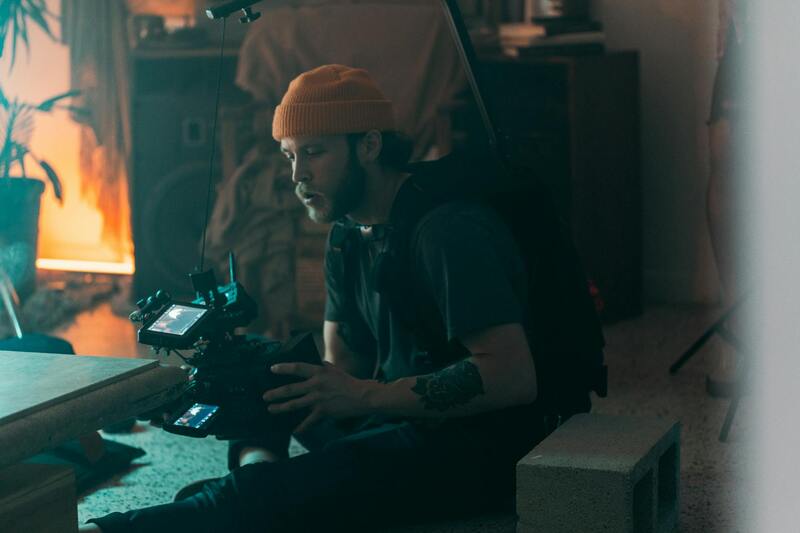
Achieving compelling composition in residential photography requires an understanding of visual principles designed to guide the viewer’s eye through the image. The rule of thirds remains a foundational guideline, encouraging photographers to position key elements along imaginary gridlines, which results in more dynamic and balanced photos.
Leading lines, such as hallway corridors, stairs, or architectural features, naturally draw the viewer's gaze into the scene, emphasizing depth and spatial relationships. Framing techniques—using doorways, windows, or overhanging structures—help focus attention on specific areas and create a sense of intimacy or perspective.
In tight spaces, maximizing the perceived size of rooms can be achieved through wide-angle lenses that capture more of the environment. When framing shots, ensure that vertical lines remain straight to avoid distortion, which can detract from the realism of the image. Additionally, capturing multiple angles and elevations offers a comprehensive visual narrative of the property.
By thoughtfully applying these composition strategies, photographers produce images that are not only aesthetically pleasing but also accurately represent the home's layout and features, ultimately aiding in marketing efforts.
Understanding Residential Photography
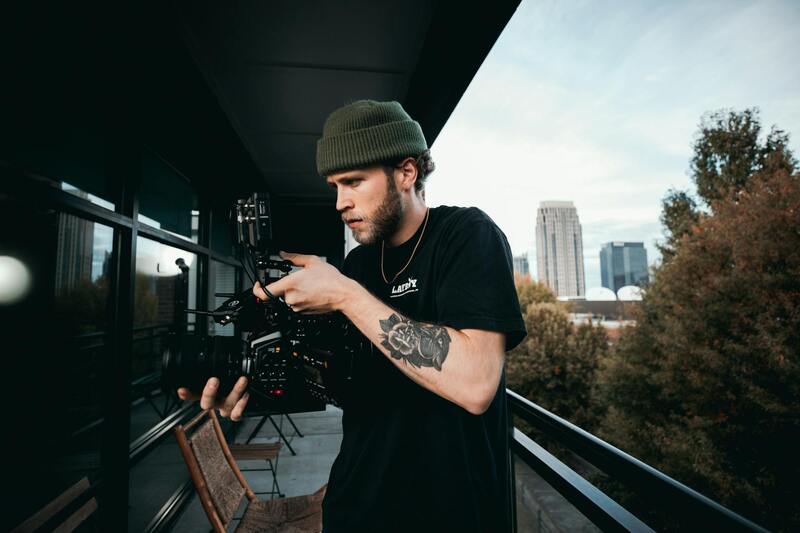
Residential photography aims to visually showcase homes in a manner that highlights their best features and creates an inviting atmosphere for potential buyers or renters. This specialty involves capturing both the interior and exterior of a property with precision, attention to detail, and an understanding of how space, lighting, and composition influence perception. The primary goal is to produce images that accurately reflect the living environment while enhancing its appeal through skillful photographic techniques.
Types of Residential Photography
- Interior Photography: Focuses on rooms, layouts, and design elements within the home. Proper staging, lighting, and angles are critical to present the space as bright, spacious, and inviting.
- Exterior Photography: Showcases the property's facade, landscaping, and outdoor features. Capturing the home during optimal lighting conditions, such as the golden hour, enhances curb appeal.
- Aerial Photography: Utilizes drones to provide a bird's-eye view of the property and surroundings. This perspective offers valuable context for large estates, developments, or properties with appealing landscapes.
- Twilight Photography: Taken during dawn or dusk, these images illuminate the home beautifully, emphasizing warmth and ambience, and often become a memorable visual marketing tool.
- Lifestyle Photography: Including images of the home being used or styled to evoke emotional responses, helping clients imagine living in the space.
Essential Equipment and Techniques
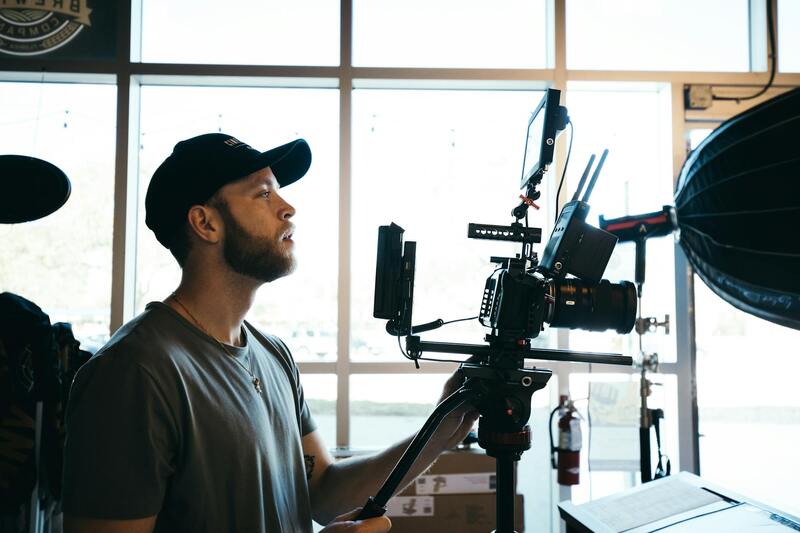
Achieving high-quality residential images requires the right tools and techniques. Wide-angle lenses are fundamental—they help capture entire rooms and create a sense of space, especially in tight quarters. A sturdy tripod ensures stability, reducing motion blur and enabling precise composition and optimal exposure times. Proper lighting setup, whether natural or supplemented with artificial lights, is crucial to illuminate spaces evenly without introducing harsh shadows or overexposed areas.
Staging the space before shooting greatly enhances visual appeal. Clutter removal, furniture arrangement, and decorative accents help create a clean, welcoming environment. When shooting interiors, control over natural light is essential: shooting during the day with open curtains maximizes exposure and reveals details. For exterior shots, choosing the right time of day—often early morning or late afternoon—provides softer, more flattering light.
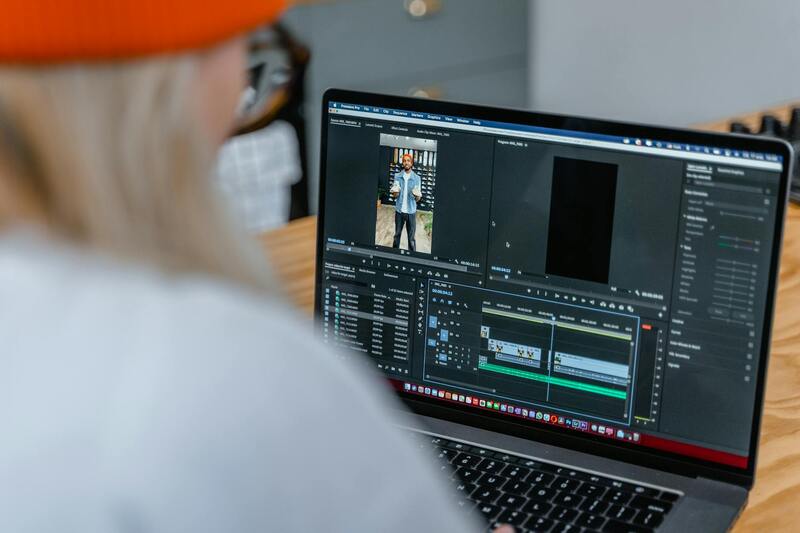
Post-processing plays a vital role in refining images. Basic adjustments such as color correction, brightness, and contrast help produce vibrant photos that accurately represent the property. Advanced techniques may involve perspective correction to ensure vertical lines remain straight and distortion minimization, especially when wide-angle lenses are used. Combining multiple exposures can also enhance dynamic range, capturing both bright highlights and shadow details.
Optimizing Residential Photography for Market Success
High-quality images directly influence how properties are perceived online and in printed materials. Clear, well-composed, and properly lit photos attract more interest and generate higher engagement. When visually enhanced, homes can command better market positioning, leading to increased inquiries and faster sales. Employing targeted techniques suited to each property type ensures that images resonate with potential buyers, emphasizing unique features and creating an emotional connection that prompts further interest.
Understanding Residential Photography
Residential photography is a specialized branch of real estate imaging that concentrates on capturing the essence, beauty, and unique features of homes and living spaces. It combines technical skill with an artistic eye, aiming to produce images that resonate emotionally with potential buyers or renters. High-quality residential photos serve as an essential component of property marketing, often making the difference between a quick sale and a prolonged listing period. As such, mastery in residential photography involves understanding the nuances of space, light, and composition, all tailored to showcase the property's best attributes.
The Significance of Visual Storytelling in Residential Photography
At its core, residential photography is about storytelling—telling the story of a home’s style, comfort, and personality through compelling images. Each photograph should highlight the functionality of rooms, the flow between spaces, and the character that makes a property unique. Effective storytelling through images builds an emotional connection with viewers, encouraging them to envision themselves living in the space. This requires a keen eye for detail, strategic composition, and an understanding of how to guide viewers through the property visually.
Balancing Technical Precision and Artistic Vision
While technical precision is critical—ensuring sharp focus, correct exposure, and accurate color rendition—so is an artistic vision that captures the mood and character of a home. Proper use of lighting, angles, and framing enhances the perceived spaciousness and ambiance. Modern residential photography employs a variety of techniques such as wide-angle shots to encompass entire rooms, and HDR (High Dynamic Range) imaging to balance interior and exterior elements in the same frame. Each image must uphold the property’s appeal and provide an authentic, inviting representation that aligns with market expectations.
Enhancing Residential Images with Post-Processing
Post-processing plays an integral role in elevating residential photography. Basic adjustments—such as fine-tuning brightness, contrast, and color balance—help achieve a vibrant, true-to-life depiction of the space. More advanced techniques, including perspective correction, ensure that vertical lines are straight and architecture remains undistorted. Merging exposures can reveal details in shadowed areas or highlights, providing a comprehensive view of the property’s features. The goal is to produce polished images that are visually appealing without misrepresenting the property's true appearance.
Legal and Ethical Best Practices in Residential Photography
Maintaining honesty and transparency is fundamental in residential photography. Only images that accurately portray the property should be used in marketing materials. This includes avoiding manipulations that could mislead viewers about the size, features, or condition of the space. Consistency is key, ensuring that all photos reflect the property's true state. Additionally, photographers must respect client confidentiality and privacy, refraining from capturing or sharing images of personal belongings or private areas without permission. These practices uphold the integrity of the profession and foster trust with clients and potential buyers.
Collaborating with Real Estate Professionals in Miami
Successful residential photography often involves close collaboration with real estate agents, brokers, and property managers. Clear communication about the property’s highlights and the target audience informs the stylistic choices and shot selection. It’s beneficial to understand market preferences specific to Miami, where properties may range from luxurious waterfront homes to urban condos, each requiring tailored visual strategies. Meeting client expectations, adhering to deadlines, and delivering consistently high-quality images are essential for building long-term professional relationships and ensuring the property stands out in a competitive market.
Utilizing Proper Lighting Techniques
One of the most critical elements in residential photography is lighting. Natural light tends to produce the most authentic and inviting images, so scheduling shoots during the day when sunlight floods into rooms is highly advisable. Photographers should observe the sun’s position to maximize light exposure and avoid harsh shadows or overexposed areas that could distract viewers. Supplementing ambient light with artificial sources, such as softboxes or LED panels, can enhance specific areas or highlight features that might otherwise appear dull. Use of diffusers ensures soft, even illumination, creating a warm and welcoming atmosphere that accurately reflects the property's true ambiance.
Optimal Composition and Framing
Composition plays a foundational role in residential photography. Employing principles like the rule of thirds helps create balanced and visually appealing images. When framing shots, emphasize key selling points—such as a stunning kitchen island, a spacious living area, or panoramic views—by positioning them prominently within the frame. Maintaining symmetry and clean lines can accentuate the spaciousness and orderliness of the home. It's essential to straighten vertical lines, such as walls and windows, to avoid distortion that can distort perception. Using wide-angle lenses allows capturing more of each space, but caution must be taken to prevent distortion that can misrepresent room dimensions.
Incorporating Stylish Decor and Staging
Effective staging and decor can significantly enhance the visual appeal of a property. Clean, clutter-free spaces with thoughtfully arranged furniture create a sense of order and livability. Highlights like fresh flowers, balanced color schemes, and well-placed accent pieces make rooms more inviting. When photographing staged interiors, ensure that all elements look natural, avoiding overly saturated or artificially placed accessories. Skilled photographers understand how to utilize these elements to elevate the property’s aesthetic without misleading viewers about the actual appearance of the space.
Utilizing Perspective and Depth
Creating a sense of depth in residential images is vital for illustrating the spatial relationships within a home. Using low or eye-level angles can add dimension and make rooms appear more expansive. Incorporating foreground elements like furniture or architectural details adds layers to the image, drawing viewers into the scene. Properly managing perspective distortion—especially with wide-angle lenses—ensures that interior proportions remain accurate, giving potential buyers a truthful sense of the property's layout.
Weather and Seasonal Considerations
Exterior residential photography benefits from capturing properties during favorable weather and seasons. Bright, clear days with minimal cloud cover allow for optimal lighting conditions, making landscapes look vibrant and inviting. During different seasons, showcasing seasonal features—such as blooming gardens in spring or cozy outdoor spaces in winter—can appeal to potential buyers’ emotional interests. Photographers should plan shoots accordingly, adjusting timing to capture the property's best features under varying conditions.
Understanding Residential Photography
Residential photography plays a crucial role in real estate marketing, providing potential buyers with compelling visual representations of properties. It involves capturing the essence of a home's interior and exterior spaces to highlight their best qualities. High-quality residential images can evoke emotional connections, making properties more memorable and appealing. Mastery of lighting, composition, and perspective allows photographers to portray homes authentically and attractively, ultimately influencing purchasing decisions. Whether showcasing a cozy apartment or a sprawling estate, residential photography demands a keen eye for detail and a thorough understanding of architectural features.
Types of Residential Photography
- Interior Photography: Focuses on depictions of living spaces, including living rooms, bedrooms, kitchens, and bathrooms. Emphasizes natural light, furniture arrangement, and design details.
- Exterior Photography: Captures the home's facade, landscaping, driveway, and outdoor features. Highlights curb appeal and the property's surroundings.
- Shoot with Drone Photography: Provides aerial views of the property and its lot, offering a unique perspective that showcases the property's size and landscape features.
- Night Photography: Showcases homes with evening lighting to create inviting atmospheres, especially for luxury properties and those with notable outdoor lighting features.
- Twilight Photography: Occurs during the golden hour when natural light blends with artificial lighting, resulting in warm, captivating images that highlight the property’s ambiance.
Essential Equipment and Techniques
Achieving professional-grade residential images requires specific gear and techniques. A broad-angle lens (typically 10-24mm) allows capturing expansive room views in a single shot, reducing the need for multiple images. A tripod stabilizes the camera, ensuring sharpness and consistency across shots, especially in low-light conditions. Proper lighting, encompassing natural daylight and auxiliary light sources, enhances interior clarity and mood.
Techniques such as HDR photography combine multiple exposures to balance highlights and shadows, ensuring the entire scene is well-lit and vibrant. Correct perspective management is vital to prevent distortion, especially with wide-angle lenses. Mastering these equipment and techniques ensures images accurately reflect the property’s true appearance and appeal.
Planning and Preparing for a Shoot
Efficient preparation lays the foundation for successful residential photography sessions. Prior to the shoot, conduct a walkthrough to identify the property’s key features and plan shots that best showcase each space. Coordinate with homeowners or agents to ensure staging is optimal—this includes tidying up clutter, adjusting furniture, and adding styled accessories where appropriate. Scheduling the shoot during times of optimal natural lighting enhances image quality, especially for interior shots. Ensuring that all equipment is in working order and ready to deploy reduces delays and disruptions during the shoot.
Capturing High-Quality Residential Images
During the shoot, employ strategic angles that emphasize space and architectural details. Use natural light whenever possible; open curtains and blinds to let in daylight and avoid overly dark interiors. For interior shots, position your camera at eye level and slightly tilted upwards to accentuate height and depth. Incorporate foreground elements or leading lines to draw the viewer’s gaze into the scene. When photographing exteriors, consider the time of day and weather conditions to ensure the property looks inviting. Capture multiple shots of each room from different angles, including wide shots to encompass the entire space and detail shots to highlight specific features.
Posture your equipment to minimize distortion, and use bracketing techniques to prepare for HDR processing, balancing exposure across varied lighting conditions. Pay attention to details such as lighting fixtures, natural light sources, and architectural elements to produce cohesive and professional images that accurately portray the property’s character.
Post-Processing and Editing
Post-processing plays a pivotal role in elevating raw images to their full potential. These edits focus on correcting lens distortion, adjusting brightness and contrast, and enhancing colors without misrepresenting the property's true appearance. Techniques such as straightening vertical lines and fixing perspective distortions ensure each room maintains its proportions and structural accuracy. Consistency across images is key to presenting a cohesive visual story of the home.
Advanced editing software allows for selective enhancements—brightening interior corners, reducing glare, and fine-tuning shadows—creating balanced images that are inviting and realistic. It’s essential to exercise restraint in editing to avoid over-manipulation, which can mislead prospective buyers. An honest portrayal paired with aesthetic enhancements persuades viewers and fuels their interest in scheduling a viewing.
Understanding Residential Photography
Residential photography plays a vital role in showcasing the unique features and appeal of a home, emphasizing both its architectural details and interior design. The goal is to create images that evoke an emotional response, drawing potential buyers or clients into the space through compelling visual storytelling. Mastering this genre involves a keen eye for composition, lighting, and a thorough understanding of the property’s best attributes. The imagery must reflect the true essence of the residence, highlighting its strengths while presenting a clean and inviting atmosphere that encourages engagement.
Types of Residential Photography
- Interior Photography: Focuses on capturing the layout, ambiance, and decor of living spaces, bedrooms, kitchens, bathrooms, and other key areas. Wide-angle lenses are frequently used to enhance space perception and include multiple perspectives to provide a comprehensive view.
- Exterior Photography: Showcases the façade, landscaping, driveway, and outdoor amenities. Proper framing emphasizes curb appeal and architectural details, often during the golden hour when natural light accentuates textures and colors.
- Drone Photography: Offers aerial views for larger properties, emphasizing the surrounding landscape, outdoor features, and overall property boundaries. Drone images can help potential buyers understand the scale and setting of the residence.
- Night Photography: Ideal for highlighting exterior lighting features, outdoor living spaces, and creating a captivating mood that can makes properties stand out during evening hours.
Essential Equipment and Techniques
To produce professional-quality residential images, certain equipment is essential. A high-resolution DSLR or mirrorless camera paired with a wide-angle lens (typically between 14mm and 24mm) allows for capturing expansive interior views. A sturdy tripod ensures stability, especially in low-light conditions, and helps achieve sharp images with correct framing. Additional tools like external lighting, flash units, and reflectors can be employed to balance natural and artificial lighting, eliminating shadows and highlighting key features effectively.
Techniques such as HDR (High Dynamic Range) imaging enable capturing details in areas with varied lighting levels, balancing exposure between bright windows and darker corners. Proper staging and tidying of the space are crucial before shooting — decluttering surfaces, arranging furniture to showcase the room’s flow, and ensuring windows are clean to maximize natural light. Composing shots with a sense of symmetry and employing leading lines can guide viewers’ eyes through the space, creating a more engaging visual experience.
Planning and Preparing for a Shoot
Effective planning involves understanding the property’s best features and determining the most advantageous times of day for shooting. Early mornings and late afternoons provide softer, warmer natural light, ideal for exterior and interior photography. A comprehensive walk-through allows the photographer to identify key areas, angles, and potential obstacles, ensuring all essential images are captured systematically.
Preparation also includes communicating with clients or homeowners to ensure the space is tidy, lights are functioning, and any personal items are minimized or removed. Room temperature adjustments, opening blinds to let in natural light, and turning on interior lights can significantly improve the lighting setup before the shoot begins. Preparing backup equipment, such as extra batteries and memory cards, guarantees a seamless process without interruptions.
Capturing High-Quality Residential Images
During the shoot, maintaining a steady camera position minimizes distortions such as keystoning or tilting. Using the camera's leveling tools or a tripod with a bubble level helps achieve straight vertical lines, critical for architectural accuracy. When photographing interiors, shooting from doorways or corners usually provides the most comprehensive view, avoiding awkward angles that can distort the space. Adjusting camera settings for proper exposure—typically using aperture priority mode—ensures clarity where needed, while bracketing exposures enables HDR processing for challenging lighting conditions.
In exterior shots, leveraging natural light and including landscaping features contextualizes the property within its environment. Incorporating elements like driveways, patios, and outdoor furniture can make the images more inviting. On overcast days, the diffuse light reduces harsh shadows, producing even illumination across the façade. When weather permits, shooting during the golden hour creates a warm, appealing glow that enhances curb appeal.
Post-Processing and Editing
Editing is an integral step that refines the raw images into polished representations of the property. Essential adjustments include correcting lens distortion, straightening verticals, and balancing exposure to ensure interior features are clearly visible without losing natural vibrancy. Color correction and white balance fine-tune the image’s appearance, ensuring that materials like wood or tile look true to life. Subtle enhancements to brightness, contrast, and saturation can make the space more appealing, but over- editing should be avoided to maintain authenticity.
Advanced techniques involving perspective correction and shadow management help produce images that are both attractive and structurally accurate. Selective editing can brighten darker corners or reduce glare from windows, creating a cohesive viewing experience. These refinements should serve to accentuate the home's best features without misleading viewers, fostering trust and encouraging meaningful interest from potential buyers.