

Understanding the Importance of Professional Realty Photos
In Miami's competitive real estate market, the visual presentation of a property plays a crucial role in attracting potential buyers and closing deals efficiently. High-quality, professionally captured images serve as the first impression for online property listings, making them a strategic tool for real estate agents and property owners alike. A well-executed set of photography not only highlights the best features of a property but also establishes credibility and trustworthiness in the eyes of prospective clients.
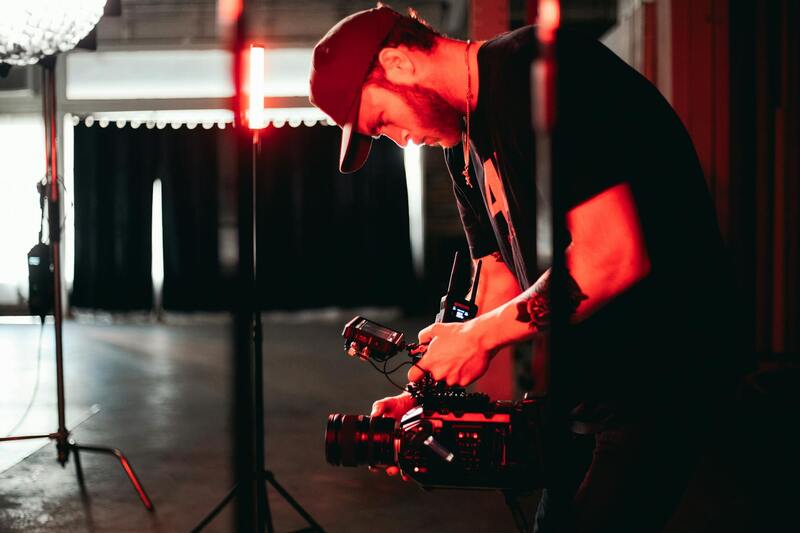
In the digital age, where most property searches begin online, the impact of professional imagery cannot be overstated. Buyers tend to form their initial perceptions solely based on listing photos, making the quality and presentation of images a decisive factor in their decision-making process. When realty photos accurately showcase a property's spatial layout, lighting, and unique features, they help buyers envision themselves living there, reducing hesitation and accelerating the sales process.
Moreover, professionally taken photos demonstrate a level of investment and dedication, positioning the property more favorably among competitors. This elevated presentation can lead to increased viewing appointments and faster sales cycles. For real estate professionals operating in Miami's vibrant and diverse market, leveraging high-quality images is an essential component of a comprehensive marketing strategy that drives results.
Key Elements of Compelling Realty Photos
Creating impactful realty images involves attention to several key elements. First, optimal lighting is essential; natural light should be maximized to highlight a property's best features while avoiding harsh shadows or overexposed areas. Second, composition plays a vital role—culinary angles, decluttering, and proper framing ensure each shot captures the property's essence effectively. Third, maintaining consistency in style and quality across all images helps create a cohesive visual narrative that appeals to prospective buyers.
Color accuracy and clarity are equally important, as they influence the perceived condition of the property. Additionally, including wide-angle shots can help illustrate the spatial layout, giving viewers a comprehensive understanding of the property's size and flow. Fine details should be captured with clarity, from textured walls to high-end finishes, to convey the property's quality and appeal.
Additional Considerations for Realty Photography
- Use of professional equipment to ensure high-resolution images
- Consistent color calibration to match real-world hues
- Careful staging to enhance visual appeal
- Strategic selection of angles to highlight key features
- Post-processing for balanced brightness and contrast without over-editing
Utilizing these elements effectively prepares a property for a visual presentation that not only captures attention but also builds confidence among potential buyers, making professional realty photos an indispensable part of successful property marketing in Miami.
Enhancing Property Appeal Through Proper Realty Photography Techniques
Effective realty photos are the cornerstone of engaging property listings and attracting serious buyers. When capturing images of Miami properties, it is crucial to employ proven techniques that highlight the unique features of each space while maintaining authenticity. High-resolution equipment ensures that every detail is rendered sharply, allowing potential buyers to assess the property's condition and design elements accurately. This clarity extends to textures, finishes, and even subtle architectural nuances, which collectively build confidence in the listing.
Optimizing Lighting for Most Flattering Results
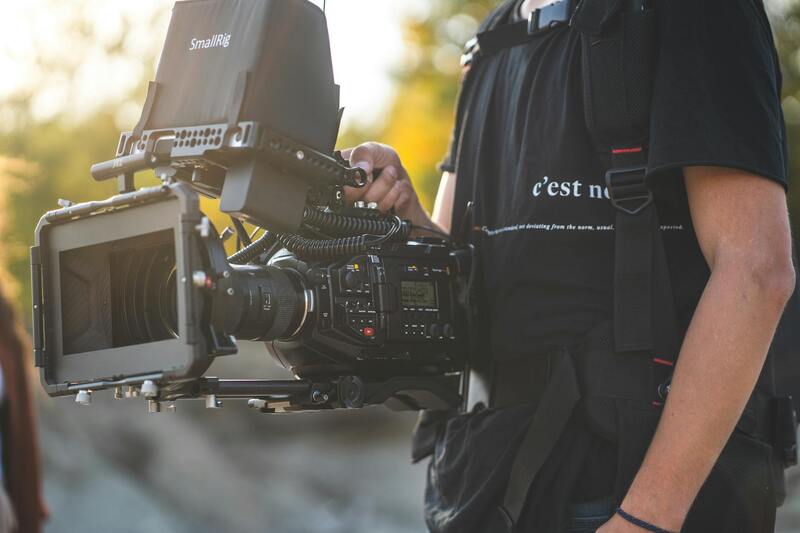
Lighting remains a critical factor in realty photography, especially in a vibrant city like Miami where natural light is abundant. Employing techniques such as shooting during the golden hour or utilizing diffused artificial lighting can produce images that showcase the property in the best possible way. Proper lighting accentuates the space's dimensions, highlights design features, and avoids the common pitfalls of harsh shadows or overexposure. Additionally, balancing brightness and contrast during post-processing preserves the natural hues of the setting, ensuring that listings appear inviting and true-to-life.
Strategic Composition and Angles
The choice of angles and composition play a vital role in storytelling through images. Wide-angle lenses are indispensable because they capture more of a room in one shot, providing viewers with a comprehensive sense of space. Shooting from shoulder height and at eye level creates a perspective that feels natural and relatable. When framing each shot, it is important to declutter the scene, removing personal belongings or distracting objects that could detract from the property's appeal. Strategic staging and furniture arrangement can also guide the viewer's eye toward focal points, such as a modern kitchen backsplash or an expansive view from a balcony.
Maintaining Consistency Across the Gallery
Uniformity in photography style ensures that a property’s visual presentation is cohesive, which enhances professionalism and appeal. Consistent color grading, lighting tone, and framing techniques across all images reinforce the quality and authenticity of the listing. Consider creating a standard shooting protocol that aligns with the overall branding of the property or agency. This consistency helps prospective buyers form a clear mental image of the property’s layout, flow, and atmosphere.
Incorporating Fine Details to Elevate Listings
Close-up shots of high-end finishes, textured walls, and contemporary fixtures can be powerful tools to communicate the property's quality. These detailed images provide a tactile sense of luxury and craftsmanship that broad shots might not fully convey. Incorporating focal points such as intricate crown molding, designer hardware, or textured wall treatments can differentiate Miami listings from others and attract discerning buyers.
Meticulous Post-Processing
While editing should enhance the natural beauty of a property, it is important to avoid excessive alteration. Techniques like balanced brightness, contrast, and sharpness can make images more appealing without sacrificing authenticity. Color correction ensures that hues are true to life, preventing listings from appearing artificially enhanced or misleading. Utilizing professional editing software allows for precise adjustments that can bring out the best in each shot while maintaining a realistic portrayal of the property’s ambiance.
Understanding the Importance of Professional Realty Photos
In the competitive Miami real estate market, the quality of property imagery can significantly influence buyer engagement and sales performance. High-quality realty photos serve as the visual gateway to a listing, capturing the essence, charm, and unique features of each property. They are often the first impression prospective buyers have, making it crucial to invest in professional photography that highlights the property's best attributes. Clear, well-composed images can evoke an emotional response, encouraging viewers to schedule viewings or inquire for more details. Additionally, professional images help establish credibility and trust—key factors when navigating Miami’s diverse and discerning buyer pool.

Moreover, professionally captured images align with our modern digital-first home-search behaviors. Since most real estate inquiries and initial viewing experiences occur online, the quality of photographs directly impacts a listing's visibility and attractiveness in online platforms. Listings that feature compelling photos tend to generate higher click-through rates, longer engagement times, and ultimately, faster sales. A well-executed visual strategy also allows real estate professionals to differentiate their listings within Miami’s vibrant and multifaceted residential landscape—be it luxury condos in downtown Miami, waterfront estates, or urban townhomes.
Key Elements of Compelling Realty Photos
To maximize the impact of realty photos, several key elements must be meticulously incorporated by professional photographers:
- Optimal Lighting: Utilizing natural light during the daytime enhances clarity, warmth, and color accuracy. Supplementary lighting may be used to eliminate shadows and highlight interior details.
- Staging and Composition: Proper staging ensures the space appears inviting and functional. Composition techniques like the rule of thirds direct the viewer’s eye, emphasizing the property's focal points.
- Angles and Perspectives: Capturing shots from multiple angles provides a comprehensive view of each room, showcasing layout and flow. Wide-angle lenses are often employed to make spaces appear larger and more open.
- Attention to Detail: Focused shots of high-end finishes, textured interiors, or architectural features highlight luxury and craftsmanship, appealing to discerning buyers.
- Consistent Color Grading and Framing: Maintaining visual cohesion across images enhances professionalism. Standardized framing and color correction preserve the true ambiance of the property.
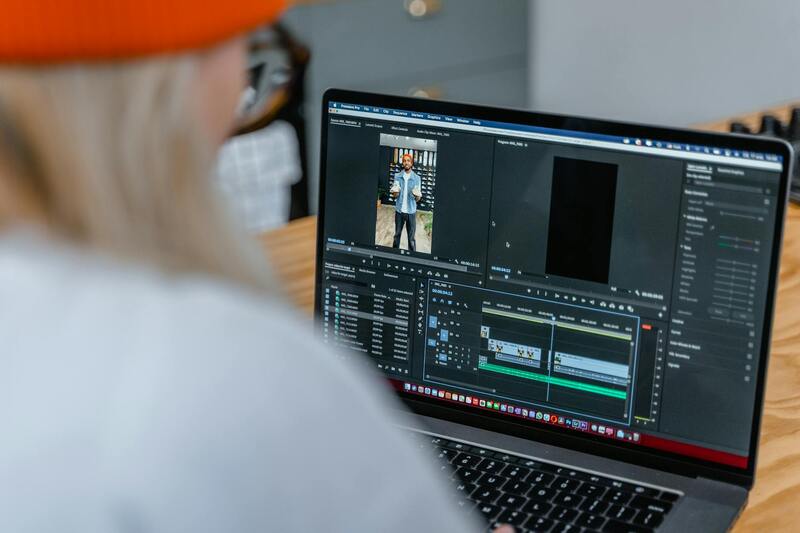
Post-processing techniques such as balanced brightness, contrast adjustments, and subtle color correction further enhance images without compromising authenticity. This careful editing ensures the photographs accurately reflect the property’s natural appeal while eliminating distractions or imperfections. The use of high-quality editing software allows for precision enhancement, resulting in images that are both striking and truthful representations of the property.
The Role of Visual Stories in Real Estate Marketing
Beyond individual shots, creating a visual narrative can profoundly influence how potential buyers perceive a property. Showcasing a sequence of images that tell the story of living in the space—from welcoming entryways to luxurious kitchens and serene outdoor areas—helps prospective buyers envision their lives within the property. This storytelling approach, combined with professional photography, significantly enhances online listings' appeal, driving more inquiries and viewings.
Enhancing Realty Photos with Professional Techniques
Achieving high-quality realty photos starts long before the camera captures the shot. Proper preparation, strategic equipment use, and understanding of photographic principles are essential to produce images that truly represent the property's appeal. Professionals in the Miami real estate market employ specific methods to ensure each photograph aligns with the property’s unique features, creating a compelling visual narrative that attracts potential buyers.
Optimal Lighting and Equipment
Utilizing natural light effectively is paramount in real estate photography. Professionals schedule shoots during times when sunlight enhances interior brightness without creating harsh shadows. In cases of low-light conditions or interior spaces lacking windows, high-quality artificial lighting ensures even illumination, revealing details and textures accurately. Wide-angle lenses are often used to capture expansive views of rooms, making spaces appear larger and more inviting. Advanced camera settings, such as proper aperture and exposure adjustments, further optimize image clarity and depth.

Maintaining Authenticity and Consistency
One of the core objectives of professional realty photography is delivering images that authentically portray the property. This involves meticulous post-processing, including color correction, contrast adjustment, and noise reduction. Skilled editing ensures that the images reflect the true ambiance and condition of the property, which builds trust with prospective buyers. Consistency across all photos maintains a cohesive visual story, reinforcing the property’s branding and elevating its market presence.
Incorporating Architectural and Design Details
Highlighting distinctive architectural features or interior design elements can significantly influence a buyer's perception. Focused shots of textured walls, high-end finishes, or unique fixtures attract attention and underline the property's quality. For outdoor spaces, professional photos capture landscaped gardens, swimming pools, or panoramic city views, adding to the property's allure. Proper framing and angles ensure these features are showcased effectively, emphasizing the property's strengths.
Creating a Visual Narrative
Beyond individual images, professional photographers craft a storytelling sequence that guides viewers through the property. This approach strategically pairs images of entryways, living areas, kitchens, bedrooms, and outdoor spaces to evoke a sense of lifestyle and comfort. Such visual storytelling helps viewers envision their own lives in the space, increasing the likelihood of inquiry and consultation. Seamless transitions and thoughtfully composed shots contribute to a compelling online presentation that stands out in Miami's vibrant real estate market.
Legal and Certified Methods for Capturing Realty Photos
Property owners and real estate professionals seeking high-quality, reputable images should prioritize methods that are recognized for their authenticity and professionalism. Employing certified methods involves collaborating with experienced real estate photographers who utilize state-of-the-art equipment, including advanced digital cameras and drone technology, to capture accurate and visually appealing representations of properties.
Photographers with established credentials and industry recognition adhere to strict standards of image quality, composition, and post-processing. They typically follow detailed protocols to ensure every shot is precise, well-lit, and reflective of the property's true condition. These protocols include proper framing, strategic lighting, and optimal angles that highlight key architectural features and spatial flow. Such practices are essential in delivering images that convey authenticity and professionalism.
Furthermore, utilizing certified editing techniques—such as color correction, contrast enhancement, and noise reduction—ensures the images are representative of real-life conditions without enhancement distortions. These refinements are instrumental in building trust with prospective buyers, providing an honest and appealing view of the property. Consistency in style across a series of images also plays a vital role in establishing a cohesive visual narrative.
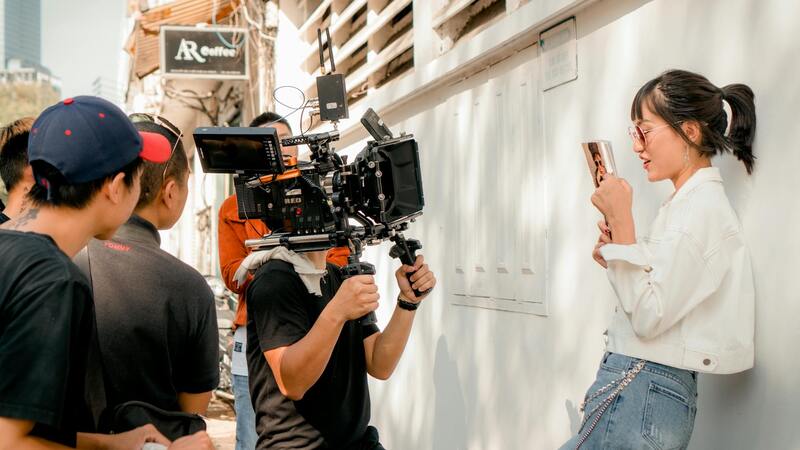
In addition to traditional photography, official virtual tour methods—such as 3D walkthroughs created through certified software—allow potential buyers to explore properties interactively. These virtual tours are produced by certified professionals who ensure seamless navigation, accurate spatial representation, and high-quality visual rendering. They serve as invaluable tools in offering comprehensive views without the need for immediate physical presence, thus broadening market reach and engagement.
Implementing legitimate, technology-driven techniques involves a meticulous process: from initial site assessment, where professionals plan optimal angles and lighting conditions, to final image and tour rendering. This systematic approach guarantees that the visuals remain true to the property's reality, presenting an honest depiction that fosters buyer confidence and aids in informed decision-making.
Choosing a reputable agency that specializes in real estate imagery in Miami is equally crucial. They adhere to established standards for delivering consistent, high-quality visuals that meet industry expectations. Such agencies often have access to latest equipment and software, ensuring the images meet high-resolution requirements suitable for online platforms, print advertising, and virtual presentations. Their expertise also includes understanding regional market preferences, allowing for tailored presentations that resonate with Miami’s diverse buyer demographics.
In today’s competitive market, employing official and certified methods for realty photography not only enhances the visual appeal of listings but also significantly impacts market performance. Authentic imagery builds credibility, attracts qualified prospects, and shortens the sales cycle by facilitating faster decision-making.
Official Methods for Capturing Realty Photos
Securing high-quality, truthful imagery for property listings involves a systematic approach that emphasizes adherence to recognized standards. This process begins with comprehensive site assessments, where professionals evaluate lighting conditions and identify the best angles to showcase each room's unique features. Utilizing high-resolution cameras, they ensure clarity and detail capture, which is essential for online presentation and print materials. The equipment used is often complemented by advanced software that manages image calibration, color accuracy, and distortion correction, providing a true representation of the property.
Lighting plays a pivotal role in realty photography, and professionals employ techniques such as natural light optimization or supplementary lighting to highlight key spaces effectively. Their understanding of regional climate and typical weather patterns in Miami ensures exterior photos are vibrant and inviting, avoiding shadows or dullness often caused by poor lighting conditions. Additionally, the proper timing of shoots optimizes the quality of sunlight, emphasizing the property's best aspects.
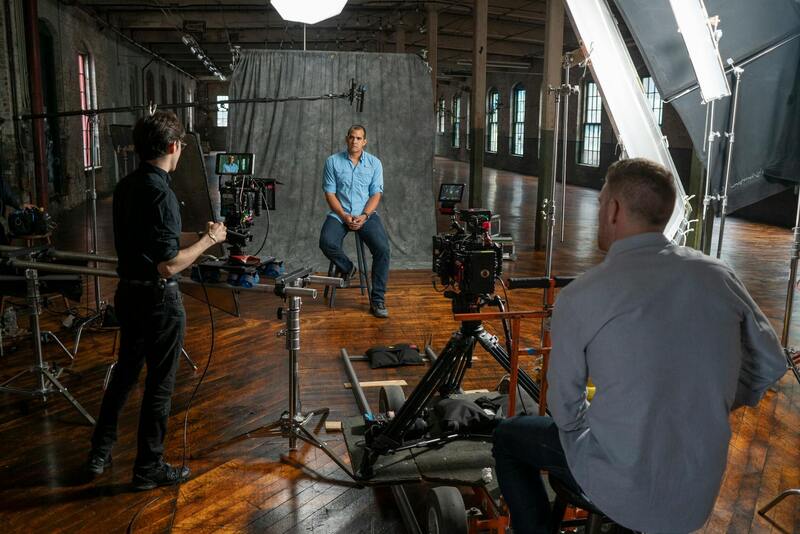
Consistent Quality and Industry Standards
Maintaining consistency across all property visuals is achieved through strict adherence to industry standards set by photography authorities and real estate agencies. These standards address image resolution, composition, and lighting, ensuring each photo aligns with the professional appearance expected by clients and buyers. The use of calibrated monitors during editing and quality control checks guarantees the images' fidelity before final delivery. Such practices foster credibility and trust, making listings more appealing to prospective buyers.
Realty photography providers often employ certified workflows, integrating ongoing training and quality assurance checks to stay current with technological advancements. This commitment to excellence ensures the visual content is both captivating and reliable, accurately reflecting the property’s features without misleading representations. The outcome is a set of images that meet the expectations of savvy Miami homebuyers and seasoned real estate professionals alike.
Legal Compliance and Ethical Considerations
When producing realty photos, strict compliance with official guidelines is critical to avoid misrepresentation. Photographers and agencies adhere to protocols that ensure images depict the property as-is, without involving deceptive practices such as digital manipulation or staging that alters the property's appearance beyond its real state. Capturing photos at appropriate times, respecting privacy, and ensuring no alterations distort the property's true condition uphold the integrity of the visual content. These ethical standards contribute to a transparent and trustworthy market environment.
The use of verified methods in realty photography benefits both sellers and buyers by fostering transparency, which accelerates decision-making and facilitates smoother transactions. Professionals often keep meticulous records of their shooting and editing processes to demonstrate compliance and facilitate accountability, enhancing confidence among clients and stakeholders in the Miami real estate market.
Understanding the Importance of Professional Realty Photos
High-quality realty photos serve as a pivotal element in the current real estate landscape. They are often the first visual impression potential buyers have of a property, making their quality and accuracy critical for attracting interest and facilitating faster transactions. Professionally captured images transcend simple documentation; they tell a compelling story of the property's unique features, surrounding environment, and overall appeal. Such visual content not only enhances online listings but also builds credibility and trust with prospective clients, contributing to the overall market reputation of the listing agent or agency.
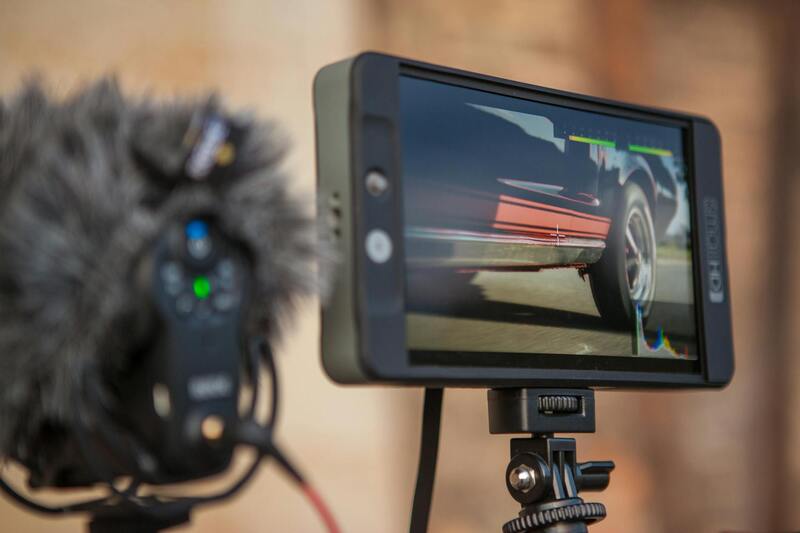
Investing in professional photography underscores the commitment to quality and transparency. It ensures that the property is presented accurately, avoiding aesthetic exaggerations or omissions that could mislead buyers. This honesty fosters a more efficient sales process, minimizes misunderstandings, and bolsters buyer confidence. The visual content's role in setting realistic expectations while maximizing aesthetic appeal makes professional photography an indispensable component of effective real estate marketing strategies.
Key Elements of Compelling Realty Photos
- Lighting: Natural light is essential for showcasing a property's true colors and spatial flow. Properly timed shoots, often during the golden hours, reveal details without harsh shadows.
- Composition: Structuring shots to highlight the property's best features, balanced with clean lines and strategic angles, enhances visual interest and clarity.
- Staging: Carefully arranged furniture and decor help potential buyers visualize the space's potential, while ensuring the arrangement remains authentic and unobtrusive.
- Clarity and Focus: Sharp, high-resolution images with minimal noise and distortion ensure that all details are easily discernible, aiding decision-making.
- Authentic Representation: Photos must accurately depict the property's condition without over-editing or digital manipulation, maintaining integrity and trustworthiness.
Types of Realty Photos and Virtual Tours
Effective property marketing involves a diverse array of visual content, each serving specific purposes and audience preferences.
- Exterior Shots: Showcasing the property's facade, landscaping, driveway, and outdoor amenities to establish curb appeal and first impressions.
- Interior Shots: Highlighting living rooms, kitchens, bedrooms, bathrooms, and key highlights within the home, with attention to lighting and detail.
- Aerial Photography: Utilizing drone images to provide an overview of property size, layout, and surrounding neighborhood, particularly useful for larger estates and properties on expansive lots.
- Virtual Tours: Interactive walkthroughs that allow prospective buyers to explore the property remotely, providing an immersive experience and facilitating virtual open houses.
- 360-Degree Images: Capturing comprehensive views of individual rooms to offer a detailed perspective, aiding buyers in assessing space and layout precisely.

Preparing Properties for Photography
To maximize the impact of realty photos, thorough preparation of the property is essential. This process involves:
- Decluttering: Removing personal items, excess furniture, and clutter to create a clean, inviting environment that emphasizes space.
- Cleaning: A deep clean of all surfaces, floors, and windows ensures the property appears well-maintained and appealing in photographs.
- Lighting Calibration: Opening blinds, turning on adequate lighting, and scheduling shoots during optimal daylight hours to achieve bright, balanced images.
- Staging: Strategically arranging furniture and decor to highlight each room's potential while maintaining authenticity.
- Exterior Maintenance: Keeping lawns trimmed, driveways clean, and outdoor areas tidy to enhance curb appeal.
- Scheduling Timing: Selecting times that minimize shadows and maximize natural light, providing the most flattering visuals.
Choosing the Right Miami Photography Agency
Partnering with an experienced real estate photography provider in Miami guarantees the production of high-quality, compliant images. A reputable agency will have a portfolio demonstrating proficiency in capturing the local market's architectural styles and environmental conditions. Critical factors include:
- Understanding of regional aesthetics and property types
- Utilization of professional-grade equipment, including drones and high-resolution cameras
- Adherence to best practices in lighting, composition, and post-processing
- Knowledge of current real estate marketing trends and platform requirements
- Ability to deliver timely turnaround and flexible scheduling to meet market demands
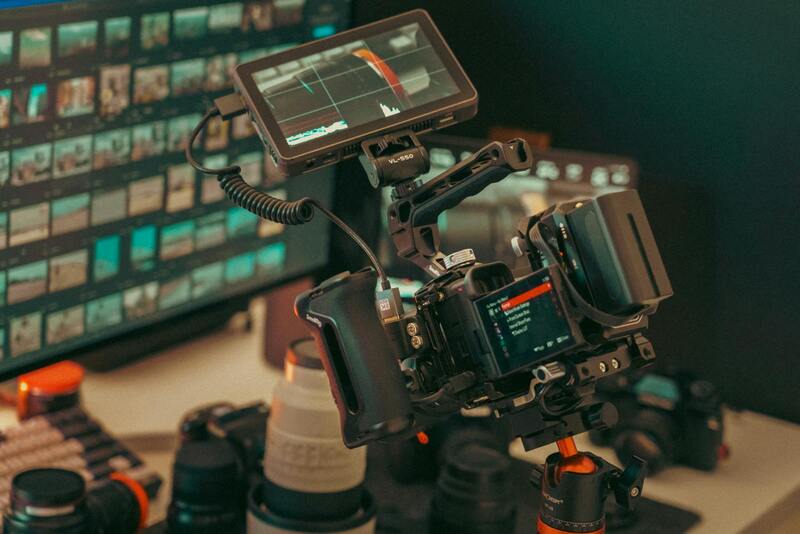
Engaging professionals who specialize in realty photography ensures that your property is presented in the best possible light, attracting more prospective buyers and accelerating sales cycles. The tailored approach and technical expertise provided by seasoned photographers foster confidence among sellers and reinforce the property's perceived value.
Ensuring the Authenticity and Accuracy of Realty Photos
Maintaining the authenticity and accuracy of realty photos is crucial for establishing trust with prospective buyers and improving market transparency. Professional real estate photography involves more than just capturing visually appealing images; it emphasizes truthful representation of the property's features, layout, and condition. Accurate lighting adjustments, proper angles, and honest depictions of spaces help set correct expectations, reducing the likelihood of disappointment or transactional delays. In addition, adhering to high-resolution standards ensures clarity and detail, allowing viewers to assess property details thoroughly. This commitment to factual representation protects the integrity of the listing and supports informed decision-making, ultimately contributing to a more streamlined sales process.

Legal and Ethical Considerations in Realty Photography
Effective realty photos must align with industry guidelines that promote fairness and transparency. This involves accurately portraying the property without omitting or manipulating elements that could mislead viewers. Elements such as staging, lighting, and image editing should enhance the property's appeal without creating false expectations. It’s important to avoid over-enhancement or digital alterations that distort the actual features of the property. Respecting these standards helps maintain a professional reputation, encourages trustworthiness, and supports long-term client relationships.
Verification through Property Documentation
- Aligning photos with official floor plans and descriptions ensures consistency and provides verification.
- Including recent images that reflect current property conditions avoids potential disputes or misunderstandings.
- Employing professional photographers who understand regional architectural nuances enhances credibility and presentation quality.
Implementing Ethical Post-Processing Techniques
Post-processing should be used to correct lighting, color balance, and clarity, while remaining faithful to the actual appearance of the property. Techniques such as color correction ensure that the images accurately represent indoor lighting conditions, and perspective adjustments help showcase spaces without exaggeration. Overly retouched images can undermine audience trust, while balanced editing enhances realism and appeal. A transparent approach to editing preserves the integrity of the listing and avoids misleading potential buyers or renters.

Compliance with Industry Standards and Best Practices
Adhering to established industry standards ensures that realty photos meet professional benchmarks, boosting their effectiveness across marketing channels. Consistency in angle, lighting, and image quality across all listings creates a cohesive appearance for branding and enhances professional reputation. Regular training and staying current with industry guidelines help photographers and agencies maintain compliance, ensuring that images not only attract viewers but also accurately reflect the property’s true state. Understanding the regional market’s aesthetic preferences—such as Miami’s vibrant, sunlit environments—further aligns images with buyer expectations.
Quality Control and Review Processes
- Implementing strict quality control measures before publishing images ensures compliance with standards.
- Multiple review stages help catch inconsistencies or inaccuracies in the photos.
- Feedback from real estate professionals can guide continuous improvement in photography practices.
Conclusion
Upholding authenticity and ethical standards in realty photography enhances buyer confidence and supports sustainable market relationships. By focusing on truthful representations, precise post-processing, and compliance with industry protocols, real estate professionals in Miami can leverage images that are both compelling and credible. Combining these practices with modern technology and attention to detail ensures that property listings stand out in a competitive market, fostering transparency and trust that benefit both sellers and buyers alike.