
Understanding Realtor Photography and Its Importance
In the fiercely competitive Miami real estate market, high-quality realtor photography serves as a crucial tool for property marketing. It provides an authentic visual narrative that captures the essence of a space, appealing directly to potential buyers' emotions and interests. Effective realtor photography does not merely showcase a property’s physical features; it strategically highlights its best attributes, creating a compelling reason for viewers to schedule a viewing or make an offer. This visual approach is especially significant in Miami’s vibrant and diverse property landscape, where buyers often rely heavily on online listings to narrow their choices before visiting in person.
Properly executed realtor photos can dramatically influence a property’s online presence and perceived value. Listings with professional, well-composed images typically attract more clicks, garner higher engagement, and generate faster sales. As real estate professionals recognize the importance of compelling imagery, many turn to specialized realtor photography services to set their listings apart in a crowded digital environment. These images serve as the first impression for many prospective buyers, underscoring the need for images that are not only visually appealing but also accurately represent the property’s layout and unique features.
In essence, realtor photography functions as a bridge between the property and the buyer. It amplifies the property’s appeal by emphasizing its best aspects, whether that’s a spacious kitchen, a stunning ocean view, or a lush backyard. As Miami’s real estate market continues to grow, the role of professional photos becomes even more significant, providing a competitive edge for sellers and real estate agents alike.
Investing in professional realtor photography is no longer optional; it’s an integral component of strategic property marketing. Well-crafted images not only underscore the property’s aesthetic appeal but also foster trust and credibility with prospective buyers. Consequently, real estate professionals who prioritize vrental photography recognize its vital role in enhancing their listings, attracting more interest, and ultimately facilitating faster transactions. In summary, understanding the significance of high-quality realtor photography is foundational for maximizing the potential of Miami’s real estate assets and reaching a broader audience in today’s digital-first market environment.
Effective Strategies for Capturing Compelling Realtor Photos in Miami
Achieving impactful realtor photography requires a meticulous approach that combines technical proficiency with an understanding of property features and client expectations. In Miami's vibrant real estate market, where properties range from sleek high-rise condos to sprawling waterfront estates, tailored strategies ensure each listing captures its unique appeal, attracting the right audience.
Optimal Use of Equipment for Realtor Photography
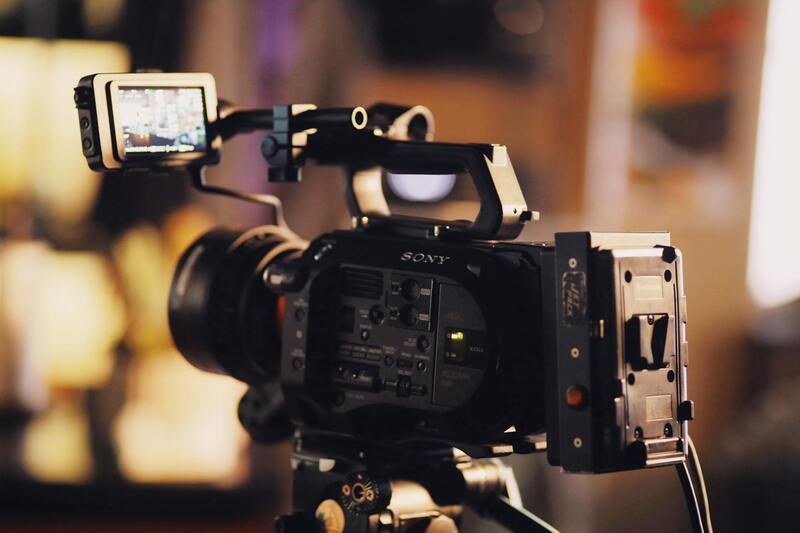
The backbone of high-quality realtor photography lies in choosing the right equipment. Professional-grade DSLR or mirrorless cameras equipped with wide-angle lenses—typically ranging from 14mm to 24mm—are essential to capture expansive interior spaces without distortion. A sturdy tripod stabilizes shots, especially in low-light conditions or when using longer exposure times to enhance lighting. Additionally, high-dynamic-range (HDR) imaging techniques can be employed to balance bright windows and shadowed corners, producing images that faithfully represent the property's ambiance.
Mastering Shooting Techniques for Interior and Exterior Views
Capturing both interior and exterior spaces requires distinct approaches. For interior shots, lighting is paramount. Utilizing natural light by shooting during the day maximizes brightness and authenticity while supplementing with professional lighting or reflectors to eliminate shadows. Composition skills, such as using leading lines and symmetry, direct viewers' attention toward focal points like a modern kitchen or a luxurious bathroom.
Exterior shots benefit from considering the natural light, timing shoots during the golden hour—shortly after sunrise or before sunset—to enhance the property's curb appeal. Wide-angle lenses help in showcasing expansive facades, landscaped yards, or waterfront views. Including foreground elements like well-maintained pathways or attractive landscaping in the frame adds depth and context.
Emphasizing Architectural and Design Details
In Miami's diverse architecture, highlighting distinctive features can significantly enhance a listing’s attractiveness. For modern condos, focus on sleek lines, open floor plans, and interior finishes. For historic homes or unique estate properties, capturing intricate moldings, decorative facades, or innovative design elements provides depth, showcasing the property's character.
Implementing Effective Post-Processing Techniques
Post-processing is crucial in transforming raw images into captivating visuals. Professional editing involves adjusting brightness, contrast, and color saturation to ensure true-to-life representations. Correcting lens distortions, straightening lines, and removing temporary imperfections like dust or reflections improve image clarity. Additionally, consistent color grading across all images creates a cohesive online presentation that aligns with the property's branding and appeal.
Working Collaboratively with Miami Real Estate Professionals
Successful realtor photography hinges on clear communication with agents and property owners. Understanding the key selling points allows photographers to tailor shots accordingly. Pre-shoot consultations help clarify expectations, identify exclusive features to emphasize, and determine optimal shooting times. Post-shoot, providing a curated selection of images aligned with marketing strategies ensures listings resonate with prospective buyers.
Showcasing Property Location and Lifestyle
The Miami market is distinguished by its vibrant lifestyle and scenic surroundings. Incorporating images that capture neighborhood amenities, nearby beaches, parks, or cultural landmarks enhances the property's allure. Such visuals appeal to buyers seeking not just a home but a dynamic lifestyle. Including panoramic shots of the skyline or waterfront vistas underscores the unique selling points of Miami’s real estate offerings.
Prioritizing Quality and Consistency
To ensure uniformity across a portfolio, establishing a standardized editing process and shooting guidelines is vital. Consistent quality reassures clients and enhances brand recognition. Regularly updating equipment and sharpening technical skills through workshops or courses keeps one competitive in Miami's fast-paced real estate scene.
Summary
Capturing compelling realtor photography in Miami demands an integrated approach that leverages advanced equipment, refined techniques, and a deep understanding of market dynamics. From lighting and composition to post-processing and client collaboration, each step contributes to producing images that elevate property listings. The goal remains to showcase each property’s distinctive features authentically, appealing to prospective buyers' aspirations and lifestyle preferences. By adhering to these principles, real estate professionals can significantly improve their listing visibility, shorten sales cycles, and build lasting client trust in Miami’s thriving real estate environment.
Implementing Proper Techniques to Capture High-Quality Realtor Photos
Achieving exceptional realtor photography hinges on utilizing precise techniques that highlight a property’s best features while maintaining visual authenticity. One foundational approach is mastering the use of wide-angle lenses, which allow for the capture of expansive interior spaces without distortion, giving potential buyers a comprehensive view of each room. Proper lens selection is crucial to showcase the depth of living areas and create a sense of space that appeals to viewers.
Another vital technique involves managing natural and artificial lighting to create inviting atmospheres in photographs. Bright, well-lit images convey cleanliness and openness, which are desirable in residential listings. Techniques such as shooting during optimal times of the day, like early morning or late afternoon, take advantage of soft, diffused light that highlights details without harsh shadows. Supplementing with professional lighting equipment, such as portable strobes or LED panels, ensures consistent illumination, especially in interiors with limited natural light.
Composition plays a pivotal role in realtor photography. Employing techniques like the rule of thirds, leading lines, and framing helps direct the viewer’s eye toward focal points such as architectural features or scenic vistas. Decluttering spaces before shooting and ensuring strategic placement of furniture and decor enhances visual appeal. Elevating angles, typically from waist to eye level, provide a natural perspective that makes spaces feel more spacious and inviting.
- Use a tripod to stabilize images, particularly in low-light settings or HDR shots.
- Incorporate vertical lines that run parallel to the camera’s sensor to avoid distortion.
- Synchronize shooting and editing workflows to maintain consistency across all images.
Virtual staging has emerged as a valuable tool in realtor photography, allowing for the enhancement of empty spaces without physical alterations. Using specialized software, subtle additions of furniture, decorations, or even outdoor landscaping elements can significantly influence a property's perceived potential. This technique must be applied carefully to ensure completed visuals remain realistic and compelling, avoiding misrepresentation of the actual space.
Precision Post-Processing to Elevate Realtor Images
After capturing visual data, post-processing is instrumental in refining realtor photos. Adjustments such as correcting color balance, enhancing contrast, and sharpening details help produce crisp and vibrant images that stand out in listings. Careful use of editing software ensures that images accurately reflect real conditions, preserving trust and transparency between real estate professionals and prospective buyers.
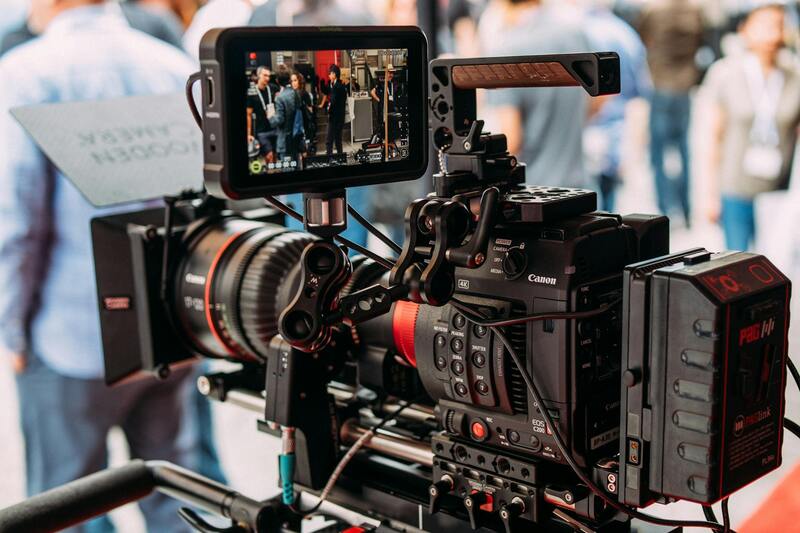
Advanced techniques include removing minor imperfections like dust or glare, which can distract viewers. Techniques such as perspective correction and horizon leveling offer a balanced composition, especially in exterior shots where maintaining accurate angles enhances credibility. Applying subtle filters or adjustments can evoke mood and atmosphere consistent with the property's style, further engaging potential buyers.
Consistent branding in editing—such as standardized color correction and watermarking where appropriate—strengthens a realtor’s professional image across multiple listings. These practices contribute to a polished portfolio that attracts attention and fosters client trust, ultimately improving property visibility and reducing time on market.
Understanding Realtor Photography and Its Importance
Realtor photography serves as a pivotal element in the real estate marketing mix, directly influencing a property's visibility and perceived value. High-quality images capture the essence of a home, showcasing its unique features and setting it apart from competing listings. Effective realtor photography not only attracts potential buyers but also facilitates faster sales, reducing property time on the market. With the increasing reliance on online listings, compelling photographs have become a non-negotiable component of a successful real estate strategy. Visual presentation affects first impressions, and professionally captured images convey professionalism, trust, and credibility, fostering stronger connections between real estate agents and prospective clients.

Key Elements of Effective Realtor Photography
Achieving excellence in realtor photography involves a meticulous approach that considers both technical skill and artistic composition. Several core elements should be prioritized to produce images that resonate with viewers:
- Lighting: Proper lighting is fundamental. Natural light should be maximized, and supplementary lighting can be added to brighten darker areas. Timing photos during the day ensures optimal sunlight, creating a warm and inviting atmosphere.
- Composition: Thoughtful framing directs attention to the property's most appealing aspects. Using techniques like the rule of thirds and leading lines guides the viewer's eye through the space, emphasizing depth and scale.
- Perspective and Angles: Shooting from strategic vantage points minimizes distortion and showcases rooms more spaciously. Wide-angle lenses are commonly used, but should be applied with care to avoid exaggerating room sizes.
- Focus and Sharpness: Ensuring crisp, in-focus images is vital for professionalism. Blurred or soft images diminish the property's appeal and credibility.
- Color Accuracy: Accurate color rendition helps viewers perceive the space as it truly appears. Proper white balance settings prevent unnatural hues that can distract or mislead viewers.
Necessary Equipment and Techniques for Realtor Photos
Executing professional realtor photography hinges on having the right tools and employing appropriate techniques. Essential equipment includes:
- Camera: A DSLR or mirrorless camera with high-resolution capabilities ensures detailed imagery suitable for large displays or prints.
- Lenses: Wide-angle lenses (generally between 14mm to 24mm) allow capturing expansive interior shots, providing a sense of space without distortion when used correctly.
- Tripod: Stability is crucial for sharp images, especially in low-light situations or when performing multiple exposures for HDR processing.
- Lighting Equipment: External flashes, softboxes, or reflectors help control light within interior spaces, producing well-lit images regardless of external lighting conditions.
- Post-Processing Software: Programs like Adobe Lightroom or Photoshop facilitate color correction, perspective adjustments, and minor retouching, elevating the overall quality of images.
Mastering techniques such as HDR imaging allows capturing multiple exposures to handle challenging lighting scenes. Bracketing and blending these exposures produce well-balanced images that reveal details in both shadows and highlights. Additionally, practicing correct camera settings—like appropriate aperture, shutter speed, and ISO—ensures clarity and color fidelity. Composition techniques, including the use of natural or artificial light, strategic angles, and the avoidance of clutter, contribute significantly to an engaging visual presentation. Experience in post-processing further refines images, correcting distortions, enhancing details, and creating a polished final product that convincingly presents the property to potential buyers.
Ensuring High-Quality Visuals through Certified Methods
Achieving superior realtor photography hinges on adhering to industry-approved techniques and utilizing official resources designed to optimize property presentation. Professional photographers prioritize precise camera settings aligned with the scene's lighting and composition, ensuring each shot accurately reflects the property's true appeal. Standardized camera parameters such as aperture, shutter speed, and ISO are adjusted systematically to produce crisp, vibrant images without unwanted distortions.
Lighting remains a cornerstone of effective realtor photography. Utilizing confirmed lighting techniques—like controlling natural light with reflectors or employing approved external flashes—ensures each space is illuminated evenly. This prevents overly dark corners or washed-out highlights, facilitating a balanced exposure across interior and exterior shots. Consistent lighting approaches, supported by recognized equipment, uphold image consistency across a property's portfolio.
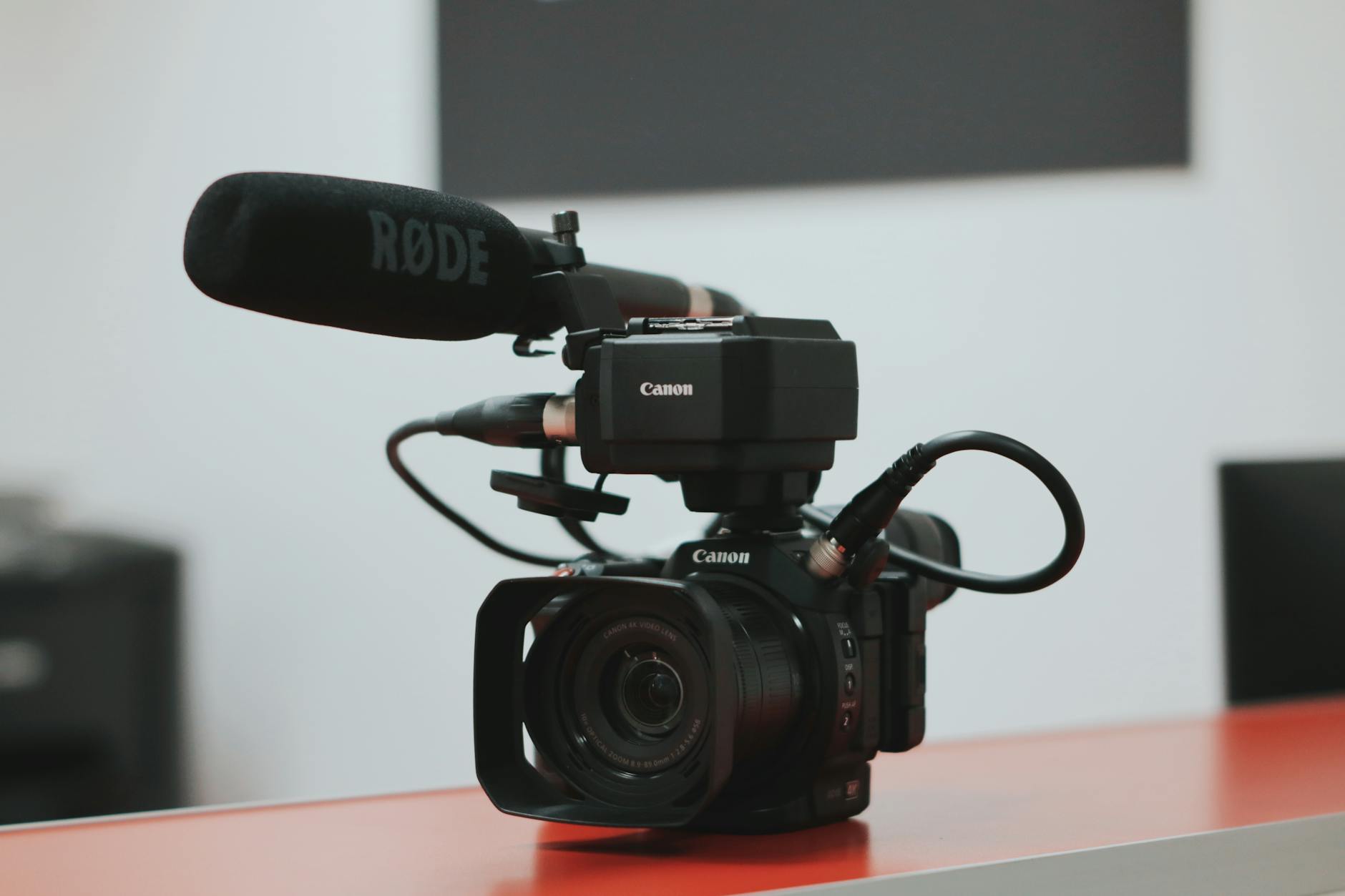
Camera positioning and angling follow established guidelines to highlight a space’s best features. Official standards recommend selecting vantage points that showcase room dimensions and flow, often from eye level or slightly elevated angles. When shooting exteriors, optimal times of day like early morning or late afternoon—often referred to as the 'golden hours'—are preferred for their naturally flattering light. Framing techniques involve clean, uncluttered compositions that emphasize the property's strengths while minimizing distractions, complying with widely accepted visual principles such as the rule of thirds.
Post-shoot, images undergo careful assessment using recognized editing software such as Adobe Lightroom and Photoshop, which are popular and validated tools within the industry. These programs facilitate correct color grading, perspective correction, and minor retouching, ensuring images meet professional standards and accurately depict the property. Consistent post-processing processes incorporate calibrated monitors and color profiles to maintain tonal accuracy and consistent quality, thereby reinforcing the comprehensive standardized approach to realtor photography.
Implementing Verified Techniques to Capture Interior Spaces
- Schedule shoots during times of optimal natural light to highlight interior features with minimal shadows.
- Use official wide-angle lenses (generally between 14mm to 24mm) to encompass more space without distortion, providing viewers with an immersive experience.
- Employ tripods and leveling equipment to steady shots, prevent blur, and ensure consistent framing across multiple images.
- Adjust camera settings according to official standards—such as aperture for depth, appropriate shutter speed for clarity, and ISO for low-light conditions—according to scene requirements.
- Incorporate professional lighting tools like reflectors, softboxes, and external flashes to achieve balanced illumination, especially in interiors where ambient light varies.
Documented Techniques for Exterior Photography
- Capture images during the 'golden hours' to take advantage of natural, warm light that enhances curb appeal and captures outdoor aesthetics authentically.
- Use official drone photography when permitted, following approved safety and operation standards, to provide comprehensive aerial views of the property and its surroundings.
- Opt for wide-angle lenses and panoramic techniques to showcase expansive outdoor spaces and neighboring features effectively.
- Frame shots to include landscaping, entryways, and noteworthy architectural details, aligning with recognized best practices for outdoor imagery.
- Ensure weather conditions are optimal—clear skies or mild weather—to produce bright, inviting exterior images that attract prospective buyers.
Understanding Realtor Photography and Its Importance
Realtor photography serves as a pivotal element in the marketing and sale of real estate properties. High-quality images create a compelling visual narrative that captures the essence of a property’s unique features, architectural details, and surrounding environment. These photographs are often the first point of contact for prospective buyers browsing online listings, making their quality instrumental in generating interest and driving inquiries. In an increasingly digital real estate landscape, professional realtor photography elevates property listings, setting them apart amid fierce competition. Well-executed images not only enhance a property’s perceived value but also foster trust and credibility for real estate agents and owners alike. This visual approach ensures that listings are not just seen but remembered, ultimately accelerating the path to a successful sale. To maximize impact, realtor photography must adhere to unwavering standards of professionalism, accuracy, and aesthetic appeal, aligning with official best practices designed to present properties in their most flattering light.
Key Elements of Effective Realtor Photography
- Optimal Lighting: Utilizing natural light during specific times of the day, such as during the golden hours, ensures interiors are warmly lit and inviting. Supplementing natural light with professional lighting tools helps illuminate darker areas uniformly, avoiding harsh shadows and overexposure.
- Wide-Angle Lenses: Employing official wide-angle lenses, typically between 14mm and 24mm, captures more of the space within a single shot. This technique conveys a sense of spaciousness and allows viewers to get an accurate feel of the property's layout without distortion.
- Stable Equipment: Using tripods and leveling devices guarantees sharp, consistently framed images. Stability is crucial for clarity, especially in low-light conditions or when employing longer exposures to enhance interior brightness.
- Balanced Composition: Proper framing that includes essential architectural and landscaping details creates an aesthetically pleasing image. Symmetry, leading lines, and focal points guide viewers’ eyes naturally through the space.
- Accurate Color Representation: Ensuring color accuracy through proper white balance prevents unnatural hues, making interiors and exteriors appear true to life. This authenticity helps prospective buyers form realistic expectations.
Necessary Equipment and Techniques for Realtor Photos
Engaging realtor photography requires a combination of specialized equipment and refined techniques. Cameras with full-frame sensors provide high-resolution images with excellent detail, while prime considerations include setting an aperture that balances depth of field with sharpness. External flashes, softboxes, and reflectors are vital for interior shot consistency, providing controlled lighting conditions that negate unflattering shadows and color casts. For exterior shots, drone photography is increasingly popular, offering aerial perspectives that showcase property size, landscaping, and neighborhood context.
When dealing with challenging lighting scenarios, techniques such as HDR (High Dynamic Range) imaging may be employed. This process involves capturing multiple exposures and merging them to achieve well-balanced images that highlight both bright and shadowed areas effectively. Additionally, panoramic photography can be used to present expansive outdoor spaces, emphasizing the property's potential and curb appeal. All technical approaches should conform to official guidelines ensuring consistency and professionalism in every shot.
Legal and Ethical Guidelines for Realtor Photography
Maintaining adherence to official standards and ethical practices in realtor photography is essential to uphold professionalism and ensure a consistent, trustworthy presentation of real estate listings. Official protocols emphasize transparency, accuracy in property depiction, and respect for all contractual agreements between photographers, real estate agents, and property owners. These guidelines help prevent misunderstandings and safeguard all parties' interests by establishing clear boundaries and expectations from the outset.
Securing Proper Permissions and Documentation
Before embarking on any real estate photography project, it is crucial to obtain written approval from the property owner or authorized representative. This documentation should clearly specify the scope of the shoot, including which spaces can be photographed, the intended use of the images, and any limitations on access or photography style. Having a legally binding agreement minimizes potential disputes and sets transparent expectations regarding the rights of all involved parties.
Adhering to Privacy and Security Standards
Respect for privacy is a fundamental aspect of professional realtor photography. When shooting interior spaces, especially private residences, photographers must be diligent not to capture or disclose sensitive information or areas that clients or homeowners wish to keep confidential. This includes avoiding photographing personal items or confidential documents that could compromise privacy or security. It is advisable to communicate with clients about any sensitive areas and ensure they agree on what will be included in the photos to prevent privacy infringements.
Utilizing Standardized Shooting Protocols
Official methods recommend adopting standardized shooting protocols to ensure consistency, fairness, and high-quality output. This involves following guidelines related to lighting setups, composition, and image processing that reflect the property's true value and condition. Consistency in these practices not only enhances credibility but also aligns with the expectations set by real estate professionals, allowing for a seamless integration of photos into property listings.
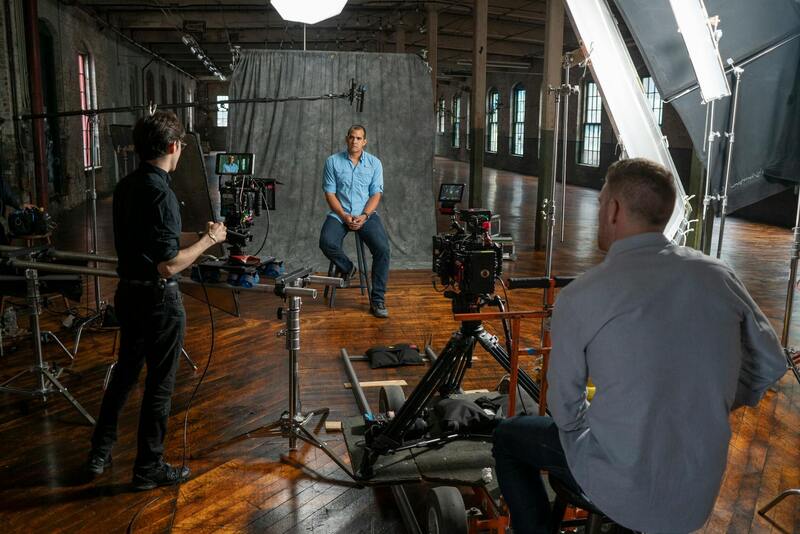
Maintaining Ethical Integrity During Post-Processing
Post-processing plays a vital role in presenting properties attractively while maintaining transparency. Ethical editing involves correcting lighting, color balance, and perspective distortions without misleading viewers about the property's actual appearance. Over-enhancement or digital alteration that misrepresents the property’s features can lead to issues of distrust and legal complications. Professionals should adhere to a code that emphasizes accurate and fair visual representation, ensuring potential buyers receive an honest preview of the property.
Documented Delivery and Licensing Practices
Compliance with official standards includes clear documentation regarding image licensing, usage rights, and delivery formats. Photographers should provide clients with detailed information on how images can be used, whether for online listings, print advertisements, or marketing campaigns. Delivering images via secure channels and maintaining detailed records of all files and licensing agreements fosters best practices and supports a transparent business relationship.
Advanced Strategies for Licensing and Legal Considerations in Realtor Photography
Establishing clear licensing agreements forms the foundation of a professional realtor photography operation. Such agreements should delineate precise terms of use, including where and how images will be displayed, duration of usage rights, and restrictions on alterations. These terms help prevent misunderstandings and provide legal clarity for both photographers and real estate clients, ensuring a smooth collaboration from the outset.
Implementing a comprehensive licensing framework enables photographers to retain control over their images while granting clients the necessary rights to use them effectively. For instance, licensing can be tailored to include exclusive rights for a specific listing or non-exclusive rights that allow multiple agents to utilize the same imagery. This flexibility supports diverse marketing strategies, whether for online listings, print brochures, or other promotional materials.
Secure digital delivery methods underscore the importance of confidentiality and traceability. Utilizing encrypted file transfer protocols or dedicated client portals ensures that high-resolution images are accessed only by authorized parties. This practice not only protects intellectual property but also fosters trust and professionalism in client relationships.
Maintaining meticulous records of all transactions—such as signed licensing agreements, delivery confirmations, and usage permissions—bolsters accountability. These records serve as vital documentation should any disputes arise, and they support compliance with relevant standards governing imagery rights. Regularly updating these records is a best practice that demonstrates commitment to transparency and integrity in real estate photography services.
Additionally, photographers should stay informed about evolving standards for image metadata. Embedding clear copyright notices, licensing information, and contact details within the image files can prevent unauthorized use and facilitate proper attribution. Proper metadata management also simplifies the process of tracking image usage, which is valuable for reporting and licensing audits.

By adhering to these official practices, realtor photographers can establish a robust legal framework that protects their creative work, maintains client trust, and supports sustainable business operations. This systematic approach to licensing and legal compliance is vital for building a reputable presence within the competitive Miami real estate market.