

Factors Influencing Real Estate Video Production Prices
Understanding what drives the cost of creating professional real estate videos is essential for both agents and videographers aiming to establish fair pricing strategies. Several key elements significantly influence the overall expense, ensuring that each project’s unique requirements are accurately reflected in the final price. These factors include the size of the property, the complexity of the video, and the level of production quality desired.
Property Size and Scope
One of the most straightforward factors affecting budget is the property's size. Larger homes or commercial spaces require more time for filming, additional equipment, and potentially more crew members. Consequently, filming a sprawling mansion may incur higher costs than a modest apartment, due to the increased coverage area and extended shooting time. Additionally, the complexity of shots needed — such as drone footage, walk-through tours, or staged scenes — further elevates the expenditure.
Video Complexity and Style
The intricacy of the desired video also influences prices. Basic walk-through clips may be affordable and quick to produce, but adding cinematic elements, aerial drone shots, or virtual staging can considerably increase costs. High-quality editing, color grading, and seamless transitions contribute to a polished final product, demanding more post-production work and skilled personnel. The choice of video style—whether straightforward or highly stylized—will directly impact the pricing structure.
Production Quality and Equipment
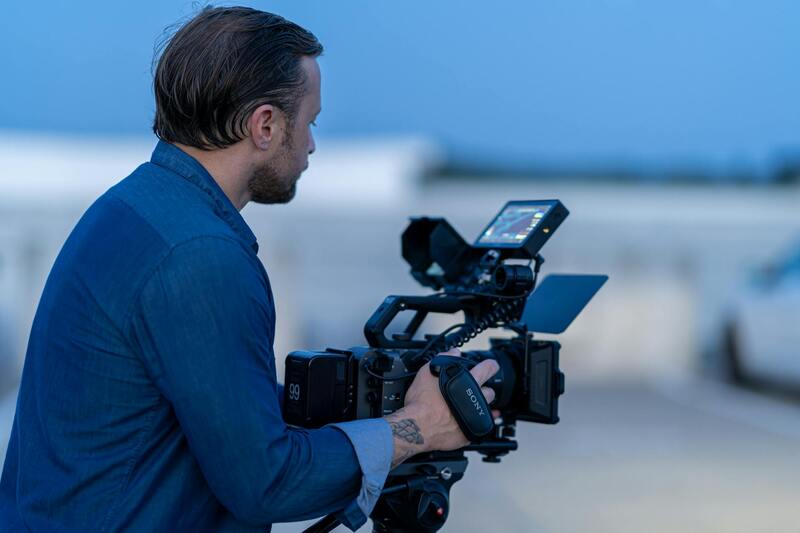
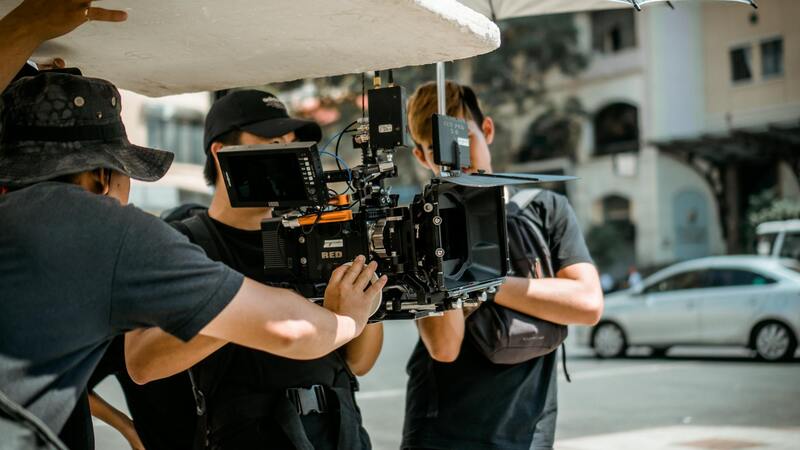
The level of professionalism sought in the final output is a crucial determinant. High-end equipment such as 4K cameras, stabilizers, and drones, combined with experienced videographers, elevate production quality but come with higher costs. The use of professional lighting, sound recording, and advanced editing software also impacts the total expense. Clients looking for premium quality should anticipate paying a premium for these services, which reflect the expertise and resources involved.
Ultimately, the cost of real estate videography hinges on aligning the scope of work with the client's expectations for quality and comprehensiveness. Recognizing these key factors helps both providers and clients set realistic budgets that match the desired outcomes while maintaining transparency and professionalism in pricing negotiations.
Factors Influencing Real Estate Video Production Prices
Understanding the elements that shape the cost of real estate videography in Miami is essential for both clients and providers striving for transparency and clarity. Several key factors directly impact the pricing structure, with the overarching goal of balancing quality, scope, and budgetary considerations.
Complexity and Scope of the Project
The intricacy of the desired video greatly influences the final price. For instance, simple, straightforward walk-through clips of a residential property may involve fewer shooting hours and minimal editing, leading to lower costs. Conversely, productions requiring cinematic techniques, aerial drone footage, or virtual staging necessitate additional equipment, time, and expertise, thereby increasing expenses. The complexity also extends to filming during optimal lighting conditions, multiple camera angles, or shooting at different times to capture the property's best features.
Style and Aesthetic Requirements
The chosen style—whether a basic tour or a highly stylized, cinematic presentation—has a direct impact on cost. A minimalist, clean-cut video may involve only standard editing, while elaborate productions with high-end color grading, seamless transition effects, and motion graphics call for advanced post-production skills. The aesthetic demands ensure that each project’s budget reflects its ambition and desired visual outcome.
Production Quality and Equipment
The level of equipment and technology used also affects pricing. Professional-grade cameras such as 4K-capable devices provide sharper images with better color accuracy, increasing the overall production value. Drones enable aerial shots that highlight a property's exterior and surrounding landscape, yet their operation involves skilled pilots and regulatory considerations, adding to costs. Moreover, equipment for professional lighting and sound recording, along with robust editing software, further contribute to a premium finish but entail higher expenses.
Workload and Turnaround Time
The volume of footage, editing complexity, and turnaround deadlines are crucial considerations. Rush projects or additional revisions may incur premium charges to accommodate expedited timelines. Understanding the scope of work upfront helps clients align expectations and budget accordingly.
Additional Services and Customizations
Special features such as virtual tours, virtual staging, or 3D walkthroughs add value but also increase costs. These supplementary services require specialized expertise and software, which justifies higher pricing tiers. Including these options in the initial planning ensures comprehensive budgeting while delivering a standout marketing tool.
Summary
In Miami, factors such as project complexity, style, equipment quality, workload, and additional features collectively shape the pricing landscape for real estate videography. A clear understanding of these determinants enables accurate budgeting and ensures that both providers and clients can negotiate effectively, aiming for a final product that aligns with the property's selling points and the investor’s marketing goals.
Factors Influencing Real Estate Video Production Prices
When evaluating the costs associated with professional real estate videography in Miami, it’s essential to consider multiple key components that directly impact pricing structures. These include the complexity of the project, the equipment utilized, and the level of post-production editing required. A nuanced understanding of these elements enables clients to anticipate expenses accurately and ensures that the final product effectively showcases the property’s unique features.
Project Complexity and Scope
The sophistication of the property and the specifics of the videography plan are primary cost determinants. High-end properties with expansive layouts or unique architectural features typically require more filming time, specialized equipment, and advanced editing techniques. Conversely, smaller or less complex listings may involve straightforward walkthroughs with minimal enhancements, resulting in lower costs.
Equipment and Technology Investment
The choice of recording equipment greatly affects pricing. Utilizing professional-grade cameras, drones, and stabilizers ensures high-quality footage but entails higher rental or purchase costs. Additionally, incorporating 4K resolution cameras, aerial drone footage, and specialty lighting enhances visual appeal, which can also elevate the price point. Investment in editing software and hardware further contributes to the budget, especially when complex effects, color grading, or virtual staging are involved.
Post-Production and Editing
The editing phase is vital in transforming raw footage into compelling marketing material. Detailed color correction, seamless transitions, virtual tours, and inclusion of branding elements require skilled editing, which are reflected in the overall cost. Rush orders or multiple revision cycles often result in additional charges, emphasizing the importance of clear communication on project timelines upfront.
Additional Services and Customizations
Enhancements such as virtual walk-throughs, 3D floor plans, or highlight reels contribute added value but also increase the pricing. These services demand specialized software and expertise, justifying higher fees. When planning a marketing campaign, clients should account for these optional features to create a comprehensive budget that aligns with their strategic goals.
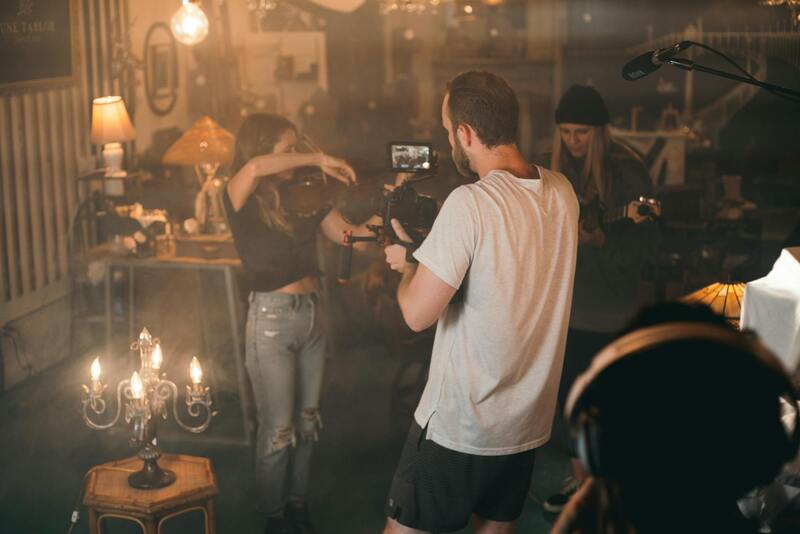
Additional Costs and Upcharges
Beyond base pricing, certain factors can lead to supplementary charges. For instance, expedited delivery deadlines, multiple revisitation requests, or last-minute changes often necessitate additional fees. Furthermore, capturing footage at unconventional hours or in challenging weather conditions may require special arrangements or equipment, which could raise the overall cost.
Rush Orders and Revisions
Clients seeking rapid turnaround times for their videos may encounter premium charges. This ensures the availability of the videography team to prioritize their project. Equally, additional revisions beyond the initial scope are typically billed separately to cover the extra time and effort invested during editing adjustments.
Specialized Footage or Equipment Needs
Unique requests, such as Aerial drone shots, night photography, or interior cinematic camera angles, require specific gear and operator expertise. These specialized services might carry higher fees due to equipment rental costs and the technical skill involved in execution.
How to Determine Fair Pricing in Miami’s Market
Establishing equitable pricing involves benchmarking against local market standards while considering the quality and scope of the services offered. Reviewing portfolios and speaking with industry peers can provide insight into typical rates, ensuring that pricing remains competitive yet reflective of the expertise and premium equipment used. It’s important to transparently communicate what each package includes, enabling clients to make informed decisions aligned with their marketing objectives.
Factors Influencing Real Estate Video Production Prices
Determining the cost of real estate video production in Miami involves various critical factors that go beyond simple footage capture. Professional videographers consider elements such as the complexity of the property, the desired style of the video, and the specific technical requirements of the project. Larger or luxury properties often demand more extensive filming sessions, specialized equipment, and meticulous staging, all of which contribute to higher prices. The inclusion of aerial drone shots, indoor cinematic angles, or night footage requires advanced gear and certified operators, further elevating costs.
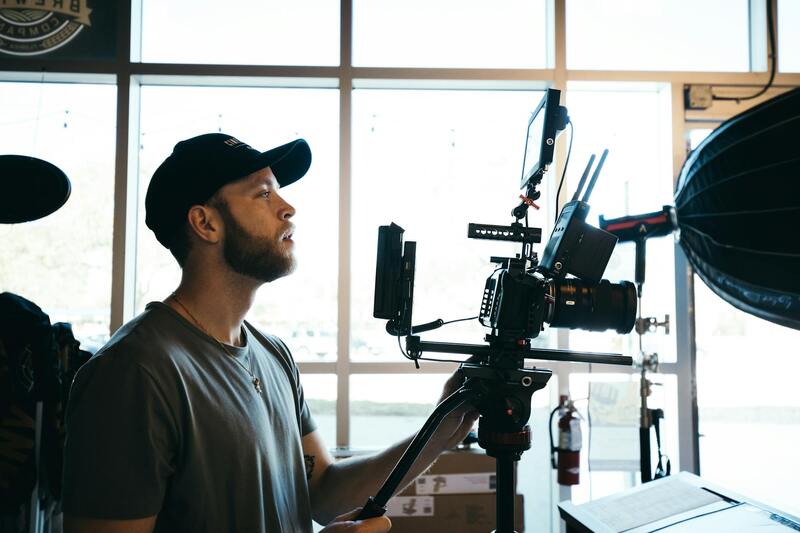
Additional parameters such as the scope of post-production work, the necessity for professional voiceovers or background music, and the timeline for delivery also impact overall expenses. Quick turnaround requests, last-minute revisions, or multiple revisits to perfect the final product impose additional fees. Weather conditions and scheduling flexibility might necessitate rescheduling or special arrangements, which could inflate the budget. All these factors combine to shape a fair pricing structure tuned to both client needs and the videographer's expertise.
- Property Size and Complexity: Larger, more intricate properties require extra shooting hours and equipment.
- Technical Requirements: Aerial shots, night filming, or cinematic angles increase costs due to equipment and expertise needed.
- Post-Production Scope: Extensive editing, color grading, and special effects in post-production raise the price.
- Timeline and Revisions: Rush orders often carry premium charges, as do additional revisions beyond the initial scope.
Additional Costs and Upcharges
Besides base rates, clients should be aware of potential extra fees for services such as drone footage, 360-degree virtual tours, or ultra-high-definition formats. Equipment rentals for specialized shots also contribute to the overall budget. Reviewing these factors upfront ensures transparent expectations and better budget planning, especially in a competitive Miami real estate market where premium visuals can yield higher property values.
Understanding these nuanced factors allows clients and videographers to negotiate fair, value-driven prices that reflect the quality and scope of the project, aligning expectations with the final product's impact.
Factors Influencing Real Estate Video Production Prices
Determining the cost of real estate videography in Miami involves understanding a range of dynamic factors that can impact pricing. Each project varies depending on specific property features, client expectations, and technical requirements. Key aspects include property size and complexity, with larger or more intricate properties necessitating additional shooting time and equipment. For instance, a sprawling estate with multiple outdoor features may require extended filming hours and specialized gear, such as drone footage or stabilized camera rigs.
Technical demands also play a pivotal role in pricing. Properties that benefit from aerial views, nighttime shots, or cinematic angles demand advanced equipment and skilled operators—factors that inevitably increase costs. The scope of post-production, encompassing editing, color grading, and special effects, can vary significantly; extensive editing will push the final price upward. Furthermore, the project's timeline and revision policies influence the overall budget. Rush jobs or requests for multiple revisions beyond initial agreements often entail additional charges, reflecting the urgency and effort involved.
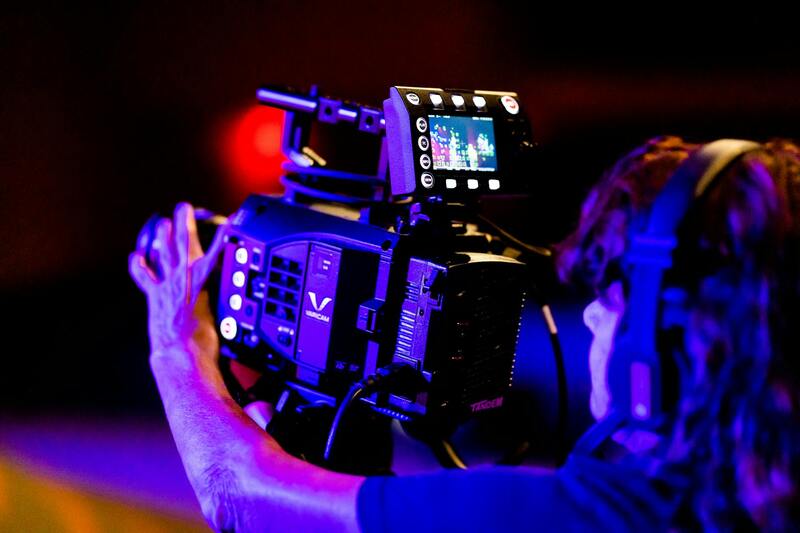
Additional considerations include accessibility challenges, location-specific requirements, and any necessary permits, especially when filming in high-profile or restrictive zones. Weather conditions are another element; adverse weather might necessitate rescheduling or incorporating weather-specific equipment, subtly influencing the price. Overall, these factors combine to craft a tailored pricing structure that aligns with the specific demands of each property and the videographer's level of expertise, ensuring clients receive quality visuals reflective of their investment.
Average Cost Range for Miami Real Estate Videos
In Miami's competitive real estate market, videography prices typically fall within a broad spectrum, accommodating varying project scopes and client budgets. The average cost for a standard property video ranges from approximately $500 to $2,500. Basic packages usually include a short walkthrough highlighting key features, delivered in high-definition format, suitable for listings and online marketing.
Mid-tier offerings, which might incorporate additional cinematic techniques, drone shots, and longer editing times, can range from $1,000 to $3,500. These packages are ideal for properties aiming to stand out in a crowded market, appealing to high-end buyers or luxury listings. Premium services, tailored for exclusive estates or commercial properties, tend to exceed $3,500 and can go up to $10,000 or more, especially when project scope requires multiple shooting days, advanced post-production, and bespoke filming techniques.
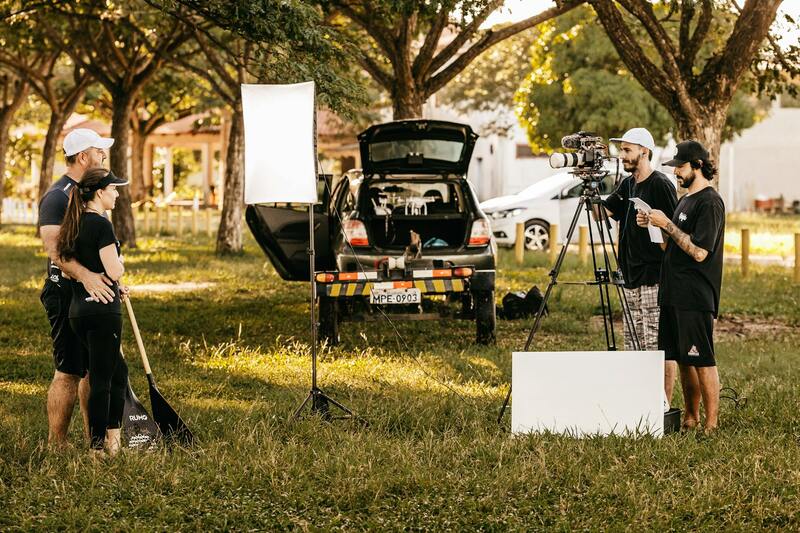
It's important to note that these figures serve as general estimates, and actual quotes depend on the specific demands of each project, the experience level of the videographer, and market fluctuations. Clients should request detailed quotes that itemize each service component to ensure transparency and appropriate budget allocation for their property marketing strategy.
Types of Real Estate Video Services and Their Pricing
Different service offerings influence pricing structures significantly. Simple walkthrough videos, typically recorded in a single session with minimal editing, tend to be on the lower end of the spectrum. These are perfect for quick listings or properties with straightforward features. On the other hand, comprehensive cinematic presentations may include aerial drone footage, twilight shots, multiple camera angles, and elaborate post-production work, all contributing to a higher price point.
- Basic Walkthrough Videos: $500 - $1,200
- Single-camera setup, minimal editing
- Ideal for standard residential listings
- Enhanced Listing Videos: $1,200 - $2,500
- Multiple angles, drone footage, light editing
- Suitable for luxury or commercial properties
- Cinematic and Aerial Packages: $2,500 - $10,000+
- Full cinematic production, high-quality drone work, special effects
- targeted at high-end luxury estates or marketing campaigns
Providers may also offer add-ons such as voiceovers, virtual staging, or 360-degree virtual tours, which further influence the pricing structure. Each additional feature adds value and enhances the property's visual appeal, justifying adjustments in cost depending on market needs and client objectives.
Pricing Structures and Payment Models
Real estate videography pricing in Miami often depends on the structure of the project fee. Fixed rates are common for standard services, providing clients with clarity upfront. These flat fees typically cover pre-production, shooting, and post-production within a predefined scope, facilitating straightforward budgeting.
Alternatively, hourly rates are sometimes used, especially for projects with variable requirements or when the scope is not fully defined at the outset. Hourly pricing allows flexibility but may lead to variance in final costs, so clear communication regarding included services is essential.
Progressive or staged payments are common practice—an initial deposit to secure the booking, followed by installment payments corresponding to project milestones. This approach ensures accountability and allows for adjustments if project requirements evolve.
Clients should scrutinize contractual terms related to revisions, additional services, and cancellation policies. Clear agreements facilitate a smooth collaboration, ensuring that both parties have aligned expectations regarding costs and deliverables. When negotiating prices, understanding these pricing frameworks helps maintain transparency and ensures that investments yield high-quality visual content aligned with marketing goals.
Factors Influencing Real Estate Video Production Prices
Pricing for real estate video production in Miami is shaped by a multitude of key variables that influence the overall cost. One primary factor is the complexity of the desired content. Properties requiring aerial shots or drone footage will generally incur higher rates due to the specialized equipment and licensing involved. Additionally, the size and uniqueness of the property impact the length of the shoot, the number of shots required, and the level of post-production editing needed.
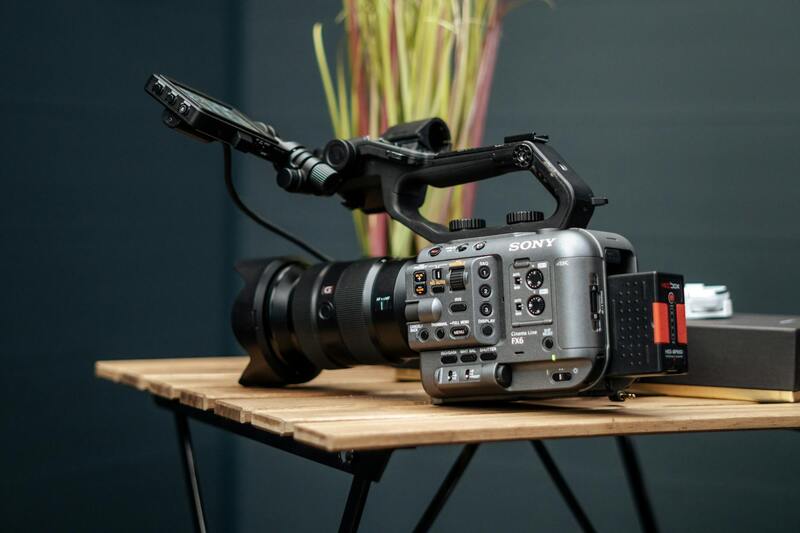
Another significant consideration is the experience and reputation of the production company or videographer. Established providers with extensive portfolios tend to command premium prices, reflecting their expertise and higher quality standards. Equipment quality also plays a pivotal role; the use of high-end cameras, stabilization rigs, lighting, and editing software can increase costs but result in more professional visuals that better showcase properties.
Location within Miami influences pricing as well. Properties in highly competitive or premium neighborhoods might necessitate tailored marketing strategies and sophisticated production techniques, which can elevate costs. Furthermore, turn-around times and special requests such as 4K resolution, virtual tours, or 360-degree videos contribute to the overall price variation. Overall, each project's unique specifications and deliverables critically determine the final pricing structure.
Average Cost Range for Miami Real Estate Videos
In Miami, the average expenditure for professional real estate videography typically falls within a specific financial bracket, reflecting industry standards and market demand. Basic virtual tours and short listing videos usually range from $300 to $700 per property. These packages typically include a 1 to 2-minute video, shot with standard equipment, and minimal post-production editing.
For more comprehensive productions, such as cinematic walkthroughs, drone footage, or virtual staging, costs can escalate from $700 to $1,500 depending on the scope of work. High-end projects that feature multiple camera angles, extensive editing, or augmented reality components can reach $2,000 or more. The pricing tends to fluctuate based on customization, property size, and specific client requests.
It’s vital for clients to understand that while lower-cost options exist, investing in higher-quality production often translates into more effective marketing, increased property visibility, and potentially faster sales. Therefore, determining an appropriate budget involves weighing the visual quality against the projected return on investment and campaign goals.
Types of Real Estate Video Services and Their Pricing
Miami's real estate videography market encompasses a variety of service offerings, each designed to cater to different marketing needs and budgets. The most common service types include standard listing videos, aerial/drone footage, virtual tours, and cinematic property showcases.
- Standard Listing Videos: Typically short, 1-3 minute videos highlighting key aspects of the property. Prices range from $300 to $700 depending on complexity and length.
- Drone and Aerial Footage: Specialty shots capturing the property from above, often incorporated into larger video packages. These services usually add $200 to $500 to the overall cost.
- Virtual Tours: Interactive 360-degree videos allowing viewers to explore interiors virtually. Cost varies between $800 and $1,500 based on property size and desired features.
- Cinematic Property Showcases: High-production-value videos with advanced editing, music, and narration. These premium services can start at $1,200 and scale up significantly for luxury listings.
Each service type is customizable, enabling clients to select options that best align with their property marketing strategy. Combining services, such as a standard video with drone footage, often results in package discounts, providing a cost-effective way to elevate property appeal.
Pricing Structures and Payment Models
Miami-based real estate videography pricing typically follows established payment models designed to balance transparency and flexibility. Fixed-rate packages are common, offering clients a clear upfront cost that encompasses pre-production, shooting, and post-production within a set scope. This approach simplifies budgeting and provides certainty about final expenses.
Hourly billing is also utilized, particularly for projects with fluid requirements or initial consultations. Hourly rates can range from $50 to $150, with total costs depending on total hours spent. However, clear estimates and scope definitions are essential to prevent budget overruns.
Another prevalent method is staged payments, where clients make an initial deposit, often 30-50%, to secure the booking. Remaining balances are paid upon reaching agreed milestones, such as completion of filming or delivery of final edits. This installment approach fosters accountability and allows adjustments if project specifications evolve.
Clients should ensure contractual clarity regarding revisions, additional service charges, cancellation policies, and delivery timelines. Transparent agreements minimize surprises and facilitate seamless collaboration, ensuring the production aligns with marketing goals and budget constraints.
Additional Costs and Upcharges
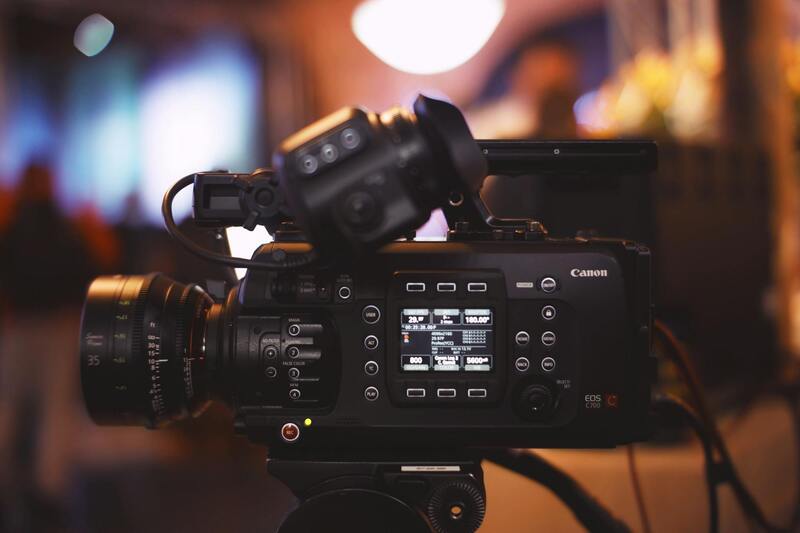
Beyond base pricing, several supplementary expenses may arise during real estate video production, which clients should anticipate to effectively manage their budgets. These costs include special licensing or permits for drone footage, which may be required for certain property locations or types of aerial shots. Acquiring permits can add between $50 and $200 to the project budget depending on regulatory requirements.
Extra editing services, such as advanced color correction, graphical overlays, or animated floor plans, often incur additional fees, typically ranging from $150 to $500 per service. Virtual staging or 3D modeling also constitute add-ons that can substantially elevate costs but greatly enhance the video's marketing impact.
If revisions are needed beyond the scope initially agreed upon, most providers charge hourly or flat fees for extra edits, which should be clarified beforehand. Rush delivery options, for clients requiring expedited turnarounds, may command premium charges of 25-50% above standard rates.
Overall, understanding these potential upcharges allows clients to create realistic budgets and avoid unforeseen expenses, ensuring that their property marketing efforts are both comprehensive and financially efficient.
Factors Influencing Real Estate Video Production Prices
Several key elements determine the overall cost of real estate videography services in Miami. The complexity of the property, desired video style, and production requirements all play pivotal roles in pricing. For example, a spacious luxury estate with intricate architectural details or swimming pools may necessitate advanced filming techniques, such as drone footage or 360-degree tours, which naturally drive up costs. Additionally, the geographic location within Miami influences pricing, especially if the property is situated in areas that require special permits or access considerations.
Another crucial factor is the scope of the project. High-quality, cinematic videos involving professional actors, actors' models, or virtual staging will demand additional expenses. The length of the final video also influences pricing—short clips for social media platforms might be less expensive compared to comprehensive walkthroughs or virtual tours that highlight every feature of a property.
Technical Requirements and Equipment
- Camera and Lens Choices: Higher-end cameras and specialized lenses improve image quality but come at increased rental or operational costs.
- Drone Filming: Aerial shots provide a stunning perspective of the property’s surroundings, yet they involve licensing, permits, and drone operation expertise, all of which add to the total price.
- Post-Production: Editing, color grading, special effects, and animations contribute significantly to overall costs, especially if detailed customization is desired.
Production Timeline and Client Expectations
Urgent deadlines or expedited services often come with premium charges. Vendors may request additional fees for rush projects that need completion within a shortened timeframe, such as 24-48 hours. Clear communication about delivery schedules from the start helps in accurately estimating costs and avoiding unexpected expenses.
Summary
In essence, factors like property size, filming style, equipment needs, and project timelines determine the final pricing for real estate videos in Miami. Understanding these elements allows both videographers and clients to align expectations, ensuring the deliverables meet marketing goals without exceeding budget constraints.
Factors Influencing Real Estate Video Production Prices
Determining the cost of real estate video production in Miami requires an understanding of various influencing factors. The size and complexity of the property play a pivotal role; larger estates or properties with intricate layouts demand more filming time and resources. Additionally, the scope of the project, including the number of scenes, angles, and special features like drone footage or 3D walkthroughs, directly impacts pricing.
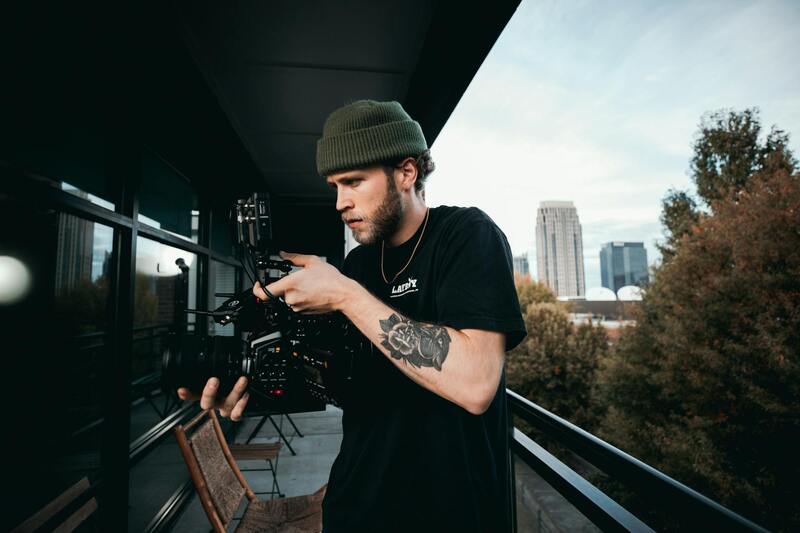
Technical requirements also significantly influence costs. The choice of equipment, such as 4K cameras, stabilized gimbals, drone systems, and specialized lenses, can increase production budgets. Post-production demands—such as detailed editing, color grading, and animated graphics—further contribute to the overall expense.
Additional factors include:
- Location and Accessibility: Hard-to-reach or urban locations may incur extra charges for equipment setup or permits.
- Production Timeline: Fast turnaround requests for urgent marketing campaigns often result in higher costs.
- Client Specifications: Customizations such as virtual staging, voiceovers, or animated overlays increase project complexity and price.
- Licensing and Permits: Use of drones and aerial shot footage necessitates acquiring proper permissions, adding to costs.
Average Cost Range for Miami Real Estate Videos
The typical range for professional real estate videos in Miami varies, but most projects fall between $500 and $2,500. Entry-level packages, which cover basic shoot and edit services, tend to hover around the lower end of this spectrum, especially for smaller homes or condos. While comprehensive virtual tours or luxury property showcases with multiple scenes, drone shots, and detailed editing may push costs toward the higher end.
For high-end properties, where premium equipment and extensive post-production are involved, prices can escalate further, reflecting the added effort and value. The prevailing market in Miami, with its luxury real estate, often commands prices that align with the upper tiers of this range, emphasizing the quality and professionalism of the video content.
Types of Real Estate Video Services and Their Pricing
Real estate videography services in Miami are diverse, catering to different marketing needs. Basic services include simple walkthroughs, virtual tours, or social media clips, typically priced around $500 to $1,000. These packages focus on capturing essential property features swiftly and efficiently.
Mid-tier offerings expand to include cinematic footage, color grading, and multiple angles, with prices ranging from $1,000 to $2,000. These are suitable for most property types aiming to impress potential buyers.
Premium services incorporate drone footage, 3D tours, and advanced editing techniques, often exceeding $2,000. These options are tailored for luxury estates or properties requiring exceptional presentation that stands out in competitive markets.
Pricing Structures and Payment Models
Pricing models in Miami generally consist of fixed project fees or hourly rates. Many videographers prefer flat rates for packaged services, providing clients with predictable costs upfront. For custom projects, an initial deposit is common, with the remaining balance payable upon completion.
Some providers also charge hourly rates, especially for small or quick shoots, in the range of $50 to $150 per hour. This model offers flexibility but can lead to variable total costs depending on the scope of work.
Additional Costs and Upcharges
Clients should be aware of possible extras that might affect the overall price. These can include:
- Rush Fees: Expedited services within tight deadlines often incur additional charges.
- Extended Editing: Longer editing timelines or extensive revisions may lead to upcharges.
- Equipment Rentals: Use of high-end cameras, drones, or specialty gear could add rental fees.
- License and Permit Fees: Especially relevant for aerial footage in restricted areas.
How to Determine Fair Pricing in Miami’s Market
Assessing fair pricing involves comparing offerings from multiple providers with experience in Miami’s real estate sector. Clients should request detailed quotes that itemize services, equipment used, and deliverables. It’s essential to evaluate the quality of previous work, turnaround times, and client testimonials to gauge value.
Understanding regional market rates helps set realistic expectations. Negotiating package modifications or bundling services can also optimize costs while ensuring comprehensive marketing coverage for the property.
Comparison of Cost vs. Value Offered
Higher-priced packages often deliver superior quality, including cinematic visuals, comprehensive editing, and advanced features like aerial footage, which significantly impact marketing effectiveness. While lower-cost options may suffice for basic needs, investing in high-quality videos tailored to high-end Miami listings can result in faster sales, higher property value perception, and better outreach.
Sifting through options with a focus on professionalism, creativity, and technical expertise ensures investments translate into tangible marketing benefits, ultimately leading to successful property sales.