
Understanding Real Estate Shoot
A real estate shoot involves capturing high-quality images and videos of property interiors and exteriors aimed at enhancing marketing strategies for real estate listings. This process is distinct from casual photography, requiring a professional approach to showcase properties in the best possible light. The primary goal is to produce compelling visuals that attract potential buyers, increase listing visibility, and facilitate quicker sales. High-resolution photos capture every detail, from spacious living rooms to luxurious bathrooms, highlighting the property's unique features and overall appeal.
More than just aesthetics, real estate photography serves as a vital marketing tool that influences buyer interest and decision-making. Well-executed images help prospective buyers visualize living in the space, enabling them to connect emotionally with the property. In today’s competitive market, the quality of imagery can make the difference between a property lingering on the market or selling promptly. The power of visual storytelling through a real estate shoot aligns with modern consumer expectations for digital viewing, making it an indispensable part of property promotion.
The importance of high-quality visuals extends beyond basic presentation. They help establish trust and credibility for the listing agent and create a memorable first impression. A comprehensive real estate shoot emphasizes clarity, proper lighting, and accurate representation of space, ensuring prospects view the property as it truly is. Skilled photography can also highlight architectural details and interior design elements that set a property apart from others on the market.
The Impact of Visual Quality on Buyer Engagement
- Enhanced online presence through professional imagery increases listing views.
- Clear, appealing visuals foster greater interest and inquiries from potential buyers.
- Effective shots can reduce time on market by attracting more qualified prospects.
- High-quality visuals reflect a property’s value and attract premium buyers.
In essence, a real estate shoot is an essential component of a comprehensive marketing strategy, leveraging professional visuals to maximize reach and impact. When executed with precision, these images become powerful narratives that entice, inform, and inspire action from prospective buyers, ultimately contributing to successful property transactions.
Fundamental Legitimate Methods for Conducting a Real Estate Shoot
Executing a real estate shoot with adherence to proper procedures is essential for producing images that accurately showcase a property's appeal while maintaining a professional standard. The process begins with comprehensive planning that involves coordinating with the property owner or manager to secure necessary permissions and establishing a schedule that minimizes disruption. Selecting an appropriate timestamp, often during daylight hours with optimal natural lighting, ensures the property is captured at its best. During this phase, it's vital to prepare the property by decluttering, cleaning, and staging, which enhances visual appeal without altering the property's genuine character.
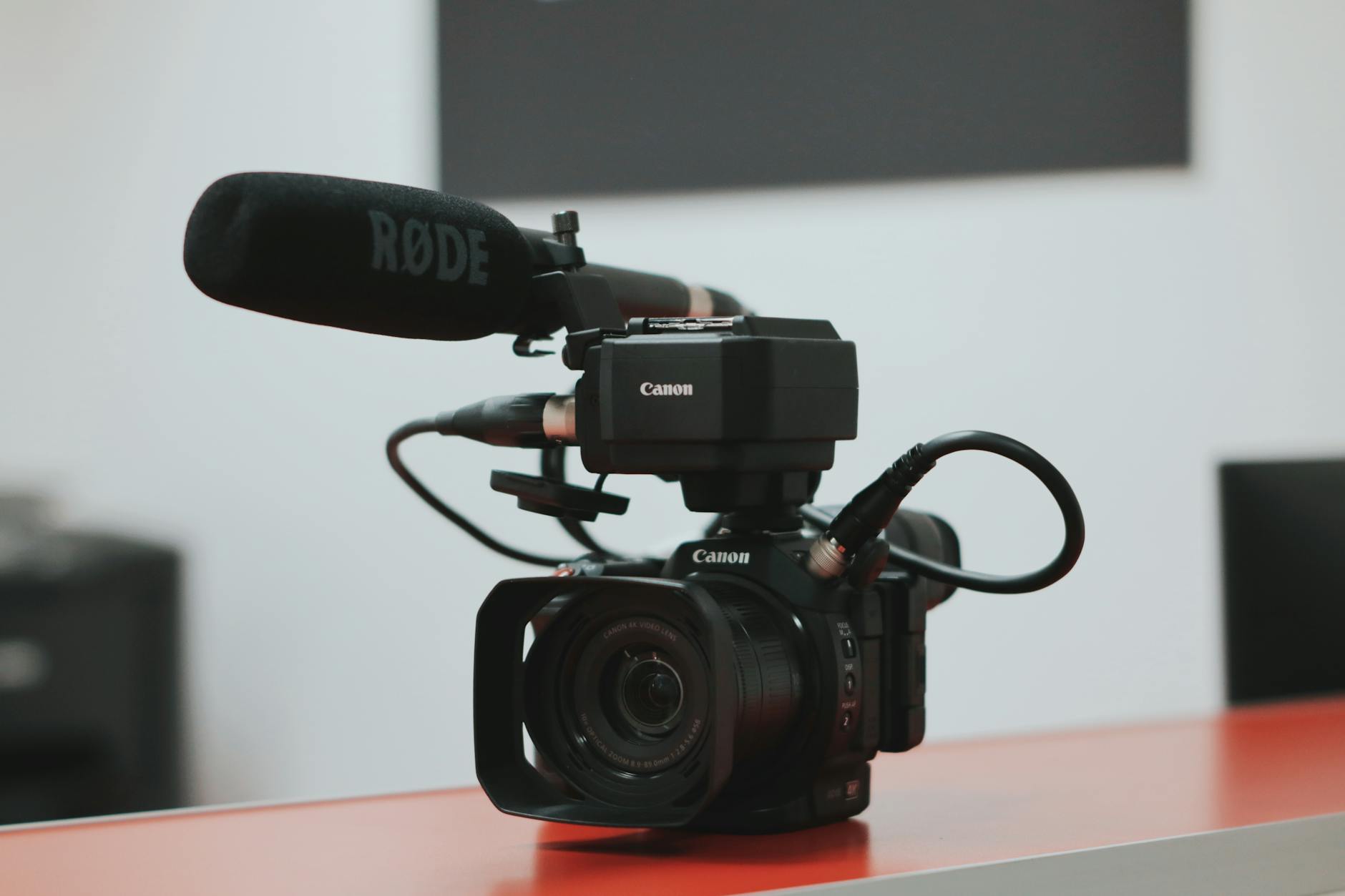
Once the preparation phase is complete, professionals employ equipment that meets industry standards. This typically involves high-resolution digital cameras, wide-angle lenses to capture expansive interior spaces, and tripod stabilizers to prevent blur. Using enough lighting equipment, such as diffusers and reflectors, helps balance interior lighting and avoid shadows that distort the space. Conducting a thorough check of all equipment before the shoot guarantees that there are no technical issues during the session.
It is equally important to respect legal and procedural standards that govern the use of drone photography or videography when capturing exterior shots, especially in specific neighborhood zones or private property areas. Ensuring all necessary permits are obtained and that documents authorizing the use of such equipment are in place aligns with official best practices. When photographing interiors, making sure that personal or sensitive items are appropriately managed maintains a professional and respectful environment.
Technical Best Practices for an Accurate, High-Quality Capture
- Use calibrated equipment to ensure color accuracy and consistent exposure across shots.
- Employ HDR (High Dynamic Range) techniques to accurately represent areas with contrasting lighting conditions, avoiding overexposed windows or dark corners.
- Set the camera to a low ISO to reduce grain and noise, ensuring crisp, detailed images.
- Use a tripod to maintain stability and achieve precise framing, especially in low-light situations.
- Apply a consistent perspective to create a cohesive visual narrative throughout the property’s images.
Respect for property, ethical handling of equipment, and compliance with local ordinances are fundamental to uphold the integrity of the visual content. Reliable understanding and application of these legitimate practices foster trustworthiness and professionalism in the real estate industry. When all such official channels and procedures are followed, the resulting imagery not only boosts property attractiveness but also aligns with the high standards demanded by the market, ensuring a seamless and ethical promotion process for sellers and agents alike.
Legal and Ethical Considerations in Real Estate Photography
Ensuring that a real estate shoot adheres to recognized, legitimate standards is foundational to maintaining integrity and professionalism in property marketing. This includes following established protocols for obtaining proper permissions, respecting property boundaries, and accurately representing the space without distortion or misrepresentation. It is essential to secure consent from property owners or authorized representatives before capturing images, especially when working in occupied or sensitive locations. This practice not only safeguards the reputation of the photographer but also aligns with the ethical standards upheld across the industry.
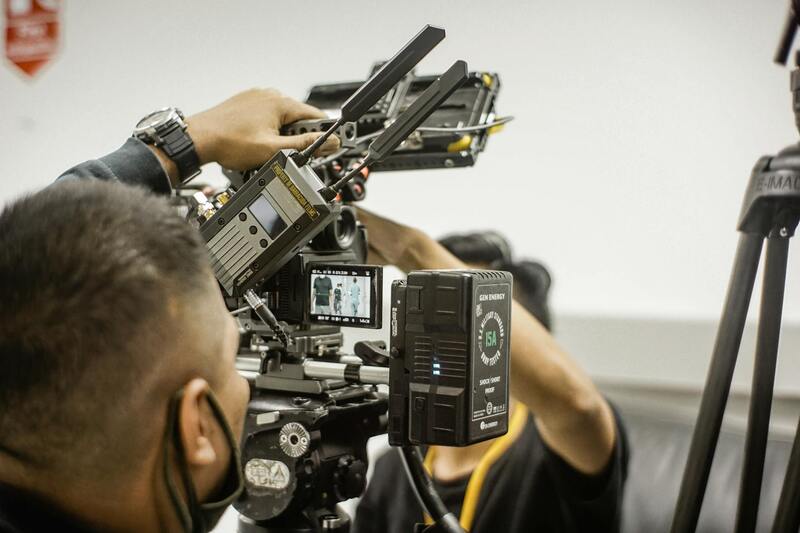
Professional photographers employ verified techniques to produce authentic visuals that reflect the true character and condition of a property. This includes utilizing certified equipment and following industry best practices for lighting, angles, and editing. Post-processing adjustments are performed responsibly, enhancing image clarity without misrepresenting the property's actual features. Such transparency fosters trust between clients, agents, and prospective buyers, ultimately contributing to a more credible and effective marketing strategy.
Compliance with Local Regulations and Industry Standards
Adhering to local regulations related to drone usage, privacy, and property access is an integral aspect of legitimate real estate photography. For example, when employing aerial footage via drones, operators must ensure they are compliant with aviation regulations to avoid violations. Additionally, respecting privacy rights by avoiding intrusive photography of private areas or neighboring properties is a key aspect of professional conduct. Familiarity with these rules helps prevent potential legal issues and supports the creation of content that aligns with official guidelines.
Proper documentation, such as signed release forms and permits, illustrates a commitment to lawful practices. It also demonstrates a professional approach to managing client expectations and adhering to industry norms. Consistently applying these standards guarantees that the visuals not only enhance the property’s appeal but also uphold the reputation of everyone involved in the marketing process.
Maintaining Professional Integrity Through Transparent Practices
Transparency is paramount when it comes to representing real estate properties. This encompasses honest depiction of the property's condition, avoiding the use of misleading angles or excessive post-production to alter perceptions. When in doubt, it is advisable to disclose any enhancements made during editing to preserve clarity and foster trust among viewers.
Furthermore, professional ethical conduct involves respect for the property, clients, and the viewers of the images. Treating the property with care during the shoot, avoiding physical damage, and ensuring a clean, clutter-free presentation are part of legitimate procedures. These practices, rooted in respect and honesty, reinforce the credibility of the visual content and ensure that marketing efforts are both effective and ethically sound.
Legal and Official Considerations for Real Estate Shoots
When conducting a real estate photoshoot, it is essential to adhere strictly to official procedures that ensure compliance with industry standards and local regulations. This involves obtaining the necessary permits and documentation before initiating the shoot. Securing proper permissions often includes verifying zoning regulations, especially when using drones or aerial equipment, and ensuring adherence to privacy laws to prevent inadvertent violations. Having signed release forms from property owners and, where applicable, tenants helps establish a clear understanding of the scope of the shoot and confirms authorization to photograph and publish the images.
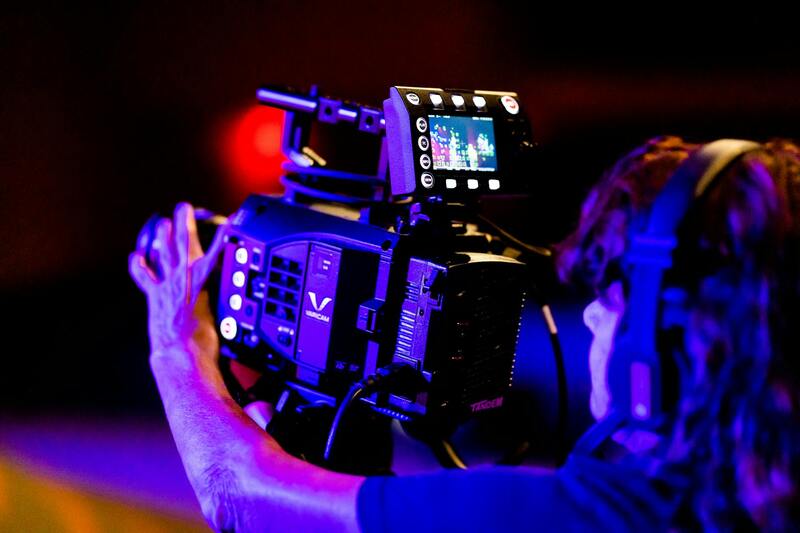
Maintaining transparency throughout the process underscores a commitment to ethical practices. Providing clients and property owners with detailed information about the shoot’s purpose, the equipment used, and intended use of images fosters trust. Additionally, documenting the specific details related to equipment deployment, such as drone flight logs, can demonstrate compliance with airspace regulations and safety protocols.
It is also important to keep detailed records of all permissions and permits acquired. These records serve as official proof of compliance should any questions arise during marketing campaigns or legal audits. Moreover, being transparent about the editing process — including any enhancements or adjustments to images — helps maintain credibility and trust with viewers and clients alike.
Adhering to Industry and Regulatory Standards
In addition to obtaining necessary permissions, professional real estate photographers should be familiar with the industry standards that govern the presentation of property images. These standards emphasize honest representation and discourage deceptive practices, such as using misleading angles or unnatural editing that could skew perceptions of the property's actual condition.
Furthermore, respecting the property during the shoot by avoiding physical damage, maintaining cleanliness, and ensuring a clutter-free presentation reflects responsible professional conduct. This approach not only ensures a positive client relationship but also aligns with industry norms for quality and integrity.
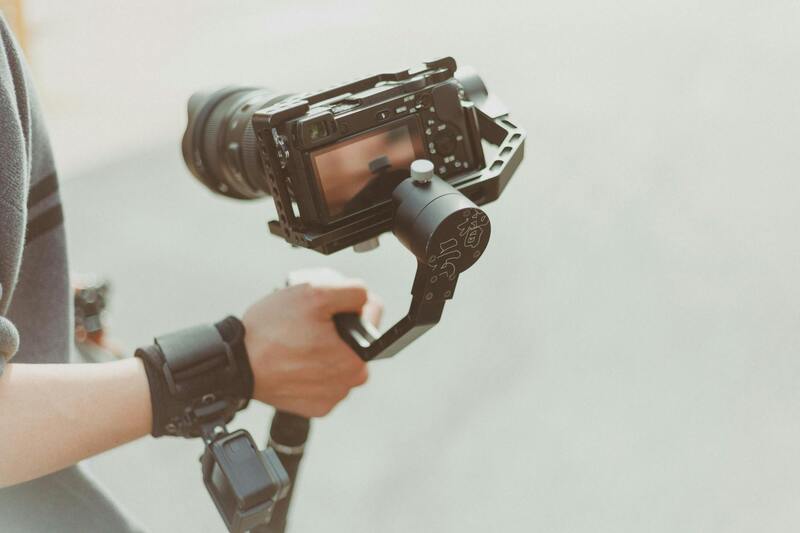
Finally, ongoing education about evolving regulations and best practices allows real estate photographers to stay current. Participating in industry workshops, official training, or certification programs can further enhance adherence to established procedures, ensuring that every shoot is conducted within the bounds of recognized standards. Upholding these official methods promotes a professional reputation, provides peace of mind for clients, and ensures that real estate marketing efforts are both effective and ethically sound.
Highlighting Key Rooms and Features
During a real estate shoot, the strategic focus on crucial areas within the property profoundly influences how potential buyers perceive the home's value and appeal. Emphasizing main spaces such as kitchens, living rooms, master bedrooms, and notable upgrades can significantly enhance the property's marketability. These areas often dictate a viewer’s first impression, making their presentation paramount.
Effective showcasing involves meticulous staging to ensure these spaces appear inviting and spacious. Proper lighting is essential; natural light, complemented by professional lighting setups, accentuates the room’s best features and creates a warm, welcoming atmosphere. Coordinating colors, decluttering, and arranging furniture thoughtfully ensure the space is portrayed in its optimal state.
Highlighting unique qualities—such as custom cabinetry, modern appliances, or architectural details—adds a layer of desirability. Incorporating detailed shots of these features can evoke a sense of exclusivity and craftsmanship, often encouraging a sense of connection with prospective buyers. A balanced approach, capturing wide-angle shots to convey space and close-up details to highlight craftsmanship, ensures a comprehensive presentation of each key area.
Beyond individual rooms, capturing the flow between spaces illustrates the livability and functionality of the home. Engage in careful composition to narrate the property's story, allowing viewers to envision themselves living within it. This is achieved through thoughtful framing and the inclusion of elements that provide context, such as open doorways, views through windows, or furniture arrangements that suggest spaciousness.
Moreover, special features like fireplaces, custom moldings, or outdoor living areas should be documented with an eye for detail. These aspects often serve as differentiators in the competitive real estate market, making their professional presentation crucial for generating interest and encouraging potential buyers to schedule viewings.
Ultimately, a well-executed real estate shoot that emphasizes principal rooms and unique features equips real estate agents and property owners with compelling visuals. Such images not only attract more interest but also foster trust through honest and attractive representation, aligning with industry standards for quality and integrity in real estate marketing.
Legal and Ethical Considerations in Real Estate Photography
Maintaining integrity and transparency in visual content is fundamental to building trust with prospective buyers and industry professionals. When preparing for a real estate shoot, it is essential to adhere to established standards that promote honesty in representation. This includes accurately portraying the property's appearance, avoiding any form of digital manipulation that may mislead viewers, and ensuring that all visuals reflect the true state of the property.
Photographers and agents should also be conscientious about obtaining the necessary permissions and clearances, particularly when shooting in shared spaces, private outdoor areas, or properties with special restrictions. Compliance with local regulations and guidelines governing real estate marketing helps to uphold professionalism and credibility.
Furthermore, it is good practice to disclose any alterations made during post-processing, such as virtual staging or color adjustments, to maintain transparency. This honest approach not only supports a positive reputation but also aligns with responsible marketing standards, fostering better relationships with clients and prospective buyers.
Clear documentation and communication are key factors in meeting industry expectations. Agents should work closely with professional photographers to ensure that all images are a true reflection of the property and that any enhancements are appropriately disclosed. When truthful and regulation-compliant visuals are prioritized, the process of marketing a property becomes more transparent, leading to more successful transactions and long-term credibility in the market.
Legal and Ethical Considerations in Real Estate Shoot
Executing a professional real estate shoot necessitates adherence to several official and proper protocols. First and foremost, obtaining the necessary permissions for shooting in the property is essential. This includes consent from property owners or authorized personnel, ensuring that all parties involved are aware of and agree to the scope of the shoot. Documentation of permissions can safeguard against misunderstandings and uphold client trust.
Another aspect involves respecting privacy rights. When capturing images that might include shared or communal areas, it's crucial to clarify boundaries and secure authorization for photography. This is especially relevant in multi-unit buildings or properties with private outdoor spaces, where tenant privacy must be preserved.
Special care should be taken with drone footage, which involves additional legal and operational considerations. Operators must verify airspace regulations and restrictions, particularly in densely populated or restricted zones. Proper licensing and prior approval for drone usage reinforce the responsible conduct of aerial photography.
Permissions should also extend to multimedia elements, such as video tours or virtual staging, which add value but require explicit consent from the property owner. Transparency during the planning stages facilitates smooth execution, avoids complications, and elevates professional standards.
Maintaining Transparency and Documentation
Accurate record-keeping of permissions, disclosures, and consent forms forms the bedrock of ethical real estate photography. Not only does this support compliance with professional standards, but it also provides a clear trail of agreements that can be referenced if questions or disputes arise later.
In addition, clearly communicating any post-processing adjustments or digital enhancements to clients is vital. Disclosing such modifications after editing preserves trust and aligns with best practices for honest representation. The integrity of visual content directly impacts the property's market perception and the reputation of the involved professionals.
Staying Informed of Industry Policies
Continual awareness of evolving guidelines and best practices within the real estate photography community ensures that professionals remain compliant. Many regions publish official policies on privacy, drone operation, and property disclosures, making it prudent to regularly review relevant updates.
Professionals should also align their procedures with local regulations governing advertising and marketing materials, respecting both legal mandates and the expectations of ethical conduct. Such diligence not only safeguards the photographer and agent but enhances overall credibility within the real estate market.
Legal and Contractual Considerations in Real Estate Photography
Securing a comprehensive and clear agreement before undertaking a real estate shoot is fundamental to maintaining professionalism and safeguarding both the photographer's and the client's interests. A detailed contract should specify the scope of work, including the number of photos, video footage, virtual tours, or floor plans to be delivered, along with the preferred editing style and timeline. Clear expectations regarding deliverables help prevent misunderstandings and ensure that both parties are aligned from the outset.
Additionally, the contract should delineate usage rights, outlining where and how the images and videos may be employed in marketing campaigns. This not only clarifies ownership but also specifies restrictions on reproduction, distribution, and online posting. Including clauses on confidentiality and privacy considerations—especially when capturing interiors or personal spaces—further demonstrates a professional approach that respects the property owner’s rights.
Documentation and Permission Acquisition
Before commencing work, obtaining formal permissions, such as signed release forms or permission letters from property owners or authorized agents, ensures that visual content is produced within the bounds of established agreements. These documents serve as official records, create a trail of consent, and can help facilitate smooth communication if any disputes or questions arise post-shoot.
Beyond formal agreements, maintaining detailed records of communications, approvals, and revisions enhances transparency and accountability. This documentation can include email correspondence, signed contracts, and approval forms, providing a comprehensive trail of the process from initial consultation to final delivery.
Disclosures Regarding Post-Processing and Digital Enhancements
Transparency regarding editing techniques and digital alterations maintains trust with clients and aligns with best practices in visual representation. Explicitly communicating about color correction, perspective adjustments, or image enhancements in the original contract or through prior discussions helps set realistic expectations for the final product. This approach preserves the integrity of the visual content and upholds the standards of honest marketing.
Adherence to Industry Policies and Standards
Continuous awareness and adherence to industry guidelines surrounding privacy, drone operation, and property disclosures reinforce a professional image and help avoid inadvertent oversights. Regularly reviewing updates from industry associations, local regulations, and regional policies ensures that practices remain compliant with evolving standards.
Ultimately, meticulous attention to legal and contractual considerations within real estate photography cultivates credibility, fosters client trust, and establishes a framework for successful collaborations. Precise documentation, clear permissions, and honest communication create a solid foundation that benefits all parties involved, elevating the standards and professionalism of the real estate marketing process.