

Importance of High-Quality Real Estate Photos
In the highly competitive Miami real estate market, the visual presentation of a property can make or break its appeal to prospective buyers. High-quality real estate pictures serve as the first point of contact between the property and potential clients browsing online listings or promotional materials. Well-crafted images not only catch the eye but also convey the property's unique features, interior design, and overall ambiance, creating an emotional connection that encourages viewers to schedule a visit or inquire further.
Research consistently shows that listings with professional photographs receive significantly more engagement compared to those with amateur or low-resolution images. This heightened engagement translates into quicker sale times and often at more favorable prices. For Miami's market, where luxury homes, waterfront estates, and unique architectural designs are common, showcasing these attributes through compelling imagery enhances the property's perceived value and desirability.
Furthermore, high-quality property images improve the credibility of an agent or agency. They establish trust and demonstrate a commitment to professionalism, which is particularly important in Miami’s vibrant and discerning real estate environment. Quality images also help to filter out less serious inquiries by attracting genuinely interested buyers, saving time and resources for real estate professionals.

In summary, investing in professional real estate photography is a strategic move that enhances online listings' effectiveness. It multiplies initial impressions into tangible interest, accelerates the sales cycle, and can lead to higher sale prices. In Miami's competitive scene, polished property images are not just visuals—they are powerful marketing assets that shape perceptions, attract targeted buyers, and ultimately close deals more efficiently.
Strategies for Capturing Professional Real Estate Property Pictures in Miami
Achieving top-tier real estate photographs demands meticulous planning and execution, especially in a competitive market like Miami, where unique properties and luxurious estates are prevalent. To produce compelling images that attract serious buyers, real estate professionals must implement effective strategies both before and during the shoot.
Optimal Timing for Photography
The timing of the shoot plays a significant role in capturing appealing property images. Scheduling photography during the golden hours—early morning or late afternoon—allows natural light to flood interiors and exteriors, softening shadows and enhancing colors. In Miami, where sunlight is abundant and vibrant, leveraging this natural illumination can highlight the property's best features and create inviting atmospheres that resonate with potential buyers.
Preparing the Property
Before photographing, the property should be thoroughly prepared to maximize visual appeal. This includes decluttering spaces, cleaning windows and surfaces, and staging rooms to showcase their potential. Proper staging involves arranging furniture and decor to highlight the property's layout and unique features, especially in high-end Miami homes with distinctive architectural details or waterfront views. Ensuring that all areas are well-lit and free of distractions creates a clean, inviting environment suitable for professional photography.
Choosing the Right Equipment
Utilizing the proper camera and lens setup is essential for producing high-resolution images. A professional DSLR or mirrorless camera equipped with wide-angle lenses (typically 14-24mm) enables capturing expansive interior spaces and grand exteriors with clarity. Using a tripod stabilizes the camera for sharp shots and allows for careful framing and alignment. In Miami, where many properties incorporate outdoor features like pools, patios, and gardens, high-quality equipment ensures these elements are portrayed vividly and appealingly.

Utilizing Proper Shooting Techniques
Shooting interior and exterior property images requires specific techniques that emphasize space and lighting. For interiors, employing the HDR (High Dynamic Range) technique combines multiple exposures to balance the brightness of windows and indoor lighting. This method prevents images from appearing washed out or overly dark, ensuring the property’s details are clearly visible. For exteriors, capturing images during the blue sky or sunset hours enhances overall visual impact, especially in Miami’s scenic surroundings.
Post-Processing for Enhanced Visuals
Post-shoot editing is crucial for refining real estate images. Adjusting brightness, contrast, and color balance helps achieve accurate representation, making the property appear as appealing as possible. Slight corrections to perspective and straightening lines can also improve a viewer’s perception of spaciousness and architectural accuracy. However, edits should aim for authenticity, avoiding over-processing to maintain credibility and trustworthiness in listings.
Balancing Quality and Efficiency
Streamlining the photography process ensures timely delivery of images without compromising quality. Employing efficient workflows, such as batch editing and organized file management, enables real estate professionals to produce polished images swiftly. In competitive markets like Miami, quick turnaround times can be decisive in securing serious inquiries and closing deals.
In essence, mastering these techniques and strategies for capturing high-quality property pictures significantly amplifies a listing’s appeal in Miami’s vibrant real estate environment. Professional-grade images not only attract more views but also foster greater confidence among prospective buyers, ultimately fostering faster sales and optimal transaction values.
Essential Strategies for Capturing High-Impact Real Estate Property Pictures
Optimal Preparation for Photography Sessions
Prior to the photo shoot, meticulous preparation can significantly influence the quality of the images produced. Ensuring the property is clean, well-organized, and free of clutter is fundamental. A tidy space allows potential buyers to focus on the property’s features without distraction. Staging key areas with tasteful decor and furniture helps to highlight the space’s potential and enhances visual appeal. Timing the shoot during daylight hours, especially in the late morning or early afternoon, often results in better natural light infiltration, which is crucial for interior shots. For exteriors, capturing images during the golden hour—shortly after sunrise or before sunset—can add warmth and an inviting glow to the property, which complements Miami’s scenic charm.

Leveraging Equipment and Camera Settings
The right equipment forms the backbone of high-quality real estate photography. A wide-angle lens is indispensable for capturing spacious interiors and exteriors, providing a comprehensive view that appeals to viewers. A tripod ensures stability and sharpness, especially in lower light conditions or during longer exposures. Setting the camera to a low ISO minimizes noise, delivering crisp images, while using a narrow aperture (high f-stop number) increases depth of field, keeping more of the scene in focus. In bright conditions, adjusting shutter speed accordingly prevents overexposure, while in low-light environments, utilizing supplementary lighting or high-dynamic-range (HDR) techniques can produce evenly lit, vibrant images. Employing manual settings allows for greater control over the image's outcome, ensuring consistent quality across all shots.
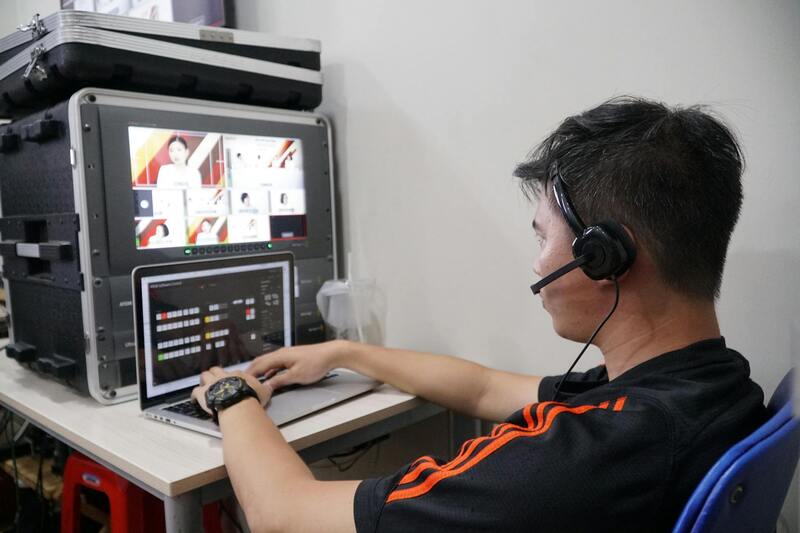
Exploring Composition and Shooting Techniques
Effective composition is key to creating compelling property pictures that draw viewers’ attention and evoke an emotional response. For interior shots, maintaining a clean, uncluttered frame benefits from careful framing—placing focal points slightly off-center following the rule of thirds. Shooting from eye level or slightly elevated angles helps to showcase space, furniture arrangement, and architectural details naturally. When capturing exteriors, ensuring the horizon is level and using leading lines such as pathways or fencing guides the viewer’s eye into the scene. Using a wide-angle lens can exaggerate space, but care must be taken to avoid distortion. Incorporating movement, like opening curtains or showing the flow between rooms, adds life to the images. Additionally, paying attention to symmetry and balance within the frame enhances aesthetic appeal and professionalism.
Post-Processing for Authenticity and Impact
Post-production editing plays a crucial role in refining property images to maximize their visual effectiveness. Adjustments to brightness, contrast, and white balance help produce true-to-life colors that accurately represent the property. Correcting perspective distortions and straightening lines improve architectural accuracy, providing a clear representation that assists viewers in understanding the space. Subtle enhancements, such as sharpening details and reducing glare, can make images more inviting without creating a misleading portrayal. Over-editing should be avoided to preserve trustworthiness and ensure that the images set correct expectations for potential buyers. Incorporating layered adjustments or using professional editing software allows for precise control, resulting in striking images that elevate a property’s online presence.
In summary, a well-rounded approach that combines thorough preparation, appropriate equipment use, skilled composition, and subtle post-processing can dramatically enhance the quality of real estate property pictures. These high-caliber images act as powerful marketing tools, effectively showcasing properties’ best features and attracting serious interest from prospective buyers in Miami’s competitive market environment.
Utilizing Bulleted Lists for Focused Communication
Integrating bulleted lists within property photo listings enhances clarity and allows prospective buyers to quickly identify key features and attributes of a property. Well-structured bullet points emphasize the most attractive aspects, such as modern kitchens, spacious living areas, or landscaped gardens. For professional real estate photography, lists should be concise and highlight unique selling points, providing viewers with a rapid understanding of the property's value and appeal. When delivering detailed descriptions alongside images, a balanced use of bullet points aids in guiding the viewer’s eye and improves overall engagement with the property presentation.
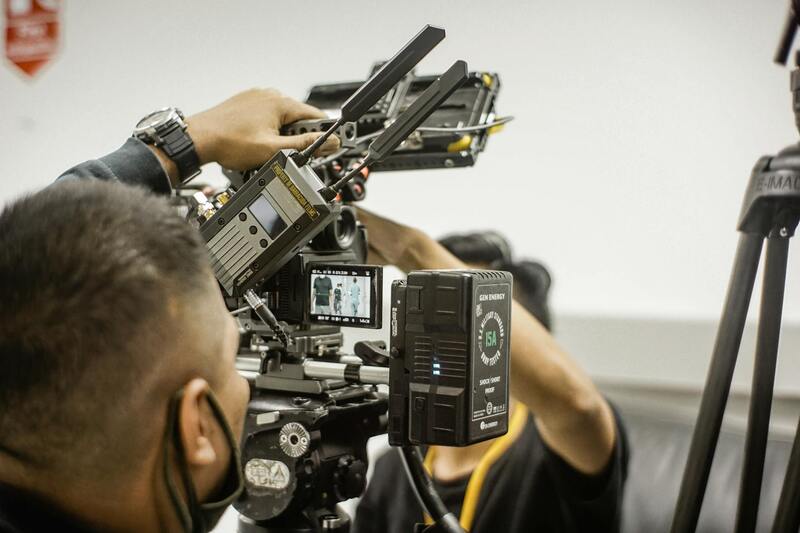
Incorporating Consistent and Clear Captions
Captions serve as a vital supplement to property images, offering context and reinforcing the visual message. Clear and consistent captions across all photos help maintain a professional appearance, ensuring potential buyers understand each image’s focal point. Descriptive captions should include specific details like room dimensions, notable features, or recent upgrades, which can reinforce the visual appeal and assist in setting accurate expectations. Effective captioning also improves search engine visibility when optimized with relevant keywords, ensuring that property listings appear prominently in online searches and attract targeted traffic from interested buyers.
Displaying Images in a Cohesive Visual Sequence
The order in which images are displayed influences how potential buyers perceive the property. Starting with a striking exterior shot captures initial interest, then progressing to inviting interior views highlights the property's livability and design quality. Organizing images to follow a logical flow—such as moving through the main rooms or key areas—helps viewers visualize themselves within the space, creating an immersive browsing experience. Consistent lighting and styling across images establish cohesion, while avoiding overwhelming viewers with too many similar shots contributes to an engaging and memorable presentation. Combining high-quality visuals with a carefully curated sequence ensures the property’s features are showcased effectively, encouraging viewers to take further steps toward making a purchase decision.
Effective Composition Techniques for Property Photography
When capturing real estate properties, composition plays a pivotal role in emphasizing the home's most attractive features and creating a balanced, inviting visual narrative. Utilizing the rule of thirds can lead to more dynamic images by placing key elements along grid lines, guiding viewers’ eyes naturally across the photo. Proper alignment of verticals, such as walls and windows, ensures that images appear straight and professional, avoiding distortions that can distract potential buyers.
In addition, the choice of vantage points influences howrooms and exteriors are perceived. Shooting from a corner angle often provides depth and context, making rooms seem larger and more inviting. Exterior shots benefit from capturing the property at the optimal time of day to harness natural lighting, which adds warmth and highlights structural details.
The Impact of Proper Framing and Viewing Angles
Framing is critical to showcase a property’s most appealing aspects. For interior shots, ensuring that windows, doorways, and notable features are well-positioned within the frame prevents unnecessary clutter and promotes visual clarity. When photographing exteriors, capturing the house amidst its landscape can accentuate curb appeal, positioning the property as an attractive and harmonious part of its surroundings.
Viewing angles should be deliberately chosen to balance the perspective of the space or facade. Low angles can exaggerate height and grandeur, while eye-level shots often provide a realistic view that helps potential buyers imagine themselves within the home. Drone photography offers unique perspectives that can showcase the entire property and its environs, adding a comprehensive overview that traditional ground shots may lack.
Specialized Techniques to Elevate Property Photos
To make property images truly stand out in a competitive market, techniques such as High Dynamic Range (HDR) imaging are invaluable. HDR involves capturing multiple exposures of the same scene and combining them to produce images with balanced brightness and contrast, revealing details in both shadows and highlights. This method is especially useful for exterior shots during sunrise or sunset, where lighting conditions vary significantly across the scene.
Another effective approach involves using wide-angle lenses to encompass more of a space within a single shot, fostering a sense of openness. When employing wide-angle lenses, it is important to keep lines straight and avoid excessive distortion, which can create a skewed perspective that appears unnatural. Post-processing adjustments can aid in correcting minor distortions and enhancing the overall visual quality.
For exterior shots, employing a staged approach—such as including foreground elements like walkways or landscaping—can add depth and context, making the property more appealing. Including seasonal elements or well-maintained landscaping can also improve the perceived value of the home without hardware modifications.
Maximizing Image Perspectives for Different Spaces
Different angles serve specific purposes within real estate photography. For living rooms, capturing wide sections from the doorway or corner shots allows viewers to appreciate layout and space. Kitchen images benefit from close-up shots of appliances and fixtures, combined with wider shots that showcase the overall design flow.
Bedrooms are best photographed with natural light from windows, ideally from corner vantage points that display dimensions effectively. Bathrooms, often smaller spaces, can benefit from bright, well-lit images that highlight cleanliness and fixtures. Exterior shots should encompass the entire facade, showing off architectural details, backyard amenities, and landscaping, which together create an inviting visual story.
Enhancing Visual Appeal with Professional Real Estate Property Pictures
Creating compelling real estate property pictures is a critical component in attracting potential buyers and tenants. High-quality images serve not only to showcase a property’s features but also to communicate its unique selling points effectively. When deploying legitimate photographic techniques, real estate professionals and homeowners can significantly influence prospective clients’ first impressions, ultimately accelerating the sale or lease process.
Utilizing Natural Light and Optimal Timing
Capturing property images at the right time of day ensures illumination that highlights the space’s best characteristics. Morning or late afternoon light, often referred to as the golden hour, provides soft, warm hues that flatter both interior and exterior features. Proper timing helps avoid harsh shadows and overexposed sections, producing images that are both inviting and true to life. Ensuring the property is tidy and well-maintained before the shoot further enhances visual appeal, creating an environment that buyers can imagine themselves inhabiting.
Showcasing Key Property Features
Effective property images focus on key architectural details, spacious layouts, and unique amenities. For interiors, perspectives from the doorway or corners of rooms enable viewers to appreciate depth and flow naturally. Exterior shots should encompass the entire facade, including landscaping, driveway, and backyard spaces, to offer a comprehensive visual story. Emphasizing outdoor living areas, pools, gardens, or patios can significantly increase perceived value by illustrating lifestyle possibilities associated with the property.
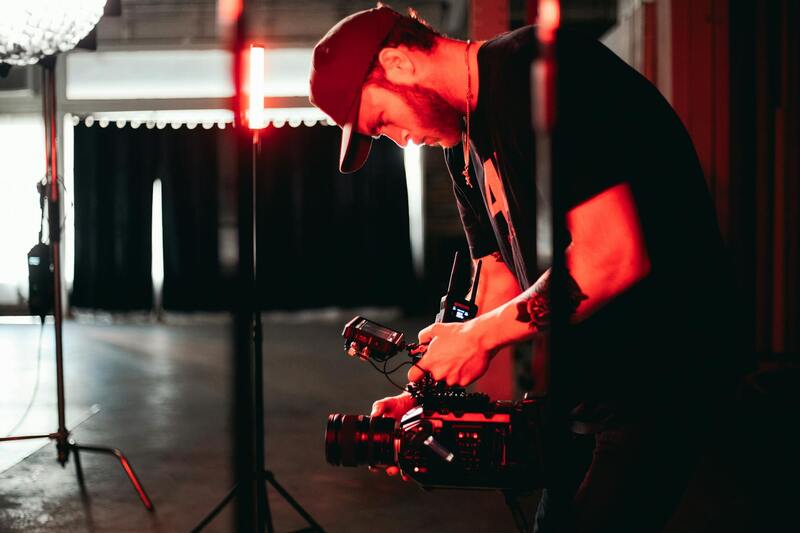
Maintaining Consistency and Branding in Photography
Consistency across property images fosters a professional brand appeal and improves marketing cohesion. Techniques such as uniform lighting, color correction, and perspective management ensure all photos reflect the high standards of the listing. Professional real estate photography often involves staging—arranging furniture, decorating spaces, and removing clutter—to create a polished look that appeals aesthetically and emotionally to prospective buyers. This preparation, combined with technical expertise, results in images that effectively communicate the property’s strengths while avoiding misleading representations.
High-Resolution Imaging and Equipment Considerations
Employing high-resolution cameras ensures sharp, detailed images capable of portraying complex textures and architectural intricacies. Wide-angle lenses are frequently used to frame more of the space within a single shot, making rooms appear larger and more inviting without distortion. Utilizing tripods helps maintain stability, resulting in crisp images free of blurriness. For exterior shots, drones or specialized equipment can capture aerial views and hard-to-reach angles, providing comprehensive visual coverage. Regularly updating equipment and maintaining camera settings are essential to adapting to various lighting conditions and property types.
Post-Processing Techniques to Enhance Real Estate Photos
Post-processing plays a vital role in refining property images, ensuring they meet professional standards. Adjustments for brightness, contrast, and color balance help produce vibrant, eye-catching visuals. Correcting perspective distortions induces natural lines, especially when wide-angle lenses are used. Removing minor imperfections, such as dust spots or reflections, offers a cleaner presentation. It is crucial, however, to maintain a balance between enhancement and authenticity to prevent misleading representations. Skilled editing ensures that images accurately reflect the property's features, fostering trust between sellers and potential buyers.
Visual Storytelling to Maximize Marketing Impact
Beyond individual shots, assembling a series of images that narrate a property's story enhances marketing efforts. Highlighting different rooms, outdoor spaces, and lifestyle elements creates a comprehensive visual journey. Incorporating seasonal or thematic elements—such as blooming flowers in spring or cozy indoor settings during winter—can evoke emotional appeal. Such storytelling techniques help prospective clients envision living in the space, making the property more memorable and desirable.
Effective Methods for Real Estate Property Pictures in Miami
Utilizing Professional Photography for Maximum Impact
In the competitive Miami real estate market, high-quality property images serve as a vital tool for attracting prospective buyers. Employing professional photographers with experience in real estate ensures every property is showcased in its best light. These experts utilize specialized techniques and equipment to highlight unique features and create a compelling visual narrative that resonates with viewers. High-resolution images with optimal lighting and composition can significantly influence online engagement metrics, such as click-through rates and inquiry volumes.
Adopting Advanced Photography Techniques
To capture captivating property images, photographers often adopt a combination of strategic techniques. These include shooting during the golden hours—shortly after sunrise or before sunset—when natural light lends a warm and inviting ambiance. Wide-angle lenses are standard to encompass more space in a single shot, making rooms appear larger and more open. Proper use of perspective and framing ensures all essential features are emphasized without distortion. Incorporating aerial drone photography provides panoramic views of outdoor spaces, gardens, and the neighborhood, adding a premium touch that appeals to buyers seeking comprehensive property insights.
Preparing the Property for a Successful Photo Shoot
Preparation plays a critical role in achieving high-quality real estate photographs. Cleaning and decluttering spaces ensure that the property appears well-maintained and spacious. Staging interiors with neutral decor and strategic placement of furniture can create an inviting atmosphere that allows potential buyers to visualize their lifestyle within the space. Opening curtains and turning on adequate lighting—both natural and artificial—eliminates shadows and enhances clarity. Additionally, scheduling shoots on days with favorable weather or optimal lighting conditions helps in capturing images that are vibrant and appealing.
Post-Processing Strategies for Enhancing Property Images
Post-processing remains an essential step in refining real estate photos. Adjustments in brightness, contrast, and color saturation can make images more vibrant and true to life. Correcting any perspective distortions ensures lines are straight and architectural features are accurately represented. Minor imperfections like dust spots, reflections, or shadow inconsistencies are removed to produce a clean and professional appearance. However, maintaining authenticity is crucial; over-editing can lead to misleading representations that undermine trust. Skilled editing preserves the true character of the property while showcasing it at its best.

Legal and Ethical Standards in Property Photography
Strict adherence to established industry standards is vital when capturing and utilizing property images. Obtaining explicit permission from property owners before conducting photographic sessions ensures transparency and respect. When employing drone technology for aerial shots, operators must follow guidelines that secure safe and responsible usage, while respecting privacy and airspace regulations. Consistently representing properties accurately through professional images fosters trust and upholds the reputation of real estate practitioners. Ensuring all photos authentically depict the property's condition and features supports ethical marketing practices crucial in Miami's dynamic real estate environment.

Enhanced Techniques for Capturing Real Estate Property Pictures in Miami
Mastering Lighting and Composition
One of the most influential factors in producing compelling real estate images is effective lighting. Utilizing natural light during the golden hours—early morning or late afternoon—can impart a warm, inviting ambiance to the property. Ensuring windows are unobstructed and interior spaces are well-lit enhances the overall clarity and mood of the shots. Supplementing with professional lighting equipment can help fill shadowed areas without creating harsh contrasts, especially in darker rooms or deep layouts.
Composition plays a critical role in guiding viewers’ eyes through each space. Employing principles such as the rule of thirds, leading lines, and balanced framing creates visually appealing images. Wide-angle lenses are commonly used to capture more of a room within a single shot, avoiding distortions that can misrepresent space. Properly aligning vertical lines prevents skewed appearances, maintaining architectural accuracy and professionalism.
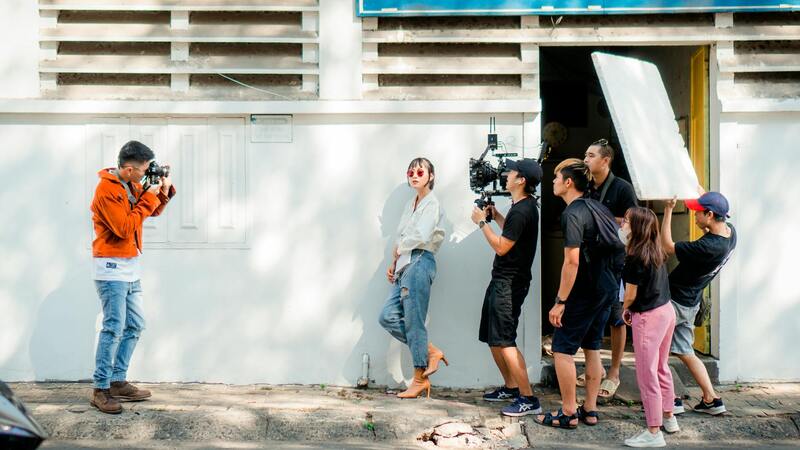
Showcasing Both Interior and Exterior Perspectives
Effective property photography encompasses a strategic balance between interior and exterior shots. Exterior images should capture the property's curb appeal, including landscaping, driveway, and facade details, ideally taken during the late afternoon to showcase warm lighting and long shadows which add depth. Interior photos should focus on key areas such as the living room, kitchen, bedrooms, and bathrooms, emphasizing spaciousness and functionality. Including shots of unique architectural elements or renovated features can add distinctive value.
Utilizing drone photography for aerial exterior shots provides comprehensive views of the property and its surrounding neighborhood. Aerial images can reveal property size, nearby amenities, and landscape features, offering potential buyers a complete visual understanding. Combining ground-level and aerial visuals creates a compelling marketing story that appeals to a diverse audience, particularly in vibrant Miami neighborhoods.

Ensuring Authenticity in Visual Representations
Authentic visual storytelling is essential for trustworthy real estate marketing. All images should accurately represent the property's current condition, features, and layout without misleading enhancements. When editing photographs, adjustments to brightness, contrast, and color saturation should enhance the image quality without misrepresenting the true appearance of the space. Perspective corrections should straighten lines and correct distortions caused by wide-angle lenses to maintain architectural integrity.
In addition, care must be taken to eliminate distracting elements such as dust spots, reflections, or shadows that could detract from the property's appeal. Consistent color grading and consistent angles across the image set establish a cohesive visual narrative that appeals to potential buyers. Employing high-resolution images ensures clarity for detailed inspections and online viewing platforms, encouraging engagement and builds trust with prospective clients.
Respecting Privacy and Proprietary Rights
It is important to adhere to respecting property rights and securing proper permissions before conducting any photographic sessions. This practice not only fosters positive relationships with property owners but also aligns with industry standards for ethical marketing. When using drone technology, operators must follow established airspace guidelines and respect neighbors’ privacy, especially in residential settings.
Developing a consistent protocol for obtaining necessary permissions and documenting consent helps ensure smooth operations and reinforces a professional reputation. Maintaining transparency about how images will be used further supports an ethical approach, ensuring that all visual content remains a truthful representation of the property, fostering confidence among prospective buyers and stakeholders.