
Understanding Real Estate Photography
Real estate property photography serves as a cornerstone in modern property marketing strategies, especially in vibrant markets like Miami where competition is fierce. This specialized discipline involves capturing high-quality images that showcase a property's best features, spaciousness, and aesthetic appeal. When executed professionally, these visuals can significantly influence potential buyers' perceptions and interest levels, making real estate photography an indispensable component in the sales process.
The primary goal of real estate property photography is to create compelling visual narratives that tell the story of a home or commercial property. This is achieved through meticulous attention to lighting, composition, and timing, ensuring each shot highlights the property's unique characteristics. In Miami's dynamic market, where luxury residences, waterfront estates, and modern condos dominate the landscape, striking images can elevate a listing's visibility and attract targeted buyer segments.
Effective real estate photography goes beyond mere photo capture; it integrates visual storytelling with strategic marketing principles. High-quality images foster increased online engagement, generate more viewings, and ultimately lead to quicker sales. As part of a comprehensive marketing approach, professional photography acts as a vital first impression tool, capturing attention on multiple listing platforms, social media channels, and marketing campaigns. Conversely, in an era where digital browsing predominantly dictates buyer behavior, poorly lit or unprofessional images can deter potential interest. Consequently, investing in skilled real estate photography ensures that each property is presented in the most appealing manner, resonating with prospective buyers who are increasingly selective and visually driven.
The Impact of Visuals in Miami's Real Estate Market
Miami's real estate landscape is characterized by its diversity, luxury developments, and global appeal, necessitating images that can stand out in a crowded marketplace. High-caliber photography not only captures the physical attributes of properties but also conveys the lifestyle associated with living in Miami. From beachfront villas to sophisticated urban apartments, the visual quality and style should reflect both the property's essence and the aspirational qualities that attract buyers.
In addition, professional photos can efficiently communicate spatial layouts, architectural details, and environmental context, providing potential buyers with a comprehensive view of what the property offers. This detailed visual presentation helps buyers make informed decisions, reduces the time spent on viewings, and increases confidence in the listing.
Key Benefits of Professional Real Estate Photography
- Enhances online listing appeal, leading to increased views and inquiries
- Creates a strong first impression that differentiates properties in competitive markets
- Reduces time on the market through captivating visuals
- Facilitates faster sales at optimal prices by attracting qualified serious buyers
- Supports other marketing channels including virtual tours, brochures, and social media
Ultimately, professional real estate property photography is an investment that provides measurable returns by elevating a property's market presence. In Miami's fast-paced environment, where first impressions often determine success, compelling visuals are paramount. For real estate professionals and property owners aiming for maximum exposure and successful transactions, integrating high-quality imagery into marketing efforts is an essential strategic move.
Details Essential Tools for High-Quality Real Estate Photography
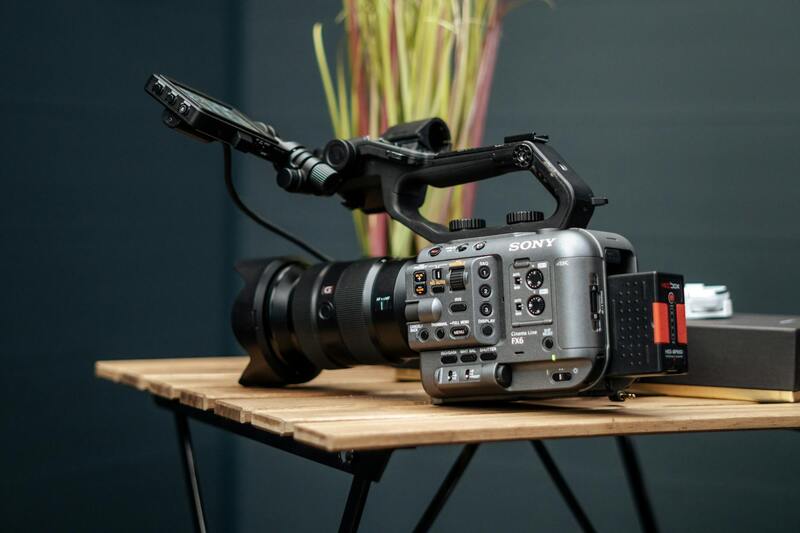
Achieving professional-grade images in Miami’s competitive real estate market necessitates the use of advanced equipment. The choice of high-resolution cameras equipped with wide-angle and tilt-shift lenses enables cinematographers to capture expansive interior spaces and architectural details with impeccable clarity. These tools are vital in showcasing a property’s true potential, especially in properties with unique layouts or high ceilings.
In addition, drone technology has revolutionized exterior and aerial photography, offering breathtaking perspectives that highlight a property’s surroundings and landscape features. Drones equipped with stabilized gimbals and high-definition cameras allow for smooth, captivating aerial footage that can set listings apart in saturated markets.

Post-processing software plays a crucial role in editing and enhancing images. Professional tools such as Adobe Lightroom and Photoshop facilitate adjustments in exposure, color grading, and distortion correction, ensuring each image aligns with the desired aesthetic and accurately represents the property. Advanced editing workflows help eliminate distractions like lens flare or minor blemishes, producing crisp, inviting visuals.
Preparation and Staging Techniques for Optimal Photography
Before capturing images, thorough preparation and strategic staging are imperative. This process includes decluttering spaces to present a clean, inviting environment and arranging furniture to emphasize room functionality and flow. Proper lighting setup, whether natural or supplemented with professional-grade lighting equipment, ensures that interiors are bright and welcoming.
Staging should accentuate a property’s best features—highlighting architectural details, modern renovations, or scenic views. Utilizing neutral color palettes in decor and adding subtle accents can elevate the visual appeal, resonating with a broad audience and helping potential buyers envision living in the space.
Photographic Composition and Style Strategies
Mastering composition principles is essential for creating compelling real estate images. Wide-angle lenses help maximize spatial perception, making rooms appear larger and more open. Balancing the frame with symmetrical lines or leading lines guides viewers’ eyes naturally through the scene.
Maintaining consistent styling and color tones across images ensures a cohesive visual narrative. Emphasizing vertical lines, avoiding distortions, and applying natural lighting principles contribute to authentic and appealing representations of each property.
Capturing Exterior Shots and Aerial Perspectives
The exterior presentation often serves as the first impression for potential buyers. Early morning or late afternoon lighting conditions provide soft, warm light, enhancing curb appeal. Incorporating landscaping, driveway symmetry, and architectural features highlights the property’s uniqueness.
Aerial shots captured via drones disclose the full scope of outdoor amenities, waterfront proximity, or large lot sizes that are characteristic of Miami estates. These visuals play an influential role in illustrating the property's setting, lifestyle potential, and exclusivity.
Post-Processing and Editing Best Practices
Editing should be performed with precision, emphasizing clarity and vibrancy without over-saturation. Techniques include correcting perspective distortions, enhancing natural light, and removing minor imperfections. Consistent color grading establishes a uniform look across all images in a listing, strengthening brand identity and aesthetic appeal.
Retouching can also involve contour adjustments to accentuate architectural lines or landscape features. Careful attention to detail during editing ensures the final images accurately represent the property, fostering trust and confidence among prospective buyers.
Best Practices for Professional Real Estate Photography
- Schedule photoshoots during optimal lighting conditions to maximize natural light exposure.
- Use a tripod to maintain stability and uniformity across shots.
- Capture multiple angles and focal lengths to provide versatility in marketing materials.
- Prioritize clear, clutter-free, and well-staged spaces for each shot.
- Adopt a consistent editing style that aligns with the property’s branding and target market.
- Incorporate aerial images to offer comprehensive property overviews and outdoor amenities.
- Maintain legal awareness of drone flight regulations and image rights in Miami’s specific jurisdictions.
Collaborating Effectively with Miami Real Estate Professionals
Successful real estate photography projects stem from close cooperation with local agents and property owners. Clear communication regarding preferred angles, key features, and the desired emotional impact ensures content aligns with marketing goals. Establishing workflows, schedule coordination, and feedback loops contribute to efficient shoots and high-quality results.
Legitimate Methods for Capturing Authentic Property Images
In the realm of real estate property photography, employing official and established techniques is essential for producing images that authentically represent a property’s features. These methods ensure clarity, accuracy, and consistency, setting a professional standard that bolsters the credibility of listings. One foundational approach involves utilizing high-quality camera equipment positioned thoughtfully to showcase each room's spatial dynamics. For example, using wide-angle lenses allows for capturing more of a space in a single shot, making rooms appear more spacious and inviting. Adapting camera settings—such as aperture, shutter speed, and ISO—based on the lighting conditions guarantees that images are well-exposed and free from distortions or noise.
Specialized imaging techniques, including the use of tripod stabilization, are vital for maintaining shot consistency and sharpness, especially in low-light conditions or when capturing multiple angles of the same space. Implementing these techniques not only enhances image quality but also ensures each photograph remains aligned with the next tile within a marketing campaign, creating a cohesive visual narrative that appeals to prospective buyers.
Incorporating Drone and Aerial Photography within Regulatory Frameworks
Another reputable method involves the integration of aerial imagery through the use of drones, which can provide comprehensive views of a property’s exterior and surrounding landscape. To execute this safely and effectively, professionals adhere strictly to local regulations governing drone operations, including altitude restrictions, designated flight zones, and privacy considerations. Securing the necessary permissions and maintaining a clear understanding of Miami's specific drone flight protocols ensures that aerial visuals are obtained legally and ethically.
Properly captured aerial shots add significant value by offering potential buyers a panoramic perspective of outdoor amenities, property size, and zoning context. These images should be taken during optimal lighting conditions—typically during golden hour—to maximize natural light and preserve color fidelity. Combining these aerial captures with ground-level imagery facilitates a comprehensive property presentation that aligns with official best practices.
Standardized Post-Processing and Editing Compliance
Post-processing plays a critical role in maintaining an honest depiction of property features. Legitimate editing practices focus on enhancing image clarity, color accuracy, and lighting balance without altering the true appearance of the property. Techniques such as color correction, perspective correction, and subtle retouching are executed with precision. This approach ensures that prospective buyers receive an accurate visual representation, fostering trust and reducing potential discrepancies during viewings or transactions.
Adhering to industry standards during editing involves establishing a consistent style that accurately reflects the property’s character and target demographic. Proper workflow management, including backing up original files and maintaining detailed documentation of editing parameters, supports transparency and reproducibility. Such disciplined practices reinforce the official and credible nature of the photographic content produced.
Collaborative Engagement with Licensed and Certified Partners
Successful property imaging derives largely from collaborative efforts with licensed real estate professionals and photography specialists who operate within recognized industry frameworks. Clear communication channels are established to align objectives, whether focusing on highlighting architectural details or outdoor features. These collaborations also include scheduled planning, secure handling of proprietary property information, and post-shoot review processes, ensuring that all visual content is crafted ethically and in accordance with agreed standards.
Legal Considerations and Best Practices in Real Estate Property Photography
Conducting real estate property photography involves adherence to recognized standards and best practices that ensure images are both accurate and ethically produced. This commitment to professional integrity is vital for establishing trust with clients and maintaining the credibility of visual content. Photographers should operate in full compliance with industry guidelines, focusing on the lawful and respectful use of property information and visuals.
One fundamental aspect is establishing clear agreements with property owners and real estate agents before the shoot. These agreements specify the scope of work, rights to the images, and usage permissions. This facilitates transparent communication, prevents misunderstandings, and safeguards all parties involved. Additionally, obtaining explicit consent for aerial shots or drone imagery is essential, particularly when capturing private or sensitive areas. Ensuring compliance with local regulations regarding drone operation and airspace usage maintains an ethical standard within the industry.
When creating property images, it is crucial to present a truthful depiction of the space. This involves avoiding manipulative editing techniques that alter the property's appearance beyond what can be reasonably achieved through lighting adjustments and perspective correction. Such practices uphold the integrity of the visual presentation and foster a fair representation that meets viewer expectations.
Additionally, photographers should maintain comprehensive documentation of their work process, including metadata, editing parameters, and client approvals. This documentation can serve as an invaluable reference if discrepancies or disputes arise, demonstrating adherence to agreed standards. Protecting proprietary property images by using secure storage and restricted access further reinforces professional responsibility.
Professionalism extends beyond technical skill to include respecting confidentiality and privacy. Avoid photographing interiors or exteriors that have been explicitly designated as private or restricted, and always seek permission when necessary. Communicating clearly with all stakeholders about how images will be used and shared ensures that ethical boundaries are respected throughout the project.
By consistently applying these official methods and best practices, real estate photographers contribute to a trustworthy and credible market environment. This foundation not only enhances the reputation of individual photographers but also supports the integrity of the real estate industry in Miami and beyond.
Importance of Ethical Photography Practices in Real Estate
In the realm of real estate property photography, adherence to official and legitimate methodologies is paramount. Such practices ensure a truthful representation of properties, fostering trust among prospective buyers and industry professionals. Maintaining visual integrity begins with precise capture techniques, which are complemented by ethical standards that emphasize honesty and transparency. When photographs accurately reflect the property's condition and features, it mitigates misunderstandings and aligns expectations, thereby enhancing the credibility of the listing.
To uphold these standards, real estate photographers should utilize methods rooted in verifiable, official practices. This includes leveraging high-quality, professionally calibrated equipment to ensure consistent color rendering and perspective accuracy. Shooting during optimal lighting conditions, such as during the golden hour or with well-balanced artificial lighting, produces images that highlight the property’s best features without exaggeration or misrepresentation. Additionally, capturing multiple angles and comprehensive views provides a holistic perspective that informs buyers accurately about the space.
Utilizing Proper Equipment and Techniques
- Quality Cameras and Lenses: High-resolution digital cameras equipped with wide-angle lenses allow for capturing expansive interior spaces while maintaining clarity and detail. These tools help create immersive visuals that entice potential buyers without distorting proportions.
- Tripods and Stabilization: Proper stabilization equipment prevents camera shake, ensuring sharp images, even in low-light settings or longer exposures that highlight interior details effectively.
- Lighting and Natural Light: Strategic use of available natural light combined with professional lighting setups ensures that spaces look inviting and true to life. Photographers should avoid excessive editing that over-brightens or darkens images to preserve authenticity.
- Post-Processing with Integrity: Editing should enhance clarity, correct minor distortions, and improve overall presentation without manipulating the scene beyond realistic bounds. Maintaining metadata and detailed records of editing processes also supports transparency.
Respect for Privacy and Confidentiality
Ethical property photography encompasses respecting privacy boundaries and confidentiality agreements. Photographers should be attentive to areas that are private or restricted, seeking permission before capturing interior or exterior shots of sensitive spaces. Clear communication with property owners, agents, and other stakeholders about how images will be used helps preempt misunderstandings and maintains professional respect for all parties involved.
Maintaining detailed documentation of the photography process—including image metadata, client approvals, and edit records—further reinforces accountability. This comprehensive approach not only protects the integrity of the visual content but also demonstrates a professional commitment to ethical standards, which ultimately benefits the credibility of the individual photographer and the broader industry.
Understanding Real Estate Photography
Real estate property photography is the art and science of capturing images that highlight a property's best features with clarity and appeal. It plays a pivotal role in marketing homes effectively, as high-quality photos serve as the first impression for potential buyers browsing listings online. To ensure that each shot accurately represents the property's true character, professional photographers adhere to specific standards and techniques that prioritize clarity, consistency, and aesthetic appeal.
Core Principles of Effective Real Estate Photography
- Authentic Representation: Ensuring images reflect the actual condition and appearance of the property, avoiding overly stylized edits that mislead buyers.
- Optimal Lighting: Leveraging natural light and supplementary lighting setups to illuminate spaces evenly, avoiding harsh shadows or dark corners.
- Composition and Framing: Using balanced framing to draw attention to key features, with an emphasis on space and flow within rooms.
- Consistency: Applying uniform editing and stylistic choices across all images for a cohesive viewing experience.
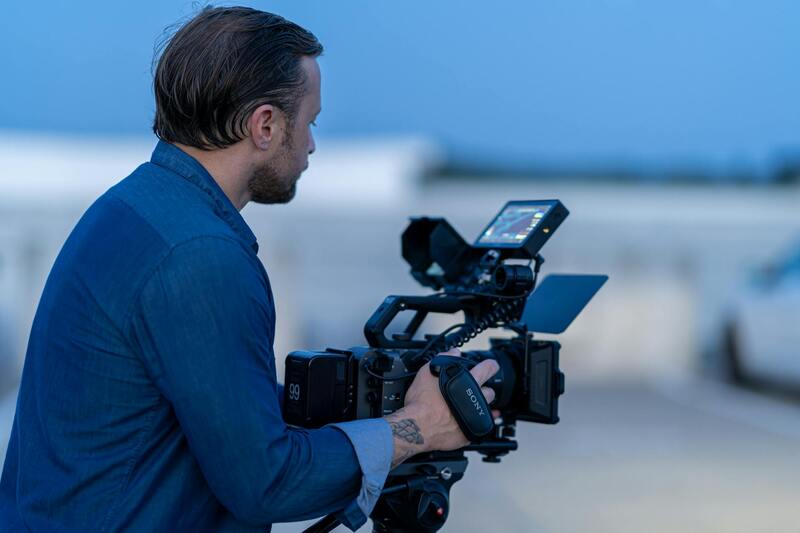
Impact of Professional Photography on Property Marketing
Well-executed real estate photography can significantly elevate a property's market position, enabling listings to stand out in competitive markets. Properly captured images make spaces appear more spacious, inviting, and well-maintained, which can lead to increased interest and faster sales. Moreover, professional photos help real estate agents and property owners establish credibility and trust, reinforcing the perception of professionalism and attention to detail.
Maintaining Authenticity and Transparency
While enhancing images during post-processing is common, maintaining authenticity is critical. Adjustments such as brightness, contrast, and color correction should serve to accurately portray the property, avoiding exaggerated edits that could set false expectations. This approach not only preserves the integrity of the listing but also fosters transparency with prospective buyers and stakeholders.
Following Ethical and Professional Practices
Professional real estate photography involves adherence to ethical guidelines that respect privacy boundaries and capture spaces responsibly. Photographers should obtain proper permissions before photographing private or restricted areas. Clear communication with property owners and agents about the intended use of images is essential, fostering trust and ensuring that all parties are aligned. Maintaining meticulous records of imaging sessions and edits also supports accountability and transparency within the process.
Embracing Diversity of Properties
The scope of real estate photography extends across a broad spectrum of property types, from compact urban apartments to sprawling estates. Each requires tailored techniques to showcase their unique features effectively. For example, capturing high-ceilinged living rooms may involve wide-angle lenses to convey spaciousness, while showcasing well-maintained outdoor landscapes benefits from strategic lighting and aerial photography.
Summary
Capturing compelling real estate images is a meticulous process rooted in authenticity, technical mastery, and ethical standards. By focusing on precise composition, optimal lighting, and transparent practices, photographers can produce imagery that not only attracts potential buyers but also accurately represents the property’s true appeal. This commitment to quality and integrity ultimately results in faster sales, higher listing engagement, and a stronger reputation within the industry.
Advanced Techniques in Real Estate Property Photography
To elevate property visuals beyond basic captures, professional photographers implement advanced techniques that highlight a space's most attractive features. These methods include strategic use of lighting, innovative composition, and specialty equipment to create captivating images that resonate with potential buyers.
One pivotal element is the manipulation of natural and artificial light to produce well-balanced, inviting images. Photographers often schedule shoots during optimal lighting conditions, such as golden hour, to maximize the property's appearance. Bringing in supplementary lighting, like portable strobes or diffusers, ensures consistent illumination across various interior spaces, reducing shadows that could obscure details.
Composition techniques also play a vital role. Utilizing the rule of thirds, leading lines, and symmetry guides viewers’ eyes toward focal points, emphasizing the property’s best features. Incorporating foreground elements or framing shots with doorways and windows can add depth and contextual interest, making spaces appear larger and more inviting.
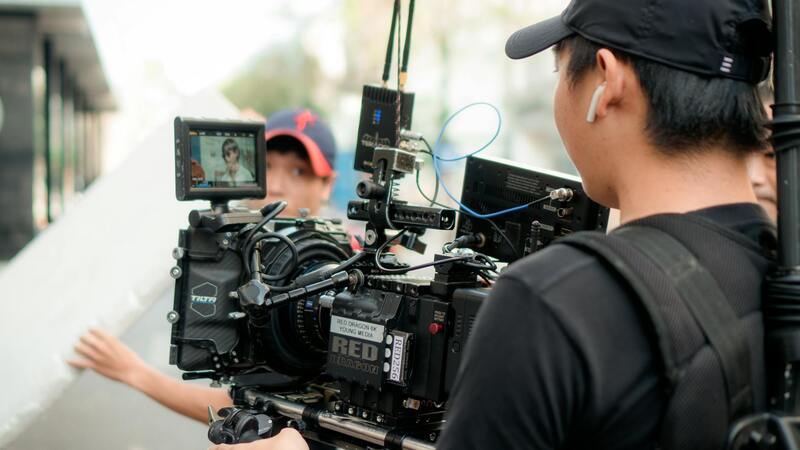
In addition, integrating specialty lenses such as tilt-shift or perspective control lenses can correct distortion in architectural shots, ensuring true-to-life representations of building lines and proportions. When appropriate, combining interior images with exterior shots or street views offers a comprehensive visual narrative, giving potential buyers a complete picture of the property's setting.
Capturing detailed close-ups of unique architectural features, high-end fixtures, or landscaped outdoor spaces adds further depth to the visual presentation. These shots help highlight the property's craftsmanship and premium aspects, encouraging further interest from viewers.
Incorporating Aerial and Drone Photography
Aerial photography has become an integral component of comprehensive real estate imagery. Using drones equipped with high-resolution cameras allows photographers to capture striking overhead views that showcase the property's size, surrounding environment, and landscape features. These images are especially impactful for large estates, waterfront properties, or homes with significant outdoor amenities.
Drone footage and stills need to be executed with precision, ensuring flight paths avoid obstructions and capture the property from angles that reveal its full scope. The images should be clear, well-lit, and formatted to complement ground-level shots, creating a cohesive visual story. Proper planning, including obtaining necessary permissions and conducting pre-flight safety checks, ensures a smooth and effective shoot.
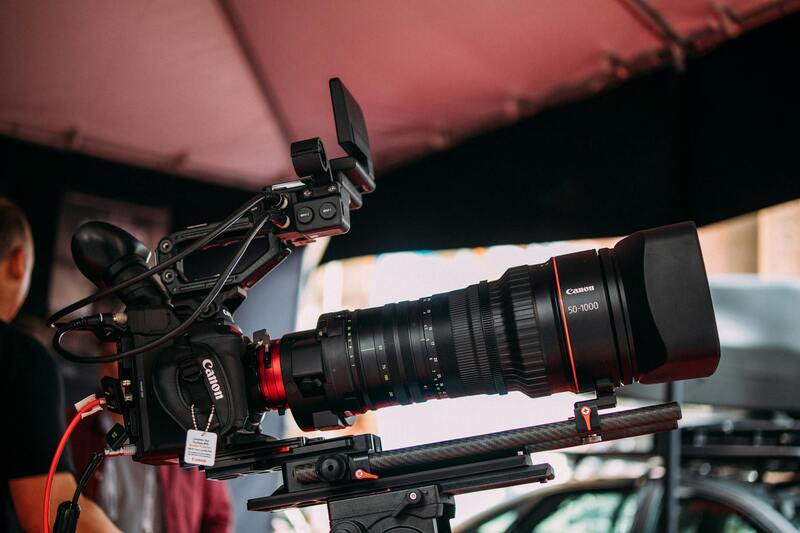
It is essential to select the appropriate drone technology for each project. High-end models with stabilized gimbals deliver sharper, more professional images. Moreover, considering weather conditions and optimal lighting ensures aerial captures are of the highest quality. Integrating aerial imagery with traditional photography enhances the property's appeal and provides viewers with a complete understanding of its scale and surroundings.
In summary, adopting advanced techniques in lighting, composition, specialized equipment, and aerial photography significantly enhances the effectiveness of real estate property images. These methods not only create visually compelling listings but also help establish trust and transparency, fostering a positive viewing experience and aiding quicker sales.
Legal Considerations and Best Practices in Real Estate Property Photography
To maintain a professional standard and build trust with clients and audiences, it is essential to adhere to established best practices in real estate property photography. This includes respecting privacy rights and property boundaries, ensuring proper permissions are obtained before photographing private or restricted areas, and avoiding any form of misrepresentation through image manipulation. Using legitimate methods ensures that the visual content accurately reflects the property's features, creating transparency and fostering credibility within the real estate market.
When capturing images of a property, particularly in outdoor settings, it is important to consider zoning regulations and community guidelines that govern drone usage and aerial photography. Securing any necessary authorizations for drone flights, such as permits or notifications to neighboring properties, helps prevent misunderstandings or disruptions. Additionally, flight paths should be carefully planned to avoid flyovers of private areas without consent, maintaining respect for privacy and community standards.
Moreover, employing legal and ethical practices in editing and post-processing solidifies the professionalism of the final images. Adjustments should be made solely to enhance image clarity, lighting, and color accuracy—not to distort the true appearance of the property. Over-staging or overly editing images can lead to mismatched expectations and potential disputes during the sales process.
In the digital age, safeguarding intellectual property rights is crucial. Ensure that all photography services used are permitted to operate and that images are properly licensed or owned outright. This prevents potential legal complications that may arise from unauthorized use of copyrighted material or proprietary content.
Clear documentation of all permissions and agreements, including model releases and property access rights, streamlines workflows and minimizes risks. These records serve as a reference in case any questions or issues about content rights are raised post-shoot.
Lastly, staying updated on industry guidelines and local regulations related to real estate marketing and photography ensures ongoing compliance. Regularly reviewing policies and participating in professional training or workshops helps photographers and agencies adapt to emerging best practices, technological advancements, and legislative changes. This proactive approach not only enhances professionalism but also sustains business growth and client confidence.