

Importance of HD Photography in Real Estate Marketing
In the competitive landscape of Miami's real estate market, the quality of property imagery plays a pivotal role in capturing potential buyers’ attention and accelerating sales. High-definition (HD) photography stands as a cornerstone of effective property marketing, transforming standard listings into compelling visual stories. With crisp clarity, vibrant colors, and intricate details captured through HD images, listings stand out in a crowded marketplace.
HD real estate pictures allow prospective buyers to experience a property remotely, providing an immersive sense of space and ambiance. Such images showcase the property's best features, whether it's the expansive living room, modern kitchen, or luxurious outdoor patios. When buyers can see precise textures, high-quality furnishings, and structural elements, their confidence in the property's appeal increases significantly.
Another critical benefit of HD photography is its ability to attract more online traffic. Listings with stunning, high-quality images are more likely to be clicked, shared, and engaged with across digital platforms. This heightened exposure translates into greater interest, more inquiries, and ultimately, faster sales.
Miami’s real estate market is particularly dynamic, with high competition among luxury homes, condos, and commercial properties. High-definition imagery ensures that listings do not blend into the background but instead command attention through professional, eye-catching visuals. This differentiation is essential in Miami’s vibrant environment where aesthetic appeal influences decision-making.
Moreover, quality visuals are instrumental in building trust and establishing credibility for real estate agents and agencies. Professionally captured HD images convey a sense of professionalism and dedication to quality service, which can persuade clients to choose your services over competitors.
In essence, investing in HD photography for real estate listings is not just a visual enhancement but a strategic move that significantly influences the perception, reach, and success of property sales in Miami. As the market evolves, leveraging the power of high-definition images becomes an indispensable element of modern real estate marketing strategies.
Techniques for Capturing High-Quality Real Estate Images
Achieving stunning real estate pictures HD requires a mastery of specific photography techniques designed to showcase properties in their best light. One of the fundamental strategies involves the use of optimal lighting. Natural light, when harnessed correctly, can create vibrant, inviting images that highlight a property's best features. Photographers often schedule shoots during the day, aiming to capture properties when sunlight fills the rooms, minimizing shadows, and providing a warm ambiance.
Another prevalent method is the employment of wide-angle lenses. These lenses allow for a broader field of view, making interior spaces appear more spacious and appealing. Properly aligned, wide-angle shots eliminate distortion, ensuring that rooms look proportionate and accurate in scale. This technique is essential for effectively portraying the size and flow of a property to potential buyers.
Staging the property prior to photography is equally crucial. Removing clutter, arranging furniture to optimize space, and ensuring cleanliness all contribute to creating a polished appearance. When combined with strategic camera angles, this preparation ensures each shot emphasizes the property’s strengths.
Advanced techniques include the use of HDR (High Dynamic Range) imaging, which involves capturing multiple exposures to reconcile differences between bright windows and darker indoor areas. This process results in well-balanced images that retain detail throughout the scene, providing a realistic and immersive viewing experience.
It is also vital to employ proper camera settings. Maintaining a low ISO reduces noise, while adjusting the aperture ensures the entire room remains in sharp focus. A tripod is indispensable for stabilizing the camera during long exposures, especially in lower light conditions, to produce crisp, professional images.
Post-processing plays a significant role in refining real estate images. Corrections to brightness, contrast, and color balance help achieve visual consistency across all photos. Skilled editing can also address minor distortions and enhance details, ensuring the final images accurately represent the property’s true appearance.
Incorporating aerial shots using drones offers a comprehensive perspective of the property and its surroundings. Aerial images can showcase property size, landscape details, and neighborhood access, translating to a more compelling listing presentation.
By combining these technical approaches, real estate professionals can produce high-definition images that captivate viewers, generate leads, and expedite sales in a competitive market. The key lies in disciplined execution, attention to detail, and leveraging advanced equipment and editing techniques to create visually compelling property representations.
Optimal Techniques for Capturing Sharp and Vibrant HD Real Estate Photos
Achieving high-quality real estate images requires more than just a quality camera; it involves specific techniques that enhance the visual appeal and accuracy of property photographs. Proper lighting is fundamental, with natural light being the preferred choice whenever possible. Shooting during the golden hour—shortly after sunrise or before sunset—can impart a warm, inviting glow to interior and exterior shots, highlighting architectural features and landscape details. In conjunction with natural light, artificial lighting, such as external flash units or studio lights, can be employed to fill shadows or accentuate particular areas of a property, ensuring a consistent and well-lit presentation.
Staging plays a critical role in creating an attractive scene. Decluttering spaces and arranging furniture to showcase the property's best features can significantly impact the perception of space and style. Complementing staging, the selection of shot angles influences how viewers interpret the dimensions and flow of a property. Broadly, professionals prefer capturing images from eye level to offer a natural perspective. For larger spaces, utilizing wide-angle lenses can encompass more of the room, but it's essential to avoid distortion that could misrepresent the property’s true size.
Camera settings are instrumental in producing HD images. Using a low ISO reduces digital noise, resulting in cleaner, crisper visuals. Adjusting the aperture balances depth of field—maintaining sharp focus throughout the room or specific features. A narrower aperture (larger f-number) ensures that both foreground and background remain in focus, which is often desirable in property shots. Additionally, adopting a tripod stabilizes the camera during longer exposures, especially in low-light conditions, preventing blurring and ensuring sharpness across all images.
Post-processing is the final step in delivering professional images. Adjustments to brightness and contrast help render accurate representations of the property, while color correction ensures that hues reflect real-life appearances. Minor perspective corrections can remedy distortions caused by wide-angle lenses, facilitating a more truthful visualization. Graduated filters or selective editing might be employed to enhance the sky or landscape, enriching overall image appeal without exaggeration. Skilled editing ensures consistency across the photo series, which bolsters the credibility of the listing.
Incorporating aerial photography through drone technology offers additional perspectives that complement ground-level images. Aerial shots can reveal the full expanse of the property, landscape features, and nearby amenities, giving potential buyers a comprehensive understanding of the estate's layout and surroundings. When executed properly, drone photography elevates the listing’s quality, conveying professionalism and attention to detail that can influence buyer interest significantly.
Mastery of these technical and creative aspects ensures that real estate images stand out in a competitive market. The goal is to produce visuals that are not only aesthetically pleasing but also true to the property's actual appearance. Such images serve as powerful marketing tools, fostering interest and engagement among prospective buyers and accelerating the sales process through compelling, high-resolution presentations.
Technical Aspects of HD Photography Equipment
Creating high-quality real estate images relies heavily on the right combination of advanced equipment. Professionals utilize high-resolution DSLR or mirrorless cameras equipped with wide-angle lenses, which allow capturing expansive interiors and exteriors with clarity and depth. Cameras with full-frame sensors are preferred because they excel in low-light conditions and produce sharper images with better color fidelity, ensuring the property looks inviting and authentic.
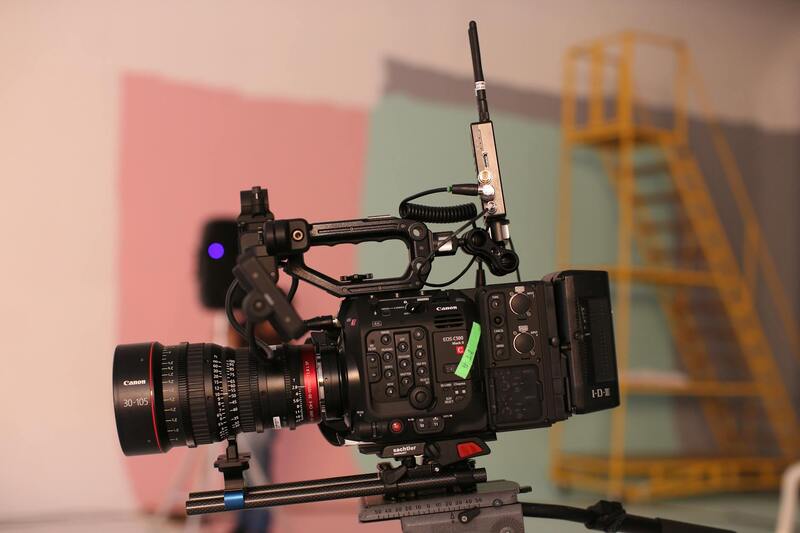
Tripods are essential for maintaining stability during shoots, especially in spaces with limited lighting. Additionally, professional photographers often employ remote triggers or intervalometers to prevent camera shake when capturing long exposures or multiple bracketed shots for HDR processing. Aerial equipment such as drones equipped with HD cameras expands the visual scope of property listings, providing unique perspectives that ground shots cannot achieve.
Lighting and Its Role in High-Definition Real Estate Photography
Proper lighting is fundamental to attaining crisp, vibrant images. Natural light plays a crucial role; thus, photography sessions are often scheduled during daylight hours with clear weather to maximize sunlight. Supplementary lighting, such as portable flashes or continuous LED lights, helps illuminate darker rooms or counteract uneven lighting conditions, ensuring every area of the property appears bright and welcoming in HD quality.
Reflectors and diffusers are also utilized to soften harsh shadows and distribute light evenly across interior spaces. Advanced imaging setups might include high dynamic range (HDR) techniques, blending multiple exposures to retain detail in both bright and shadowed areas, producing images that reflect the true ambiance of the property.
Enhancement of Images Through Proper Stabilization and Color Management
Stability is crucial when capturing sharp images, particularly in indoor settings where longer exposure times might be necessary. Using stabilization equipment like gimbals or tripods prevents motion blur, which can compromise HD quality. Moreover, color accuracy is maintained through calibrated monitors and professional editing software, ensuring that the images depict accurate hues and tones.

Post-processing allows for subtle adjustments to brightness, contrast, and sharpness, sharpening details without creating artificial effects. Correcting perspective distortions caused by wide-angle lenses ensures that the structures appear proportionate, providing viewers with a truthful visual experience. These meticulous techniques help craft compelling imagery that truly highlights the property's best features.
Implementing Proper Composition and Framing for Maximum Impact
Beyond technical considerations, composition plays a vital role in producing visually engaging real estate photos. Photographers focus on framing shots to emphasize architectural features, natural flow, and spatial relationships within the property. Leading lines, symmetry, and the rule of thirds guide the framing process, making the images more attractive and easier to interpret for potential buyers.
Strategic staging of rooms, uncluttered surfaces, and the inclusion of appealing accessories can enhance the overall visual storytelling. When combined with high-resolution imagery, thoughtful composition ensures the property stands out in online listings, attracting more interested parties and facilitating quicker sales.
Concluding Perspective
Achieving truly compelling HD real estate images requires a blend of advanced equipment, technical mastery, and aesthetic sensibility. Professionals invest in top-tier gear, employ expert lighting techniques, and meticulously process images to ensure each shot accurately represents the property’s features and ambiance. This comprehensive approach not only enhances visual appeal but also builds trust with prospective buyers by demonstrating honesty and transparency through high-quality visuals. Properly executed, HD images become powerful tools in a competitive real estate market, helping listings gain maximum visibility and engagement.
Optimizing Real Estate Photos with Appropriate Lighting and Angles
Capturing exceptional high-definition real estate images necessitates meticulous attention to lighting and camera positioning. The goal is to present each space in a manner that highlights its ample potential and aesthetic appeal. Natural light, when used effectively, can transform an ordinary room into an inviting and spacious environment. Photographers often schedule shoots during the time of day when sunlight enters the property most favorably, typically during late morning or early afternoon, to maximize brightness and color accuracy. Artificial lighting also plays a critical role. Professionals deploy professional-grade flash units and continuous lighting to eliminate shadows and even out illumination, especially in areas where natural light is limited. The interplay between ambient and supplementary light sources creates a balanced exposure that accurately conveys the property’s true ambiance. Camera angles are chosen strategically to showcase the property's best features and facilitate a sense of space. Wide-angle lenses are particularly valuable in real estate photography because they capture broader perspectives, making rooms appear more extensive and inviting. While broad angles are useful, they must be balanced carefully to prevent distortion that could misrepresent the property's actual dimensions. The selection of vantage points requires an understanding of architectural emphasis. For instance, capturing a high ceiling from a lower perspective accentuates height, whereas photographing a scenic backyard from a slightly elevated position can emphasize outdoor space. Consistent emphasis on lines and symmetry further guides viewers’ perception, creating a harmonious and appealing visual narrative.
To achieve the highest standards, professional photographers also consider the orientation of the shots—taking into account the property's orientation relative to key features like the sun, views, and neighboring structures. Proper alignment ensures that each image not only looks stunning but also provides potential buyers with accurate insights into the property's layout and environment.

Overall, mastering the art of capturing excellent real estate images involves a blend of technical precision, geometric understanding, and aesthetic intuition. These elements work together to produce pictures that are not only visually compelling but also genuinely representative of the property's true character. This balanced approach ensures that online listings attract serious buyers, standing out competitively in a crowded market landscape.
Advanced Techniques for Capturing HD Real Estate Images
Achieving stunning high-definition (HD) real estate pictures requires a mastery of diverse photographic techniques that highlight the property's best features while conveying an accurate sense of space and ambiance. Photographers focusing on real estate must employ a combination of technical skills and artistic judgment to produce images that are both compelling and trustworthy.
Strategic Use of Lighting
Optimal lighting is critical in HD real estate photography. Natural light is preferred whenever possible, as it naturally enhances colors, highlights architectural details, and creates inviting atmospheres. Photographers often plan shoots during certain times of the day—such as the golden hour—to capitalize on soft, diffused sunlight that minimizes harsh shadows.

In interior settings, supplemental lighting like diffused flash and LED panels can fill shadows and balance exposure, ensuring each room appears vibrant and well-lit without overexposing highlights or losing detail in darker areas. Using adjustable light modifiers helps control the direction, softness, and intensity of light, creating a balanced composition that captures the true character of each space.
Mastering Composition and Perspective
Effective composition involves selecting vantage points that showcase the property’s spaciousness and layout. Wide-angle lenses are standard tools, but their use must be tempered with skills to avoid distortion that may mislead viewers. Proper alignment of vertical lines prevents skewed appearances, maintaining architectural integrity and realistic representation.
Vantage points should emphasize key features—like high ceilings, scenic views, or elegant architecture—by capturing images from low or elevated perspectives accordingly. Techniques such as the use of panoramic shots can also encompass large interior spaces, providing potential buyers with a comprehensive visual narrative.
Utilizing Proper Equipment for HD Quality
High-resolution full-frame cameras equipped with prime or wide-angle lenses form the backbone of HD real estate photography. A sturdy tripod is essential to stabilize the camera during long exposures, especially in low-light conditions, ensuring sharp images with consistent framing across multiple shots. Remote triggers or timers help eliminate vibrations caused by camera shake.
Additional accessories like lens filters—polarizers or neutral density filters—help manage reflections and light intensity, further refining image quality. For capturing intricate details, macro lenses may be used, especially for interior features like fixtures or decorative elements.
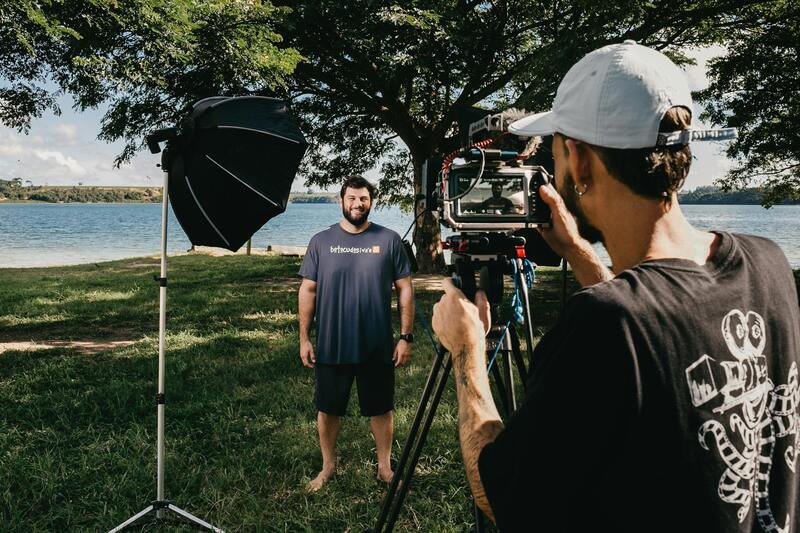
Techniques for Enhancing Image Clarity and Detail
Focus stacking, bracketing, and proper depth of field management are vital techniques in ensuring maximum detail and clarity in every shot. Focus stacking involves capturing multiple images at different focus distances and merging them during post-processing to achieve an extended depth of field—crucial for showcasing both foreground and background sharpness in interior and exterior shots.
Exposure bracketing allows for capturing images with varied exposures, which can then be combined to create high dynamic range (HDR) images. HDR processing balances the lighting differences within a scene, ensuring both highlights and shadows retain important details without appearing artificially saturated.
Maintaining Consistency and Standards
Consistency in framing, color balance, and exposure across a series of images ensures a professional, cohesive presentation. Adjustments should be minimized during editing to preserve the authenticity and integrity of the property’s appearances. Photographers often develop defined workflows and color profiles to standardize their output, which translates into a more compelling and credible online listing.
By meticulously applying these advanced techniques, real estate professionals and photographers can produce HD images that effectively communicate the property's true value, enhancing online engagement and attracting serious buyers—ultimately facilitating faster and more confident sales.
Optimizing Real Estate Images through Post-Processing Techniques
Post-processing plays a pivotal role in elevating the quality of HD real estate pictures, ensuring that each image accurately and attractively represents the property. After capturing the initial shots, professional photographers employ various editing techniques to enhance clarity, color balance, and overall visual appeal, which can significantly influence a potential buyer’s perception.
Color Correction and White Balance Adjustment
One of the fundamental steps involves correcting color imbalances to produce images that reflect the true hues of the property. Proper white balance adjustment ensures that whites appear white and colors are rendered naturally, thus maintaining authenticity. This process helps in eliminating unwanted color casts caused by different lighting conditions or camera settings.
Brightness, Contrast, and Exposure Enhancements
Balancing brightness and contrast is essential to highlight key features of a property without overexposing or underexposing areas. Adjusting exposure levels further refines the visibility of details, especially in darker or overly bright settings. These enhancements make the images more vibrant, inviting, and easier for viewers to interpret.
Sharpness and Clarity Adjustments
Sharpening images enhances the edges and fine details within photos, making surfaces, fixtures, and architectural features stand out sharply. Calibration of clarity levels helps to improve overall image crispness, essential for showcasing the intricate details of finishes, textures, and design elements.
Noise Reduction and Artefact Removal
Photos taken in low-light conditions often contain digital noise or grain that diminishes image quality. Modern editing software allows noise reduction techniques that smooth out unwanted grain while preserving details. Removing artefacts, such as sensor spots or compression errors, further refines the visual presentation.
HDR Blending and Dynamic Range Optimization
Balancing exposure differences between highlights and shadows is critical in real estate photography, particularly for images that feature high-contrast scenes with bright windows and shaded interiors. HDR processing combines multiple exposures to produce images with high dynamic range, capturing details in both bright and dark areas simultaneously.

Maintaining Consistency and Branding Standards
Consistency across a series of photographs enhances the professional look of property listings. Standardized color profiles, uniform correction techniques, and sequential editing workflows ensure that a set of images presents a cohesive and trustworthy visual narrative, fostering confidence among prospective buyers.
Leveraging Advanced Editing Software
Tools such as Adobe Lightroom and Photoshop provide comprehensive options for refining images. Preset filters, localized adjustments, and layer editing help create an optimized, polished look. Skilled usage of these tools ensures images are not just visually appealing but also ethically representative of the property's true state.
Conclusion
Implementing diligent post-processing techniques is fundamental for transforming raw real estate footage into captivating HD images. This not only enhances visual appeal but also bridges the gap between property presentation and viewer expectations, ultimately leading to more engaged prospects and quicker sales.
Utilizing Virtual Tours and 3D Imaging for a Modern Experience
Virtual tours and 3D imaging have revolutionized real estate marketing by offering immersive viewing experiences that enable prospective buyers to explore properties remotely. High-definition (HD) virtual tours provide crystal-clear visuals and seamless navigation, mimicking in-person visits and allowing viewers to appreciate the spatial layout, room dimensions, and overall ambiance of the property.
Implementing 3D imaging involves capturing detailed, high-resolution photos from multiple angles, then assembling them into interactive models. These models can be easily integrated into listings, giving potential buyers a comprehensive view of the property’s interior and exterior features without the need for physical visits. This technology enhances engagement, reduces the time spent on in-person viewings, and expands market reach by appealing to international clients.
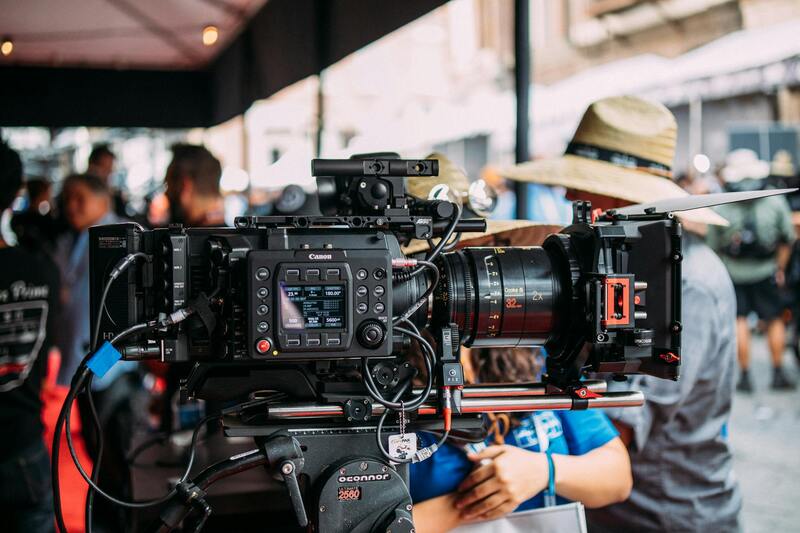
High-quality 3D and virtual tour implementations demand precise camera work, optimal lighting, and sophisticated software for stitching images and creating realistic navigation paths. When executed effectively, these tools not only showcase properties with HD clarity but also convey the true essence and uniqueness of each space, making the listings more compelling and memorable.
In an increasingly digital marketplace, integrating virtual reality elements and 3D imaging into real estate listings distinguishes properties from competitors and caters to tech-savvy buyers accustomed to high-definition visual content. These tools serve as powerful marketing assets, bridging the gap between traditional photography and interactive digital experiences, ultimately accelerating the sales process and increasing overall return on investment.