

Importance of High-Quality Real Estate Photos
In the competitive landscape of real estate, the visual presentation of a property is often the first point of engagement for potential buyers. High-quality real estate photos serve as powerful tools that can significantly influence buyer interest, enhance listing visibility, and accelerate the sale process. Professionally captured images showcase a property’s best features, from architectural details to interior aesthetics, creating an inviting impression that encourages viewers to explore further. When listing images are clear, well-lit, and professionally styled, they immediately elevate the perceived value of a property. This positive perception can translate into higher online engagement, increased inquiries, and ultimately, faster transactions. Listings that feature striking images are more likely to stand out in crowded marketplaces, increasing their chances of being noticed by prospective buyers. Furthermore, the quality of real estate photos plays a crucial role in establishing trust and credibility. Buyers often perceive professional photos as indicative of a serious seller who values quality, which can influence their decision-making process. In the digital age, where most property searches begin online, compelling imagery becomes a vital component of an effective real estate marketing strategy. Effective real estate photography also impacts search engine optimization (SEO). Optimized images with appropriate tags and descriptions help improve a listing’s ranking on search engines and real estate portals, making properties accessible to a broader audience. High-resolution, professionally edited photos not only attract attention but also ensure that users experience the property as accurately and appealingly as possible. Visual storytelling through high-quality imagery can evoke emotional responses, helping potential buyers imagine themselves living in the space. Light, color, and composition are carefully managed to highlight key features and create an aesthetically pleasing experience. By investing in professional real estate photography, sellers and agents can craft a persuasive narrative about a property that resonates with prospective buyers. Overall, the impact of high-caliber real estate photos extends beyond immediate listings, fostering a reputation for quality and professionalism that benefits all parties involved. The focus on visual excellence aligns with successful marketing practices and is essential for standing out in today’s digital-focused real estate environment.

Optimal Techniques for Capturing Appealing Real Estate Photos
Achieving high-quality real estate images requires a combination of technical skill, proper equipment, and thorough preparation. The first step involves selecting the right lighting. Natural light, when available, minimizes shadows and creates a welcoming atmosphere, emphasizing the property's best features. During photoshoots, scheduling sessions during daylight hours ensures ample sunlight to illuminate interior spaces evenly, reducing the need for extensive post-production adjustments.
Camera settings play a crucial role in producing sharp, detailed images. Utilizing a wide-angle lens allows for capturing expansive views of rooms, making spaces appear larger and more inviting. An aperture setting that balances depth of field and clarity helps keep both foreground and background elements in sharp focus. Shooting in RAW format preserves maximum image detail, providing greater flexibility during editing without compromising quality.

Proper composition is equally important. Applying the rule of thirds guides the viewer’s eye through the frame naturally, highlighting focal points such as a fireplace, panoramic windows, or architectural features. Including multiple perspectives of each room offers potential buyers a comprehensive understanding of the space, aiding their visualization process. Carefully arranging furniture and minimizing clutter before shooting results in cleaner, more appealing images.
Post-processing is the final step where images are refined to meet high standards. Color correction enhances vibrancy without oversaturation, while perspective adjustments recenter the shot to maintain accurate representations. Retouching to remove distractions such as electrical cords, personal items, or minor imperfections helps create a polished appearance that aligns with professional marketing expectations.
Additionally, the use of panoramic stitching and HDR (High Dynamic Range) techniques allows capturing details in both bright and shadowed areas within the same image. This ensures that the interior's light balance accurately reflects what a potential buyer would see on-site. Combining these methods results in compelling visuals that distinctively showcase the property.
Integrating Consistent Style and Branding
Maintaining a consistent visual style across all property images reinforces a professional brand identity. This can include standardized color schemes, similar angles, and uniform lighting techniques that make property listings recognizable. Consistency aids in building trust with clients and increases the overall perceived quality of the marketing materials.
Incorporating these best practices into a real estate photography workflow guarantees that each listing stands out effectively. Delivering crisp, well-composed images not only attracts more prospective buyers but also shortens the sales cycle by making a memorable first impression online.
Utilizing Drone and Aerial Photography
Drone and aerial photography have become essential tools for creating comprehensive and eye-catching real estate marketing photos. These images provide a unique perspective that ground-level shots often cannot capture, highlighting the property's surrounding environment, proximity to amenities, and overall neighborhood context. High-quality drone footage can effectively showcase large estates, commercial properties, and homes situated in scenic or expansive landscapes.
Employing professional drone photography requires adherence to specific techniques that emphasize clarity and depth. Using GPS stabilization ensures steady, sharp images free from motion blur. Proper planning of flight paths and angles maximizes the property's best features, such as expansive yards, pools, or panoramic views. Light conditions play a crucial role; capturing images during golden hour—shortly after sunrise or before sunset—renders warm, inviting visuals.
Furthermore, integrating aerial shots into the property listing creates a cohesive visual narrative that appeals to prospective buyers. It helps illustrate the property's accessibility, privacy, and outdoor recreational spaces. Utilizing these images across multiple marketing channels enhances visibility and underscores the property's unique selling points.
Best Practices for Capturing Compelling Real Estate Photos
Creating impactful real estate marketing photos requires meticulous attention to several core principles that elevate the property's visual appeal. The first priority is mastering proper composition techniques. Framing is crucial; ensuring that each shot highlights the most attractive features of the property, such as spacious interiors, architectural details, or engaging outdoor spaces, draws viewers’ eyes exactly where you want them. Utilizing the rule of thirds can provide balance and visual interest, guiding the viewer's gaze smoothly across the frame.
Lighting plays a vital role in producing high-quality images. Natural light, especially during the golden hour—shortly after sunrise or before sunset—creates a warm, inviting atmosphere. Properly managing exposure to avoid over-brightening or dark shadows helps render true-to-life colors and details. Additional lighting equipment, like diffusers or reflectors, can be employed to minimize harsh shadows and evenly illuminate interior spaces.
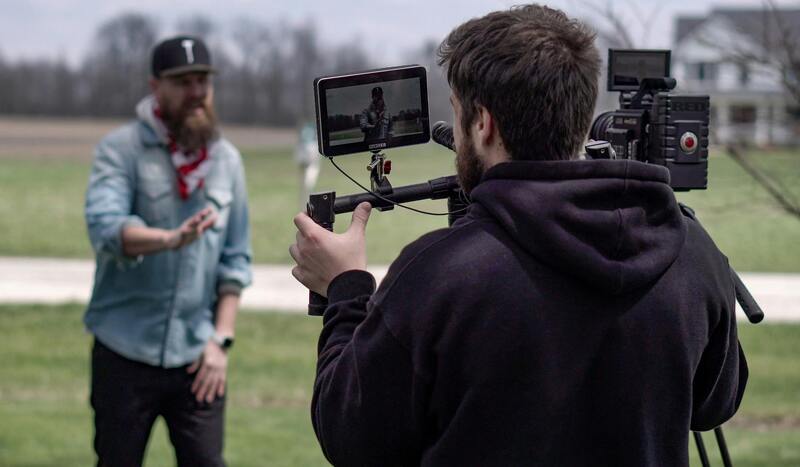
Choosing the right camera settings is equally essential. Using a wide-angle lens allows capturing more of a room or outdoor scene within a single frame, providing a sense of space. Maintaining a low ISO setting reduces graininess, resulting in sharper images. A tripod ensures stability, especially in low-light conditions, preventing unwanted motion blur and achieving crisp, professional results.
Post-processing should be approached with restraint. Adjustments for brightness, contrast, and color balance can enhance the visual appeal without misrepresenting the property. Cropping to eliminate distractions and focusing on the main features helps create a clean, uncluttered presentation that holds buyer interest.
Levels of detail should be prioritized, starting with wide shots that establish context, followed by focused images of key assets such as modern kitchens, spa-like bathrooms, or scenic outdoor areas. A strategic order of images across listings creates a logical narrative, guiding prospective buyers through the property and emphasizing its best attributes.
In addition to technical proficiency, understanding the target audience allows tailoring images to resonate with specific buyer profiles. For luxury homes, showcasing high-end finishes and exclusive amenities through carefully curated photos can elevate desirability. Conversely, for family-friendly properties, emphasizing spaciousness and outdoor recreational zones enhances emotional appeal.
Careful staging also complements photography efforts. Clutter-free spaces with neutral decor enable viewers to envision their own lifestyle in the home. Adding subtle accents like fresh flowers or tasteful artwork can infuse warmth and personality into images, making listings more memorable.
Finally, consistency in style and quality across all photos ensures a cohesive marketing approach. Standardized shooting techniques, color grading, and editing parameters cultivate a professional image that builds trust among prospective buyers and agents alike. When each photo adheres to these rigorous standards, the overall presentation of the property becomes more compelling, increasing engagement and accelerating the sales process.
Maximizing Impact with Proper Lighting and Composition
Achieving professional-grade real estate marketing photos begins with mastering fundamental photography techniques, particularly lighting and composition. Natural light plays a crucial role in showcasing a property’s true colors and spatial relationships. To incorporate optimal lighting, it is advisable to schedule shoots during times of day when sunlight illuminates the space without creating harsh shadows or glare, typically during early morning or late afternoon. Supplementing natural light with well-placed artificial lighting can eliminate dark corners and highlight key features.
Compositionally, attention should be paid to framing, horizon levels, and the rule of thirds to create visually appealing images. Wide-angle lenses are frequently employed to capture more of the space, but distortion should be managed carefully to avoid misrepresenting room sizes. Decluttering the space prior to photographing ensures that focus remains on its core attributes. Objects such as personal belongings or clutter can distract viewers and diminish the property’s appeal.
Enhancing Photos Through Editing and Post-Processing
Post-processing is a vital phase where raw images are refined to meet industry standards and market expectations. Adjustments such as brightness, contrast, and color balance ensure that photos accurately reflect the property’s appearance while also making them more vibrant. Corrective edits can eliminate minor imperfections like lens flare, uneven lighting, or red-eye, resulting in cleaner images.
Color grading techniques can also be employed to establish a consistent aesthetic across all listing photos. Consistency enhances brand recognition and professionalism, particularly when multiple properties are marketed by the same agency. Advanced editing software allows for precise adjustments without compromising authenticity, maintaining the trust of prospective buyers.

Optimizing Images for Different Listing Platforms
Different online platforms and marketing channels often require specific image specifications to ensure optimal display. Image sizing, resolution, and file formats should be tailored for each platform to enhance user experience and engagement. High-resolution images are essential for website galleries, enabling viewers to zoom in on details without pixelation.
Compressing images appropriately ensures faster load times without sacrificing quality, which is especially important for mobile users. Additionally, adding descriptive alt tags with relevant keywords—notably “real estate marketing photos”—can improve SEO rankings, making listings more discoverable in search engine results.

Implementing Branding Consistency in Property Photography
Maintaining a consistent aesthetic across all listing images reinforces brand identity and builds trust with clients. This involves establishing standardized shooting protocols, such as specific angles, color profiles, and staging guidelines. Consistent branding in photographs signals professionalism and attention to detail, which can be decisive factors for prospective buyers.
For agencies with multiple agents or platforms, implementing a comprehensive style guide ensures uniformity. Incorporating elements like logo watermarks subtly into images can also safeguard visual content while boosting brand recognition.
Enhancing Real Estate Listings with Expert Photo Editing and Optimization
High-quality real estate marketing photos do not end with their initial capture. Post-processing plays a critical role in elevating property images from good to exceptional. Advanced editing techniques, including color correction, brightness, and contrast adjustments, help ensure each photo accurately represents the property's ambiance and features. When employed correctly, these adjustments eliminate unwanted shadows or glare, providing a clear, inviting visual experience that compels potential buyers to explore further.
One of the most valuable tools in real estate photography is High Dynamic Range (HDR) imaging. HDR combines multiple exposures to create a balanced image that displays both interior and exterior details with clarity. This technique is particularly effective in spaces with challenging lighting conditions, such as rooms with windows or dimly lit corridors, highlighting the property's best features without overexposure or underexposure.
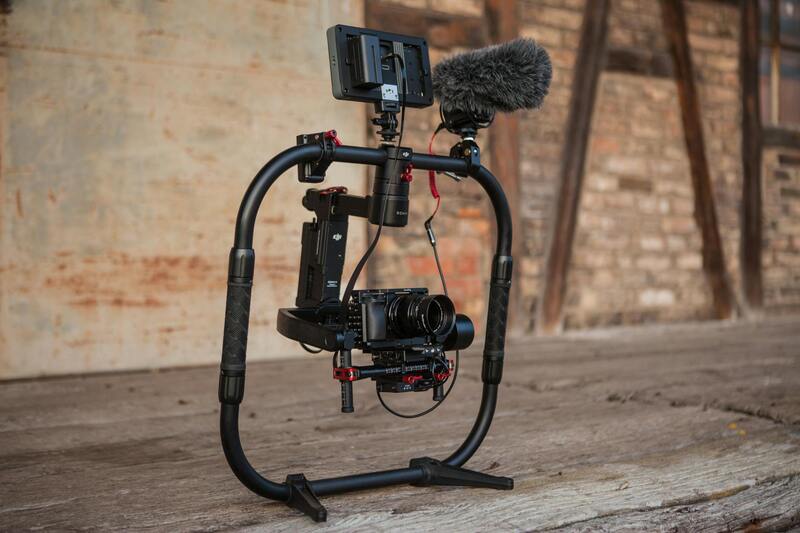
In addition to HDR, virtual enhancements such as removal of minor imperfections or distracting objects through digital retouching can significantly improve listing photos. This meticulous virtual staging ensures the focus remains on the property's strengths, presenting a polished appearance that draws potential buyers' attention.
Optimization for online platforms involves careful consideration of image size, resolution, and file format. High-resolution images, typically ranging from 1,200 to 2,500 pixels on the longest side, allow prospects to zoom in on details without loss of quality. Simultaneously, compressed file sizes facilitate faster loading times, crucial for maintaining user engagement on mobile devices and slow internet connections.
Properly optimized images also include the use of descriptive alt tags embedded with relevant keywords, such as 'professional real estate marketing photos'. These tags enhance visibility in search engine results, making listings more discoverable and increasing overall traffic. Integrating these optimized visuals into property descriptions and marketing campaigns ensures consistent branding and a professional appearance that builds trust with prospective buyers.

Ultimately, quality post-processing and strategic optimization of real estate marketing photos are essential components of a comprehensive property marketing strategy. They ensure the images not only attract attention but also convey a credible and attractive presentation of the listing, leading to increased interest and faster sales cycles. When paired with professionally captured photos, these post-production enhancements form a compelling visual story that aligns with the overall marketing goals.
Effective Use of Virtual Tours and 3D Virtual Staging
In the competitive landscape of real estate marketing, immersive visual experiences significantly enhance the appeal of property listings. Virtual tours and 3D virtual staging stand out by offering prospective buyers an interactive and comprehensive view of a property without the need for physical visits. These technologies serve not only to showcase a home's spatial layout but also to evoke an emotional connection, encouraging faster decision-making.
High-quality virtual tours involve detailed, high-resolution panoramic images that allow viewers to navigate through each room seamlessly. Incorporating smooth transitions, informative hotspots, and accurate lighting conditions helps create an authentic experience that reflects the property's true character. When executed effectively, virtual tours increase engagement, broaden reach to out-of-area buyers, and reduce the number of unqualified in-person visits.
3D virtual staging further enhances online listings by digitally furnishing spaces with realistic furniture and decor. This process helps buyers visualize the potential of an empty or outdated property, emphasizing its capacity to meet their lifestyle needs. Virtual staging also allows for flexible design styles, enabling agents to tailor visual presentations to specific target audiences, and to update images swiftly if property features or market preferences change.
Best Practices for Creating Engaging and Professional Photos
Capturing compelling real estate photos requires a meticulous approach to both technical execution and artistic composition. Professionals prioritize achieving optimal lighting conditions, often by shooting during the day when natural light fills the rooms. Properly balanced lighting reduces shadows and highlights the property's best features.
Staging the property beforehand ensures that each space appears inviting and uncluttered. Emphasizing key focal points, such as a fireplace, view, or kitchen island, draws attention to the property's strengths. Using wide-angle lenses helps showcase the expansiveness of rooms, but care must be taken not to distort perspective or misrepresent space.
To maintain consistency and quality, photographers employ a systematic approach, including setting each shot at the correct height and angle, ensuring even vertical lines, and capturing multiple exposures to facilitate HDR processing. Post-processing plays a pivotal role in refining images—correcting color balance, removing minor imperfections, and enhancing details to make each photo as attractive as possible.
High-resolution images should be optimized for online platforms by balancing clarity with quick load times. Employing proper file formats, such as JPEG for photos, and compressing images without compromising quality contribute to a seamless browsing experience. Embedding descriptive alt tags with relevant keywords further improves search engine visibility, ensuring that real estate listings reach targeted audiences effectively.
Advanced Techniques for Effective Real Estate Photography
Employing advanced techniques elevates the quality and appeal of real estate marketing photos, ensuring they stand out in a competitive marketplace. One such method is the strategic use of HDR (High Dynamic Range) imaging, which involves capturing multiple exposures of a scene to balance shadows and highlights. This technique is especially valuable in interiors with contrasting lighting conditions, such as bright windows against darker rooms, as it renders a more comprehensive and realistic image.
Mastering the art of composition is equally vital. Photographers often leverage leading lines, symmetry, and framing to guide viewers' eyes toward focal points like a stunning fireplace or panoramic view. Properly framing shots to highlight the property's best features while minimizing distractions creates a polished and compelling presentation. Attention to detail extends to choosing the optimal time for shooting—early morning or late afternoon appointments can provide soft, warm lighting that enhances textures and colors.

Use of tilt-shift lenses can correct perspective distortions in architectural photography, maintaining vertical lines and ensuring the property appears true to scale. Additionally, employing consistent color grading across a series of images helps establish a cohesive look that aligns with the property's branding, making listings more recognizable and professional.
Leveraging Lighting Equipment for Superior Results
While natural light is ideal, supplementing with professional lighting equipment can drastically improve the quality of interior shots. Portable flashes, softboxes, and reflectors diffuse light evenly, eliminating harsh shadows and ensuring that every area appears inviting and well-lit. Skilled photographers often use off-camera flash systems synchronized with camera settings to fine-tune illumination, bringing out textures and colors that can be lost in poor lighting conditions.
Consistency and False Perspective Avoidance
Consistency across a portfolio enhances credibility. This is achieved through standardized camera angles, heights, and lenses, which help viewers better understand the size and layout of the space. Overly wide-angle lenses can distort perspective, making rooms appear larger or smaller than reality, which is why careful selection of focal lengths is necessary. Adhering to a systematic approach minimizes discrepancies and presents a truthful visual story of the property.

Post-processing is another critical component in refining real estate photographs. Professional editing ensures optimal color accuracy, sharpness, and removal of minor imperfections such as dust spots or temporary shadows. Procuring high-resolution images that are compressed appropriately enables fast loading on listing websites without sacrificing detail, thereby enhancing user experience and engagement.
Implementing a Multi-Channel Marketing Strategy
Optimized images should be integrated seamlessly into broader marketing campaigns. This includes social media posts, email newsletters, and dedicated property websites, where high-quality visuals can be leveraged to attract and engage potential buyers. Crafting image galleries that provide virtual walkthroughs or interactive experiences through 3D tours further complements traditional photographs, catering to different browsing preferences and increasing the likelihood of inquiries.
Ultimately, consistently applying these advanced techniques ensures that real estate photos fulfill their primary role: making properties look their absolute best while providing an honest representation aligned with buyer expectations. High-caliber images serve as powerful tools to generate interest, facilitate faster sales, and establish trust in the brand behind the listings.