

Importance of Quality Real Estate Listing Photos
In today’s competitive real estate market, the significance of high-quality listing photos cannot be overstated. These images serve as the first impression of a property, capturing its essence and enticing potential buyers to explore further. Well-crafted photographs not only draw more attention to a listing but also play a critical role in accelerating the sales process and achieving optimal pricing.
In an age where digital browsing dominates property searches, the visual appeal of a listing can determine whether a prospective buyer clicks to learn more or scrolls past. High-resolution, professionally captured images showcase the property’s best features, such as spacious living areas, modern kitchens, and appealing outdoor spaces, creating an emotional connection that can motivate swift action.
Moreover, superior listing photos can increase engagement on various online platforms, resulting in higher visibility and more inquiries. This heightened interest can lead to multiple offers and streamline negotiations. In essence, investing in premium real estate listing photos is a strategic move to maximize a property’s market potential and reduce the time it spends on the market.

Advantages of High-Quality Listing Photos
- Enhanced first impressions that differentiate your listing from others
- Increased online traffic and viewer engagement
- Higher likelihood of in-person showings
- Potential to command higher offers based on visual presentation
- Reduced time on the market, leading to quicker transactions
Utilizing professional photography to produce compelling images is an essential component of a successful real estate marketing strategy. It ensures that each property maximizes its visual potential, captures the attention of discerning buyers, and facilitates a smoother sale process.
Preparing the Property for Photography
Before capturing the perfect shots, meticulous preparation of the property is essential to ensure every image highlights the space's full potential. This involves decluttering all areas to create a clean, inviting appearance that allows prospective buyers to envision themselves in the home. Removing personal items such as family photographs, scattered belongings, and excessive decor prevents distractions and maintains a neutral atmosphere conducive to marketing.
Attention to detail extends to minor repairs—fixing dripping faucets, replacing burnt-out bulbs, and straightening furniture—so that the property appears well-maintained and move-in ready. Ensuring the property is thoroughly cleaned, including carpets, windows, and surfaces, enhances the overall aesthetic and results in sharper, more vibrant images.
Proper staging also plays a critical role. Arrange furniture to maximize space and flow, accentuate focal points like fireplaces or large windows, and incorporate tasteful accents that complement the home’s style. When the property is prepared to look its absolute best, the resulting photographs can truly capture its essence and appeal.
Furthermore, scheduling the shoot during optimal lighting conditions is vital. Planning sessions during late morning or early afternoon guarantees abundant natural light, which brightens the space and reduces reliance on artificial lighting. Weather considerations also influence exterior shots; clear, sunny days offer the most inviting outdoor images.
Finally, coordinating with the photographer to understand the property's features and highlights ensures that essential elements are emphasized, adding depth and context to each frame. Thoughtful preparation transforms a simple space into a compelling visual story for prospective buyers.

Best Practices for Shooting Real Estate Photos
Executing high-quality real estate photography requires adherence to specific best practices aimed at capturing the space in its best light. First, wide-angle lenses are indispensable for portraying rooms accurately, making spaces appear larger and more inviting without distortion. It is crucial to keep the camera level and to avoid exaggerated angles that can mislead viewers.
Lighting remains a dominant factor in achieving vibrant images. Leveraging natural daylight, complemented by strategically placed artificial lights, creates an even, warm glow that accentuates textures and colors. Shooting during daylight hours ensures minimal shadows and optimal brightness.
Composition also plays a pivotal role. Employing the rule of thirds positions focal points effectively within the frame, drawing viewers' eyes naturally across the image. Including elements like open doorways, views through windows, or inviting outdoor spaces gives additional spatial context.
Maintaining a consistent style across all images fosters a cohesive and professional presentation. This consistency helps viewers develop a clear understanding of the property’s layout and features.
Posture of the photographer is equally important. Using a tripod minimizes camera shake and ensures sharp images, particularly in lower light conditions. Multiple shots from different angles provide variety and allow selection of the most compelling images for the listing.
Ultimately, adherence to these practices—paired with a keen eye for detail—guarantees that each photograph robustly represents the property's appeal, encouraging prospective buyers to engage further.
Official Methods for Enhancing Real Estate Listing Photos
To effectively showcase a property, real estate professionals should rely on a suite of legitimate techniques that emphasize the property's strengths while maintaining honest representation. One primary method involves the use of high-quality camera equipment optimized for real estate photography, such as DSLR or mirrorless cameras with wide-angle lenses. These tools enable capturing broad spatial views without distorting proportions, offering viewers an accurate sense of room size and layout.
Natural lighting should be maximized whenever possible. Shooting during daylight hours with clear weather allows for bright, evenly lit images that vividly represent interior colors and textures. Supplementing natural light with professional-grade artificial lighting, like softboxes or LED panels, can mitigate shadows and enhance focus on key features without overexposure or unnatural hues.
Properly staging the property is another vital approach that can be achieved through meticulous decluttering and furniture arrangement. These steps help potential buyers visualize the property's potential, portraying each space in its best light without misleading viewers. It is vital that staging aligns with the property's style and target market to create an inviting, authentic atmosphere.
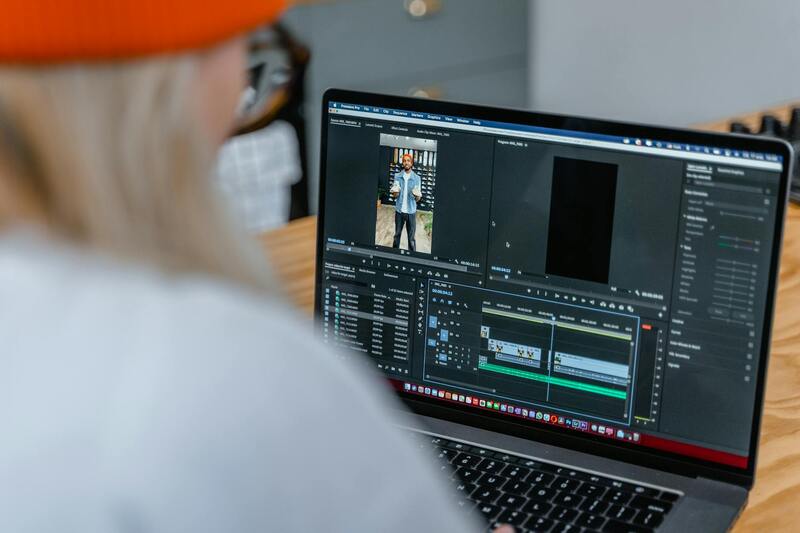
Post-processing techniques should be performed using reputable photo editing software, focusing on enhancing image clarity, correcting color balance, and removing minor imperfections. Adjustments must be subtle enough to preserve the realistic appearance of the property, avoiding any alterations that could mislead viewers. Maintaining consistency in editing style across all listing images helps establish a professional, trustworthy presentation.
Implementing VR and 3D Tours
Another modern approach involves integrating virtual reality (VR) and 3D virtual tours into the listing. These immersive experiences provide prospective buyers with a comprehensive view of the property, reducing the need for numerous in-person visits. To ensure authenticity, the creation of these virtual assets should be executed using legitimate, industry-standard software and equipment, with attention to detail preserving the actual spatial dimensions and features of the property.
Finally, partnering with certified professional photographers who specialize in real estate ensures adherence to established standards and techniques. These professionals utilize their expertise to capture compelling images that accurately reflect the property's features, ultimately fostering greater trust and engagement from potential buyers.
Advanced Techniques for Enhancing Real Estate Listing Photos
To ensure that property images stand out in a competitive market, real estate professionals and property owners should leverage advanced photography techniques that emphasize the property’s best features and create a compelling visual story.
One effective method involves the use of HDR (High Dynamic Range) photography. This technique captures multiple shots at different exposure levels and merges them to produce images with balanced lighting, revealing both shadowed and illuminated areas. HDR is particularly useful in rooms with mixed lighting conditions or large windows, ensuring the interior remains vibrant and inviting.
Another important aspect is strategic composition. Framing shots to include key architectural details, unique features, and desirable views can significantly influence buyer perception. Emphasizing these elements through deliberate camera angles can highlight the property's strengths and mask less desirable areas. Utilizing a tripod ensures stability and accuracy in framing, especially when shooting in low-light conditions or at slower shutter speeds.
Lighting plays a pivotal role in real estate photography. Utilizing natural light as much as possible creates a warm and welcoming ambiance. During shooting, scheduling sessions during optimal daylight hours—typically late morning or early afternoon—maximizes the availability of natural light. Supplementing with professionally calibrated artificial lighting can enhance interior brightness without creating harsh shadows or color imbalance.
Adopting a systematic approach to staging and photographing each room ensures consistency and coherence across the listing. For instance, placing furniture and decor in a way that accentuates space and flow, while avoiding clutter, helps potential buyers visualize the property's potential. Precision in shooting angles ensures that rooms appear spacious and proportionate, avoiding distortion often caused by wide-angle lenses at close distances.
Finally, meticulous attention to detail during the shoot, such as adjusting perspective lines and aligning verticals, facilitates a professional appearance. These techniques collectively contribute to a high-quality, authentic visual presentation that resonates with prospective buyers and enhances engagement.
Incorporating Visual Aids for Greater Impact
Implementing visual aids such as aerial drone imagery can provide unique perspectives, especially for properties with expansive outdoor areas or desirable surroundings. These images can showcase the property's environment and proximity to amenities, adding context that static interior shots cannot capture.
Similarly, 360-degree panoramic shots enable viewers to explore a space interactively, giving them a sense of immersion and spatial understanding. When combined with traditional photography, these tools create a comprehensive visual narrative that appeals to a wide audience.
Enlisting capable professionals with experience in these advanced techniques ensures the production of images that are not only visually stunning but also reflective of the authentic character of the property. This comprehensive approach fosters transparency and builds trust among potential buyers, making the property stand out in a crowded market.
Enhancing Listing Photos Through Professional Editing
To maximize the visual impact of real estate listing photos, meticulous post-processing is essential. Professional editing techniques focus on refining image quality to ensure each photograph accurately represents the property's features and ambiance. Adjustments in color balance remove any undesirable tint or cast, creating a warm, inviting atmosphere that appeals to prospective buyers. Brightening images enhances natural light, emphasizing spaciousness and highlighting architectural details.
Furthermore, correcting perspective distortions ensures vertical lines such as walls, doorframes, and window frames appear straight and true-to-life, lending a polished look to each shot. Cropping and straightening images help eliminate distractions at the edges, ensuring the viewer's focus remains on the property's key elements. Removing minor imperfections, such as dust spots, surface reflections, or temporary objects, enhances overall clarity and professionalism.

Leveraging advanced editing tools, such as local adjustments and layered retouching, allows photographers to subtly enhance textures, colors, and lighting without compromising the authenticity of the scene. This careful balance is crucial for fostering trust with potential buyers, as it ensures the images accurately reflect the property's true condition and appearance.
The Significance of Quality in Digital Optimization
Once images have been expertly edited, their optimization for online platforms becomes paramount. High-resolution photos should be compressed appropriately to maintain clarity while ensuring quick load times on websites and mobile devices. Using appropriate file formats, like JPEG or WebP, enables swift delivery of images without sacrificing quality.
Implementing descriptive file names and relevant alt text can improve search engine rankings, increasing the property’s visibility in digital searches. Furthermore, incorporating the optimized images into virtual tours, social media listings, and email campaigns enhances the property's overall marketing appeal. Consistency in image presentation across all digital channels reinforces professionalism and brand recognition for Miami-based real estate professionals.

Tailoring images to fit various platform specifications guarantees optimal visual quality regardless of device or display size. For example, square images are effective for social media feeds, while panoramic shots excel in immersive virtual tours. Consistent, professional digital presentation helps build credibility and encourages engagement from potential buyers, ultimately speeding up the sales process by making properties stand out in a competitive Miami real estate market.
Legal and Ethical Considerations in Real Estate Photography
Maintaining ethical standards and adhering to legal guidelines are integral to producing reliable and trustworthy real estate listing photos. Authentic representation is critical to ensure potential buyers receive a true depiction of the property's condition and features. This involves capturing images that accurately reflect the space without deceptive enhancements or omissions that could mislead viewers.
It is important to secure proper permissions before photographing private properties, especially in cases involving tenants or restricted areas. Ensuring that consent is obtained from property owners or authorized personnel safeguards against potential disputes and maintains professional integrity. Clear communication regarding the scope of the photography, including which areas will be featured, helps set expectations and prevents misunderstandings.
Respecting privacy is another key aspect. Photographers should be cautious to exclude or obscure any personal belongings or sensitive information visible in the images. This not only preserves privacy but also enhances the property's appeal by highlighting its best features without intrusion.
Furthermore, the use of necessary permits or licenses for drone photography and advanced equipment should adhere to local regulations governing aerial shots and commercial photography. Proper licensing ensures compliance with airspace regulations and safety protocols, reducing legal risks and fostering trust with clients.

Photography professionals should also be transparent about post-processing techniques. Clearly indicating when images have been enhanced ensures prospective buyers understand what to expect and maintains transparency. Overly altered images that diverge significantly from reality can lead to disappointment or mistrust once potential buyers view the property physically. Upholding integrity through honest presentation supports long-term relationships and a positive reputation in the local real estate community.
By aligning with ethical practices and respecting legal boundaries, real estate agents and photographers contribute to a transparent and professional market environment. This approach not only fosters trust among clients and buyers but also enhances the overall credibility of Miami’s vibrant real estate sector, attracting serious buyers who value integrity and accurate information.
Enhancing Listing Photos with Accurate and Ethical Digital Optimization
Once high-quality images are captured, their digital optimization becomes a crucial step in ensuring maximum impact and engagement. Properly optimized listing photos not only improve the property's online presentation but also enhance its discoverability in search engine results, attracting a broader audience of prospective buyers.
Optimizing Images for Web Performance
Fast-loading images are essential for a seamless browsing experience. Large, uncompressed files can slow down website responsiveness, potentially causing visitors to lose interest or abandon the listing altogether. To prevent this, real estate professionals should compress images using efficient formats like WebP or optimized JPEGs, which reduce file sizes without sacrificing visual quality. Implementing lazy loading techniques ensures images load progressively as users scroll, further boosting page speed and user satisfaction.
Applying SEO Strategies to Listing Photos
Integrating SEO best practices into image optimization can significantly enhance online visibility. Descriptive, keyword-rich file names should be used—such as "luxury-3-bedroom-home-miami.jpg"—to help search engines understand the content. Additionally, assigning relevant alt text not only improves accessibility for users with disabilities but also provides context for search algorithms. This practice supports higher ranking in image search results, increasing exposure for property listings among potential buyers actively searching online.

Utilizing Structured Data for Enhanced Listings
Implementing structured data markup, such as Schema.org tags, allows search engines to better interpret listing images and associated property information. This can lead to enhanced display features like rich snippets, which showcase multiple images, prices, and other relevant details directly in search results. Such visualization not only increases click-through rates but also provides prospective buyers with instant, valuable insight into the property—ultimately driving more qualified leads.
Maintaining Visual Consistency and Branding
Consistency across all listing photos establishes a professional appearance and reinforces brand identity. Using similar filters, lighting, and framing techniques ensures the property's images are cohesive, making the listing more appealing visually. This uniformity conveys a sense of reliability and attention to detail, which are highly valued traits in the real estate market.
Adherence to Ethical Standards in Digital Presentation
While optimizing images for digital platforms, it remains essential to respect the honest representation of the property. Excessive editing or overuse of filters that distort reality can undermine trust and lead to dissatisfaction once viewers see the property in person. Transparency about post-processing techniques and maintaining authenticity in digital presentation are vital in fostering credible, long-term relationships with clients and buyers.
Through meticulous digital optimization combined with unwavering dedication to authenticity, real estate agents and photographers in Miami can significantly enhance their property listings' online attractiveness and credibility. These practices support a transparent marketplace, leading to increased engagement and more successful transactions.
Effective Strategies for Enhancing Real Estate Listing Photos
Utilizing Advanced Equipment and Techniques
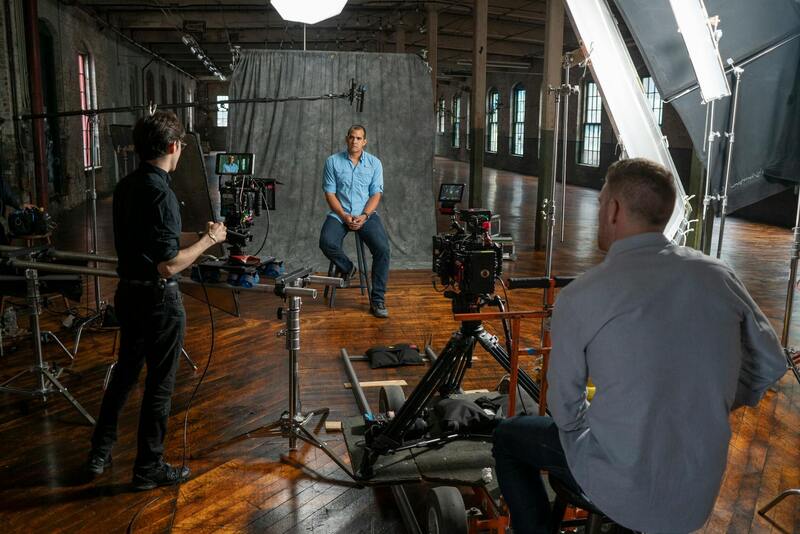
The quality of real estate listing photos greatly depends on the equipment and techniques employed during the shoot. High-resolution digital cameras equipped with wide-angle lenses are preferred to capture expansive views of interior spaces, allowing for a comprehensive presentation of each room. Tripods help maintain stability, reducing blurriness and ensuring a crisp, clear image. Additionally, proper lighting is crucial; employing external flashes or reflectors can help illuminate shadowed areas, providing a balanced, inviting atmosphere. In many cases, utilizing drone cameras offers unique aerial perspectives, showcasing the property’s exterior features and surrounding landscape from above, which can significantly attract interest from prospective buyers.

Implementing Effective Compositional Techniques
Composition plays a vital role in creating compelling listing images. Employing the rule of thirds helps position key features, drawing the viewer's eye naturally across the photo. Ensuring the horizon is level and lines are straight maintains visual harmony and prevents distractions that can detract from the property’s appeal. Including focal points such as a modern kitchen island, a scenic view from a window, or a landscaped backyard creates narratives that resonate with prospective buyers. Additionally, staging furniture to highlight the space’s potential and removing clutter ensure each shot presents the property in its best light without unnecessary distractions.
Mastering Lighting and Time of Day
Lighting is one of the most influential factors in real estate photography. Shooting during the golden hour—shortly after sunrise or before sunset—can imbue images with a warm glow that enhances visual appeal, especially for exterior photos. For interior shots, utilizing natural light from windows combined with professional lighting setups minimizes shadows and highlights architectural details. Properly balanced exposure ensures that neither the bright nor shadowed areas are over- or underexposed, creating balanced, vibrant images that invite potential buyers to explore further.
Optimizing for Different Digital Platforms
Listing photos should be optimized for various online platforms to maximize visibility and engagement. High-resolution images need to be compressed without losing quality, ensuring quick load times across website listings and social media. Additionally, creating multiple versions tailored for different screen sizes ensures that images display correctly on desktops, tablets, and smartphones, offering a seamless browsing experience. Incorporating descriptive file names and alt text further enhances search engine visibility, helping listings appear prominently within local real estate searches and increasing traffic to the property’s digital presence.
Maintaining Ethical Standards and Transparency
While enhancing images digitally, it is imperative to maintain a truthful representation of the property. Avoiding overly edited photos that misrepresent the actual condition prevents potential misunderstandings and establishes trust with prospective buyers. Transparency about the editing process and ensuring consistency between online images and the actual property helps foster credibility. This honesty encourages buyers to view the property with realistic expectations, streamlining the sales process and reinforcing long-term professional relationships.