

Importance of Professional Real Estate Listing Photography
In the highly competitive real estate market, the presentation of a property can make the difference between a quick sale and lingering on the market for months. High-quality real estate listing photography plays a pivotal role in creating compelling first impressions online, where the vast majority of potential buyers begin their property search. =Visual appeal is a critical factor that influences perceived value, attractiveness, and desirability of a home. Well-crafted images can highlight the property's strengths, showcase unique architectural details, and make potential buyers envision themselves living there. This is especially vital in markets like Miami, where vibrant lifestyles and luxurious properties dominate, demanding visuals that capture the essence of the locale and the property’s exclusivity.

Research indicates that listings with professional images tend to receive significantly more views and inquiries, resulting in faster sales cycles. High-quality photos serve as a visual trust signal, reflecting the seller’s commitment to quality and professionalism. They also mitigate potential misconceptions by accurately representing a property’s size, layout, and features. This transparency helps manage buyer expectations beforehand, leading to more serious inquiries and smoother negotiations. Furthermore, professionally captured images are more likely to be shared across social media and other marketing channels, broadening the reach of property listings.
Key Elements of Effective Listing Photos
- Lighting: Proper lighting ensures clarity and vibrancy, highlighting the home’s best features and creating inviting atmospheres.
- Composition: Strategic framing and angles emphasize spaciousness and architectural beauty, while de-emphasizing flaws or distractions.
- Showcasing Space: Wide-angle lenses capture more of each room, providing a comprehensive view that helps buyers understand floor plans and room proportions.
- Consistency: Maintaining a uniform style across all images enhances professionalism and flow within online listings.
- Staging: Before photographing, homes should be decluttered, well-lit, and styled to maximize visual impact, with furniture arranged to showcase the room’s purpose and flow.
Advocating for Professionalism and Compliance
Investing in skilled real estate photographers guarantees adherence to best practices that abide by industry standards and ethical guidelines. These professionals utilize advanced equipment, such as high-resolution cameras, drone technology for aerial shots, and post-processing techniques that refine images without misrepresenting the property. Compliance with legal and ethical standards ensures that photography remains honest and transparent, fostering trust and credibility with clients and buyers alike. In areas like Miami, where luxury and high-value properties require exceptional presentation, engaging certified and experienced photographers ensures listings consistently meet high expectations.
Maintaining Consistency and Brand Identity in Listing Photos
When curating real estate photographs, a uniform aesthetic across all images is essential to establish a professional and trustworthy presentation. Consistency in lighting, color tones, and perspective not only enhances visual flow but also reflects the property’s caliber and the professionalism of the listing agent. Homeowners and potential buyers alike develop perceptions based on visual cues; thus, a cohesive style improves brand recognition and fosters viewer confidence.
Achieving this uniformity begins with establishing a standardized approach to camera settings and shooting techniques. For example, selecting a consistent aperture, ISO, and white balance ensures color and clarity remain stable throughout an entire shoot. Post-production adjustments should also follow a predefined color correction palette to align all images, avoiding mismatched tones that can distract or confuse potential buyers.
Effective Use of Lighting and Composition
Lighting is a core element in real estate photography. Natural light should be utilized whenever possible, complemented by supplementary fixtures to brighten shadowed areas without creating unnatural effects. Proper lighting accentuates architectural features, highlights the home’s ambiance, and provides accurate color representation. Composition techniques such as the rule of thirds, leading lines, and strategic framing guide the viewer’s eye, emphasizing the property’s strengths and minimizing distractions.
Angles should be chosen carefully to showcase the spatial dimensions and flow of rooms. Vertical lines must be aligned correctly to prevent a skewed perspective, especially in shots that highlight high ceilings or expansive windows. These details contribute to a polished, appealing image that invites engagement from prospective buyers.
Utilizing Staging to Enhance Visual Appeal
Staging plays a vital role in real estate photography. Properly styled interiors with well-placed furniture, decor, and organization can dramatically improve the perception of space and functionality. Homes should be decluttered and lightly furnished to allow viewers to envision themselves living in the space, while also drawing attention to architectural details and layout.
Photographers must pay close attention to the timing of the shoot, aiming to capture rooms when natural light is at its peak. Ensuring that each shot captures the room from the most flattering angles helps maintain a consistent visual narrative that highlights the property’s best features.
Leveraging Advanced Equipment and Techniques
Employing professional tools such as high-resolution DSLR or mirrorless cameras, drone technology, and tripod stabilizers significantly improves image quality. High dynamic range (HDR) photography allows for balanced exposure, ensuring details are visible in both bright and shadowed areas. Aerial shots captured via drone can provide impressive views of the property’s exterior and landscape, adding an extra dimension to listings.
Post-processing software like Adobe Lightroom or Photoshop helps refine images further. Adjustments can be made to brightness, contrast, and color tones to maintain consistency and make the images more appealing without misrepresenting the property. Professional editing ensures each photograph aligns with a brand’s aesthetic and enhances visual storytelling.
Implementing a Strategic Shooting Schedule
Timing the shoot during optimal lighting conditions—usually mid-morning or late afternoon—can dramatically improve image quality. Planning ahead minimizes the risk of inconsistent lighting and shadows, especially in exterior shots. A comprehensive shoot plan, including specific shots of key spaces and exterior views, ensures thorough coverage of the property’s features and a cohesive visual narrative.
Conclusion
In the competitive Miami real estate market, high-quality listing photographs are a vital component of successful property marketing. Professionalism, consistency, and attention to detail in each image foster trust, highlight the property's unique features, and attract serious buyers. Incorporating advanced equipment, proper staging, and meticulous post-processing creates a compelling visual story that elevates each listing, making it stand out in a crowded marketplace.
Enhancing Real Estate Listings Through Strategic Photography Techniques
Achieving superior real estate listing photography requires more than just capturing high-resolution images; it involves deliberate techniques that maximize visual appeal and accurately represent the property’s potential. Professionals employ a range of methods, such as utilizing wide-angle lenses to encompass more of a room’s interior within a single shot, allowing viewers to perceive spatial relationships more effectively. This approach minimizes distortion while providing an expansive view that makes spaces feel larger and more inviting.
Natural lighting plays a crucial role in setting the mood and showcasing a property’s features authentically. Photographers often schedule shoots during times when sunlight is optimal—typically mid-morning or late afternoon—to leverage the soft, even light that reduces harsh shadows and highlights interior details. Prompt planning for exterior shots ensures the house appears welcoming, with well-lit facades and landscape features that set a positive tone for the listing.
High Dynamic Range (HDR) techniques are also vital, especially in environments with challenging lighting contrasts such as bright windows and shadowed corners. By capturing multiple exposures and blending them seamlessly, photographers create images that reveal details in both highlights and shadows, delivering a balanced and vivid representation of interiors and exteriors.
Post-processing software enhances these images further, allowing adjustments to brightness, contrast, and color balance for consistency across the entire listing. Professional editing ensures that each shot aligns with the property’s aesthetic, emphasizing its best features without misrepresentation. It also helps remove minor imperfections and unwanted distractions, resulting in polished visuals that appeal to prospective buyers.
Equipped with advanced tools such as drone-mounted cameras, photographers can provide aerial perspectives that emphasize the property's parcel size, landscape, and surrounding amenities. Aerial shots give viewers a comprehensive understanding of the property’s external context, often persuading buyers by illustrating proximity to local points of interest or outdoor spaces.
Effective Property Staging and Preparation
Before photography begins, a thorough staging process ensures that the property looks its best. Decluttering and minor repairs can dramatically improve the presentation, while consistent decor and neutral tones appeal to a broad audience. Professionals often advise on maximizing natural light and arranging furniture to accentuate the flow and functionality of each space.
Furthermore, preparing the property for a photoshoot involves securing the area, turning on all relevant lights, and opening curtains or blinds to allow maximum light entry. These preparations help achieve clear, bright images that highlight the property's strengths and create an inviting atmosphere.
Optimizing Digital Presentation for Maximum Impact
Once captured, images need to be optimized for online listing platforms. Resizing and compressing files without compromising quality ensures fast loading times, which is essential for maintaining viewer engagement. Incorporating descriptive file names and metadata also improves searchability in online databases.
High-quality, well-composed images can be complemented by virtual staging options, where digital furniture placement helps prospective buyers visualize furnished spaces, especially in empty homes. Detailed floor plans and 3D renderings further enhance the online presentation, providing a comprehensive view of the property’s layout and features.
Conclusion
Implementing a combination of advanced photographic techniques, strategic staging, and meticulous preparation results in compelling listings that attract serious inquiries. Investing in professional real estate listing photography not only elevates the perceived value of a property but also accelerates the sales process by capturing attention with authentic, visually appealing images. In a competitive housing market like Miami, these efforts can significantly influence a property’s success and ensure it stands out amidst numerous listings.
Advanced Techniques and Equipment for Capturing Stunning Listing Photos
In the competitive arena of real estate marketing, leveraging advanced photographic techniques and professional-grade equipment can make a substantial difference in the appeal of a property listing. The choice of camera, lens, lighting, and supplementary tools directly influences the clarity, atmosphere, and overall quality of the images showcased to prospective buyers. High dynamic range (HDR) photography, for instance, is a method widely adopted to balance interiors with bright windows, ensuring neither shadows nor highlights detract from the scene's richness. This technique requires capturing multiple exposures and blending them with specialized software, resulting in well-exposed images that accurately reflect the property's true ambiance.
Wide-angle lenses are essential, as they allow photographers to capture more of a room within a single shot, giving a sense of space without distortion. Additionally, utilizing tilt-shift lenses can help correct perspective distortions when photographing larger rooms or exteriors, maintaining true-to-life proportions that accurately represent the property.
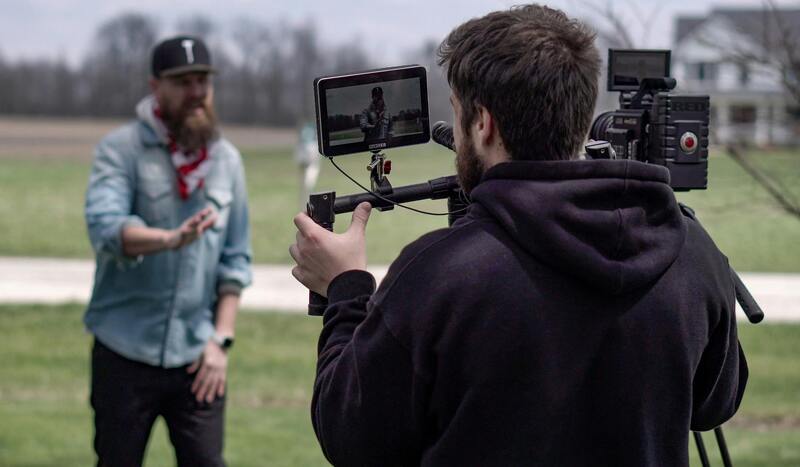
Lighting setup is vital. While natural light is preferable, in many cases, supplementary lighting fixtures such as softboxes, portable strobes, or LED panels are used to eliminate shadows and evenly illuminate every corner. Properly balanced lighting ensures that all essential details are visible and the space appears warm and welcoming. For exterior shots, the timing of the shoot—preferably during the golden hour—maximizes natural light, enhancing curb appeal with soft, flattering sunlight.
Tripods and remote shutter releases are standard equipment to maintain image sharpness, especially in low-light settings or when employing longer exposure times. Drones equipped with high-resolution cameras provide aerial views, offering potential buyers a comprehensive perspective of the property’s size, landscaping, and surrounding neighborhood. Aerial shots can be particularly compelling for large estates or properties with attractive outdoor features.
For consistent, high-quality results, many professionals also invest in post-processing tools. Techniques include color correction, perspective adjustments, and minor retouching to enhance the visual appeal without misrepresenting the property. High-resolution images optimized for online platforms not only load faster but also retain important details when viewed on different devices, increasing viewer engagement and interest.

Incorporating the right combination of skills, techniques, and equipment culminates in listing images that stand out. These images serve as a virtual handshake—instantly communicating the property's potential and encouraging prospective buyers to take the next step. In Miami's vibrant real estate market, such quality visuals are crucial for differentiating listings, capturing attention in a crowded digital space, and ultimately accelerating the sale process.
Importance of Professional Real Estate Listing Photography
In today’s competitive Miami real estate market, high-quality listing photography serves as a vital tool to attract potential buyers and accelerate sales. Professional images create a compelling first impression, highlighting the property's best features and providing a clear, accurate representation of the space. Well-executed photos can capture the essence of a home's interior and exterior, emphasizing architectural details, natural lighting, and the property's unique character. Quality images also enhance online visibility by making listings stand out amid dozens of other properties. Buyers increasingly start their property search online, where visuals play a central role in decision-making. Listings with professional photographs are more likely to garner clicks, inquiries, and showings, ultimately leading to quicker sales at desirable prices. Moreover, professional real estate photography builds credibility and trust. Buyers perceive high-quality visuals as a sign of a serious seller investing in the property's presentation. In a vibrant market such as Miami, where properties range from luxury condominiums to sprawling estates, professional imagery ensures your listing makes a lasting impression and appeals to discerning buyers seeking quality and authenticity. This strategic investment in captivating visuals can make the difference between a listing that languishes and one that sells swiftly and efficiently.

Key Elements of Effective Listing Photos
- Lighting: Utilizing natural light or professionally enhanced lighting to illuminate spaces evenly, avoiding harsh shadows and dark corners.
- Composition: Framing shots to showcase the property's layout, emphasizing spaciousness and flow, while avoiding clutter and distractions.
- Angles: Shooting from strategic vantage points to highlight the room's best features, such as high ceilings or panoramic views.
- Clarity and Focus: Ensuring each image is sharp and well-focused to depict details accurately and avoid graininess or blurriness.
- Consistency: Maintaining a uniform style and lighting across all images to present a cohesive and professional appearance.
- Highlighting Unique Features: Capturing architectural details, outdoor spaces, and premium finishes that add value to the property.
Techniques and Equipment for Real Estate Photography
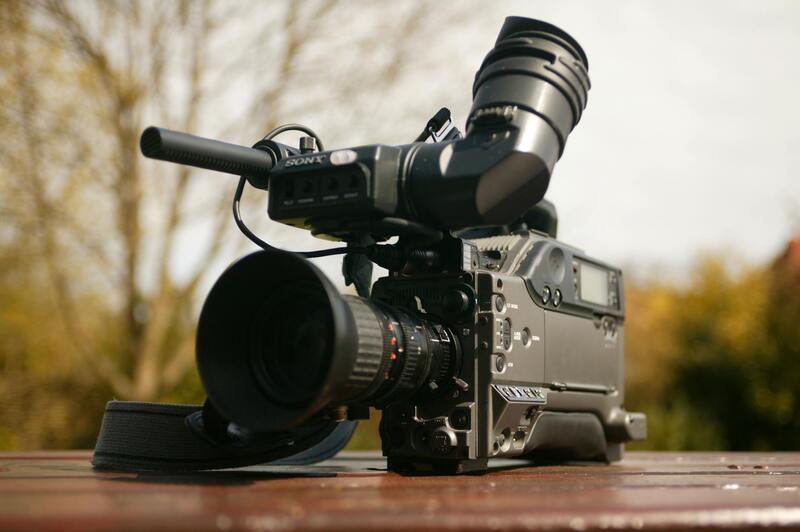
Professionals leverage specialized tools and techniques to produce striking listing images. The common equipment includes high-resolution DSLR or mirrorless cameras capable of capturing fine detail, even in challenging lighting conditions. Tripods are essential to ensure stability and enable longer exposures, which enhance image clarity and reduce motion blur. Drones equipped with high-resolution cameras expand the visual scope, providing breathtaking aerial shots that showcase property size, landscaping, and neighborhood context. The use of wide-angle lenses allows photographers to capture more of a room within a single frame, giving viewers a sense of scale. HDR (High Dynamic Range) photography combines multiple exposures to balance light and shadow, producing images that accurately depict interior brightness and outdoor lighting. Photo editing software like Adobe Lightroom and Photoshop further refine images through color correction, perspective adjustments, and minor retouching. These enhancements should preserve an authentic look, ensuring prospective buyers receive an honest portrayal of the property. This combination of advanced equipment and sophisticated techniques guarantees high-quality visuals aligned with market expectations, creating compelling listings that draw attention and generate inquiries.

Optimizando Fotos para Listados en Línea
Una vez que las imágenes de alta calidad han sido capturadas, el siguiente paso crucial es su optimización para su publicación en plataformas digitales de bienes raíces. La clave reside en asegurar que cada fotografía no solo sea visualmente impresionante, sino también adaptada para maximizar su impacto en los posibles compradores.
La compresión de archivos es esencial para reducir el tamaño de las fotos sin comprometer su resolución, lo que ayuda a disminuir los tiempos de carga en los listados en línea. Plataformas de bienes raíces, portales inmobiliarios y redes sociales demandan archivos con un equilibrio óptimo entre calidad y velocidad de carga. Utilizar formatos como JPEG de alta calidad o WebP puede mejorar significativamente la experiencia del usuario.
El etiquetado y la incorporación de metadatos precisos en las imágenes también son fundamentales para mejorar la visibilidad en los motores de búsqueda. Al incluir descripciones detalladas y palabras clave relacionadas con la propiedad, como «cocina moderna», «vista al mar» o «espacio abierto», se facilita que las plataformas indexen correctamente las fotos y las muestren en búsquedas relevantes.

Para garantizar la coherencia y profesionalismo en todos los listados, se recomienda mantener un estilo uniforme en la edición de las fotos. Esto incluye calibrar colores, ajustar niveles de brillo y contraste, y corregir perspectivas para que las imágenes reflejen con precisión la apariencia real de la propiedad. Utilizar software de edición como Adobe Lightroom o Photoshop permite realizar estas tareas de manera precisa y eficiente, asegurando que cada imagen contribuya a la historia visual que se desea transmitir.
Al complementar estas prácticas con un marcado atento y una publicación oportuna, las fotografías optimizadas se convierten en herramientas poderosas para atraer la atención de compradores potenciales, generando mayor interés y aumentando las probabilidades de cerrar ventas exitosas.
Advanced Strategies for Enhancing Real Estate Listing Photography
Achieving high-quality real estate listing photography involves a comprehensive approach that goes beyond basic camera setup. It encompasses mastering advanced techniques, understanding the nuances of professional equipment, and applying meticulous post-processing to produce images that captivate potential buyers. Superior listing photos serve as a powerful visual catalyst, significantly influencing a property's marketability and perceived value.
Leveraging Professional Equipment for Superior Results
Employing state-of-the-art equipment is fundamental to capturing detailed, vibrant, and well-composed images. Full-frame DSLR or mirrorless cameras with high-resolution sensors are standard choices, offering clarity and depth that lower-tier devices cannot match. Wide-angle lenses—typically ranging from 14mm to 24mm—are essential for showcasing interior space and architectural features without distortion. Tripods ensure stability, reducing motion blur and improving image sharpness, especially in low-light settings or during interior shoots with limited natural light.

Lighting plays a crucial role in real estate photography. Natural light should be optimized whenever possible, but supplemental lighting tools such as strobe lights, softboxes, or flash modifiers can correct uneven illumination and highlight interior details. High Dynamic Range (HDR) imaging techniques are often employed to balance exterior and interior exposure, ensuring that neither shadows nor highlights are lost. Bracketing multiple exposures allows for constructing images with maximum detail and realism, especially in challenging lighting conditions.
Post-Processing: Precision and Consistency
Post-production editing is integral to maximizing the visual appeal of real estate images. Software like Adobe Lightroom and Photoshop provides tools to fine-tune color balance, adjust brightness and contrast, and correct perspective distortions. Calibrating color profiles ensures that the images accurately reflect the property's true appearance, avoiding over-saturation or unnatural hues that can mislead viewers. Perspective correction is particularly important in interior shots to ensure lines of walls and ceilings are straight and true.

Advanced editing also includes subtle touch-ups to remove distracting elements such as minor imperfections or clutter. Consistency across all images within a listing reinforces professionalism, providing a cohesive visual narrative that draws the viewer’s eye through the property. Maintaining a uniform color palette and exposure style best serves to create an immersive and appealing presentation that resonates with prospective buyers.
Strategic Composition and Perspective
Effective composition involves careful consideration of angles, vantage points, and focal points within a space. Shooting from a proportionally elevated position often yields a broader view, capturing the room's layout and flow. Emphasizing architectural features and unique selling points directs viewer attention and enhances interest. Utilizing leading lines and framing techniques guides the eye naturally through the scene, creating a sense of depth and scale.
Implementing a Consistent Workflow
Establishing a standardized process for capturing, editing, and reviewing images ensures efficiency and uniformity. This includes pre-shoot planning: scouting locations, determining optimal times for natural light, and preparing equipment. During post-processing, consistent application of editing presets or styles results in a coherent gallery aligned with brand or listing standards. Such discipline elevates the quality and professionalism of the marketing materials, fostering trust with clients and elevating the property's perceived value.
Importance of Professional Real Estate Listing Photography
High-quality real estate listing photography plays a crucial role in modern property marketing strategies. When potential buyers browse online listings, the first impression is predominantly shaped by the quality and appeal of the images presented. Professional photography captures the property's best features, ensures proper lighting, and highlights architectural details that might otherwise go unnoticed. These images serve as the digital front door to the property, influencing viewer perception and engagement.
Effective listing photos can significantly accelerate the sale process by attracting qualified buyers and reducing the time a property spends on the market. They also support other marketing channels by providing compelling visuals for social media, email campaigns, and print advertisements. Furthermore, professionally captured images demonstrate a property’s value and help establish trust with prospective buyers who expect transparency and high standards in all aspects of listing presentation.
Key Elements of Effective Listing Photos
- Lighting: Utilizing natural light and supplemental lighting to create bright, welcoming images that accurately portray the space.
- Composition: Framing shots to emphasize the property's best features, utilizing strategic angles and perspectives.
- Decluttering: Removing unnecessary or distracting objects to present a clean, organized space.
- Consistency: Maintaining uniformity across all images in terms of color, exposure, and style to provide a cohesive visual narrative.
- Highlighting Unique Features: Focusing on architectural details, views, and features that set the property apart.
Techniques and Equipment for Real Estate Photography
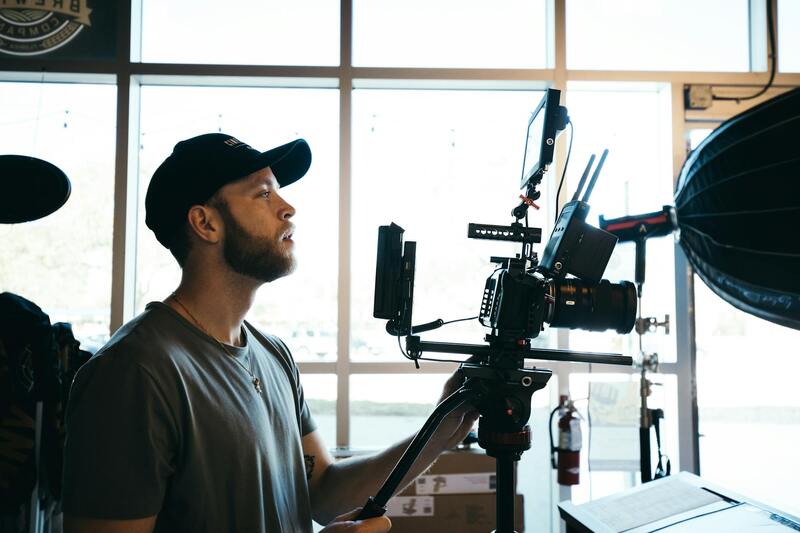
Achieving professional-quality images requires appropriate techniques and equipment. Wide-angle lenses are essential for capturing more of the interior in a single shot, making rooms appear larger and more open. Tripods ensure stability and sharpness, especially in lower light conditions. High dynamic range (HDR) imaging combines multiple exposures to balance bright windows with interior lighting, preventing overexposure and underexposure.
Advanced equipment such as drone cameras allows for stunning aerial shots that showcase the property’s surrounding landscape and layout, providing context and breadth that static photos cannot achieve. Properly calibrated lighting equipment and reflectors enhance interior shots by controlling shadows and highlighting features optimally.

Staging and Preparing Properties for Photoshoots
Proper staging and preparation significantly improve the effectiveness of listing photographs. Staged properties create aspirational spaces that resonate emotionally with buyers. Decluttering eliminates visual noise, helping focus attention on the house’s architectural advantages. Fresh paint, strategic furniture arrangement, and tasteful decor can elevate the aesthetic appeal before the shoot.
Scheduling the photoshoot during optimal lighting conditions—typically late morning or early afternoon—ensures natural light enhances interior shots. Prior to photography, homeowners should ensure all areas are clean, organized, and free of personal items that may distract viewers. Minor touch-ups to repair small imperfections and enhance curb appeal are also beneficial.
Natural outdoor settings can be accentuated with landscaping or minor adjustments to improve curb appeal, encouraging more interest from potential buyers.
Optimizing Photos for Online Listings
Once captured, images should be optimized to load quickly and display beautifully across various devices. High-resolution files must be resized appropriately to balance quality and page speed. Implementing SEO strategies, such as descriptive filenames and alt tags that include relevant keywords, enhances online visibility.
Creating a visual hierarchy by selecting the most compelling images to appear first draws viewers into the listing. Additionally, incorporating virtual tours or 360-degree images alongside static photos provides immersive experiences that keep prospective buyers engaged longer.
Consistent editing styles—such as adjusting brightness, contrast, and color balance—ensure a unified look that reinforces brand identity and professionalism. Properly optimized images improve the overall user experience, increasing the likelihood of inquiries and viewings.