
Importance of Professional Real Estate Listing Photography
In the dynamic and competitive Miami real estate market, the visual presentation of a property plays an essential role in attracting potential buyers. High-quality real estate listing photography not only captures the unique features and personality of a property but also significantly affects its marketability. Well-executed images can enhance online listings, making them stand out amid countless competing properties, thereby increasing visibility and attracting more interested buyers. Buyers often form their initial impression of a property based solely on photographs, which underscores the importance of professional photos that accurately showcase the property’s best attributes. Clear, bright, and professional images can deepen buyer engagement and foster a desire to view the property in person. Furthermore, the impact of professional photography extends beyond initial interest. Listings with high-quality images tend to experience faster sales cycles and can command higher prices. In Miami’s vibrant, fast-paced market, properties with compelling visuals are more likely to be noticed, leading to quicker offers and competitive bidding. Real estate photographers who specialize in property visuals understand how to utilize lighting, angles, and composition to make spaces appear more inviting and spacious. This skill set not only elevates the property's perceived value but also influences buying decisions, often resulting in a quicker transaction process. Overall, investing in expert real estate listing photography is a strategic move for property owners and agents seeking to maximize their market presence, accelerate sales, and achieve the best possible return on investment in Miami's bustling real estate landscape.

Key Features of a Skilled Real Estate Listing Photographer
A proficient real estate listing photographer possesses specific skills and features that enable them to create captivating and accurate representations of properties. Their expertise lies in understanding how to best utilize camera tools, lighting, and composition techniques to highlight key property features.
An experienced photographer will have a keen eye for space optimization, ensuring rooms appear larger and more inviting. They also understand how to manage lighting conditions—balancing natural light with artificial sources—to produce bright, clear images free of shadows or overexposure.
Attention to detail is crucial; skilled photographers scrutinize every shot to ensure clarity, sharpness, and color accuracy. They are proficient in editing and post-processing, enhancing images to ensure they are polished without appearing overly manipulated.
A deep understanding of the local real estate market enables these photographers to tailor images that resonate with the target audience. They are also reliable, punctual, and able to work efficiently to deliver high-quality results within tight schedules.
Selecting a photographer with these features ensures properties are presented in the best possible light—literally and figuratively—contributing positively to marketing efforts and sales success in Miami.

Pre-Shoot Preparation and Planning
Effective real estate listing photography begins well before the camera is ever touched. Pre-shoot preparation is essential to ensure that each property is captured at its best potential, highlighting its strengths and downplaying any flaws. This phase involves a detailed walkthrough of the property to identify focal points, understand the flow of spaces, and note lighting conditions at different times of the day. Photographers collaborate with agents or property owners to discuss the key features that need emphasis, whether it’s a spacious living area, modern kitchen, or outdoor amenities.
Scheduling the shoot during optimal times for natural light plays a crucial role. Many professional photographers prefer photographing properties during daylight hours when natural light can enhance interior brightness and color vibrancy. They may also prepare the property beforehand by decluttering spaces, organizing furniture, and ensuring that windows are clean to maximize light entry. Strategic placement of furniture and accessories can make rooms look more inviting, so photographers often advise on staging elements that accentuate each space’s appeal.
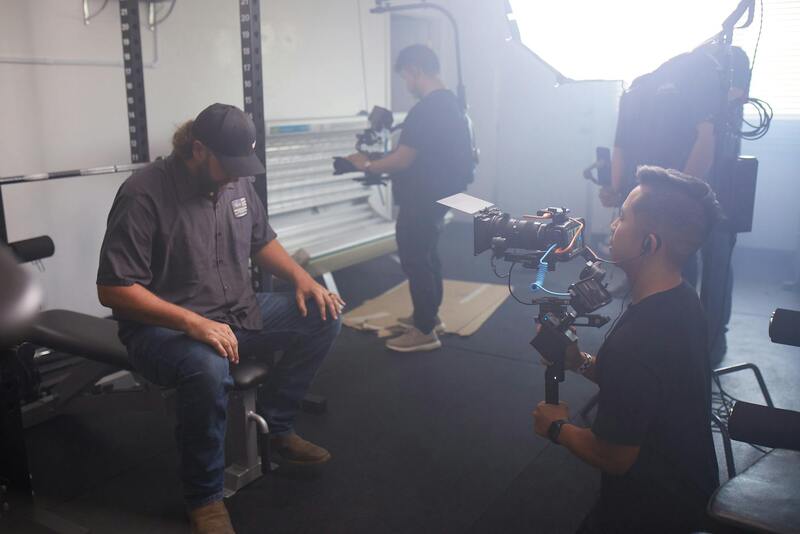
Additionally, a detailed shot list is compiled to guarantee all essential areas are photographed efficiently. This includes primary living spaces, bedrooms, bathrooms, kitchens, exteriors, and unique features like renovated pools or scenic views. Planning also involves determining the best angles and lens choices to depict the property accurately and attractively. Advanced planning minimizes the need for reshoots and ensures smooth workflow on the day of the shoot, maximizing efficiency and image quality.
Techniques and Equipment for Effective Property Photography
The tools and techniques employed by professional photographers are key to producing compelling real estate images. Wide-angle lenses are standard as they allow capturing more of each space, making rooms appear larger and more open. High dynamic range (HDR) imaging is used to balance interior light with exterior views, preventing dark shadows or blown-out highlights. Tripods provide stability for sharp images, especially in low-light conditions, while professional lighting setups can correct uneven lighting or shadows.
Proper camera settings are vital—adjustments for aperture, ISO, and shutter speed ensure optimal clarity, color accuracy, and exposure. Some photographers also utilize drone photography to capture expansive exterior shots or aerial perspectives of large properties and estates, adding a distinctive element to listings. Post-processing software enhances images further by correcting minor distortions, straightening lines, and adjusting brightness or color balance. These steps result in images that are not only true to the property but also visually appealing and engaging.

Adopting the latest technology and best practices in photography equipment ensures that listings stand out in a competitive Miami real estate market. It’s about blending technical skill with artistic intuition to create images that truly reflect the property's potential and entice prospective buyers to take the next step.
Techniques and Equipment for Effective Property Photography
Achieving high-quality real estate listing photographs requires a combination of advanced techniques and specialized equipment. Skilled photographers utilize a variety of methods to ensure each shot accurately represents the property's appeal, highlighting its best features while maintaining visual integrity.
One fundamental technique involves the strategic use of lighting. Professional photographers often employ external flashes, reflectors, or softboxes to supplement natural light, ensuring consistent illumination across all rooms. This approach mitigates issues such as uneven lighting or shadows that may detract from the property's visual appeal. In addition, studio lighting setups can be used to brighten dark areas, creating a welcoming and vibrant environment in every photograph.
The choice of equipment plays a significant role in capturing compelling images. Digital single-lens reflex (DSLR) or mirrorless cameras with high-resolution sensors are preferred for their ability to produce sharp, detailed images. Wide-angle lenses are essential to capture more of each space in a single shot, giving viewers a comprehensive understanding of room dimensions. The focal length of these lenses typically ranges from 14mm to 24mm, providing an expansive view without significant distortion.
In addition to traditional photography, drone technology has become increasingly valuable for listing properties. Aerial imagery offers a distinctive perspective, showcasing the property’s layout, surrounding landscape, and proximity to local amenities. Drones equipped with high-resolution cameras enable photographers to produce breathtaking shots that enhance the property's online appeal.

Post-processing is another critical aspect of effective property photography. Professional image editing software allows for subtle enhancements such as straightening lines, correcting lens distortions, adjusting brightness and contrast, and refining color balance. These adjustments ensure that images are both visually appealing and true to life, helping properties stand out in competitive online listings.
For optimal results, these techniques are supported by modern equipment like high-dynamic-range (HDR) imaging, which balances interior and exterior lighting to produce well-exposed images regardless of challenging lighting conditions. Consistent application of these methods ensures not only visually stunning photos but also a truthful representation of the property, fostering trust and interest among prospective buyers.
Post-Processing and Image Optimization
Post-processing is an integral phase in creating captivating real estate images that resonate with prospective buyers. Professional photographers utilize advanced editing software to enhance raw images, ensuring they accurately reflect the property's true appearance while maximizing visual appeal. Essential techniques include straightening architectural lines that may appear skewed due to wide-angle lenses, which is vital for maintaining the integrity of the property’s structure.
Color correction plays a pivotal role in presenting warm, inviting tones that draw viewers into the space. Adjusting brightness, contrast, and shadows helps to balance interior and exterior lighting disparities, resulting in consistent image quality across different shots. Additionally, the removal of minor imperfections such as reflections, unwanted objects, or dust spots ensures each photo maintains a polished aesthetic.

High Dynamic Range (HDR) imaging is frequently employed during post-processing to blend multiple exposures seamlessly. This technique balances intricate lighting contrasts, revealing details in both the brightest and darkest areas of an image. The outcome is a well-exposed, vibrant photograph that faithfully showcases the property's features, even under complex lighting conditions.
Optimizing images for online platforms is equally crucial. Resizing images to appropriate dimensions ensures swift loading times without sacrificing quality. Employing proper file formats such as JPEG or WebP allows the images to load efficiently on websites, mobile devices, and listing portals while maintaining clarity and color accuracy. Metadata optimization, including relevant keywords and location tags, further enhances searchability and online visibility.

Marketing and Distribution of Property Photos
Once the images are finalized, strategic distribution plays a vital role in maximizing their reach. High-quality photographs are best showcased across multiple online channels, including real estate listings, social media platforms, and email campaigns. Consistent branding and professional presentation help build recognition and trust among potential buyers.
Effective marketing integrates these images with compelling property descriptions, virtual tours, and interactive features to create a comprehensive online listing. High-resolution photos should be prominently displayed at the beginning of a listing to capture immediate interest. Additionally, leveraging different listing formats, such as slideshow galleries or 360-degree virtual tours, adds an immersive experience that keeps viewers engaged.
Social media amplifies the property’s exposure, with targeted advertising options enabling precise audience reach in the Miami area. Sharing visually appealing images on platforms like Instagram, Facebook, and LinkedIn increases visibility among interested buyers, real estate agents, and investors. Consistent, professional imagery across all channels strengthens the property's online presence and boosts the chances of a successful sale.
Techniques and Equipment for Effective Property Photography
Achieving compelling real estate listing images requires the use of specialized techniques and high-quality equipment. Skilled photographers utilize a combination of technology and craftsmanship to highlight a property's best features, ensuring that each photograph accurately reflects the space’s layout, ambiance, and unique selling points.
One fundamental technique is the application of wide-angle lenses. These lenses capture expansive interior views within a single shot, making spaces appear larger and more inviting. This is especially valuable in demonstrating open-plan living areas, generous bedrooms, and spacious kitchens. Professional photographers often employ tilt-shift or panoramic lenses to correct distortions and provide comprehensive views of rooms.
Proper lighting setup plays a critical role in real estate photography. Photographers prefer shooting during the golden hour for natural light, but they also rely on advanced lighting equipment, such as external flashes, strobes, and diffusers, to eliminate shadows and enhance illumination. Controlled lighting helps reveal true colors and textures without overexposure or underexposure, resulting in vibrant, balanced images.
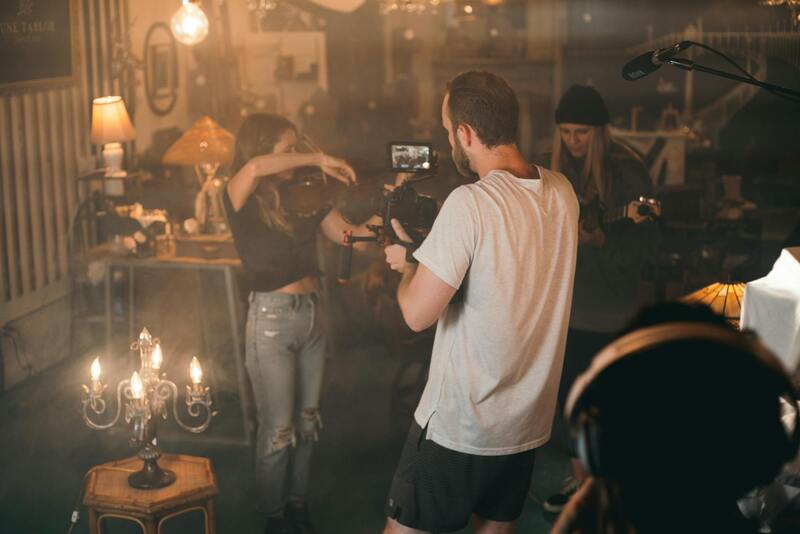
HDR photography is essential in real estate imaging. By taking multiple exposures and combining them, photographers can produce images that reveal details in both bright and shadowed areas, ensuring viewers receive a true representation of the property’s appearance under various lighting conditions. This technique is particularly useful in rooms with large windows or complex lighting scenarios.
Floor plans and virtual staging are increasingly integrated into property photography. Accurate floor plans help buyers understand spatial relationships, while virtual staging offers the ability to visualize potential furnishings and decor, transforming empty spaces into warm, inviting environments. These additions make listings more engaging and help potential buyers envision their life in the space.

Furthermore, drone photography has become an invaluable tool in showcasing a property's exterior, landscaping, and surrounding community. Aerial shots provide comprehensive views that enhance property appeal, especially for larger estates or properties with significant outdoor features. Stabilized drone footage captures sweeping views that can’t be achieved through ground-level photography alone.
Post-production editing is the final step in creating impactful real estate images. Professional editors adjust color balance, straighten images, and fine-tune details to ensure visual consistency across all photos. Subtle retouching can remove clutter or distractions, but the goal remains to deliver an authentic, inviting view of each property. A meticulous editing process enhances the overall quality, making listings more attractive to prospective buyers and real estate agents alike.
Effective Distribution Strategies for Property Images
After capturing stunning property images, the next crucial step is their strategic distribution to maximize exposure and attract potential buyers. Utilizing multiple channels ensures that listings reach a broad audience, increasing engagement and the likelihood of a quick sale.
Maximizing Visibility on MLS and Real Estate Platforms
Listing images are fundamental components of Multiple Listing Services (MLS) and other real estate portals. High-quality photographs should be uploaded promptly to these platforms, following specifications regarding image resolution and format. Properly optimized photos not only meet technical standards but also enhance visual appeal, catching the eyes of agents and buyers browsing online property databases.
Leveraging Social Media Channels
Social media platforms offer powerful avenues for showcasing property imagery. Platforms like Facebook, Instagram, and Pinterest allow for targeted advertising and organic sharing, which can significantly increase reach. Incorporating engaging captions, hashtags related to Miami real estate, and geotags further amplifies visibility. Regularly updating stories, reels, and posts with new images keeps the property top-of-mind among potential buyers.
Developing a Cohesive Online Presence
A dedicated real estate website or landing page that highlights high-resolution images and virtual tours creates an immersive experience for visitors. Search engine optimization (SEO) techniques, such as including relevant keywords like "Miami real estate listing photographer" naturally within image descriptions and page content, help improve search visibility. This integrative approach ensures that potential buyers find the listing through organic search, driven by compelling visuals and optimized content.
Utilizing Email Campaigns and Newsletters
Targeted email marketing campaigns featuring professional images can attract serious buyers and local agents. Curated newsletters that include high-quality property photos, detailed descriptions, and virtual tour links nurture leads and facilitate timely engagement. Consistent branding and professional-quality imagery elevate the perceived value of the listings.
Implementing Virtual Tours and 3D Walkthroughs
Augmenting high-quality images with virtual tours or 3D walkthroughs provides an interactive experience. These immersive tools allow potential buyers to explore the property remotely, increasing engagement and reducing the need for multiple physical visits. Embedding virtual tours into online listings and marketing materials further amplifies the reach of the high-quality visuals captured by professional real estate listing photographers.

By employing a comprehensive distribution strategy that leverages online platforms, social media, targeted marketing, and immersive virtual tools, real estate professionals can ensure their property listings gain maximum visibility. In an increasingly competitive market like Miami, the role of high-quality imagery combined with strategic dissemination cannot be overstated in attracting and converting potential buyers.
Effective Utilization of Professional Real Estate Listing Photography for Market Success
In today’s competitive property market, the value of high-quality imagery cannot be overstated. Expert real estate listing photographers possess the skills and equipment necessary to showcase each property in its best light, effectively highlighting its unique features and desirable qualities. Professionally captured images not only attract immediate attention but also foster trust and credibility among prospective buyers. To maximize the impact of these visuals, real estate professionals should understand the importance of strategic distribution across various online platforms, including MLS listings, agency websites, social media channels, and virtual tour integrations. This coordinated approach ensures that every high-resolution photograph reaches a broad audience, significantly increasing the likelihood of a quicker sale.

Essential Attributes of a Competent Real Estate Listing Photographer
- Technical Expertise: Mastery of camera settings, lighting, and composition to produce clear, vibrant images.
- Understanding of Property Features: Ability to highlight architectural details, spatial layouts, and lifestyle benefits effectively.
- Adaptability: Skill in shooting different types of properties, from apartments to sprawling estates, under varying lighting conditions.
- Attention to Detail: Ensuring images are free from distortions, clutter, or distracting elements, and that room dimensions are accurately represented.
- Ability to Prepare the Space: Coordinating with homeowners or agents to declutter, stage, and optimize lighting for each shoot.
Pre-Shoot Planning and Coordination
Successful property photography begins long before the camera is used. Pre-shoot preparation involves thorough planning, including site inspections to identify key selling points, selecting optimal times for natural lighting, and planning camera angles that best showcase the property’s features. Coordinating with property owners or agents ensures that spaces are clean, decluttered, and staged to appeal to prospective buyers. A detailed shot list can help focus efforts on the most compelling aspects of the property, ensuring comprehensive coverage in the final gallery.
Techniques and Equipment for Shooting High-Impact Property Images
Using the right tools and techniques elevates real estate photography to the next level. A professional photographer employs full-frame DSLR or mirrorless cameras equipped with wide-angle lenses to capture expansive, inviting interior shots. Tripods and stabilizers are essential for sharp images, especially in low-light settings. Drones are increasingly used for aerial shots that can highlight land, landscaping, and neighborhood features, providing context and a sense of space. Proper lighting techniques, such as strategic use of natural light, flash, and reflectors, ensure that rooms appear warm and welcoming. HDR (High Dynamic Range) imaging is often used to balance bright windows and shadowed corners, resulting in well-exposed images regardless of challenging lighting conditions.

Post-Processing and Image Optimization Strategies
Post-production is an integral phase where images are refined to achieve their full potential. Professional editing involves color correction, brightness adjustments, and straightening to ensure consistency and realism. Removing minor imperfections and clutter enhances visual appeal without misrepresentation. Image optimization for online use involves resizing images to reduce load times while maintaining clarity and high resolution. Proper compression techniques balance quality and file size, facilitating faster website performance. Additionally, strategic tagging and metadata embedding improve search engine visibility, further enhancing the reach of the listings.
Maximizing Reach Through Strategic Marketing and Distribution
High-quality images are most effective when paired with a well-planned distribution strategy. Leveraging multiple channels—such as multiple listing services, social media platforms, email marketing campaigns, and virtual tour integrations—ensures broad exposure. Dynamic virtual walkthroughs and 3D models provide immersive experiences, allowing potential buyers to explore properties remotely, which can significantly decrease the time on market. Consistent branding across all visual media reinforces professionalism and trustworthiness, encouraging engagement and inquiries. Targeted advertising and strategic timing of posts also help reach the most relevant audience, making sure the property attracts serious buyers efficiently.
Maximizing Property Visibility with Effective Marketing Strategies
Effective marketing and distribution of high-quality real estate images are pivotal in attracting the right audience and accelerating the sales process. Once professional photographs are secured, leveraging multiple platforms and tailored marketing efforts ensures that each listing reaches its full potential in terms of exposure and engagement.
Utilizing Multiple Listing Services (MLS)
MLS platforms serve as the backbone of real estate marketing, providing an expansive reach to agents, buyers, and industry professionals. High-resolution, professionally curated images enhance listing appeal within these databases, increasing the likelihood of inquiries and showings. Consistent, visually compelling imagery in MLS entries establishes credibility and highlights the property's best features effectively.
Social Media Campaigns
Social media remains a critical channel for property marketing, offering targeted advertising options and extensive reach. Platforms like Instagram, Facebook, and LinkedIn allow for tailored campaigns that showcase eye-catching visuals, virtual tours, and behind-the-scenes content. Incorporating professional photography into these strategies maximizes engagement, encourages shares, and fosters word-of-mouth promotion.
Email Marketing and Virtual Showings
Personalized email campaigns targeted at prospective buyers and real estate agents can highlight new listings and open house events. Additionally, integrating professional visuals into virtual walkthroughs and 3D tours provides remote viewing experiences, broadening audience access and reducing time on market. Properly optimized images ensure fast loading times and clarity across devices, maintaining a seamless user experience.
Strategic Timing and Branding
Timing is vital in marketing efforts, with scheduling posts during peak engagement hours to maximize audience interaction. Maintaining consistent branding across all visual and textual content reinforces professionalism and trustworthiness. A cohesive look and feel across online platforms and marketing collateral create a recognizable identity that elevates the property's perceived value.
Virtual Tours and Interactive Content
Integrating high-quality images into virtual tours and interactive floor plans enhances the property's appeal, offering immersive experiences that attract serious buyers. These virtual tools cater to remote audiences and can be shared across various channels, extending reach and engagement without geographical limitations. Augmented reality (AR) and 3D modeling further enrich the experience, providing a detailed view without physical visits.