Importance of High-Quality Real Estate Photos
In the competitive Miami real estate market, the visual presentation of a property can significantly influence its market performance. High-quality real estate house photos serve as a crucial marketing tool that can attract a larger audience of potential buyers and tenants. When prospective buyers browse listings online, they often make snap decisions based on the visuals presented. Clear, well-composed images allow them to quickly grasp the property's features, layout, and overall appeal, making it more likely they will schedule a viewing. Professional photography not only increases the visibility of property listings but also enhances the perceived value of the property itself. Listings with striking images tend to stand out amidst a multitude of similar properties, prompting more clicks and inquiries. This heightened engagement can lead to quicker sales, reduced time on the market, and the potential for higher offers from interested buyers. Moreover, in Miami’s high-end real estate sector, the quality of visual content can influence price positioning. A property with captivating photos can command higher market prices, as these images reflect the caliber of the home and the lifestyle it offers. This perception of quality persuades prospective buyers and investors, signaling that the real estate is worth the investment. The importance of investing in professional photography extends beyond the initial listing. It creates a consistent and compelling brand image for real estate agents and agencies, reinforcing their reputation for quality service and attention to detail. As clients begin their property searches online, they associate superior visuals with trustworthy and professional service, cultivating confidence and encouraging further engagement. To maximize these advantages, it is essential that real estate photos accurately and effectively showcase the property's unique selling points. This includes capturing spacious interiors, attractive exteriors, scenic views, and strategic details that communicate the home's value. Proper lighting, composition, and post-processing play vital roles in producing images that resonate with prospective buyers. In summary, for Miami real estate professionals and property owners, high-quality real estate house photos are indispensable. They serve as the primary bridge between the property and its future owner, transforming mere listings into compelling visual narratives that drive sales and elevate market presence.
Enhancing Real Estate Listings with Accurate and Consistent Image Quality
Consistent image quality plays a crucial role in establishing a professional and trustworthy presence in the competitive Miami real estate market. When property photos maintain a uniform standard, it not only creates a seamless browsing experience for potential buyers but also elevates the overall brand perception of agencies and individual sellers. This consistency entails adhering to specific technical parameters such as resolution, color accuracy, and clarity, which collectively ensure that each property is presented in its best light.
Meticulous attention to detail in image presentation extends beyond resolution. It involves precise color balancing to depict the property’s true appearance, which is vital for setting accurate expectations and fostering trust. Uniformity in lighting and perspective across all images further amplifies the professional tone of listings, preventing visual inconsistencies that might distract or deter prospective buyers. Such disciplined practices help in crafting a compelling visual narrative that accurately reflects the property’s character and appeal.
Utilizing Official and Proven Methods for Image Enhancement
To achieve these high standards, real estate professionals in Miami should rely on verified, industry-accepted methods of image enhancement and editing. Employing calibrated monitors during post-production ensures color fidelity and detail retention, which are fundamental for creating authentic representations of properties. Additionally, consistent use of professional editing software facilitates precise adjustments for brightness, contrast, and sharpness, avoiding oversaturation or unnatural effects that could diminish the photo’s credibility.
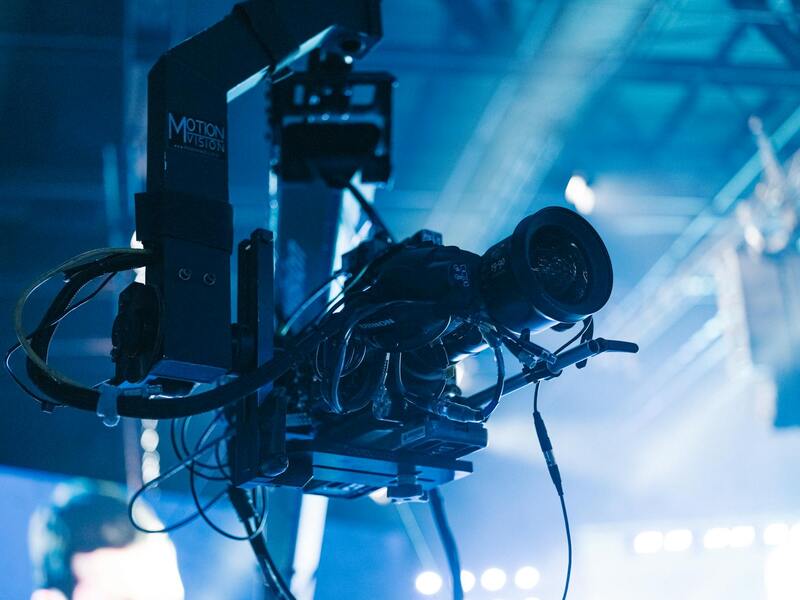
Utilizing HDR (High Dynamic Range) techniques accurately captures the full spectrum of light within a scene, balancing exterior brightness and interior shadows to produce images that are vibrant yet true-to-life. This technique is particularly beneficial for properties with large windows or complex lighting conditions, common in Miami’s scenic homes. The use of tripod stabilization and proper camera settings are fundamental to maintaining sharpness and perspective consistency across shots.
Technical Considerations for Authentic and Appealing Visuals
Adherence to technical specifications such as aspect ratio, focal length, and aperture setting ensures uniformity and quality in all images. For instance, utilizing wide-angle lenses allows capturing more comprehensive views, making spaces appear more spacious and inviting. Additionally, post-processing should focus on subtle improvements that preserve the authenticity of the property, avoiding heavy filters or manipulations that can mislead buyers.
Ultimately, implementing disciplined, industry-recognized practices in photography and post-production is vital for creating reliable, attractive images. These official methods underpin the visual marketing strategies that help properties stand out in the Miami market and facilitate genuine connections between listings and prospective buyers, fostering transparency and confidence throughout the sales process.
Strategies for Capturing Authentic and Appealing Visuals
Achieving high-quality real estate house photos hinges on employing proven, official techniques designed to produce accurate and engaging images. This involves meticulous planning during the shoot, such as choosing optimal lighting conditions—preferably during natural daylight hours—when shadows are soft and the colors appear true-to-life. Staying consistent with camera settings, including focal length, aperture, and ISO adjustments, ensures uniformity across all images, which is essential for cohesive visual storytelling.
Utilizing professional-grade equipment, such as wide-angle lenses, allows for expansive views of interior and exterior spaces, making rooms appear larger and more inviting. The effective use of tripod stabilization prevents camera shake, maintaining sharpness and perspective integrity. When capturing exterior shots, strategic positioning to highlight the property’s curb appeal and landscape features is critical. Incorporating vertical and horizontal lines carefully aligns the shot composition with the real-world structure, avoiding distortion that could misrepresent the property's actual conditions.
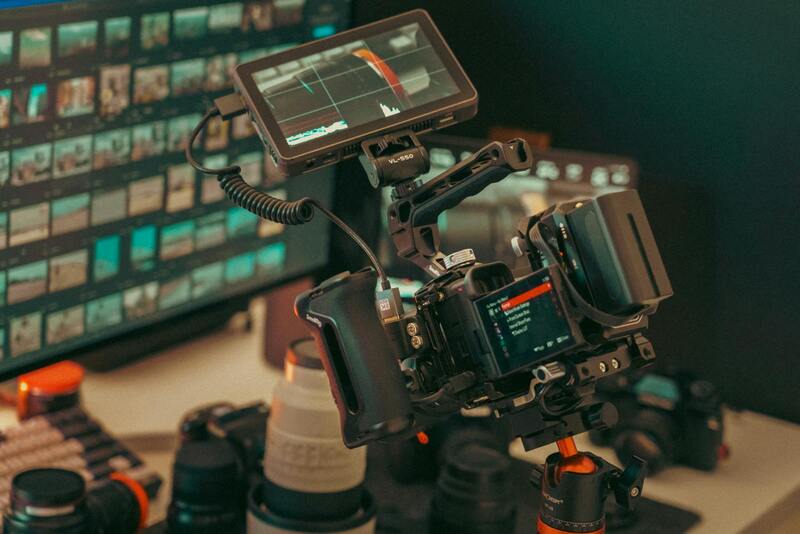
Post-processing should enhance the original captures subtly, focusing on color correction, brightness, and contrast adjustments that reflect the actual atmosphere of the property. Heavy filters or over-editing can undermine the trustworthiness of the visuals, so maintaining authenticity is paramount. Brightening shadowed areas and slightly boosting vibrancy can make spaces more appealing without distorting their true look.
In addition, capturing a variety of shots—such as wide views, detailed features, and unique architectural elements—provides comprehensive listings that cater to prospective buyers' interests. Shots from multiple angles and different times of day help portray the property’s versatility and overall charm, giving viewers a well-rounded visual experience.
For exterior photography, the focus also includes seasonal considerations—highlighting landscaping, outdoor amenities, or pool areas—depending on the property’s features. Drone photography has become an established official method to showcase aerial perspectives, emphasizing the property within its environment. These images serve as an influential component in marketing materials, emphasizing aspects like neighborhood proximity and surrounding amenities.
Finally, all images should adhere to the technical guidelines set forth for online listings. Consistency in image size, resolution, and aspect ratio ensures compatibility across various platforms, including real estate websites and social media. High-resolution visuals not only cater to modern display standards but also allow for detailed viewing, which is crucial in attracting serious buyers and fostering transparency throughout the sales process.
Official Methods for Capturing Authentic and Impactful Real Estate House Photos
When it comes to presenting a property effectively, employing official and recognized photography techniques ensures the images accurately reflect the home's features while appealing to prospective buyers. The foundation of compelling real estate house photos begins with meticulous planning and adherence to standardized practices. This includes selecting appropriate lighting setups, utilizing the best camera settings, and applying positioning strategies that emphasize the property's strengths without distortion.
Maintaining consistency across all images is crucial. This involves establishing a standard aspect ratio and resolution for the photos, which guarantees uniformity when displayed across various online platforms and marketing materials. High-resolution images enable viewers to see fine details, fostering trust and facilitating informed decision-making. Furthermore, aligning the images with platform-specific technical specifications, such as file size and format, ensures optimal display quality without compromising load times or user experience.
In addition to photography standards, employing tools like calibrated color profiles and consistent white balance settings ensures color accuracy, preventing misleading representations. Using professional-grade lenses, particularly wide-angle lenses, allows for comprehensive views of interior and exterior spaces while minimizing distortions. These official methods also involve multiple shot angles, including eye-level and elevated perspectives, to provide a complete visual understanding of the property.
Natural lighting remains an essential component, so capturing images during optimal daylight hours enhances authenticity and reduces the need for extensive post-production editing. For interior shots, using off-camera strobes or diffusers can help balance lighting and eliminate harsh shadows, further emphasizing the property's true look. When photographing outdoor spaces, drone technology has become an invaluable tool for capturing aerial views, offering a broader context of the property within its surroundings while adhering to industry standards for safety and regulation compliance.
All these official procedures contribute to creating a trustworthy visual narrative that accurately depicts the property’s features, size, and condition. The consistency and professionalism of these images serve as a reflection of the quality and integrity of the listing, ultimately helping potential buyers make confident decisions based on clear, reliable visuals.
Enhanced Techniques for Capturing Real Estate House Photos
Achieving superior real estate house photos requires adhering to technical standards that prioritize clarity, color fidelity, and perspective accuracy. Professional-grade equipment forms the backbone of this process, with high-resolution cameras equipped with full-frame sensors frequently used to capture the depth and detail of properties. Wide-angle lenses, recommended within the sector, enable photographers to encompass more of a room or exterior landscape within a single shot, minimizing the need for multiple images and providing viewers with a comprehensive visual experience. Proper lens selection is crucial, as it influences distortion levels; official protocols advocate for lenses with minimal distortion profiles to ensure true-to-life representation.
To maintain consistent color portrayal, calibrated color profiles should be established before shoots, ensuring that color temperatures match real-life conditions. Camera settings such as white balance are adjusted accordingly to avoid color shifts, which can be misleading and diminish the viewer's trust. During shooting sessions, multiple angles should be employed—eye-level, elevated, and low perspectives—to highlight the property's spatial dynamics. These official methods help viewers gain a better understanding of the property’s layout and scale without ambiguity.
Natural lighting remains an essential consideration during captures. When conditions permit, images should be taken during daylight hours when sunlight naturally illuminates interior and exterior spaces, reducing reliance on artificial lighting and post-editing corrections. In interiors, supplemental lighting using off-camera strobes or diffusers helps balance overall exposure, eliminate harsh shadows, and bring out the property’s true aesthetic. For outdoor shots, drone technology provides aerial perspectives, capturing scenic surroundings and outdoor amenities while complying with safety regulations and standards.
Post-production editing should be minimal and strictly adhere to authentic representation standards. Brightness, contrast, and sharpness adjustments should reflect the actual appearance of the property, avoiding exaggerated enhancements that could mislead potential buyers. This approach not only preserves the integrity of the listing but also builds trust with prospective clients who are making critical decisions based on the visual content.
Strategic Composition for Interior and Exterior Real Estate Photos
Effective composition hinges on framing and perspective that accentuates a space’s inherent appeal. For interiors, it's advisable to shoot from the corners of rooms, capturing the full expanse while avoiding cluttered backgrounds. Vertical lines should be kept straight to avoid distortion and to showcase the room’s true dimensions. Incorporating multiple shot angles allows viewers to perceive a comprehensive layout, aiding in their visualization of living spaces. Carefully curated staging—such as open curtains, tidy surfaces, and minimal decor—helps spotlight the property’s best features without distracting from the architecture.
Exterior shots benefit from strategic timing and framing. The golden hour, shortly after sunrise or before sunset, provides warm, soft light that enhances landscapes and building facades. Highlighting outdoor features like landscaped gardens, swimming pools, or panoramic waterfront views can significantly increase a property's allure. Elevating drones for aerial shots offers vantage points that reveal property size, proximity to significant landmarks, and overall neighborhood context, which can be critical in competitive markets like Miami.
When executing these images, adherence to industry-standard best practices ensures consistency and professionalism. Serious attention to lighting conditions, perspective, and staging ensures each photo offers an honest and compelling view of the property. This meticulous approach results in visual content that accurately conveys the property's true essence, facilitating more informed decision-making for potential buyers and investors alike.
Advanced Techniques and Equipment for Capturing Stunning Real Estate House Photos
Achieving high-quality real estate house photos requires the integration of advanced techniques, sophisticated equipment, and an understanding of optimal lighting conditions. Professionals often utilize wide-angle lenses, which allow their images to encompass more of the space within a single shot, minimizing distortion and presenting rooms as spacious and inviting. This lens choice is particularly beneficial in small or compact rooms common in Miami properties, where maximizing perceived space can influence buyer interest.
Utilizing drones for aerial photography offers a unique vantage point, especially when showcasing waterfront properties or large estates. Aerial shots can capture the entire property layout, landscaping, external amenities, and proximity to significant Miami landmarks. When operated skillfully, drone photography adds a dramatic and comprehensive dimension to listings, making the property stand out in competitive markets.
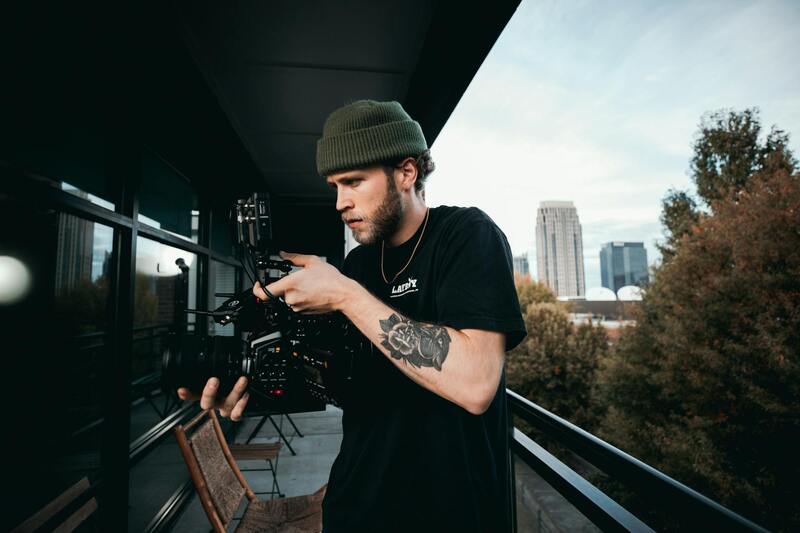
Lighting plays a vital role in real estate photography. Professional photographers often schedule shoots during the golden hour—shortly after sunrise or before sunset—when natural light enhances exterior features and casts a warm glow over the property. Inside the home, adjustable HDR (High Dynamic Range) photography techniques are employed to balance exposure and highlight both shadows and bright areas, ensuring rooms appear inviting and true to life.
Staging is another crucial aspect. Carefully curated interior arrangements—such as open curtains to let in natural light, removing clutter, and positioning furniture to accentuate space—tie together the visual narrative of a property. Exterior areas benefit from tidy landscaping and strategic framing to highlight outdoor living spaces, gardens, or scenic views, which are particularly appealing in the vibrant Miami climate.
- Use of tripods and remote triggers: Minimize camera shake and ensure sharp images, especially in low-light conditions like dusk or dawn.
- Bracketing and HDR imaging: Capture multiple exposures to blend into a balanced final photo that accurately reflects both interior and exterior lighting conditions.
- Lens selection: Wide-angle lenses (14-24mm for full-frame cameras) help showcase spaces and exterior facades effectively.
- Post-processing: Professional editing enhances colors, corrects distortions, and ensures the images convey a true representation of the property.
Advanced equipment combined with meticulous planning and execution results in visually stunning property images that can significantly boost online engagement. These images serve as the primary attraction for prospective buyers browsing images either on listings, social media, or marketing materials, thereby increasing the likelihood of inquiry and sale.
Whether capturing the sweeping vistas of a Miami beachfront estate or the cozy charm of a city condo, employing these techniques ensures the photos resonate with viewers, conveying both the essence and appeal of the property in an unmistakably professional manner.
Utilizing Professional Editing to Enhance Real Estate House Photos in Miami
Once the initial shots of the property are captured, professional editing plays a crucial role in transforming raw images into compelling visual narratives that resonate with potential buyers. In the competitive Miami real estate market, polished photographs can make a significant difference in attracting inquiries and accelerating sales. Skilled editors employ advanced techniques such as color correction, perspective correction, and exposure balancing to ensure each image faithfully represents the property's true character and allure.
Color correction is vital for adjusting hues to mirror real-world tones, ensuring that interiors do not appear artificially enhanced or muted, which could mislead viewers. Perspective correction helps in rectifying lens distortions, especially when wide-angle lenses are used, so walls and features appear straight and proportional, maintaining visual realism. Exposure blending and the use of high dynamic range (HDR) techniques allow for the detailed capture of both interior and exterior lighting, especially in Miami homes with large windows or scenic outdoor views, resulting in images that are both bright and inviting without appearing overexposed.
Additionally, professional editors focus on retouching minor imperfections, such as shadows or reflections that might distract viewers, to enhance the overall presentation. For outdoor shots, adjustments to landscaping cleanliness, sky enhancements, or lighting can bring out the natural beauty of Miami’s vibrant climate. Interior photos benefit from subtle cloning or removing distracting objects, ensuring the focus remains on the home's desirable features. Importantly, editing should be employed to accurately depict the property, avoiding over-processing that could create unrealistic expectations or mislead potential buyers.
This meticulous editing process enhances the visual appeal across all marketing channels, from online listings to social media advertisements, ensuring that each photo captures attention swiftly. When prospective buyers scroll through listings, high-quality images that convey a property's true ambiance and features foster trust and engagement, often leading to increased interest and faster transactions. In a dynamic Miami market where luxury waterfront homes, urban condos, and exotic outdoor spaces abound, professionally optimized images are essential for standing out in a crowded marketplace.
Furthermore, the consistency achieved through professional editing helps establish a cohesive visual identity for listings, enhancing brand reputation for agents and agencies across Miami. The combination of compelling photography and expert post-production ensures that every listing benefits from maximum visual impact, turning viewers into motivated buyers. Properly edited images serve as powerful tools in the digital age, where online presence significantly influences a property's overall marketability and success.
Strategies for Capturing and Showcasing Authentic Real Estate House Photos in Miami
Ensuring the authenticity and accuracy of real estate house photos plays a pivotal role in building trust with prospective buyers and enhancing the overall appeal of property listings. In Miami’s competitive property market, leveraging legitimate and effective methods to showcase homes not only accelerates sales but also bolsters the reputation of real estate professionals and agencies. When preparing to capture authentic images, it’s essential to focus on techniques that highlight the property's true features, ensuring that potential buyers receive a clear, realistic representation of what they are investing in.
Utilizing Natural Lighting to Highlight Genuine Property Features
Natural light remains one of the most powerful tools in real estate photography, capable of revealing the true ambiance of a space without the need for artificial enhancements. Shooting during the day, especially during the golden hour—immediately after sunrise or before sunset—can produce warm, inviting scenes that encapsulate the property's authentic atmosphere. Properly positioning the camera to avoid harsh shadows and overexposure ensures that the photographs accurately depict the interior and exterior elements, preserving the integrity of the property’s features.
Employing Correct Camera Settings and Lenses
Legitimate images require precise camera configurations tailored to the space being captured. Using a wide-angle lens allows for comprehensive shots of interior spaces, giving viewers a realistic sense of scale without exaggeration. Maintaining proper exposure settings—aperture, shutter speed, and ISO—is essential to avoid over-editing or distortions, which could mislead potential buyers. Ensuring the focus is sharp across key features such as kitchens, living rooms, and outdoor areas emphasizes the property's true condition and layout.
Structured Shooting Workflow for Authentic Representation
A systematic approach includes organizing shots to cover all aspects of the property—interior, exterior, amenities, and surrounding environment—while avoiding unnecessary retouching that could alter the real appearance. Photographers should aim to capture each feature in natural settings, refraining from overusing filters or digital enhancements. Consistency across images enhances credibility, providing viewers with an honest and inviting view of the home.
Focus on Clear and Accurate Depictions of Property Condition
High-quality images should faithfully portray the current state of the property, including any existing features or imperfections. Transparency in images fosters trust and sets proper expectations, reducing the chances of buyer disappointment later in the transaction process. When photographing renovations or unique elements, instead of embellishing, documenting these features accurately allows prospective buyers to make informed decisions based on factual visual information.
Incorporating Legally and Ethically Sound Editing Practices
While post-processing may enhance image clarity and brightness, it should never alter the actual appearance of the property’s features. Adjustments should focus on correcting lighting or color inconsistencies, with limitations on removing or adding elements. Over-editing risks creating a misleading representation that could damage credibility. Transparent editing practices uphold professionalism and foster long-term trust with clients and buyers alike.
Maximizing the Impact of Authentic Photos in Marketing
Authentic real estate photos serve as powerful tools in marketing strategies, presenting a clear narrative of what the property entails. High-resolution images should be uploaded across all digital platforms, including MLS listings, social media channels, and property websites, ensuring potential buyers receive consistent visual information. Utilizing 3D virtual tours or interactive floor plans can complement photographs, providing dynamic and trustworthy insights into the property.
Maintaining Visual Consistency and Integrity
Consistency in style, lighting, and composition across different images helps maintain a truthful presentation. This consistency reassures potential buyers of the property's authenticity and can significantly improve engagement rates. Additionally, periodic reviews of marketing images ensure they stay relevant and reflect any updates or renovations, maintaining the integrity of the listing over time.