
Importance of Professional Real Estate Home Photos
In the competitive landscape of Miami real estate, the significance of high-quality home photos cannot be overstated. Professionally captured images serve as the primary visual representation of a property's value, charm, and unique features. These images are often the first interaction prospective buyers have with a listing, and their quality directly influences the likelihood of engagement. Effective real estate photography highlights the property's best attributes, creating an enticing narrative that invites viewers to envision themselves living there. Moreover, superior images can dramatically increase a listing’s visibility across various digital platforms, including MLS portals and social media channels, ensuring a broader reach within the local Miami market and beyond.
Statistics consistently demonstrate that homes with high-quality images sell faster and often at higher prices compared to those with amateur photographs. This is especially critical in Miami’s vibrant, fast-paced real estate environment, where numerous listings compete for attention. Professional photos not only enhance online presentation but also build trust with potential buyers by showcasing the property accurately and attractively. Consequently, investing in professional real estate photography is a strategic move that significantly boosts marketing effectiveness, leading to quicker sales cycles and satisfied clients.
The power of compelling visual storytelling through high-quality images is undeniable. They set the tone for the entire sales process, establishing an initial impression that can determine whether a prospective buyer schedules a showing or moves on to other options. For real estate professionals and property owners alike, partnering with skilled photographers who understand the nuances of property presentation in Miami’s unique market conditions is an invaluable investment that yields tangible returns.

Key Elements of Successful Home Photos
Creating compelling real estate images requires deliberate attention to several fundamental elements that come together to showcase a property in its best light. High-quality photographs highlight the distinctive features of a home, emphasizing spatial layouts, architectural details, and finishes that appeal to prospective buyers. Natural lighting plays a crucial role; it ensures that interiors appear inviting and vibrant, reducing the need for excessive post-processing. Accurate color representation further enhances the authenticity of the listing, allowing viewers to get an honest sense of the property's aesthetic without misrepresentation.
Preparation and Staging for Better Photos
Prior to capturing images, property preparation and staging are essential. Decluttering spaces removes visual distractions, allowing key features to take center stage. Arranging furniture to highlight open areas and functionality helps convey the flow and usability of each room. Brightening spaces by opening curtains and turning on lights ensures rooms appear lively and welcoming. Small details, such as adding fresh flowers or accenting decor, can subtly enhance the overall presentation. Proper staging nurtures an emotional connection, allowing potential buyers to envision themselves living in the space, thereby increasing the likelihood of a sale.
Best Equipment and Techniques for Shooting
Equipping yourself with professional-grade cameras, wide-angle lenses, and sturdy tripods facilitates the capture of sharp, immersive images. Wide-angle lenses are particularly valuable for interior shots, enabling the photographer to capture more of a room within a single frame, creating a sense of spaciousness. Utilizing HDR (High Dynamic Range) techniques, which combine multiple exposures, ensures well-balanced images with detail in both dark and bright areas. Proper camera settings, such as a low ISO and narrow aperture (high f-stop), contribute to clarity and depth of field, making sure every detail of the home is crisply rendered.
Utilizing Drone and Aerial Photography
Drone photography provides a compelling perspective of the property’s exterior and its surrounding environs. Aerial shots can highlight the size of the lot, landscape features, and proximity to local amenities or attractions, especially in a lively market like Miami. Properly executed drone photos should be taken under optimal weather conditions, with attention to altitude and framing to present the property in its most attractive context. These images are particularly effective for large estates, waterfront properties, or listings that benefit from showcasing unique geographic features from an elevated vantage point.
Post-Processing and Editing Tips
Post-processing enhances images by correcting color imbalances, adjusting brightness and contrast, and removing any minor imperfections. Utilizing editing software such as Adobe Lightroom or Photoshop allows for fine-tuning images while maintaining a natural, authentic appearance. Care should be taken to avoid over-editing, which can mislead viewers or distort the true look of the property. Emphasis should be placed on accurate color rendition and proper exposure, ensuring that each shot accurately reflects the real space. Consistency in editing style across all images fosters professionalism and helps create an engaging virtual tour of the property.
Legal and Ethical Considerations
When producing real estate photos, it is vital to respect privacy and property rights. Permissions should be obtained for aerial shots involving drone use and for photographing interiors or exterior spaces that contain personal belongings or private areas. Ensuring an accurate representation of the property prevents misleading potential buyers and upholds transparency. Photographers should also be diligent in refraining from manipulating images in a way that alters the actual state or size of rooms, maintaining honesty in the marketing presentation.
Collaborating with Local Miami Photography Agencies
Partnering with established Miami-based real estate photography agencies offers access to professionals skilled in capturing the unique aesthetics of the Miami market. These agencies understand local architecture styles, lighting conditions, and market expectations, ensuring high-quality results tailored to regional tastes. Collaborations often include comprehensive packages that encompass interior, exterior, drone, and twilight photography, providing a full spectrum of visual content to optimize marketing campaigns. Engaging local experts also facilitates timely scheduling, consistent image quality, and adherence to industry standards, all contributing to a more effective listing presentation.
Best Equipment and Techniques for Shooting
To produce compelling real estate home photos, the choice of equipment and shooting techniques plays a crucial role. High-resolution digital cameras equipped with wide-angle lenses are fundamental in capturing expansive interior and exterior spaces, allowing viewers to perceive the full scope of a property without distortion. Employing tilt-shift lenses can help correct perspective distortions, ensuring vertical lines remain true and the images appear natural.
Lighting is another vital aspect. Utilizing natural light whenever possible enhances the authenticity and appeal of the images. Photographers often schedule shoots during the golden hour—shortly after sunrise or before sunset—to harness soft, warm light that accentuates architectural features and adds depth to the photos. Supplementing ambient light with professional-grade flash units or portable strobe lights can help fill in shadows, especially in interiors with uneven lighting.
Using a tripod ensures stability for sharp images and allows precise framing and composition. Techniques such as HDR (High Dynamic Range) imaging involve capturing multiple shots at different exposures and blending them to showcase both bright and dark areas effectively. This is particularly advantageous in homes with large windows or complex lighting scenarios.
Utilizing Drone and Aerial Photography
Drone photography has revolutionized real estate marketing by providing breathtaking aerial views that highlight a property's surrounding environment and landscape features. Drones equipped with 4K cameras can capture high-resolution images and videos from various altitudes and angles, offering prospective buyers a comprehensive understanding of the property's size, layout, and context within its neighborhood.
Employing drone technology requires an understanding of optimal flight paths, lighting conditions, and safety protocols. It’s essential to plan shots that complement ground-level photos, emphasizing key features such as gardens, swimming pools, or scenic vistas. Aerial imagery can be particularly impactful for large estates, waterfront properties, or homes with extensive outdoor amenities.
When integrating drone photography, it’s advisable to schedule the shoot during optimal weather conditions with minimal wind and clear skies. This approach ensures crisp, stable footage free from motion blur and atmospheric distortion. Proper editing and color grading further enhance drone imagery, aligning it with ground-level photos for a cohesive visual presentation.
Post-Processing and Editing Tips
Post-processing transforms raw images into polished marketing assets that attract attention online and in print. Adjustments to brightness, contrast, and color saturation can help highlight the home's best features without overdoing it. Maintaining a natural look is crucial to provide a realistic representation of the property.
Correcting lens distortions, straightening lines, and cropping images ensures a balanced composition. Using software like Adobe Lightroom or Photoshop allows for precise control over these edits. For interior shots, straightening vertical lines and enhancing details like textures and fixtures draw viewers' attention and create a more inviting atmosphere.
Overlaying sky replacements or subtle light enhancements can accentuate outdoor spaces, making them appear more appealing. When editing, it’s important to avoid manipulations that could mislead viewers regarding the size or condition of the property, preserving transparency and building trust with potential buyers.
Effective Techniques for Capturing High-Quality Real Estate Home Photos
Achieving standout images that truly showcase a property's appeal requires a strategic approach and mastery of specific photography practices. First and foremost, understanding the importance of lighting is essential. Natural light, especially during the golden hour—shortly after sunrise or before sunset—can add warmth and a welcoming feel to interior shots. To maximize this, opening curtains and blinds prior to the shoot allows sunlight to fill each room, highlighting architectural features and textures.
Equally important is the use of professional-grade equipment. A high-resolution digital camera paired with wide-angle lenses enables capturing expansive spaces without distortion, giving potential buyers a comprehensive view of the property’s layout. Tripods provide stability, ensuring sharp images, especially in indoor settings where lighting may be limited.
Composition techniques also play a pivotal role. Applying the rule of thirds can lead the viewer's eye naturally through the space, emphasizing key areas such as kitchens, living rooms, or outdoor amenities. Ensuring vertical lines—walls, doorframes, furniture—remain straight within the frame maintains a professional appearance and prevents visual distraction. Horizontal and vertical balancing contribute to a clean and inviting aesthetic.
Lighting control is equally crucial. Using external flash or reflectors can help fill shadows, creating uniform illumination that accentuates details without glare or overexposure. Additionally, adjusting the camera settings—such as ISO, aperture, and shutter speed—can optimize exposure, ensuring images are neither too dark nor washed out. Post-shoot, careful editing can further enhance these images by fine-tuning brightness, contrast, and color saturation, ensuring they accurately represent the property's true character.
High-quality real estate photos should evoke an emotional response, making viewers envision themselves living in the space. Symmetry, clean lines, and uncluttered environments naturally guide the eye through each scene, highlighting the property's best attributes effectively. Incorporating these techniques consistently results in compelling visuals that influence buyer interest and generate more inquiries.
Beyond the technical aspects, considering the specific features of each property allows photographers to tailor their approach. For example, highlighting unique architectural details or outdoor living spaces can set a listing apart. Using multiple angles—wide shots to capture space and close-ups for detail—provides a comprehensive visual story that resonates with prospective buyers. Ultimately, continuous practice and a keen eye for detail are vital in creating impactful real estate photographs that elevate a property’s market presence.
Post-Processing and Editing Tips
Achieving standout real estate home photos requires meticulous post-processing that enhances visual appeal without misrepresenting the property. Precision editing begins with adjustments to brightness and contrast, ensuring that each room appears inviting and true to life. Color correction is critical; whites should look natural, and any color casts from artificial lighting or reflections should be neutralized to maintain authenticity.
Using advanced editing tools, photographers can carefully correct distortion from wide-angle lenses, straighten lines that may appear skewed, and crop images for optimal framing. Noise reduction is another key step, especially in low-light interior shots, which can help produce crisp, clean images. Attention to detail during editing provides a polished, professional look while preserving the property's integrity, ultimately helping potential buyers visualize living in the space.
Legal and Ethical Considerations
In the realm of real estate photography, adhering to established standards ensures a truthful and trustworthy presentation of properties. It's essential to obtain proper permissions for any individuals featured in interior shots, as well as for the use of drones or aerial equipment in outdoor captures. Respect for privacy extends to avoiding photos that inadvertently reveal sensitive or private information, such as personal documents or security features.
Transparency in editing practices reinforces credibility. Disclosing when images have been enhanced or modified helps maintain client trust and aligns with best practices for honest representation. Additionally, always verifying that images accurately reflect the property's current condition prevents misalignment between expectations and reality, fostering a positive buyer-seller relationship.
Collaborating with Local Miami Photography Agencies
Partnering with established Miami-based photography providers offers a strategic advantage for real estate professionals seeking high-quality visuals. Local agencies bring invaluable knowledge of the Miami market landscape and understand the unique architectural styles prevalent in the area. They are familiar with the best lighting conditions, outdoor settings, and neighborhood features that appeal to prospective buyers.
Furthermore, these collaborations often include comprehensive services such as drone photography, virtual staging, and dynamic video content—all crucial elements for an effective listing campaign. Working with seasoned professionals ensures consistent quality, quick turnaround times, and access to the latest imaging technology. Such partnerships assist real estate agents in creating compelling visual narratives for their listings, elevating property presentation and ultimately driving buyer engagement.
Post-Processing and Editing Tips
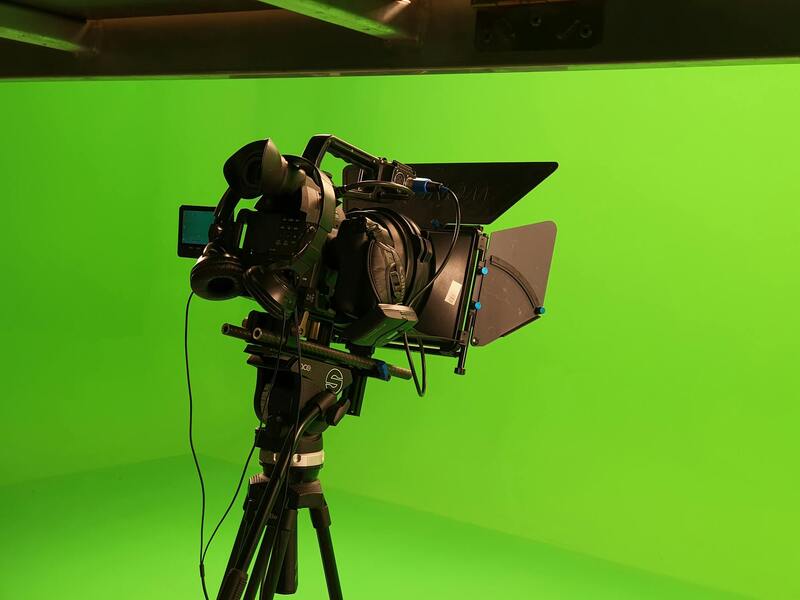
Achieving stunning real estate home photos extends beyond the camera's capabilities. The post-processing stage plays a vital role in elevating the quality of images while maintaining authenticity. Skilled editing ensures that each photograph accurately reflects the property's features, color schemes, and lighting conditions, which is crucial for engaging prospective buyers with truthful visual representations.
Utilizing advanced editing software allows professionals to fine-tune exposure levels, correct white balance discrepancies, and enhance color vibrancy. These adjustments can make interior spaces appear brighter and more welcoming, while exterior shots benefit from optimized contrast and clarity. Lens distortions common in wide-angle photography can also be rectified digitally, resulting in more proportionate and realistic images.
Light retouching should be applied meticulously to avoid over-processing, which may lead to an unrealistic appearance. For instance, subtle shadow enhancements can add depth without misleading viewers. Overall, the goal is to present a compelling yet honest view of the property, helping potential buyers visualize the space as it truly is while emphasizing its best features.
Another important aspect of editing involves correcting lens distortions commonly seen in wide-angle shots. Software tools can straighten images, fix keystoning, and ensure that structural elements align properly. This not only improves the aesthetic quality of the photos but also maintains a truthful depiction of the property's dimensions and layout.
Color correction is equally essential. Proper white balance adjustment prevents color casts that can distort the appearance of walls, furniture, and landscaping. A balanced color palette ensures that potential buyers see the property as it appears in reality, fostering trust and transparency from first glance.
Additionally, virtual staging and minor asset retouching can be incorporated thoughtfully to highlight the property's potential. Virtual furniture placement can help buyers envision living in the space, especially in vacant homes, without misrepresenting the environment. However, it’s crucial that such enhancements remain genuine and do not create misleading impressions.
When executing edits, professionals often employ batch processing for consistency across all images in a listing. This uniformity reinforces a cohesive visual narrative, essential for creating an impactful online presence. Combining technical precision with artistic sensibility results in images that resonate with prospective buyers, encouraging engagement and fostering an emotional connection to the property.
Enhancing Home Photos with Proper Composition and Lighting
Achieving the ideal composition and lighting in real estate home photos is essential to showcase a property's full potential. Proper framing emphasizes the space's best features while minimizing distractions. Utilizing a clean, organized environment ensures that viewers focus on the overall ambiance and layout of the property.
Natural light, often the most flattering, should be harnessed whenever possible. Shooting during daylight hours with ample sunlight streaming through windows creates bright, inviting images. To maximize this effect, open curtains and blinds to let in as much light as possible.
Supplementing natural light with professional lighting fixtures can eliminate shadows and highlight architectural details. For interior shots, employing softbox lights or umbrella umbrellas evenly distribute light, preventing harsh shadows and overly bright spots. When photographing exteriors, avoiding direct midday sun reduces unwanted glare and harsh shadows, making the home appear more appealing.
Angles are equally vital. Low or eye-level shots can distort a space’s proportions or obscure key features. Experts recommend shooting from a corner angle of the room to create depth and perspective, guiding viewers through the space. Wide-angle lenses are particularly effective in capturing entire rooms or expansive outdoor areas, providing a comprehensive view that helps buyers visualize living in the space.
Establishing a Consistent Visual Style
Consistency in image style across a listing enhances professionalism and brand reputation. Maintaining uniformity in exposure, color temperature, and editing style helps create a cohesive visual story. This attention to detail assures prospective buyers of the quality and reliability of the presentation.
Color accuracy is another critical aspect. Accurate white balance prevents color casts that can misrepresent the interior’s actual appearance. Utilizing calibrated monitors and post-processing adjustments ensures that the images reflect true-to-life hues, fostering transparency and trust.
The Role of Professional Post-Processing
Editing plays a significant role in refining real estate photos. Adjustments such as exposure correction, color balancing, and perspective correction can elevate the overall visual appeal without altering the authenticity of the property. It’s important to avoid over-editing, which can mislead potential buyers and compromise credibility.
Virtual staging, when used thoughtfully, can also assist in demonstrating a space's potential, especially in vacant homes. Properly staged photos help viewers envision the lifestyle they could enjoy, thus increasing their emotional connection to the property.
Advanced Techniques to Highlight Structural Features
Incorporating techniques like HDR (High Dynamic Range) imaging allows for capturing details in both brightest and darkest areas of a scene, ensuring neither highlights nor shadows are lost. This technique is especially useful in interior shots with contrasting lighting conditions, maintaining a balanced exposure that reveals the full depth of a space.
Lens corrections, including distortion and keystoning adjustments, are essential to ensure that lines and shapes appear natural and true to reality. Such precision prevents misinterpretation of room dimensions and preserves the integrity of architectural features.
Summary
Successful real estate home photography hinges on meticulous planning, skillful use of equipment, and thoughtful post-processing. When these elements come together, the resulting images provide a genuine and appealing portrayal of the property. These professional-quality visuals serve as a vital tool in attracting qualified buyers and making a strong online impression in a competitive market.
Legal and Ethical Considerations in Real Estate Home Photography
Maintaining transparency and honesty in real estate photography is fundamental to building trust with potential buyers and stakeholders. Professional photography should accurately depict the property's condition, features, and spatial dimensions, avoiding any manipulations that could mislead viewers. This commitment to authenticity not only upholds the integrity of the marketing process but also ensures a seamless buyer experience, fostering confidence in the transaction.
When capturing images, photographers should disclose any enhancements applied during post-processing, such as brightness adjustments, color corrections, or minor retouching. This transparency helps maintain credibility, allowing viewers to make informed decisions based on genuine representations of the property. Using consistent lighting and angle choices across all photos ensures uniformity and prevents misleading impressions about room sizes or property layout.
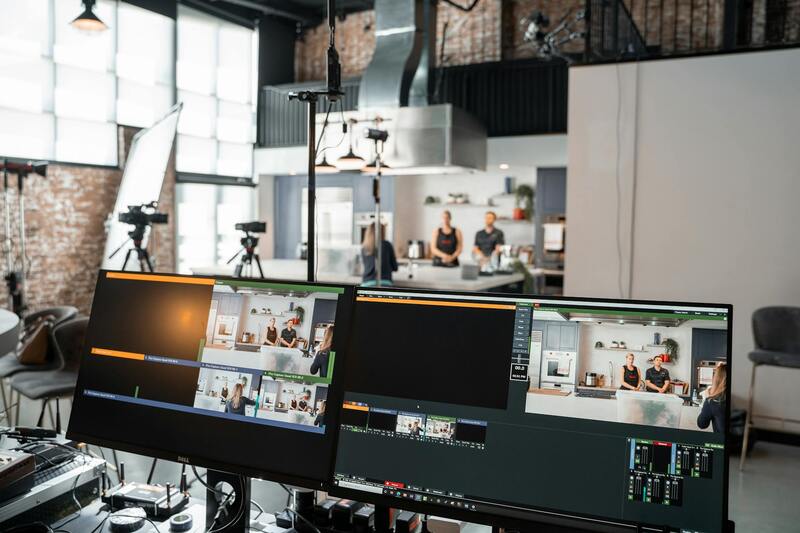
Respecting privacy and security is equally crucial. Photographers should avoid capturing images that reveal sensitive information or details that could jeopardize safety or privacy. For example, images should exclude personal belongings or areas that are off-limits to the public, while focusing on highlight features of the property that appeal to prospective buyers.
Drone Photography and Aerial Shots: Ethical Usage
Using drones for aerial photography offers an impressive perspective of the property's exterior and surrounding landscape. However, adhering to local regulations and airspace restrictions is vital to ensure safety and privacy. Secure necessary permissions and coordinate with property owners when deploying drone equipment. This approach guarantees that aerial visuals enhance the property's appeal without infringing on private boundaries or violating airspace rules.
Photographers should also be considerate of neighboring properties, avoiding intrusive angles or shots that encroach on private spaces. Respecting these boundaries maintains professional integrity and fosters positive relationships within the community. When used responsibly, drone photography can vividly showcase a property's proximity to amenities, parks, and scenic viewpoints, adding valuable context to the listing.
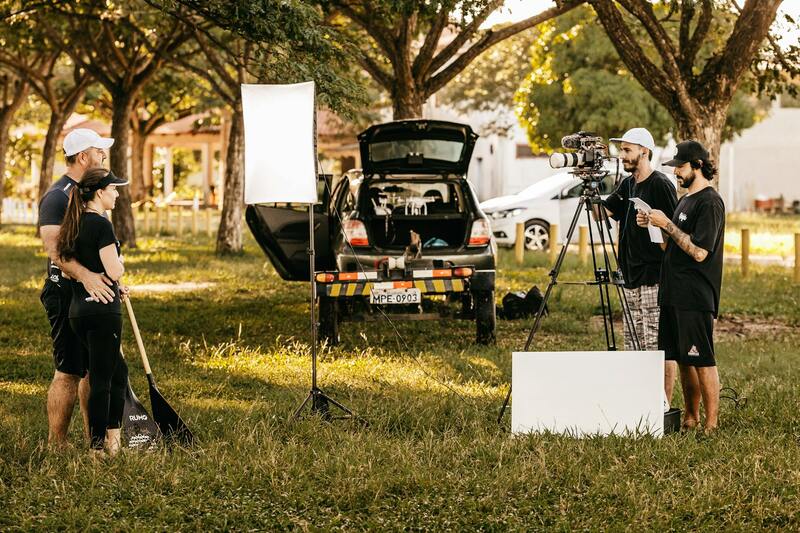
In summary, ethical practices in real estate photography underpin effective marketing, uphold professionalism, and promote transparency. Clear communication about any image enhancements, adherence to privacy protocols, and responsible use of aerial technology collectively contribute to a trustworthy and compelling property presentation. As the showcase of your property gains visibility online, these ethical standards serve as a foundation for a successful sales process, ensuring a positive experience for all parties involved.