

Overview of Real Estate Aerial Videography
Real estate aerial videography involves the use of unmanned aerial vehicles (UAVs), commonly known as drones, to capture dynamic and high-resolution video content of properties from elevated perspectives. This innovative approach enhances traditional marketing methods by providing a comprehensive view of the property's exterior, surrounding landscape, and neighborhood layout. Unlike static photographs, aerial videos offer a moving visualization that can highlight key features, spatial relationships, and environmental context, giving prospective buyers or investors a more immersive experience.
Aerial videography plays a critical role in real estate marketing by showcasing properties from angles that are otherwise difficult to capture with ground-level photography. It involves carefully planned flight paths and stabilized camera equipment to ensure smooth footage that emphasizes the property's unique attributes. This technique allows real estate professionals and property owners to elevate their listings, making them stand out in a competitive market. High-definition aerial videos serve as compelling visual tools that can evoke emotional responses, increase viewer engagement, and ultimately accelerate the decision-making process.
Overview of Real Estate Aerial Videography
Real estate aerial videography has transformed the way properties are presented within the competitive real estate market. It involves the use of sophisticated drone technology and stabilized camera equipment to capture dynamic footage from various altitudes and angles. This method ensures smooth, high-definition videos that showcase a property’s expansive outdoor spaces, architectural details, and surrounding neighborhood with clarity and depth. By providing a comprehensive visual narrative, aerial videography enables potential buyers and investors to experience the property remotely, fostering a stronger emotional connection and aiding in quicker decision-making processes.
Implementing these techniques requires expertise in flight planning, understanding of optimal camera settings, and the integration of stabilization technology to prevent shaky footage. Carefully planned flight paths are critical to capturing all relevant features while maintaining safety and compliance with airspace regulations. Aerial videography not only depicts the scale and layout of the property but also accentuates its architectural beauty and environmental context, making it an indispensable asset for modern real estate marketing strategies.
Technical Aspects and Equipment Used
Professionally produced real estate aerial videos rely on high-end drone systems equipped with 4K cameras, gimbals for stabilization, and GPS navigation to execute precise flight paths. These drones are operated by certified pilots who have extensive training in aerial cinematography, ensuring footage is captured efficiently and safely. Additional accessories such as wide-angle lenses and filters enhance image quality, allowing for vibrant colors and sharp details even in challenging lighting conditions. The integration of editing software also allows for advanced post-production work, including color grading and stabilization corrections, which further elevates the final product’s professional appearance.
Choosing the right equipment is crucial to match the specific objectives of the project, whether it’s a sweeping overview of the property or close-up footage of architectural features. The combination of sturdy drone hardware and stabilized camera systems enables the creation of cinematic-quality videos that can highlight the property's unique features in a compelling manner. Additionally, camera settings such as aperture, shutter speed, and frame rate are carefully calibrated to optimize image clarity and motion fluidity, resulting in a seamless viewing experience for prospective buyers.
Legal and Regulatory Considerations for Real Estate Aerial Videography
While employing aerial videography enhances the appeal of residential and commercial properties, it is essential to adhere to established airspace regulations and safety protocols. These regulations govern where, when, and how drones can be operated for commercial purposes, including real estate marketing campaigns. Compliance ensures the smooth execution of drone filming projects and mitigates potential disruptions or liabilities.
Operators must ensure they are working within designated airspace permissions, particularly in urban environments or near sensitive locations such as airports, hospitals, or government complexes. Securing authorization from the Federal Aviation Administration (FAA) involves understanding the specific rules associated with controlled airspace, which often includes obtaining waivers or authorizations for drone flights in restricted zones.
In addition, drone operators should ensure they are certified under the FAA’s Part 107 certification standards if operating commercially. This certification guarantees that pilots are trained in safe flying practices, airspace knowledge, and emergency procedures. Routine maintenance and pre-flight inspections are also crucial to ensure equipment reliability and safety.
By understanding and respecting the necessary regulations, real estate professionals can confidently utilize aerial videography to showcase properties compellingly while maintaining compliance with all operational standards. This approach not only enhances visual storytelling but also fosters trust with clients and viewers who expect responsible and professional drone operations.
Detailed Understanding of Regulatory Frameworks for Aerial Videography
Executing successful real estate aerial videography involves adherence to well-established procedures that govern drone operation. Maintaining compliance with authorized airspace operations ensures safety for all airspace users and preserves the integrity of the footage produced. Understanding the various classifications of airspace is essential for planning drone flights; controlled zones such as Class D or restricted areas near airports require specific permissions and clearances prior to any filming activity.
For example, urban and densely populated regions often fall into complex airspace categories, necessitating thorough coordination with relevant authorities and obtaining pertinent permissions. These permissions are granted through formal processes that involve submitting detailed flight plans, demonstrating operator certification, and securing necessary waivers or airspace authorizations. This step-by-step approach minimizes operational risks and ensures the drone flights stay within the prescribed boundaries, avoiding inadvertent infringements or disruptions.
Operators should also familiarize themselves with local regulations and policies that may be applicable to specific properties or regions. Many municipalities and property managers have their own guidelines which must be observed to prevent conflicts or delays in project timelines. Employing a drone pilot certified under the FAA’s Part 107 standards—who has demonstrated a comprehensive understanding of airspace regulations, safety procedures, and emergency protocols—is crucial for professional compliance and the safe execution of aerial videography projects.
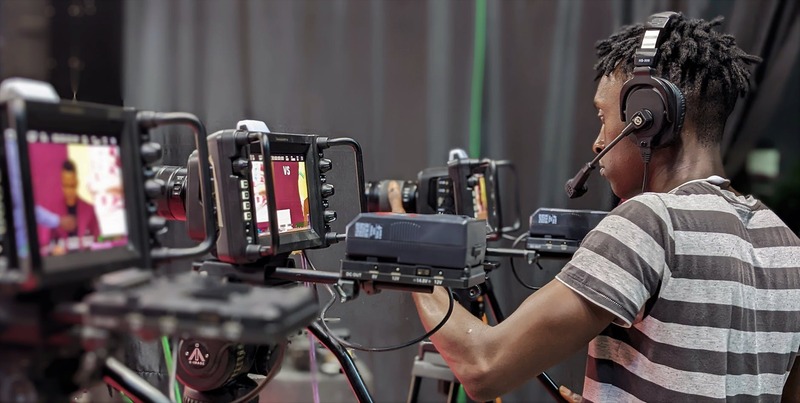
Pre-flight planning also involves assessing environmental factors such as weather conditions, wind speeds, and potential electromagnetic interference, all of which can impact drone stability and footage quality. Operators routinely perform detailed equipment inspections and calibration routines to guarantee reliable performance throughout the shoot.
Following the flight, maintaining comprehensive documentation of permissions granted, flight logs, and operational procedures helps establish accountability and provides a clear record in case of audits or inquiries. This meticulous approach not only promotes safety but also fosters trust with clients, property owners, and regulatory bodies, contributing to a seamless filming experience.
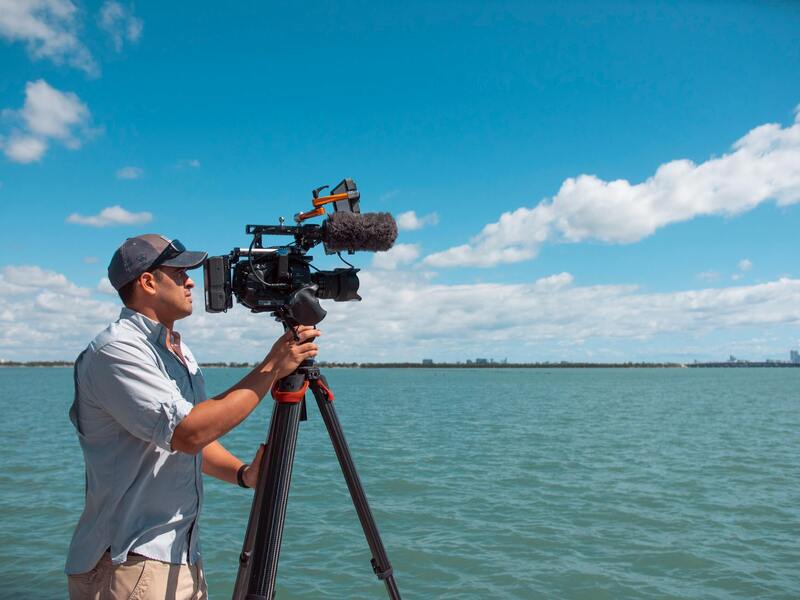
Technical Aspects and Equipment Used in Real Estate Aerial Videography
Achieving high-quality aerial videos for real estate purposes requires a sophisticated understanding of the technical components involved. The selection of appropriate equipment is vital to capturing stunning visuals that effectively showcase a property’s unique features and surroundings. Typically, professional-grade drones equipped with stabilized gimbal systems are employed to ensure smooth, cinematic footage. These gimbals counteract drone movements, providing crisp, steady images even in challenging weather conditions or when tracking dynamic scenes.
The cameras mounted on these UAVs (unmanned aerial vehicles) are usually high-definition, capable of recording in 4K resolution or higher. This ensures vivid detail, color accuracy, and the ability to produce compelling visuals suitable for marketing, virtual tours, and social media promotion. Depending on the project’s scope, additional equipment such as wide-angle lenses, filters to control exposure, and ND (neutral density) filters are utilized to optimize image quality in varying lighting situations.
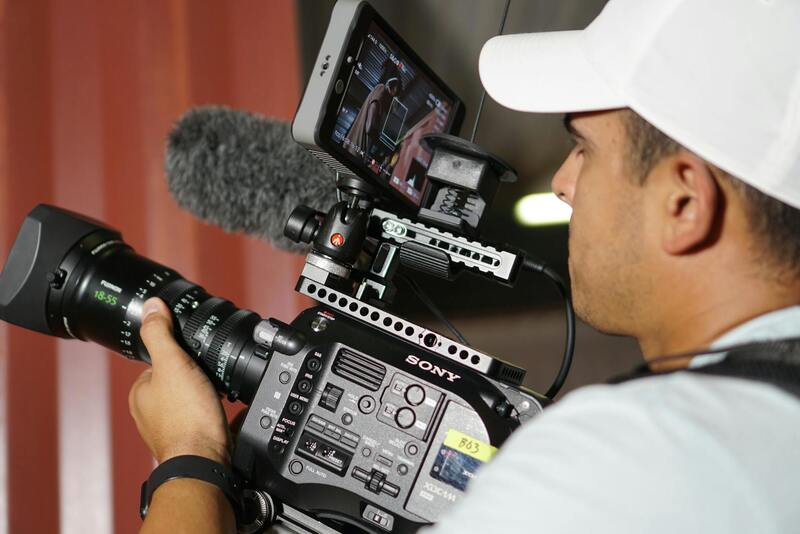
Beyond the drone and camera, auxiliary tools like GPS systems and flight planning software contribute to the precision and safety of aerial filming. GPS technology allows for accurate waypoint navigation, ensuring the drone follows predefined paths to capture comprehensive property coverage. Flight planning applications help pilots map out optimal routes, avoid obstacles, and comply with designated airspace regulations. These tools enhance both safety and efficiency, enabling the creation of detailed videos that highlight the property's exterior, surrounding landscape, and key features.
Operators also rigorously check all equipment before each shoot, performing calibration routines and firmware updates to prevent technical issues. Battery management is critical, as extended flight times are essential to capture all necessary footage. High-capacity, quick-charge batteries allow for longer shooting periods, reducing the need for multiple landings and setups.
The integration of these technical elements results in footage that is not only visually stunning but also reliable and consistent, meeting the professional standards required for marketing high-value properties. Proper equipment choice coupled with meticulous planning ensures that each aerial videography project adheres to best practices for safety, quality, and regulatory compliance.
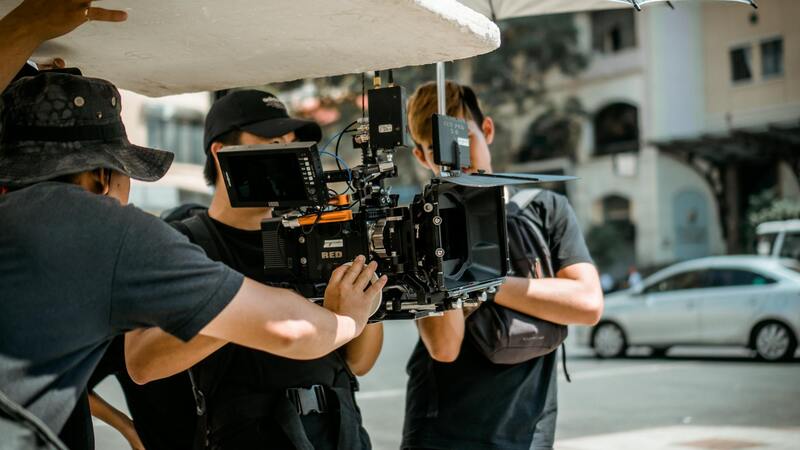
Technical Aspects and Equipment Used
Executing high-quality real estate aerial videography requires meticulous attention to technical details and the deployment of advanced equipment. Central to capturing striking footage are professional-grade drones equipped with stabilized gimbals. These devices ensure smooth, cinematic movement while maintaining the stability necessary for sharp, distortion-free shots. Modern gimbals use sophisticated stabilization algorithms to compensate for drone movement, resulting in crystal-clear videos that emphasize property details and landscape features without distracting jitters.
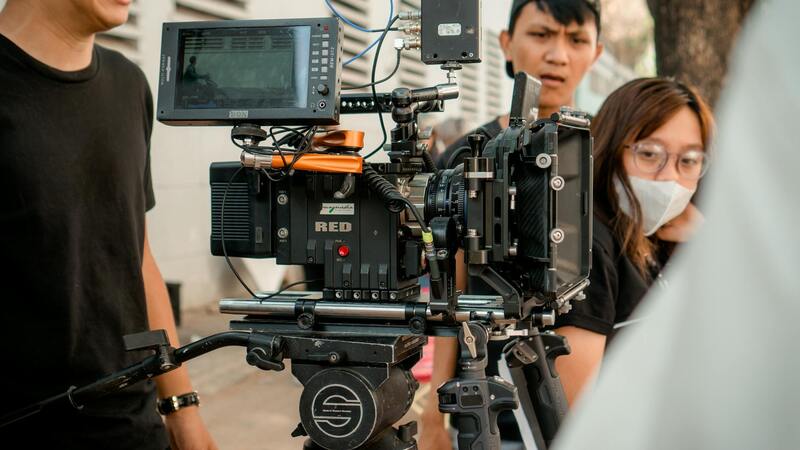
Beyond stabilization, high-resolution imaging sensors are crucial. Many drones used in real estate videography are equipped with 4K or even 6K cameras capable of capturing exquisite detail and vibrant color accuracy. These images can then be showcased in promotional materials that highlight the property’s architectural finesse, surrounding environment, and unique features. With the increasing demand for immersive viewing experiences, some operators utilize drones capable of capturing high-dynamic-range (HDR) footage, providing balanced exposure across a variety of lighting conditions.
Flight planning software plays an integral role in precision operations. These platforms assist pilots in mapping out detailed flight paths, setting waypoints, and calculating optimal altitudes. They also facilitate obstacle avoidance by alerting operators to potential hazards like trees, power lines, or other structures, thus safeguarding equipment and property. GPS technology ensures that the drone flies along the predefined route, capturing consistent shots from various angles without the need for repeated manual adjustments.

Battery technology is another vital component. High-capacity, quick-charging batteries extend flight time, allowing operators to cover entire properties and surrounding landscapes efficiently. Multiple batteries are typically employed to ensure continuity during shoots, reducing downtime caused by recharging. In addition, operators routinely calibrate their drones, update firmware, and perform comprehensive pre-flight checks to minimize technical issues that could compromise footage quality or safety.
Complementing the drone itself are auxiliary tools such as remote controllers with ergonomic grips, live video feed monitors, and extended-range transmission systems. These enable real-time monitoring and precise control while navigating complex environments. Advanced software also permits post-flight data correction, such as adjusting for lens distortion or color grading, which further enhances the final product.
Overall, the combination of stabilized camera systems, high-resolution sensors, advanced flight planning, and reliable power sources ensures consistent production of exceptional aerial videos. Such professionalism not only highlights the property’s features but also reflects a commitment to quality and safety, vital for competitive real estate marketing.
Overview of Real Estate Aerial Videography
Real estate aerial videography refers to the strategic use of unmanned aerial vehicles (UAVs), commonly known as drones, equipped with high-definition cameras to capture dynamic, sweeping footage of properties and their surrounding landscapes. This specialized technique offers a unique vantage point that highlights the scope, layout, and environment of a property from above, providing prospective buyers with a comprehensive view that traditional ground-level photography cannot deliver. The approach emphasizes clarity, perspective, and immersion, all of which contribute significantly to compelling marketing materials.
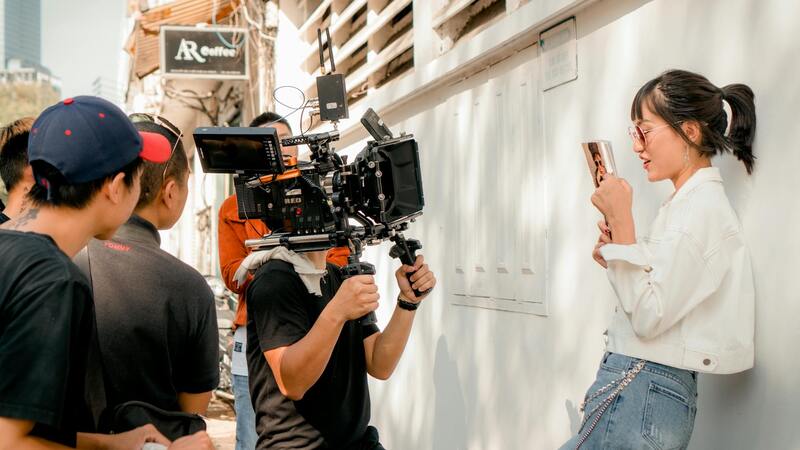
Professionals in the field focus on deploying stable, high-resolution camera systems mounted on expertly piloted drones. These systems are capable of capturing ultra-high-definition footage, with many devices supporting 4K and even higher resolutions, ensuring that every detail of the property is rendered with clarity. The footage can range from sweeping landscape shots to close-up views of architectural features, landscape elements, water bodies, driveways, and backyard amenities.
The application of real estate aerial videography extends beyond mere visual appeal. It serves as a vital tool in digital marketing, property presentation, and client engagement. High-quality aerial videos can significantly boost online listings, attract more attention on social media platforms, and create an emotional connection by showcasing the property's character within its broader environment. To achieve these objectives, videographers plan their shoots meticulously, considering weather conditions, optimal flight paths, and the angles that best highlight the property’s strengths.
Benefits of Using Aerial Videography in Real Estate
- Enhanced Property Appeal: Dynamic aerial footage creates a compelling visual narrative that captures attention and differentiates listings in a competitive market.
- Broader Context: Showcasing neighboring features, access points, and surrounding amenities provides a complete picture, helping potential buyers understand the property's setting.
- Time-Efficient Perspective: Aerial videography offers an overview in minutes that might otherwise require extensive ground filming, reducing production time and costs.
- Emotional Impact: Movement, scale, and scenic views foster an emotional connection, increasing interest and engagement from viewers.
- Versatility in Marketing: Footage can be repurposed for virtual tours, social media advertisements, website content, and presentations, maximizing marketing ROI.
Types of Aerial Videography for Real Estate
- Standard Fly-Throughs: Smooth, steady shots navigating across the property and transitioning to surrounding areas, ideal for creating a comprehensive overview.
- High-Altitude Overviews: Broad shots from higher altitudes that emphasize the property's geographic context and landscape features.
- Timed and Choreographed Sequences: Coordinated flight paths that capture multiple angles in a predefined sequence, providing a cinematic quality to the final video.
- Nighttime Aerials: Drone footage captured during twilight or night, utilizing lighting techniques to highlight features and add a dramatic effect.
Technical Aspects and Equipment Used
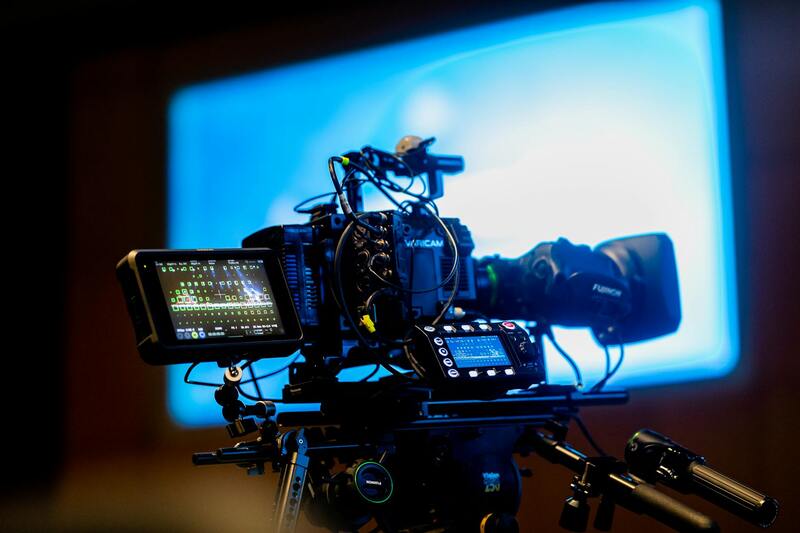
Successful real estate aerial videography relies on a combination of sophisticated equipment and meticulous technical execution. High-end drones equipped with 4K or higher resolution cameras, often stabilized via gimbal systems, deliver smooth, distortion-free footage. Operators utilize advanced flight planning software to map out precise flight paths, ensuring optimal angles and safety during the shoot.
Additional equipment includes remote controllers with ergonomic designs for precise maneuvering, live video feed monitors for real-time framing, and extended-range transmission systems for larger properties. Battery technology is crucial; high-capacity batteries with quick-charging capabilities allow for extended flight times, facilitating the comprehensive coverage of expansive properties. Multiple batteries are typically used to avoid interruptions during filming sessions.
To maintain high quality, operators routinely calibrate cameras, update drone firmware, and conduct pre-flight inspections to identify and resolve potential technical issues. Post-flight software enables correction of lens distortion, color grading, and stabilization, further elevating the aesthetic quality of the footage.
Legal and Regulatory Considerations
In deploying aerial videography for real estate, adherence to aviation regulations and airspace management is essential. This includes securing necessary permissions, understanding airspace classifications, and complying with altitude and distance restrictions. Inspections of the control software and firmware updates are necessary to ensure safe and compliant operation. Proper documentation and situational awareness underpin the professional practice of aerial videography, safeguarding both the operator and the client.
Overview of Real Estate Aerial Videography
Real estate aerial videography has revolutionized the way properties are marketed and showcased, offering dynamic perspectives that traditional ground-based footage cannot achieve. Utilizing high-quality drones and sophisticated camera equipment, videographers capture sweeping aerial views that highlight the property's size, layout, and integration with the surrounding environment. This approach provides prospective buyers with a comprehensive understanding of the property's scale, proximity to key amenities, and unique architectural features through cinematic movements and smooth transitions. The incorporation of aerial footage into listings enhances visual appeal, making properties stand out in competitive markets while providing real estate agents with an effective tool for storytelling and property branding.
Benefits of Using Aerial Videography in Real Estate
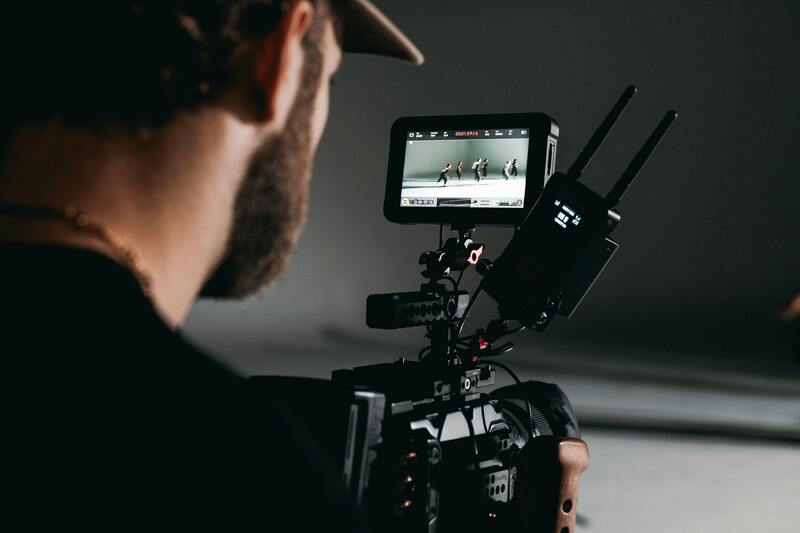
The strategic application of aerial videography offers numerous advantages, particularly in creating captivating marketing content. The ability to present large estates, commercial properties, or sprawling land parcels from multiple heights allows viewers to grasp the full scope and majesty of a property at a glance. Viewers can experience the flow of outdoor spaces, landscape contours, and architectural integration seamlessly. This immersive viewing experience fosters increased engagement, helps prospective buyers visualize the property's potential, and accelerates decision-making processes. Additionally, aerial videos enhance online listings by providing high-quality, eye-catching content that can be easily shared via social media platforms, email campaigns, and property websites, significantly improving visibility and engagement metrics.
Types of Aerial Videography for Real Estate
Various types of aerial footage serve different marketing and presentation objectives in real estate. Dynamic establishing shots set the scene, displaying the property's proximity to prominent landmarks or natural features. Orbit shots revolve the camera around the property, offering an encompassing view of the exterior design and landscaping. Flythrough shots allow a virtual walkthrough of the property, emphasizing flow and spatial relationships, especially useful for large estates or commercial complexes. Additionally, time-lapse footage can showcase the property's transformation over time or highlight daily lighting changes, adding a compelling storytelling element. Combining these approaches creates a comprehensive and engaging visual narrative that appeals to potential buyers and investors alike.
Technical Aspects and Equipment Used
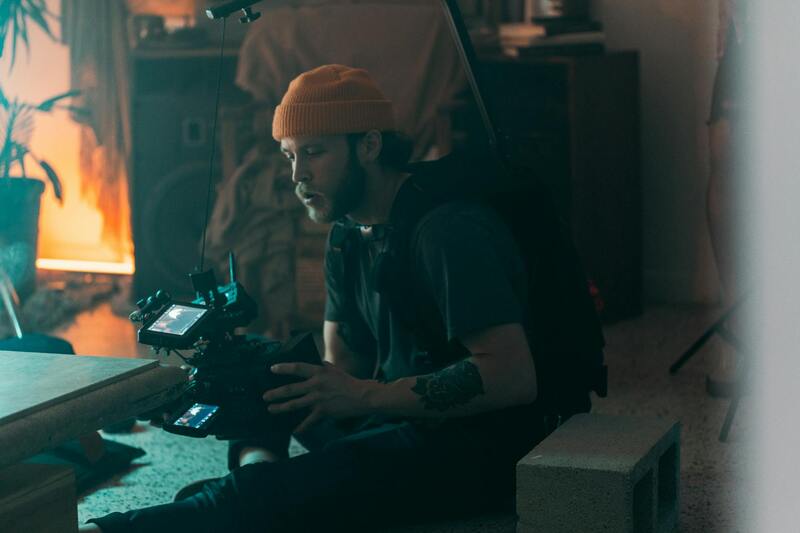
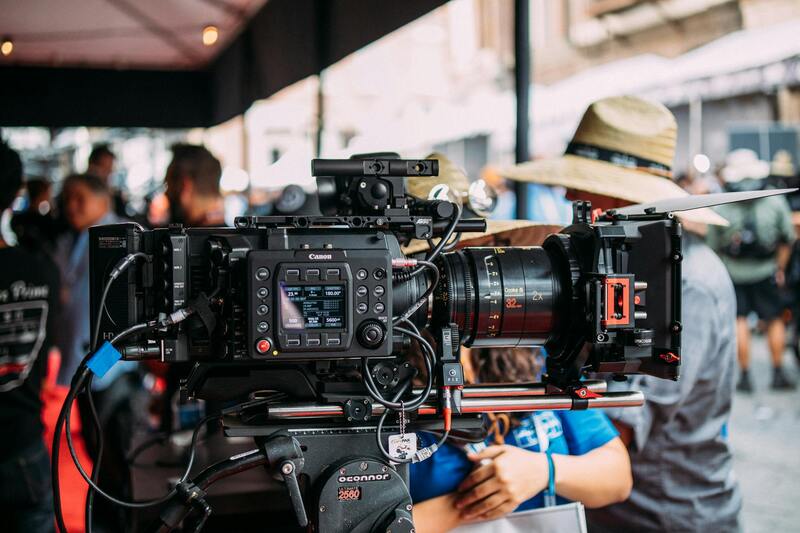
Executing high-caliber real estate aerial videography demands precise planning and advanced equipment. Drones equipped with stabilized gimbal cameras capture smooth, high-definition videos while maintaining stability in varying weather conditions. Cameras with 4K or higher resolution are standard, ensuring clarity and detail. Flight planning software enables operators to map optimal routes, avoid obstacles, and comply with airspace restrictions, ensuring safety and efficiency. High-capacity batteries extend flight times, allowing for uninterrupted coverage of extensive properties. Remote controllers with ergonomic designs facilitate accurate maneuvering and framing, while live video feeds enable real-time adjustments. Post-flight calibration and software aid in lens distortion correction, color grading, and stabilization, refining the final footage to professional standards.
Legal and Regulatory Considerations
Adherence to official procedures and regulations ensures safe and compliant aerial videography operations. Operators must secure necessary permissions for flight within designated airspace, which often involves coordinate with local aviation authorities and obtain specific authorizations for complex zones or restricted areas. Maintaining accurate records of flight plans and licenses supports transparency and accountability. Regular updates of drone firmware and control software are vital for optimal performance and safety. Operational practices include establishing clear communication protocols, pre-flight inspections, and situational awareness to mitigate risks. Precise documentation of flights enhances accountability and aligns with professional standards, providing confidence in the safety and quality of the produced content.
Best Practices for Shooting Real Estate Aerial Videos
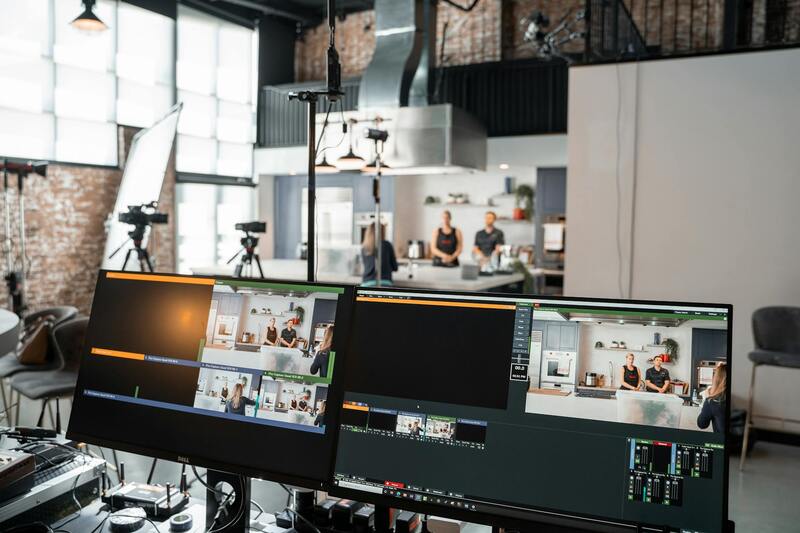
- Pre-Flight Planning: Conduct thorough site surveys, assess weather conditions, and plan flight paths to cover all key property features while avoiding obstacles.
- Optimal Timing: Schedule shoots during golden hours—early morning or late afternoon—to utilize natural lighting for warm, appealing visuals.
- Camera Settings: Use correct exposure, shutter speed, and stabilization settings to ensure high-quality footage with minimal distortion.
- Safety Precautions: Maintain distance from structures, power lines, and people; adhere to altitude restrictions; and constantly monitor drone operation.
- Smooth Movements: Employ stabilized gimbals and gentle controls to achieve cinematic, professional motion shots that captivate viewers.
Post-Production and Editing
Once footage collection concludes, editing transforms raw footage into polished marketing content. Color grading enhances visual appeal, ensuring color consistency and vibrancy that matches the property’s aesthetic. Stabilization techniques eliminate any unwanted jitter, providing smooth viewing experiences. Lens distortion correction ensures accurate representation of architectural features, especially critical for large-scale properties. Incorporating music, narration, or on-screen text can accentuate key selling points. Creating compelling transitions between shots maintains viewer engagement and helps tell a cohesive story. High-quality rendering and file compression deliver optimal playback across multiple platforms, from online listings to social media, maximizing reach and impact. Skilled editing elevates the initial imagery into a professional marketing asset that effectively communicates the property's value and uniqueness.