

Importance of High-Quality Property Pictures
In the competitive landscape of real estate, the quality of property images plays a pivotal role in capturing the attention of potential buyers and renters. High-resolution, professionally captured photographs serve as a digital handshake—offering a first impression that can make or break a listing’s effectiveness. When prospective clients browse online listings, they are primarily drawn to images that clearly and attractively showcase the property's features. Low-quality or poorly lit photos often lead to decreased interest, fewer showings, and ultimately, a lengthier selling process.

Accurate and vivid imagery allows potential buyers to visualize their future space, fostering an emotional connection that can significantly influence their decision-making. Well-composed images emphasize layout, highlight key features, and portray the property in its best light. As a result, listings with top-tier photographs tend to generate more engagement, increase viewership, and elevate the overall perception of the property’s value. This visual enhancement not only accelerates the sales cycle but also commands higher offers, reflecting a well-presented and appealing property.
Role of Photography in Real Estate Marketing
Photography functions as the cornerstone of real estate marketing strategies. It bridges the physical property with its digital presentation, extending its reach beyond traditional marketing methods. Through compelling imagery, agents and property owners can reach a broader audience via online listings, social media platforms, and targeted advertising campaigns. In digital marketing, where clients often sift through dozens of listings daily, striking visuals ensure that a property stands out amidst the competition.
Furthermore, consistent quality imagery reinforces a professional reputation for agents and agencies, establishing trust and confidence among prospective clients. The use of high-quality photographs demonstrates attention to detail and commitment to excellence, which can lead to increased client referrals and repeat business. Visual storytelling through images becomes a powerful tool that effectively communicates the property's unique selling points without the need for excessive written descriptions.
Key Elements of Effective Property Photos
- Lighting: Utilizing natural light to create a bright, inviting atmosphere.
- Composition: Framing shots to showcase space, perspective, and flow.
- Clarity: Ensuring sharp focus and high resolution.
- Highlighting Features: Emphasizing special aspects like custom finishes, spacious layouts, or unique architectural elements.
- Neutral Decor: Presenting spaces with minimal personalization to appeal to a broader audience.
- Consistency: Maintaining a cohesive style across all images for a polished listing appearance.
Preparing Your Property for Photo Shoots
Preparation is critical in capturing compelling property images. De-cluttering keeps spaces looking clean and spacious, while staging can accentuate the functionality and appeal of each room. Deep cleaning, including carpets and windows, ensures that every surface appears pristine. Curb appeal matters too; landscaping and exterior cleanliness set the tone before entering the home.
Timing the shoot during optimal lighting conditions—preferably late morning or early afternoon—maximizes natural light. Open curtains and blinds to flood rooms with daylight, and remove personal items or distracting clutter. Ensuring that all lights are functioning and replacing dim or burnt-out bulbs will also enhance the overall brightness and mood of the photographs.
Techniques and Equipment for Real Estate Photography
To achieve professional results, the right equipment and techniques are essential. A sturdy tripod stabilizes the camera, preventing blurriness and enabling longer exposure times in lower light conditions. Wide-angle lenses are typically preferred as they capture more of the space, giving a sense of openness and dimension.
Utilizing HDR (High Dynamic Range) imaging can balance the exposure between bright and dark areas, ensuring details are visible throughout the photograph. Drones are also increasingly used for capturing striking aerial views of larger properties or scenic surroundings, enhancing the visual narrative of the listing.
Editing and Post-Processing Tips
Post-processing allows for subtle enhancements that can elevate raw images. Adjusting brightness, contrast, and sharpness ensures clarity and vibrancy without misrepresenting the property. Correcting perspective distortions, especially those caused by wide-angle lenses, can straighten lines and improve visual accuracy.
Retouching can remove minor imperfections like shadows, distracting clutter, or reflections. However, it is crucial to maintain an authentic representation; exaggerating features or altering the appearance of the property can undermine trust and complicate client expectations.
Legal and Ethical Considerations
Capturing property images responsibly involves respecting privacy and legal standards. Obtaining proper permissions before photographing private spaces, especially in multi-unit buildings or private areas, is essential. Avoid including identifiable personal items that are not intended to be showcased. When using professional equipment or editing software, honesty in representation remains a key principle, avoiding deceptive enhancements that could mislead prospective buyers.
Choosing a Professional Photography Service
Partnering with experienced real estate photographers ensures your property is shown in the best possible light. Professionals possess the technical skills, equipment, and artistic sensibilities needed to produce compelling images. They understand how to properly stage, light, and compose shots to highlight each property’s strengths. Moreover, established agencies can provide comprehensive packages, including interior and exterior shots, aerial photography, and post-processing, streamlining your marketing efforts and elevating your listing’s appeal.
Importance of High-Quality Property Pictures
In the highly competitive real estate landscape of Miami, compelling and professional property images are pivotal in capturing the attention of prospective buyers. High-quality pictures serve as the initial point of contact, often determining whether a potential client delves deeper into the listing or moves on to the next. Images that are clear, well-lit, and accurately portray the property's features maximize engagement and increase the likelihood of a successful sale or rental.
Exquisite visuals not only attract more viewers but also foster a stronger emotional connection to the property. When potential buyers can visualize themselves living in the space, it transforms abstract listings into tangible possibilities. This emotional resonance can accelerate decision-making, reducing the time a property spends on the market.
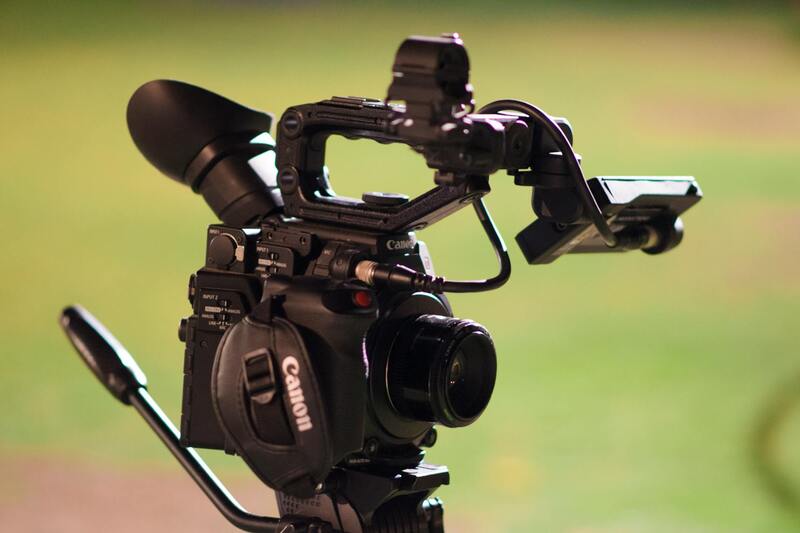
Investing in high-quality images directly impacts your marketing effectiveness. Listings with professional photos are more likely to be shared across social media, featured in online portals, and included in print advertisements. This multi-channel approach ensures broader exposure, reaching a wider audience and increasing the chances of a quick sale.
Authentic representation is crucial in maintaining trust and credibility. Using genuine images that accurately reflect the property's condition and features ensures that interested buyers have realistic expectations, reducing the likelihood of disappointment or dissatisfaction during viewings.
Key Elements of Effective Property Photos
- Proper Lighting: Utilizing natural light or professional lighting ensures the property is seen in its best form, avoiding dull or shadowed images.
- Optimal Composition: Framing the shot to include key areas and avoiding clutter helps highlight the property's strengths.
- Angles and Perspectives: Using a variety of angles, including wide shots, provides a comprehensive view of each space.
- Consistency: Maintaining a cohesive aesthetic across all images creates a polished and professional listing.
Preparing Your Property for Photo Shoots
Preparation is vital for capturing captivating images. Declutter and stage the interior to ensure spaces appear inviting and functional. Fresh coats of paint, neat furnishings, and minimal distractions help convey the true potential of each room. Outdoor areas should be tidy, with well-maintained landscaping and strategic lighting during dusk or dawn for added visual appeal.
Techniques and Equipment for Real Estate Photography
Professional photographers rely on advanced equipment such as high-resolution DSLR or mirrorless cameras, wide-angle lenses, and stabilizers to produce sharp and expansive images. Drone photography adds a compelling aerial perspective, showcasing the property's surroundings, especially in scenic Miami settings. Properly calibrated lighting systems and post-processing software further enhance image quality, ensuring that each photo accurately and attractively represents the property.

Enhancing Property Images Through Editing and Post-Processing
Post-processing plays a crucial role in refining images for maximum impact. Adjustments in brightness, contrast, and color balance create vibrant visuals that stand out. Minor retouching can correct distortions, remove reflections, or hide imperfections without compromising authenticity. Real estate photography should always aim for a natural look that faithfully represents the space.
Advanced editing tools enable the enhancement of key features to draw attention to desirable aspects like natural light or architectural details. Consistent editing styles across a set of photos provide a cohesive viewing experience, elevating the overall presentation.
Effective Staging and Proper Framing Enhance Property Photos
Once the property is prepared, attention must be paid to staging and framing to ensure each shot captures the property's best features. Proper staging involves decluttering, arranging furniture to highlight spaciousness, and adding subtle decorative elements to create an inviting atmosphere. It’s essential to emphasize natural light by opening curtains and maximizing sunlight, which can be achieved through strategic camera angles and timing the shoot during optimal daylight hours. Framing is equally critical; photographers need to employ techniques like the rule of thirds to create balanced, visually appealing images. Walls, windows, and doorways should guide the viewer’s eyes toward focal points, such as architectural details or unique interior finishes. Correctly framing images prevents distortions and ensures the property appears appealing and true to life. Including multiple angles—wide shots of living areas, detailed close-ups of special features, and exterior vistas—provides a comprehensive visual story. Such diversity in perspectives enables potential buyers or tenants to comprehend the space fully, fostering a more engaging and informative viewing experience.
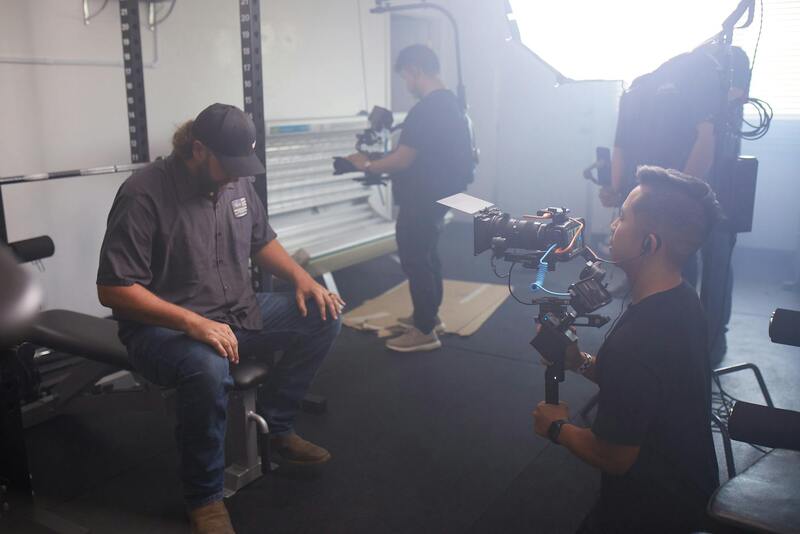
Maintaining Consistency Across Photography Sessions
Consistency plays a vital role in building a professional property portfolio. When multiple images are cohesively styled, with uniform lighting, color correction, and editing techniques, they convey a polished and trustworthy presentation. This uniformity is especially beneficial for real estate agencies or property managers aiming to establish a recognizable brand identity. Photographers should establish a standard shooting protocol, including specific camera settings, angles, and post-processing steps. This consistency enhances the overall impact of the property listing, making it easier for viewers to compare features across different properties or units. Moreover, consistent quality assurance assures clients that every property will be showcased at its best, reinforcing their confidence in your services.
The Impact of High-Resolution Images on Online Listings
High-resolution images are essential for showcasing properties in the digital space. They allow viewers to zoom in on important details, such as intricate finishes, hardware, or scenic views surrounding the property. These sharp, detailed visuals prevent the need for multiple revisions or additional shoots, saving time and ensuring the property is presented in its best light. In a competitive Miami market, where luxury and unique architectural elements draw interest, having high-quality images can significantly impact engagement rates. They help listings stand out amid numerous options, potentially leading to faster sales or rentals. Ensuring that images are optimized for various devices—desktop, tablet, or mobile—is also crucial to provide a seamless viewing experience regardless of the platform used.
Importance of Authentic Representation
While enhancing property images through editing is beneficial, maintaining an authentic representation of the space is paramount. Overly retouched or exaggerated images can mislead potential buyers, leading to disappointment during physical visits. Transparency in visual presentation builds trust and fosters positive relationships with clients. Using subtle enhancements—such as adjusting brightness or correcting lens distortions—ensures images remain true to the actual property. Consistent, honest visuals reinforce your reputation as a reliable real estate professional and encourage informed decision-making among prospective clients.
Techniques and Equipment for Real Estate Photography
Achieving compelling property pictures requires a combination of the right techniques and suitable equipment. Professional-grade cameras, such as full-frame DSLR or mirrorless models, are essential for capturing high-resolution images that reveal intricate details and textures of the property. These cameras offer superior image quality, better low-light performance, and greater control over depth of field, which collectively enhance the overall visual impact.
In addition to a high-quality camera, wide-angle lenses are frequently employed in real estate photography. They enable capturing expansive interior spaces in a single shot, making rooms appear more spacious and inviting. A tilt-shift lens can further refine perspectives by correcting distortions, especially when photographing architectural features, ensuring straight lines and true-to-scale representations.

Tripods are indispensable tools, providing stability for long exposure shots that enhance lighting and clarity, particularly in dimly lit interiors. Remote shutters or camera timers prevent vibrations during the capture process, ensuring sharp images. Additionally, external flashes and diffusers can be used to balance lighting, soften shadows, and highlight architectural details effectively.
In the realm of enhancements, drone photography has gained popularity for capturing striking aerial views of larger properties and surrounding landscapes. Drones equipped with high-resolution cameras allow for dynamic shots that showcase the property's scale, neighborhood context, and external features, providing prospective buyers with a comprehensive perspective.
Post-processing software such as Adobe Lightroom and Photoshop plays a significant role in the production phase. These tools facilitate color correction, exposure adjustments, and minor retouches to remove distracting elements. When used judiciously, post-processing enhances real property features without exaggerating or misrepresenting the space, upholding the standards of authenticity and accuracy.
Proper technique also involves understanding the importance of optimal timing and lighting conditions. Shooting during the 'golden hour'—shortly after sunrise or before sunset—creates warm, inviting tones that can accentuate architectural details and landscaping. Overcast days can be advantageous for capturing even, diffused lighting that minimizes harsh shadows.
Additional Tips for Professional Property Photography
- Ensure all fixtures, furniture, and decor are tidy and well-arranged to present spaces at their best.
- Use consistent camera settings to maintain uniformity across your property images.
- Schedule shoots during favorable weather to capture properties in appealing natural surroundings.
- Invest in high-dynamic-range (HDR) photography techniques to balance bright windows with interior lighting, preventing overexposure and underexposure within the same shot.
- Consider color correction and perspective consistency in post-production to create seamless, professional images.
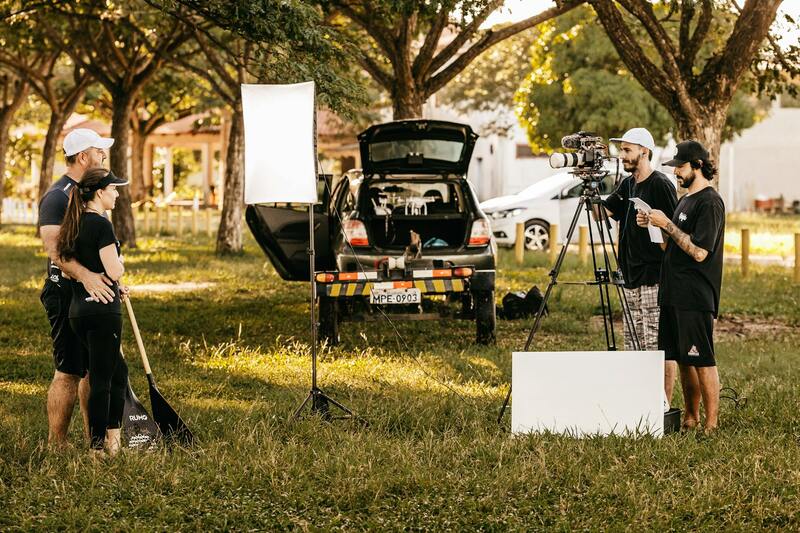
Techniques and Equipment for Real Estate Photography
Achieving compelling property pictures hinges on the use of advanced photographic tools and techniques tailored to highlight each aspect of the property's unique features. Professional-grade cameras equipped with wide-angle lenses enable capturing expansive interior views and architectural details with clarity and depth, providing potential buyers or tenants a comprehensive visual understanding of the space. These lenses are particularly effective for small or cluttered rooms, creating an illusion of spaciousness that can significantly influence interest.
In addition to high-quality cameras and lenses, incorporating drone photography grants a bird's-eye perspective that showcases the property's exterior, landscaping, and surrounding environment in a manner that ground-based photos cannot. This method offers a panoramic overview of large properties or those with appealing outdoor features, adding an extra layer of allure to the visual presentation.
Effective use of composition principles—such as the rule of thirds, leading lines, and framing—can guide viewers' attention to the property's most attractive elements. Proper framing emphasizes architectural details, interior design, or outdoor features, creating a balanced and engaging visual narrative. Controlling lighting conditions through scheduling shoots during optimal times, like the golden hour, or using diffusers and reflectors to soften harsh shadows ensures that the images are vibrant and true to life.
Furthermore, professional lighting equipment or portable flash units can help illuminate darker areas and highlight textures within interiors. This prevents underexposure and ensures every room’s best features are visible. For exterior shots, natural lighting combined with reflectors can accentuate landscaping and curb appeal without the need for advanced illumination tools.
Finally, the utilization of high-dynamic-range (HDR) imaging techniques is critical for capturing scenes with a wide range of luminance levels. HDR merges multiple exposures to produce balanced images that showcase detailed windows and interior features simultaneously, resulting in professional-quality photographs that accurately reflect the property’s appearance in various lighting conditions.
Technical Aspects of Property Photography
Executing high-quality property pictures relies heavily on capturing images that accurately portray the property's features while appealing to prospective buyers or tenants. Advanced techniques and specialized equipment play a pivotal role in elevating the standard of real estate imagery. The choice of camera and lens should prioritize high resolution and sharpness, ensuring that every detail is clear and enticing. Wide-angle lenses are often utilized to encompass more of a room within a single frame without distortion, which helps present spaciousness and flow.
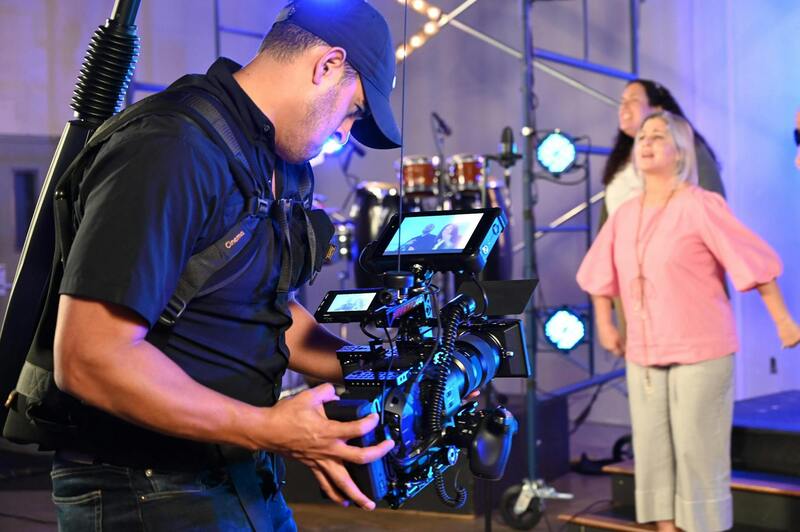
In addition to capturing the shot, stabilizing equipment like tripods and gimbals minimize motion blur, maintaining image crispness even in low-light conditions. When photographing interiors, careful control of lighting is imperative. Professionals employ diffusers, reflectors, and portable flash units to evenly illuminate spaces, avoid harsh shadows, and bring out textures. For exteriors, the natural light during golden hours—shortly after sunrise or before sunset—produces warm, inviting images, accentuating landscaping and architectural details.
Drone photography introduces aerial perspectives that showcase a property’s exterior and lot features from above, highlighting orientation, landscaping, and neighborhood context. Post-production editing further refines images, ensuring color accuracy, brightness, and contrast are optimized. Techniques such as High Dynamic Range (HDR) imaging combine multiple exposures to manage scenes with contrasting light levels, offering a balanced, comprehensive view suitable for both interior and exterior shots.
To achieve professional results, photographers often utilize image stabilization software and color correction tools during editing. Properly processed images are essential for creating an engaging visual narrative that draws viewers into the property, emphasizing its unique selling points. It’s equally important to ensure that images are true to life, helping clients manage buyer expectations and avoid misleading representations that could impact trust and credibility.
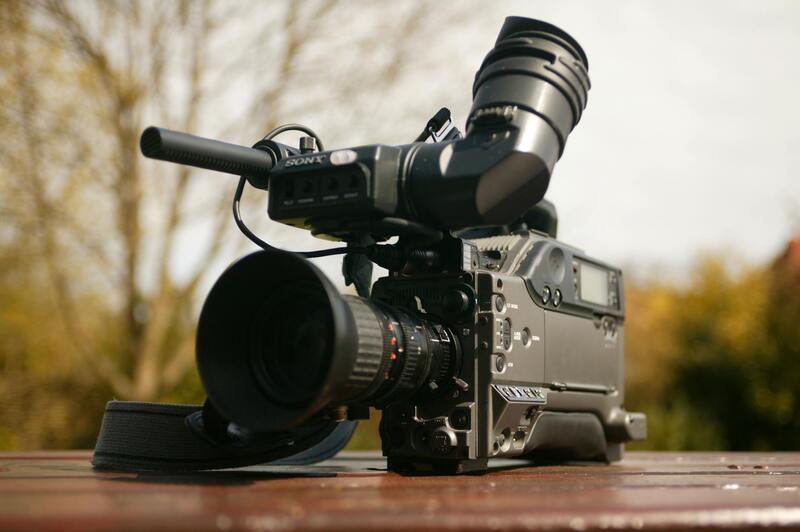
In the competitive realm of real estate marketing, leveraging precise technical approach and state-of-the-art equipment guarantees that property images resonate with authenticity and professionalism. Every shot should be thoughtfully composed, well-lit, and meticulously edited to showcase the property’s best features in a captivating yet truthful manner.
Importance of High-Quality Property Pictures
Exceptional property pictures are a vital component of effective real estate marketing. They serve as the visual first impression, capturing potential buyers' attention and compelling them to explore further. Clear, professional images highlight the property’s best features and create an emotional connection with viewers, increasing engagement and inquiry rates. In a competitive property market such as Miami, where buyers often browse dozens of listings daily, high-quality images can distinguish a property from the crowd and facilitate quicker sales with better price outcomes.
The Impact of Visual Content on Buyer Decisions
Research consistently demonstrates that listings with superior imagery receive significantly more views and inquiries compared to those with amateurish or blurry photos. Well-composed, lighting-optimized images foster trust and reflect transparency, assuring prospective buyers about the property’s condition and appeal. Moreover, quality photographs can reduce the number of unqualified showings, saving time and resources for both agents and sellers.
Role of Photography in Real Estate Marketing
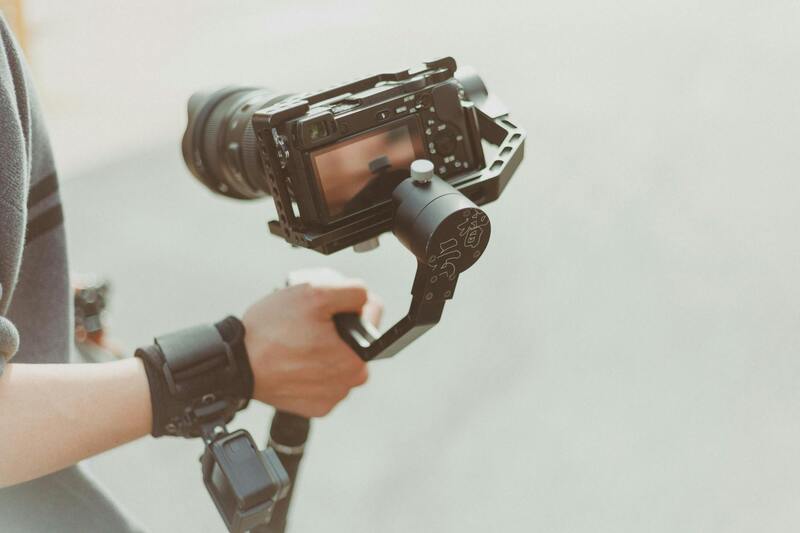
Photography acts as a cornerstone of digital marketing strategies for real estate professionals. Virtually every buyer begins their search online, relying heavily on visual content to assess properties. Professional photographs are used across multiple channels: listing websites, social media platforms, email campaigns, and virtual tours. These images set the tone for the property’s presentation and are instrumental in building a compelling narrative that aligns with buyers’ desires for a dream home or investment opportunity.
Key Elements of Effective Property Photos
- Lighting: Adequate natural and artificial lighting ensures the property appears bright, inviting, and true-to-life.
- Composition: Strategic framing highlights architectural features, spaciousness, and key selling points without clutter or distractions.
- Cleanliness and Staging: Decluttering and staging accentuate the property's best features while creating an aspirational environment.
- Exterior and Interior Balance: Showcasing both interior spaces and establish curb appeal with external shots provides a comprehensive view.
- Consistency: A cohesive style across all images fosters professionalism and a unified visual narrative.
Preparing Your Property for Photo Shoots
Preparation is key to capturing enticing property pictures. Cleanliness, organization, and staging play significant roles in maximizing visual appeal. Homeowners and agents should:
- Deep clean all areas, including carpets, windows, and surfaces to ensure cleanliness reflects in photos.
- Remove personal items and clutter to create a neutral environment that appeals to a broad audience.
- Enhance curb appeal by tidying landscaping, repainting faded surfaces, and ensuring the exterior is well-lit and welcoming.
- Arrange furniture to optimize space, emphasizing room dimensions and functionality.
- Schedule the shoot during daylight hours to ensure ample natural light, reducing the need for extensive artificial lighting.
Techniques and Equipment for Real Estate Photography
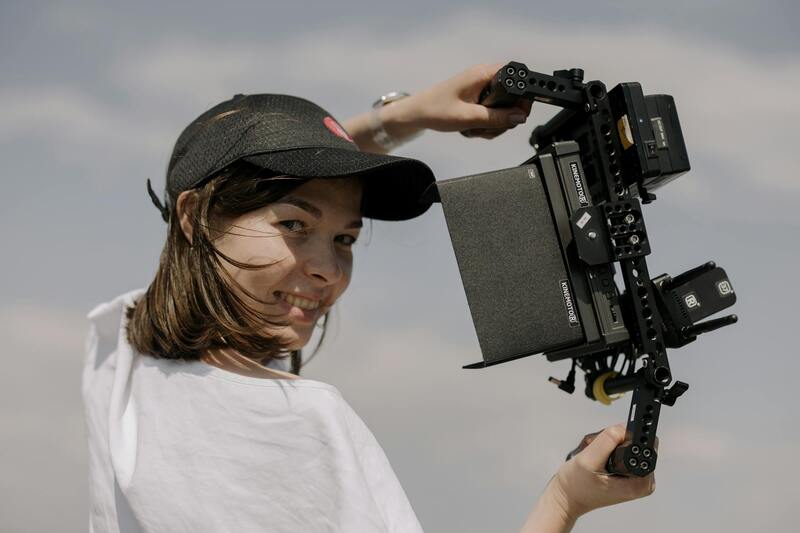
Achieving high-quality images often requires specialized techniques and equipment. Professional photographers utilize tools like wide-angle lenses, which effectively capture larger spaces and architectural details. Tripods are employed to ensure stability and sharpness, especially in low-light situations. Drones are increasingly used to obtain aerial shots that showcase property exteriors, landscaping, and neighborhood layouts from above. Advanced techniques such as HDR imaging combine multiple exposures to produce images with balanced light and color accuracy, effectively representing interior scenes with high contrast lighting.
Editing and Post-Processing Tips
Post-processing enhances the visual impact of property images, ensuring they are vibrant, clear, and true to life. Adjustments may include brightness, contrast, and color correction to eliminate unrealistic hues or shadows. HDR processing helps maintain detail in both bright and dark areas within the same image, critical for indoor shots with windows or exterior images during sunset. Minor retouching can fix imperfections like stains, blemishes, or distractions, but it’s essential to preserve authenticity to build trust with potential buyers.
Additional Considerations
All images should maintain accuracy to manage buyer expectations effectively. Over-editing or using misleading perspectives can damage credibility and lead to dissatisfaction during viewings. For high-impact results, consider investing in professional photography services that specialize in real estate images—an approach that ensures consistent quality, adherence to ethical standards, and a portfolio of compelling visuals that truly reflect the property’s value.
Ensuring Accuracy and Transparency in Property Listings
Accurate and transparent property pictures serve as a cornerstone of trustworthy real estate marketing. Potential buyers rely heavily on visual cues to make initial judgments about the property's condition and suitability. To uphold transparency, it’s essential that photographs depict the property as it truly is, avoiding exaggerated angles or digital enhancements that could mislead viewers. Incorporating a variety of shots—from wide-angle exterior views to detailed interior images—provides a comprehensive picture that aligns with the actual state of the property.

Understanding the Limitations of Visual Representation
While high-quality images greatly enhance a listing’s appeal, they should accurately reflect the property's true features. Overly staged or heavily edited photographs, although tempting for creating a charming appearance, risk creating buyer disappointment during physical visits. Regular checks of images against the actual property can help prevent discrepancies, ensuring the visuals serve their purpose of fostering informed decision-making.
The Role of Honest Descriptions Supporting Property Pictures
Complementing property pictures with detailed, honest descriptions fortifies the listing's reliability. Descriptions should provide context for visual elements, such as indicating recent renovations, potential maintenance issues, or unique features not immediately obvious in photographs. This balanced approach enriches the buyer experience, offering clarity and confidence in their evaluation process.
Implementing Ethical Photography Practices
Ethical photography practices involve showing the property in its best light without falsifying its condition. Photographers should focus on optimal lighting and angles that showcase the property’s strengths, but always ensure that the resulting images do not distort reality. Avoiding image manipulation that alters spatial perceptions is crucial, as it helps maintain credibility and prevents future disputes or dissatisfaction.
Guidelines for Consistent and Reliable Property Visuals
- Use natural lighting whenever possible: It enhances the true appearance of interiors and exteriors without the need for excessive editing.
- Capture multiple angles and perspectives: Offering varied viewpoints helps convey the property's layout and features comprehensively.
- Present the property in a tidy and well-maintained state: Cleanliness and orderliness are visually appealing and set accurate expectations.
- Include both wide shots and close-ups: Wide shots demonstrate spatial relationships while close-ups highlight specific details or upgrades.
- Respect privacy and legal boundaries: Always obtain necessary permissions and avoid showcasing private or sensitive areas without consent.
Tools and Techniques for Authentic Property Imaging
Leveraging professional-grade equipment and techniques can dramatically improve the reliability of property visuals. Use of high-dynamic-range (HDR) imaging allows for balanced exposure in scenes with contrasting lighting, ensuring interior rooms are properly lit without overexposing windows or dark corners. Tripods and stabilizers help maintain sharpness, while wide-angle lenses maximize spatial perception. Additionally, employing proper staging and lighting strategies ensures that images highlight the property's best features without misrepresenting its condition.

The Importance of Consistent Visual Standards
Establishing and adhering to consistent photographic standards across all listings builds brand credibility and sets clear expectations for clients. Whether working independently or through a professional service, maintaining uniformity in image quality, style, and perspective helps create a recognizable and reliable visual identity. This consistency not only enhances trust but also improves marketing efficiency by streamlining the content creation process.