
Importance of Quality Property Photos in Miami Real Estate
In Miami's highly competitive real estate market, the visual appeal of a property plays a pivotal role in attracting potential buyers. High-quality property photos serve as the digital front door, creating an impactful first impression that can significantly influence a buyer’s decision-making process. When prospective buyers browse listings online, they form initial perceptions based almost entirely on the images they see. Therefore, investing in professional and compelling photography ensures that a property stands out amid numerous options.
Superior property photos enhance online engagement, leading to increased click-through rates and longer viewing durations. These factors contribute to swifter transactions and potentially higher offers. In an area like Miami, where luxury homes, waterfront estates, and modern condos are common, capturing the uniqueness and essence of a property through vivid imagery becomes even more critical.
Moreover, high-quality photos build credibility and reflect the professionalism of the listing agent and the quality of the property itself. Clear, well-lit images that accurately depict both interior and exterior features reassure potential buyers, fostering confidence and trust.
Visual content has become the primary method for showcasing properties, making it essential for sellers and agents to prioritize top-tier photography. Properly executed property photos not only generate interest but also set the tone for the entire marketing strategy, increasing the likelihood of a successful sale or lease.
Official Methods for Capturing High-Quality Property Photos in Miami
Achieving top-tier property images requires adherence to well-established, reputable techniques that leverage specialized equipment and professional expertise. Employing high-resolution cameras with full-frame sensors enables capturing intricate interior details and exterior textures with clarity. Incorporating wide-angle lenses helps create a sense of space, making rooms appear larger and more inviting. However, precise use of these lenses is essential to avoid distortion that can misrepresent the property's true dimensions.
Proper lighting stands central to quality real estate photography. Natural light, ideally harnessed during the day when sunlight is abundant and evenly distributed, ensures vibrant and authentic images. Utilizing diffusers and reflectors can soften harsh shadows and balance exposure, particularly in interior spaces where light sources vary significantly. When natural light is insufficient, professional-grade external flash units or continuous lighting kits should be used, designed specifically to enhance indoor illumination without creating unnatural glows or hotspots.

Meticulous staging prior to photography is vital. This process involves decluttering spaces to showcase their full potential, arranging furniture to highlight flow and functionality, and adding decorative touches to create appeal. Proper staging ensures that the property's best features are emphasized, appealing to prospective buyers' emotions while maintaining authenticity. For exterior shots, ensuring landscaping is tidy, windows are clean, and outdoor furniture is arranged appropriately can significantly enhance curb appeal.
Legitimate Editing and Post-Processing Techniques
Post-production editing plays a crucial role in producing compelling property images while maintaining honesty. High-quality adjustments include correcting exposure inconsistencies, enhancing color balance, and sharpening details to increase visual impact. HDR (High Dynamic Range) imaging, compiled through a series of exposures, allows the preservation of details in both bright and shadowed areas, creating balanced and dynamic photos. Using professional editing software, such as Adobe Lightroom or Photoshop, ensures these enhancements uphold the authenticity and accuracy of the property.
It is essential that editing does not alter the actual features or mislead potential buyers. All enhancements should serve to present the property truthfully, emphasizing its strengths without exaggeration. This responsible approach builds trust and sustains credibility in listings, especially in a competitive market like Miami’s.
Secure and Efficient Methods for Property Photography
Engaging accredited professionals with proven experience ensures the consistent delivery of high-quality property photos. Reputable Miami-based real estate photographers and videographers operate with the latest equipment and adhere to industry best practices, including thorough pre-shoot planning and post-shoot quality checks. These professionals often possess specialized training or certifications that assure clients of their competence and commitment to excellence.
Scheduling shoots during optimal lighting conditions and ensuring the property is prepared beforehand minimizes the need for re-shoots, saving time and resources. Clear communication between the property owner, listing agent, and photographer fosters understanding of the property's distinctive features and marketing goals, aligning the visuals with the target audience.
Additional Validation Through Reliable Methods
To further validate the quality of property photos, utilizing client testimonials and portfolios of previous work provides external assurance of a photographer’s reliability. Industry associations and accreditation bodies also offer directories that list verified professionals, guiding sellers and agents toward qualified service providers. Regularly viewing sample images and requesting references helps confirm a photographer’s adherence to established standards, ensuring that the images captured meet the rigorous expectations of Miami’s dynamic real estate market.
Effective Techniques for Capturing Property Photos in Miami
When it comes to showcasing Miami real estate, employing proven photography techniques is essential to highlight the property's unique features and appeal. High-resolution cameras equipped with wide-angle lenses are standard tools that allow photographers to capture expansive interior spaces and exterior facades convincingly. Such equipment ensures that potential buyers can perceive the full scale of rooms and architectural details without distortion.
Optimal lighting is a critical factor in producing stunning property photos. Photographers often shoot during the golden hours—shortly after sunrise or before sunset—for outdoor shots to achieve warm, inviting tones. Overcast days can be advantageous for interior photography, providing soft, diffused light that minimizes shadows and glare, thus rendering interior spaces more appealing and true to life. Proper use of external lighting, including professional lighting setups, can help accentuate design features, furniture, and textures inside the home.
Composition also plays a pivotal role. Experienced photographers utilize the rule of thirds to arrange elements within each shot, drawing viewers' attention to focal points such as eye-catching architectural features or scenic outdoor views. Including leading lines can guide the viewer’s eye through the space, creating a more dynamic and engaging visual story. Ensuring that the property is tidy, well-staged, and free of clutter enhances the overall aesthetic and prevents distractions that could detract from the property's best qualities.
Color accuracy and sharpness are further optimized through careful post-processing. Adjusting brightness, contrast, and saturation ensures images accurately reflect the property's true colors and ambiance. Professional editors also remove imperfections or distractions that might be present, such as minor repairs or temporary obstructions, without altering the authenticity of the space.
Utilizing Advanced Techniques for Exterior and Aerial Shots
Exterior photography should emphasize the property’s curb appeal, capturing the landscaping, driveway, and architectural elements at their best angles. Wide shots taken from elevated positions using drones or cranes can reveal the property's footprint and surrounding environment—particularly valuable in Miami’s scenic neighborhoods. Aerial images provide context, showcasing proximity to beaches, parks, or vibrant cityscapes which are compelling selling points.
Timing is again key. Shooting during favorable weather conditions, with clear skies and optimal sunlight, enhances the visual impact of exterior and aerial images. Proper regulation and safety measures should be followed when operating drones to ensure high-quality footage that remains within the parameters of local regulations and safety guidelines.
Finalizing the imaging process involves meticulous editing to balance exposure across all images, ensuring consistency and professionalism. This seamless presentation helps create an immersive viewing experience for potential buyers, whether they are browsing online listings or viewing virtual tours.
Enhancing Listings Through Post-Production and Virtual Technologies
Post-processing goes beyond simple adjustments; it can include creating virtual staging, where empty rooms are digitally furnished to showcase potential layouts. This approach allows buyers to visualize the full potential of the space without the need for physical staging, which is especially useful in high-end Miami properties. Bright, well-lit virtual tours and 3D walkthroughs allow prospective buyers to explore every nook and cranny of the property remotely, providing an interactive experience that static images cannot achieve.
When selecting a photography service in Miami, it is vital to consider providers that utilize the latest digital and drone technologies, combined with skillful editing. Such professionals understand the nuances of light manipulation, perspective correction, and virtual enhancements—all aimed at making properties stand out in a competitive market.
Capturing Exterior and Aerial Property Shots
Effective exterior photography is fundamental to showcasing a property’s curb appeal and overall attractiveness. High-quality images should highlight the property's unique architectural features, landscaping, driveway appeal, and outdoor amenities. Utilizing wide-angle lenses allows photographers to capture expansive views of the front and backyard, creating a sense of space and inviting potential buyers to explore further.
In addition to ground-level shots, aerial photographs obtained through drone technology can provide a comprehensive overview of the property’s size, layout, and surrounding neighborhood. These aerial images are particularly impactful for Miami properties, where proximity to beaches, parks, and vibrant urban districts can be emphasized. Strategic drone operation, carried out by certified professionals, ensures safety and adherence to local airspace regulations while highlighting key outdoor features such as swimming pools, patios, and landscaped gardens.

Incorporating this blend of ground and aerial imagery creates a compelling visual narrative that draws in prospective buyers, encouraging them to envision the lifestyle the property offers. When these images are consistently styled and professionally edited, they significantly enhance the property's online presentation, making listings more attractive and competitive.
Post-Processing and Editing Tips
The editing stage is crucial for refining property photos to their fullest potential. Basic adjustments such as correcting brightness, contrast, and color balance ensure images accurately represent the property's appearance under natural lighting conditions. Advanced techniques, like perspective correction, help straighten lines and eliminate distortions caused by wide-angle lenses, resulting in a more realistic and polished look.
Balancing exposure across a series of images maintains visual consistency throughout a virtual tour or online listing. Additionally, removing minor imperfections, such as distracting reflections or undesirable blemishes, contributes to clean, professional visuals that appeal to discerning buyers.
Another vital aspect is color enhancement. Slight alterations can make interior spaces appear warmer and more inviting without exaggerating the true colors of furniture, walls, and decor. This approach promotes authenticity while ensuring the property looks its best in every shot.
Leveraging Virtual Tours and 3D Showcases
Virtual tours offer an interactive way for potential buyers to explore a property remotely. 3D modeling technology enables the creation of detailed walkthroughs, allowing viewers to navigate through rooms at their own pace. This immersive experience is especially beneficial in Miami’s high-end market, where buyers often seek comprehensive virtual representations before scheduling physical visits.
These virtual technologies can include virtual staging, where empty spaces are digitally furnished to demonstrate potential layouts and design possibilities. Such enhancements help buyers visualize the full potential of a property, making virtual tours a powerful complement to static images.
Professionally produced virtual tours not only increase engagement but also extend the reach of property listings, attracting international and out-of-town buyers who rely heavily on digital viewing experiences. When paired with high-quality imagery, these technology-driven tools accelerate the decision-making process and can lead to quicker sales.
Best Practices for Exterior and Aerial Property Shots
Capturing the exterior of a property is crucial in showcasing its curb appeal and creating an inviting first impression. Effective exterior photography begins with selecting optimal lighting conditions, typically during the golden hour—shortly after sunrise or before sunset—when natural light adds warmth and vibrancy to images. This lighting reduces harsh shadows and highlights, creating a balanced visual that accentuates architectural details and landscaping features.
Framing the shot correctly is essential. Wide-angle lenses are commonly used to encompass the entire facade and surrounding environment, providing viewers with a comprehensive view of the property. Additionally, photographing the front yard, driveway, and key landscaping elements such as trees, gardens, and outdoor living spaces can greatly enhance the property's appeal. Strategically positioning the camera to minimize distortions and avoid obstructions ensures clean and professional images.
Complementing ground-level shots with aerial photography introduces a unique perspective that highlights the property's size, layout, and surroundings. Drone photography has become an invaluable tool for real estate marketing, providing sweeping views of the property, neighboring amenities, and landscape features. High-resolution drone images can showcase swimming pools, gardens, outdoor amenities, and proximity to parks or commercial areas, which are especially attractive to buyers seeking comprehensive property insights.
When executing drone photography, it is essential to plan for safety and legal considerations, such as obtaining permits and flying within designated airspace. Shots taken from various heights and angles help create a narrative of the property's scale and environment, making it easier for potential buyers to envision living there. Combining these aerial images with ground-level shots produces a cohesive presentation that appeals to both local and remote viewers.
Preparing Property for Photography
Proper preparation of a property before photography is fundamental in ensuring high-quality images. Curb appeal can be maximized by maintaining well-manicured lawns, pruning shrubs, and removing any clutter or debris that may detract from the visual narrative. A clean, clutter-free exterior not only looks more appealing but also conveys a sense of care and attention to detail.
Inside, staging is recommended to create an inviting atmosphere. Clear out personal items and excessive decor, and consider rearranging furniture to emphasize space and functionality. Brightening the interior with natural light—by opening curtains and blinds—makes rooms appear more spacious and welcoming. Ensuring all lighting fixtures work properly and replacing dim or burnt-out bulbs further enhances the ambiance.
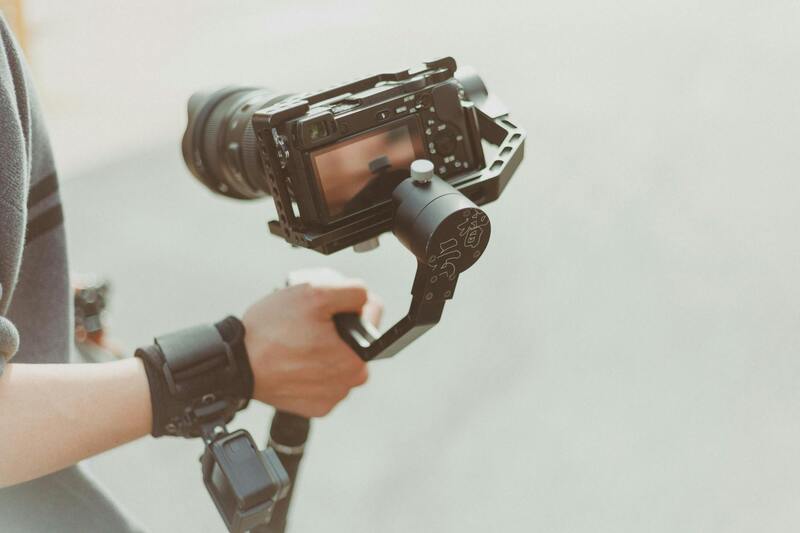
Additionally, coordinating with professional photographers to slightly adjust the angles and compositions can highlight the property’s best features. Attention to detail during preparation impacts the overall perception of quality and helps create compelling visuals that attract prospective buyers.
Equipment and Techniques for High-Quality Property Photos
Using the right equipment is vital for capturing exceptional property images. A DSLR or mirrorless camera with a wide-angle lens allows for sharp detail and a broader perspective. Tripods ensure stability, especially in low-light conditions or interior spaces, preventing blur and ensuring clarity.
For outdoor shots, utilizing a polarizing filter reduces reflections and enhances color saturation, making skies bluer and foliage greener. HDR (High Dynamic Range) imaging techniques are often employed to balance bright and shadowed areas within the same frame, resulting in well-exposed images regardless of complex lighting conditions.
Post-processing plays a significant role in refining property photos. Adjustments to brightness, contrast, and saturation can make images pop without overexaggerating product features. Correcting lens distortions and removing small imperfections contribute to a professional final product, ultimately influencing a property's market perception.
Optimizing Photos Through Proper Equipment and Techniques
Utilizing appropriate equipment is fundamental to capturing clear, vibrant property photos that stand out in the competitive Miami real estate market. A high-resolution DSLR or mirrorless camera paired with a wide-angle lens is essential for framing more expansive spaces while maintaining clarity. Tripods offer stability during shoots, especially in indoor environments with lower light levels, preventing motion blur and ensuring crisp images. For outdoor shots, employing a polarizing filter can minimize reflections on glass surfaces and water, while also intensifying color saturation to make skies appear more vivid and foliage lush.
Incorporating HDR (High Dynamic Range) imaging allows for a balanced exposure between the brightest and darkest parts of a scene. This technique is particularly useful when capturing properties with large windows or mixed lighting conditions, ensuring that details are preserved both inside and out. When used correctly, HDR produces images that accurately reflect the scene's true lighting, providing prospective buyers with realistic visuals that highlight the property’s appeal.
Effective Post-Processing and Editing
Post-processing is a vital step to refine property photos and enhance their visual impact. Color correction adjustments help achieve a natural, inviting look by balancing brightness, contrast, and saturation. Retouching minor imperfections, such as blemishes or distracting elements, ensures images are polished and professional. Virtual staging can also be employed to visualize potential furniture arrangements, creating a more appealing interior environment without physically altering the space.
Care should be taken to maintain authenticity, ensuring photos stay true to the property's actual appearance. Subtle edits, including straightening lines and correcting lens distortions, contribute to a seamless viewing experience that encourages engagement from prospective buyers. When combined with strategic lighting adjustments, these edits can elevate the overall quality of property images, making them more compelling and market-ready.
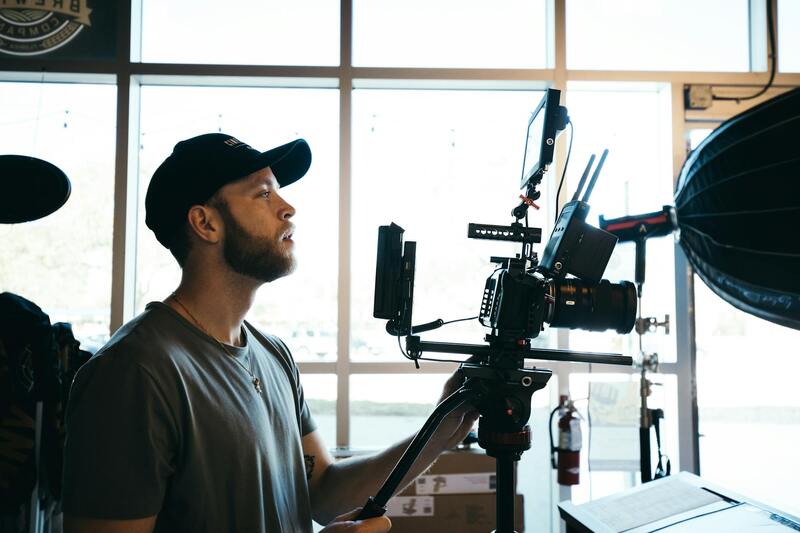
Applying Best Practices for Exterior and Aerial Shots
Capturing exteriors of properties involves selecting optimal times, such as during the golden hour, to leverage natural light that softens shadows and enhances architectural features. Wide-angle lenses enable comprehensive views of the property's façade and surrounding landscape, providing potential buyers with a clear understanding of the property's curb appeal.
Aerial photography using drones adds a dynamic perspective that showcases larger properties, outdoor amenities, and the surrounding neighborhood. When planning aerial shots, consider the wind conditions and days with clear skies to maximize image quality. Aerial imagery highlights aspects like spacious driveways, landscaped gardens, and proximity to key attractions, supporting effective marketing and increasing the property's appeal.
Enhancing Property Listings Through Professional Property Photos in Miami
In Miami’s competitive real estate market, high-quality property photos serve as a crucial tool to attract potential buyers and stand out in listings. When photos accurately highlight a property’s unique features, current condition, and visual appeal, they can significantly influence an observer’s decision to explore further. This form of visual marketing not only increases online engagement but also reduces the time a property spends on the market, contributing to smoother and more successful sales processes. For real estate agents and property owners alike, investing in professional property photography ensures that listings make a compelling first impression, fostering trust and interest among prospective buyers.
Official Methods for Capturing Authentic and Impactful Property Photos
Achieving the highest quality property photos involves utilizing recommended, standard techniques that emphasize authenticity and clarity. This includes selecting appropriate equipment, such as professional-grade cameras and wide-angle lenses that capture expansive visuals without distortion. Off-camera lighting and natural light during optimal times of day should be used to illuminate spaces evenly, avoiding harsh shadows that can detract from a room’s attractiveness. It is essential to maintain the true colors and dimensions of the space, ensuring that images present an honest view that aligns with the property's actual appearance.
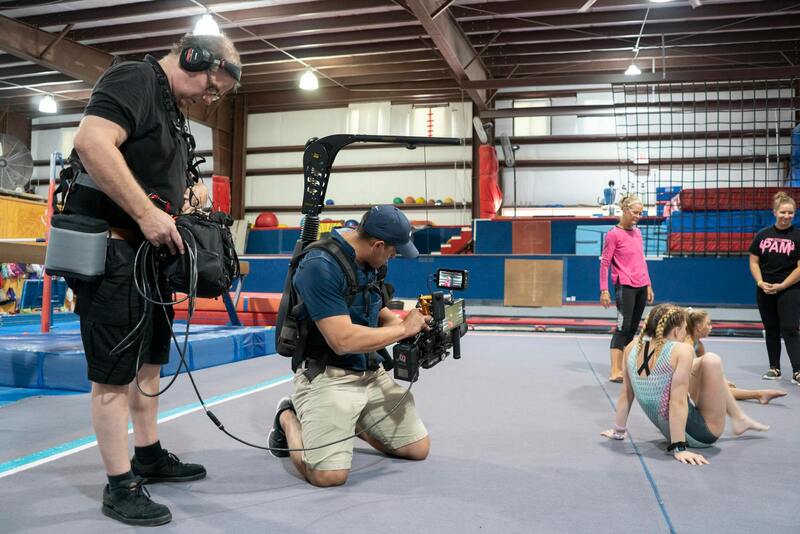
Post-processing is a critical step to refine images further, correcting minor imperfections, straightening lines, and enhancing clarity without sacrificing authenticity. Adjustments in contrast, brightness, and sharpness can elevate images, making them more inviting and striking. When executed properly, these professional techniques produce a polished visual narrative that captivates viewers and effectively communicates the property's best attributes.
Systematic Approach to Professional Photography
- Pre-Visit Planning: Analyze the property to identify its strengths, plan shot angles, and determine the best times for natural lighting.
- Staging: Ensure spaces are clean, clutter-free, and well-lit to showcase their full potential.
- Technical Setup: Use high-quality cameras and wide-angle lenses to capture comprehensive views, avoiding distortion and emphasizing the property's spaciousness.
- Optimal Shooting Conditions: Schedule shots during the golden hour or when natural light is abundant to maximize visual warmth and appeal.
- Multiple Angles and Perspectives: Capture each room from various vantage points, including close-ups of noteworthy features and wider shots for context.
Maintaining Authenticity and Quality
While post-editing can dramatically enhance photos, it is vital to preserve the integrity of the images. Subtle adjustments should enhance clarity and color accuracy, rather than create an overly edited or unrealistic portrayal. Authenticity builds trust with potential buyers, who will appreciate a true representation during property viewing. A consistent visual style across all property photos adds professionalism and supports branding efforts, further reinforcing confidence in your listings.
Visual Content Strategies Beyond Still Photography
To augment property photos, employing additional visual tools is highly effective for engaging prospective buyers:
- Virtual Tours: Offer immersive experiences that allow viewers to virtually walk through the space at their own pace, providing a comprehensive understanding of the property's layout and flow.
- 360-Degree Panoramic Photos: Use specialized techniques or equipment to dynamically showcase entire rooms or outdoor areas, giving a realistic sense of space.
- Aerial Drone Shots: Capture exterior views from above, highlighting landscaping, property size, and neighborhood context, which are often difficult to convey through ground-level photos alone.
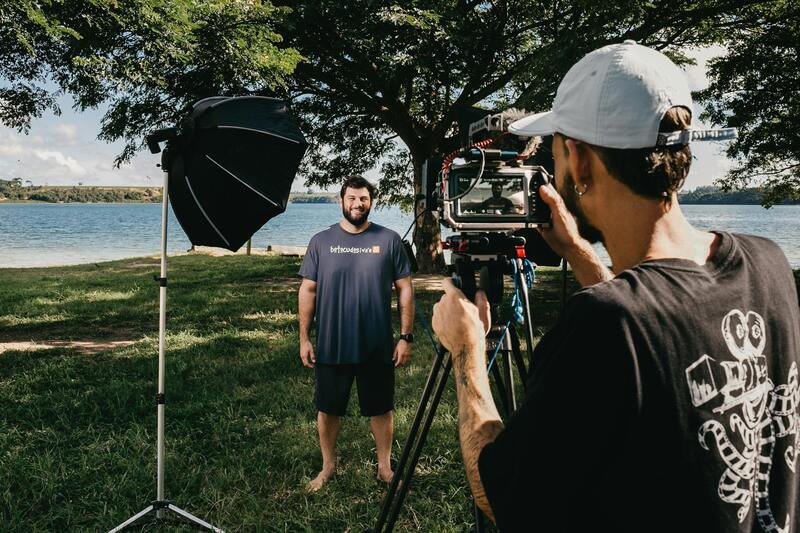
Employing these methods creates a rich visual story that appeals to diverse buyer preferences and enhances the overall marketing of Miami real estate. By adhering to proven, official photographic practices and integrating supplementary visual content, real estate professionals can significantly elevate the presentation quality of their property listings, ultimately driving faster sales and attracting more qualified buyers.
Advanced Techniques for Enhancing Property Photos in Miami
To truly elevate property photography and attract discerning buyers, employing advanced techniques can dramatically improve the visual appeal of listings. These methods focus on capturing the essence of the property while highlighting its unique features, ensuring that potential buyers receive an accurate and compelling visual narrative.
Utilizing HDR and Bracketing for Dynamic Range
High Dynamic Range (HDR) photography involves capturing multiple exposures of the same scene—underexposed, properly exposed, and overexposed—and combining them to produce a balanced image that faithfully reproduces the details in both shadows and highlights. This technique is particularly effective in Miami properties with large windows or complex lighting situations, ensuring interior spaces are showcased with clarity and vibrancy. The use of bracketing during shooting sessions facilitates this process, making it a staple for professional property photos.

Applying Correct Composition and Perspective
Effective property photos depend heavily on composition. Emphasizing the property's best features through strategic framing—whether it’s a spacious living area or a stunning outdoor view—guides viewers’ attention naturally. The use of leading lines, symmetry, and the rule of thirds helps create balanced and engaging images. Additionally, shooting from an eye-level perspective ensures a natural and relatable view, allowing prospective buyers to envision themselves within the space.
Incorporating Lighting Techniques
Proper lighting plays a pivotal role in realistic and inviting property images. Natural light, when available, should be utilized to illuminate spaces, preferably during the golden hour for warm, soft tones. Supplementary lighting, such as portable flashes or LED panels, can fill in shadows and create consistent brightness across images. Avoiding overexposure and harsh shadows results in cleaner, more appealing photos that accurately reflect the property's ambiance.
Ensuring Consistency Across Listings
Maintaining a consistent style across property photos reinforces branding and helps buyers develop familiarity with an agent or agency’s portfolio. Establishing standardized settings for exposures, angles, and editing processes ensures a cohesive visual presentation. This consistency not only strengthens professional credibility but also streamlines the marketing workflow, making it easier to update and manage multiple listings efficiently.
Implementing Proper Aerial Photography Practices
Aerial shots from drones provide context and scale, presenting properties within their neighborhood environment. When capturing aerial images, attention to weather conditions, optimal lighting, and flight safety are paramount. Overlapping shots to create comprehensive aerial panoramas or using 360-degree cameras for immersive views can further enhance listings. These practices showcase landscaping, outdoor amenities, and property size effectively, enticing buyers with a complete perspective of what the property offers.

Investing in Professional Editing and Post-Processing
Post-processing is crucial to transforming raw images into polished marketing materials. Adjustments should enhance clarity, correct color balance, and optimize exposure without misrepresenting the property. Techniques such as perspective correction, noise reduction, and subtle sharpening contribute to a crisp, professional appearance. Employing batch editing processes ensures uniformity across multiple images, maintaining a high standard for all listings. Additionally, color grading can evoke specific moods or match branding aesthetics, reinforcing visual consistency.
Highlighting Unique Selling Points
Effective property photos emphasize features that set the listing apart. Whether it’s a modern kitchen, panoramic water views, or unique architectural details, positioning and lighting should draw attention to these elements. Close-up shots of high-end finishes, as well as wide-angle views of spacious rooms, provide a comprehensive picture that appeals to diverse buyers. Incorporating staged decor or accents can further demonstrate the potential lifestyle associated with the property, making the images more relatable and aspirational.