

The Impact of Professional Photography on Real Estate Sales
In the competitive Miami real estate landscape, compelling visuals are indispensable for capturing potential buyers' attention quickly and effectively. High-quality photography not only attracts more online views but also plays a pivotal role in making a memorable first impression that influences purchasing decisions. As digital platforms dominate property marketing, scheduled viewings and open houses are often preceded by browsing online listings. Therefore, the images displayed on MLS listings, real estate portals, and social media profiles serve as the initial contact point between property and prospective buyer.
According to recent industry insights, listings with professional images tend to receive significantly higher engagement rates compared to those with amateur photos. Properties showcased with clear, well-composed, and strategically lit images tend to stand out amid countless listings, drawing more inquiries and scheduling more viewings. The ability to showcase a property’s best features visually can create an emotional connection within seconds of viewing a listing. This is particularly critical in Miami, where unique architectural styles, waterfront views, and modern interior designs demand images that accurately and beautifully represent their qualities.

Speeding up the sales cycle is another benefit derived from professional real estate photography. Well-executed images create a compelling narrative about a property’s space, atmosphere, and lifestyle potential, encouraging buyers to envision themselves living there. This emotional engagement often results in faster offers and reduced time on the market. In Miami's fast-paced market, where properties can receive numerous inquiries within days, investing in professional photography can mean the difference between a quick sale and lingering listings.
Moreover, high-quality images contribute to establishing a property’s perceived value. When listings appear polished and professionally presented, buyers tend to associate these visual standards with the quality of the property itself. This perception can justify higher asking prices, especially when the photography highlights the property's key features, luxurious finishes, and appealing surroundings.

Ultimately, the impact of professional photography extends beyond initial impressions. It is an essential part of a comprehensive marketing strategy that maximizes exposure, builds credibility, and accelerates sales. In Miami’s highly competitive market, where visual appeal significantly influences buyer behavior, investing in professional photography is no longer optional but a vital component for successful property sales.
Key Elements of Effective Real Estate Photography
To maximize the impact of property visuals, certain technical and aesthetic elements are essential. These elements work together to produce images that not only attract potential buyers but also accurately represent the property’s features and atmosphere.
- Optimal Angles: Selecting viewpoints that showcase a room’s best features and create a sense of space is critical. Wide-angle lenses are commonly used to capture more of the room in a single shot, giving viewers a comprehensive perspective without distortion.
- Lighting: Proper lighting enhances the allure of a property by highlighting its best qualities. Natural light is preferable, so images are often taken during the day when sunlight illuminates interior spaces. Properly diffused lighting minimizes shadows and emphasizes details.
- Staging: A well-staged property appears inviting and helps buyers visualize living there. Decluttering, rearranging furniture, and adding tasteful decor creates a cohesive and appealing environment that photographs well.
- Composition: Aligning elements within a frame to guide the viewer’s eye efficiently is vital. Symmetrical compositions and the rule of thirds help create balanced, aesthetically pleasing images.
- Neutral Colors: Utilizing neutral wall colors and decor ensures that the focus remains on the architectural features and overall layout, making spaces appear larger and more inviting.

Employing these techniques ensures that each image accurately represents the property while also emphasizing its unique selling points. This professional approach to photography fosters greater emotional engagement and builds credibility with prospective buyers, ultimately leading to quicker sales and higher perceived value.
Types of Real Estate Photography and Visual Content
In addition to standard interior and exterior shots, various types of visual content can enhance marketing efforts and cater to different buyer preferences:
- Virtual Tours: These immersive experiences allow potential buyers to navigate through the property remotely, providing a detailed spatial understanding that static images can’t offer.
- Aerial Photography: Drone footage offers a unique perspective of the property’s grounds and surroundings, which is especially useful for large estates, waterfront properties, or homes with expansive landscapes.
- Night Photography: Showcasing a property during evening hours can emphasize exterior lighting and ambiance, making it stand out from daytime shots.
- Twilight Shots: These images, taken during the golden hour around sunset, enhance the property’s exterior appeal by highlighting lighting contrast and creating a warm, inviting atmosphere.
Choosing the right mix of these content types depends on the property’s characteristics and the target audience, ensuring a tailored and effective presentation. As visual content becomes increasingly dominant in online listings, leveraging diverse photography techniques offers a competitive edge in Miami’s bustling real estate market.
The Impact of Professional Photography on Real Estate Sales
In the competitive Miami real estate market, the visual presentation of a property significantly influences buyer interest and decision-making. High-quality, professionally captured images can dramatically enhance a listing’s appeal, leading to faster sales and potentially higher offers. Expert photography emphasizes a property’s best features, creating a compelling online presence that attracts serious buyers. Unlike amateur shots, professional images are carefully composed, properly lit, and edited to reflect the property’s true charm and ambiance, making listings stand out in a crowded market.

Studies reveal that a significant percentage of homebuyers begin their search online, often forming their first impression of a property through digital images. Listings with professional photography tend to generate more clicks, increased viewership, and higher engagement. It is not merely about showcasing a home; it is about creating an emotional connection and allowing potential buyers to visualize themselves living there. This emotional appeal, crafted through professional photography, can be the key to accelerating the sales process.
Enhanced Perception of Value and Staging
Well-executed images can dramatically improve the perceived value of a property. They highlight the space, lighting, and architectural details that make a home unique. Additionally, professional photography supports effective staging, making rooms appear more spacious and inviting. Properly retouched images also eliminate imperfections and emphasize the property’s best features, thereby positioning it as a premium listing that justifies a higher asking price. Buyers are more inclined to schedule viewings when the initial online impression is strong and inviting.
Building Trust and Credibility
In markets like Miami’s, where high-end properties and luxury estates are prevalent, quality photography is often seen as a mark of professionalism. Agents and sellers who invest in sophisticated imagery demonstrate their commitment to quality and attention to detail. Authentic, high-quality visuals establish trust, reassuring buyers that the property has been presented transparently and with care. This trust-building aspect is crucial in encouraging initial inquiries and fostering serious interest among prospective buyers.
Strategies for Leveraging Professional Photography Effectively
- Consistent Branding: Incorporate your branding into the visual content to foster brand recognition and build trust with potential clients.
- Diverse Visual Content: Utilize a mix of interior, exterior, aerial, and twilight images to present a comprehensive view of the property, appealing to different buyer preferences.
- Optimized Listings: Ensure images are high-resolution, properly formatted, and optimized for fast loading on various devices.
- Complementary Virtual Tours: Pair high-quality images with virtual tours or 3D walkthroughs to provide an immersive experience that can increase online engagement and connection to the property.
- Social Media Integration: Use professionally captured images across social media platforms to broaden reach and attract additional interest.

Investing in professional photography for real estate agents not only enhances the visual appeal of property listings but also forms a crucial part of a strategic marketing approach. It serves as a powerful tool to stand out in busy online marketplaces, attract serious buyers, and facilitate quicker sales at optimal prices. As markets evolve, leveraging high-quality images and diverse visual content remains a fundamental element of successful real estate marketing in Miami and beyond.
Strategies for Leveraging Professional Photography Effectively
Implementing professional real estate photography into a comprehensive marketing plan significantly enhances property visibility and attracts motivated buyers. High-quality images serve as the cornerstone of an engaging online listing, drawing potential clients' attention amidst competitive markets. To maximize the impact, agents should ensure consistent image styling and branding elements, such as logos or color schemes, are incorporated into visual content, fostering recognition and trust.
Utilizing a diversified mix of visual content, including exterior shots, interior captures, aerial photographs, and twilight views, allows prospective buyers to gain a holistic understanding of the property’s features and its surroundings. Such varied imagery can highlight architectural details, neighborhood appeal, and outdoor amenities, contributing to a compelling narrative that resonates emotionally.
Optimized listings are crucial—ensuring images are high-resolution, correctly formatted, and load swiftly on all devices enhances user experience and keeps viewers engaged. Embedding virtual tours, 3D walkthroughs, and drone footage alongside professional photography creates an immersive experience that increases online engagement and fosters stronger buyer connections.

Social media campaigns amplified with professionally captured images can significantly broaden a property’s reach. Share high-impact visuals across platforms such as Instagram, Facebook, and LinkedIn to target diverse audiences effectively. Paid advertising options, paired with compelling imagery, can further accelerate lead generation and property inquiries.
Integrating Photography into Marketing Strategies
Beyond online listings, professional photography should be seamlessly integrated into all marketing channels. Brochures, email campaigns, and printed advertisements benefit immensely from high-resolution imagery, ensuring consistency and professionalism across all touchpoints. Real estate agents can also leverage images during open house events and virtual open houses, where visual appeal directly influences visitor turnout and engagement.

Furthermore, maintaining a well-curated portfolio of past projects and high-quality images demonstrates expertise and elevates an agent’s reputation. Consistent utilization of professional photography content establishes a compelling visual identity that builds long-term trust and client loyalty.
Focus on Authentic Representation
Authenticity remains a key factor in successful real estate marketing. Photographers should aim to capture images that accurately reflect the property’s true condition and character, avoiding overly staged or exaggerated shots. Natural lighting, careful composition, and perspective choices help create an honest portrayal that aligns expectations and fosters transparency.
Real estate professionals should also consider the timing of photography sessions, choosing optimal weather conditions and times of day to enhance natural light and ambiance. Strategic shooting at dawn, dusk, or during favorable weather can result in captivating images that evoke emotional responses from viewers.
Legal Considerations and Best Practices
Ensuring the integrity and professionalism of real estate visual content involves adhering to established standards and best practices. When conducting photography sessions, it is essential to obtain proper permissions regarding access to the property, especially when capturing interior and exterior images. Clear agreements with property owners or tenants should be in place to facilitate smooth sessions and avoid misunderstandings.
Additionally, capturing images of the surrounding neighborhood or neighboring properties requires awareness of privacy boundaries. Avoid photographing private spaces or areas not intended for public viewing without explicit consent. Respect for privacy not only maintains ethical standards but also builds trust with clients and stakeholders.

In terms of content accuracy, all images should represent the property genuinely, avoiding deceptive practices such as overly staged photos or digital enhancements that misrepresent the current condition of the property. Accurate depiction helps manage buyer expectations and prevents potential disputes post-sale.
Professional photographers should also follow industry guidelines for image quality, such as appropriate lighting, composition, and resolution. Using consistent editing standards and color correction tools ensures the visual content aligns with the property's real appearance, fostering transparency and credibility.

Finally, the use of appropriate metadata, including property details and location tags, can enhance the discoverability and indexing of images across online platforms. Proper documentation of images supports legal compliance and helps differentiate official marketing materials from casual or unauthorized recordings.
By following these guidelines, real estate professionals and photographers can uphold high standards of professionalism, ensure compliance with societal norms, and foster an environment of transparency and trust throughout the marketing process.
Effective Use of Staging and Composition in Real Estate Photography
Maximizing the visual appeal of a property requires deliberate staging and composition strategies. Professionals prioritize arranging furniture, decor, and architectural elements to showcase the property's best features while creating a welcoming atmosphere. Properly staged scenes help potential buyers visualize living in the space, fostering emotional connection and interest.
Composition techniques such as the rule of thirds, leading lines, and framing are essential tools for capturing attractive images that guide the viewer's eye through the photograph, emphasizing focal points like a fireplace, a panoramic window, or an outdoor patio. Strategic use of these techniques can accentuate the property's spatial dimensions and highlight its unique selling points.

Lighting Techniques for Stunning Real Estate Photos
Lighting is a crucial determinant of image quality and impact. A professional photographer assesses natural light and complements it with artificial sources to achieve even illumination and accurate color rendering. Techniques such as shooting during the blue hour or utilizing diffusers to soften harsh sunlight help mitigate common issues like overexposure or unwanted shadows.
Inside the property, balanced lighting reveals the room's true ambiance, while exterior shots benefit from strategic timing and weather considerations. Proper lighting not only underscores the property's best features but also conveys a sense of warmth and openness that appeals to prospective buyers.
Incorporating Aerial and 3D Photography for Comprehensive Listings
Beyond traditional ground-level shots, aerial photography obtained via drones offers a comprehensive view of the property and its surroundings, emphasizing size, landscaping, and neighborhood appeal. Such visuals are particularly valuable for spacious estates, commercial properties, or homes with desirable outdoor features.
Similarly, 3D virtual tours and panoramic images provide immersive experiences that allow viewers to explore interiors from their devices, increasing engagement and reducing the need for initial physical visits. These advanced visual methods can differentiate listings by providing a detailed and interactive view of the property.

The Impact of Professional Photography on Real Estate Sales
High-quality photography significantly influences the speed and success of property sales in the competitive Miami real estate market. Professionally captured images serve as the primary visual impression for prospective buyers browsing online listings. Such images highlight the property's best features, showcase its unique layout, and accurately represent the space, creating an emotional connection that motivates potential buyers to schedule viewings. Research indicates that listings with professional photographs tend to attract more attention, generate greater engagement, and ultimately sell faster than those with amateur images. This is particularly evident in Miami, where a vibrant real estate scene demands visuals that stand out amidst numerous listings. By investing in expert photography, agents and sellers ensure their properties not only appeal visually but also convey a sense of quality and trust, essential factors that influence purchasing decisions. Moreover, professional imagery enhances the overall presentation of a property across various marketing channels, including websites, MLS listings, and social media platforms. Clear, crisp, and compelling photos serve as a reliable first point of contact, often determining whether a viewer takes the next step to inquire or schedule a viewing. This visual impact can lead to quicker negotiations and closing times, presenting a tangible advantage in Miami’s fast-paced market environment. In addition, professional photography supports the property's perceived value, allowing sellers to command better offers and attract serious buyers. This is especially relevant for luxury estates, waterfront properties, and commercial spaces, which require visually stunning presentations to highlight their distinctive features. By harnessing the art and science of expert photography, real estate professionals can maximize their property's market potential and significantly reduce time on market.
Key Elements of Effective Real Estate Photography
To maximize impact, real estate photography must incorporate specific elements that highlight the property's strengths. These include proper lighting, optimal angles, and meticulous staging. Natural light is preferred whenever possible, as it enhances color accuracy and creates inviting atmospheres. For interior shots, wide-angle lenses are used to capture the full scope of rooms, making spaces appear larger and more open.
- Lighting: Utilizing natural light, supplemented with professional lighting equipment, minimizes shadows and overexposure, presenting rooms in their true form.
- Angles and Composition: Shooting from strategic viewpoints emphasizes the property's best features while maintaining a balanced perspective.
- Staging: Arranged furnishings and decluttered spaces ensure the focus remains on the property's potential, appealing to prospective buyers' imaginations.
Additionally, attention to detail during the shoot, including proper camera settings and positioning, can dramatically increase the appeal of images. Post-shoot review and edits further refine shots to ensure consistency and vibrancy across all visual content.
Types of Real Estate Photography and Visual Content
Different property types and marketing strategies demand a variety of visual content. These include traditional ground-level shots, aerial imagery, and immersive virtual tours, each serving a specific purpose in enhancing a listing’s appeal.
- Interior Photography: Captures the home's interior spaces, emphasizing layout, lighting, and design details.
- Exterior Photography: Highlights curb appeal, landscaping, and outdoor features, essential for properties with attractive surroundings.
- Aerial Photography: Drone shots provide sweeping views of large estates, waterfronts, and neighborhood context, emphasizing proximity to amenities and outdoor features.
- Virtual Tours and 3D Imaging: Immersive experiences that allow viewers to navigate interior spaces digitally, reducing the need for initial visits and broadening reach.
- Panoramic Images: Wide-angle shots that present expansive views, particularly effective for properties with scenic vistas.
By integrating these various content types, Miami real estate agents can craft comprehensive, engaging listings that appeal to a broad range of prospective buyers. The combination of high-quality images and immersive virtual experiences fosters greater interest, higher engagement, and faster sales.
The Impact of Professional Photography on Real Estate Sales
High-quality, professionally executed photography significantly accelerates the selling process by attracting more interested buyers and generating greater online engagement. In an increasingly digital marketplace, visuals serve as the primary connection point between listings and potential buyers. Listings featuring professionally captured images stand out amidst the competition, convey a sense of trust and quality, and often command higher prices. Well-crafted photos reveal a property’s best features, creating an emotional appeal that motivates buyers to schedule viewings and consider making an offer. Additionally, professional photography allows real estate agents to showcase properties in a manner that highlights unique architectural details, the spatial flow, and outdoor amenities, thereby providing a comprehensive visual narrative.
In a competitive Miami real estate market, the importance of professional photography cannot be overstated. Buyers typically browse online listings first; therefore, visual content acts as a pivotal factor in their initial impression of a property. Properties with striking images are more likely to be viewed repeatedly, shared across social media, and discussed among prospective buyers. This increased exposure greatly enhances the chances of reaching a broader audience and securing offers more quickly. Moreover, professional photos help set accurate expectations and reduce unnecessary viewings, saving time for both agents and buyers. These images also enable virtual tours, 3D walkthroughs, and panoramic impressions that further broaden the property’s visibility, especially for out-of-town or international buyers.
Studies have shown that listings with high-quality photographs receive significantly more inquiries and demonstrate higher engagement rates. Ultimately, professional photography is a vital strategic investment that elevates a property’s market positioning, improves online visibility, and leads to more successful and expeditious transactions.
Key Elements of Effective Real Estate Photography
- Lighting: Natural light is preferred to produce vibrant and inviting images. Proper lighting setups, including supplemental illumination when necessary, help avoid shadows and highlight interior features accurately.
- Composition: Strategic use of angles and framing can accentuate a property’s spaciousness and aesthetic appeal. Eye-level shots and symmetrical compositions typically deliver the most balanced and attractive visuals.
- Staging: Well-staged interiors showcase a home’s potential, create a welcoming atmosphere, and guide viewers through the space seamlessly.
- Consistency: Maintaining uniformity across all images ensures a professional appearance and helps build a cohesive visual story that aligns with the property’s branding and marketing goals.
- Post-Processing: Editing enhances image quality, corrects color imbalances, and removes minor imperfections, ensuring the final visuals are polished and compelling.
Types of Real Estate Photography and Visual Content
To effectively showcase a property, different types of visual content are employed, each serving specific marketing purposes:
- Interior Photography: Focuses on the home’s internal spaces — living rooms, bedrooms, kitchens, and bathrooms — emphasizing layout, lighting, and distinctive features.
- Exterior Photography: Highlights curb appeal, landscaping, outdoor amenities, and the overall aesthetic of the property from the street level.
- Aerial Photography: Drone shots provide comprehensive views of large estates, waterfronts, and neighborhood surroundings, capturing expansive outdoor features and proximity to amenities.
- Virtual Tours and 3D Imaging: Immersive experiences allow prospective buyers to navigate the interior digitally, reducing the need for physical visits and expanding reach to remote audiences.
- Panoramic Images: Wide-angle shots showcase scenic vistas and outdoor spaces, adding visual depth and emphasizing the property’s setting.
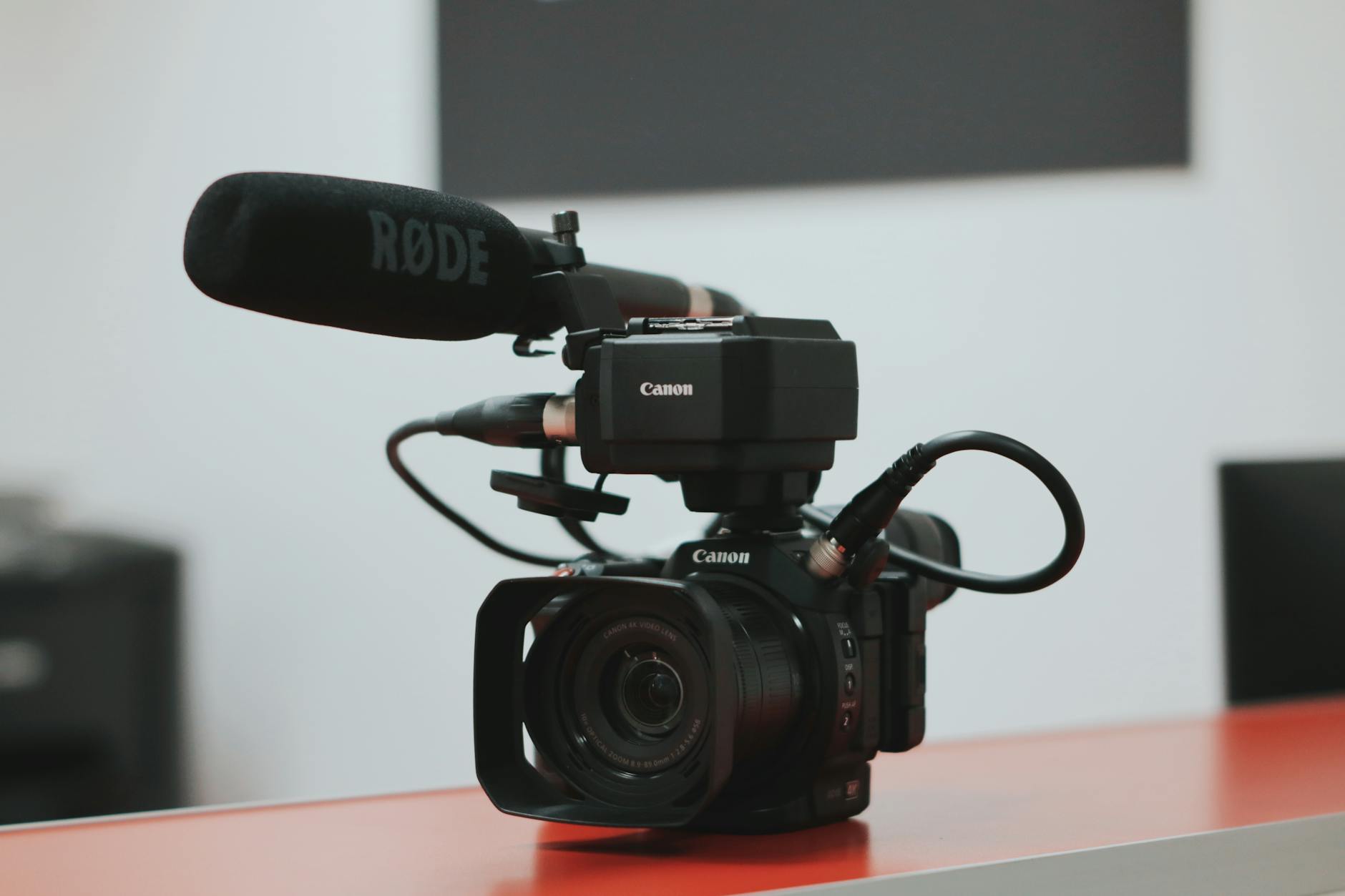
In Miami’s vibrant market, integrating these diverse content forms into your listing strategy yields compelling results. High-quality imagery combined with immersive virtual experiences ensures your property attracts maximum attention, fosters faster sales, and achieves optimal market value.