Understanding the Importance of Interior Photography
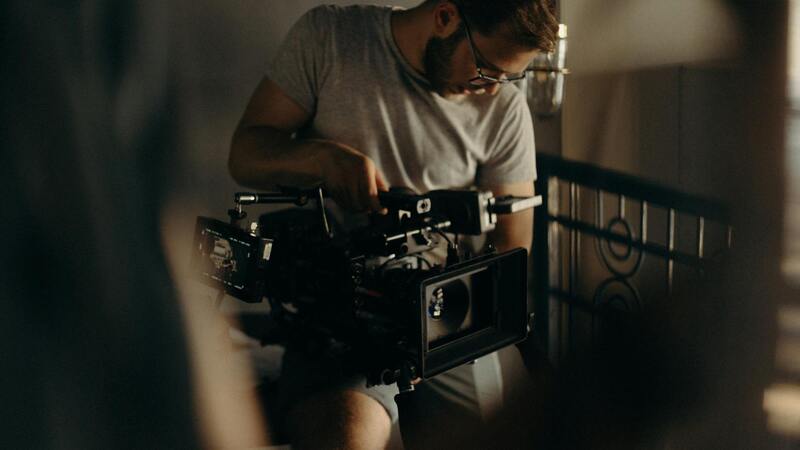
In the competitive realm of real estate, high-quality interior photography serves as a vital tool in attracting potential buyers and tenants. The visual presentation of a property's interior can significantly influence first impressions, often determining whether an interested individual schedules a viewing or scrolls past. Clear, crisp, and inviting images help to highlight the property's best features, creating an emotional connection that encourages engagement.
Professional interior photographs convey a sense of quality and care, assuring prospective clients that the property has been maintained to a high standard. These images can effectively showcase layout, space, and unique architectural details that might otherwise go unnoticed. When taken with precision, they provide an authentic representation that aligns with how the space appears in person, reducing mismatched expectations and fostering trust.
Furthermore, compelling interior imagery improves online visibility, ensuring listings stand out amid a crowded market. Optimized photographs facilitate better search engine rankings and social media engagement, expanding the property's reach. As a result, strong images not only increase the speed of sale or lease but can also command higher market value.
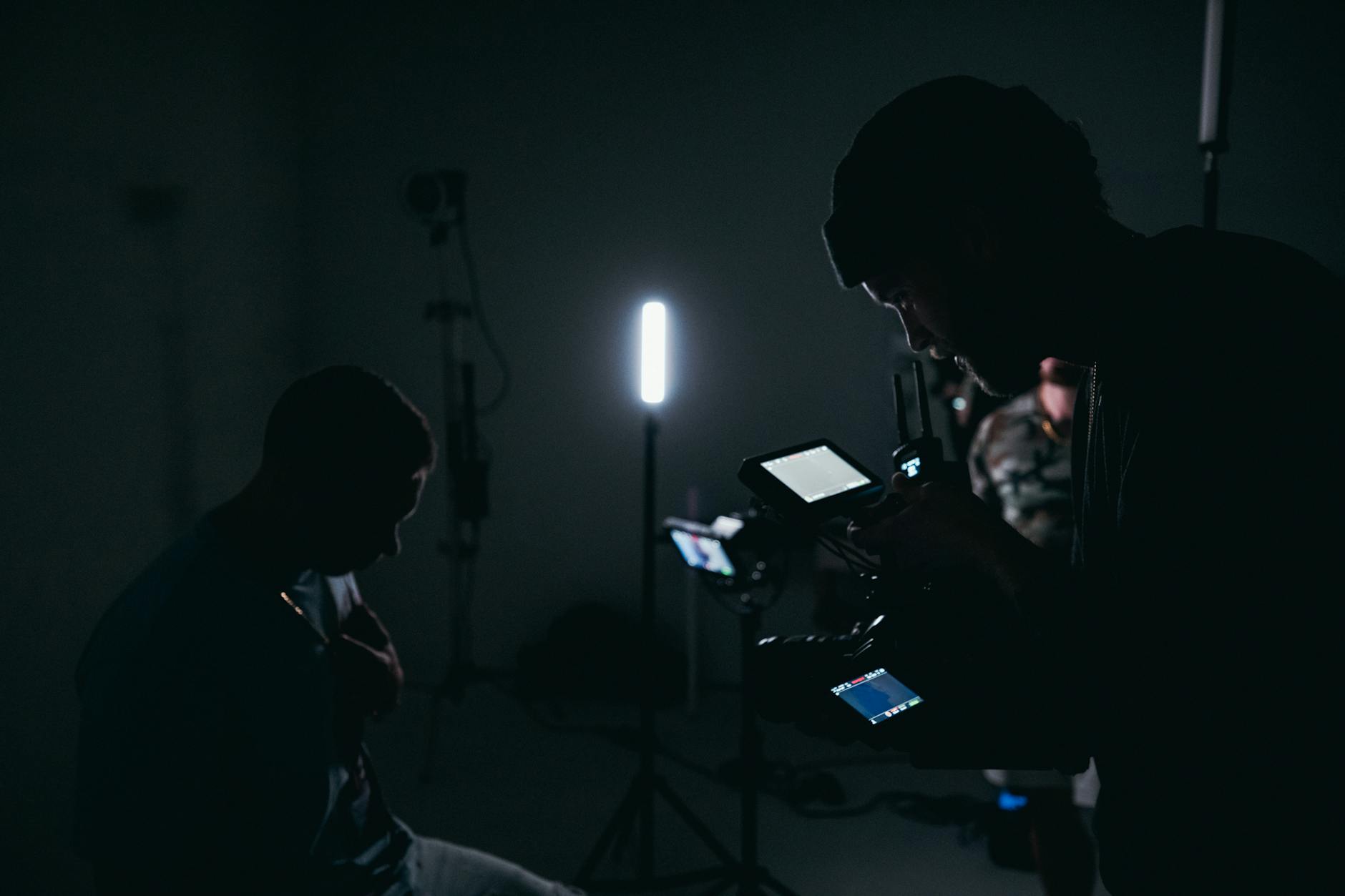
Investing in professional interior photography is, therefore, a strategic move that maximizes a property’s market potential. It captures the essence of the space with clarity and aesthetic appeal, ultimately influencing a buyer's decision-making process by providing a comprehensive visual experience that accurate depiction alone cannot convey.
Preparing the Space for Photography
To achieve outstanding interior images, thorough preparation of the property is essential. First, declutter all rooms to eliminate unnecessary items, which can distract viewers and obscure architectural features. Clear surfaces and organized spaces generate a sense of openness and cleanliness, making rooms appear larger and more inviting.
Next, repair any minor damages such as chipped paint, loose fixtures, or broken hardware. Freshening up the space with a coat of neutral-colored paint can also enhance the visual appeal, providing a blank canvas that complements natural and artificial lighting.
Staging the home is a crucial step. Arrange furniture to highlight the room’s functionality and flow, ensuring that pathways are unobstructed. Add subtle decorative touches—like fresh flowers or tasteful artwork—to evoke warmth and style without overwhelming the space.
Considerations for a Seamless Shooting Environment
- Maximize natural light by opening curtains and blinds.
- Remove personal items to allow potential buyers to envision themselves in the space.
- Ensure all lights are functioning and fixtures are clean for consistent illumination.
- Adjust furniture placement to improve symmetry and visual balance.
By meticulously preparing the interior environment, photographers can capture images that truly reflect the property's potential and appeal.
Essential Equipment and Settings
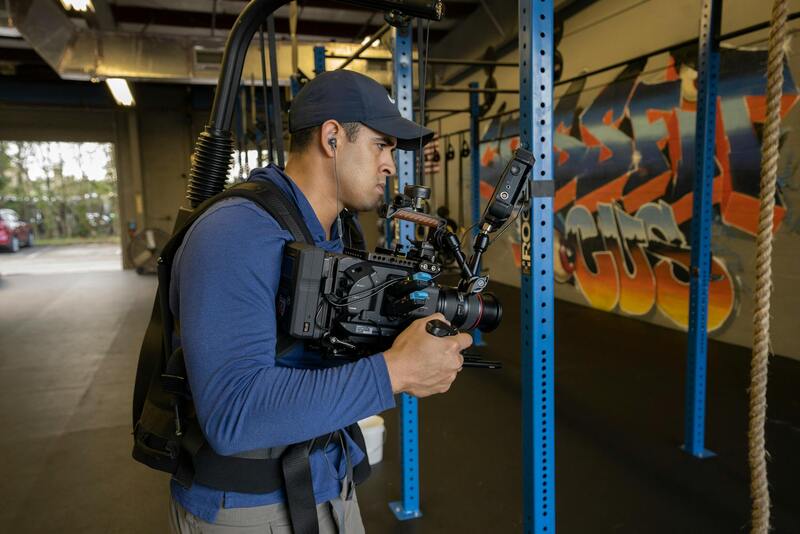
The foundation of high-quality interior photography lies in the right equipment and camera settings. A DSLR or mirrorless camera with a wide-angle lens (typically between 14mm and 24mm) is preferred, as it allows capturing expansive views without distortion.
Using a tripod is crucial for stability and consistency, especially in indoor settings where lighting may be limited. Adjust camera settings for optimal exposure: set a low ISO (100-400) to minimize noise, and choose an aperture (f/8-f/11) to ensure sharpness throughout the scene. Shutter speed should be balanced with the tripod to avoid motion blur.
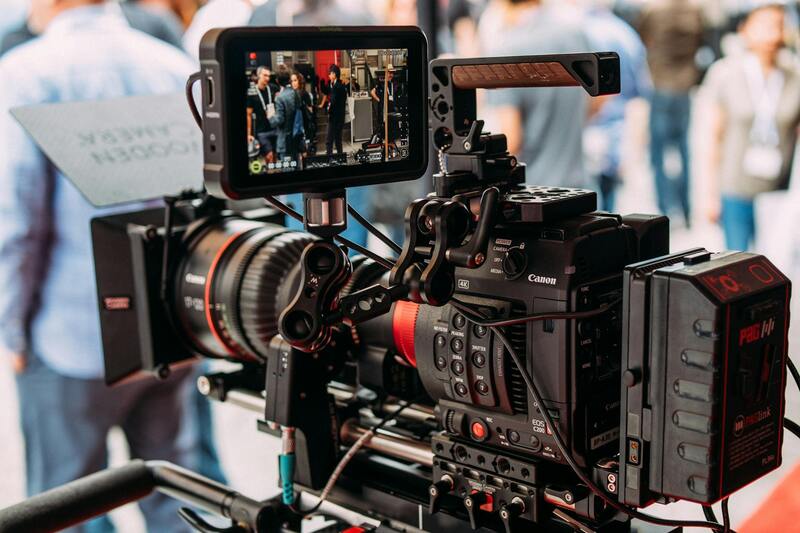
Investing in quality equipment translates into visually compelling images that accurately represent the space’s scale and details. When combined with camera skills, those technical aspects elevate the overall quality of real estate interior photography.
Understanding the Importance of Interior Photography
Capturing high-quality images of real estate interiors is essential for making properties stand out in a competitive market. Precise interior photography not only highlights the spatial layout and architectural details but also communicates the lifestyle potential to prospective buyers. Clear, well-lit images inspire confidence, attract more views, and can accelerate the sale process. By methodically employing professional techniques, real estate agents and photographers can create a visual narrative that resonates with audiences and accurately represents the property’s unique features.

Understanding the nuances of interior photography extends beyond mere camera settings; it encompasses strategic staging, optimal lighting, and thoughtful composition. These elements work cohesively to produce images that capture the essence of the space, evoke emotional responses, and provide potential buyers with a genuine sense of scale and ambiance. With the right approach, interior photos serve as a compelling call to action, motivating viewers to explore further and consider scheduling a viewing.
Why Professional Interior Photography Matters
- Enhances the perceived value of the property through high-quality visuals.
- Makes listings more attractive on digital platforms, increasing click-through rates.
- Conveys the potential lifestyle and atmosphere of the space effectively.
- Supports the branding of real estate professionals by demonstrating attention to detail and quality.
- Helps to highlight architectural features and layout that might be overlooked otherwise.
Key Elements of Successful Interior Photography
- Lighting: Proper lighting, both natural and artificial, is paramount. It involves maximizing daylight, balancing interior lights, and avoiding harsh shadows or overexposure.
- Composition: Framing the shot to emphasize the room’s focal points and features, maintaining symmetry and a balanced perspective.
- Decluttering and Staging: Removing personal items and arranging furniture to showcase the space in its best light, avoiding distractions.
- Camera Settings: Utilizing appropriate aperture, ISO, and shutter speeds to capture sharp, well-exposed images with minimal noise.
- Post-Processing: Refining photos through editing to enhance brightness, correct color, and straighten images without misrepresenting the space.
Impact of High-Quality Interior Photography
Investing in professional interior photography yields tangible benefits for real estate professionals and property owners alike. It brings out the full potential of each space, allowing viewers to appreciate texture, depth, and spatial relationships. Well-executed images eliminate uncertainty, foster trust, and provide a competitive edge in listing platforms. Subsequently, homes photographed with a meticulous eye for detail tend to command higher interest and quicker sales.
Understanding the Importance of Interior Photography
Capturing the essence of a property’s interior requires a strategic approach that ensures each image presents the space effectively and appealingly. High-quality interior photographs serve as a critical communication tool in real estate marketing, providing potential buyers with a realistic and enticing view of the property before they visit. Properly executed shots can highlight architectural details, maximize perceived space, and evoke an emotional connection with viewers, ultimately influencing their decision-making process.
Professional interior photography also plays a pivotal role in establishing credibility within the real estate market. Listings accompanied by crisp, well-composed images tend to attract more attention, leading to increased inquiries and faster sales cycles. Additionally, these visuals support branding efforts by demonstrating a commitment to quality and attention to detail, which can distinguish a listing amid a competitive field.
Moreover, effectively showcasing a property's interiors helps reveal features that might otherwise go unnoticed, such as unique architectural elements, custom finishes, or strategic layout configurations. These details can add significant value to a listing, appealing to buyers seeking distinctive, well-designed spaces. As such, the pursuit of exceptional interior photography is not merely aesthetic; it is a strategic investment that can elevate a property’s marketability and market value.
Preparing the Space for Photography
Prior to shooting, meticulous preparation of the interior space is essential. This process involves decluttering, staging, and ensuring that the environment is clean, well-lit, and visually appealing. Removing personal items reduces distractions and helps potential buyers imagine themselves in the space. Staging furniture thoughtfully enhances the layout, emphasizes the flow of rooms, and accentuates architectural features.
Temporary adjustments, such as opening blinds to maximize natural light or turning on lamps to fill dark corners, can significantly improve the ambiance. Additionally, scheduling photography during times of optimal natural light ensures bedrooms, living rooms, and kitchens appear bright and inviting. Creating a consistent and appealing visual narrative involves paying attention to minor details like pillow arrangement, decorative accents, and ensuring surfaces are spotless.
Essential Equipment and Settings
A well-equipped camera arsenal is fundamental for capturing interiors that are sharp, vibrant, and true to life. A professional-grade DSLR or mirrorless camera paired with a wide-angle lens (typically between 14mm and 24mm) is ideal for capturing expansive room views without distortion. Using a tripod ensures stability, allowing for longer exposures needed in low-light conditions and maintaining consistent framing across shots.
Recommended camera settings include a narrow aperture (around f/8 to f/11) to keep entire rooms in focus, a low ISO setting to minimize noise, and shutter speeds adjusted to the lighting conditions to ensure proper exposure. Bracketing exposures and blending HDR images can help manage challenging lighting contrasts between windows and interior lighting, resulting in well-balanced photographs.
Lighting Techniques for Interior Shots
Effective lighting plays a central role in producing appealing interiors. Natural light, whenever available, produces a warm, inviting atmosphere. Shooting during daylight hours and opening curtains allows the sunlight to enter, creating a lively ambiance. To supplement with artificial lighting, using soft, diffused light sources prevents harsh shadows and creates even illumination across the space.
For darker areas or rooms with limited natural light, strategic placement of additional light sources—such as portable LED panels or flash units with diffusers—can brighten the scene without sacrificing realism. Maintaining consistent color temperature between natural and artificial lights ensures uniformity in the final result. Balancing interior lights with daylight helps avoid overexposure near windows or underexposure elsewhere, resulting in images that are bright yet natural-looking.
Composition and Framing Tips
Effective composition involves framing shots to highlight the most attractive features of a room while maintaining a sense of scale. Utilizing wide-angle lenses allows viewers to perceive the full extent of the space, but care should be taken to avoid distortion. Maintaining vertical lines straightness in post-processing or using a tilt-shift lens can prevent skewed walls and ceilings.
When framing, consider angles that showcase room depth, such as shooting from corners or doorways. Including only necessary elements in the frame and avoiding cluttered backgrounds ensures images focus on the property itself. Symmetry and balanced perspectives convey harmony, helping viewers better understand the spatial relationships within each room.
Post-Processing and Editing
Post-production editing refines images to reflect the space accurately while enhancing visual appeal. Adjustments to brightness, contrast, and color saturation can bring out textures and finishes. Straightening tilted images ensures architectural lines appear true to the actual space. Correcting lens distortion, especially when using wide-angle lenses, is essential for maintaining realistic proportions.
Careful editing of windows and skylights to reduce glare or overexposure allows interior features to be visible without losing the authenticity of natural light. Removing minor imperfections, such as dust spots, or unwanted reflections contributes to a clean, professional look. Importantly, editing should preserve an honest representation of the property, avoiding overly manipulated images that could mislead potential buyers.
Post-Processing and Editing
Effective post-processing plays a crucial role in transforming raw interior photography into compelling visuals that accurately depict the property. The editing process should focus on enhancing the authentic ambiance of each space without over-manipulating the image, ensuring that potential buyers receive truthful representations of what the property offers.
Adjustments to brightness and contrast are fundamental, as they help to accentuate architectural features and textures, making rooms appear more inviting and spacious. Fine-tuning color saturation and white balance ensures that colors remain true to life, preserving the property’s aesthetic integrity. When dealing with mixed lighting conditions—such as shadows cast by windows or artificial lights—careful balancing can prevent unnatural hues, maintaining a harmonious indoor ambiance.
Lens distortion correction is essential when wide-angle lenses are used; skewed walls or ceiling lines can distract viewers and distort spatial perceptions. Straightening images where necessary preserves the true rectangular shape of rooms, contributing to a more accurate visual experience. Clipping unwanted glare or reflections on windows and mirrors helps to reveal natural light sources without creating visual noise, thereby emphasizing the charm of sunlight filtering through windows.
Minor imperfections, such as dust spots or reflections, should be meticulously removed to present a pristine view of the interior. However, adjustments should never compromise the authenticity of the space—overly edited images risk misleading viewers and undermining the trustworthiness of the listing. Maintaining a balance between enhancement and realism is vital for creating images that resonate with prospective buyers.

Post-Processing and Editing
After capturing high-quality interior images, the process of post-processing is crucial to ensuring the photos accurately showcase the property’s features while maintaining a professional appearance. This step involves subtle adjustments to enhance the visual appeal without distorting reality. Fine-tuning exposure, contrast, and color balance helps to reinforce the photograph’s clarity and vibrancy. These edits should be thoughtfully applied to highlight textures, architectural details, and spatial depth, making the space look inviting and well-presented.
Utilizing professional editing software allows for precise correction of minor imperfections such as lens distortion, crooked lines, or blemishes that might distract viewers. Correcting geometry in wide-angle shots ensures walls and ceilings appear straight, preserving a true representation of the interior layout. Additionally, reducing distracting reflections or glares on windows and mirrors can create a more seamless viewing experience. However, care must be taken to avoid over-editing, which can lead to an unrealistic portrayal that risks misleading potential buyers or renters.
Color correction and white balance adjustments are essential to achieve true-to-life hues, especially in interiors with mixed lighting sources like daylight and artificial lights. Maintaining accurate color representation of walls, furniture, and decor helps prospective clients to better visualize the space as they will experience it in person. When dealing with minor imperfections, professional retouching can discreetly remove dust spots or clutter that detracts from the overall image quality, resulting in a polished presentation that still reflects reality.
It’s also beneficial to ensure consistency across a series of images. Standardizing brightness, contrast, and color tones across exterior and interior shots creates a cohesive look for online listings, reinforcing a professional brand image. The ultimate goal is to produce a set of images that are not only visually compelling but also trustworthy, accurately conveying the property’s true character and appeal.
Legal and Ethical Considerations
When engaging in photographing real estate interiors, adherence to established standards and practices ensures the credibility of the visuals. It is crucial to obtain explicit permission from property owners or authorized representatives before capturing interior images, particularly in spaces that are not publicly accessible. Respect for privacy and property rights forms the foundation for responsible photography, safeguarding trust for both clients and potential buyers. Maintaining transparency about the extent of post-processing is equally important. While enhancements can improve the visual appeal of images, it should be clear that these are genuinely representative of the space. Overly manipulated or heavily edited photographs risk misrepresenting the property's true features, which could lead to misunderstandings or dissatisfaction during property viewing. Moreover, accurately portraying the interior characteristics without exaggeration fosters a trustworthy relationship with prospective clients. Disclosing any modifications, such as adjustments to lighting or minor retouching, sustains ethical standards and aligns with best practices for professional real estate photography. To uphold these principles, consistent documentation and clear communication with stakeholders regarding the scope of visual presentation are recommended. This approach not only demonstrates integrity but also enhances the reputation of the photography services provided.
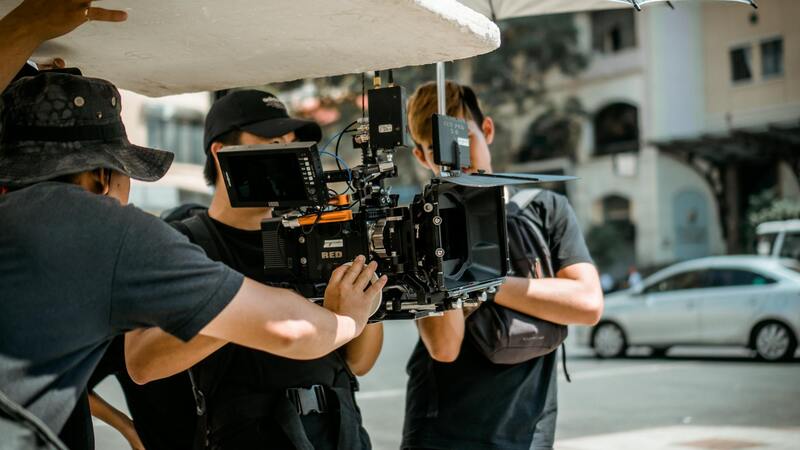
Understanding the Importance of Interior Photography
High-quality photography of real estate interiors plays a crucial role in attracting potential buyers by showcasing the home's best features. Effective interior images highlight the space, lighting, and layout, providing a realistic preview that can increase interest and expedite sales. Properly capturing the ambiance and flow of living areas allows viewers to imagine themselves in the environment, fostering emotional connections that are essential in real estate transactions.
Why Interior Photography Matters
- It offers an accurate representation of the property's condition and features.
- Enhanced visuals contribute to a professional brand image for real estate agents and property owners.
- Good photography improves online listing visibility and engagement, leading to more inquiries and showings.
- It helps differentiate the property in a competitive market by emphasizing unique architectural details or stylish interior design.
Key Elements of Effective Interior Photography
Capturing compelling interior images involves attention to several critical factors. These include correct lighting, strategic composition, and precise camera settings. When executed properly, these elements work together to produce images that are both visually appealing and true to the actual space, ensuring all relevant features are accurately depicted.
Building Trust Through Reliable Visuals
Authentic portrayal of interior spaces helps establish credibility with prospective buyers. Consistency in image quality and honest representation of spaces create a trustworthy impression. Avoiding over-editing or misrepresentation ensures potential buyers can rely on photographs as a true reflection of the property, thereby reducing misunderstandings and fostering confidence in the listing.
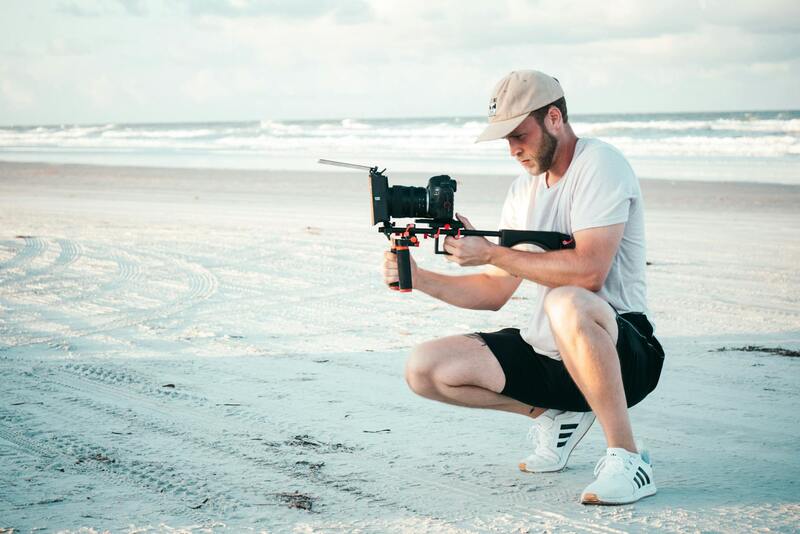
Legal and Ethical Considerations in Real Estate Interior Photography
Maintaining transparency and honesty is critical when creating interior photographs for property listings. Accurate depiction of the space, its features, and conditions ensures that prospective buyers receive a truthful visual representation, fostering trust and credibility. It is essential to avoid manipulations or enhancements that could mislead viewers about the property's appearance or condition. Clear communication about what the images portray helps set appropriate expectations and supports ethical marketing practices.
Respecting Privacy and Property Integrity
When photographing interiors, it is important to respect the privacy of current occupants and the integrity of the property. This includes obtaining proper permissions before photographing spaces, especially in occupied residences. Ensuring that personal items, confidential documents, or sensitive areas are appropriately managed or excluded from images contributes to a respectful representation of the space.
Adherence to Professional Standards
Using consistent, high-quality photography practices aligns with industry standards and enhances the credibility of the real estate listing. This involves accurate lighting, correct camera settings, and truthful editing. Avoiding excessive retouching or embellishments means that the images reflect the actual state of the property, aiding potential buyers in making informed decisions.
Transparency in Image Usage
When conducting virtual tours or sharing images across various platforms, ensuring that the visuals correspond precisely to the property showcased is vital. Misrepresentation through outdated photos or altered images can lead to disappointed clients and damage credibility. Keeping images up-to-date and clearly indicating any modifications maintains trust and aligns with responsible marketing practices.