

Importance of HD Real Estate Photography in Miami
In the competitive Miami real estate market, high-definition (HD) real estate photography has become a vital component of successful property marketing strategies. Exceptional visual presentation attracts prospective buyers’ attention and significantly influences their perception of the property's value. In a vibrant city like Miami, where luxury properties, beachfront estates, and modern condos abound, showcasing properties through crisp, detailed images can be the decisive factor in securing a sale.
HD real estate photography enhances the visual appeal of listings by capturing every detail, from the architecture and interior design to the exterior landscaping and surrounding environment. Clear, vivid images enable potential buyers to experience the property virtually, reducing the need for multiple in-person visits and fostering quicker decision-making. The ability to distinguish a property in online listings is crucial; assets that feature high-quality imagery inevitably stand out amidst the competition.
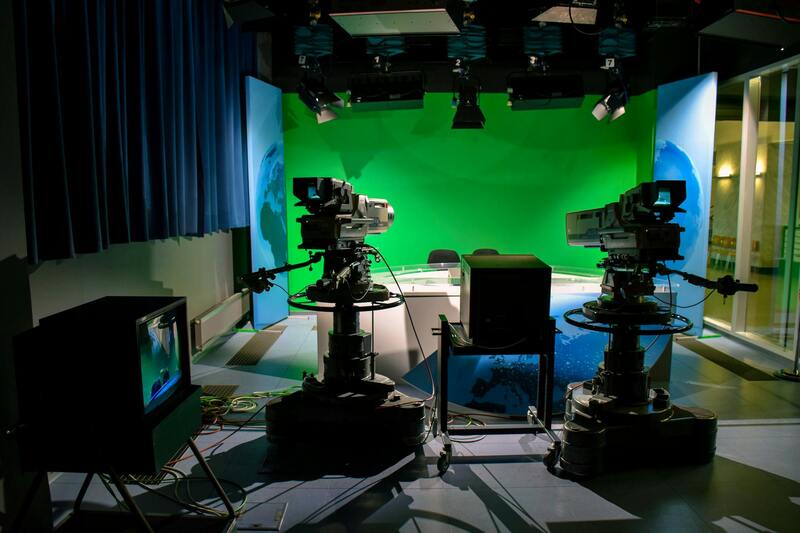
Furthermore, HD images contribute to building trust and credibility for real estate agents and agencies. Listings filled with professionally captured photographs signal a commitment to quality and professionalism. This perception encourages buyers to view the property as a well-maintained, desirable asset, speeding up the sales process. For Miami's luxury market, where exclusivity and premium quality are standard expectations, the importance of high-resolution imagery cannot be overstated.
In addition, digital platforms and social media advertising rely heavily on visuals. HD real estate photography ensures listings look impeccable across various devices, from desktops to mobile screens. Well-lit, sharp images capture attention instantly, encouraging viewers to explore further or schedule viewings. This comprehensive approach to visual marketing ensures properties gain maximum exposure and attract qualified leads.
Moreover, with the advent of virtual tours and aerial shots, HD photography expands beyond traditional images to include immersive and captivating content. Such high-quality visuals foster an emotional connection with potential buyers, prompting faster responses and increased inquiries. As Miami continues to draw both national and international investors, high-definition imagery becomes an indispensable tool for successful real estate transactions in the area.
Essential Techniques for Captivating HD Real Estate Photos
Creating compelling high-definition images for Miami real estate involves a combination of technical skill and artistic vision. Proper lighting is fundamental; utilizing natural light during daylight hours enhances the clarity and vibrancy of images, ensuring each space appears inviting and authentic. When natural light is insufficient, professional lighting setups help eliminate shadows and highlight architectural features effectively.
Camera settings play a vital role in capturing crisp, detailed photos. Using high-resolution DSLR or mirrorless cameras with appropriate ISO, aperture, and shutter speed ensures sharpness and minimizes noise, even in challenging lighting conditions. Wide-angle lenses are preferred for real estate photography because they allow a single shot to encompass more space, providing viewers with a comprehensive perspective of rooms and exteriors.
Mastering the use of HDR (High Dynamic Range) techniques enables photographers to balance exposure across bright windows and darker interior areas, maintaining detail throughout the image. This approach is particularly relevant in Miami homes where large windows often create contrasting lighting conditions. Consistent framing and composition are equally crucial, emphasizing leading lines, focal points, and symmetry to produce visually balanced images that guide viewers’ attention naturally across the property.
Aerial shots obtained through drone technology add a striking dimension to listings, showcasing the property's size, landscaping, and neighborhood context. When executed with precision, drone photography provides an immersive view, helping potential buyers visualize the property within its environment. Employing professional-grade drones with stabilized gimbals ensures smooth, sharp footage that complements ground-level images seamlessly.
Post-Processing and Editing for Professional Results
Post-production plays an integral role in elevating real estate images beyond simple documentation. Professional editing software allows for adjustments to brightness, contrast, and color balance, ensuring photographs reflect the property’s true appearance while enhancing visual appeal. After editing, images should be optimized for various digital platforms without losing quality, ensuring consistency across listings, social media, and virtual tours.
Implementing Effective Shooting Techniques
- Use a tripod to achieve stability, especially in low-light conditions or when capturing multiple exposures for HDR processing.
- Ensure all windows are clean and unobstructed to maximize natural light entry and clarity.
- Scout the property prior to shooting to identify the best angles and lighting conditions for each room.
- Experiment with different compositions, such as shooting from corners or at eye-level, to showcase space and layout more effectively.
- Leverage vertical and horizontal lines to emphasize room dimensions and architectural features.
Adhering to these techniques ensures that every image captures the property's essence with clarity and professionalism. High-quality visuals not only increase engagement but also build trust with prospective buyers by providing an accurate and appealing representation of the property’s unique features. The result is a compelling visual story that facilitates quicker transactions and attracts qualified leads in Miami’s competitive real estate market.
Essential Techniques for Captivating Hd Real Estate Photography in Miami
Achieving stunning high-definition images that effectively showcase Miami’s diverse properties requires a strategic approach rooted in technical expertise and artistic sensibility. The foundation of compelling real estate visuals begins with understanding optimal lighting conditions. Proper lighting enhances the architectural features, amplifies the spatial dimensions, and ensures the property's true colors are accurately represented. Utilizing natural daylight is preferred; thus, scheduling shoots during the day when sunlight streams through windows maximizes natural illumination. For interiors or darker areas, supplementing with professional lighting equipment helps prevent shadows and uneven highlights.
Staging plays a pivotal role in elevating images. Minimal, tasteful arrangements accentuate the property's features without overpowering the space. Clearing clutter and arranging furniture to highlight the flow and size of rooms creates a welcoming atmosphere that appeals to prospective buyers. A well-staged property appears more inviting and allows viewers to envision themselves living there, making high-quality photos even more impactful.
Panoramic shots are invaluable for offering a comprehensive view of large open spaces or scenic outdoor areas. Utilizing wide-angle lenses carefully, without distortion, helps capture entire rooms or expansive landscapes in a single frame. Such images are particularly effective in Miami, where waterfronts, sprawling gardens, and panoramic city views provide natural attractions to emphasize. Incorporating advanced HDR imaging techniques further enhances the visuals by balancing exposure levels, capturing details in both bright and shadowed areas seamlessly.
Camera setup choices greatly influence image quality. Using stabilizing equipment like tripods ensures sharpness and consistency across shots, especially under varied lighting conditions. Shooting from strategic angles—such as from corners or at eye level—provides depth, scale, and a sense of proportion. Vertical and horizontal lines, when aligned correctly, emphasize architectural integrity and guide the viewer’s eye through the image, creating a natural flow that highlights space and structure effectively.
Post-processing is equally important in refining the final images. Professional editing software allows for precise adjustments to brightness, contrast, and color balance, ensuring that images reflect the property's authentic appearance without artificial enhancements. Proper optimization for digital platforms guarantees quick load times and crisp visuals on websites, social media, and virtual tours, maintaining a cohesive presentation that strengthens listing appeal.
In addition, professional drone photography introduces a unique angle that captures property exteriors and surrounding landscapes from an aerial perspective. Drones can showcase the full extent of Miami waterfronts, nearby amenities, and community layouts, providing prospective buyers with a comprehensive understanding of the property’s environment. These images are especially valuable in a competitive market by delivering impactful visuals that stand out in online listings and marketing campaigns.
Implementing these techniques requires a blend of technical skills and aesthetic judgment. The objective is to produce imagery that not only appears visually appealing but also accurately represents the property's features and ambiance. Such high-quality visuals foster trust with potential buyers, facilitate quicker decision-making, and ultimately increase property turnover in Miami’s dynamic real estate environment.
Advanced Techniques for Capturing High-Quality Real Estate Images in Miami
Mastering high-definition real estate photography in Miami involves a combination of technical expertise and artistic vision. To effectively showcase a property’s unique features, photographers employ various advanced techniques that ensure each shot is sharp, well-lit, and compelling. These methods go beyond basic framing, focusing on creating images that truly convey the property’s ambiance and potential.
Optimal Lighting and Timing
Natural lighting plays a crucial role in real estate photography. Miami’s abundant sunlight, especially during the golden hours—shortly after sunrise and before sunset—provides a warm, inviting glow that enhances architectural details and interior spaces. Photographers often schedule shoots during these times to capitalize on soft, diffused light that reduces harsh shadows and highlights the openness of each room.
Use of Professional Equipment
To capture the intricate details of luxury properties and sprawling waterfront estates, high-end cameras with full-frame sensors are essential. These cameras offer superior resolution, which is vital for producing crisp images where potential buyers can zoom in to see fine details. A variety of lenses complement this setup; wide-angle lenses are favored for interior shots, providing expansive views of rooms and making spaces appear larger. Additionally, high-quality tripods ensure stability, preventing motion blur and enabling longer exposure times for low-light conditions.
Implementing HDR Techniques
High Dynamic Range (HDR) photography is invaluable for properties with significant contrast between bright and shadowed areas. By capturing multiple exposures and blending them, HDR ensures that neither the interior details nor the exterior views are lost. This technique results in balanced images that accurately portray the property's lighting, from sunlit interiors to shaded outdoor spaces, producing a realistic yet vibrant visual presentation.
Precision in Composition and Perspective
Effective composition guides viewers through the property, highlighting key features and creating a sense of flow. Photographers utilize leading lines, strategic framing, and varying vantage points to emphasize the property’s spaciousness and architectural integrity. For exterior shots, aerial perspectives captured through drone photography can showcase the property's position within Miami's vibrant environment, including waterfront views and proximity to amenities.
Post-Processing for Excellence
After capturing images, professional editing is essential to refine details, correct color imbalances, and enhance visual appeal. Adjustments for brightness, contrast, and saturation should mirror the real-life appearance of the property, ensuring authenticity. Skilled retouching also involves removing distracting elements, straightening horizons, and optimizing photos for various digital platforms to guarantee consistency and maximum impact.
Integrating Aerial and Virtual Tours
Incorporating drone footage not only broadens the visual story but also captures Miami’s distinctive landscapes and outdoor amenities. Aerial shots reveal the scale and layout of large properties, waterfront access, and neighboring features, providing prospective buyers with a comprehensive perspective. Virtual tours, enhanced with high-quality visuals, allow online viewers to experience the property dynamically, increasing engagement and interest.
Collaborating with Experienced Professionals
Achieving exceptional results in high-definition real estate imagery depends on working with seasoned photographers familiar with Miami's unique market. Professionals with extensive experience in real estate photography understand how to adapt techniques to different property types, lighting conditions, and client expectations. Their expertise ensures that each property is showcased in its best light, ultimately facilitating faster sales and higher listing value.
Advanced Editing and Post-Processing Techniques in Hd Real Estate Photography
Achieving the highest standards in high-definition real estate photography involves meticulous post-processing that enhances the natural beauty of the property without misrepresenting it. This process includes adjusting exposure levels to ensure the lighting accurately reflects real-world conditions, and correcting color imbalances so that walls, furnishings, and landscaping appear vibrant yet authentic. Skilled editors often employ tools to straighten tilted horizons and align architectural lines, creating a polished appearance that guides the viewer's eye seamlessly across the image. Moreover, retouching plays a crucial role in removing distractions such as unwanted reflections, fleeting shadows, or minor blemishes that could detract from the property's appeal. Masking techniques allow for targeted adjustments—brightening dark corners or toning down overly bright spots—resulting in balanced images that highlight key features. Noise reduction and sharpening are also vital, ensuring that the photos maintain clarity at high resolutions, especially important for large-display platforms or print media. For outdoor spaces, HDR (High Dynamic Range) imaging combines multiple exposures to preserve details in the shadows and highlights, especially for properties with significant contrast between interior lighting and window views or exterior landscape lighting. This technique enhances detail in every part of the scene, capturing the property's full depth and character. Integrating virtual staging within editing workflows can also dramatically increase a property's visual appeal, allowing potential buyers to envision a space's potential by digitally adding furniture and decor that align with the property’s style. This process not only attracts more interest but also accelerates the decision-making process. Delivering consistent results across different digital platforms requires professional calibration of images, ensuring they look equally captivating on websites, mobile devices, and large-format prints. This comprehensive approach to post-production solidifies the property's presentation, making it stand out in a competitive Miami real estate market.
Essential Techniques for High-Quality HD Real Estate Photography
Achieving exceptional high-definition real estate photos requires mastery of certain techniques that highlight a property’s best features while conveying a sense of space and lifestyle. Proper camera settings are fundamental, including adjusting ISO, aperture, and shutter speed to ensure sharpness and clarity without introducing noise or blur. Utilizing a tripod stabilizes the camera, allowing for longer exposure times needed for low-light conditions, thus capturing well-lit, crisp images.
Lighting plays a critical role in HD real estate photography. Professional photographers often shoot during the 'golden hour' when natural light is soft and warm, giving interiors a welcoming feel. Supplementing ambient light with high-quality external flash units or continuous lighting setups helps eliminate shadows and highlights the property's details effectively. Diffusers are used to soften light sources, preventing harsh shadows and uneven lighting that can detract from image quality.
Composition and Framing to Maximize Property Appeal
Proper composition directs viewers' attention toward key features of a property, creating compelling visual narratives. Photographers often employ the rule of thirds, positioning important elements along intersecting lines to produce balanced images. Wide-angle lenses are standard in HD real estate photography, allowing for expansive views that make rooms appear larger and more inviting. However, it's essential to avoid distortion, which can misrepresent the property's dimensions.
Strategic framing includes capturing multiple angles of each room to provide comprehensive coverage of the space. Including exterior shots, such as landscaped gardens or prominent architectural features, enhances the overall presentation. For outdoor scenes, ensuring the sky and landscaping are well-framed adds depth and context.
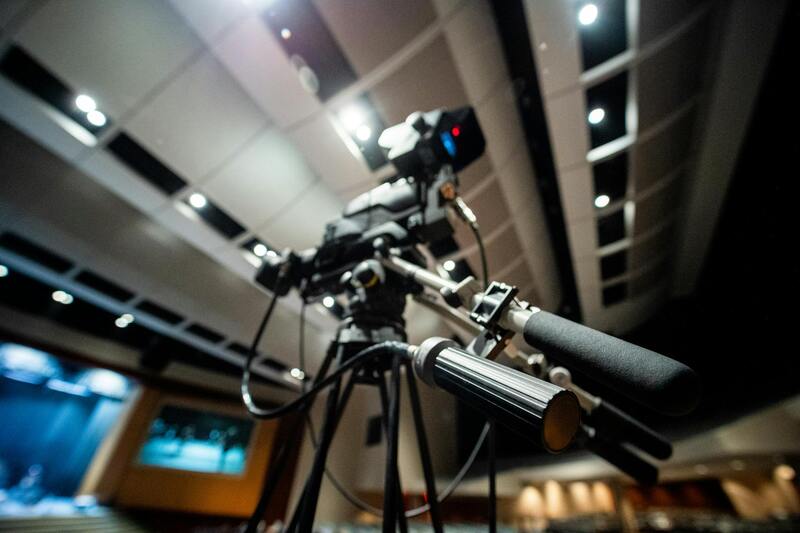
Post-Processing for High-Definition Real Estate Photography
Post-processing is vital in transforming raw images into visually captivating representations. Professional editing involves color correction to ensure accurate and vivid hues, which can influence buyer perception. Adjusting contrast and brightness enhances depth, while meticulous sharpening increases image clarity, especially in high-resolution formats. Noise reduction techniques help maintain smooth, clean images, particularly in low-light interior shots.
HDR (High Dynamic Range) imaging combines multiple exposures to balance shadows and highlights, revealing details in both bright and dark areas of a property. This technique is especially effective for properties with large windows or spaces with mixed lighting conditions. Virtually staging rooms through editing can also showcase a property's potential, making spaces more appealing without physical modifications.
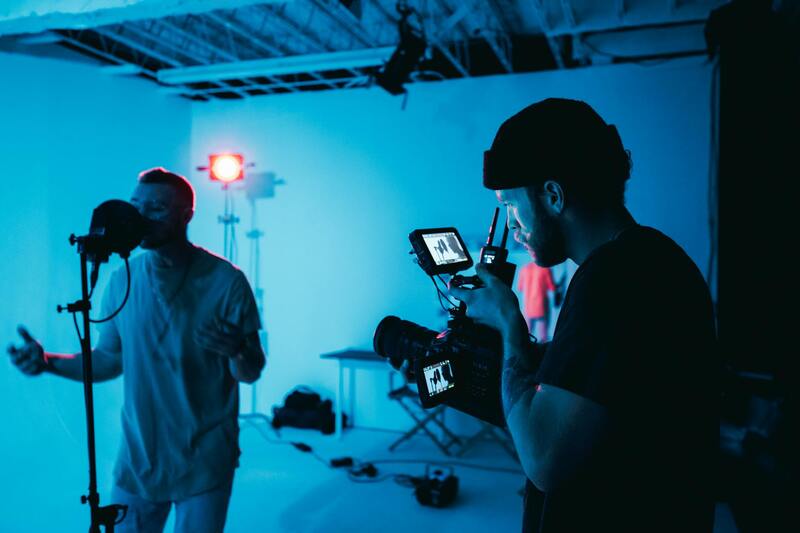
Maintaining Consistency and Image Calibration
Consistency across image sets reinforces the quality and professionalism of a real estate listing. Photographers achieve this by calibrating their monitors and cameras regularly, ensuring that colors, contrast, and exposure are uniform throughout the collection. Shooting with standardized settings and lighting conditions further guarantees that images in a portfolio match visually, creating a cohesive online presentation that attracts serious buyers.
In both digital and print formats, properly calibrated images display true-to-life colors and details, which aid in buyer decision-making. Maintaining a high standard of quality control ensures that each photo reflects the property's true appeal, reducing the need for repeated shoots and streamlining marketing efforts.
Methods to Obtain High-Quality Real Estate Photos in Miami
Achieving outstanding HD real estate photography begins with selecting proven, traditional techniques that ensure each shot captures a property's true essence. Photographers in Miami often rely on a combination of meticulous planning, precise camera settings, and strategic lighting to produce images that highlight a property's best features. Proper composition is fundamental; it involves framing rooms to emphasize space and flow while minimizing distractions. When shooting interior spaces, using wide-angle lenses allows for capturing more of the room, creating a sense of spaciousness without distorting proportions. For exteriors, photographers often utilize natural sunlight to illuminate the property optimally, avoiding harsh shadows that could obscure details.
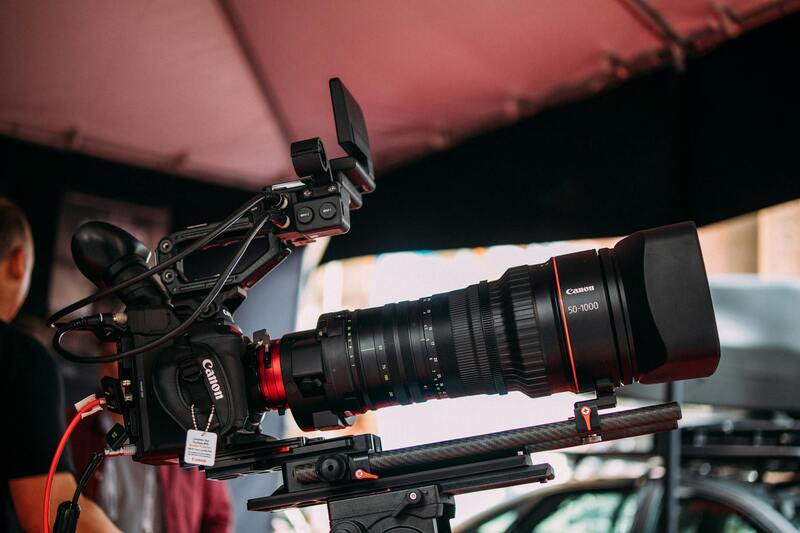
Leveraging Certified Equipment and Techniques
High-resolution cameras form the backbone of legitimate, high-quality real estate imagery. Contemporary DSLR or mirrorless models with full-frame sensors are preferred, capable of capturing intricate details and maintains excellent performance in varied lighting conditions. Stabilization tools like tripods and gimbals are essential for sharp images, especially in low-light interior shots. For consistent color representation and exposure, calibrated monitors and color management workflows are employed during post-processing.
Automated focus assists and manual adjustments ensure sharpness, while aperture settings are chosen to maximize depth of field, keeping entire rooms in crisp focus. When capturing expansive estates or properties with extensive outdoor spaces, photographers often take multiple overlapping shots and stitch them together using panoramic techniques. This not only enhances the visual breadth but also preserves image resolution for large-format displays.
Advanced Editing for Authentic and Engaging Images
Post-processing plays a crucial role in elevating real estate photos from decent to stunning. Techniques such as exposure blending and HDR imaging are routinely used to balance highlights and shadows, particularly in scenes with complex lighting. Noise reduction methods help maintain clean visuals, especially when shooting in dim interior environments. Geometric corrections and perspective adjustments are also applied to ensure that vertical lines appear straight, which is vital for a professional appearance.
Color correction and grading ensure that the property’s appearance aligns with reality, avoiding overly saturated or manipulated hues that could mislead buyers. Additionally, virtual staging through digital editing can add furniture and décor to vacant rooms, allowing potential buyers to visualize the space’s full potential without physical staging. These methods are implemented with precision to maintain authenticity and attract discerning clients.
Ensuring Consistency and Quality Standards
Maintaining a uniform aesthetic across all photographs is pivotal for a compelling online presence. Photographers regularly calibrate their equipment and adhere to standardized shooting protocols to achieve consistent brightness, contrast, and color fidelity. This consistency reinforces the professional credibility of a listing, facilitating easier comparison for prospective buyers.
Implementing rigorous quality control checks, such as reviewing images for distortions or inconsistencies before publication, ensures each photo accurately reflects the property’s appeal. This focus on quality minimizes the need for re-shoots and aligns marketing efforts, enhancing the property's attractiveness across various digital platforms.
Placeholder for Image 2

Enhanced Visual Strategies for Miami’s Real Estate Market
In Miami’s competitive real estate environment, leveraging high-definition (HD) images is no longer optional but essential to capture potential buyers' attention and showcase property features with unrivaled clarity. Elevated photographic quality allows listings to stand out, emphasizing each property's unique qualities through detailed, vibrant images that communicate the actual living experience. This clarity not only attracts more online views but also builds trust and interest among prospective buyers and investors who rely heavily on visual information before scheduling physically viewing appointments.
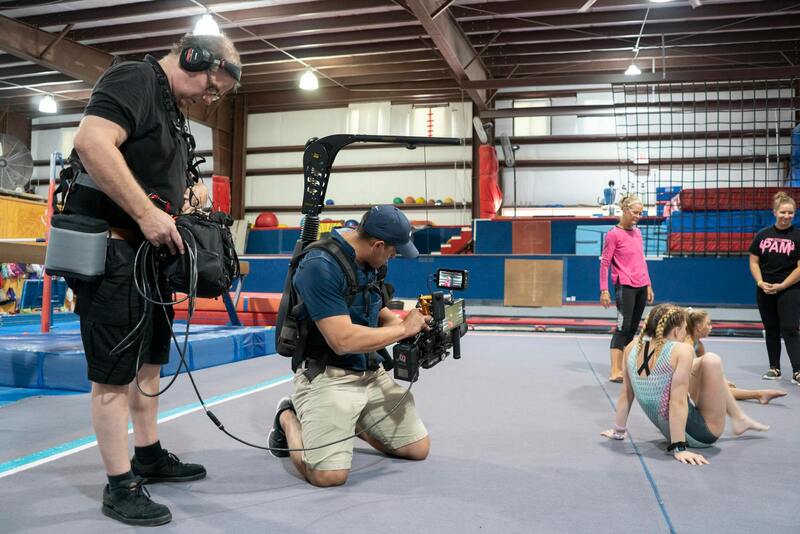
Executing effective HD real estate photography involves a strategic combination of cutting-edge tools, refined techniques, and professional expertise. These elements ensure that each photograph accurately represents the property’s spatial dimensions, lighting conditions, and architectural integrity, which are critical in Miami’s dynamic market. The use of advanced camera equipment, such as full-frame DSLRs or mirrorless cameras paired with wide-angle lenses, permits capturing expansive scenes with impressive detail. Complementing the hardware, a professional understanding of lighting techniques, including natural light exploitation and supplemental lighting setups, mitigates shadows and highlights the property’s best features.
Bridging Innovation with Professional Methods
Beyond basic photography, integrating virtual and aerial imaging techniques enhances the overall presentation. Virtual tours and 3D walkthroughs provide immersive experiences that enable remote buyers to explore properties thoroughly, reducing the time spent on physical visits and increasing the chances of a quick sale. Aerial shots captured through drone technology offer a comprehensive perspective of the property’s surroundings, including landscape features, nearby amenities, and proximity to prime Miami locations. These methods generate a holistic view that appeals to investors seeking a detailed understanding of the property’s context within its neighborhood.
Precision in Post-Processing and Consistency
High-quality editing is vital to refine images while maintaining their authenticity. Adjustments in color grading, exposure, and distortion correction ensure that the photographs faithfully represent the property. Virtually staged rooms, where digital furniture and décor are added, help prospective buyers visualize potential without physical staging costs. Consistency across the photo set reinforces a professional impression and reinforces the integrity of the listing, making it more attractive across various digital platforms.
Collaboration with Miami’s Real Estate Professionals
Partnering with experienced Miami-based real estate photography providers guarantees access to the latest technology and proven techniques. These professionals understand the nuances of Miami’s unique architecture and diverse property styles, tailoring their approach to highlight features that resonate with local buyers. Working with specialists ensures adherence to high standards and seamless integration into broader marketing campaigns, from MLS listings to social media promotion.
Technical Aspects and Costs
Pricing for HD real estate photography services depends on factors like property size, shoot complexity, and additional services such as drone footage or virtual staging. Packages typically range from basic photo sets to comprehensive marketing solutions that include multiple angles, virtual tours, and aerial shots. Investing in professional imaging boosts a property’s marketing appeal and can significantly increase listing visibility and competitive positioning within Miami’s vibrant real estate landscape.