
Importance of High-Quality Real Estate Photos
In today's competitive real estate market, the visual presentation of a property plays a crucial role in attracting potential buyers. High-quality real estate photos serve as the first point of contact between a listing and a prospective client. When images are clear, well-composed, and professionally taken, they effectively communicate the property's value, ambiance, and unique features. These visuals generate a compelling first impression that encourages viewers to explore further, whether through virtual tours or scheduled visits.
Quality images not only enhance online listings but also significantly impact the perceived professionalism and credibility of the seller or agent. Listings with striking visuals tend to garner more clicks, inquiries, and ultimately, faster sales. Buyers often begin their home search online, and the quality of photos influences their decision to consider a property further. In cases where multiple properties are competing for attention, those with superior imagery stand out and are more likely to be shortlisted.
Furthermore, high-resolution images help to accurately represent the property’s features and spatial relationships. This accuracy reduces the risk of misunderstandings or mismatched expectations during physical viewings. When buyers have a clear and honest portrayal of a home, it fosters trust and can streamline the purchasing process. Additionally, well-crafted photos contribute to the property’s branding, making it memorable and increasing the chances of referrals and repeat business for real estate professionals.
Investing in professional real estate photography is, therefore, not just an aesthetic choice but a strategic move that directly impacts sales efficiency and success. For real estate agents and property owners aiming to maximize their listings' potential, understanding and implementing the principles of good real estate photography is essential. From initial preparation to post-processing, every step contributes to creating images that resonate with buyers and stand the test of time in online marketplaces.
In the subsequent sections, we will explore the essential elements that constitute good real estate photos, the preparation required before shooting, and expert techniques to elevate the quality of property images, ensuring they effectively serve your sales goals.
Pre-Shoot Preparation and Planning
Success in capturing compelling real estate photos begins well before the camera clicks. Effective pre-shoot preparation involves meticulously organizing the property to ensure it presents its best features. This includes de-cluttering spaces to eliminate distractions, staging rooms to enhance their visual appeal, and ensuring that all necessary areas are clean and well-maintained. A coordinated approach with the property owner or occupant can facilitate timely arrangements and access to all spaces.
Additionally, planning the shots around favorable lighting conditions and taking note of the property’s unique characteristics helps in creating captivating images. Preparing a shot list as well as scouting the property either physically or via virtual walkthroughs allows photographers to identify the angles that maximize the property’s appeal. This strategic setup minimizes the need for reshoots, optimizes time during the shoot, and ensures comprehensive coverage of the entire property.
Choosing the Right Equipment and Settings
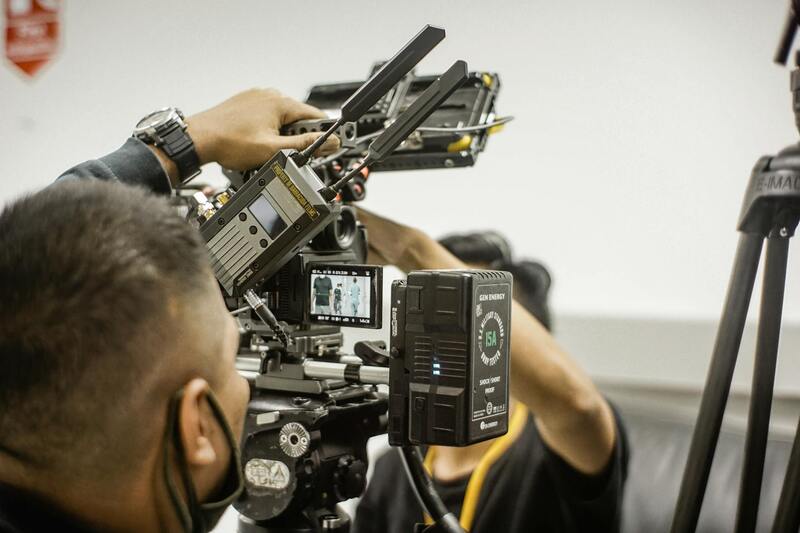
The selection of appropriate equipment is crucial to achieve professional-grade real estate photography. A high-resolution digital camera with manual controls provides the flexibility to adjust settings based on lighting conditions and the specific scene. Wide-angle lenses are especially beneficial for interior shots as they allow viewers to see more of a room, creating an expansive feel.
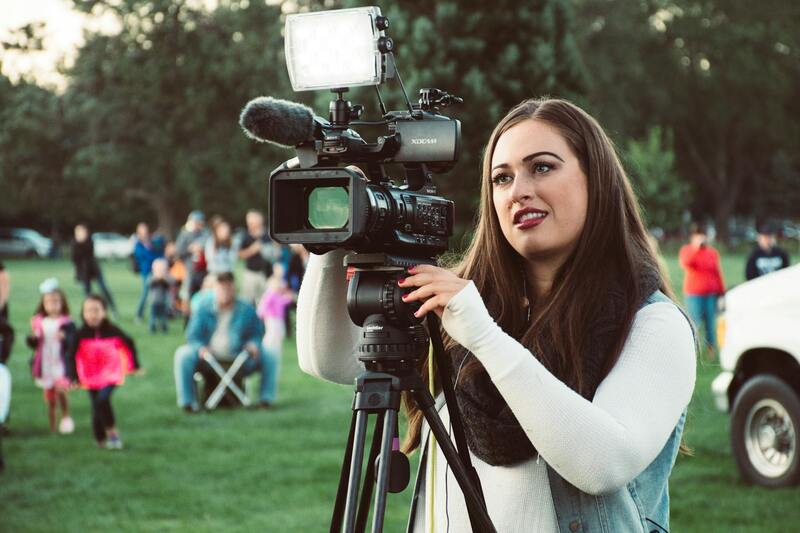
Using a tripod is essential for stability, sharpness, and consistency across images, particularly in low-light situations or when applying longer exposure times. Camera settings should be optimized to balance exposure, ISO, aperture, and shutter speed — often, a smaller aperture (higher f-number) is preferred to keep more of the scene in focus.
Post-processing software plays a vital role in refining images, but initial capture quality depends heavily on correct camera settings. Ensuring that white balance is accurate further enhances natural colors and helps in achieving true-to-life images.
Techniques for Interior and Exterior Photography
Different techniques are required to effectively photograph interior and exterior spaces. For interiors, maximizing natural light is essential; shooting during the day when sunlight fills the room can produce vibrant, inviting images. Techniques such as shooting from corners or doorways can help to portray the space’s full depth and dimension.
In exterior photography, capturing the property during optimal lighting hours — typically early morning or late afternoon — can enhance shadows and highlight architectural details. Employing a polarizing filter can reduce reflections on windows and improve color saturation in the landscape.
Utilizing HDR (High Dynamic Range) photography can reveal details in both bright and shadowed areas within the same shot, particularly useful in interior spaces with contrasting lighting. For exterior shots, including surrounding landscapes or cityscapes can contextualize the property and add visual interest.
Lighting and Time of Day Considerations
Natural lighting plays a pivotal role in the quality of real estate photos. Shooting during times when sunlight is soft, such as during the golden hour shortly after sunrise or before sunset, helps create warm, appealing images with gentle shadows.
For interior photos, maximizing natural light involves opening curtains and blinds, and turning on additional lights if necessary to avoid dark corners. Overcast days can be advantageous, as diffused light reduces harsh shadows and provides even illumination.
In situations where natural lighting is insufficient, supplementary artificial lighting — such as flash units or continuous lighting — can be used to evenly illuminate spaces. It is important to balance the lighting to avoid overexposure or underexposure, maintaining a natural and inviting appearance.
Post-Processing and Editing Tips
Post-processing transforms raw images into polished representations that captivate viewers while maintaining honesty about the property’s features. Color correction, exposure adjustments, and sharpening refine the image quality and ensure consistency across all photos.
Advanced editing techniques, such as lens distortion correction, perspective adjustments, and noise reduction, further enhance the visual appeal. HDR processing can be employed to balance exposures in challenging lighting situations, revealing details in both highlights and shadows.
However, maintaining integrity is paramount; over-editing can distort the true appearance of the property, leading to potential mismatches during viewings. Using professional editing software with non-destructive editing capabilities allows for precise enhancements while preserving original image data.
Legal and Ethical Aspects of Property Photography
Adhering to proper standards and ethical practices in real estate photography ensures that images are both compelling and trustworthy. Securing permission to photograph private property, especially in sensitive locations, is essential. Clear communication with property owners about how images will be used fosters transparency and respect. Respecting privacy involves avoiding photographs that may expose individuals or personal belongings without consent. Additionally, accurately representing the property through honest lighting and staging—avoiding manipulated or exaggerated images—is critical in building credibility. Maintaining consistent documentation of photographic rights and usage ensures that all parties are aligned with the intended use of the images. This disciplined approach safeguards the professionalism of real estate marketing efforts and upholds the reputation of the photographer and property stakeholders.
Understanding the Legal and Ethical Framework of Property Photography
Maintaining professionalism and ethical standards in real estate photography is essential for creating trustworthy and compelling property images. First, securing explicit permission from property owners prior to conducting a photo shoot helps establish transparent relationships and ensures all parties are aligned on how photographs will be used. Clear communication about the intended marketing channels, such as online listings or promotional materials, fosters trust and reduces misunderstandings.
The respect for privacy entails avoiding photographs that inadvertently reveal personal belongings or individuals without consent. For example, when capturing images of indoor spaces, care should be taken to avoid intrusive details that could compromise someone's privacy or security. Honest representation is critical; this means leveraging lighting, staging, and angles to highlight the property's best features without exaggeration or manipulation.
Photographers should maintain detailed records of licensing agreements, usage rights, and consent forms for each project. This documentation not only supports a transparent process but also serves as a safeguard against potential disputes. Such discipline ensures that the images are used appropriately across different marketing platforms and that the rights of property owners are protected.
Furthermore, adhering to ethical standards enhances the credibility of the real estate agent or agency. Authentic, well-executed images build confidence among prospective buyers and tenants, fostering a more positive viewing experience. When property photos accurately represent the space, viewers develop realistic expectations, leading to more qualified inquiries and reducing the likelihood of disappointment during viewings.
Overall, a disciplined, respectful approach to real estate photography combines professionalism with integrity. Ensuring proper permissions, respecting privacy, and honestly capturing the essence of a property contribute to images that are both captivating and trustworthy, ultimately supporting effective marketing outcomes and preserving the reputation of all parties involved.
Optimal Techniques for Interior and Exterior Photography
Capturing compelling real estate images requires a strategic approach to framing and composition. For interior shots, it’s essential to emphasize spaciousness and natural light. To achieve this, use wide-angle lenses that can encompass more of a room within a single frame, creating an inviting sense of openness. Position the camera at eye level to give viewers a realistic perspective, and shoot from corners to avoid distortion while highlighting the room’s depth and dimensions.
Exterior photography demands a focus on curb appeal and the overall character of the property. Incorporate the entire facade, including landscaping and entry points, to present a comprehensive view. Elevated angles often work well for exteriors, providing a broader perspective and showcasing the property’s scale in relation to its surroundings. Utilizing a tripod ensures stability and uniformity across shots, especially during early morning or late afternoon when natural light varies.
In both interior and exterior photography, maintaining a consistent color balance and clarity is key. A steady hand or tripod minimizes blurriness, especially in low-light conditions, while adjusting aperture, ISO, and shutter speed helps produce well-exposed images. For interior shots, balancing natural light with supplemental artificial lighting, such as softboxes or diffusers, prevents harsh shadows and highlights, resulting in more authentic images.
Additionally, employing the rule of thirds can improve composition by placing focal points at intersecting lines, guiding the viewer’s eye naturally through the space. Just as important is the avoidance of clutter by decluttering spaces before shooting, ensuring the focus remains on the property's best features.
In implementing these techniques, it's also wise to shoot during times of day when natural light is optimal—generally early morning or late afternoon—known as the golden hours. This natural lighting enhances colors and creates a warm, welcoming atmosphere that can significantly boost a property's visual appeal.
Importance of High-Quality Real Estate Photos
Exceptional real estate photos serve as the cornerstone of a property’s online presentation. In a highly competitive market like Miami, where listings are abundant, visually striking images can significantly influence a buyer's decision-making process. High-quality photography not only captures the essence and unique features of a property but also conveys professionalism and trustworthiness to potential clients. Well-crafted images can reduce the time a property spends on the market and often lead to higher sale prices by highlighting its best attributes.
Beyond simple aesthetics, good real estate photos establish an emotional connection with viewers, allowing them to envision themselves living within the space. This emotional appeal is vital in guiding prospective buyers through the initial stages of the sales funnel. In addition, professional-grade images help real estate agents and agencies differentiate themselves from competitors, positioning their listings as premium opportunities. As property browsing tends to be predominantly visual, investing in high-quality photos can be regarded as a strategic move to magnify a listing’s appeal and reach.
Key Elements of Good Real Estate Photos
- Lighting: Proper lighting is essential to produce bright, inviting images. Utilizing natural light during the golden hours—early morning and late afternoon—enhances the warmth and color of interiors and exteriors. Supplementing natural light with artificial lighting, like softboxes or diffusers, aids in balancing shadows and highlights.
- Angles and Perspectives: Choosing the right angles emphasizes the space and layout. Wide-angle lenses are commonly used to capture more of a room, making spaces appear larger. Shooting from eye level provides a realistic perspective that appeals to potential buyers.
- Composition and Framing: Employing the rule of thirds and avoiding clutter directs focus to the property's key features. Proper framing can highlight architectural details or unique design elements, creating visually compelling images.
- Clarity and Focus: Maintaining sharp focus across the entire image ensures the property's details are crisp and clear. A tripod is indispensable for avoiding blurriness, especially in low-light conditions or interior shots with longer exposure times.
- Decluttering and Staging: Removing personal items and clutter creates a clean, welcoming environment that allows viewers to envision themselves in the space. Staging furniture and decor further accentuate the property's potential and flow.
Pre-Shoot Preparation and Planning
Effective preparation directly influences the quality of real estate imagery. Start by deep cleaning and decluttering the property to ensure spaces appear neat and inviting. Consider staging key rooms to showcase their functionality and potential. It’s also beneficial to plan shot lists that include both interior and exterior perspectives, ensuring comprehensive coverage of the property’s features.
Time management is crucial—schedule shoots during optimal lighting conditions and avoid busy times like late afternoon when shadows are longer or bright midday sun that can cause harsh contrasts. Communicating with the property owner about optimal arrangements, such as opening curtains or rearranging furniture, facilitates smoother shooting sessions.
Choosing the Right Equipment and Settings
A high-quality DSLR or mirrorless camera equipped with a wide-angle lens is preferred for capturing expansive, detailed images. Tripods are essential to maintain stability and consistency across shots, particularly in low-light interior spaces. Shooting in RAW format allows for maximum flexibility during post-processing, ensuring optimal image quality.
Adjust camera settings to suit lighting conditions: using a wider aperture (lower f-number) to gather more light, a lower ISO to reduce noise, and an appropriate shutter speed to prevent motion blur. Bracketing exposures for HDR processing can help manage scenes with high contrast between bright windows and darker interiors. When shooting exterior scenes, consider polarized filters to reduce glare and enhance the vibrancy of skies and foliage.
Properly configuring these elements aligns with best practices for professional real estate photography, ensuring each shot highlights the property’s true potential and appeal. Consistent image quality across all photos maintains an attractive, cohesive listing that effectively communicates the property’s value to prospective buyers.
Pre-Shoot Preparation and Planning
Effective real estate photography begins well before the camera is clicked. It involves meticulous planning and preparation to ensure each shot accurately represents the property's best features. Start by gathering comprehensive details about the property, including floor plans, key selling points, and any specific areas that require special attention. Communicate with the property owner or listing agent to understand which aspects they want to emphasize, whether it's a spacious living room, modern kitchen, or scenic outdoor space. Next, plan the shoot schedule strategically. Consider the time of day when natural light is at its peak and best suited for interior or exterior shots. For exterior photos, early mornings or late afternoons often provide softer, more appealing lighting, reducing the risk of harsh shadows. For interiors, coordinate with the owner to open curtains or adjust window coverings to maximize light penetration. Organizing equipment and props in advance is crucial. Ensure all necessary gear, including cameras, lenses, tripods, and lighting accessories, are in optimal condition. Additionally, prepare any props or staging elements that might enhance the visual appeal of the property, such as fresh flowers or tasteful furnishings. Thorough pre-shoot planning minimizes disruptions, reduces time spent on-site, and results in more polished, professional-quality images. A comprehensive shot list is also beneficial. Map out key angles and perspectives to ensure no essential feature is overlooked. This attention to detail allows for a smooth workflow during the shoot, saving time and energy while maximizing the property's visual storytelling.
Choosing the Right Equipment and Settings
The foundation of good real estate photos lies in selecting appropriate equipment and configuring it correctly. A high-quality digital camera, preferably a DSLR or mirrorless model, is standard, equipped with a wide-angle lens ideally ranging from 14mm to 24mm. Such lenses help capture more of the room in a single shot, creating a sense of spaciousness and detail. Stability during shooting is vital. Use a sturdy tripod to eliminate camera shake, especially in low-light Indoor spaces where longer exposure times are necessary. Shooting in RAW format enables maximum post-processing flexibility, allowing adjustments for exposure, white balance, and color accuracy without sacrificing quality. Adjust camera settings based on lighting conditions. A wider aperture (lower f-number) allows more light into the lens, which is particularly beneficial indoors with limited natural light. Keep ISO settings low to prevent grainy images, especially in controlled lighting environments. Shutter speed should be calibrated to prevent motion blur, factoring in the use of tripods for stability. HDR (High Dynamic Range) imaging can be employed to balance bright windows and darker interior areas. Bracketing multiple exposures and merging them in editing software ensures details are visible in both shadows and highlights. For outdoor shots, polarization filters can reduce glare from surfaces and deepen the vibrancy of skies and foliage, adding richness to the images. Consistently applying these equipment choices and settings significantly enhances the clarity, color accuracy, and overall appeal of property photos, making listings stand out in a competitive market.

Techniques for Interior and Exterior Photography
Mastering the art of capturing appealing real estate images requires applying targeted techniques that bring out the space’s best features. Whether photographing the interior or exterior, understanding specific methods can significantly elevate the quality of your photos and attract prospective buyers.
Interior Photography Techniques
Capturing the essence of interior spaces involves more than just pointing the camera and clicking. It’s essential to showcase each room’s purpose, size, and ambiance accurately. Using wide-angle lenses helps encompass more of the room in a single shot, creating an inviting sense of spaciousness. Position your camera at a height that represents an average eye level, typically around 5 to 6 feet, to provide an authentic perspective.
To maximize depth and detail, shoot multiple angles within each space, including corners and focal points like a fireplace or a statement piece of furniture. Employing a tripod ensures consistent framing and sharpness, especially in environments with challenging lighting. Utilize a combination of natural light and supplemental lighting sources, such as softboxes or diffused flash, to eliminate shadows and highlight key features without overexposing windows or bright surfaces.
Exterior Photography Techniques
Exterior shots are vital for portraying curb appeal and the overall character of the property. It’s best to photograph from angles that reveal the house's most attractive architectural elements and landscaping features. Using a drone or a ladder can provide elevated perspectives, giving viewers a comprehensive view of the property and its surroundings.
Timing is crucial; capturing images during the golden hour—shortly after sunrise or before sunset—yields warm, soft lighting that enhances colors and textures. Ensuring the sun is behind the camera prevents harsh shadows and glare on reflective surfaces. Remember to tidy the yard and remove any distractions like vehicles or clutter before shooting. Frame the property with a clean foreground and background, avoiding obstructions while keeping the entire structure within the shot.
Post-Shoot Processing for Impactful Results
Post-processing plays a crucial role in refining real estate images to meet high standards. Adjust brightness and contrast to ensure that each photo accurately represents the space’s lighting conditions. Enhance clarity and sharpness to draw attention to architectural details and textures.
Color correction is essential to maintain true-to-life representations, especially when natural light varies or artificial lighting influences the scene. Correcting distortions introduced by wide-angle lenses ensures that walls appear straight, preserving the integrity of the architecture. Subtle vignetting adjustments can subtly draw the viewer’s eye toward focal points within the image.
Selective editing techniques can help emphasize key areas, such as a beautifully staged living room or an inviting outdoor patio. However, it’s vital to avoid over-editing, which can mislead viewers or distort the property's actual state. Striving for natural, well-balanced images ensures prospective buyers receive an honest and appealing view of the property.
Strategies for Capturing Good Real Estate Photos Legally and Ethically
Understanding Permissions and Privacy Considerations
Ensuring that all property images are captured and used responsibly is fundamental to maintaining professional standards in real estate photography. Before conducting any photoshoot, it is crucial to obtain explicit permission from the property owner or authorized representatives. This involves clear communication about the purpose of the images, how they will be used, and the platforms on which they will be displayed. Respect for tenants' privacy, especially in multi-unit buildings or occupied properties, should be prioritized, with all individuals present during the shoot fully aware of the process and consenting to being photographed.
Accurate Representation Through Ethical Practices
Maintaining honesty and transparency in imagery is essential to establishing trust with prospective clients and buyers. Photographers should strive to depict properties as they truly are by capturing authentic features without manipulation or distortion that could mislead viewers. This includes accurately representing room sizes, architectural details, and current conditions. Avoiding over-editing or selective highlighting of only the most attractive areas helps provide an honest portrayal, fostering credibility and confidence in the listing.
Adherence to Standards in Post-Processing
Post-processing should enhance the natural qualities of the property, not alter its fundamental appearance. Techniques such as adjusting brightness, contrast, and color balance should be used cautiously to correct lighting issues and enhance image clarity. It is equally important to avoid excessive editing that might misrepresent the property's actual state, such as removing structural flaws or significant damage. Proper distortion correction, especially with wide-angle lenses, ensures walls and layouts appear true to scale, preserving the integrity of the images.
Documenting and Archiving for Accountability
Maintaining comprehensive records of the images taken, permissions granted, and editing steps performed supports accountability and provides a clear audit trail. This documentation can be invaluable in resolving any disputes over the accuracy or use of the images and reinforces adherence to best practices within real estate marketing. Such transparency reflects professionalism and a commitment to ethical standards.
Implementing Industry Guidelines and Best Practices
Following established guidelines established by professional photography associations helps uphold quality and ethical integrity. These standards typically outline permissible editing techniques, subject privacy considerations, and the importance of accurate representation. Regularly updating skills through training and reviews of current industry standards ensures photography remains aligned with best practices, supporting a reputable real estate marketing strategy.