

Understanding Drone Pricing in Real Estate
In the competitive landscape of modern real estate marketing, high-quality aerial imagery has emerged as a vital component for properties seeking to attract attention and generate buyer interest. The utilization of drone technology offers a dynamic way to showcase properties from unique perspectives, providing potential buyers with immersive visuals that traditional photography cannot achieve. As such, the pricing for drone services tailored to real estate varies significantly, influenced by multiple factors that align with project scope and market dynamics. For real estate agents and property marketers, understanding these price structures is essential to making informed decisions that balance quality, coverage, and budget considerations.
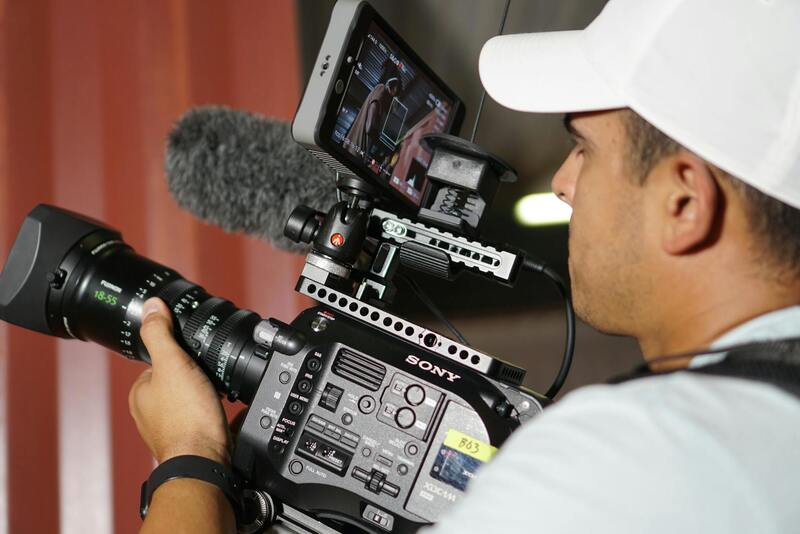
Drone pricing in the realm of real estate is not a fixed cost but rather a flexible range that reflects the complexity and specifics of each project. Usually, providers establish their charges based on the number of images or videos required, the level of editing needed, and the overall time involved in capturing and processing the aerial content. The increasing demand for cinematic, high-resolution footage has also impacted pricing segments, with premium services charging higher rates to provide advanced drone equipment, professional pilots, and post-production enhancements.
For real estate professionals, investing in drone services can significantly elevate property listings, offering a competitive edge in a crowded market. Recognizing how pricing structures adapt to market trends and individual project demands ensures that listings remain attractive while maintaining cost-effectiveness. Whether for small residential shots or extensive commercial property showcases, understanding the nuances of drone pricing helps to align the marketing strategy with financial planning.
Typical drone service providers in the industry offer a range of options, from single-project shoots to ongoing marketing support. Prices are often segmented into various categories based on the desired output quality, size, and complexity of the shoot. As drone technology evolves, the cost spectrum continues to shift, with more affordable options becoming available for small-scale projects, while high-end productions still command the premium segment of the market.
It is crucial to consider the scope of each real estate project when estimating drone service costs. For example, a modest single-family home may be shot with a straightforward package, whereas large commercial developments require extensive aerial coverage, potentially increasing the overall investment. Additionally, the integration of aerial footage into marketing campaigns, such as virtual tours or promotional videos, can influence the pricing structure by adding post-production and editing expenses.
In an industry where visual appeal directly impacts buyer engagement, understanding the intricacies of drone pricing enables real estate professionals to create compelling listings that stand out. Being aware of the various factors influencing costs, from equipment and skill level to project complexity, empowers clients and providers to establish fair, transparent pricing that aligns with market standards and project goals.
Understanding Drone Pricing in Real Estate
Effective valuation of drone services for real estate hinges on multiple elements, including the scope and complexity of the project, the type of footage required, and the level of expertise involved. Price structures are usually segmented based on the deliverables—whether a handful of high-resolution images or comprehensive aerial videos—along with additional services like post-production editing or 3D mapping. As drone technology advances, the costs associated with different tiers of service continue to evolve, offering more customizable options to meet diverse client needs.
In the context of real estate marketing, visually compelling content can significantly influence the perception of a property. Therefore, understanding the factors that drive drone pricing allows real estate professionals and service providers to align budgets with marketing goals. While budget-friendly packages might suffice for basic property shoots, premium options that incorporate cinematic imagery or extensive footage might demand higher investments, reflecting the additional effort and skill involved in such productions.
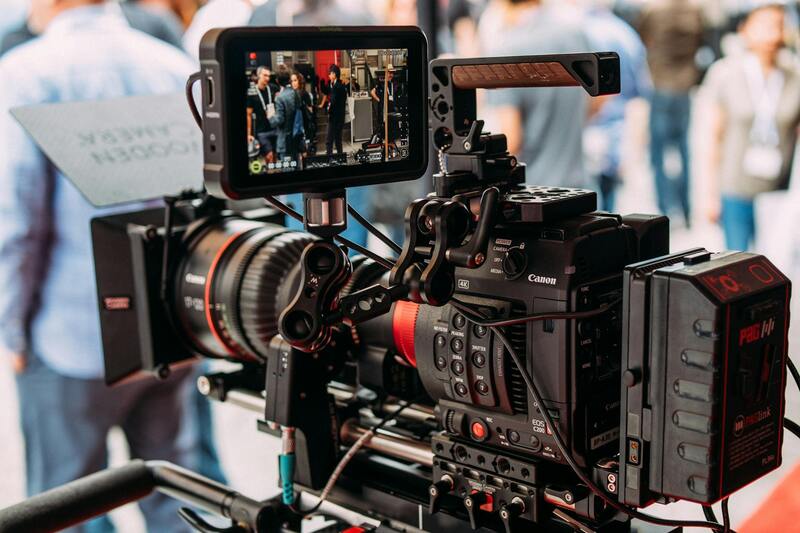
Various service providers may offer tiered pricing models catering to different project scales:
- Per-project flat fee: This approach simplifies billing and is common for single-property shoots, with prices ranging from approximately $150 to over $500 depending on project complexity.
- Hourly or day-rate billing: Suitable for extensive commercial projects or properties requiring prolonged filming sessions, with rates typically starting at $200 per hour.
- Package deals: These include predefined services such as a set number of images, video clips, and basic editing, usually priced between $300 and $1,000.
Regardless of the model, it's essential to clarify what services are included to prevent unforeseen costs. Factors such as drone equipment quality, crew experience, and post-production requirements can all influence final pricing, making transparent communication between providers and clients a critical element in managing expectations.
Understanding Drone Pricing in Real Estate
Accurate pricing in drone services for real estate hinges on a detailed appreciation of the multiple elements influencing the overall cost structure. Clients and providers alike benefit from transparency regarding what factors drive pricing variations and how these components integrate to deliver results that meet marketing and sales goals effectively.
Core Components of Drone Pricing
At the foundation, drone pricing involves several key components, each contributing to the final expense. These encompass equipment quality, experience of the drone operator, project scope, and post-production efforts. The level of sophistication in drone hardware significantly impacts costs; higher-end models equipped with advanced stabilization systems, higher resolution cameras, and extended flight durations tend to command premium rates. The expertise of the drone pilot is equally vital; seasoned operators with extensive portfolios and professional training can justify higher charges because of their ability to capture high-quality imagery efficiently and safely.

Project Scope and Specific Requirements
The scope of the project directly influences pricing levels. Single-property shots involving basic aerial photography and minimal editing are generally bundled into flat fees or per-project rates, which typically fall within a defined range. In contrast, larger or more complex campaigns—such as extensive commercial developments, multi-property portfolios, or immersive virtual tours—entail longer flight times, multiple locations, and extensive post-production processes, thereby increasing costs.
Post-Production and Editing Services
Post-flight work, including image enhancement, video editing, and incorporation of branding elements, adds layers of cost to drone services. Premium editing, especially for cinematic footage suited to high-end listings, often warrants additional fees. Recognizing the scope of editing upfront allows clients to select a package tailored to their needs, avoiding unforeseen expenses later.
Additional Costs and Service Enhancements
- Travel and Accessibility: If the property location presents challenges such as remote sites or restricted airspaces, additional fees may be assessed for travel time and permissions processing.
- Expedited Delivery: Projects requiring rapid turnaround might incur premium charges to prioritize editing and delivery timelines.
- Specialized Equipment or Techniques: Use of 3D mapping, thermal imaging, or night-time shoots will lead to higher pricing, reflecting the specialized equipment and expertise involved.
Transparency and Communicating Value
Providers committed to clarity will ensure clients understand exactly what services are included in the quoted price, ranging from initial consultation to final delivery. Clear communication about inclusions, exclusions, and potential extra charges fosters trust and helps clients make informed decisions aligned with their marketing budgets.
Official Pricing Structures and Considerations
Professionally conducted drone services for real estate typically adhere to standardized pricing structures crafted to ensure transparency and fairness. One common approach is the flat-rate method, where a client pays a predetermined fee for the entire project. This model simplifies budgeting and provides clarity on total costs upfront. Flat fees for drone photography of residential properties commonly range from $150 to $300 per property, while larger or more complex commercial listings might command rates upwards of $500 to $1,000.
Another prevalent model is hourly billing, which is ideal for projects requiring extensive time investments, such as larger properties, extensive flight paths, or multiple locations within a single session. Hourly rates in this model generally vary from $75 to $200 per hour, depending on the operator’s expertise and geographic location. It is essential for providers to specify minimum charges and the scope of coverage within these hourly rates to maintain clarity.
In addition to these, many providers offer bundled packages that include a set number of flight hours, multiple images, video coverage, and post-production services. These packages typically start at around $200 for basic offerings and can escalate to $1,200 or more for premium packages featuring aerial videography, 3D mapping, or specialized imaging techniques. Clients should evaluate their specific needs—including the size of the property, desired media types, and market competitiveness—to select the most suitable pricing model.
Understanding Cost Variability Across Markets
Pricing can also fluctuate significantly based on regional economic factors and market demand. In popular areas like Miami, where real estate transactions tend to be faster-paced and competitive, drone service providers might charge premium rates to match the higher demand for premium visual marketing. The cost structures can also be influenced by the level of expertise available in the region, as well as the accessibility of desired locations.
Providers operating in Miami often combine their industry experience with local knowledge to offer packages that align with both client expectations and market standards. While prices in Miami for standard drone footage may start around $200 per property, adding services like extended footage, virtual tours, or specialized imaging could increase fees to $500 or more. It is advisable for clients to request detailed quotations to compare offerings effectively and ensure clarity on included services.
Understanding Drone Pricing in Real Estate
Drone pricing for real estate services is a carefully calibrated aspect of property marketing, reflecting multiple variables that influence both the overall cost and the value delivered. When assessing drone costs, it’s essential to recognize that pricing structures are tailored to match the scope of each project, the complexity of the property involved, and the expected deliverables. Clients should be equipped with a comprehensive understanding of how these factors interplay to form the final quotation, ensuring transparency and efficiency in budgeting for visual marketing assets.
Factors Influencing Drone Pricing for Real Estate
Several key elements impact the pricing of drone services tailored for real estate, which include, but are not limited to:
- Property Size and Layout: Larger properties or those with complex layouts demand more extensive flight time, additional angles, and comprehensive shots. This not only increases operational hours but also necessitates more detailed editing and post-production efforts, all contributing to higher costs.
- Desired Media Types: The inclusion of high-resolution images, aerial videos, 3D virtual tours, and interior shots can significantly influence pricing. Packages that combine multiple media formats tend to be more expensive but offer a richer marketing toolkit for real estate agents.
- Flight and Location Accessibility: Properties situated in hard-to-access areas or locations requiring special permits or additional logistical planning may incur extra charges. This ensures that all safety measures and legal considerations are meticulously addressed.
- Drone Equipment and Technology: The sophistication of UAV equipment also plays a matter of expense. Starkly, the use of advanced stabilization systems, 4K or higher resolution cameras, and specialized imaging techniques like thermal or infrared imaging can increase service costs.
- Experience and Certification of Operators: Seasoned drone pilots with extensive experience and certification credentials typically command premium rates, reflecting their proficiency in capturing high-quality footage and managing complex shooting environments.
Average Cost Ranges in 2023
For real estate marketing, standard drone footage services generally fall within a specific pricing window, which can serve as a benchmark for clients and service providers alike:
- Basic Package: Starting around $200 to $300 per property for straightforward aerial shots or a brief video clip, suitable for smaller or less complex properties.
- Standard Package: Ranging from $300 to $500, this typically includes a combination of still images, general aerial video, and a few panoramic shots, suitable for most residential listings.
- Premium Package: Exceeding $500, these packages often encompass extended footage, twilight shoots, detailed virtual tours, and high-end imaging, ideal for luxury properties or highly competitive markets.
Pricing Models in the Industry
Drone service providers typically adopt various pricing architectures tailored to their operational models and client preferences:
- Per-Project Pricing: Clients pay a fixed rate for the entire scope of work, beneficial for firms seeking predictable costs and comprehensive service packages.
- Hourly Rates: Charging based on the actual time spent on site, this model offers flexibility, especially for unique or highly customized projects where exact scope may evolve.
- Package Deals: Predefined bundles that combine different service offerings—such as a set number of images, video length, and virtual tours—at a flat rate to provide clarity and savings.
Regional economic factors and local market demand can influence these pricing structures significantly. High-demand markets like Miami, where the real estate scene is notably competitive, often see premiums reflecting the importance placed on high-quality visual content to attract buyers. In such locations, base prices may start around $200, with additional costs for supplementary services like virtual staging, interior shots, or specialized imaging techniques. Understanding these variances allows clients to better plan their marketing budgets and choose offerings aligned with their strategic goals.
Understanding Drone Pricing in Real Estate
Pricing for drone services in the real estate sector is a nuanced process influenced by multiple variables. Real estate professionals and drone service providers must recognize that costs are not static but reflect both the technical complexity of each project and the strategic importance of high-quality visual content. As the demand for immersive and engaging property presentations escalates, particularly in competitive markets like Miami, understanding the intricacies behind drone pricing becomes essential for optimizing marketing budgets and achieving standout property listings.
Comprehensive nature of pricing structures
Drone pricing in real estate encompasses several essential components, including the scope of work, the required equipment, and post-production services. Each project demands a tailored approach, often resulting in varied pricing models designed to align with client needs and operational logistics. These systems are designed to ensure transparency and fairness in service charges, helping clients predict their marketing expenses accurately and enabling providers to balance quality output with operational costs.
Breakdown of primary pricing factors
- Project Scope: The extent of footage needed, number of images, and overall duration of the shoot significantly influence costs. Complex projects with detailed virtual tours or interior shots typically carry higher price tags.
- Equipment and Technology: Advanced drone models equipped with high-end cameras or specialized imaging tools like thermal or 3D mapping add to expenditure. Higher-end hardware enables capturing premium visual content but also increases operational costs.
- Experience and Expertise: Skilled operators capable of capturing marketable footage efficiently justify premium pricing. Their proficiency minimizes the need for extensive editing and enhances the quality of deliverables.
- Location and Accessibility: Urban environments or regions with logistical challenges may incur additional charges for permits, restricted access, or extended travel.
- Post-Production and Editing: The amount of editing required, including color grading, virtual staging, or special effects, determines additional fees, especially when high fidelity visuals are essential.
Additional considerations impact pricing
Factors such as client-specific branding requirements, turnaround times, and the inclusion of supplementary services like virtual tours or interior walkthroughs also shape the final price. Service providers often provide a detailed quotation that accounts for all these elements, ensuring that clients understand exactly what they are paying for and the value they receive.
Understanding Drone Pricing in Real Estate
Pricing for drone services in real estate hinges on a multifaceted evaluation of project scope, operational costs, and market standards. Clients and providers must consider a variety of elements that influence the final quote, ensuring transparency and fairness. When engaging for drone footage, especially within competitive markets like Miami, an understanding of these factors helps in assessing realistic price expectations and selecting suitable providers with proven expertise.
Factors Influencing Drone Pricing for Real Estate
Several core components drive the cost structure for drone services used in real estate marketing. These include:
- Project Complexity: The nature of the property and the desired deliverables—such as aerial photos, videos, virtual tours, or interior walkthroughs—significantly impact pricing. For instance, high-end properties requiring detailed, immersive visuals generally incur higher fees.
- Equipment and Technology: Utilization of advanced drones equipped with high-resolution cameras, thermal imaging, or 3D mapping tools increases operational expenses. Transitioning from basic to premium hardware ensures superior content quality but also elevates the cost.
- Operator Experience: Skilled pilots with extensive experience in real estate imaging can command higher rates due to their ability to capture compelling visuals efficiently. Their proficiency reduces the need for extensive editing, resulting in a more polished final product.
- Location and Accessibility: Operating in urban environments like Miami entails considerations such as permit acquisition, restricted zones, and transportation logistics. These logistical factors add a layer of cost that must be accounted for.
- Post-Production and Editing: The scope of editing—such as color correction, virtual staging, or special effects—can influence final pricing. High-quality, professionally edited visuals are often crucial for premium listings and marketing campaigns.
Average Cost Ranges in 2023
The typical expenditure for drone services in real estate varies across the industry, but general benchmarks provide clarity. Basic aerial photos for a residential property in Miami may range between $150 and $300 per project. When video content is involved, costs tend to increase, often falling between $300 and $600 depending on the length and complexity. For high-end estates, luxury developments, or comprehensive virtual tours, prices can escalate to $1,000 or more.
It’s essential for clients to recognize that larger properties, intricate shooting requirements, or the need for interior drone usage significantly influence these averages, emphasizing the importance of tailored quotes for each project.
Pricing Models in the Industry
Market providers typically adopt one of several pricing strategies:
- Per-Project Pricing: A fixed fee based on the scope of work agreed upon beforehand. This model offers predictability and clarity, especially suitable for straightforward property shoots.
- Hourly Rates: Charging for the actual time spent on filming and post-production. This model is flexible yet requires detailed time estimates to avoid unforeseen expenses.
- Package Deals: Bundled services combining photography, videography, and virtual tours at a preset price. Packages often appeal to clients seeking comprehensive marketing solutions.
Additional Costs and Add-on Services
Beyond the core flight service, clients should also anticipate potential supplementary charges:
- Permits and Insurance: Especially in Miami's dense urban landscape, securing the appropriate authorization may require additional fees.
- Interior Shots and Virtual Tours: These specialized services enhance property appeal but come at an extra cost, typically calculated separately from aerial footage.
- Expedited Delivery: Shortened turnaround times involve premium pricing to prioritize the project within tight timelines.
- Specialized Equipment: Using thermal cameras or 3D mapping technologies adds to the overall expenditure but provides enhanced marketing content.
Region-Specific Pricing in Miami
Miami's vibrant real estate market exerts a distinctive influence on drone service pricing. The urban density, high-value properties, and the demand for striking visual content propel providers to tailor their rates accordingly. The competitive environment encourages detailed quotations that encompass region-specific logistics, such as access restrictions and permit requirements. As a result, Miami-based drone operators often incorporate premium charges for high-end property shoots, ensuring quality and compliance with local regulations while maintaining market relevance.
Understanding Drone Pricing in Real Estate
Determining the cost structure for drone services in real estate requires careful consideration of various factors that influence overall pricing. Clients seeking aerial footage for property marketing must understand how costs are formulated to make informed decisions that balance quality with budget constraints. Drone pricing typically encompasses the baseline flight operation, the complexity of shot requirements, and additional services tailored to specific property types or marketing needs. Recognizing these components ensures transparency and helps foster effective communication between clients and service providers.
Factors Influencing Drone Pricing for Real Estate
The pricing landscape for drone services in real estate is shaped by multiple determinants, including:
- Property Location and Accessibility: Urban areas like Miami demand special planning due to potential access restrictions and the need for permits, which can elevate service costs.
- Property Size and Complexity: Larger or multifaceted properties may require extended flight times, multiple angles, and more editing, boosting the overall price.
- Type of Content and Deliverables: High-quality images, videos, virtual tours, and 3D mapping each come with different resource requirements, affecting the budget.
- Experience and Equipment: Operators with advanced technology and substantial expertise often command higher fees to reflect the quality of their deliverables.
- Permits and Insurance: Securing permissions for drone flights within certain zones or for high-value properties involves additional administrative costs.
Average Cost Ranges in 2023
In 2023, real estate drone photography typically falls within a certain price spectrum, although standout properties or challenging sites may command premiums. Standard packages for a single property can range from $150 to $400. For more comprehensive media, including detailed virtual tours or high-end cinematic videos, prices can escalate to $1,000 or more. The variation accounts for the scope of work, the number of images or video length, and post-production enhancements.
Pricing Models in the Industry
Typically, drone service providers adopt one of two primary pricing models:
- Per Project Pricing: This flat-rate approach groups all services into a single fee, simplifying budgeting for clients. It often includes a predefined number of images, videos, and editing work relevant to the property size.
- Hourly Rates: Some providers charge by the hour, which can be advantageous for properties requiring multiple angles or extensive post-production, but may lead to unpredictable costs if project scope expands.
Billing methods vary according to service provider policies and client preferences, emphasizing the importance of detailed quotations and scope clarifications before engagement.
Additional Costs and Add-on Services
Clients should be aware of potential supplementary charges that enhance the marketing value of their real estate listings, including:
- Permits and Insurance: Especially in regions with dense urban environments or high-value properties, required permissions and drone insurance can significantly contribute to overall costs.
- Interior Shots and Virtual Tours: To provide a comprehensive property view, interior photography and 3D virtual walkthroughs are available as add-ons, with prices often calculated separately.
- Expedited Delivery: Rush projects that require quick turnaround times typically incur premium fees to prioritize scheduling and editing workflows.
- Specialized Equipment: Use of thermal imaging, 3D mapping, or high-end stabilization gear adds to expenses but delivers advanced content for premium listings.
Region-Specific Pricing in Miami
Miami’s dynamic real estate environment influences drone service costs through regional specificities. Key regional factors include:
- Urban density, which necessitates sophisticated planning and adherence to local regulations.
- High-end properties requiring premium visual content to match market expectations.
- Logistical considerations such as restricted airspace zones and varying access points, impacting setup times and flight planning.
- Market demand for striking, high-quality visuals that mirror the luxurious character of Miami’s real estate scene, prompting providers to incorporate premium pricing strategies.
How to Set Competitive and Fair Rates
For providers in Miami and similar high-demand markets, establishing price points that attract clients while reflecting service quality involves:
- Conducting local market analysis to benchmark against competitors’ rates and service offerings.
- Assessing costs comprehensively, including permits, equipment, and travel expenses, to ensure profitability.
- Offering tiered packages tailored to property size, media content complexity, and delivery timelines to cater to a broader client base.
- Maintaining transparency in quoting, clearly itemizing services and potential additional charges to build trust and reduce misunderstandings.
- Investing in professional development and advanced equipment to provide exceptional quality, justifying premium pricing while maintaining competitiveness.