

Importance of Commercial Real Estate Photography in Miami
In the highly competitive Miami commercial real estate market, the quality of visual presentation plays a pivotal role in attracting the right buyers, tenants, and investors. Commercial real estate pictures are more than mere depictions; they are strategic tools that highlight the unique features and potential of a property. High-quality images serve as powerful marketing assets, significantly increasing engagement and interest. When showcasing office spaces, retail centers, industrial facilities, or other commercial properties, clear, professional imagery ensures that viewers receive an accurate and compelling portrayal of the space.
Visual content that accurately captures the scale, layout, lighting, and ambiance of a property can influence decision-making processes. Clear, vibrant images help to eliminate ambiguity, reduce unnecessary inquiries, and streamline the marketing process. For commercial real estate professionals, leveraging high-quality photographs can lead to quicker transactions, better leasing rates, and increased property value perception.
In Miami’s vibrant market, where properties are often presented across multiple digital platforms—from dedicated websites to social media—professional imagery ensures consistency and impact. Quality photographs not only serve to draw initial attention but also establish trust and credibility with potential clients, cementing a reputation for professionalism and attention to detail.
Moreover, commercial real estate images influence various stakeholders differently. Potential tenants can assess spatial arrangements remotely, investors evaluate the property's market potential, and brokers can use these images to craft persuasive listings. Given the city’s diverse architectural styles and property types, tailored photographic approaches are essential to showcase each asset's distinctive appeal.
In addition to marketing, high-quality commercial photography supports branding efforts. Consistent, well-crafted images across a portfolio lend a professional and authoritative presence in the market. In a city like Miami, where vibrant culture and dynamic real estate development intersect, compelling visuals are integral to capturing the city's unique spirit and architectural diversity.
Investing in professional commercial real estate photography is a strategic choice that underpins successful property transactions. It elevates property listings, enhances online visibility, and fosters quicker investment and leasing opportunities. For property owners and brokers aiming to stand out in Miami's bustling real estate landscape, compelling visual presentation is no longer optional but essential.
Methods for Ensuring Authenticity and Accuracy of Commercial Real Estate Pictures in Miami
In the realm of commercial real estate, it is paramount to present properties with images that accurately reflect the current state and features of each space. One of the primary ways to achieve this is through comprehensive, on-site photo documentation carried out by experienced professionals. These specialists conduct thorough property inspections before photography sessions, ensuring they capture each aspect faithfully and consistently.
Employing high-resolution cameras equipped with wide-angle lenses is essential to showcase the full scope of interior and exterior spaces. This approach helps prevent distortions that could misrepresent room sizes or architectural details, maintaining the integrity of the visual narrative. Regular calibration of camera equipment and meticulous planning of shot angles contribute significantly to authentic imagery that prospective tenants, investors, and brokers can rely on.
Additionally, capturing images during optimal lighting conditions—preferably daylight hours—helps portray properties in their best light, highlighting natural features accurately. Avoiding excessive post-processing or excessive editing preserves the true appearance of a space, fostering transparency and supporting informed decision-making among stakeholders.
Complementing standard photography with supplementary methods such as HDR (High Dynamic Range) imaging allows for detailed depiction of both shadows and highlights, maintaining color accuracy and depth. This technique is especially effective for properties with large glass windows or varying light sources, common in Miami’s diverse architectural styles.
Standardized Protocols and Documentation
Implementing standardized protocols for property photography ensures consistency across listings, reinforcing the authenticity of visuals shared online or in marketing materials. These protocols include guidelines on the number of shots per room, capturing all key features, and providing comprehensive context for each photograph.
Furthermore, detailed metadata, such as date and time stamps, camera settings, and location coordinates, can be embedded into the images. This data provides a verifiable record of when and how photographs were taken, supporting the credibility of the visuals presented to clients and stakeholders.
Incorporating Verified Virtual Tours and Aerial Shots
To supplement static images, integrating verified virtual tours offers an immersive experience that accurately represents spatial layouts and the overall ambiance of commercial spaces. When these tours are created with precise measurements and true-to-scale renderings, they become valuable tools for remote assessments and preliminary evaluations.
Aerial photography, conducted using drones certified for commercial use, provides overhead perspectives that faithfully illustrate property boundaries, exterior façades, and surrounding infrastructure. These images, when captured with calibrated equipment under favorable weather conditions, convey an authentic view of the property’s context within the Miami landscape.
Importance of Commercial Real Estate Photography in Miami
In Miami’s competitive commercial real estate market, high-quality imagery plays a pivotal role in capturing the attention of potential investors, tenants, and buyers. Authentic and professionally captured pictures not only showcase the unique architectural design of properties but also convey their true condition and environment. These visuals serve as the first impression for any listing, making them essential in building trust and interest among audiences.
Given Miami's diverse architectural landscape, with modern high-rises, historic structures, and sprawling commercial complexes, the need for precise and compelling imagery becomes even more critical. Accurate representation through legitimate photography methods helps delineate property features, such as façade details, interior layouts, and surrounding infrastructure, ultimately aiding decision-makers in evaluating the suitability of each space.
Key Components of Effective Commercial Real Estate Photos
- Clarity and Sharpness: Images should be crisp and devoid of blurriness, ensuring all details are visible. Using high-resolution cameras and proper focusing techniques emphasizes the property’s features.
- Lighting: Natural light is preferred, but supplementary lighting can enhance interior shots to reveal space and ambiance accurately. Proper lighting reduces shadows and highlights the property’s best aspects.
- Comprehensive Coverage: Photos should systematically cover every critical area—exteriors, interiors, common spaces, and surrounding amenities—providing a complete visual story.
- Contextual Elements: Including context, such as street views, neighboring structures, and landscape features, helps prospective clients understand the property's location and environment.
- Consistency and Standardization: Applying uniform shooting protocols across listings maintains quality and reliability. Consistency aids real estate professionals in branding and marketing efforts, reinforcing the property's credibility.
Beyond static images, incorporating verified virtual tours adds an immersive dimension, allowing remote viewers to navigate the space as if physically present. Aerial photography, especially using certified drones, showcases property scale and surroundings from an overhead perspective, offering valuable insights into site boundaries and infrastructural connectivity within Miami’s urban fabric.
Authentic commercial real estate pictures stem from rigorous adherence to established methods, ensuring every visual element genuinely reflects the property's condition and appeal. This authenticity enhances the trustworthiness of marketing efforts, encouraging engagement and accelerating transactions.
Key Elements of Commercial Real Estate Pictures
Creating impactful commercial real estate images in Miami requires meticulous attention to several fundamental elements that collectively convey the property's value and appeal. High-quality visuals are not merely about capturing the space but about telling a story that resonates with prospective clients and investors.
Proper composition forms the backbone of effective commercial real estate photography. This involves framing shots to highlight the property's best features while maintaining perspective and balance. For exteriors, utilizing wide-angle lenses can capture the full scope of the building, emphasizing grandeur and architectural design. Interior shots should emphasize spaciousness, natural light, and functional layouts to demonstrate usability and comfort.
Lighting plays a crucial role in authentic representation. Natural light is preferred, as it best illustrates real-time ambiance; however, supplementary lighting setups can enhance interior spaces, revealing details and reducing shadows that might obscure key features. Adjustments in brightness and contrast during post-processing further refine the image, ensuring clarity and visual appeal.
Incorporating contextual elements such as street views, neighboring properties, and landscape features provides viewers with a comprehensive understanding of the property's surroundings. These elements help prospective clients gauge accessibility, neighborhood characteristics, and infrastructural connectivity, especially vital within a vibrant city like Miami.
- Exterior shots that showcase architectural details, signage, and landscape integration
- Interior images emphasizing key functional areas such as lobbies, conference rooms, and amenities
- Surrounding environment, including streetscapes and neighboring structures for contextual relevance
- Consistent shot quality across listings to build recognition and reinforce branding
Moreover, including images during different times of the day, such as sunset or golden hour, can add a distinct mood that enhances visual storytelling. These moments often reveal unique lighting characteristics, creating an inviting atmosphere that appeals to potential tenants or buyers.
Capturing a diverse array of shots—exteriors, interiors, aerial views—provides a comprehensive visual narrative for your commercial property, allowing prospective clients to fully appreciate all aspects of the space. Ensuring consistency in image quality, color balance, and perspective across the portfolio fosters trust and supports the property's positioning in a competitive Miami real estate market.
Best Equipment and Techniques for Shooting Commercial Real Estate
Achieving high-quality commercial real estate pictures in Miami requires a combination of advanced equipment, precise techniques, and an understanding of environmental factors that influence the visual appeal of a property. Professional-grade cameras with high-resolution sensors are essential to capture the fine architectural details, texture, and lighting nuances that define a commercial space. These cameras should be paired with high-quality wide-angle lenses to maximize the field of view and minimize distortion, especially important when photographing spacious interiors or exteriors with intricate facades.
Utilizing a sturdy tripod helps maintain stability during shots, which is crucial for lighting accuracy and sharpness, particularly in indoor environments with limited natural light. For exterior shots, drone photography has become an invaluable tool, providing stunning aerial perspectives that showcase the property’s size, layout, and surrounding features from an optimal vantage point. Drones should be equipped with 4K cameras to capture crisp, detailed images that can be used for marketing across digital platforms.
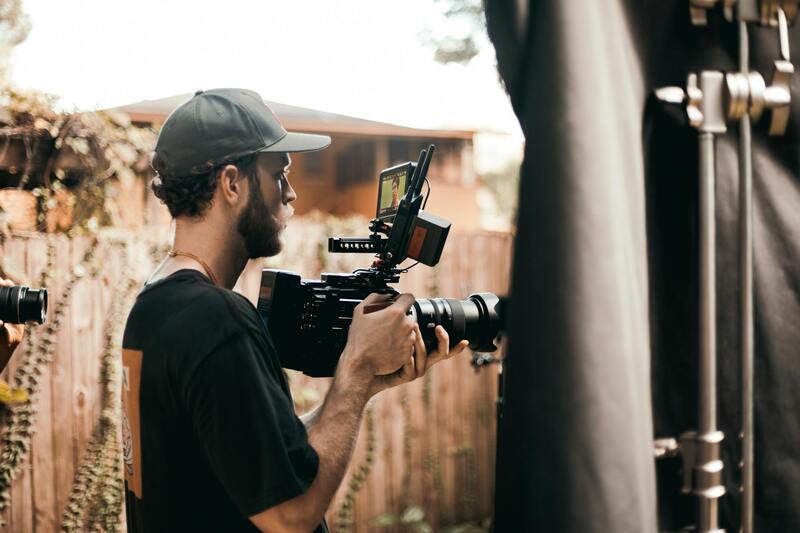
Lighting plays a pivotal role in visual storytelling. Photographers often shoot during the golden hour—shortly after sunrise and before sunset—to take advantage of warm, soft light that enhances textures and creates a welcoming atmosphere. Proper use of flash modifiers, reflectors, and diffusers can help manage interior lighting imbalances, such as harsh sunlight or shadows, ensuring consistent, appealing images.
Mastering camera settings like aperture, ISO, and shutter speed is vital for optimal exposure and depth of field. A wide aperture, for example, allows more light in and results in background blur that emphasizes focal points like entranceways or key interior features. High dynamic range (HDR) imaging techniques are also employed to accurately capture scenes with contrasting light levels, such as a brightly lit window against a shaded interior.
Post-shooting techniques further refine image quality. Raw file processing provides the flexibility needed for color correction, perspective adjustments, and noise reduction. Advanced editing software enables virtual staging, sky replacement, and image enhancement, which are indispensable for creating compelling visual narratives that highlight a property’s potential. When combined, these tools and techniques allow photographers to produce commercial real estate pictures that stand out in energized markets like Miami’s.
Strategic Use of Commercial Real Estate Photos in Miami Marketing Campaigns
Integrating high-quality commercial real estate pictures into broader marketing strategies enhances visibility and attracts targeted investors and tenants in Miami’s competitive market. Effective utilization begins with understanding the preferred channels for showcasing property visuals, which include professional websites, industry-specific listings, and digital marketing platforms. Precise, visually appealing imagery acts as a catalyst, elevating the property profile and generating engaging narratives around each space.
To maximize impact, real estate professionals should leverage a mix of static images and dynamic media. This includes immersive virtual tours and aerial shots, offering comprehensive perspectives that highlight a property's scale and context. Consistency in image style and quality reinforces brand recognition, establishing trust and credibility among prospective clients. Additionally, strategically timing the release of new visuals—such as during open house events or market peak seasons—can amplify reach and foster quicker transaction cycles.
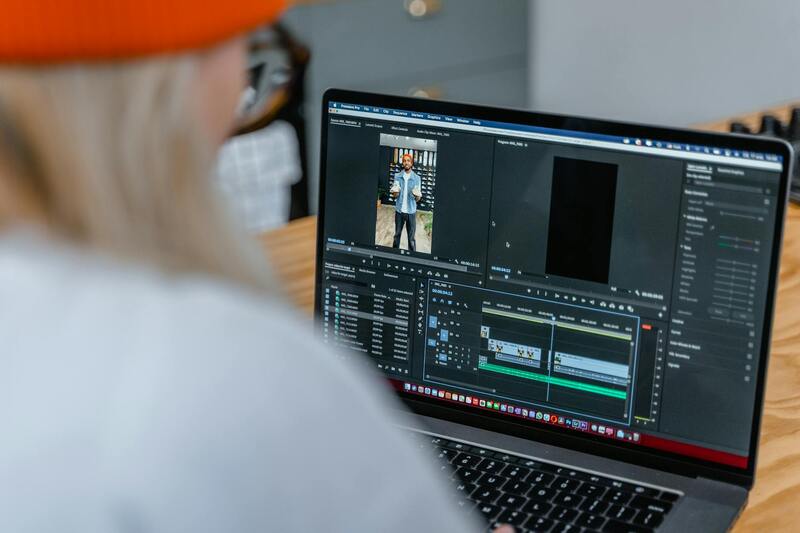
Another vital aspect is tailoring visuals to specific audience segments. For instance, investors may respond better to images emphasizing financial growth opportunities, while tenants seek understanding of space usability and access. Incorporating amenities, architectural details, and neighborhood context into the images supports these narrative goals, providing a comprehensive visual story that resonates with diverse interests.
Furthermore, aligning commercial real estate photography with current market trends ensures content remains relevant and engaging. As Miami continues to evolve as a commercial hub, showcasing properties within vibrant, upcoming districts or highlighting sustainable features aligns visuals with investor aspirations and community development goals.
High-resolution, professionally curated images also serve as foundational content for supplementary marketing materials such as brochures, social media campaigns, and investor presentations. This multi-channel approach ensures consistent messaging, reinforcing the property’s value proposition across all touchpoints.
By blending aesthetic excellence with strategic dissemination, commercial real estate pictures become powerful tools that directly influence market perception and transaction success. Evaluating and updating visual content periodically ensures properties remain attractive and competitive, reflecting Miami’s dynamic and fast-paced market environment. This comprehensive approach underscores the importance of professional photography as an integral component of a proactive, results-driven commercial real estate marketing plan.
Methods for Capturing Authentic and Impactful Commercial Real Estate Images in Miami
Capturing high-quality commercial real estate pictures that resonate with prospective tenants, investors, or partners requires a strategic approach rooted in professionalism and precision. In Miami's vibrant commercial landscape, employing the right methods ensures properties are showcased in their best light, reflecting their true potential.
First and foremost, meticulous planning is essential. This involves understanding the unique features of each property—be it architectural details, interior layout, or surrounding amenities—and planning shots that emphasize these aspects. Prior to the shoot, a comprehensive site walk-through allows photographers to identify optimal angles, lighting conditions, and areas that require special attention.
Lighting plays a pivotal role in commercial real estate photography. Utilizing natural light whenever possible helps create appealing, authentic images that highlight space without distortions. However, in environments where natural light may be limited, professional lighting equipment such as diffusers, softboxes, and reflectors should be used to evenly illuminate interiors and accentuate design features.
Ensuring that the property is tidy and well-prepared for photoshoots is equally important. This includes removing clutter, securing items that might distract, and ensuring that the property’s best features are unobstructed. Attention to such details helps produce images that are both credible and visually compelling.
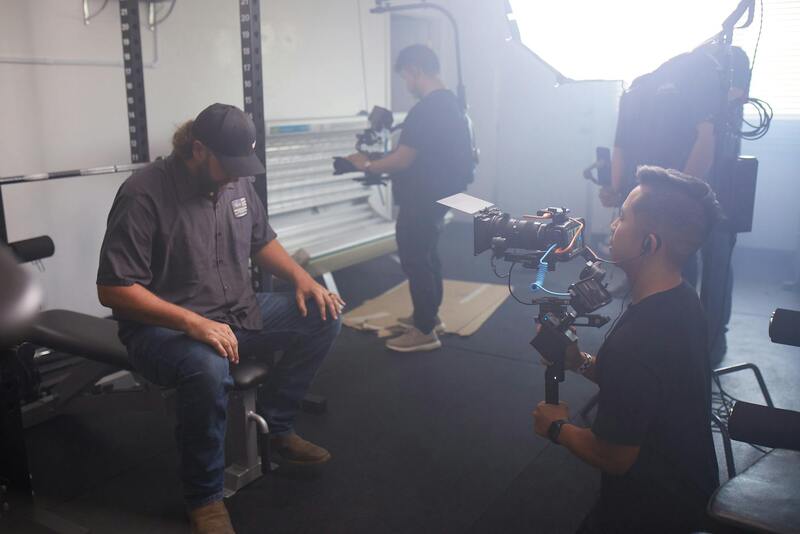
Advanced techniques such as wide-angle photography enable capturing expansive interior spaces and making rooms appear more spacious. High dynamic range (HDR) imaging can balance interior and exterior lighting, ensuring details are visible across various lighting conditions. When shooting exteriors, choosing the right time of day—typically during the golden hour—can enhance color saturation and shadow softness, adding depth and appeal to the images.
Special attention should be given to capturing exterior details like signage, landscaping, and architectural features. These elements not only add context but also help communicate the property's identity and potential uses. Additionally, capturing detail shots of notable features—such as custom finishes, unique architectural elements, or sustainable installations—provides a comprehensive visual narrative.
Utilizing Proper Equipment for Commercial Property Photography in Miami
High-resolution digital cameras with full-frame sensors are essential for producing sharp, detailed images that meet professional standards. Wide-angle lenses (commonly 14-24mm) are favored for interior shots as they provide expansive views that showcase the full scope of spaces.
Tripods are indispensable tools, aiding stability during low-light conditions and long exposures, thus preventing motion blur. For exterior shots, drone photography offers dynamic aerial perspectives, illustrating property size, layout, and surrounding neighborhoods. Drones equipped with stabilization gimbals enable smooth, high-quality aerial footage that adds visual interest.
For post-production, calibrated monitors and color correction software ensure color accuracy, enhancing the realism and visual appeal of images. Proper file management and resolution settings guarantee that images maintain quality across various marketing platforms.
Technological Advances Enhancing Commercial Real Estate Photography in Miami
The rapid evolution of camera technology, including high dynamic range (HDR) systems and 4K video capabilities, allows for more detailed and vibrant visual content. Panoramic and 360-degree virtual tour cameras facilitate immersive experiences that enable viewers to explore property interiors remotely, saving time for both clients and agents.
Drone technology has also advanced, making aerial images more accessible and precise. Automated flight planning software assists shooters in capturing comprehensive aerial shots efficiently and safely, even in complex environments.
Ultimately, leveraging these advanced tools with expertise ensures that Miami's commercial real estate properties are presented convincingly and professionally. This combination of high-quality equipment and strategic shooting techniques not only enhances the aesthetic quality of images but also aligns with the market's demand for accurate, engaging visual content.
Legal and Ethical Considerations in Commercial Real Estate Photography
Maintaining transparency and adhering to ethical standards are fundamental when producing and distributing commercial real estate pictures in Miami. It is critical to obtain proper permissions before capturing images of private properties, especially in areas with sensitive or confidential information. Establishing clear agreements with property owners or managers ensures that all parties are aligned regarding the purposes of the photoshoot, usage rights, and distribution platforms.
In the context of commercial properties, the accurate representation of spaces is paramount. Photographers must avoid manipulative editing or enhancements that could mislead viewers about the true condition or appearance of a property. Authenticity reinforces trust among clients and potential buyers, preserving the professional integrity of the marketing process. Proper documentation of permissions and shoots also creates a transparent record, which is beneficial for any future reference or dispute resolution.
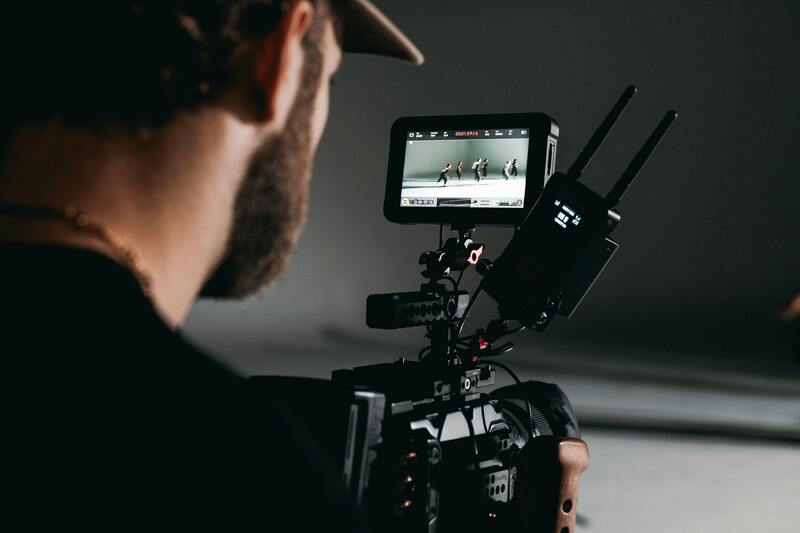
Respecting privacy is especially crucial when capturing images of adjacent or surrounding properties. Photographers should avoid revealing identifiable details or proprietary information that could compromise security or confidentiality agreements. Additionally, photographers should stay informed about local regulations that govern drone usage, privacy buffers, and airspace restrictions in Miami to ensure compliance and avoid disruptions during aerial shoots.
Finally, responsible editing practices should adhere to industry's best standards. Enhancements that could significantly alter property features or misrepresent its true state are discouraged. By focusing on accuracy and fairness, photographers foster credibility and demonstrate a professional commitment to truthful marketing.