

Importance of Commercial Property Pictures
Effective visual presentation is a cornerstone of successful marketing in the commercial real estate sector. High-quality commercial property pictures serve as the primary means of attracting prospective tenants, buyers, and investors. When showcasing commercial spaces, such as office buildings, retail centers, or industrial warehouses, professional photographs highlight the property’s key features, infrastructure, and overall appeal. In a competitive market, compelling imagery can significantly influence decision-making processes, motivating potential clients to arrange viewings or make offers.
Investing in top-tier imagery ensures that your commercial property stands out amidst numerous listings. Well-composed photographs capture the details that matter most — from expansive interior spaces to unique architectural elements and strategic property layouts. These images should accurately represent the property's condition, scale, and amenities, establishing a trustworthy impression that encourages further engagement.
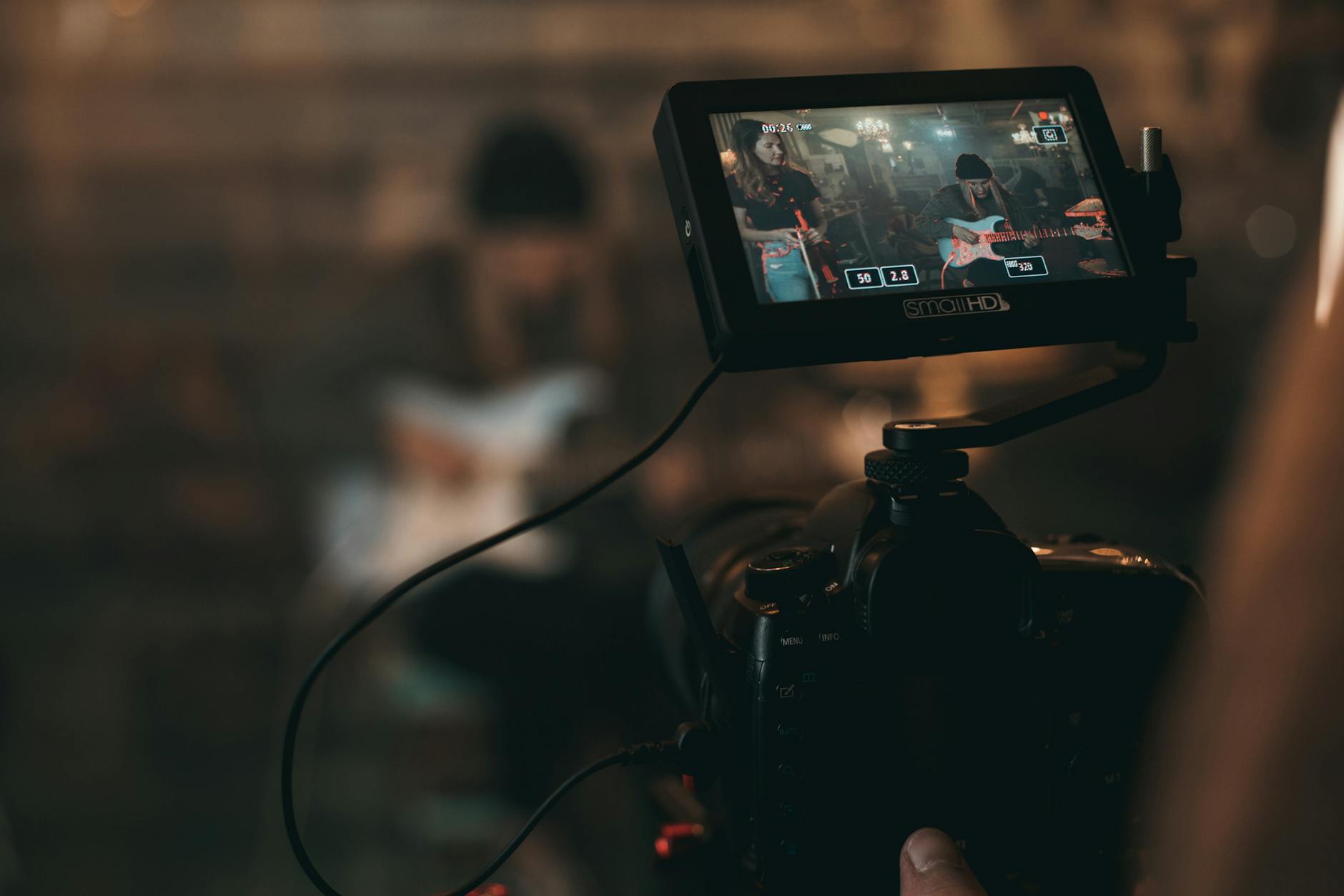
In addition, professional photographs facilitate a seamless marketing process across various channels, including online listings, brochures, presentations, and social media campaigns. Consistent visual branding through high-caliber images extends beyond simple presentation; it conveys professionalism, reliability, and the potential value of the property. This ultimately leads to faster leasing or sale completion, optimized investment returns, and enhanced reputation in the competitive commercial real estate marketplace.
Types of Commercial Property Images
Career-focused photography encompasses a variety of visual formats, each serving a specific purpose within comprehensive marketing strategies. These include outlining the exterior aesthetics, capturing interior layouts, and presenting surrounding environments. The following are essential types of commercial property images:
- Exterior Shots: Showcasing the building façade, parking facilities, landscaping, and entry points to create first impressions that attract passersby and online viewers alike.
- Interior Photography: Highlighting the layout, natural light, finishes, and special features within the commercial space, offering detailed views to communicate functionality and ambiance.
- Facility and Amenity Images: Focusing on specific tenant amenities, lobby areas, conference rooms, or shared spaces that add value to the property and appeal to prospective tenants or buyers.
- Contextual and Environmental Shots: Depicting the property's location relative to transport links, business hubs, and community infrastructure to emphasize strategic advantages.

Photographic Techniques and Equipment
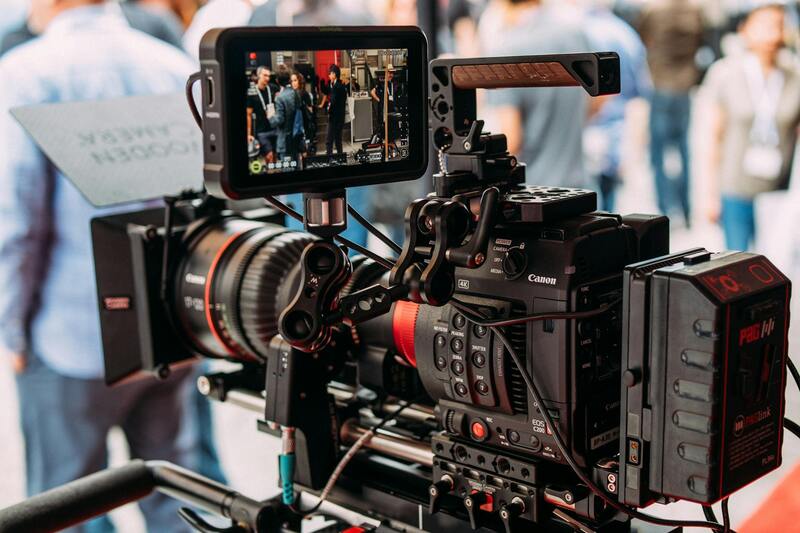
Producing engaging commercial property images requires an understanding of industry-standard photographic techniques and specialized equipment. High-resolution DSLR or mirrorless cameras equipped with wide-angle lenses are commonly employed to capture expansive interior and exterior scenes. Proper lighting, both natural and artificial, enhances clarity and color accuracy, making spaces look vibrant and inviting.
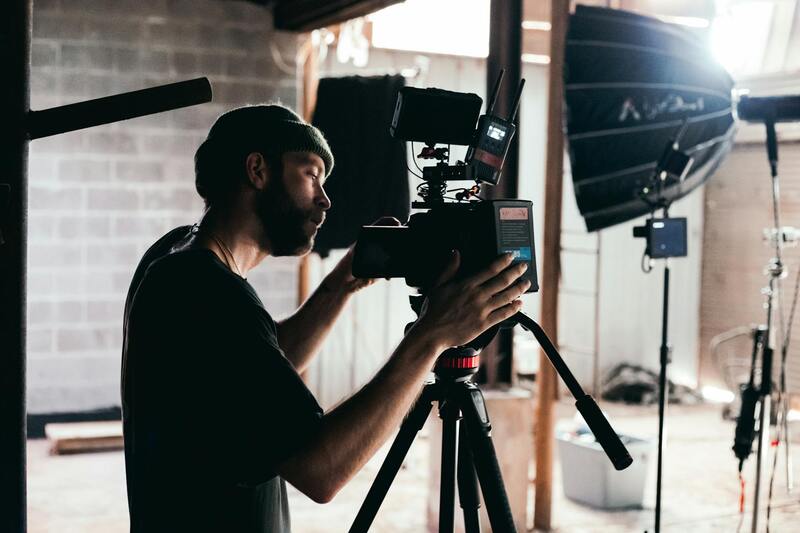
Use of tilt-shift lenses can correct perspective distortions that often occur in architectural photography, ensuring lines and edges appear straight and true to scale. Additionally, employing a tripod stabilizes the camera and allows for longer exposures in low-light conditions, resulting in sharper images. Post-processing tools further refine photographs, correcting color balances, adjusting brightness, and removing blemishes to achieve a polished presentation.
Benefits of Aerial and Drone Photography
Incorporating aerial images captured via drone technology offers a unique vantage point for commercial properties. Elevated perspectives reveal the property's spatial relationships, surrounding infrastructure, and accessibility features unavailable from ground level photography. These images can effectively communicate the scale of the property, its proximity to key transportation corridors, and neighboring developments, which are all vital considerations for decision-makers.
Drone photography enhances marketing materials by providing dynamic visuals that distinguish your listing from competitors. When executed professionally, aerial imagery captures the full context of the property environment, serving as a compelling visual asset for brochures, websites, and virtual tours.
Comprehensive Methods for Capturing Authentic Commercial Property Pictures
To ensure that commercial property images authentically represent the space and attract potential tenants or buyers, it’s vital to utilize legitimate photographic methods that adhere to industry standards. One effective approach involves employing high-resolution digital cameras paired with professional lenses optimized for architectural and interior photography. Wide-angle lenses are particularly valuable for emphasizing the spatial volume, but they must be used with caution to prevent distortion, which can be mitigated through the use of tilt-shift lenses or post-capture correction techniques.
Natural lighting plays a crucial role in delivering realistic images that reflect the property’s true appearance. Photographers often schedule shoots during times of optimal daylight, such as late morning or early afternoon, to leverage abundant natural light. When additional illumination is necessary, employing controlled artificial lighting ensures uniform brightness and minimizes shadows. Avoiding overexposure or color cast through calibrated lighting equipment guarantees the images stay true to reality.
To preserve image accuracy, legitimate techniques also involve meticulous post-processing. Professionals utilize editing software to adjust color saturation, brightness, and contrast without overdoing enhancements that could misrepresent the property. Blemishes or distracting elements can be minimized or removed, provided these adjustments accurately depict the space’s true condition.
Utilizing Aerial and Drone Photography for Authentic Overviews
Drone photography is a legitimate tool for capturing comprehensive aerial images of commercial properties. These images furnish perspective on the entire site, showing aspects like land layout, surrounding infrastructure, and accessibility features that are otherwise unseen from ground level. Consistently applying skilled drone operation ensures images are captured at optimal altitudes and angles, providing clear and detailed visuals that supplement ground-level photography.
When integrating drone footage, it’s imperative to follow regulatory guidelines for safe and proper operation. This includes obtaining necessary permissions and flying within designated airspace, which ensures the images are both legitimate and compliant. These aerial images serve as compelling marketing assets that communicate the property's full context, emphasizing accessibility, proximity to key transportation routes, and neighboring developments, all of which influence decision-making.
Engaging Virtual Tours and 3D Imaging for Accurate Visual Representation
Virtual tours and 3D imaging are legitimate, technology-driven methods for presenting commercial spaces with high fidelity. Using specialized software and hardware, professionals create interactive walkthroughs that accurately mirror the physical layout of the property. The virtual environment allows viewers to explore interior configurations, space dimensions, and flow seamlessly, creating an authentic experience that images alone cannot deliver.
These virtual tools are based on precise measurements and high-quality photographic data, ensuring a realistic portrayal of the property that potential tenants or buyers can evaluate remotely. Incorporating such technology significantly enhances the credibility of marketing efforts and helps users make informed decisions based on comprehensive visual understanding.
Implementing Best Practices for Authentic Commercial Property Photography
- Coordinate shoots during optimal natural lighting conditions for color accuracy.
- Use professional-grade equipment, including stabilized tripods and carefully selected lenses.
- Apply legitimate drone operations adhering to established safety and regulatory standards.
- Invest in high-quality virtual tour platforms that leverage precise, detailed imaging data.
- Maintain meticulous attention to detail throughout the editing process to preserve accurate representations without over-manipulation.
Adhering to these practices guarantees that commercial property pictures remain true to life, fostering trust with prospective clients and enhancing the effectiveness of marketing campaigns. Authentic visuals not only present the property accurately but also elevate its perceived value and professionalism, which are critical in competitive markets.
Importance of Commercial Property Pictures
High-quality commercial property pictures are a vital component of effective marketing strategies within the real estate sector. These images serve as the first visual touchpoint for prospective tenants or buyers, often determining whether they will pursue further engagement with the listing. Professionally captured photos provide clarity, highlight the property's key features, and convey the space's potential, making them an essential tool for establishing credibility and attracting qualified leads.
Authentic and visually appealing images facilitate a deeper understanding of the property's physical presence without the need for initial physical visits. This remote evaluation capability especially benefits clients from afar, saving time and resources while maintaining a high level of interest and confidence in the property. Moreover, compelling commercial property pictures support a consistent brand image and strengthen overall marketing campaigns across multiple channels, including websites, social media platforms, and email marketing.
Properly executed photography also emphasizes the property's unique selling points, such as architectural details, modern upgrades, or prime locations, which can differentiate it from similar listings. In competitive markets, striking visuals can significantly increase the property’s visibility and accelerate the leasing or sales process. As the digital landscape continues to evolve, the importance of professional imagery only becomes more pronounced, serving as a cornerstone for impactful marketing efforts in commercial real estate.
Key Benefits of Professional Commercial Property Photography
- Boosts online visibility across real estate listing platforms and agency websites.
- Creates a strong first impression, encouraging potential clients to inquire further.
- Helps to accurately represent the property's size, layout, and functionality.
- Supports virtual tours and 3D imaging, providing an immersive experience to remote viewers.
- Establishes trust through consistent, high-resolution visuals that reflect the true condition of the property.
Investing in professional commercial property photography is a strategic move to maximize marketing reach and impact. It ensures that the property stands out in a crowded marketplace and that prospective clients receive an honest, compelling visual account of what the space offers. The combination of authenticity and aesthetic appeal inherent in well-executed imagery can lead to faster leasing agreements and increased property value perception, ultimately contributing to the success of the transaction.
Enhancing Commercial Property Listings with Professional Photography
Capturing high-quality commercial property pictures is fundamental to creating compelling listings that resonate with prospective tenants and buyers. These images not only serve as visual representations of the space but also as strategic tools to communicate the property's value and appeal effectively. To maximize impact, professional photography employs advanced techniques and equipment that highlight the property's architectural details, spatial dimensions, and unique features, rendering an authentic and attractive impression.
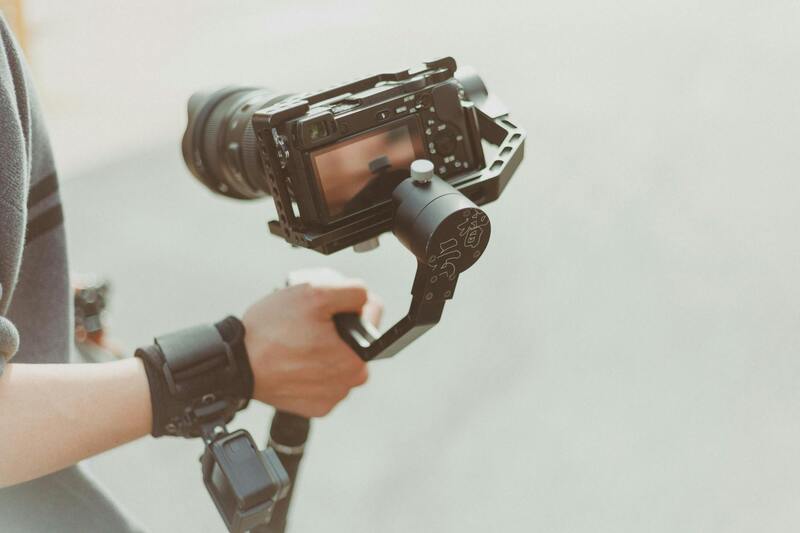
Implementation of methodical staging and meticulous lighting ensures that each image accurately reflects the property's condition and atmosphere. Natural lighting is often preferred to provide a genuine sense of space, while supplemental lighting can be used to accentuate architectural elements. Additionally, employing professional-grade cameras with high dynamic range (HDR) capabilities enables capturing intricate details and maintaining clarity across various lighting scenarios.
Angles and perspectives are carefully chosen to optimize spatial flow and functionality, with wide-angle shots frequently used to give viewers a comprehensive understanding of interior layouts. Exterior shots should encompass different times of the day and weather conditions to convey versatility and the surrounding environment, providing a well-rounded visual narrative that appeals to diverse client preferences.
Leveraging Advanced Equipment for Superior Results
- High-resolution DSLR and mirrorless cameras for crisp, detailed images.
- Wide-angle lenses to showcase expansive interiors and exteriors.
- Tripods and stabilization gear to ensure sharp images with minimal distortion.
- Post-processing software to enhance image quality, correct color balance, and remove imperfections.
Equally important are considerations around image consistency, which involves maintaining uniform lighting, color tones, and compositional style across all photos. Such consistency reinforces brand identity and helps viewers form a coherent visual impression, thus strengthening overall marketing efforts.
Importance of Visual Storytelling in Commercial Listings
Beyond mere documentation, high-quality commercial property pictures serve as a narrative tool, guiding potential clients through the space and highlighting its capabilities. Strategic shot selection focuses on essential aspects such as layout flow, entry points, common areas, amenities, and accessibility features. Including images that illustrate potential use cases or adaptations can further stimulate the imagination of prospective tenants or investors.
Furthermore, integrating images that capture the surrounding environment, transportation links, and neighborhood amenities helps contextualize the property within its local landscape, adding another layer of appeal and informing decision-making. Properly curated visual content establishes credibility and demonstrates a professional approach, ultimately fostering trust and encouraging further engagement with the listing.
Optimizing Commercial Property Photos for Various Platforms
Images must be tailored to suit various digital channels, including listing websites, social media platforms, and virtual tour interfaces. For online platforms, optimized file size and resolution ensure quick loading times without sacrificing quality. Incorporating multiple images—cover shots, detailed views, and situational context—allows for a comprehensive presentation that captivates viewers and drives inquiries.
In mobile environments, considering aspect ratios and framing ensures that images display optimally, providing a seamless browsing experience for remote viewers. Augmented reality and 3D visualization integrations further enhance engagement, allowing users to visualize the space interactively, boosting their confidence in the property's potential.
Conclusion
Employing professional methods and equipment in commercial property photography guarantees that listings stand out in a competitive market. When executed with precision and attention to detail, these images become powerful marketing assets, conveying the true essence of the property while attracting qualified leads. Careful planning and execution of visual content not only elevate the marketability of commercial spaces but also accelerate leasing or sales processes by providing viewers with a clear, authentic portrayal that fosters confidence and interest.
Optimal Presentation of Commercial Property Pictures
To maximize the impact of commercial property images, meticulous attention to photographic techniques and the right equipment are essential. High-resolution cameras that capture crisp details and professional lighting setups ensure that each property feature is accurately depicted, enabling potential tenants or buyers to appreciate the space's true potential. A well-composed shot considers lighting angles, ambient light, and shadows, which can dramatically influence the visual appeal of interior shots.
Utilizing equipment such as wide-angle lenses allows for capturing more expansive views of large spaces, which is especially beneficial for showcasing open floor plans or extensive commercial interiors. Tripods stabilize cameras for sharper images, reducing the risk of blurring that can occur with handheld shots. In addition to traditional photography equipment, modern tools such as high-dynamic-range (HDR) imaging further enhance image quality by balancing exposure levels, especially in areas with a high contrast of light and dark zones.
Post-processing techniques also play a critical role in refining commercial property pictures. Adjustments to brightness, contrast, and color correction can ensure the images appear vibrant and true to life. Similarly, removing distractions or imperfections from the visual presentation helps maintain a professional appearance. For branding purposes, incorporating subtle overlays of the property’s branding, or consistent color schemes, creates a cohesive portfolio that reinforces identity and professionalism.
In the realm of large-scale commercial spaces, incorporating multiple angles and detailed shots of specific features—such as conference rooms, lobby areas, loading docks, and outdoor amenities—helps in creating a comprehensive visual narrative. These detailed images serve to inform and entice potential tenants or investors, giving them a clear understanding of the property's functionalities and advantages.
Furthermore, capturing seasonal or time-of-day variations can provide viewers with a dynamic perception of the space, illustrating how it looks under different conditions. For instance, daylight shots demonstrate natural lighting and ambiance, while evening shots might highlight exterior lighting and security features. This multifaceted approach ensures that the visual content addresses various viewer interests and queries, ultimately facilitating more informed decision-making.
Strategic framing and cropping are also crucial for emphasizing key features and making spaces appear more inviting. Close-up shots of unique architectural elements or high-end finishes can add a touch of sophistication to the visual portfolio. Conversely, wider shots are useful for showcasing the overall scale and layout of the space, aiding viewers in understanding the flow and utility of the property.
Lastly, maintaining consistency in style, lighting, and color grading across all images fosters professionalism and helps build a cohesive narrative. When these elements are harmonized, the commercial property presentation becomes arguably more persuasive, engaging viewers and encouraging further exploration of the property’s potential.
High-quality, strategically executed commercial property images act as powerful tools in a broader marketing strategy. They drive engagement, increase inquiries, and ultimately support successful leasing or sales processes. Consistent investment in professional photography and the utilization of advanced equipment and techniques translate into enhanced marketability and a stronger competitive position in the commercial real estate landscape.
Importance of Commercial Property Pictures
High-quality photographs are essential for effectively marketing commercial properties. They serve as visual ambassadors that capture attention and generate interest among prospective tenants and buyers. Well-crafted images help to highlight the unique architectural features, functional space layouts, and the overall appeal of a property, making it stand out in a competitive market. Professional photographs establish credibility, convey professionalism, and significantly influence decision-making processes, often determining whether a potential client chooses to explore further or move on.
In addition to attracting inquiries, compelling commercial property pictures are crucial for online listings, brochures, and promotional materials. They ensure the property’s best features are showcased, increasing engagement and the likelihood of leasing or selling the space promptly. The importance of visually appealing, accurate images cannot be overstated, as they lay the foundation for a successful marketing campaign that resonates with target audiences and facilitates faster transaction cycles.
Types of Commercial Property Images
- Exterior Shots: These images feature the building's façade, signage, landscaping, parking areas, and access points, providing a first impression that communicates the property’s curb appeal and location advantages.
- Interior Shots: Focused on key spaces such as lobbies, conference rooms, offices, and retail areas, interior images highlight space layout, finishes, and the overall environment, helping tenants visualize their operations within the property.
- Aerial and Drone Photos: Aerial images offer a comprehensive view of the property in relation to its surroundings, showcasing accessibility, neighboring amenities, and site layout. Drone photography can capture the property from unique angles that ground-based shots cannot achieve.
- Specialized Features: Close-up images of distinctive architectural details, high-end finishes, security features, or technological integrations that set the property apart and appeal to specific tenant requirements.
Photographic Techniques and Equipment
To ensure the highest quality visuals, professional commercial property photography employs advanced techniques and equipment. Utilization of wide-angle lenses allows capturing expansive space within a single shot, making rooms appear larger and more inviting. Proper lighting is critical; balance between natural daylight and artificial lighting ensures clarity and color accuracy, minimizing shadows and glare. For interiors, high dynamic range (HDR) imaging combines multiple exposures to depict detail in both shadowed and brightly lit areas, resulting in well-balanced images.
Tripods and stabilization equipment prevent blurriness during long exposures, especially in low-light conditions. High-resolution digital cameras are standard, providing crisp, detailed images suitable for both print and digital use. Post-processing and editing—such as color correction, straightening, and minor retouching—are essential to present an optimal view that aligns with the property’s branding and aesthetic standards.

Benefits of Aerial and Drone Photography
Aerial photography extends the visual storytelling of commercial spaces by providing comprehensive geographic context. Drone images can effectively showcase the property's size, layout, and proximity to major transportation routes, amenities, and other commercial hubs. This perspective is invaluable for larger sites, industrial complexes, retail centers, and office parks, where surrounding infrastructure influences tenant decisions.
Drone photography also allows capturing dynamic and engaging visuals that differentiate your listing from competitors. A well-executed aerial shot can highlight complementary features like loading zones, outdoor signage, landscaping, and parking facilities—details that may be less impactful in ground-level images. Incorporating aerial footage into virtual tours or marketing campaigns adds an innovative dimension, boosting engagement and interest among prospective tenants and investors.
Virtual Tours and 3D Imaging
Virtual tours and 3D imaging have revolutionized commercial property marketing by offering immersive experiences that transcend static photos. These technologies enable prospective tenants and investors to explore the property remotely, gaining a realistic sense of space, layout, and flow without physically visiting the site. High-quality virtual tours incorporate panoramic views, interactive floor plans, and clickable hotspots to highlight key features efficiently.
3D modeling provides detailed visualizations allowing potential clients to customize and assess spaces according to their needs. This approach not only enhances engagement but also accelerates the decision-making process by providing comprehensive insights early in the leasing or sales journey. When combined with professional visual content, virtual tours and 3D images create compelling marketing campaigns that appeal to a broader audience, including those at remote locations or with limited availability to visit in person.
Strategies for Capturing Authentic Commercial Property Pictures
High-quality commercial property photography relies on more than just professional cameras and equipment; it encompasses a strategic approach that emphasizes authenticity, clarity, and visual impact. When aiming to produce images that resonate with prospective tenants or investors, it is essential to focus on capturing the property's true character and unique features through legitimate and effective methods.
Utilizing Natural Lighting and Proper Angles
One of the most fundamental techniques is leveraging natural lighting to enhance the property's appearance. Shooting during daylight hours, particularly during the golden hour when sunlight is soft and warm, helps to minimize shadows and highlight architectural details. Proper camera angles are equally crucial, as they influence the perception of space and grandeur. Vertical lines should be kept straight, and wide-angle lenses may be used judiciously to showcase expansive areas without distorting proportions.
Maintaining Clear and Accurate Representation
Ensuring that images accurately depict the property fosters trust and facilitates informed decision-making. Photographers should avoid over-editing or excessively manipulating images, which can mislead viewers. Instead, attention should be paid to maintaining color accuracy, straightening horizons, and highlighting the property's key features in an unobstructed manner. This honesty in presentation enhances credibility and attracts genuine interest.
Framing Complementary Details
Legitimate commercial property photography also involves capturing ancillary elements that add value to the main features. This includes photographing signage, outdoor amenities, parking facilities, landscaping, and ingress/egress pathways. Such details provide a comprehensive visual overview that encourages confidence among prospective tenants and investors by depicting a complete picture of the property's environment and accessibility.
Post-Processing with Purpose
Post-production efforts should be intentionally minimal, with a focus on adjustments that improve image quality without altering the essence of the scene. Techniques such as color correction, sharpening, and perspective correction are perfectly acceptable when done professionally. These methods enhance clarity without compromising authenticity, thereby supporting credible marketing campaigns.
Implementing a Consistent Photography Workflow
Having a standardized procedure ensures consistency across all property images. This includes pre-shoot planning, selecting optimal times for shooting, setting up appropriate equipment, and reviewing images on-site to confirm quality before proceeding. Such consistency reinforces brand integrity and ensures that all visuals reflect the property's true characteristics effectively.
Maximizing the Impact of Commercial Property Pictures
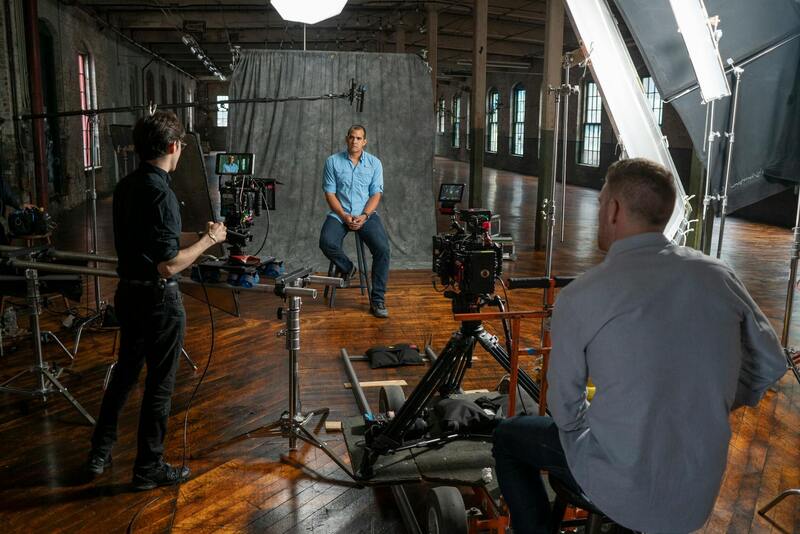
High-quality commercial property imagery plays a pivotal role in attracting prospective tenants and investors. Clear, professional photographs enhance online listings, brochures, and promotional materials, providing an authentic representation of the property. They serve as powerful visual tools that communicate the property's true appeal, layout, and key features without ambiguity. When images accurately depict the property's condition, amenities, and surrounding environment, it fosters trust and confidence among viewers, encouraging engagement and inquiries.
Ensuring Authentic and Professional Imagery
Legitimate imagery begins with meticulous planning and execution. Photographers should use equipment suited for capturing detailed, high-resolution images that highlight the property's best aspects. Natural lighting, correct angles, and proper staging are essential to convey a realistic yet appealing visual narrative. It’s vital to avoid overly manipulated images that could distort perception; instead, emphasis should be placed on capturing the space as it exists to maintain transparency and credibility.

Techniques to Enhance Image Authenticity and Appeal
- Optimal Lighting: Scheduling shoots during daytime with ample natural light minimizes shadows and enhances detail clarity.
- Strategic Framing: Highlight key features such as entrance areas, signage, and prominent architectural elements to attract attention.
- Use of Tripods and Stabilizers: Ensures crisp images by reducing camera shake, especially in low-light conditions.
- Lens Choices: Wide-angle lenses are effective for capturing spacious interiors and exteriors, providing context and scale.
- Post-Processing Transparency: Minimal editing for color correction, perspective correction, and clarity boosts image quality without compromising authenticity.
Integrating Aerial and Drone Photography
Incorporating aerial perspectives offers a comprehensive view of the property’s layout, surroundings, and accessibility. Drone photography captures the overall site context, nearby amenities, and landscape layout, which are particularly beneficial for large commercial sites or properties with attractive external features. These images can distinguish a listing by presenting unique vantage points that ground-level shots cannot provide, ultimately enriching the visual storytelling and aiding in decision-making.
Employing Virtual Tours and 3D Imaging for Engagement
Advancements in virtual rendering techniques allow potential tenants and buyers to explore properties remotely through high-resolution virtual tours and 3D models. These immersive experiences facilitate a deeper understanding of space layouts, flow, and functionality without physically visiting the site. Incorporating 3D imaging into marketing strategies increases engagement and can expedite leasing or sales processes by providing comprehensive visual insights, saving time for all parties involved.
Best Practices for Commercial Property Photography Workflow
- Planning and Preparation: Analyze the property, schedule the shoot during favorable lighting conditions, and ensure all areas are clean and well-maintained.
- Equipment Selection: Use professional-grade cameras, high-quality lenses, and supplemental lighting if needed to capture crisp, detailed images.
- On-Site Review: Conduct real-time checks of images during the shoot to ensure coverage and quality, allowing for immediate adjustments if necessary.
- Consistent Style and Branding: Maintain a uniform photographic style that aligns with branding guidelines across all property listings.
- Minimal Post-Processing: Apply necessary enhancements with restraint to preserve authenticity and avoid misrepresentation.
Impact on Leasing and Investment Opportunities
Harnessing visually compelling and authentic commercial property images significantly influences leasing and sales outcomes. High-quality visuals increase online engagement, elevate listing visibility, and attract qualified prospects. Well-presented images can effectively communicate the property’s value proposition, facilitating quicker lease agreements and investment decisions. The clarity and professionalism of the imagery reflect positively on property management and ownership, fostering reputation and trust within the market.