

Understanding Commercial Property Photography
Commercial property photography serves as a vital component in the marketing and sales strategies within Miami’s fast-paced real estate and business sectors. This specialized form of photography is tailored to showcase commercial spaces—such as office buildings, industrial facilities, retail outlets, and multifamily complexes—in the most compelling manner possible. High-quality visuals play a crucial role in attracting potential tenants, investors, and buyers by highlighting the unique features and benefits of each property.
In Miami, where the real estate market is characterized by rapid development and a vibrant business environment, professional commercial property photography enhances a property’s visibility and appeal. Engaging images can make a significant difference in creating a memorable first impression, fostering trust, and accelerating leasing or sales processes. Besides serving as an essential element for online listings, virtual tours, and marketing campaigns, such photography also supports branding efforts for property management companies and real estate agencies aiming to position themselves as market leaders.

Effective commercial property photography involves a well-planned approach that emphasizes the spatial qualities and the environment surrounding the property. It aims to create an emotional connection with viewers, enabling them to envision the potential of the space for their specific needs. From office buildings to retail centers, the goal remains consistent: to produce a visual story that aligns with the property’s value proposition and appeals directly to target audiences.
In the context of Miami’s dynamic economy, professional visuals facilitate the fluid movement of leasing agreements and property transactions. They serve as a bridge between the physical space and the prospective client’s aspirations, making commercial photography an indispensable instrument in the competitive landscape of Miami real estate markets.
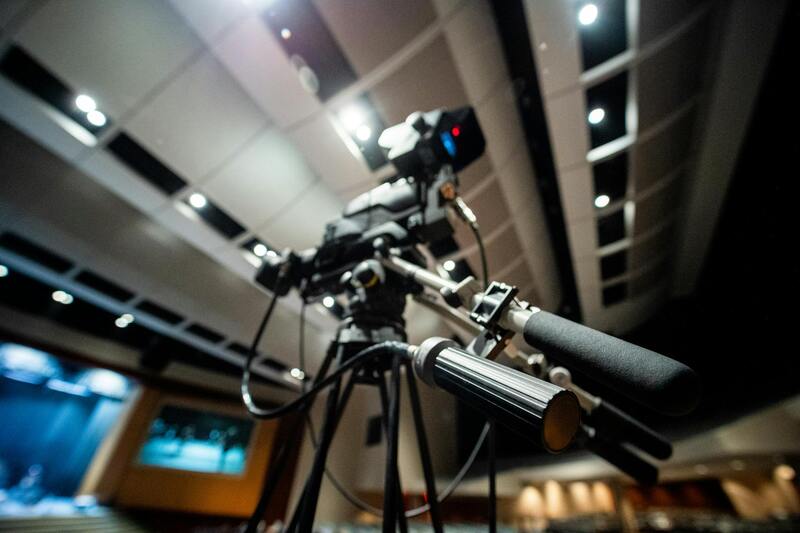
Utilizing professional commercial property photography ensures that every visual element contributes to a cohesive marketing narrative. This not only enhances online and offline promotional efforts but also establishes a professional image that supports long-term branding strategies. In Miami — a city celebrated for its diverse architectural styles and vibrant commercial districts — the ability to effectively showcase these attributes visually is essential for standing out in a crowded marketplace.
Ensuring Authenticity Through Proper Certification and Skill Verification
When engaging in commercial property photography, maintaining a high standard of authenticity is essential. Professionals who specialize in this field typically possess relevant certifications that validate their expertise and adherence to industry standards. These certifications often involve comprehensive training in photography techniques, safety protocols, and legal considerations pertinent to commercial settings.
Additionally, skilled commercial photographers often demonstrate their proficiency through a portfolio of completed projects, showcasing versatility across different property types and architectural styles. This portfolio not only highlights their technical abilities but also reflects their capacity to adapt visual strategies to meet diverse client objectives.
Importance of Professional Accreditation
- Certification programs from recognized industry bodies signal a photographer’s commitment to quality.
- Accredited professionals stay updated on the latest technological advancements and best practices.
- They understand the importance of image consistency, color accuracy, and perspective correction, ensuring each shot meets high standards.
Evaluating Experience and Client Testimonials
- Reviewing a photographer's experience with commercial properties ensures familiarity with the nuances of different building types.
- Client testimonials offer insights into the reliability, punctuality, and overall satisfaction associated with previous projects.
- Photographers with extensive experience often possess the ability to manage complex shoots that involve specific permissions, access considerations, and lighting conditions.
Technical Skills and Equipment Mastery
Proficiency with contemporary camera systems, lighting, and editing software is fundamental. Experienced photographers understand how to leverage natural light, artificial illumination, and equipment stabilization techniques to produce sharp, well-composed images. Their familiarity with various lenses and filters allows for capturing details that highlight architectural features and spatial qualities.
Moreover, mastery in post-processing ensures that images are polished without losing authenticity. Adjustments made in editing should support the visual narrative without misrepresenting the property’s true appearance.
Legal and Safety Compliance
Adherence to safety standards and legal requirements is crucial during a commercial property shoot. Certified photographers understand the importance of securing necessary permissions, maintaining safety protocols, and respecting property rights. This responsible approach mitigates risks and ensures that the imagery reflects a compliant and professional operation.
Such compliance also fosters trust with clients, who can rest assured that their property’s visual documentation is executed within accepted legal and safety frameworks.
Technical Aspects and Approaches to Commercial Property Photography
Achieving high-quality commercial property images requires a strategic blend of technical expertise and creative vision. Photographers specializing in this domain employ a variety of advanced techniques and equipment to ensure each shot captures the essence of the space, highlighting its best features while maintaining accuracy.
Utilization of multiple lenses allows for versatile framing and focus on different aspects of the property. Wide-angle lenses are essential for capturing spacious interiors and exteriors, creating an immersive sense of scale. Telephoto lenses facilitate detailed shots of specific architectural elements or signage. Additionally, specialized filters can enhance clarity or manage reflections on glass surfaces, which is crucial in commercial settings with extensive window areas.
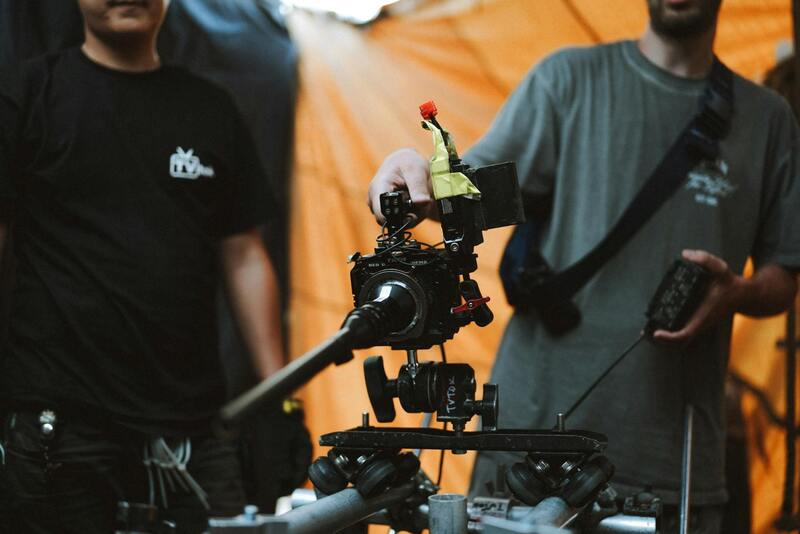
Lighting techniques play a pivotal role in professional property imagery. Natural light is often maximized through scheduling shoots during optimal times of day, such as early morning or late afternoon. Artificial lighting, including strobes and LED panels, are used to fill shadows, balance luminance, and accentuate textures without overexposure. Skilled photographers understand how to manipulate light to present the property in its best possible form, ensuring expressions of both ambiance and clarity.
Post-production editing is a vital component of commercial property photography. The process involves adjusting brightness, contrast, color balance, and minor retouching to produce images that are visually appealing yet authentic. Over-editing should be avoided to prevent misrepresentation of the property’s true conditions and features, which is vital for building trust with clients and viewers.
Stability is essential for crisp, high-quality images. Tripods, gimbals, and other stabilization equipment help eliminate camera shake during longer exposures or low-light conditions, resulting in sharp visuals that accurately reflect the property’s details. When working in dynamic environments, photographers may also incorporate drone photography, which offers aerial perspectives that are especially impactful for showcasing large commercial sites or developments.
Advanced editing software like Adobe Photoshop and Lightroom enables meticulous adjustments and enhancements, providing final images that align with professional standards. This post-processing stage offers an opportunity to correct lens distortions, remove minor distractions, and enhance visual consistency across a property portfolio.
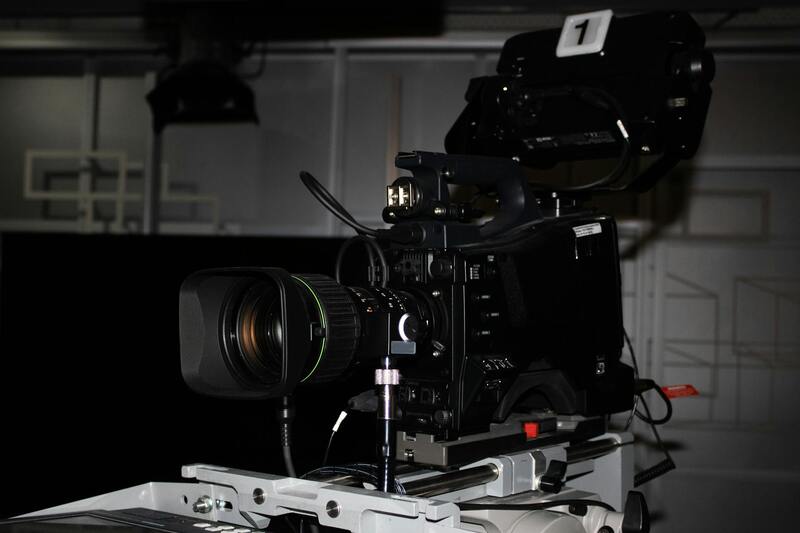
Incorporating modern technologies such as HDR (High Dynamic Range) imaging allows capturing a broader range of luminance levels within a scene, which is particularly useful in properties with complex lighting scenarios. Panoramic shots created through stitching multiple images together provide comprehensive views of larger properties, giving potential tenants or buyers a full understanding of the space.
Furthermore, the advent of 3D virtual tours and augmented reality integration enhances visual storytelling, allowing clients to virtually explore the property remotely. These innovations not only elevate the presentation but also facilitate remote decision-making processes, making the images and related media even more valuable.
Ultimately, mastery of technical elements combined with a keen eye for composition and detail will produce images that serve as compelling visual assets. Such visuals stand as a critical component of effective marketing strategies, capturing the sophistication, scale, and unique features of commercial properties to attract the right interest and facilitate deal closures.
Understanding Commercial Property Photography
Commercial property photography involves capturing images that effectively showcase the unique features, layout, and potential of commercial spaces such as offices, retail stores, industrial facilities, and multi-family complexes. This specialized form of photography requires a keen eye for detail, excellent technical skills, and an understanding of the strategic objectives behind each shoot. It’s important to recognize that high-quality visuals serve as powerful marketing tools, attracting tenants, investors, and buyers by highlighting the property's best attributes. To ensure the images serve their intended purpose, photographers must consider various factors including lighting, perspective, and image composition. The goal is to create visuals that not only accurately represent the property but also appeal emotionally and visually to prospective clients. This often entails a combination of interior and exterior shots, aerial views, and detailed captures of architectural features. Mastery of these elements guarantees that each image conveys professionalism, scale, and the unique selling points of the property. Employing legitimate and proven methods, such as professional-grade equipment, standardized shooting protocols, and post-processing techniques, helps maintain quality and consistency across a property portfolio. Such adherence ensures that each visual asset aligns with the branding strategies and marketing goals, increasing the likelihood of successful engagement and transaction closures.
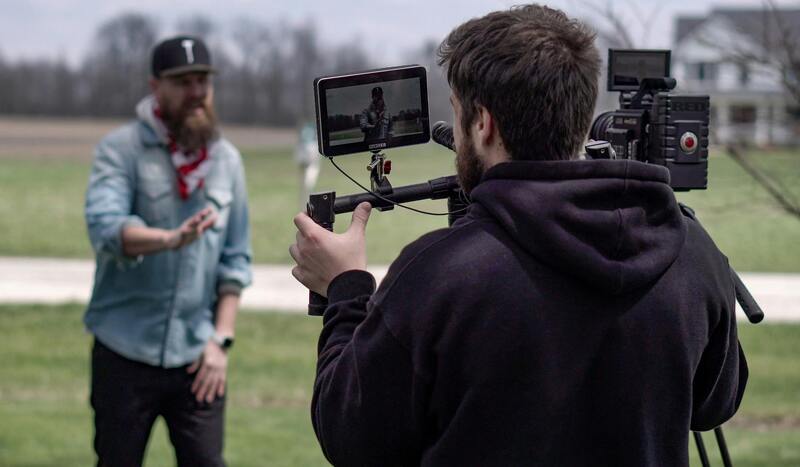
Key Techniques for Effective Commercial Property Photography
- Proper Use of Lighting: Utilizing natural light and supplemental lighting ensures clarity and highlights the space’s ambiance.
- Optimal Perspectives: Choosing angles that emphasize the property's scale and architectural details.
- Consistent Composition: Maintaining a uniform style across images to create a cohesive visual story.
- Post-Processing: Applying careful editing to correct distortions, enhance colors, and remove distractions.
- Aerial Photography: Incorporating drone shots to display the property's full extent and surrounding context.
Implementing these methods through legitimate channels involves engaging certified photographers experienced in commercial real estate, investing in high-quality equipment, and adhering to best practices in safety and image accuracy. This approach guarantees the creation of visuals capable of elevating marketing efforts and providing potential tenants or investors with a compelling view of the property.
Understanding Commercial Property Photography
Commercial property photography involves capturing high-quality images of various real estate assets intended for marketing and promotional purposes. These visuals are crucial in showcasing the property's features, space, and potential, enabling prospective tenants or buyers to envision the property's value. To ensure accuracy and professionalism, only legitimate methods are employed, which involve working with certified photographers equipped with specialized cameras and lighting tools. Such experts understand the nuances of real estate imaging, including the importance of proper lighting, perspective, and post-production editing. Maintaining high standards in commercial property photography not only enhances the property's appeal but also builds trust with clients, investors, and stakeholders.
Types of Commercial Properties Suitable for Photography
Various commercial property types benefit from professional photography, each requiring tailored approaches to best showcase their features:
- Office Buildings: Interior and exterior shots emphasize workspace layout, natural light, and building amenities.
- Industrial Facilities: Highlighting operational spaces, loading docks, and safety features requires precise framing.
- Retail Spaces: Capturing entry points, storefronts, and customer flow areas attract tenants and investors.
- Multi-family Developments: Showcasing common areas, unit layouts, and community features boosts leasing efforts.
- Mixed-Use Developments: A comprehensive visual narrative illustrates the diversity and functionality of combined uses.
Legitimate photography methods involve detailed planning, professional equipment, and compliance with property access and safety regulations. Engaging seasoned commercial photographers ensures these standards are met while delivering compelling visuals that serve marketing strategies effectively.
Importance of High-Quality Visuals in Miami's Commercial Market
Miami's dynamic and competitive commercial real estate landscape makes premium visuals essential for successful marketing. High-quality images serve multiple purposes, including attracting prospective tenants, impressing investors, and enhancing brand reputation. Quality visuals provide a comprehensive view of the property’s value, aesthetics, and unique features, which can significantly influence decision-making processes. Utilizing legitimate, professional photography methods ensures images accurately represent the property, minimizing distortions or misrepresentations that could hinder transactions. This approach reinforces credibility and confidence among stakeholders, streamlining leasing and sale processes in Miami's vibrant market.
The use of modern photography techniques, such as drone imagery, enables comprehensive display of property exteriors and surrounding areas, offering potential clients a complete perspective of the asset’s context. Visual consistency across marketing materials built through legitimate means further strengthens brand identity, making properties more recognizable and appealing within Miami’s bustling real estate ecosystem.
Critical Elements of Effective Commercial Property Photography
Effective commercial property photography relies on several core principles, all rooted in legitimate and proven techniques:
- Proper Lighting: Using natural and supplementary lighting ensures clarity, highlights architectural details, and conveys the property’s ambiance accurately.
- Optimal Angles and Perspectives: Selecting perspectives that emphasize the property’s scale and key features helps create inviting imagery that draws interest.
- Consistent Composition: Maintaining uniform framing, color grading, and style across images establishes a cohesive visual story.
- Post-Processing: Applying professional editing enhances colors, corrects distortions, and removes distractions, all adhering to truthful representation standards.
- Aerial Photography: Drone shots provide a comprehensive view of the property and its surroundings, crucial in showcasing large sites or complex layouts.
Legitimate methods involve collaborating with experienced professionals who follow best practices, utilize certified equipment, and comply with safety standards. This ensures the visuals not only look appealing but also meet the industry's rigorous accuracy and quality benchmarks.
Understanding Commercial Property Photography
Commercial property photography is a specialized segment within real estate imaging that focuses on showcasing commercial assets such as offices, retail centers, industrial warehouses, and mixed-use developments. This discipline emphasizes capturing the essence, scale, and unique features of a property through high-quality visual representations designed to attract potential tenants, buyers, and investors. The skillful use of legitimate methods ensures that images accurately depict the property's true characteristics, conveying credibility and professionalism to viewers.
Fundamental Principles of Authentic Commercial Property Imaging
- Accurate Lighting Techniques: Utilizing both natural sunlight and professional lighting equipment, such as diffusers and reflectors, ensures that highlights and shadows are balanced, providing a truthful depiction of the property’s ambiance and architectural details.
- Strategic Angle Selection: Choosing perspectives that emphasize the property’s spatial relationships and distinct features helps generate compelling imagery. This includes understanding the architectural flow and how different angles can best represent room layouts and exterior facades.
- Consistent Composition: Maintaining uniform framing, color grading, and stylistic elements across all visuals creates a cohesive narrative that aligns with the property’s branding and marketing strategy.
- Post-Production Accuracy: Applying professional editing techniques, such as color correction and distortion adjustments, enhances clarity without altering the real appearance of the property. This adherence to truthful representation bolsters trustworthiness among clients and prospects.
- Aerial Imaging with Certified Equipment: Drone photography supplies comprehensive views of large sites and complex layouts, providing context that ground-level images cannot achieve. Using certified drone operators who follow safety protocols guarantees the legitimacy of aerial shots.
Best Practices for Legitimate Commercial Property Photography
- Partner with Experienced Professionals: Engage licensed photographers who possess comprehensive knowledge of architecture, lighting, and environmental control. Their expertise ensures that images are captured in accordance with industry standards, producing visuals that meet the expectations of stakeholders.
- Utilize Certified Equipment: Rely on high-quality, calibrated cameras and lighting tools that deliver consistent results. Certification from equipment manufacturers often signifies adherence to optimal operational standards and safety practices.
- Obtain Necessary Permissions and Permits: Secure the authorization required for drone operations and access to restricted areas before the shoot. Conducting thorough site assessments not only complies with regulations but also safeguards the integrity of the shoot process.
- Adopt Safety Standards and Protocols: Safety in aerial and ground operations is paramount. Professional photographers follow established procedures to avoid accidents and ensure that the photography process does not disrupt ongoing site activities.
- Maintain Transparency and Documentation: Provide clear communication about the methods used, the scope of work, and deliverables. Detailed documentation reinforces the legitimacy of the visual content and helps in aligning client expectations.
Understanding Commercial Property Photography
Commercial property photography involves capturing high-quality images that showcase the unique features and potential of various types of commercial spaces, including office buildings, retail centers, industrial facilities, and multifamily complexes. These images serve as essential marketing tools, providing a visual representation that attracts prospective tenants, investors, and clients. To ensure the visual content aligns with strategic business goals, it’s vital to adhere to industry best practices and utilize legitimate methods in all photographic endeavors.
Adherence to Industry Standards
Employing established industry standards guarantees that the visuals produced are accurate, compelling, and professionally presented. Such standards encompass the use of calibrated equipment, proper lighting, and the application of post-processing techniques that enhance yet do not distort the original appearance of the property. These practices maintain the integrity and authenticity of the images, building trust with stakeholders and ensuring the images effectively represent the property’s true condition and features.
Professional Expertise and Certification
Partnering with certified commercial photographers guarantees the use of legitimate, proven methods for capturing visual content. These professionals bring extensive experience in architecture, lighting, environmental conditions, and safety protocols, especially when capturing aerial imagery through drones or other equipment. Certifications from reputable industry bodies reaffirm that photographers have met comprehensive standards for quality, safety, and ethical practices, which directly contribute to the legitimacy and reliability of the captured content.
Use of Certified Equipment
Legitimate commercial property photography depends on the deployment of high-caliber, certified cameras and lighting systems. Calibrated gear ensures consistent results across different shoots and conditions, providing clarity and color accuracy vital for promotional purposes. Certified equipment often undergoes regular maintenance and quality checks, which reduce the risk of technical issues that could compromise image quality or safety during drone operations or ground photography.
Permissions and Access
Securing official permissions and permits is a fundamental aspect of legitimate commercial property photography. This includes obtaining approvals for aerial drone flights, especially in restricted or sensitive zones, and gaining access rights to shoot on private or secured properties. Proper authorization ensures that the photography process adheres to regulatory guidelines, prevents disruptions, and reinforces the credibility of the visuals produced.
Environmental and Safety Protocols
Following standardized safety protocols is critical in maintaining a legitimate approach, particularly when operating drone equipment or conducting large-scale ground shoots. Professional photographers implement safety measures to protect both personnel and property, minimizing risks of accidents or property damage. Compliant practices include thorough site assessments prior to shooting, use of safety gear, and adherence to local safety regulations.
Documentation and Transparency
Maintaining transparent communication with clients about the methodologies employed, scope of work, and deliverables is essential. Proper documentation substantiates the legitimacy of the visual content and ensures all parties are aligned regarding expectations and usage rights. This approach fosters trust and establishes a professional framework that upholds industry standards and legal considerations.
Ensuring Compliance and Building Credibility in Commercial Property Photography
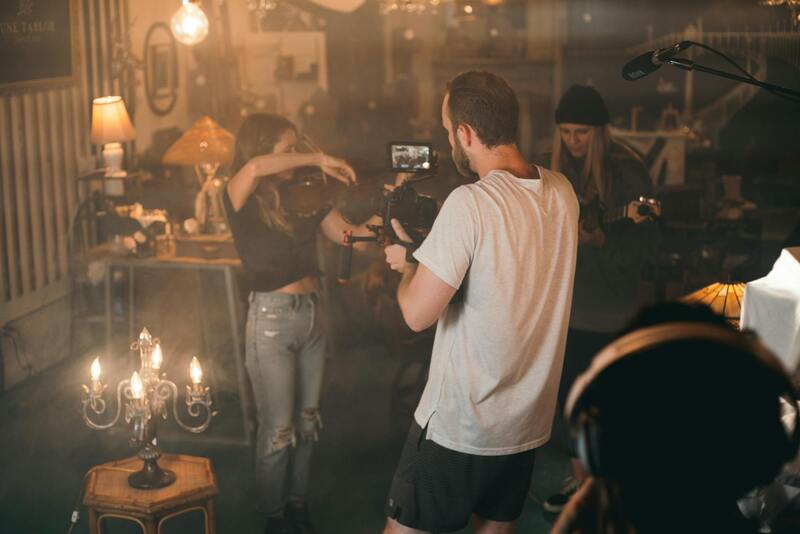
Commencing a commercial property photography project in Miami requires meticulous attention to procedural details that affirm the professionalism and authenticity of the visuals produced. Central to this effort is obtaining official permissions and permits, which facilitate a smooth and lawful shooting environment. This process involves engaging with relevant authorities to secure approvals for activities such as drone flights over restricted zones or shooting on private, secured properties. Clearing these permits not only abides by regional regulations but also demonstrates a commitment to high standards of conduct, ultimately bolstering the perceived reliability of the final visuals.
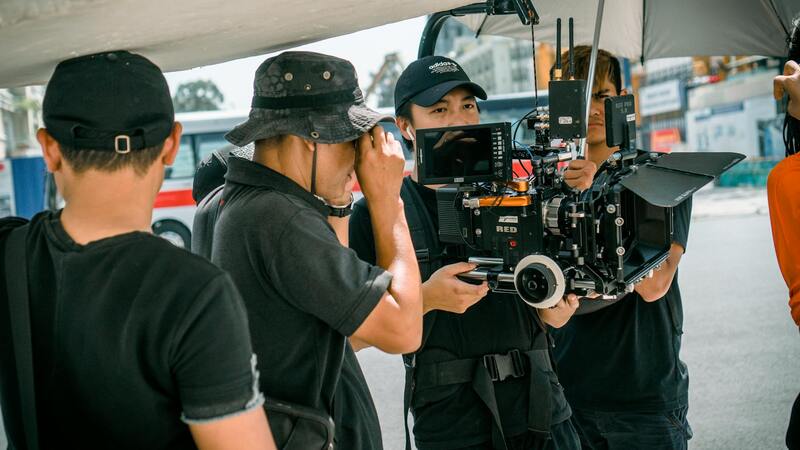
Proper authorization processes typically entail detailed communication with municipal authorities, property owners, or security personnel. Photographers or agencies often submit formal applications outlining the scope, equipment, and safety measures involved in the shoot. This documentation ensures that all stakeholders are informed and confident that the project will adhere to regulations, minimizing potential disruptions or risks. Approaching these procedures with transparency and thoroughness underscores a commitment to reputable practices that are recognized and respected within the industry.
Beyond acquiring permits, implementing comprehensive safety and environmental protocols is critical. Conducting pre-shoot site assessments to identify potential hazards, and coordinating with local safety officials, helps prevent accidents and property damage. Utilizing safety gear and following established operational procedures for drone flights and large-scale ground shoots further enhances the legitimacy and professionalism of the endeavor. Facilities that treat safety and environmental responsibility as integral components of their workflow foster trust, attract discerning clients, and reinforce the credibility of the visuals produced.
Maintaining Transparent Documentation and Effective Communication
Keeping detailed records throughout the project lifecycle is essential for substantiating the process and outcomes of commercial property photography. This includes documentation of permits, safety measures, and project milestones, which serve as valuable references for future projects and client reporting. Transparent communication with clients ensures that expectations are aligned regarding the scope, usage rights, and deliverables, forming a collaborative foundation that underscores professional integrity.
Sharing comprehensive project reports, including the methodologies employed, challenges encountered, and solutions implemented, demonstrates a high level of accountability. This openness not only fosters trust but also enhances the reputation of the photography team as a dependable partner capable of handling complex projects within the parameters of Miami’s regulatory landscape.
Partnering with Local Experts for Seamless Project Execution
Engaging with experienced local professionals who specialize in Miami’s commercial real estate scene is highly advisable for ensuring compliance and achieving optimal results. These experts understand the nuances of city-specific regulations, security protocols, and property access requirements. Their insights can streamline permission processes, coordinate effectively with property owners and authorities, and navigate any unforeseen challenges that arise during the shoot.
Additionally, local agencies often have established relationships with city officials, security personnel, and property managers, which facilitates smoother access and faster permit approvals. Collaborating with these seasoned professionals elevates the quality and legitimacy of the project, ensuring that visuals meet high industry standards while operating within legal and safety frameworks.
Conclusion
Implementing official and legitimate procedures in Miami’s commercial property photography landscape is integral to producing credible, high-quality visuals. From securing permits and following safety protocols to maintaining transparent documentation and partnering with local experts, each step fortifies the project’s integrity. This comprehensive approach not only upholds industry standards but also elevates client confidence and builds a reputation rooted in professionalism and reliability.