

Understanding the Role of a Commercial Property Photographer
In the competitive landscape of real estate marketing, a commercial property photographer plays a vital role in shaping the visual narrative of commercial spaces. Their primary responsibility is to capture high-quality, compelling images that accurately showcase the architectural features, interior details, and overall ambiance of various commercial properties. These images serve as essential tools in attracting potential buyers, tenants, or investors by providing a clear and attractive visual presentation of the property.
Effective commercial property photography goes beyond mere documentation; it involves strategic composition, lighting, and timing to highlight a property’s strengths. A professional photographer understands how to use natural and artificial light sources to create balanced and inviting images that resonate with viewers. This expertise ensures that each shot emphasizes key areas such as spacious interiors, modern design elements, and unique architectural features that distinguish the property in the marketplace.
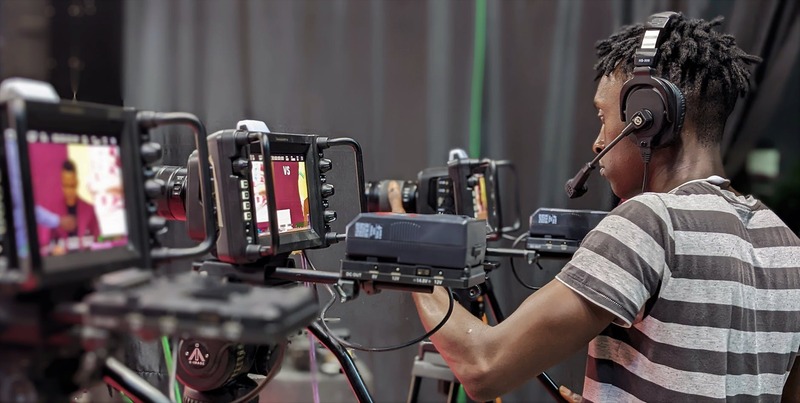
Beyond capturing still images, commercial property photographers are often tasked with creating visual content that aligns with the marketing strategy of real estate professionals. This includes producing wide-angle shots that give a comprehensive view of large spaces, as well as close-up details that showcase craftsmanship and design intricacies. The goal is to produce a visual portfolio that evokes a sense of space, comfort, and potential, encouraging prospective clients to take the next step in the buying or leasing process.
Furthermore, a specialized commercial property photographer has a keen understanding of the legal and compliance standards related to real estate imagery. They ensure that the images are accurate representations, free of distortions or misleading perspectives, which is critical for building trust with clients and maintaining professional integrity.
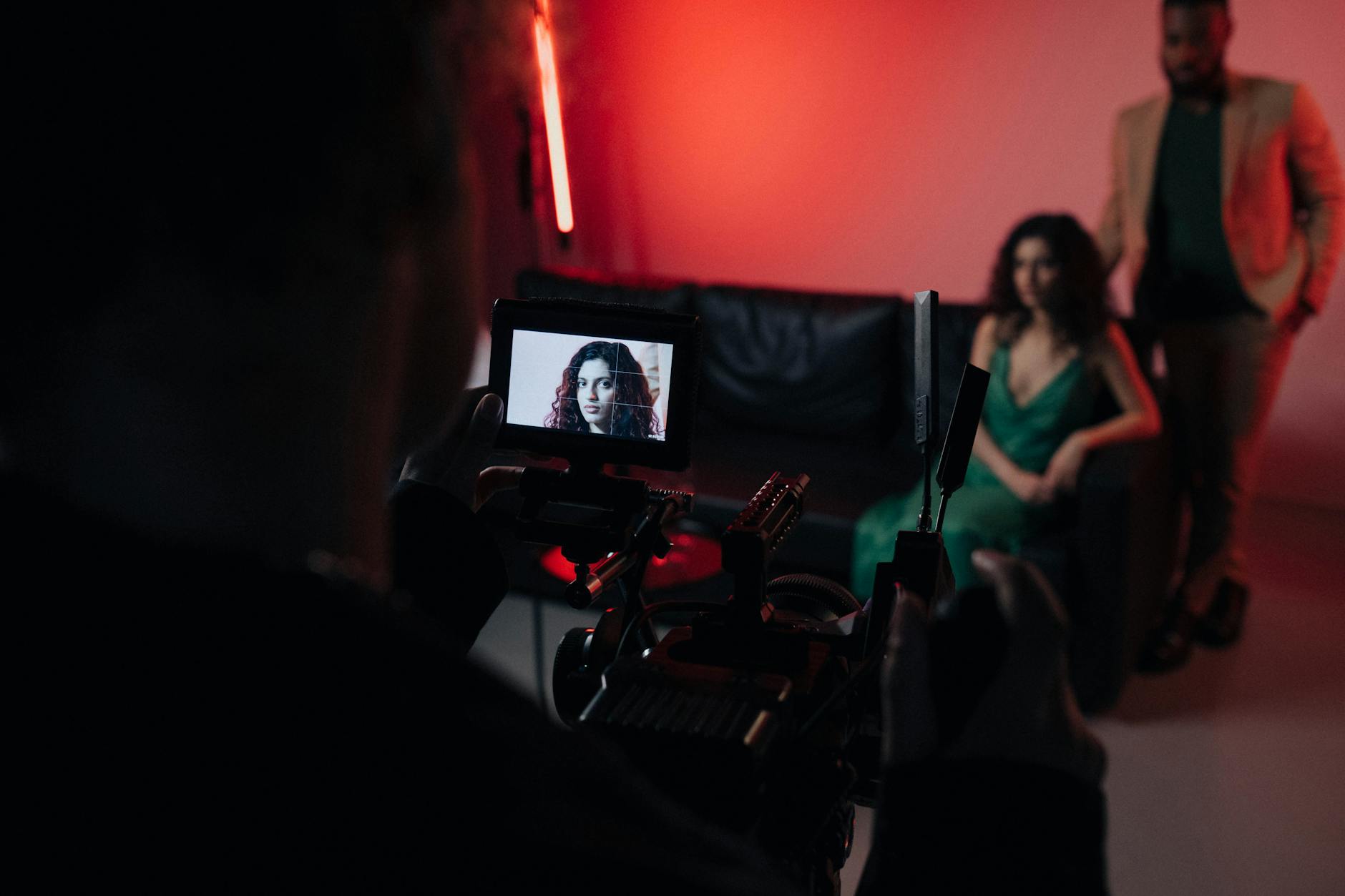
In the digital age, the importance of high-caliber visual content cannot be overstated. Investing in professional commercial property photography enhances online listings, social media campaigns, virtual tours, and other marketing platforms. High-quality imagery not only captures attention but also encourages engagement, making it an indispensable component in the success of commercial real estate promotions.
Ultimately, a commercial property photographer acts as a strategic partner dedicated to elevating the visibility and appeal of real estate assets. Their expertise ensures that each photo effectively communicates the unique features and potential benefits of the property, facilitating quicker and more lucrative transactions. In competitive markets like Miami, partnering with a seasoned commercial property photographer provides a decisive advantage in standing out amidst the myriad of listings and attracting the right audience for each property.
Key Techniques and Equipment for Commercial Property Photography
Achieving high-quality images of commercial properties requires a combination of specialized skills and the right equipment. Photographers in this niche must master various techniques to effectively showcase the property's best features while adhering to professional standards for image clarity, color accuracy, and perspective. Essential tools include ultra-wide-angle lenses that capture expansive interiors and exteriors, enabling a comprehensive view of large spaces. DSLR or mirrorless cameras with high-resolution sensors are a staple, ensuring sharp, detailed images that communicate the property's true scale and design.
To complement photography equipment, stabilizers such as gimbals and tripods are crucial for producing steady shots, especially in challenging lighting conditions or when capturing interior spaces. Drones have become increasingly vital for obtaining aerial imagery, providing unique perspective that highlights property layout, surrounding landscape, and neighborhood context. For virtual tours, 3D scanning devices and panoramic cameras allow for the creation of immersive experiences that guide potential clients through the space remotely.
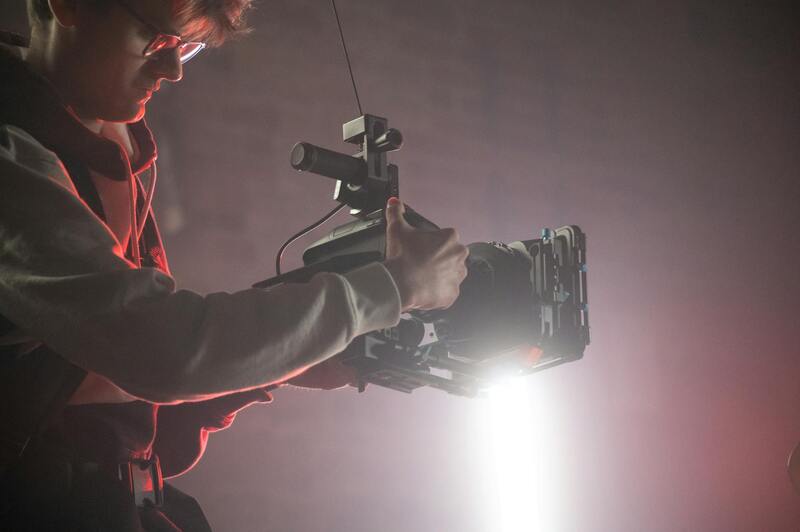
Proper post-processing is equally important to refine images, correct distortions, and enhance visual appeal. Advanced editing software ensures that images are consistent in tone, brightness, and contrast across a series of shots. The application of HDR (high dynamic range) techniques allows photographers to balance exposure levels, especially in environments with challenging lighting. Overall, a meticulous approach to both equipment handling and image editing results in visuals that accurately represent the commercial property’s potential and attract the right audience.
Methods for Verifying a Commercial Property Photographer's Credentials
When selecting a commercial property photographer, ensuring their credentials are valid and comprehensive is vital to achieving high-quality results. Reputable photographers often maintain a professional portfolio hosted on their official websites, showcasing a broad array of projects that demonstrate their expertise across different property types. For instance, a professional photographer’s website—like miamieventvideography.net —can serve as an essential resource, offering galleries of past commercial projects, along with client testimonials that speak to their skill and reliability.
Additionally, photographers affiliated with recognized industry organizations or certified by professional bodies tend to adhere to established standards of quality and ethical practices. Certification or membership in groups such as the Professional Photographers of America (PPA) or similar industry organizations is another indicator of dedication to the craft, continuous learning, and professionalism.
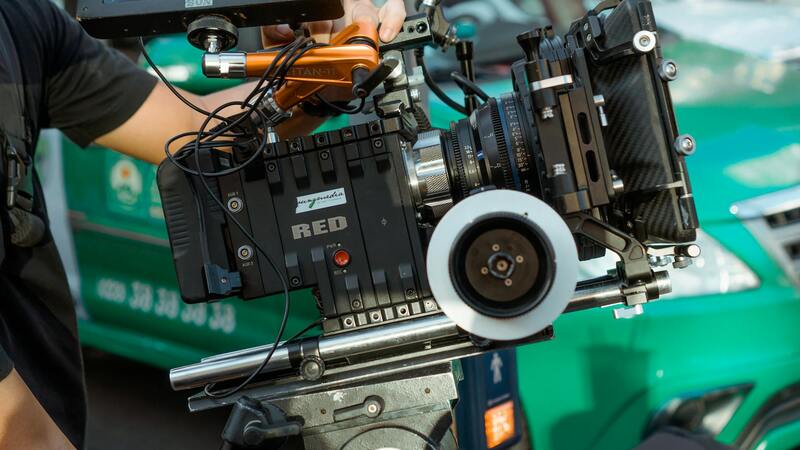
Checking client references or reviews can further confirm a photographer’s ability to deliver consistent quality and meet project expectations. Genuine reviews from previous clients help evaluate the photographer’s professionalism, punctuality, and technical skills involved in commercial property photography. It is equally beneficial to request detailed project case studies or before-and-after images that reveal their approach to capturing the essence of various commercial spaces.
Certifications in advanced photography techniques, such as HDR imaging, drone operation, and virtual tour creation, underscore a photographer's technical competence. Photographers proficient in these areas can provide comprehensive visual representations, including aerial shots and 3D walkthroughs, essential for marketing large or complex properties. When assessing credentials, look for evidence of ongoing education or training in the latest photography tools, software, and industry standards.
Engaging with a Photographer’s Previous Clients
Contacting previous clients offers insights into the photographer’s professionalism and the quality of their finished work. A reputable commercial property photographer should be willing to provide references or facilitate connections with past clients. By discussing the project scope, deadlines, and final results, potential clients can gauge whether the photographer’s skills align with their specific needs.
Evaluating Professional Affiliations and Technological Proficiency
Membership in industry associations often requires adherence to strict ethical standards and continuous professional development. Such affiliations can serve as benchmarks of credibility. Moreover, examining the photographer’s technical skill set—including proficiency with high-end cameras, drone technology, and post-processing software—can help determine their capability to produce compelling, accurate representations of commercial properties.
Ultimately, verifying a commercial property photographer’s credentials through portfolios, industry affiliations, client references, and technical expertise ensures you choose a professional equipped to capture your property’s full potential. These measures serve as a foundation for building confidence in the quality and effectiveness of your visual marketing efforts, fostering a successful collaboration that highlights your property’s unique features in the bustling Miami market.
Advanced Techniques in Commercial Property Photography
To capture compelling images that resonate with prospective clients and tenants, commercial property photographers employ a range of advanced techniques aimed at highlighting the property’s best features while maintaining visual accuracy. Mastery of these methods is essential for producing images that stand out in competitive markets such as Miami.
One key technique involves strategic lighting. Photographers often utilize natural light during optimal times of the day, such as early mornings or late afternoons, to create warm, inviting atmospheres. When natural light is insufficient, professional lighting setups—including strobes, softboxes, and reflectors—are used to evenly illuminate interiors and accentuate architectural details. Proper lighting ensures that textures, materials, and spatial features are faithfully represented, making the property appear both appealing and authentic.
Another critical aspect involves composition and framing. Photographers carefully select angles that emphasize the property’s spatial flow and architectural highlights. Wide-angle lenses are frequently used to capture expansive interiors and exteriors, providing a sense of scale and grandeur without distortion. Attention to symmetry and the rule of thirds can guide viewers’ eyes toward focal points, such as a grand entrance or panoramic views.
Staging plays a vital role in presenting spaces at their best. While some properties benefit from stylistic staging to create an aspirational ambiance, others may require minimal intervention to avoid misrepresenting the space. Maintaining a balance ensures that potential buyers or tenants see the property as their future space while preserving factual integrity.
The use of drone photography is increasingly prevalent in commercial property marketing, providing aerial perspectives that showcase larger developments, surrounding infrastructure, and landscaping. Drones can also provide sweeping views of entire complexes or cityscapes, offering comprehensive visual narratives that ground-level shots cannot achieve.
Timing is equally important. Exterior photos taken during the golden hour, shortly after sunrise or before sunset, benefit from soft, flattering lighting that enhances building textures and landscape features. Interior shots scheduled during daylight hours with optimal window exposure capture natural light, reducing the need for post-processing adjustments.
Post-processing remains a vital step in refining imagery. Professional editing workflows involve color correction, perspective adjustments, and minor retouching to ensure consistency and high visual quality across the shoot. This process helps to highlight the property’s strengths while maintaining an honest portrayal, fostering trust and credibility with viewers.
By integrating these sophisticated techniques—advanced lighting, thoughtful composition, aerial perspectives, meticulous timing, and professional editing—commercial property photographers can deliver striking images that facilitate effective marketing campaigns and accelerate leasing or sales processes.
Understanding the Role of a Commercial Property Photographer
A commercial property photographer specializes in capturing images that effectively showcase the physical attributes and unique features of commercial real estate assets. These professionals possess a keen eye for detail, understanding that the portrayal of a property can significantly influence potential buyers or tenants. Their role extends beyond mere documentation; they craft images that evoke appeal, professionalism, and credibility, all essential components in a competitive real estate market.
With a focus on high-quality visuals, commercial property photographers work closely with property managers, real estate agents, and developers to ensure each shot aligns with marketing objectives. They comprehend the importance of lighting, angles, and composition to highlight architectural design, interior layouts, and landscaping. Furthermore, they adapt their approach based on the type of property—be it an office building, retail space, or industrial facility—tailoring their techniques to meet specific promotional needs.
Professional photographers in this field leverage a combination of traditional and innovative methods. They utilize advanced equipment such as wide-angle lenses, high-resolution cameras, and stabilization gear to produce sharp, engaging images. Drone technology plays an increasingly vital role, providing aerial perspectives that reveal the scope of large developments or complex layouts. These visuals are instrumental in marketing materials, online listings, and promotional videos, creating a compelling narrative around the property.
Key Responsibilities of a Commercial Property Photographer
- Pre-shoot consultations to understand the client's promotional goals
- Scheduling shoots during optimal lighting conditions, such as golden hour for exterior shots
- Using specialized equipment to ensure high-quality, distortion-free images
- Incorporating drone imagery where appropriate to exhibit property context and surroundings
- Capturing both interior and exterior features to showcase the full potential of the space
- Post-processing to correct colors, straighten perspectives, and enhance visual appeal without misrepresenting the property
Professionalism and Industry Knowledge
Beyond technical skills, a commercial property photographer must demonstrate an understanding of real estate marketing trends and legal considerations regarding image use. They adhere to best practices that respect property rights and confidentiality, ensuring all imagery is accurate and ethically produced. Their expertise ensures that clients receive polished, impactful visuals that resonate with targeted audiences, ultimately facilitating faster leasing or sales processes.
Understanding the Role of a Commercial Property Photographer
A commercial property photographer serves as a vital resource in the real estate marketing landscape, specializing in capturing visual content that highlights a property’s architectural integrity, spatial dynamics, and key features. Their expertise lies in presenting properties in a way that resonates with potential buyers, tenants, and investors. These professionals apply a blend of artistic skill and technical proficiency to produce images that not only showcase the property's aesthetic appeal but also communicate its functional qualities.
The photographer’s role involves meticulous planning and execution, beginning with pre-shoot consultations to understand the client’s specific marketing goals. During the shoot, they leverage high-definition cameras, professional lighting setups, and stabilization equipment to ensure crisp, well-lit images. In addition, their familiarity with various photographic techniques enables them to accentuate the strengths of each property, whether it’s an expansive commercial complex or a cozy office space.
Beyond capturing still images, commercial property photographers often produce virtual tours and aerial photography, providing comprehensive overviews of the space. This multi-faceted approach is instrumental in creating compelling visual narratives that assist clients in attracting and converting potential prospects. The ability to adapt to diverse property types and market needs distinguishes seasoned commercial property photographers as invaluable partners in the leasing and sales process.
Types of Commercial Properties and Photography Needs
Different types of commercial properties require tailored photographic approaches to effectively highlight their unique features and benefits. Office buildings, retail centers, industrial facilities, hospitality venues, and multi-family residential complexes each have distinct visual storytelling needs.
- Office Buildings: Emphasis on spacious interiors, modern amenities, and professional ambiance, often requiring wide-angle shots and interior staging.
- Retail Properties: Focus on exterior storefronts, parking areas, and customer-centric spaces to attract tenants or buyers.
- Industrial Facilities: Highlighting expansive layouts, logistical features, and access points with aerial and interior photography.
- Hotels & Hospitality Venues: Showcasing luxurious accommodations, common areas, and unique amenities through high-resolution images and virtual tours.
- Multi-Family Residential Complexes: Emphasizing community spaces, unit layouts, and scenic surroundings to appeal to prospective residents.
Matching the photographic style and scope to the property's purpose ensures that materials resonate with targeted audiences and fulfill marketing objectives.
Understanding the Role of a Commercial Property Photographer
A commercial property photographer specializes in capturing images that effectively highlight the unique features, architectural elements, and overall appeal of commercial real estate assets. These professionals possess a keen eye for composition, lighting, and perspective, ensuring that each shot communicates the property's potential and attracts prospective tenants or buyers. Their expertise extends beyond simple documentation; they craft visual stories that support marketing campaigns, enhance online listings, and elevate branding efforts for property owners and brokers alike.
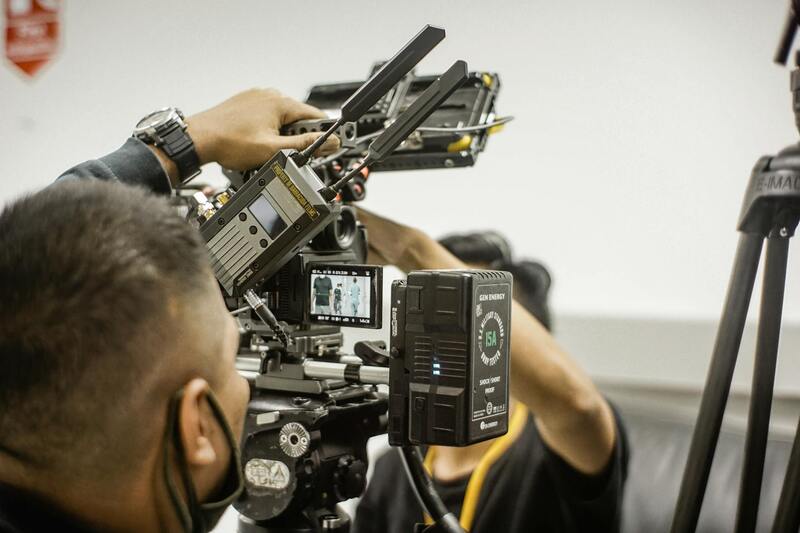
In addition to technical skills, commercial property photographers are well-versed in the nuances of real estate marketing. They understand the specific angles, lighting conditions, and staging techniques that best showcase different types of properties—whether that involves emphasizing grand lobbies, expansive interiors, or exterior architectural details. Their work goes beyond aesthetics; it involves providing comprehensive visual solutions that communicate value and facilitate faster transactions.
Core Responsibilities of a Commercial Property Photographer
- Preparing the property for optimal photo capture, including staging and lighting adjustments.
- Utilizing specialized equipment such as wide-angle lenses, high dynamic range (HDR) photography, and sometimes aerial drones for comprehensive coverage.
- Editing and post-processing images to ensure clarity, color accuracy, and visual appeal.
- Creating a cohesive visual narrative that aligns with the property's branding and marketing objectives.
- Providing a variety of images suitable for different platforms, including high-resolution shots for print and compressed versions for online use.
Importance of Local Expertise in Commercial Photography
Engaging a photographer familiar with the Miami real estate landscape ensures that the images resonate with local market dynamics. An experienced Miami-based commercial property photographer understands the area's architectural styles, lighting conditions, and market preferences, allowing them to deliver images that target the right audience effectively. Their knowledge of local lighting conditions and optimal times for shooting ensures that each property is presented in the best possible light, which can significantly impact marketing success.
Securing Your Commercial Property Photography Through Trusted Verification Methods
In the competitive realm of commercial real estate, establishing the authenticity and quality of a property photographer's work is integral to a successful marketing campaign. Property owners and marketing firms depend on verified credentials and transparent workflows to ensure their promotional materials meet high standards, attract target audiences, and reflect the true character of their spaces. When selecting a commercial property photographer, particularly in a vibrant market like Miami, it's crucial to employ legitimate verification methods that uphold the integrity of the visual content and facilitate seamless collaboration.
Certifications and Professional Affiliations
One of the most direct indicators of a photographer’s commitment to quality and professionalism is their association with recognized industry organizations. Certified memberships from reputable bodies—such as the Professional Photographers of America (PPA), the International Association of Architectural Photographers (IAAP), or similar local associations—serve as benchmarks for adhering to industry best practices. These affiliations often require adherence to ethical standards, ongoing education, and skill development, which collectively assure clients of the photographer’s expertise and dedication.
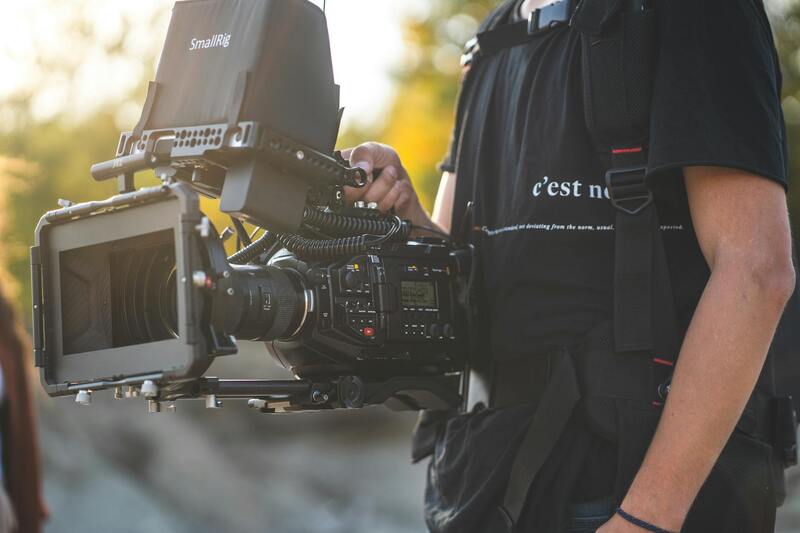
Additionally, certifications from specialized courses in architectural and commercial photography, drone operation, or post-production techniques validate the photographer's technical skill and adherence to industry protocols. Requesting proof of such credentials provides confidence in the photographer's capabilities and their commitment to maintaining updated knowledge of evolving visual marketing tools.
Portfolios and Client Testimonials
A transparent portfolio showcasing a range of completed commercial projects offers tangible proof of a photographer’s expertise. High-quality images of interior, exterior, aerial, and virtual tour photography demonstrate versatility and mastery of various techniques necessary for commercial properties. When evaluating potential photographers, requesting access to past work helps verify their authenticity, style consistency, and attention to detail.
Furthermore, authentic client testimonials or case studies can highlight the photographer's reliability in delivering exceptional results. Positive feedback from previous clients in the Miami commercial real estate market confirms a history of satisfaction, punctuality, and adherence to specifications—a critical aspect in high-stakes property marketing.
Transparent Service Agreements
Legitimate service agreements serve as formal documentation outlining project scope, timelines, deliverables, and pricing. A clear, written contract protects all parties by setting expectations and ensuring accountability. When engaging a commercial property photographer, scrutinize their proposals for comprehensive terms that specify the rights to images, usage limitations, and revision policies.
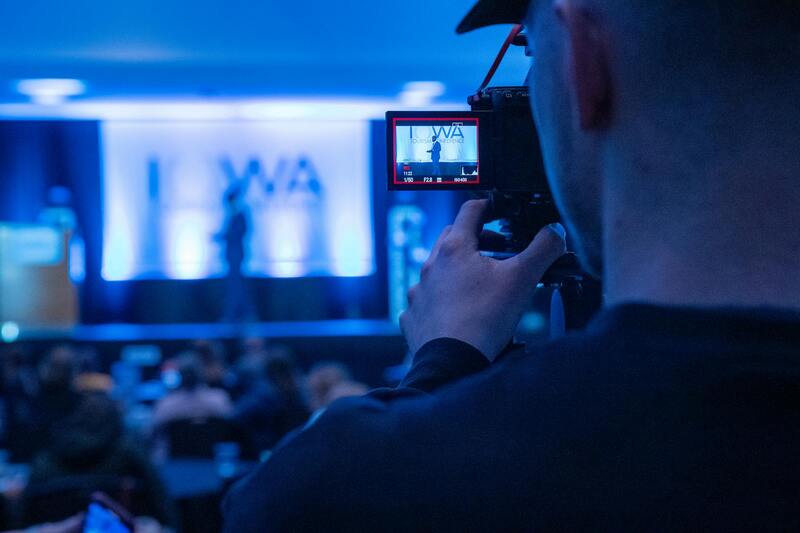
This transparency helps prevent misunderstandings, enhances trust, and guarantees that the final visual content aligns with marketing objectives. Moreover, a well-structured agreement will detail necessary legal considerations, such as licensing and image rights, ensuring the project adheres to legitimate practices without ambiguity.
Online Presence and Industry Reputation
An official website and professional online profiles serve as accessible platforms to verify a photographer’s credentials further. Credentials such as awards, published works, and recognitions in leading real estate or architectural publications should be visibly displayed. Active engagement in industry-specific forums, participation in local trade shows, and positive online reviews reinforce a photographer’s standing within the Miami commercial real estate community.
Prospective clients should look for consistent, verifiable information across digital channels that demonstrate a robust, credible reputation. Reliable online presence reflects a photographer's transparency and dedication to quality service, fundamental for establishing trust in high-value projects.
Conclusion
In the pursuit of exceptional commercial property photography, utilizing verified methods to confirm a photographer’s legitimacy ensures the production of authentic, high-quality visual content. Certifications, verified portfolios, transparent contracts, and reputable online presence form a comprehensive approach to selecting a reliable partner. For Miami property owners and marketers aiming to highlight their assets effectively, diligent verification facilitates the alignment of visual storytelling with professional standards, ultimately enhancing project success and property appeal.