
Importance of Professional Real Estate Photography
In the competitive landscape of Miami's real estate market, high-quality images have become a critical element in attracting potential buyers. Professional real estate photography not only enhances the visual appeal of a property but also accelerates the sales process and can lead to higher sale prices. Buyers increasingly rely on online listings to narrow down their options, and captivating images serve as the first impression that can make or break their interest. Well-executed photographs highlight the unique features and selling points of each property, conveying a sense of space, light, and ambiance that static text alone cannot achieve.
Effective photography establishes credibility and trustworthiness for real estate agents and sellers by showcasing professionalism and attention to detail. This visual representation helps bridge the gap between virtual browsing and physical viewing, often enticing viewers to schedule in-person visits. In Miami’s bustling market, where properties are often competing for attention, the importance of standout imagery cannot be overstated. It leads to increased inquiries, quicker sales, and the ability to command premium prices.
Key Elements of Effective Real Estate Photography
Successful real estate photography hinges on several core elements that together create compelling images. These include proper lighting, optimal composition, accurate color rendition, and strategic framing. Each photo should serve to accurately represent the space, avoiding distortions or misleading perspectives that could harm buyer trust. Additionally, consistency in style and quality across all images fosters a cohesive and professional listing.
- Lighting: Natural light is preferred to showcase spaces in their best form, but supplemental flash or strobe lighting may be necessary for interior shots to eliminate shadows and highlight details.
- Composition: Thoughtful arrangement of furniture and decor, along with strategic camera angles, can make rooms appear larger and more inviting.
- Perspective: Wide-angle shots are standard to capture more of the space, but should be used judiciously to avoid distortion.
- Details: Emphasizing architectural features and finishes adds depth and context to each room.
Essential Equipment and Techniques
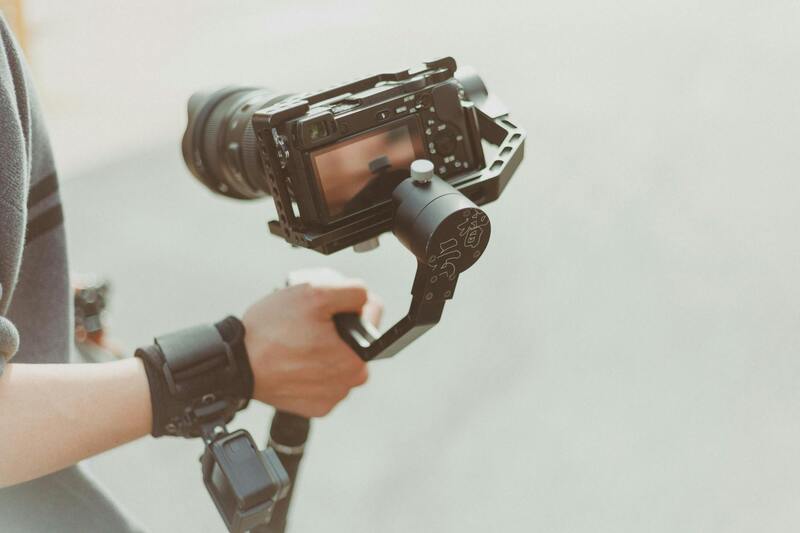
Achieving top-tier images requires specialized equipment and techniques. Professional photographers typically utilize DSLR or mirrorless cameras equipped with wide-angle lenses to maximize coverage of interior spaces. Tripods ensure stability and consistent framing, especially in lower-light conditions. Advanced techniques such as HDR (High Dynamic Range) photography allow capturing both bright and dark areas within a single image, ensuring a balanced and detailed photo. Proper post-processing enhances brightness, sharpness, and color accuracy, ensuring images are both vibrant and true-to-life.
Adopting Certified Methods for High-Quality Real Estate Images
Maintaining a professional standard in real estate photography involves employing verified and proven techniques that consistently produce compelling visuals. While there are numerous approaches available, selecting methods that have been thoroughly tested and trusted by industry experts ensures the images serve their intended purpose effectively. Certified practices include leveraging high-grade camera equipment, optimized lighting setups, and specific compositional strategies designed to accurately reflect a property's character and ambiance.
Utilizing Industry-Standard Equipment
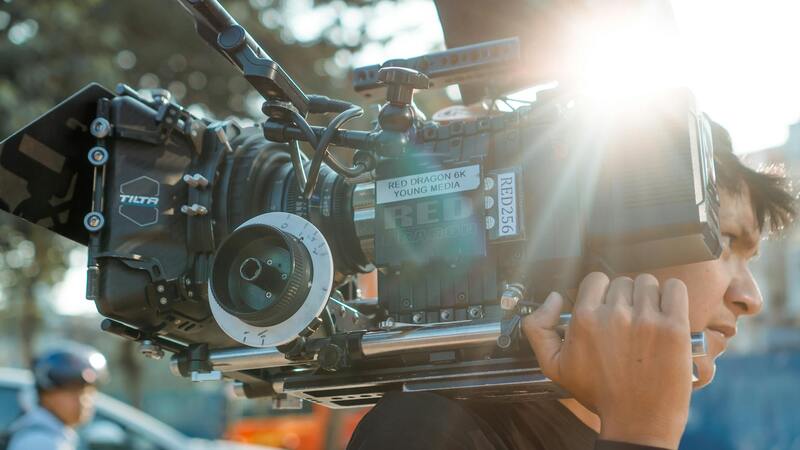
- Camera selection: DSLR and mirrorless cameras equipped with wide-angle lenses are fundamental tools that help capture expansive interior views while maintaining clarity and detail.
- Tripods: Stable mounting devices enable sharp images, especially in low-light conditions or long exposure shots.
- Auxiliary lighting: External flashes or portable strobes assist in balancing interior light levels, eliminating shadows, and highlighting architectural features accurately.
Implementing Proven Shooting Techniques
- Strategic framing: Position camera angles that maximize space perception without introducing distortions, ensuring that rooms appear inviting and proportionate.
- Proper lighting: Employing natural light while supplementing with controlled artificial light achieves vibrant, true-to-life colors.
- HDR imaging: High Dynamic Range captures a broader range of light and dark areas, delivering images with balanced highlights and shadows that reveal every detail.
- Consistent perspective: Maintaining a uniform camera height and angle across images ensures a cohesive and professional listing presentation.
Post-Processing and Quality Control
After capturing images, diligent editing is vital to enhance visual appeal without misrepresenting the property. Techniques such as adjusting brightness, contrast, and color calibration refine the images, bringing out the space's true allure. Advanced software like Adobe Lightroom or Photoshop offers tools to correct distortion, straighten lines, and improve overall sharpness. Regular quality checks prevent errors that could detract from the professional finish of the photos, reinforcing credibility with potential buyers.
Verification and Continuous Learning
Adhering to recognized best practices involves ongoing education and verification of techniques through reputable training and industry resources. Participating in workshops or courses focused on real estate photography keeps professionals updated on emerging equipment and methods. This commitment to continuous improvement ensures that images consistently meet high standards, enhancing the credibility of the listing and attracting more interest.
Utilizing Established and Recognized Techniques for Authenticity
When aiming to showcase a property at its best, employing proven photographic methods is essential. Professional real estate photographers rely on techniques that have stood the test of industry standards, ensuring each image accurately represents the space while highlighting its key features. Methods such as maintaining consistent camera angles help create a cohesive visual story that guides potential buyers smoothly through the property. This consistency involves setting a fixed camera height—usually around eye level—and ensuring the perspective remains uniform across all shots.
Lighting also plays a crucial role in authentic representation. Natural light is favored for its ability to produce true-to-life colors and a warm, inviting atmosphere. When natural lighting is insufficient, professional photographers use controlled artificial lights to fill shadows and prevent overexposed areas. Dynamic ranges are balanced through High Dynamic Range (HDR) imaging, merging multiple exposures to capture details in shadows and highlights with clarity.
Advanced Editing for Enhanced Realism
Post-processing remains a vital step in establishing the credibility of real estate images. Skilled editing involves subtle adjustments that improve visual appeal without misrepresenting the property's actual state. Brightness and contrast are fine-tuned, colors are calibrated for accuracy, and distortion correction ensures straight lines and proportional spaces. These refinements not only enhance the aesthetic quality but also preserve the authentic feel of the property, fostering trust among prospective buyers.
Complimenting technical rigor, ongoing verification of results ensures that images maintain high standards over time. Continually updating skills through industry-led workshops and certifications helps photographers adapt to new equipment and evolving techniques, reinforcing their commitment to authentic, compelling visuals. This dedication ensures that each photograph not only attracts interest but also builds credibility for listings, ultimately facilitating smoother transactions.
Prioritizing Quality and Consistency
Using professional-grade equipment is fundamental. Wide-angle lenses extend the field of view, enabling the capture of entire rooms or exterior facades in a single shot. Cameras with high-resolution sensors ensure that images remain sharp even when viewed at larger sizes. Consistent settings, such as aperture, ISO, and shutter speed, guarantee uniformity, which is crucial for a polished, professional appearance across an entire listing.
Strategic Composition for Best Visual Impact
Composition techniques, such as the rule of thirds and leading lines, guide viewers' eyes through each scene, emphasizing the most attractive features. Proper staging and decluttering help create inviting and spacious impressions. Additionally, scheduling shoots during optimal lighting conditions—early mornings or late afternoons—can significantly enhance the property's visual appeal.
Methods for Authentic and Effective Real Estate Photography
Achieving exceptional real estate images relies on the utilization of established, proven techniques that emphasize authenticity and clarity. The foundational approach involves employing standard procedures that ensure every photograph accurately represents the property's features, space, and atmosphere. This includes adhering to consistent shooting angles, maintaining correct exposure and white balance, and capturing images during optimal lighting conditions such as early morning or late afternoon to harness natural sunlight. These practices ingrained in reputable real estate photography guarantee that the visuals reflect the true essence of the property, fostering trust and transparency with potential buyers.
Beyond basic methods, employing high-quality, professional-grade equipment is essential. Wide-angle lenses are instrumental in showcasing spacious interiors and exteriors by encompassing broader views within a single shot. Mirrorless or DSLR cameras with high-resolution sensors provide sharp, detailed images that remain clear upon enlargement, which is vital for online listings and print advertisements. Consistent camera settings across all shots—such as aperture, ISO, and shutter speed—create a cohesive, polished appearance that elevates the listing's visual appeal.
Utilizing Established Composition and Staging Techniques
Effective composition directs viewers’ attention toward the property’s most attractive features. Strategies such as the rule of thirds help position key elements for maximum visual impact, while leading lines guide the eye naturally through the space. Proper staging—removing clutter, arranging furniture to highlight spaciousness, and ensuring cleanliness—creates an inviting environment that resonates with prospective buyers. Scheduling shoots during times of the day when natural light is abundant and soft enhances color vibrancy and minimizes harsh shadows, contributing to more compelling images.
Post-Processing Within Industry Standards
Post-processing plays a crucial role in refining images to meet professional quality expectations. Adjustments to brightness, contrast, and color balance are made carefully to preserve the property's true appearance. Techniques such as perspective correction help straighten lines and ensure that architectural features are depicted accurately, avoiding distortions common with wide-angle lenses. Skilled editing maintains a balance between enhancement and realism, preventing images from appearing overly manipulated, which preserves the trustworthiness of the listing.
In addition to basic corrections, advanced editing tools allow for selective enhancements that make interior spaces appear more spacious and exterior views more inviting. High dynamic range (HDR) techniques amalgamate multiple exposures to capture details in both shadows and highlights, producing well-exposed images in challenging lighting conditions. Mastering these editing standards assures consistency, quality, and authentic representation across all marketing materials.
Employing Virtual Tours and 3D Imaging
Complementing traditional photography with virtual tours and 3D walkthroughs offers a comprehensive visual experience. These methods allow potential buyers to explore the property remotely, gaining a sense of scale and flow that static images alone cannot provide. High-quality virtual content is integrated seamlessly with still images to enhance overall listing appeal, providing a competitive edge in crowded markets. For maximum effectiveness, professional execution and precise stitching or imaging techniques are necessary, ensuring a smooth, navigable virtual presentation that accurately reflects the physical space.
Quality and Consistency in Real Estate Photography
Achieving top-tier real estate photography involves a rigorous commitment to quality and consistency across all visuals. Professional photographers utilize standardized shooting protocols to ensure each image accurately represents the property’s features, dimensions, and ambiance. This consistency enhances the overall presentation, making listings more appealing and trustworthy for potential buyers. Reliable lighting setups, precise lens selection, and stable camera positioning are fundamental to maintaining an authentic and inviting appearance of both interiors and exteriors.

Leveraging Advanced Equipment for Superior Results
Utilizing professional-grade cameras equipped with high-resolution sensors and wide-angle lenses allows for capturing expansive space and intricate details effectively. Tripods and stabilizers eliminate camera shake, ensuring sharp images even in low-light conditions or when using longer exposure times. For exterior shots, drone technology provides aerial perspectives that add depth and a unique vantage point to listings. Post-processing software, such as advanced editing tools, refines images further by correcting distortions, balancing exposure, and enhancing colors while maintaining realistic portrayals.
Employing Proven Techniques to Elevate Visual Appeal
Professional real estate photographers apply specific techniques that emphasize the property’s strengths:
- Proper Composition: Framing spaces to highlight architectural features and ensure visual flow.
- Lighting Mastery: Using natural light when possible, complemented by supplemental lighting to achieve balanced exposure without harsh shadows.
- Perspective and Angle Selection: Shooting from eye level and choosing angles that accentuate space and functionality.
- Color Balance and Editing: Adjusting white balance and saturation to produce accurate, vibrant images.
Understanding the Importance of Strategic Planning
Preparation plays a crucial role in high-quality real estate imagery. Photographers plan shoots by assessing lighting conditions, choosing optimal times of day, and ensuring the property is decluttered and well-staged. This planning minimizes the need for extensive post-shoot corrections and helps capture the property at its best, reflecting its true potential to prospective buyers.
Matching Photoshoot Attire and Visual Styling to Market Expectations
Attention to detail extends beyond technical skills. Professional photography also considers the aesthetic appeal by ensuring that furniture, decor, and overall staging complement the property’s style and target demographic. Cleanliness, neutral color palettes, and tasteful decoration create a welcoming environment that resonates with a broad audience, ultimately enhancing the quality and impact of the visuals.
Advanced Techniques for Ensuring the Authenticity and Credibility of Real Estate Photos
In the competitive landscape of real estate marketing, maintaining authenticity and credibility in property images is paramount. Prospective buyers rely heavily on visual content to assess a property’s true condition and appeal. Implementing verified and professional photography methods enhances this trust, leading to increased interest and faster sales.
Leveraging Professional Equipment for Genuine Results
Using high-quality, reputable cameras and lenses from trusted brands ensures that images accurately depict property details. Professional-grade DSLR or mirrorless cameras with full-frame sensors capture high-resolution images with precise color reproduction and sharpness, without exaggerating or manipulating the actual scene. Combining these with stabilized tripods and calibrated lighting equipment maintains consistent image quality across different property shoots, reinforcing the authenticity of visuals presented to clients.
Adhering to Ethical Post-Processing Standards
While post-processing can enhance images, it is essential that edits do not distort the reality of the property. Adjusting brightness, contrast, and color balance within industry-standard software like Adobe Lightroom or Photoshop should be performed subtly and ethically. Techniques such as removing minor clutter or correcting lens distortions for clarity are acceptable, but hyper-idealized images that misrepresent the property should be avoided. Transparently documenting edits maintains credibility and sets accurate expectations for clients and buyers.
Implementing Consistent Shooting Protocols
Establishing standardized procedures during the shoot fosters genuine representation. This includes shooting at the same time of day when natural light is optimal, capturing each space from multiple verified angles, and avoiding any distortions from wide-angle lenses that could mislead viewers. Utilizing a consistent color profile and white balance setting across all images helps present a uniform and honest view of the property’s true hue and ambiance.
Incorporating Authentic Aerial and Exterior Shots
Drone photography and exterior shots should accurately reflect the property’s surroundings, landscaping, and curb appeal. Certified drone operators or professional photographers with approved licensing and equipment ensure that aerial perspectives are safe, precise, and truthful. These images add context, helping prospective buyers envision living in the space without exaggeration of property boundaries or landscape features.
Documenting the Image Creation Process
Maintaining detailed records of the equipment, settings, and editing workflows used during photography sessions establishes transparency. These records can serve as verification of the methods employed to capture and process images, bolstering confidence in the authenticity of the visuals across marketing channels.
Prioritizing Client and Property Integrity
Always prioritize integrity over visual embellishment. When professional photographers and real estate agents collaborate closely, they can ensure that the images fulfill both aesthetic and truthful standards. This collaboration involves honest staging, accurate lighting, and a commitment to representing the property as it truly exists, aligning expectations and fostering trust among buyers.
Ensuring Authenticity Through Verified Methods
When it comes to producing images that truly represent a property's value and appeal, employing verified methods of photography is essential. This involves rigorous adherence to standards that guarantee the integrity and accuracy of each shot taken. As part of this process, professional photographers utilize calibrated equipment to capture true-to-life colors, correct perspectives, and precise reflections of the space. Such practices help prevent misrepresentation, ensuring prospective buyers—whether local or remote—receive an honest view of the property.
One of the critical steps in this verification process is maintaining meticulous records of all photographic procedures. This includes documenting camera settings, lens choices, lighting setups, and editing workflows. These records serve as a transparent account of the methods used to produce each image, reinforcing trust with clients and end viewers. Transparency in the photographic process demonstrates a commitment to authenticity, which becomes especially vital when these images are used across multiple marketing channels.
Implementing Consistent Standards
Strict standards for image capture and processing help maintain consistency and quality across all listings. Photographers who follow industry best practices optimize their techniques to ensure each image aligns with the perceived reality of the property. This includes avoiding excessive HDR effects or over-editing that could distort the true appearance of interior spaces and exterior features. Instead, the focus remains on capturing clear, well-lit images that accurately reflect the property's character.
Utilizing Certified Equipment and Techniques
Verification also involves using certified or professionally approved equipment. High-quality digital cameras with full-frame sensors provide detailed images with excellent dynamic range, while well-maintained lenses prevent distortions or aberrations. Similarly, the use of stabilized tripods and calibrated lighting ensures consistent shot quality and reduces the risk of misrepresentation due to technical shortcomings. The employment of drone technology, operated by licensed professionals, adds a layer of perspective that is both striking and truthful about exterior spaces.
Role of Legitimate Post-Processing
Post-processing is another critical avenue for maintaining verified imagery. Skilled editing focuses on enhancing natural light, correcting distortions, and balancing exposure without altering the essence of the property. Adjustments are made responsibly, ensuring that images do not exaggerate features, but rather enhance clarity and appeal. This careful approach helps build trust with potential buyers, fostering a realistic expectation of what the property offers.

In addition, ongoing training and certification in the latest photographic techniques reinforce a photographer’s ability to produce trustworthy images. Through continued education and adherence to evolving standards, professionals ensure that their methods remain legitimate, reliable, and aligned with industry expectations. This commitment to best practices directly impacts the outcome of marketing efforts, resulting in compelling visuals that accurately represent the property and attract genuine interest.
Verification of Authenticity in Real Estate Photography
In the highly competitive Miami real estate market, the use of verified imagery plays a crucial role in establishing trust with prospective buyers. Authenticity in real estate photos ensures that the property's features are accurately represented, reducing the likelihood of buyer disappointment and facilitating more efficient transactions. To achieve this, professionals employ a combination of legitimate techniques and tools that uphold high standards of accuracy and reliability.
Utilizing Certified Equipment and Techniques
The foundation of verified real estate photography lies in the employment of certified and high-grade equipment. Professional photographers rely on calibrated digital cameras, lenses with minimal distortions, and stabilized tripods. These tools, when used correctly, produce images that truly reflect the spatial dimensions and visual appeal of a property. Additionally, the use of professional-grade lighting is essential in capturing consistent and true-to-life lighting conditions, making the images more representative of real-world settings.
Implementing Proper Shooting Protocols
Adhering to established shooting protocols is vital for maintaining image authenticity. This includes photographing from strategic angles and heights to reveal the property's layout accurately. Over-reliance on wide-angle lenses must be balanced with an understanding of their visual impact, avoiding distortion that could misrepresent room sizes. Standardized shooting procedures also involve taking multiple shots under different lighting conditions to ensure a comprehensive visual summary of the property.
Post-Processing with Responsibility
The editing process, when executed correctly, enhances the photograph’s clarity and appeal without altering the true character of the property. Skilled post-processing focuses on natural light enhancement, distortion correction, and exposure balancing. Professionals avoid extreme retouching or the addition of elements that do not exist in the real space, thus preserving the authenticity of the visual representation. This ethical approach safeguards the integrity of the listing and helps potential buyers form accurate expectations.
Leveraging Regulatory Standards and Certifications
Professionals often adhere to industry standards established by recognized photographic organizations or local real estate associations. Certification through such bodies demonstrates a commitment to quality and ethical standards. Continual education and training in the latest technological advancements and best practices ensure that photographers remain compliant with evolving expectations for verified imagery.
Incorporating Verified Aerial and Interior Visuals
Drone photography, when operated by licensed professionals, adds a truthful perspective of exterior spaces and enhances the overall property presentation. Aerial shots, captured responsibly, allow buyers to understand the property's surroundings and layout. Inside the home, high-resolution images that highlight key selling points are carefully shot and verified through the above-mentioned methods, providing a comprehensive and trustworthy visual narrative.
Ensuring Transparency Through Consistent Documentation
Maintaining thorough documentation of the photography process adds transparency, allowing clients and stakeholders to verify that images meet specified standards. This may include metadata records, version histories, and photographic logs that detail the techniques and equipment used during each shoot. Such documentation reinforces the integrity of the images and can serve as a reference for future marketing or dispute resolution.
Collaborating with Reputable Real Estate Photography Services
Partnering with established providers like Miami-based agencies that follow strict quality assurance protocols ensures access to verified visuals. These services typically employ trained professionals who uphold industry standards, use legitimate equipment, and operate within ethical guidelines. The decision to work with reputable photographers translates into high-quality, authentic images that accurately represent the property and foster buyer confidence.