Importance of Professional Real Estate Photography
In today's competitive real estate market, the significance of high-quality photography cannot be overstated. First impressions are often formed through visual cues, and professionally captured images serve as a powerful first point of contact between a property and potential buyers. When a property listing features clear, well-composed, and visually appealing images, it attracts more attention, generates greater interest, and increases the likelihood of faster sales with higher offers. These images highlight a property's best features—be it architectural details, interior design, or outdoor spaces—creating an emotional connection that can motivate viewers to arrange a viewing.
Quality visuals also help establish credibility and professionalism for real estate agents and property owners. They demonstrate a commitment to quality and attention to detail, which builds trust with prospective buyers. Moreover, professionally taken images tend to perform better across online listing platforms, significantly boosting a property's visibility and reach. This can translate into more inquiries, scheduled showings, and ultimately, quicker transactions. Given the high stakes in real estate sales, investing in expert photography is not just a marketing choice; it is an essential component of a successful sales strategy.
Furthermore, professional real estate photography can help minimize the time a property spends on the market. Well-presented images generate greater interest from the outset, reducing the need for multiple viewings and prolonged marketing periods. This efficiency benefits both sellers and agents by streamlining the sales process and saving on associated marketing costs. Whether showcasing luxurious estates or modest homes, professional photography elevates the listing's quality and sets the property apart from competitors. As digital platforms dominate the home search process, standing out with compelling visuals is no longer optional but a necessity for modern real estate success.
Key Attributes of Top Real Estate Photographers
Selecting a top-tier real estate photographer involves assessing several critical attributes that influence the quality of the final images. Experienced professionals understand how to manipulate lighting, framing, and composition to enhance a property's appeal. They possess a keen eye for detail, ensuring that each shot accurately represents the space without distortion or misrepresentation. Knowledge of current photographic trends and techniques allows these experts to produce images that resonate with today's digital-savvy buyers.
Technical proficiency is vital, particularly when working with wide-angle lenses, HDR imaging, or aerial photography equipment. An established track record, portfolio of diverse properties, and client testimonials also serve as indicators of reliability and skill. Effective communication skills enable photographers to understand the specific requirements of each property, tailoring their approach to highlight unique features and accommodate sellers' preferences. In this highly visual industry, partnering with a photographer who consistently demonstrates professionalism and proven results can dramatically enhance a property's market presence.
Techniques and Tools Utilized by Industry-Leading Real Estate Photographers
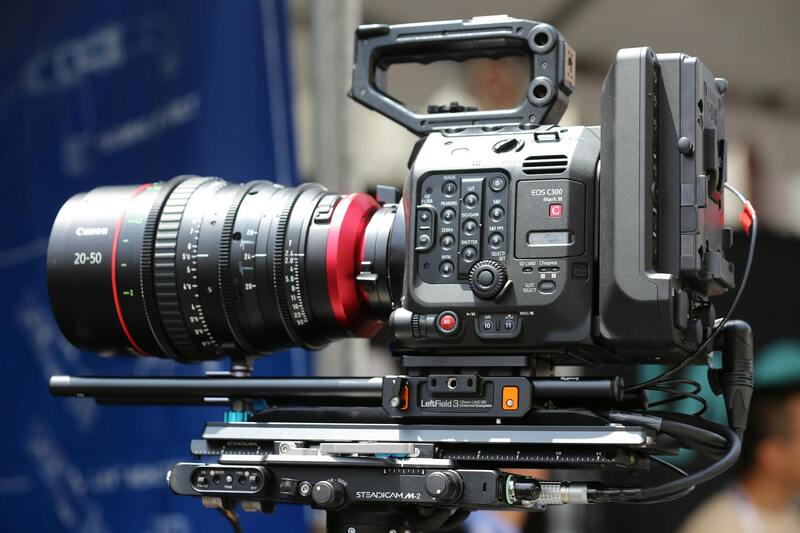
Professional real estate photographers employ a suite of advanced techniques and state-of-the-art equipment to craft images that truly capture a property's essence. Mastery over lighting is fundamental, with experts utilizing natural sunlight complemented by artificial lighting setups to avoid harsh shadows and uneven illumination. They often harness diffusers and reflectors to soften light and highlight architectural features, ensuring each room appears bright, welcoming, and accurately depicted.
Composition skills are central to creating engaging visuals. Top photographers understand framing principles, use of negative space, and the importance of perspective to draw viewers' eyes to key features of the property. Employing wide-angle lenses allows for expansive shots that can showcase entire rooms or exteriors in a single frame, creating a sense of space and openness. Skilled professionals also leverage HDR (High Dynamic Range) imaging—taking multiple exposures and blending them—to accurately represent areas with contrasting light levels, such as a dimly lit interior with a sunlit exterior.
Beyond still photography, many industry leaders incorporate drone photography to capture aerial views, providing prospective buyers with a comprehensive perspective of the property and its surroundings. Drone shots are particularly effective for emphasizing large estates, landscaped gardens, waterfront views, or properties with unique architectural features. The integration of aerial imagery not only adds a cinematic quality but also enhances the property's marketability, especially in competitive markets such as Miami.
Post-production processes are equally critical. Top photographers utilize professional editing software like Adobe Lightroom and Photoshop to correct color balance, enhance sharpness, and remove minor imperfections. However, they maintain a strict adherence to authenticity, ensuring images are an honest representation of the property. This transparency helps build trust with potential buyers, who can rely on the visuals to make informed decisions.
Emerging technologies such as virtual staging, 3D walkthroughs, and virtual reality integrations are also making their way into the toolkit of elite real estate photographers. These innovations allow virtual customization of spaces, helping buyers visualize potential modifications or furnishings without physically altering the property. Adoption of such technologies further elevates a photographer's ability to deliver comprehensive visual content tailored to modern consumer expectations.
Consistency in delivering high-quality images across diverse property types demonstrates the expertise of top professionals. They understand the nuances of photographing luxury condos, suburban homes, or waterfront estates in Miami, tailoring their approach to accentuate each property's unique features. This expertise ensures that property listings stand out on digital platforms, capturing the attention of prospective buyers in a highly visual and competitive marketplace.
Strategies for Verifying the Credentials of Real Estate Photographers
Ensuring you collaborate with reputable professionals in the Miami area involves a thorough validation of their credentials and track record. One of the primary steps is reviewing their portfolio extensively. A comprehensive portfolio should showcase a diverse range of property types—luxury condos, suburban homes, waterfront estates—each demonstrating the photographer’s ability to adapt their techniques to different architectural styles and lighting conditions.
In addition to visual samples, seeking customer testimonials and reviews can provide valuable insights into the photographer’s professionalism, reliability, and quality of work. Many reputable photographers or firms maintain client reviews on their official websites or verified third-party platforms, which reflect genuine feedback from past clients. This feedback can highlight aspects such as punctuality, responsiveness, and the overall satisfaction with the delivered images.
Certifications and memberships with professional organizations can further substantiate a photographer’s dedication to maintaining industry standards. While these are not strictly mandatory, affiliations with recognized associations often indicate ongoing training, adherence to ethical practices, and commitment to quality. Additionally, checking whether the photographer is versed in the latest technologies—such as drone photography, virtual staging, and 3D walkthroughs—ensures their skill set aligns with modern market demands.
Assessing the Professional and Technical Capabilities
Beyond credentials, the technical competence of a prospective photographer is vital. A professional should operate advanced camera equipment, understand the nuances of lighting, and possess expertise in post-production editing. The ability to correct color balance, enhance details, and produce images that preserve the property’s true character without over-embellishment is essential for maintaining trustworthiness and authenticity.
Familiarity with the local Miami real estate market provides an advantage, as regional expertise allows the photographer to capture the most appealing features of properties in their natural environment. This can include optimizing shots during dusk or twilight hours to highlight waterfront views or sunset scenes that resonate with prospective buyers.
Evaluating Technology Adoption and Innovation
Top-tier real estate photographers integrate cutting-edge technology into their workflow. Virtual tours, 3D walkthroughs, aerial drone footage, and virtual staging are increasingly standard tools that elevate property listings. A photographer who leverages these innovations demonstrates a commitment to delivering comprehensive visual content tailored to the expectations of the contemporary property buyer.
Request information about the specific services they offer and compare how those services align with your property’s needs. For instance, a luxury property benefits from high-resolution images, twilight photography, and drone shots to capture its grandeur, while a small condo might require clean, bright interior shots that maximize space perception.
Conducting Due Diligence Before Finalizing Selection
Ultimately, selecting the best real estate photographer involves a combination of meticulous research, verification of credentials, review of work quality, and understanding their technological capabilities. Contact directly with prospective photographers to discuss project specifics, request sample images, and inquire about their process for handling different property types. Transparent communication during this stage can help clarify expectations and ensure alignment.
By taking these steps, Miami property sellers and agents can confidently secure professional photography services that will emphasize the true potential of their listings, helping them stand out in a competitive market and attract serious buyers efficiently.
Methods to Verify the Credentials of Real Estate Photography Professionals
Ensuring that you engage with reputable and skilled real estate photographers involves a careful validation process rooted in official and proven sources. First, examine whether the photographer holds relevant business licenses or permits issued by local regulatory authorities. These documents affirm their operational legitimacy and adherence to industry standards. Additionally, certified memberships with professional photography organizations serve as indicators of commitment to continuous education and adherence to best practices within the industry.
Review their official website and online profiles for comprehensive portfolios and client testimonials. Authentic portfolios, often hosted on the photographer’s official site, showcase a diverse range of properties, demonstrating their versatility and mastery in various types of real estate photography. Client reviews displayed on credible platforms or third-party review sites also provide insights into their professionalism, punctuality, and ability to deliver quality work consistently.
Furthermore, consider requesting official documentation or certificates related to technical training, such as certification in drone flight operations or advanced imaging techniques. These credentials indicate specialized skills that can significantly enhance property presentation. It’s also beneficial to verify the photographer’s insurance coverage for potential liabilities, which is an essential aspect of professional accountability.
Contactting references or previous clients directly is another crucial step. Reliable photographers will readily provide references or testimonials from satisfied clients, often accompanied by permission to review their past projects. Engaging in these conversations allows you to gain firsthand accounts of their reliability, communication style, and the quality of finished images.
For photographers operating within regions like Miami, validate their knowledge of locally significant locations, landmarks, and community nuances. Professionals familiar with Miami’s unique neighborhoods can produce images that resonate more effectively with local audiences, increasing the appeal of your listings.
Finally, an important aspect is to verify if the prospective photographer’s services comply with local standards concerning image quality and the use of professional imaging technology. Confirm that they employ high-resolution cameras, proper lighting setups, and complementary tools like drone equipment if applicable. These elements collectively contribute to producing compelling visuals that elevate the property's marketability.
By meticulously verifying credentials through official records, professional affiliations, and firsthand references, Miami real estate agents and homeowners can confidently select practitioners who are well-equipped to deliver exceptional visual representations of properties. This due diligence process not only ensures a high standard of work but also fosters a collaborative relationship rooted in trust and professionalism, ultimately translating into more successful property sales.
Advanced Techniques and Technologies Utilized by Leading Photographers
Leading real estate photographers leverage advanced techniques and cutting-edge technology to deliver captivating visuals that truly showcase a property's potential. High dynamic range (HDR) photography is a staple among top professionals, allowing them to balance the exposure between bright interiors and exterior views, resulting in images that are vivid and accurately represent the space. Proper lighting techniques—whether natural or supplemented with professional lighting equipment—ensure each room is illuminated evenly, highlighting architectural features and creating inviting atmospheres.
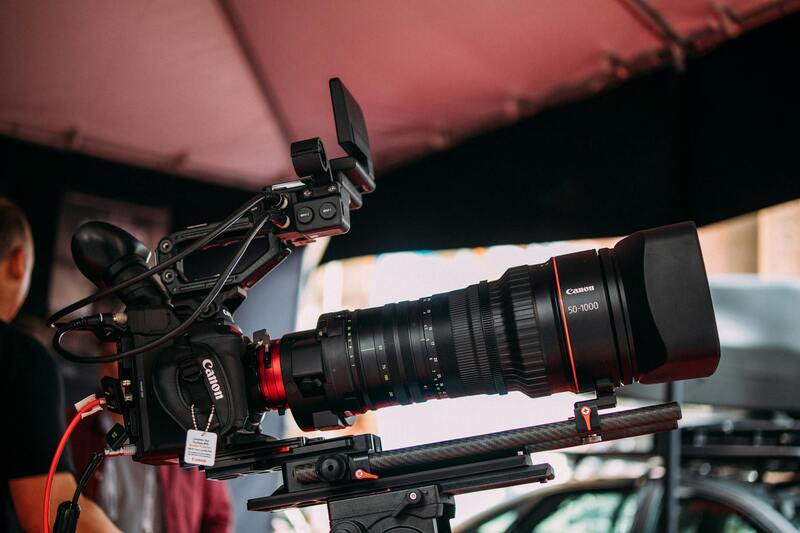
In addition to standard photography, many top photographers incorporate drone imagery to offer a bird’s-eye view of the property and the surrounding neighborhood. Aerial shots can dramatically enhance listings by illustrating property size, landscaping, proximity to local amenities, and neighborhood appeal. The use of high-resolution cameras ensures each detail is sharp, allowing viewers to appreciate the craftsmanship and design without compromise.
Staging and Post-Processing: Elevating Visual Appeal
Professional photographers understand the importance of meticulous staging and post-processing to craft images that are both realistic and enticing. While it is preferable to photograph a well-staged space, skilled photographers can also use digital enhancements to correct lighting, adjust color balance, and remove visual clutter, ensuring the focus remains on the property’s best features.
Post-processing techniques such as selective highlighting or shadow reduction can make rooms appear more spacious and inviting. Top-tier professionals also maintain a keen eye for color correction, ensuring that the images accurately reflect the property’s true aesthetic while making it more appealing to online viewers.
Quality Assurance and Consistency
Another hallmark of best real estate photographers is their commitment to consistency and quality assurance. They often follow strict workflows and quality control protocols to ensure each shot meets high standards before delivery. Consistency in lighting, color accuracy, and composition across a series of images helps create a professional and cohesive listing presentation.
Furthermore, top photographers keep abreast of industry standards and continuously update their equipment and techniques to adapt to evolving market demands. They also provide comprehensive consultations, pre-shoot planning, and post-shoot reviews with clients to align expectations and refine the visual strategy.
Impact of Professional Photography on Listing Performance
Investing in top-tier real estate photography can significantly influence the success of property listings in the Miami market. High-quality images serve as the primary visual hook for potential buyers scrolling through online listings, which constitute the first impression of a property. Listings with professionally captured photos tend to attract more views, generate increased engagement, and foster faster sales cycles. According to industry insights, homes presented with superior visuals are often able to command higher market prices and reduce time on the market, especially in competitive Miami neighborhoods where visual differentiation is key.
One reason professional photography elevates listing performance is its ability to highlight a property’s unique features and architectural details effectively. Skilled photographers understand how to utilize lighting, angles, and composition to make interior spaces appear more spacious, inviting, and well-lit. This visual storytelling helps prospective buyers envision themselves living in the space, creating an emotional connection that can lead to quicker offers.
In addition, professional images impact the perception of property value. Accurate color rendering, consistent lighting, and meticulous editing contribute to presenting the property in its best possible light while maintaining authenticity. This authenticity reassures buyers and stimulates greater interest, especially when combined with comprehensive online marketing strategies.
The role of professional photography extends beyond the online listing itself. With top-quality images, real estate agents can leverage various digital platforms, social media channels, and email campaigns to reach a broader audience. Enhanced visual content encourages sharing and word-of-mouth referrals, which are vital in Miami’s highly dynamic real estate landscape.
Furthermore, professional photographs serve as a foundation for creating high-impact marketing materials, such as brochures, virtual tours, and video presentations. These elements provide a multi-dimensional view of the property, allowing potential buyers to explore the space remotely with confidence. As a result, homes with professional imagery often experience increased foot traffic to showings and a higher likelihood of securing favorable offers.
Key Factors in Evaluating a Real Estate Photographer’s Impact
- Visual Consistency: Maintaining uniform lighting and style across all images ensures a cohesive and professional listing appearance.
- Detail Emphasis: Highlighting architectural features and unique selling points helps position the property as desirable and distinctive in Miami’s diverse neighborhoods.
- Speed and Reliability: Prompt delivery of high-quality images allows for swift marketing rollouts, crucial in fast-moving markets.
- Technological Proficiency: Mastery of advanced techniques such as drone photography, virtual staging, and HDR imaging enhances the final product’s quality and appeal.
- Client Collaboration: Effective communication and understanding of property goals ensure the imagery aligns with the seller’s and agent’s marketing strategies.

In summary, the impact of professional real estate photography on listing performance is profound. It influences not only initial interest but also the overall perception of the property’s value. For agents and sellers aiming to maximize their property’s market potential in Miami, partnering with experienced photographers capable of delivering consistent, compelling images is a strategic decision that yields tangible results across the sales process.
Enhancing Listings Through Strategic Use of Official Methods
When it comes to elevating real estate listings, leveraging only official and proven methods ensures consistency, professionalism, and legal compliance, all of which contribute to a successful marketing campaign. The cornerstone of such strategies includes employing vetted photography techniques, utilizing state-of-the-art equipment, and adhering to regional standards for real estate imagery.
Professional real estate photography involves more than just snapping pictures; it requires a detailed understanding of lighting, angles, and composition that conforms to established industry practices. High-quality equipment, such as DSLR or mirrorless cameras equipped with wide-angle lenses, ensures that images accurately depict the space without distortion, providing potential buyers with an authentic view of the property. Additionally, utilizing drones for aerial imagery is a method supported by regulations and best practices, offering a comprehensive perspective of larger properties and their surroundings.
Employing HDR (High Dynamic Range) imaging and virtual staging are also recognized as legitimate enhancements to property images, allowing photos to reflect true lighting conditions and help viewers visualize potential spaces. Virtual staging, when used appropriately, should complement physical staging efforts and adhere to transparency guidelines, ensuring prospective buyers are offered an accurate depiction of the property.
In addition to imaging, official methods include meticulous property preparation—cleaning, staging, and decluttering—to maximize the visual impact of photographs. These preparatory steps are supported by industry standards and practice guidelines, ensuring that the property presented aligns with the visual narrative created through photography.
Importance of Compliance with Regional Regulations
Adherence to regional laws governing drone usage and photography is fundamental. These regulations specify drone flight limits, no-fly zones, and privacy considerations that must be respected to avoid legal issues and ensure safety. Working with licensed drone operators who certify compliance with these standards guarantees that aerial images are obtained legitimately and ethically.
Similarly, image rights and intellectual property laws require that photographers retain rights to their work unless explicitly transferred, and that property owners give appropriate consent. Such practices foster transparent professional relationships and protect all parties involved.
Advantages of Utilizing Verified Photography Providers
Partnering with officially recognized professionals ensures that each step—from equipment use to image editing—follows industry best practices. Verified providers often have extensive experience navigating regional regulations, maintaining quality standards, and delivering timely results. This approach minimizes risks associated with subpar imagery, copyright disputes, or regulatory infractions that can hinder a property's marketing efforts.
In practice, the most effective real estate marketing in Miami involves a combination of official technical methods, compliance with regional guidelines, and strategic presentation. These elements work together to produce compelling visuals that resonate with potential buyers, improve listing visibility, and expedite sales, all while maintaining integrity and adherence to established standards.
Ensuring Ethical and Authentic Property Marketing Practices
In the highly competitive Miami real estate market, maintaining transparency and professionalism in marketing efforts is crucial. Utilizing official methods for capturing property images not only demonstrates integrity but also ensures compliance with regional standards and industry best practices. This commitment to authenticity is reflected in the choice of tools and techniques used by professional real estate photographers, which include state-of-the-art cameras, lighting equipment, and editing software approved for commercial property presentation.
One of the core aspects of legitimate real estate photography involves meticulous adherence to regional regulations and guidelines. This includes careful consideration of privacy laws, access permissions, and lease restrictions that may influence the scope of a photography session. Property owners should verify that their chosen photographer operates with proper authorization, using authorized equipment and techniques solely within the legal frameworks established by local authorities and industry standards.
In addition to legal compliance, proper licensing ensures that photographers have the necessary training and certification to handle specialized equipment, such as drones for aerial shots, safely and effectively. Certified drone operators follow established safety protocols and obtain the required permits, which are essential for capturing aerial imagery that complies with regional airspace regulations. This systematic approach not only guarantees the safety of all involved but also protects the integrity of the images produced.
Protecting Intellectual Property and Image Rights
Legitimate photography providers retain ownership of the images they produce unless explicitly transferred through contractual agreements. This practice safeguards both the photographer’s rights and the property owner’s interests by clearly defining the scope of image use, distribution, and reproduction. Ensuring that property owners understand the rights associated with images helps prevent potential disputes and facilitates legal compliance.
Property owners should request transparency regarding image rights and licensing conditions before engaging a photographer. Clear communication about permissible uses of the images, such as online listings or printed brochures, is fundamental to fostering trust and professionalism in the collaboration. This clarity ensures that the visuals serve their intended purpose without unintended legal complications or restrictions.
Staying Informed on Industry Standards and Updates
To effectively leverage legitimate photography methods, real estate professionals and property owners must stay updated on evolving standards and regional policies related to property imaging. Regular consultation with certified industry experts, attending relevant workshops, and reviewing official regulations help maintain a high standard of professionalism. This proactive approach ensures that marketing materials reflect the highest level of authenticity and compliance, thereby enhancing the credibility of listings and attracting serious buyers.