

Factors Influencing Real Estate Photography Pricing
Understanding the various elements that determine the cost of real estate photography is essential for both property owners and agents seeking high-quality visuals within their budgets. Several key factors influence the average price associated with real estate photography services, including the size of the property, its type, and the complexity of the shots required.
Firstly, the overall size of the property directly impacts the time and effort needed to capture comprehensive images. Larger homes, commercial properties, or multi-story buildings typically necessitate more extensive coverage, additional equipment, and longer shoot durations, which naturally elevate the cost. Conversely, smaller residences or apartments usually demand less time and resources, resulting in lower fees.
Next, the property type plays a significant role. Residential properties often require different photographic approaches compared to commercial or luxury estates. For example, luxury listings might involve specialized techniques, drone photography, or 3D virtual tours, all of which can add to the expense. Additionally, properties with unique architectural features or high-end finishes may require additional staging or post-processing, influencing the pricing structure.
Lastly, the complexity of the photography needed is a crucial consideration. Factors such as lighting conditions, the presence of interior furnishings, and the need for multiple angles or wide shots can extend the shoot time and editing process. Properties that demand evening shots, drone aerials, or HDR (High Dynamic Range) imaging often incur extra charges. Overall, a comprehensive understanding of these elements can help in estimating the typical costs and making informed decisions that align with the property's specific requirements.

Additional Factors to Consider
- Accessibility of the property and preparation requirements
- Required number of images and angles
- Post-production complexity
- Time sensitivity and delivery deadlines
Factors Influencing Real Estate Photography Pricing
When evaluating the costs associated with real estate photography, several key factors come into play that directly impact pricing structures. Understanding these elements ensures property owners and agents can make informed decisions and select appropriate service providers for their specific needs.
Property Size and Layout
The size of the property significantly affects the time and resources required for quality photography. Larger homes or commercial spaces require more extensive coverage, additional equipment such as wider lenses or drone footage, and longer shoot durations. Smaller apartments or condos typically demand less time due to their limited square footage, often resulting in more affordable rates. Moreover, complex layouts with multiple levels or unusual architectural features may necessitate specialized shooting techniques and additional post-production work, further influencing costs.
Type and Style of Property
The nature of the property plays a vital role in determining the pricing. Residential properties usually focus on interior shots and exterior views, while luxury listings might demand high-end features like aerial drone shots, 3D virtual tours, and immersive virtual staging. Commercial real estate, such as retail spaces or office buildings, often requires wide-angle shots to showcase large interiors and exterior facades, which can augment the overall expense. Properties with distinct architectural details or high-end finishes might also require more detailed staging and post-production editing.
Complexity of Photography Needs
The intricacy of a shoot influences pricing significantly. Lighting conditions, especially in properties with poor natural light or unique interior features, can stretch the duration and complexity of the shoot. Interior furnishings may require removal or additional lighting setups to achieve optimal results. Shots taken at different times of day, such as evening or twilight, call for specialized equipment like flash or drone lighting. Additionally, capturing a variety of angles, wide panoramic shots, and high dynamic range (HDR) images enhances visual appeal but adds to both the editing time and overall expense.
Accessibility and Preparation
Ease of access to the property, including the presence of security systems or strict entry protocols, can affect scheduling and costs. Properties needing extensive cleaning, staging, or rearrangement prior to photography will incur additional charges. Proper preparation ensures efficient productivity, but logistical efforts and time investments can influence the final pricing structure.
Number of Images and Angles Needed
Clients with specific marketing requirements often request multiple images from various angles to best showcase the property. The greater the number of photos and perspectives, the more time the photographer requires for shooting and editing. Clear communication regarding desired views helps manage expectations and align costs accordingly.
Post-Production and Delivery
Post-processing quality varies among providers, with some offering basic color correction while others include extensive retouching, virtual staging, or object removal. Complex editing tasks elevate the project costs, especially when rapid delivery is needed. Establishing a timeline for delivery can also influence pricing, with faster turnaround times typically incurring premium charges.
Time Sensitivity
Urgent requests or tight deadlines often justify higher fees, considering the additional resources required to meet accelerated schedules. Advanced booking and clear communication can help in aligning expectations without unnecessary expenses.
Factors Influencing Real Estate Photography Pricing
Understanding the various elements that impact the cost of real estate photography is essential for property marketers seeking high-quality visuals without overspending. Several key factors come into play, including the location of the property, its size, and complexity. Larger homes or commercial spaces typically require more extensive shoot plans, multiple angles, and more editing, which directly influence the overall cost. The photograph's purpose also matters—whether images are for MLS listings, luxury marketing, or virtual tours can determine the level of detail and post-production involved.
Accessibility plays a crucial role in setting prices, especially when properties have restricted access, security protocols, or require scheduled appointments outside normal hours. Properties needing extensive staging, cleaning, or rearranging prior to a shoot can incur additional charges, reflecting the extra logistical effort involved. Proper preparation not only affects the shoot's efficiency but also ensures high-quality outcomes, which can prevent costly reshoots or post-production corrections.
The number of images and the variety of perspectives requested will also influence costs. Marketing agents and homeowners should communicate their needs clearly beforehand to avoid unexpected expenses. For example, shooting multiple angles and detailed close-ups requires additional time and editing work, which adds to the overall project fee.
Post-production work often constitutes a significant portion of the service cost. Basic color correction may be included in standard packages, but complex editing—such as virtual staging, object removal, or HDR blending—demands more time and skill. The urgency of delivery further impacts pricing; expedited services typically come at a premium. When timelines are tight, photographers may allocate additional resources to meet deadlines, hence higher fees.
Typical Price Range for Real Estate Photography Services
Prices for real estate photography can vary widely based on the scope of the project, photographer experience, and geographic location. In Miami, a city known for its vibrant real estate market, the typical cost per property ranges broadly, accommodating different client needs and budget constraints.
- Entry-Level Packages: These may start around $100 to $200 for a basic set of high-resolution images of modest-sized properties. Usually, these packages include a limited number of photos—often 15 to 20—with simple editing and standard delivery times.
- Mid-Tier Services: Ranging from $200 to $500, these packages often feature a larger number of images, multiple angles, and enhanced editing options. Properties requiring virtual tours or drone shots may fall into this category, reflecting the added value and technical expertise involved.
- Premium Offerings: For high-end properties, luxury developments, or commercial spaces, prices can range from $500 to over $1,000 per shoot. These packages typically include extensive coverage, sophisticated editing, virtual staging, and rapid turnaround options, catering to professional marketing campaigns.
It’s important for clients to request detailed quotations tailored to their specific project needs. Transparent pricing helps avoid misunderstandings and facilitates choosing a service provider that aligns with both quality expectations and budget constraints.
Additional Costs and Service Upgrades
When evaluating real estate photography services, it's vital to consider optional add-ons that can significantly enhance marketing effectiveness. These enhancements often come with additional charges, but they can provide a competitive edge in listing presentations and online visibility.
- Drone Photography and Videography: A popular upgrade that captures sweeping aerial views of properties, especially valuable for large estates, waterfront homes, or commercial properties. This service typically incurs a fee ranging from $100 to $300 per session, depending on the complexity and flight requirements.
- 3D Virtual Tours: Immersive walkthrough experiences are increasingly expected in the real estate industry. Creating a 3D tour usually involves a setup fee plus an per-property charge, often between $200 and $500. This facilitates remote engagement for prospective buyers and allows for a more interactive viewing experience.
- Twilight and Sunset Images: These shots offer dramatic lighting that enhances the property's exterior appeal. The cost for twilight photography can add approximately $50 to $150 per shoot, depending on the number of images required and the time needed to capture optimal lighting conditions.
- Video Tours and Highlight Clips: Short promotional videos are effective tools for social media marketing. Producing high-quality video content might range from $300 to $1,000, based on length, editing complexity, and additional features like music or narration.
- Virtual Staging: Digitally furnishing empty spaces can significantly improve the property’s perceived value. Virtual staging services generally cost between $30 and $150 per image, making them a flexible option for customizing visual presentations without physical staging costs.
Impact of Experience and Equipment Quality on Pricing
The expertise of the photographer and the quality of equipment used play a crucial role in determining real estate photography costs. Seasoned professionals typically charge higher rates, reflecting their mastery of lighting, composition, and post-processing techniques that produce compelling images. Their investment in high-resolution cameras, wide-angle lenses, drone technology, and editing software ensures superior image quality, which can lead to faster sales and higher property valuations.
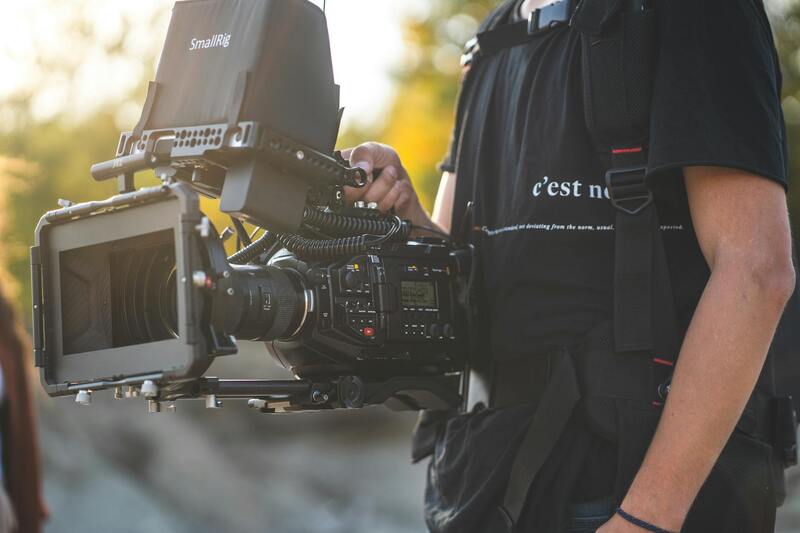
Moreover, the utilization of advanced equipment—such as stabilizers for smooth drone footage or 4K cameras for detailed imagery—contributes not only to the final product's aesthetic but also to the overall project cost. Clients seeking a premium presentation should consider these factors an investment in their property's marketing success. Choosing a photographer with a proven track record of working within the real estate sector often results in more efficient workflows and better tailored visual content.
Cost Comparison with Other Markets and Agencies
Real estate photography prices can vary considerably across different geographic markets and service providers. While Miami's vibrant real estate scene tends to feature higher rates due to its competitive market and luxury property segment, other regions may offer more budget-friendly options. For example, smaller markets or agencies with less specialization often price services lower, but potential differences in image quality and turnaround times should be carefully assessed.
Compared to national averages, Miami's pricing models align with the premium segment, primarily because of the high demand for high-quality visual content and the demand for rapid and versatile delivery options. Larger agencies that serve high-end properties tend to implement bundled pricing packages that include a combination of images, videos, virtual tours, and promotional materials, with costs reflecting the scope and sophistication of services provided.
Clients should evaluate multiple quotes, considering not only the price but also the portfolio quality, technical capabilities, and client reviews to select a provider that offers optimal value aligned with their marketing goals. Understanding regional pricing nuances can help property owners and marketers make informed decisions that balance budget constraints with the desired property presentation quality.
Impact of Experience and Equipment Quality on Pricing
In the competitive realm of Miami real estate marketing, the proficiency of the photographer and the caliber of equipment employed are pivotal elements influencing pricing structures. Seasoned photographers with extensive local market knowledge and a refined artistic eye command higher fees, reflecting their ability to capture compelling images that elevate property appeal and attract potential buyers or tenants. Advanced editing skills further enhance the visual impact of real estate photos, ensuring images are polished and aligned with modern aesthetic standards.
High-end equipment, including professional-grade DSLRs, wide-angle lenses, drone technology, and specialized lighting setups, also contributes significantly to cost variations. These tools enable photographers to produce high-resolution, distortion-free images, and dynamic virtual tours that resonate with upscale clientele seeking premium property presentations. The investment in such equipment entails not only upfront costs but ongoing maintenance and upgrades, factors that are typically reflected in service fees.
Typical Price Range for Real Estate Photography Services
In Miami, the average price for a standard real estate photography package generally falls within a broad spectrum, influenced by the scope of services, photographer experience, and property size. For smaller or less complex properties, prices can start at approximately $150 to $300 for a basic session, which typically includes a set number of high-resolution images and simple post-processing. Conversely, larger homes or luxury estates demand more extensive shoots, often priced between $500 and $1,000 or higher, incorporating HDR techniques, twilight imagery, and detailed editing.
The price structure may also scale according to property features such as indoor and outdoor shots, drone footage, and virtual tours. Some agencies offer tiered packages, enabling clients to select services aligned with their marketing strategies and budget constraints. For high-end Miami listings, investing in comprehensive visual content can be instrumental in differentiating the property in a competitive market, justifying premium pricing.
Pricing Models Used by Photography Agencies
Real estate photography providers in Miami typically adopt several pricing models, facilitating flexibility to meet diverse client needs. The most common approach is the flat-rate fee, where clients pay a predetermined amount based on the scope of work, such as the number of images, property size, or location. This model provides transparency, allowing property owners to budget effectively without surprises.
Another prevalent model is hourly billing, ideal for properties requiring extensive shoots or customized services such as drone footage or virtual tours. Hourly rates usually range from $75 to $200, depending on the photographer’s experience and equipment sophistication. Some agencies also employ package deals, bundling multiple services—such as photos, videos, and virtual tours—into comprehensive offerings at a set price, which can be advantageous for clients seeking all-in-one solutions.
Additional Costs and Service Upgrades
Besides base fees, clients should anticipate potential additional costs for specialized services or upgrades. These include twilight photography, which captures properties during sunset to produce dramatic visuals, often priced between $50 and $150 per image. Drone footage and aerial shots can add $200 to $500 or more, reflecting equipment costs and required licensing or permits.
Other service enhancements such as virtual tours, 3D walkthroughs, or custom editing add value but can elevate overall costs. Turnaround times may also influence pricing; expedited delivery options—often within 24 to 48 hours—may incur additional charges. It is crucial for clients to clarify these potential expenses beforehand to ensure pricing transparency and alignment with marketing goals.
Factors Influencing Real Estate Photography Pricing
Several key elements determine the cost of real estate photography services, especially in vibrant markets like Miami. Location remains a significant factor, with properties in high-demand neighborhoods typically attracting higher service fees due to increased competition and market expectations. The size and complexity of the property also influence pricing; larger estates or commercial buildings require more extensive shoots, additional equipment, and longer setup times, all contributing to higher costs. Additionally, the condition and presentation of the property—such as the need for staging or cleaning up clutter—can impact pre-shoot preparation, indirectly affecting pricing.
Market seasonality plays a role as well; during peak real estate seasons, demand for professional photography escalates, often leading to premium rates. Photographers in Miami may adjust their fees based on tourist influx periods or local events that elevate property exposure needs. Furthermore, the type of photography required influences cost. Standard interior and exterior shots have baseline prices, but specialized services like twilight shots, drone aerial photography, or virtual staging tend to carry supplementary charges. The specific needs of the listing, combined with client expectations around image quality and delivery timelines, shape overall pricing strategies.
Typical Price Range for Real Estate Photography Services
In Miami, the typical price for standard real estate photography services falls within a range of $100 to $300 per property. This fee generally includes a set number of images—often between 15 to 30—captured using high-resolution cameras optimized for real estate marketing. For smaller residential properties, clients might expect rates closer to the lower end of this spectrum, while larger or more luxurious properties might incur higher fees. Commercial properties or multi-unit apartments often see prices starting at around $300 due to the increased scope and detail required.
Package deals are common, offering discounts for bundled services such as photos combined with virtual tours, twilight shots, or drone footage. These packages can range from $300 to over $1,000, providing clients comprehensive marketing assets for a competitive price point. The final costs depend on the scope of the project, required editing, and turnaround times. Clients should carefully review service options to ensure they receive high-quality images that meet their specific marketing goals without exceeding their budgets.
Pricing Models Used by Photography Agencies
Photography agencies often utilize flexible pricing models tailored to the client’s specific needs and property types. Flat-rate pricing is common for standard packages, providing transparency and predictability for clients. These rates typically cover a set number of images and preparation time, making budgeting straightforward. Hourly rates are also popular—ranging from $75 to $200—allowing for customized services where additional shoot time or post-processing is needed.
Service bundles are another prevalent approach, combining photography with virtual tours, drone footage, and professional editing. These packages often provide better value and streamline the booking process for real estate professionals seeking multiple media assets. Some agencies also offer tiered pricing, where basic packages include essentials, and premium packages encompass advanced services like specialized lighting, 3D walkthroughs, or expedited delivery, meeting diverse marketing strategies across different property segments.
Additional Costs and Service Upgrades
Apart from the base fee, clients should anticipate potential extra charges for specialized services. Twilight photography, which captures the property during sunset for a striking visual effect, may add between $50 and $150 per image. Drone footage and aerial imaging typically add $200 to $500, reflecting both equipment costs and necessary flight permits. These costs can vary based on the complexity and duration of the shoot.
Enhanced services such as virtual tours, 3D walkthroughs, or advanced editing further elevate the property's market presentation but come with additional fees. Turnaround times are also a variable; expedited delivery within 24 to 48 hours can incur premiums to meet urgent marketing deadlines. Clearly discussing these potential charges upfront ensures comprehensive understanding and aligns expectations for the property's promotional campaign.
Factors Affecting Price Fluctuations Over Time
Real estate photography prices are dynamic and can fluctuate based on various factors. One significant aspect is seasonal demand; peak moving seasons such as spring and summer often see increased competition among photographers, which can sometimes lead to higher prices due to increased demand. Conversely, during off-peak times, agencies may offer discounts or promotional rates to attract clients, making this period potentially more cost-effective.
Regional economic conditions also influence pricing. In booming markets like Miami, where real estate activity remains high, photographers might charge premiums reflective of the local market's vigor. Additionally, the influx of new professionals entering the market can temporarily lower prices, but as reputation and service quality improve, rates tend to stabilize at higher levels.
Technological advancements contribute to pricing shifts as well. As new equipment such as high-end drones or 4K cameras become more accessible, some photographers incorporate these tools to enhance service offerings, which can either lead to higher charges for their use or lower costs if the technology reduces the need for multiple shots or extensive editing. Additionally, the rise of virtual tours and 3D walkthroughs has expanded the scope of real estate media, compelling agencies to adjust their pricing models accordingly.
The complexity and scope of each project also play crucial roles. A standard exterior and interior shoot might cost less than a comprehensive package that includes aerial shots, twilight images, and virtual tours. When properties require unique features like custom staging, luxury finishes, or challenging lighting conditions, photographers may adjust their pricing to accommodate these additional complexities.
Factors Influencing Real Estate Photography Pricing
Several key elements contribute to the overall cost of professional real estate photography services. Understanding these factors enables property owners and real estate professionals to better anticipate expenses and select appropriate service providers.
- Property Size and Complexity: Larger residences or properties with intricate architectural details require more extensive shoots, additional equipment, and editing efforts, which can significantly impact the final price.
- Scope of Service: Basic interior and exterior photos typically cost less than comprehensive packages that include aerial shots, twilight photography, virtual tours, or 3D walkthroughs. The more diverse the media offerings, the higher the cost.
- Timing and Conditions: Shooting during optimal lighting conditions, such as golden hour, or in challenging weather, often necessitates flexible scheduling, additional shoots, or specialized equipment, influencing overall fees.
- Location and Accessibility: Properties located in remote or difficult-to-access areas may incur additional travel expenses or logistical costs, which can elevate the price.
- Post-Production Requirements: Extensive editing, retouching, or virtual staging can add to the overall expense, especially for high-quality, polished presentations.
Typical Price Range for Real Estate Photography Services
In the Miami area, the average price for real estate photography generally falls within a range that accommodates various property types and service levels. Basic photo sessions for smaller homes or apartments often start at approximately $150 to $250. These packages typically include a set number of interior and exterior images suitable for online listings.
For mid-sized properties, comprehensive packages encompassing multiple angles, editing, and possibly some virtual staging may range from $250 to $500. Luxury homes, estates, or properties requiring specialized shots—such as aerial drone imagery, twilight shots, or 3D tours—can see prices escalate beyond $500, often reaching up to $1,000 or more depending on the scope.
Pricing Models Used by Photography Agencies
Agencies and individual photographers generally adopt one of several pricing models to structure their services. The most common include:
- Flat Rate Pricing: A single price for a package that covers a specific set of deliverables, providing simplicity and transparency for clients.
- Per Photo Pricing: Charging based on the number of images delivered, offering flexibility for clients with particular needs.
- Hourly Rates: Billed by the hour, typically used for complex or last-minute projects where scope might vary.
The choice of pricing model impacts overall costs and client experience, with many top-tier providers favoring flat rates for clarity and consistency.
Additional Costs and Service Upgrades
Beyond standard photographs, clients can opt for various upgrades that influence total expenses. These include:
- Aerial Drone Photography and Videos
- Twilight or Sunset Photos
- Virtual Tours and 3D Walkthroughs
- Virtual Staging or Post-Production Enhancements
- Feature-Specific Shots (e.g., swimming pools, custom interiors)
Each upgrade adds value to listings, but also contributes to the final pricing, allowing clients to customize packages based on their marketing strategy and property appeal.
Impact of Experience and Equipment Quality on Pricing
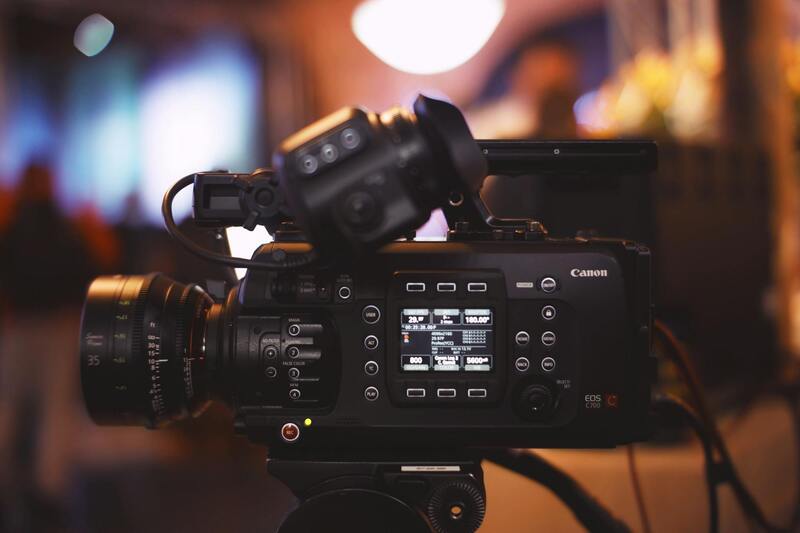
Experience levels and equipment sophistication heavily influence service costs. Seasoned professionals with a strong portfolio, advanced camera gear, drones, and editing software justify higher prices due to their ability to produce superior imagery quickly and consistently. Additionally, providers with specialized skills, such as drone operation or twilight photography expertise, may command premium rates.
Cost Comparison with Other Markets and Agencies
While Miami's real estate market tends to demand higher photography rates due to its luxury property sector, comparing costs across regions reveals variations driven by local economic factors, property values, and market demand. Larger metropolitan areas with high property prices often see providers charging more, reflecting the need for high-end media to match property appeal.
Conversely, smaller or emerging markets might offer more competitive rates, though service quality can vary. When selecting a provider, balancing cost with experience, equipment quality, and offered services ensures effective property marketing.
Tips for Budgeting and Negotiating Fees
Effective budgeting involves understanding the scope of desired services and exploring package options. Clear communication about property specifics and listing goals helps photographers tailor offerings that fit budget constraints while maintaining quality. Negotiation can be facilitated by requesting bundled services, multi-property discounts, or volume-based pricing for repeated collaborations.
It's also wise to request detailed quotes that itemize individual costs for each service component, allowing for informed decisions and adjustments if necessary.