

Overview of Aerial Real Estate Photography
In the competitive landscape of the property market, capturing the essence and appeal of a real estate listing requires innovative approaches. Aerial real estate photography has emerged as an invaluable tool for showcasing properties from unique perspectives, providing potential buyers with comprehensive views that ground-level photos often cannot achieve. Utilizing aircraft, drones, or other aerial platforms, professional photographers are able to illustrate a property's location, surrounding neighborhood, and architectural details with clarity and impact.
This photography genre not only highlights the physical attributes of a property but also creates a compelling visual narrative that aids in attracting serious buyers and boosting online engagement. The ability to present a property’s entire footprint, landscape features, and proximity to amenities from above allows real estate professionals to differentiate their listings in a crowded market. As the demand for high-quality visual content continues to grow, aerial real estate photography has become an essential component of effective marketing strategies.
High-resolution aerial imagery offers detailed, expansive views that often reveal spatial relationships and property scale in ways that ground-based photographs cannot fully portray. Cameras mounted on drones or aircraft can capture images at various altitudes and angles, enabling agents and sellers to highlight the property’s best features while providing viewers with a sense of place. This comprehensive presentation significantly enhances the attractiveness of listings and can lead to faster sales at favorable prices.
Advantages of Using Aerial Photography in Real Estate
- Enhanced Property Visibility: Aerial shots provide stunning, wide-angle views that highlight the property's unique features, layout, and surrounding landscaping, making listings more eye-catching online.
- Showcase Location and Neighborhood: Potential buyers can better understand the property's position within its community, proximity to schools, parks, and main roads, which are critical factors in decision-making.
- Distinguish Listings: Offering high-quality aerial images helps real estate professionals stand out in listings, attracting more inquiries and increasing engagement through online platforms.
- Assist in Marketing Campaigns: Aerial photographs can be integrated into virtual tours, social media campaigns, and printed marketing materials, enhancing overall presentation.
- Facilitate Accurate Site Planning: These images assist architects, contractors, and developers in assessing site topography, planning extensions, or renovations effectively.
Legal and Safety Considerations in Aerial Photography
Engaging in aerial real estate photography requires adherence to official procedures designed to ensure safety and compliance. Operators must be familiar with airspace regulations, including restrictions around airports, urban areas, and sensitive zones. Ensuring proper authorization from relevant authorities prevents potential conflicts and operational disruptions.
Professional aerial photographers employ strict safety protocols, including maintaining safe distances from structures and people, conducting thorough equipment checks, and implementing flight planning to mitigate risks. Using certified and well-maintained equipment reduces the chances of technical failures, ensuring that the aerial captures are both high-quality and safe.
Types of Aerial Equipment and Techniques
Different tools are utilized for capturing aerial imagery, ranging from traditional aircraft to innovative drones. Each offers specific benefits based on the project scope, budget, and desired imagery quality.
- Fixed-wing Aircraft: Suitable for large-scale projects, providing extended flight times and stable platforms for high-altitude shots, often used for extensive property developments or land assessments.
- Helicopters: Offer flexible flight paths and rapid deployment, ideal for diverse angles and detailed shots in complex locations.
- Drones: The most accessible option for real estate photography, providing high-resolution imaging with multi-directional capabilities, cost-effective, and capable of capturing dynamic angles at lower altitudes.
Techniques such as panoramic stitching, HDR imaging, and time-lapse are often employed to enhance visual appeal. Advanced stabilization systems ensure sharp images even in windy conditions, making drones and aircraft essential tools for professional aerial photography.
Legal and Safety Considerations in Aerial Photography
Engaging in aerial real estate photography requires adherence to precise operational standards that ensure safety, professionalism, and image quality. When conducting aerial shoots, it is essential to implement comprehensive flight planning, which involves assessing weather conditions, potential airspace restrictions, and surrounding environment to minimize risks. Preparing detailed flight paths helps maintain control over the aircraft or drone, ensuring stability and security throughout the operation.
Operators should always perform thorough equipment inspections before each use. This includes checking battery levels, firmware updates, propeller integrity, and GPS connectivity. Utilizing well-maintained and certified hardware greatly reduces the likelihood of technical failures that could compromise safety or result in subpar imagery.
Managing flight altitude and respecting privacy boundaries are fundamental aspects of responsible aerial photography. Maintaining a safe distance from structures, power lines, and inhabited areas not only prevents accidents but also aligns with best practices for minimizing disruptions. Moreover, having a clear understanding of local airspace regulations and obtaining necessary permissions or notices ensures smooth operations without interference from authorities.
For drone operators, obtaining the appropriate certifications and licenses is a crucial step. These credentials verify adherence to operational standards and reaffirm commitment to safe flying practices. Using robust safety features such as automatic return-to-home, obstacle detection, and geofencing further reinforces safety protocols and prevents unintended incursions.
Best Practices for Safe and Effective Aerial Property Photography
- Conduct pre-flight risk assessments to identify potential hazards.
- Ensure all equipment is calibrated and functioning optimally before each shoot.
- Always comply with airspace regulations and obtain necessary permissions when required.
- Maintain situational awareness, especially in busy or complex environments.
- Implement emergency procedures to respond swiftly to technical issues or unexpected disturbances.
- Document flight plans and safety checks for accountability and continuous improvement.
By following these official safety measures, aerial real estate photographers can produce high-quality visuals while maintaining a secure environment for everyone involved. Combining these practices with advanced equipment and responsible flight planning results in stunning imagery that elevates property marketing efforts, with minimized operational risks.
Legal and Safety Considerations in Aerial Photography
Operating aerial cameras for real estate purposes in Miami demands adherence to a comprehensive set of official procedures and safety protocols. It is imperative to understand the local airspace management system and secure all necessary clearances before conducting any flight operations. This includes notifying relevant municipal authorities and complying with specific stipulations set forth for commercial drone activities, especially those involving aerial property showcases.
Equipping drones with advanced safety features such as obstacle avoidance, automatic return, and geo-fencing helps mitigate potential risks during flights. Regular maintenance and calibration ensure the equipment functions optimally, reducing technical failures that might compromise safety or image quality. Establishing a clear understanding of altitude limits, flight zones, and restricted areas—such as near airports or military installations—constitutes a core part of operational planning.
Furthermore, maintaining detailed documentation of flight plans, safety checks, and permissions enhances accountability and supports smooth operations. Implementing emergency protocols, including immediate landing procedures and communication plans, minimizes disruptions and safeguards both personnel and property. These carefully observed procedures affirm a commitment to responsible flying that aligns with official standards and reinforces the integrity of aerial real estate marketing efforts.

Respecting privacy regulations is also crucial; photographers should avoid capturing images that could infringe on individual privacy rights or property boundaries without proper consent. This professionalism ensures a positive reputation and seamless integration into marketing campaigns, reflecting diligence and commitment to quality.
By following these official procedures and safety measures, aerial real estate professionals can produce compelling visual content while maintaining a secure, organized operational environment. The combination of detailed planning, responsible practices, and advanced technology underpins the creation of stunning imagery that captivates prospective buyers and boosts property visibility in Miami’s competitive market.
Types of Aerial Equipment and Techniques
Successfully capturing a property from the air requires an understanding of the diverse range of aerial equipment and the specific techniques employed to optimize image quality. The most common tools are unmanned aerial vehicles (UAVs), or drones, equipped with high-resolution cameras capable of delivering detailed imagery essential for real estate marketing. These drones vary in size, flight capabilities, and camera specifications, allowing professionals to tailor their equipment to specific property features and lighting conditions.
When choosing the right drone, considerations include flight stability, camera gimbal systems, and payload capacity. Professional-grade drones often utilize 3-axis gimbals to ensure steady shots, even in windy conditions. This stability is vital for capturing sharp, cinematic images that highlight a property's unique aspects, from sprawling landscapes to intricate architectural details.
Operational techniques encompass various flight patterns designed to maximize perspective and composition. For instance, circular or orbit shots provide a comprehensive view of the property while maintaining a consistent focal point. Elevated hovering offers overhead shots that showcase property layout and surrounding amenities, making them ideal for marketing materials. Transitioning smoothly between different altitudes and angles helps create a dynamic visual narrative of the estate.
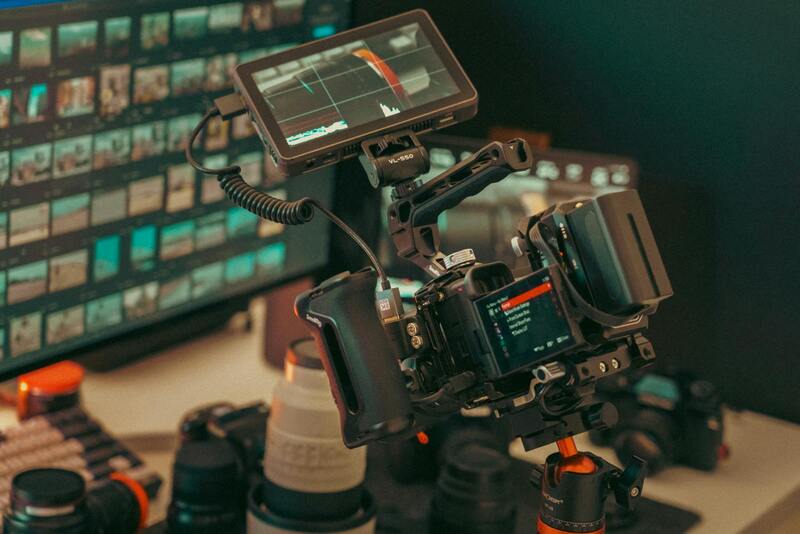
In addition to drones, some professionals utilize tethered aerial systems or stabilized camera mounts on manned aircraft for larger-scale projects and unique angles. These methods expand creative options, allowing for diverse shot compositions that highlight a property's most appealing features. Mastery of these equipment types and techniques ensures the production of captivating visuals that stand out in the competitive Miami real estate market.
Best Practices for Aerial Property Photography
To produce high-quality aerial images, practitioners adhere to a set of best practices rooted in technical precision and professionalism. Pre-flight planning is crucial, involving site assessments to identify potential obstacles, light conditions, and any specific areas requiring emphasis. This preparation ensures safety and optimizes shot composition.
During shooting, maintaining a steady altitude and smooth movement is fundamental. Drone pilots should employ techniques such as gentle curves and consistent speeds to avoid blurry or jarring footage. Frequent checks of camera settings, including resolution, exposure, and framing, guarantee the clarity and appeal of each shot. Post-flight, thorough editing enhances the images' visual impact, balancing brightness, contrast, and color saturation to reflect the property's true character.
Effective integration of aerial imagery into property listings involves considering how these visuals support storytelling. Combining wide-angle drone shots with ground-level photographs provides a comprehensive view that appeals to prospective buyers. Utilizing various flight perspectives enables real estate agents to showcase both the scope and finer details of a property, thereby increasing viewer engagement and enhancing marketing effectiveness.
Integrating Aerial Photos into Real Estate Marketing
The inclusion of high-quality aerial photographs significantly elevates the presentation of Miami's real estate listings. These images can be incorporated across multiple platforms, including online listings, virtual tours, and promotional brochures. The visual impact of aerial shots helps to draw immediate attention and convey the property's scale and surroundings effectively.
Moreover, aerial imagery can be strategically placed to highlight proximity to key amenities such as beaches, parks, and commercial districts — features highly valued in the Miami market. These perspectives establish an emotional connection and help prospective buyers envision living in the space.
Professional-grade aerial visuals also support branding efforts, lending a modern, sophisticated feel to marketing campaigns. When combined with compelling storytelling and precise property details, such images contribute to higher conversion rates and a competitive edge in the real estate landscape.
Legal and Safety Considerations in Aerial Photography
Executing aerial real estate photography requires adherence to specific policies and protocols that ensure safety and operational integrity. Operators must conduct thorough weather assessments to prevent flight disruptions caused by adverse conditions such as high winds or precipitation. Selecting appropriate times of day, usually with optimal lighting conditions, not only enhances image quality but also minimizes safety risks during drone operation.
Pre-flight site evaluations are crucial, particularly in densely built environments or areas with obstructions. This proactive approach helps identify potential hazards like power lines, trees, or other structures that could interfere with drone flight paths. Marking these hazards and establishing clear flight plans ensures smooth maneuvers and prevents accidents.
Strict adherence to altitude regulations safeguards both the drone and people in the vicinity. Flying at designated heights maintains a safe distance from individuals and property while abiding by operational guidelines. Maintaining a safe distance from the property itself prevents drone mishaps that could damage the asset or cause safety concerns.
Operators should always be equipped with reliable communication devices to maintain contact with team members or emergency services if needed. Additionally, continuously monitoring drone battery levels is vital to prevent in-flight power failures.
Moreover, certified and experienced pilots play a key role in managing operational risks. They are trained to handle unexpected circumstances and enforce best practices during shoots. This professionalism ensures that aerial capturing sessions are conducted responsibly, emphasizing the importance of technical expertise in producing high-quality visuals.
Legal and Safety Considerations in Aerial Photography
When conducting aerial real estate photography, it is crucial to follow established procedures to ensure both operational efficiency and safety. These procedures involve meticulous planning, understanding airspace policies, and employing responsible flying practices that prioritize safety and quality.
One fundamental aspect is securing the necessary permissions and adhering to designated airspace protocols. Drone operators should conduct thorough pre-flight assessments that include reviewing local restrictions, no-fly zones, and temporary flight restrictions that might be in place around sensitive areas or during special events. This preparation helps prevent inadvertent violations and promotes seamless operations.
Safety begins with a comprehensive site evaluation. This includes identifying potential hazards within the vicinity—such as overhead wires, tall trees, construction sites, or other structures—that could interfere with drone flights. Marking these hazards and planning flight paths around them ensures a smooth operation while mitigative measures are in place.
Altitude control is another key factor. Maintaining proper flight altitudes prevents unintentional encroachments into protected zones around buildings or utilities. Flying within prescribed height limits assists in keeping a safe distance from the property and surrounding infrastructure, reducing risk to property and people.
Effective communication systems are essential for aerial shoots. Drone operators should utilize reliable radio or wireless communication to stay in contact with team members, ground personnel, and emergency services if required. Monitoring battery life and signal strength throughout flight operations helps prevent unexpected power losses or loss of control.
Furthermore, experienced drone pilots certified in aerial photography understand how to adapt quickly to unforeseen circumstances. Their skills enable them to handle unexpected weather changes, equipment malfunctions, or aerial obstructions with confidence. Adhering to best practices demonstrates a commitment to responsible operation, ensuring high-quality visual outputs without compromising safety.
Implementing strict operational protocols—including pre-flight checklists, real-time monitoring, and post-flight review—further enhances safety and efficiency in aerial real estate photography. These standards help minimize risks, maintain equipment integrity, and produce premium visual content that meets industry expectations.
Overview of Aerial Real Estate Photography
Aerial real estate photography leverages aerial imaging technology to capture expansive, high-quality visuals of property listings. This approach provides a comprehensive perspective, showcasing both the property and its surrounding environment, such as landscaping, amenities, and proximity to local attractions. Using specialized aircraft, including drones, fixed-wing aircraft, or helicopters, professionals can obtain dynamic shots that traditional ground-based photography cannot achieve. The key benefit lies in delivering visually compelling images that attract potential buyers by highlighting unique property features and enhancing online listings' appeal.

Advantages of Using Aerial Photography in Real Estate
- Enhanced Property Visualization: Aerial shots reveal the full extent of land parcels, outdoor spaces, and neighborhood layouts, providing clarity that ground-level photos may miss.
- Improved Marketability: Stunning aerial visuals create standout listings, capturing attention across digital platforms and increasing potential buyer engagement.
- Highlighting Unique Features: Elevated perspectives emphasize architectural elements, landscape features, and amenities such as pools, gardens, or waterfront access.
- Contextual Location Insights: Aerial images contextualize properties within their surroundings, demonstrating proximity to schools, parks, transportation routes, and commercial centers.
- Time Efficiency: Aerial flights can quickly capture multiple angles and expansive views, reducing the need for extensive ground photography and staging.
Legal and Safety Considerations in Aerial Photography
Ensuring responsible operation involves adherence to established protocols, such as obtaining permissions for flight zones, respecting airspace restrictions, and implementing safety procedures during flights. Pre-flight planning includes assessing weather conditions, verifying equipment functionality, and mapping the flight path to avoid sensitive areas. Operators should maintain clear communication with team members, monitor battery life and signal strength, and be prepared to handle unexpected circumstances. Utilizing experienced pilots with proper certification ensures operational safety, minimizing risks and safeguarding property, personnel, and the surrounding environment.
Types of Aerial Equipment and Techniques
Persuasive aerial photography relies on a range of sophisticated tools, primarily drones equipped with high-definition cameras. Multi-rotor drones are popular for their maneuverability and ability to capture steady, detailed shots at various angles. Fixed-wing aircraft may be employed for larger-scale surveys or expansive property listings, providing broader coverage with longer flight times. Techniques such as panoramic stitching and 4K video footage can be employed to craft immersive virtual tours. Flight parameters, including altitude, speed, and camera settings, are optimized based on the property size and desired visual effects to produce compelling imagery.
Best Practices for Aerial Property Photography
- Pre-Flight Setup: Conduct thorough equipment checks, review weather forecasts, and plan flight trajectories to maximize safety and image quality.
- Optimal Timing: Schedule shoots during periods of consistent lighting, typically early morning or late afternoon, to achieve natural, even illumination.
- Angle and Composition: Use a variety of camera angles and altitudes to showcase different aspects of the property, including aerial shots from multiple perspectives and heights.
- Post-Processing: Utilize professional editing techniques to enhance color grading, correct distortions, and ensure consistency across visuals.
- Client Collaboration: Engage with clients to understand the key features they wish to highlight and tailor the aerial imagery accordingly.
Integrating Aerial Photos into Real Estate Marketing
Effective incorporation of aerial imagery into marketing efforts involves strategic placement across online and offline channels. High-resolution images and videos can be integrated into property websites, virtual tours, social media campaigns, and digital advertisements to attract broader audiences. Coupled with compelling descriptions, aerial visuals emphasize the property's unique selling points and create an engaging narrative. Additionally, aerial footage can be used in virtual open houses or 3D walkthroughs, providing potential buyers with immersive experiences that influence their purchasing decisions. Maintaining consistency in image style and quality across marketing assets helps reinforce brand credibility and enhances overall listing appeal.
Future Trends in Aerial Real Estate Photography
As the landscape of real estate marketing continues to evolve, aerial real estate photography is poised for significant advancements driven by technological innovations and shifting consumer expectations. Drone technology is becoming increasingly sophisticated, offering higher-resolution imaging, longer flight times, and enhanced stabilization systems that produce ultra-sharp, cinematic visuals. These improvements enable real estate professionals to capture more dynamic and immersive aerial perspectives, including 4K or even 8K video content that can highlight a property's layout, surroundings, and unique features with exceptional clarity.
Moreover, the integration of real-time data and AI-driven editing tools will streamline post-production workflows, allowing for rapid deployment of visually compelling marketing materials. This can include automated color correction, object removal, and geolocation tagging, which ensure that visuals are both accurate and captivating. As a result, real estate listings will benefit from more polished, professional imagery that resonates with potential buyers.
In addition to technological progress, marketing strategies are shifting towards increasingly immersive experiences. Virtual reality (VR) and augmented reality (AR) platforms are being integrated with aerial footage to create virtual tours that offer potential buyers a 360-degree view of properties from a bird’s-eye perspective. These technologies facilitate remote viewing options, expanding reach to a broader audience, including international investors and buyers seeking properties from afar.
Furthermore, the use of artificial intelligence in analyzing aerial images can provide actionable insights, such as assessing property boundaries, identifying landscape features, or estimating property dimensions. This data-driven approach enhances precision in marketing materials and can streamline decision-making processes for buyers and agents alike.
As environmental consciousness grows, there’s also an increasing emphasis on sustainable practices in drone operations, including quieter propulsion systems and eco-friendly batteries. These innovations not only minimize the ecological footprint but also improve the overall confidence consumers have in aerial services when used responsibly.
Finally, the development of smarter drones equipped with obstacle avoidance, automatic flight planning, and autonomous capture capabilities will make aerial photography more accessible and efficient. This democratization of advanced equipment means more real estate professionals and photographers will be able to produce high-quality visuals without extensive technical expertise, broadening the availability of stunning aerial content in the real estate market.