

Benefits of Drone Photography in Real Estate
In the highly competitive real estate market, visual presentation of properties plays a crucial role in attracting potential buyers and closing deals faster. Drone photography has emerged as a vital tool that enhances property listings by providing captivating aerial images and videos that showcase the entire scope of a property’s features in ways traditional methods cannot match.
One of the primary advantages of incorporating drone photography into real estate marketing is its ability to significantly boost property visibility. High-resolution aerial images captured from various angles can highlight a property’s unique characteristics, such as expansive yards, swimming pools, or scenic surroundings, which might be less noticeable in ground-level shots. When these striking visuals are featured on online listings and marketing materials, they draw more attention from prospective buyers and encourage increased engagement.
Furthermore, drone imagery adds a layer of depth and perspective that can help potential buyers envision themselves in the space. Instead of static, two-dimensional photos, dynamic aerial videos allow viewers to experience the property’s layout, proximity to amenities, and surrounding environment more comprehensively. This holistic view can foster a better understanding of the property’s context within its neighborhood, making listings more compelling and informative.
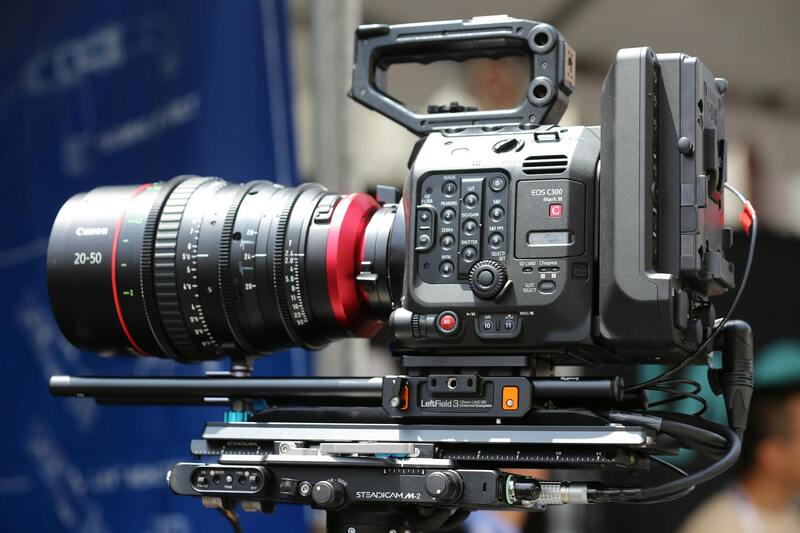
Another critical benefit is how drone visuals can be used to highlight property scale and landscape features. For large estates, commercial properties, or plots of land, ground photos may not convincingly convey the size or terrain. Aerial shots, however, can visually communicate the scale, relationships between structures, and landscape features, providing potential buyers with a clearer understanding of the property's value.
In addition to attracting more viewers, the use of drone photography in listings can accelerate the sales process. By offering comprehensive visuals and immersive experiences, properties tend to generate higher interest, leading to quicker negotiations and closed deals. This increased efficiency benefits realtors and sellers alike, establishing a reputation for innovative marketing and increasing competitive advantage.
Overall, integrating drone photography into real estate marketing strategies transforms traditional property presentation into a more engaging and informative experience. It captures the imagination of prospective buyers, setting listings apart from competitors and fostering faster, more confident purchasing decisions.
Strategies for Compliant Drone Photography in Real Estate Marketing
To maximize the effectiveness of drone photography for realtors while adhering to official standards, it is essential to employ proven operational practices. This begins with securing the necessary authorizations from relevant authorities, which typically involve detailed planning and documentation. A comprehensive flight plan accounts for airspace classifications, local regulations, and specific property coordinates, reducing the likelihood of disruptions. Prior to each shoot, thorough pre-flight checks are fundamental. These include inspecting drone hardware for safety, calibrating sensors, and verifying battery levels to ensure smooth operation. Conducting a site survey helps identify potential obstacles such as power lines, trees, or structures, enabling pilots to adjust flight paths accordingly. Maintaining updated knowledge of airspace restrictions is equally important, especially in areas with complex classifications like downtown districts or near airports. Drone operators should utilize official NOTAMs (Notices to Airmen) and authoritative mapping tools to confirm permitted zones and avoid inadvertent violations. Additionally, establishing communication channels with local authorities or air traffic management can facilitate real-time updates and ease operational planning. Experience-focused pilot training is a critical component of legitimate drone operations. Certified pilots who have completed accredited training programs and hold current licenses demonstrate industry commitment and competence. They are well-versed in safety protocols and emergency procedures, which are vital for consistent, reliable results. Deployment of cutting-edge technology further enhances compliance and quality. This includes utilizing software that automatically flags restricted zones, provides real-time geofencing, and logs flight data for record-keeping. Such tools help ensure all flights are executed within legal parameters, minimizing risks and safeguarding the investment in visual content. Post-flight, comprehensive data management practices, such as proper storage of imagery and flight logs, support accountability and future audits. Proper record-keeping can also facilitate quick adjustments for subsequent shoots, based on previous outcomes or regulatory updates. Integrating these official methods into daily operations establishes a professional workflow that not only satisfies regulatory expectations but also guarantees high-quality visuals that showcase properties effectively and responsibly. Adopting these standards forms the foundation for a sustainable, reputable drone photography service dedicated to elevating real estate marketing efforts.
Implementation of Official Methods in Drone Operations for Real Estate
To ensure the highest standards of safety, quality, and compliance in drone photography for realtors, employing official operational practices is essential. This includes meticulous pre-flight planning, comprehensive pilot training, and adherence to established protocols that cater specifically to the dynamic environment of real estate marketing. These practices guarantee not only the safety of aerial operations but also the production of visually compelling content that elevates property listings.
Pre-flight planning involves detailed site assessments, environmental considerations, and clearance checks with relevant authorities. Certified drone pilots utilize advanced flight planning software that automatically detects and respects no-fly zones, sensitive areas, and restricted airspaces, thus preventing unauthorized incursions. These tools provide real-time geofencing capabilities, ensuring all flights occur within approved boundaries and under optimal conditions, minimizing the risk of incident or content quality compromise.

Certification and training are core components of maintaining professionalism in drone services. Certified pilots possess specialized knowledge of flight operations, safety procedures, and regulatory requirements. By completing accredited training programs and continually updating their skills, they demonstrate industry commitment and competence, which is reflected in the reliability and quality of their work. Additionally, ongoing education and participation in industry updates allow operators to stay aligned with evolving best practices and technological advancements.
Operational records, including detailed flight logs, imagery documentation, and compliance reports, are maintained meticulously. These records facilitate accountability, enable smooth audits if necessary, and support future planning or regulatory discussions. Implementing robust data management practices ensures transparency and consistency, fostering trust with clients and regulatory bodies alike.
By embedding these official methodologies into every phase of drone activity— from pre-flight planning through post-flight data management—realtors gain access to a dependable, high-quality visual platform. This strategic approach not only enhances the aesthetic appeal of property listings but also reinforces brand credibility and trustworthiness, helping real estate professionals attract more clients and close deals more effectively.
In Miami’s vibrant real estate market, leveraging high standards of operational integrity through compliant drone use translates into tangible marketing advantages. It ensures consistency, safety, and professionalism, ultimately contributing to the successful showcasing of properties from breathtaking aerial perspectives that captivate potential buyers.
Legal and Licensing Requirements
To achieve consistent and professional results, real estate professionals must adhere to specific operational standards when incorporating drone photography into their marketing strategies. This includes strict compliance with established flight procedures, maintenance of detailed operational records, and thorough planning for each shoot. Maintaining comprehensive flight logs not only supports transparency but also ensures that each mission aligns with safety and operational protocols. Proper documentation covers all aspects of drone flights, including pre-flight checklists, flight paths, imagery documentation, and post-flight assessments.
Furthermore, real estate agencies collaborating with drone service providers should verify that operators possess appropriate certifications and training credentials. Many regions require drone operators to have formal qualifications, such as specific proficiency certificates or licenses, confirming their expertise in navigating complex airspace and handling sophisticated equipment. Regular participation in industry updates and ongoing education ensures that drone operators stay current with technological developments and evolving best practices.

Implementing robust data management practices is essential for maintaining a record of imagery assets, flight permissions, and compliance reports. This organizational approach facilitates accountability, simplifies audit processes, and supports future planning for property showcases. It also reassures clients and stakeholders about the professionalism and reliability of the drone service provider.
Before scheduling a shoot, real estate professionals should confirm that their chosen drone operator has secured all necessary authorizations for the designated airspace. This often includes obtaining specific permissions or notices from aviation authorities, particularly in busy or restricted zones. By ensuring these official protocols are followed, real estate marketing campaigns benefit from uninterrupted access to aerial imagery that vividly highlights property features.

Implementing Efficient Data Management Practices
For real estate professionals utilizing drone photography, establishing structured data management workflows is vital. This entails organizing all aerial imagery, flight logs, and compliance documentation systematically. Such practices facilitate quick retrieval of assets for marketing campaigns, streamline verification processes, and support audits or future property showcases.
Effective data management ensures that high-resolution images and videos are securely stored, properly labeled with property details, and backed up regularly. Maintaining detailed records of flight permissions, operational notes, and any applicable authorizations not only enhances transparency but also demonstrates professionalism to clients and stakeholders. This organizational approach reduces risks associated with misplacing critical assets and accelerates turnaround times for delivering marketing materials.
Securing Necessary Authorizations and Flight Planning
Before conducting aerial shoots, it is crucial to verify that all essential permissions are in place for the intended airspace. This involves coordinating with local aviation authorities to obtain the necessary notices or authorizations, especially when operating in busy or restricted zones. Proper planning includes reviewing airspace classifications, adhering to scheduled restrictions, and establishing clear flight paths to prevent interference with other air traffic.
This proactive approach ensures smooth operational execution, minimizes unexpected interruptions, and maintains the safety integrity of the drone activities. Additionally, thorough planning includes assessing environmental conditions such as weather, wind speed, and sun position to optimize shot quality and safety. Advanced flight planning tools can assist in creating risk-free, efficient routes that maximize the quality of aerial imagery while adhering to all established protocols.
Legal and Licensing Requirements
To deliver high-quality drone photography for realtors while maintaining operational integrity, understanding the official procedures for drone operation is essential. This involves comprehensive knowledge of authorized airspace utilization, proper documentation, and adherence to established protocols. Drones must be operated within designated airspace classifications, with specific attention given to areas such as busy urban zones or near airports, where strict guidelines for drone flights are in place.
Prior to any aerial shooting, real estate professionals and drone operators should verify that all necessary authorizations are secured from relevant aviation authorities. This process typically involves detailed flight planning, including submitting notices of flight or obtaining permits for restricted or controlled zones. Advanced planning tools can facilitate creating safe and compliant flight routes, minimizing the risk of conflict with other air traffic.
Equally important is the maintenance of proper documentation, such as operational licenses and pilot certifications. Operators certified under recognized programs demonstrate not only compliance but also a commitment to safety and professionalism. Keeping records of all permissions, flight logs, and related documentation ensures transparency and readiness for any regulatory audits or inquiries.

Environmental factors should also be considered during planning, as weather conditions, wind speeds, and sunlight can impact both safety and image quality. Flight planning tools and environmental data sources support optimal scheduling, enabling consistent, high-quality results that elevate your real estate listings.
Methodical Approach for Aerial Campaigns
- Secure all necessary airspace authorizations prior to flight operations.
- Develop detailed flight plans that include environmental considerations and safety margins.
- Maintain comprehensive records of permissions, flight details, and incident reports.
- Use authorized and certified drone equipment calibrated for high-performance imaging.
- Follow established protocols for maintaining safe distances from structures, crowds, and sensitive zones.
This structured approach ensures that drone photography efforts align with industry best practices, fostering trust with clients and safeguarding the integrity of your marketing campaigns.
Best Practices for Effective Drone Photography in Real Estate
When integrating drone imagery into a real estate marketing campaign, precision and professionalism are paramount. To ensure the highest quality results, operators should adhere to a comprehensive set of guidelines that optimize both safety and image excellence. This involves meticulous pre-flight planning, which includes selecting appropriate weather windows, confirming all necessary permissions, and establishing clear flight paths that prioritize safety margins from structures and crowded areas.
During flight operations, maintaining a stable drone position with smooth camera movements yields cinematic shots that captivate potential buyers. Utilizing high-resolution equipment allows for detailed captures that highlight a property's features effectively. Multiple angles and elevation levels should be employed to provide a comprehensive view, illustrating not only the property itself but also its surroundings and landscape context.
Post-flight, proper editing enhances raw footage, emphasizing aspects that frame the property's unique selling points. Consistent lighting and color correction ensure visuals are appealing and true to life. Incorporating drone footage seamlessly into virtual tours or online listings can significantly improve engagement, drawing more interest from prospective buyers.
Effective drone photography is rooted in adherence to established safety procedures, technical excellence, and strategic presentation. These practices forge trust with clients and elevate the overall perception of your real estate listings, translating aerial footage into a compelling marketing advantage.
Utilizing Methodical and Effective Techniques for Drone Content Creation
To maximize the impact of drone photography within real estate marketing, it is essential to employ structured and scalable methods that ensure high-quality output. Meticulous planning prior to each flight encompasses comprehensive site assessments, including terrain analysis, assessment of potential obstructions, and identification of optimal flight angles that accentuate the property’s unique features. This process involves detailed pre-flight checklists to confirm equipment functionality, battery levels, GPS signal integrity, and ensuring all necessary clearances are secured according to established protocols.
During actual flight operations, pilots adhere to precise maneuvering techniques that prioritize stability and clarity. Smooth, deliberate movements help in capturing cinematic footage, which can be integrated seamlessly into marketing campaigns. Effective use of autonomous flight modes, such as waypoint navigation, guarantees consistent shot composition and coverage. High-resolution cameras mounted on durable, stabilized gimbals are fundamental in delivering sharp imagery that showcases every detail of the property and its environment.

Post-flight, the editing process plays a pivotal role in refining raw footage. Attention to color grading, contrast adjustments, and stabilization ensures visuals are vibrant and professional. Workflow should also incorporate detailed metadata tagging, facilitating easy retrieval and integration with various marketing platforms. By consistently applying these techniques, real estate professionals can produce compelling visual stories that effectively highlight property features and attract potential buyers.
Implementing Strategic Integration of Drone Footage in Marketing Campaigns
Incorporating drone imagery effectively into broader real estate marketing strategies enhances overall visibility and appeal. High-impact video tours, aerial slide shows, and focused highlight reels can be distributed across multiple channels such as online listings, social media platforms, and virtual open house experiences. Strategic placement ensures that drone content complements traditional photography and property descriptions, creating a cohesive and immersive experience for prospective buyers.
Furthermore, leveraging drone footage within virtual reality (VR) environments and 3D virtual tours offers an innovative way to engage clients remotely. Integrating aerial perspectives into these immersive experiences provides a comprehensive view of the property and its surroundings, adding a layer of depth that static images cannot achieve. Coupled with targeted marketing campaigns, these technologies significantly increase the outreach and engagement levels, ultimately leading to quicker sales and higher listing success rates.